
2026 Top ABS Extrusion Machinery Manufacturers?

Time:2026-09-13 Author:Madeline
0%

Choosing the 2026 top ABS extrusion machinery manufacturers requires more than comparing catalog prices. Abs Extrusion Machinery must deliver stable melting, accurate dimensions, and repeatable output across demanding production conditions. This introduction outlines how leading manufacturers can be evaluated through engineering quality, documented performance, and practical customer experience.

A reliable machine should maintain consistent barrel temperatures along every heating zone. It should also support precise screw design, controlled cooling, and dependable haul-off systems. These details affect surface finish, impact strength, and production waste. Strong manufacturers usually provide testing records, technical drawings, operator training, and responsive maintenance support. Their equipment should also meet applicable safety and environmental requirements in the intended market.

Real factory evidence matters. A manufacturer may describe high throughput, yet actual results depend on ABS grade, die design, moisture control, and operator skill. Watch the melt pressure. Check the strand surface. Ask how quickly technicians respond when production stops. These practical questions often reveal more than promotional language.

No ranking is completely objective. Some suppliers publish limited long-term data, which makes comparison difficult. Smaller manufacturers may offer excellent customization but lack international service coverage. Established brands may provide stronger documentation, although their systems can cost more. This guide therefore considers machine stability, energy use, automation, spare-parts access, customization, and verified user feedback. The goal is not to promote one supplier blindly, but to help buyers select equipment that fits their materials, factory conditions, and future production plans.
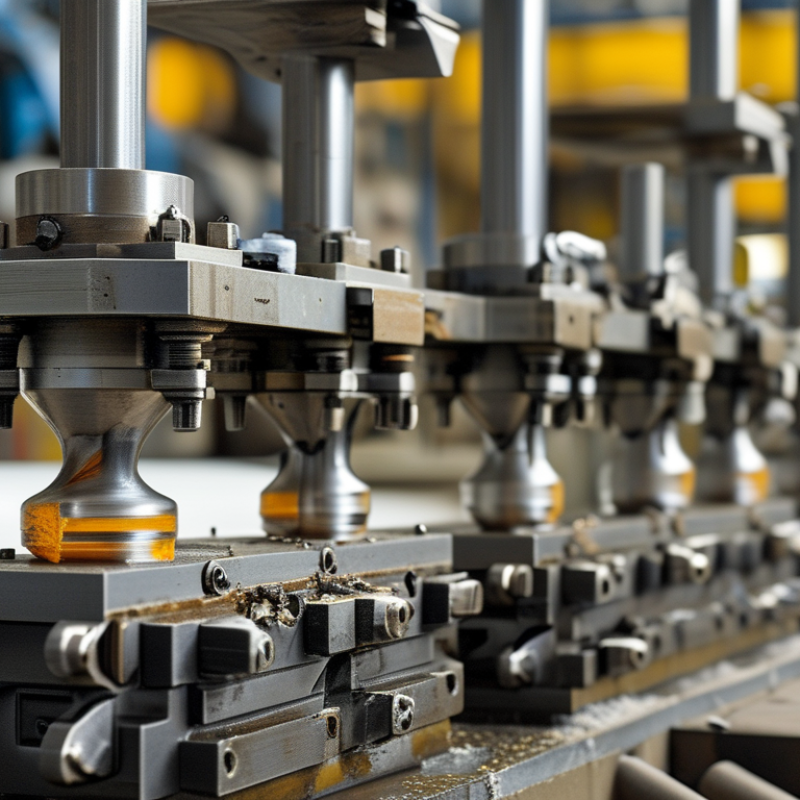
2026 Top ABS Extrusion Machinery Manufacturers?

ABS Extrusion Machinery: Definition, Applications, and Key Features

ABS Extrusion Machinery: Definition, Applications, and Key Features

ABS extrusion machinery converts acrylonitrile butadiene styrene pellets into continuous profiles, sheets, tubes, and custom sections. The process uses controlled heating, screw conveying, mixing, and die forming. A typical line includes a hopper dryer, twin- or single-screw extruder, die, cooling unit, haul-off, and cutting system.

Applications include appliance panels, automotive interior parts, protective housings, construction trims, and 3D-printing filament. The material offers useful impact resistance, surface quality, and dimensional stability. However, heat-sensitive ABS can degrade when temperature control is poor. That mistake still appears in practical factory audits.

Key features should include accurate barrel zoning, stable melt pressure, efficient screw design, and closed-loop cooling. Processors should also examine throughput, energy consumption, filtration, noise, and maintenance access. Grand View Research estimates the global plastic extrusion machinery market will expand steadily through 2030, supported by packaging, construction, and automotive demand. Its findings suggest that productivity alone cannot define a leading manufacturer.

PlasticsEurope reported global plastics production of 413.8 million tonnes in 2023. This figure increases pressure for efficient processing and better material recovery. ABS recycling remains technically demanding because additives, colors, and mixed polymers can reduce consistency. The numbers are useful, but not perfectly comparable across reports. Buyers should verify actual output through material trials, energy tests, and long-duration production checks. A glossy brochure is not evidence.

How ABS Extrusion Machines Work: Main Systems and Processing Steps

How ABS Extrusion Machines Work: Main Systems and Processing Steps

ABS extrusion begins with controlled feeding, not the screw. Pellets enter a hopper, pass through a dryer, and move toward a heated barrel. ABS can absorb moisture, causing bubbles, silver streaks, and brittle profiles. Many processors dry pellets near 80–85°C for several hours, then verify moisture before production. Small details matter.

Inside the barrel, a rotating screw conveys, melts, mixes, and pressurizes the material. Temperature zones commonly rise toward 220–260°C, while pressure sensors monitor unstable flow. A vacuum vent can remove trapped air and residual moisture. The die then shapes the melt into sheets, pipes, or technical profiles. Cooling tanks, sizing guides, haul-off rollers, and cutters control final dimensions. Uneven cooling may create warpage, even when the die appears correctly aligned.

Plastics—The Facts 2024 reports 413.8 million tonnes of global plastics production in 2023. That scale increases pressure for stable, efficient processing, including ABS applications in transport, electronics, and appliances. Energy use deserves attention; heaters, motors, and cooling systems can dominate operating costs. In practice, operators often adjust screw speed before changing temperatures. That habit is useful, but not always correct. A blocked screen, wet resin, or worn screw may be the real cause. Data logging helps reveal it.

How ABS Extrusion Machines Work: Typical Processing Temperature Profile

ABS extrusion machines typically move material through drying, feeding, melting, metering, die forming, and cooling systems. The chart shows representative temperature setpoints used across key processing stages; actual settings vary by ABS grade, screw design, die geometry, and product thickness.

Representative engineering values in °C: ABS drying is commonly performed near 80°C, while melt and die temperatures are generally maintained within approximately 220–260°C. Cooling temperatures depend on the product and cooling system.

2026 Criteria for Evaluating Top ABS Extrusion Machinery Manufacturers

Evaluating top ABS extrusion machinery manufacturers in 2026 requires more than comparing advertised output rates. Practical experience starts with material control. A reliable manufacturer should explain drying requirements, melt temperature stability, and residence-time management. These details affect surface finish, impact strength, and color consistency. Ask for trial data using comparable ABS grades, not only laboratory samples.

Technical expertise becomes visible in the screw design, venting system, filtration, and die structure. The machine should maintain steady pressure during profile changes. Operators also need clear controls, accessible heating zones, and safe cleaning procedures. Energy consumption deserves careful review. A lower purchase price may hide higher heating costs, frequent screen changes, or difficult maintenance. Inspect tolerance records, factory testing methods, and the calibration process. Numbers matter.

Authority should be supported by documented installations, trained service teams, and references from similar production environments. Reliable manufacturers provide realistic capacity figures and explain limitations. They should discuss spare-part availability, software updates, response times, and operator training. A factory visit can reveal more than a polished brochure. Look at cable routing, weld quality, guarding, and housekeeping. No evaluation is perfect. Some buyers may overvalue automation while ignoring basic temperature control. Others may trust impressive samples without checking long-run stability. A small pilot run can expose these weaknesses before a major investment.

Leading ABS Extrusion Machinery Manufacturers and Their Product Strengths

In 2026, leading ABS extrusion machinery manufacturers compete through process stability, energy control, and material flexibility. A 2024 global ABS market report projects steady growth through 2032, supported by automotive, electronics, and appliance demand. PlasticsEurope reported that plastics production remained above 400 million tonnes globally in 2023. This scale keeps efficient extrusion systems important.

The strongest manufacturers offer twin-screw extruders for compounding and single-screw lines for consistent sheet or profile production. Their equipment often includes gravimetric dosing, vacuum venting, melt filtration, and automatic temperature control. These features reduce black specks and uneven gloss in ABS products. Advanced control systems also record pressure, torque, and melt temperature during each run. Useful data, not decoration.

Energy performance matters. The International Energy Agency identifies industrial energy efficiency as a major emissions-reduction opportunity, although its reports do not isolate ABS extrusion alone. Modern machine designs therefore use optimized barrel heating, servo drives, and shorter start-up cycles. Recyclate compatibility is another strength, but claims should be tested. Recycled ABS can vary in moisture, impact strength, and contamination. I would not trust a brochure alone.

Reliable suppliers also provide die engineering, screw-design support, laboratory trials, operator training, and spare-parts planning. A 2024 plastics machinery outlook indicates continued investment in automation and digital monitoring. However, output figures depend heavily on resin grade, die geometry, and cooling conditions. Buyers should compare verified kilograms per hour, energy use per kilogram, and long-term maintenance records. Fancy screens cannot repair poor process design.

How to Select an ABS Extrusion Machinery Manufacturer for Your Needs

Selecting an ABS extrusion machinery manufacturer requires more than comparing prices and catalog photographs. Look for proven experience with ABS processing, especially in your target profile, sheet, or pipe application. Ask how the manufacturer controls melt temperature, screw design, die pressure, and cooling stability. These details affect surface quality, dimensional accuracy, and production waste. Request test reports, factory acceptance procedures, and clear records of material compatibility. A reliable manufacturer should explain limitations, not promise perfect results.

Tips: Ask for a sample trial using your actual ABS grade and additives. Observe the control panel, feeding consistency, noise, and temperature changes during operation. Check whether technicians can support installation, operator training, preventive maintenance, and spare-part planning. Visit an operating reference site if possible. One conversation is not enough. Speak with production staff, not only sales representatives.

Evaluate engineering depth as carefully as machine capacity. The manufacturer should provide drawings, electrical specifications, safety documentation, and measurable output conditions. Confirm how they handle recycled content, color changes, startup waste, and future upgrades. Independent quality certifications can support credibility, but they do not replace practical evidence. I have found that impressive specifications sometimes hide difficult cleaning routines or slow technical response. Build a written acceptance checklist before signing. Leave room for improvement, because your first production trial may reveal needs that were missed during planning.

2026 Top ABS Extrusion Machinery Manufacturers? - How to Select an ABS Extrusion Machinery Manufacturer for Your Needs

Selection Dimension Recommended Benchmark for ABS Processing What to Verify with the Manufacturer Why It Matters
Machine configuration Single-screw for standard sheet, profile, and pipe applications; twin-screw for compounding, high filler content, or intensive mixing Confirm whether the proposed design is optimized for the intended ABS grade, recycled content, fillers, flame retardants, or color concentrates ABS formulations vary considerably, and the wrong screw technology can reduce melt uniformity and product quality
Screw diameter Common production ranges are approximately 30–150 mm, depending on required output and product dimensions Request the actual screw diameter, usable screw length, maximum operating speed, and output range at the target material formulation Screw diameter affects throughput, residence time, torque requirements, and equipment investment
Screw length-to-diameter ratio Approximately 24:1–33:1 for many ABS extrusion applications; longer designs may support additional mixing or devolatilization Check the L/D ratio, mixing-section design, venting arrangement, and whether the screw is modular or fixed A suitable L/D ratio supports melting, homogenization, additive dispersion, and stable pressure development
Typical output capacity Small lines may operate below 100 kg/h; medium industrial lines commonly range from about 100–500 kg/h; larger systems can exceed 500 kg/h Ask for tested output using the same ABS grade, moisture level, die, screen pack, and product dimensions required for production Catalog capacity can differ from practical output under real processing conditions
Processing temperature control ABS is commonly processed with barrel and die zones roughly within 210–260°C, subject to grade and formulation requirements Verify the number of heating and cooling zones, control accuracy, thermocouple type, alarm functions, and independent die-zone control Stable temperature control helps prevent incomplete melting, surface defects, discoloration, and thermal degradation
Moisture management Drying is often required because ABS is hygroscopic; many grades are dried near 80–85°C for several hours, according to the resin supplier’s technical data sheet Confirm compatibility with a hopper dryer, desiccant dryer, moisture monitoring, and closed material conveying Excess moisture can cause silver streaks, bubbles, hydrolysis-related defects, and inconsistent mechanical properties
Melt filtration Continuous or hydraulic screen changers are useful for recycled ABS, colored compounds, and applications requiring consistent cleanliness Check screen area, filtration rating, changeover time, pressure monitoring, leakage protection, and maximum operating pressure Effective filtration protects downstream tooling and reduces gels, black specks, and contamination in the finished product
Die and calibration system Die selection must match the product: sheet die, profile die, pipe die, filament die, or pelletizing strand die Review die material, heating layout, adjustment method, calibration equipment, cooling capacity, and changeover procedure Tooling accuracy has a direct effect on thickness tolerance, dimensional stability, surface finish, and scrap rate
Dimensional control For precision products, evaluate automatic thickness, width, diameter, or weight control rather than relying only on manual adjustment Ask whether laser, beta, infrared, or other non-contact measurement systems can be integrated with closed-loop control Inline measurement can reduce material waste and maintain consistent product dimensions during production changes
Drive and torque capacity The motor and gearbox should provide sufficient torque at the required screw speed without continuous operation at the limit Request motor power, rated torque, gearbox service factor, speed-control range, overload protection, and energy-consumption data Correct drive sizing improves reliability and accommodates formulation changes, startup loads, and recycled material variation
Control and automation PLC-based control with a touch-screen HMI, recipe storage, trend records, alarms, and remote diagnostic capability is generally preferred Verify communication protocols, data export, user-access levels, multilingual support, cybersecurity measures, and backup procedures Automation improves repeatability, troubleshooting efficiency, operator safety, and production traceability
Energy efficiency Evaluate total energy consumption per kilogram of finished product rather than motor power alone Request measured kWh/kg data under comparable ABS output, including heaters, cooling, vacuum, conveying, and downstream equipment Whole-line energy efficiency has a stronger effect on operating cost than the nominal rating of one component
Safety provisions Equipment should include guarding, emergency stops, over-temperature protection, pressure alarms, interlocks, and safe access to hot zones Check conformity documentation applicable to the installation country, electrical standards, risk assessment, and safety validation records Safety systems reduce the risk of burns, entanglement, pressure incidents, and unauthorized operation
Maintenance requirements Prioritize accessible heaters, sensors, filters, lubrication points, wear parts, and cleanout areas Request preventive-maintenance intervals, spare-parts lists, screw and barrel wear data, recommended lubricants, and service procedures Easy maintenance reduces unplanned downtime and helps preserve output and product consistency
Material compatibility The machine should support the intended ABS grades, including virgin, regrind, flame-retardant, glass-filled, or other modified formulations where applicable Confirm corrosion and wear protection, screw metallurgy, barrel lining, feeding design, and validated processing trials for the selected formulation Fillers, additives, and recycled content can increase abrasion, corrosion, feeding difficulty, or thermal sensitivity
Factory acceptance testing A documented trial using the customer’s resin, target product, die, and quality criteria is strongly recommended before shipment Define acceptance criteria for output, dimensions, surface appearance, melt pressure, energy use, noise, and repeatability Testing converts general specifications into measurable proof that the line can meet production requirements
Installation and commissioning Require layout drawings, utility requirements, foundation loads, ventilation needs, and commissioning responsibilities before purchase Clarify installation supervision, operator training, startup support, documentation language, and responsibility for downstream integration Clear preparation reduces installation delays and prevents unexpected infrastructure costs
After-sales support Prefer suppliers able to provide technical support, spare parts, troubleshooting, and service response throughout the expected equipment life Review service response times, local support coverage, spare-parts availability, warranty terms, software support, and escalation procedures Service quality directly influences uptime and the long-term value of the extrusion line
Total cost of ownership Compare purchase price together with tooling, installation, energy, labor, maintenance, wear parts, downtime, and future capacity upgrades Request a five-year cost estimate based on planned operating hours, material throughput, electricity price, and maintenance assumptions The lowest initial quotation may not provide the lowest cost per kilogram over the machine’s operating life
Supplier evaluation method Use a weighted scorecard covering technical fit, verified output, quality, safety, service, delivery capability, and total cost Obtain references for comparable ABS applications, review documented test results, and score each proposal using identical criteria A structured evaluation reduces purchasing bias and makes different technical proposals easier to compare
Technical ranges are general industry benchmarks. Final operating conditions should be confirmed against the specific ABS resin manufacturer’s technical data sheet, the required product design, and a documented machine trial.

FAQS

What does ABS extrusion machinery do?

It melts ABS pellets and forms continuous sheets, tubes, profiles, or custom sections. A typical line uses a dryer, extruder, die, cooling unit, haul-off, and cutter.

Which products can ABS extrusion lines produce?

Common products include appliance panels, vehicle interior parts, protective housings, construction trims, and filament. Die design determines the final shape and dimensions.

Why is temperature control important during ABS extrusion?

Poor control can degrade heat-sensitive ABS and damage surface quality. Accurate barrel zones and stable melt temperature reduce discoloration and waste. Small errors matter.

What machine features should buyers examine?

Check screw design, melt-pressure stability, dosing accuracy, filtration, cooling control, and maintenance access. Energy use, noise, and throughput also deserve attention.

Should a buyer choose a single-screw or twin-screw extruder?

Single-screw systems suit consistent sheet and profile production. Twin-screw systems provide stronger mixing and support compounding or variable formulations. The material trial should decide.

How can manufacturers verify an extrusion machine’s real output?

Request trials using the intended ABS grade, additives, die, and cooling conditions. Measure kilograms per hour, energy per kilogram, surface quality, and dimensional stability. Test it first.

Can ABS extrusion machinery process recycled material?

It can, but recycled ABS may vary in moisture, color, impact strength, and contamination. Buyers should confirm performance through repeated trials, not attractive written claims.

What support should an equipment supplier provide?

Useful support includes die engineering, screw guidance, installation, operator training, maintenance plans, and spare-parts advice. Ask for drawings, safety documents, and factory acceptance records.

How should buyers compare different machinery suppliers?

Compare verified production data, energy results, cleaning time, response speed, and long-term maintenance records. Visit an operating site and speak with production staff. One discussion is insufficient.

What mistakes can happen during equipment selection?

Buyers may focus on price, catalog photographs, or impressive control screens. These details cannot replace actual material trials and a written acceptance checklist. I would still leave room for revision.

Conclusion

This guide explains Abs Extrusion Machinery, including its definition, common applications, and key features in plastics processing. It describes how ABS materials are heated, melted, mixed, filtered, and shaped through coordinated systems such as the feeding unit, screw and barrel, heating and cooling controls, die, calibration equipment, and cutting or winding devices. Understanding these processing steps helps manufacturers improve output consistency, surface quality, dimensional accuracy, and production efficiency.

The article also presents practical criteria for evaluating top ABS extrusion machinery manufacturers in 2026. Important considerations include equipment reliability, extrusion precision, energy efficiency, automation capabilities, customization options, technical support, spare-parts availability, safety design, and total operating cost. By comparing manufacturers according to product strengths and matching their capabilities with material requirements, production capacity, product dimensions, and budget, buyers can select a suitable partner for stable, efficient, and long-term ABS extrusion production.

Madeline

Madeline

Madeline is a dedicated marketing professional with a wealth of expertise in our company's core offerings. With a keen understanding of the industry, she brings a unique perspective to her role, consistently delivering high-quality content that highlights the superior aspects of our products. As......