
2026 Top Hips Board Extrusion Line Innovations and Trends?

Time:2026-07-05 Author:Ethan
0%

In recent years, the demand for Hips Board Extrusion Line technology has surged significantly. According to industry reports, the global market for board extrusion is projected to grow at a compound annual growth rate (CAGR) of 7% through 2026. Innovations in this sector are crucial to meet evolving consumer needs. However, with advancements come challenges related to efficiency and resource management.

The Hips Board Extrusion Line plays a pivotal role in producing high-quality materials for various applications, from construction to consumer goods. As sustainability becomes a priority, manufacturers are exploring eco-friendly practices. Reports indicate that 60% of consumers are willing to pay a premium for products made with sustainable materials. This shift encourages innovations that align with both environmental and economic goals.

However, many manufacturers face obstacles in integrating new technologies. Training personnel on these innovations remains a significant hurdle. Moreover, there are inconsistencies in the quality of raw materials that impact the production process. As the industry looks to the future, balancing innovation with reliability will be essential for sustained success in the Hips Board Extrusion Line market.
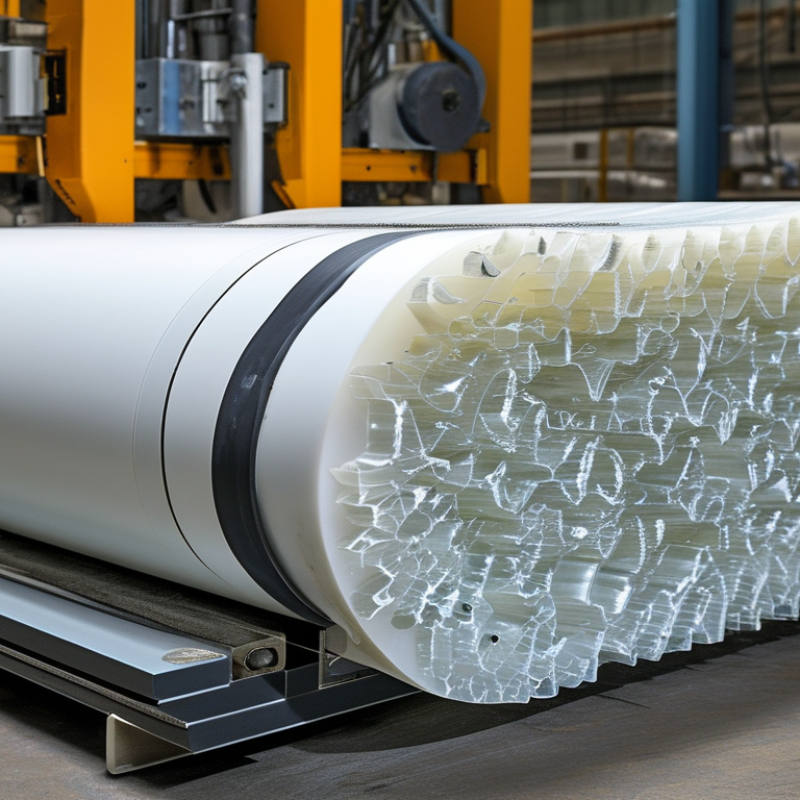
2026 Top Hips Board Extrusion Line Innovations and Trends?

Overview of HIPS Board Extrusion Technology in 2026

The year 2026 is set to witness significant advancements in HIPS board extrusion technology. This evolution stems from both industrial demand and environmental concerns. Extrusion lines are becoming more efficient, with energy consumption reduced by up to 30% compared to previous models. Reports indicate that the market for HIPS board is expected to grow at a CAGR of 5.2% through 2026, underscoring the increasing reliance on this material in various applications.

Innovative techniques are emerging, particularly in recycling scrap materials. Companies are implementing closed-loop systems, which enhance sustainability. The challenge lies in achieving consistent quality during recyclability processes. Data suggests that nearly 25% of HIPS production involves recycled content, yet the technology to seamlessly integrate this remains in development. As manufacturers adapt, the balance between quality and sustainability becomes crucial.

Another trend is the customization of HIPS boards through advanced extrusion processes. Tailored formulations allow for specific characteristics, such as improved impact resistance and enhanced color retention. Industry experts note that these innovations can lead to increased waste during initial production runs. Striking a balance between meeting diverse customer needs and limiting material waste will be essential as the industry moves forward.

Key Innovations in HIPS Board Extrusion Lines for Enhanced Efficiency

The extrusion line for HIPS boards is evolving rapidly. Recent industry reports highlight a focus on enhancing efficiency. Innovations in automation are now prominent. Automated processes can increase production speed by up to 30%. This reduction in manual intervention also lowers labor costs.

Energy-efficient technologies are gaining traction in extrusion processes. The adoption of advanced heating systems can reduce energy consumption by nearly 20%. Using efficient cooling techniques ensures consistent product quality. However, challenges remain. Companies often struggle with integrating these new technologies into existing systems. The learning curve can be steep for operators.

Another trend is the emphasis on sustainability. Many manufacturers are exploring bio-based materials for HIPS boards. Reports indicate that consumers demand more sustainable products. Unfortunately, the transition is not always smooth. Sourcing these materials can be difficult. There is still much to learn about their performance in extrusion lines. Overall, the landscape is shifting, but some areas require further exploration and improvement.

Emerging Trends in Sustainable Materials for HIPS Board Production

Sustainable materials are reshaping the production of HIPS boards. As industries seek eco-friendly solutions, the focus is on reducing waste and emissions. This aligns with the global push for sustainability. One notable trend is the use of recycled plastics in HIPS board production. Incorporating recycled materials can significantly decrease the carbon footprint.

Biodegradable additives are gaining traction as well. These can enhance the environmental profile of HIPS boards. Manufacturers are experimenting with natural polymers to optimize performance. While these innovations show promise, challenges remain. The durability and cost-effectiveness of biodegradable solutions need further evaluation.

Another intriguing development involves the bond between HIPS boards and eco-friendly coatings. These coatings not only improve aesthetics but also bolster the boards’ sustainability credentials. However, the industry must address compatibility issues. Overall, embracing sustainable materials presents a complex landscape of opportunities and challenges. The path forward requires ongoing reflection and research.

Integration of Smart Technology in HIPS Extrusion Processes

The integration of smart technology in HIPS extrusion processes is reshaping the industry. Advanced sensors and real-time monitoring systems offer unprecedented control over production parameters. This capability allows manufacturers to achieve precise temperature regulation and optimized material flow. Consequently, quality consistency improves significantly, leading to reduced waste and enhanced efficiency.

Artificial intelligence (AI) plays a crucial role in predictive maintenance. By analyzing machine data, AI systems can forecast potential failures before they occur. This proactive approach minimizes downtime and reduces costly repairs. However, companies must be cautious. Relying too heavily on technology may lead to skills erosion among operators. Balancing human expertise with automation is critical.

Innovation in HIPS extrusion is not without challenges. Integrating smart systems can require significant investment and training. Smaller manufacturers might struggle to keep pace with larger competitors that have more resources. Additionally, maintaining data security becomes paramount in this more connected environment. Addressing these issues will be vital for the sustainable adoption of smart technology in the industry.

Comparative Analysis of Global HIPS Board Extrusion Market Players

The global HIPS board extrusion market is witnessing dynamic changes, driven by innovation and competition. Recent studies indicate that the market size is projected to reach USD 1.5 billion by 2026, growing at a CAGR of 5.2% from 2021. Key players are focusing heavily on sustainability. Adaptations in manufacturing processes are crucial for reducing waste and energy consumption.


In terms of competitive landscape, many companies have adopted advanced extrusion technologies. For instance, the integration of automation is enhancing production efficiency. This shift allows manufacturers to optimize resources while responding to customer demands more effectively. Additionally, emerging markets in Asia-Pacific are becoming significant players, showcasing rapid growth. However, companies must also grapple with fluctuating raw material costs. Such volatility can impact pricing strategies and profit margins.


Market trends reveal a growing emphasis on product customization and versatility. More producers are exploring different color and texture options for HIPS boards. This adaptability can meet diverse end-use applications, from packaging to construction. Yet, the challenge remains in balancing quality with cost. Stakeholders must navigate these complexities to maintain a competitive edge in the evolving market landscape.

FAQS

: What recent innovations are improving efficiency in HIPS board extrusion lines?

: Innovations in automation can boost production speed by up to 30%. These changes also cut labor costs.

How are energy-efficient technologies impacting extrusion processes?

Advanced heating systems can reduce energy consumption by nearly 20%. Efficient cooling techniques also improve product quality.

What sustainability practices are manufacturers exploring for HIPS boards?

Many are looking into bio-based materials due to consumer demand for sustainable products. Sourcing these materials can be challenging.

How is smart technology changing HIPS extrusion processes?

Advanced sensors and monitoring systems enhance control, improve quality, and reduce waste in production.

What role does AI play in HIPS production?

AI enables predictive maintenance, forecasting failures before they happen. This reduces downtime and saves on repairs.

What challenges do smaller manufacturers face in adopting smart technology?

Smaller companies often struggle with costs and training, making it hard to compete with larger players.

Why is balancing automation and human expertise important?

Heavy reliance on technology may erode operator skills, leading to potential issues in production quality.

How is the global market for HIPS boards changing?

The market is growing rapidly, expected to reach USD 1.5 billion by 2026, driven by innovation and sustainability.

What competitive strategies are companies using in the HIPS market?

Many companies optimize resources with automation while adapting to customer demands for customized products.

What remains a challenge in the HIPS extrusion sector?

Companies face fluctuating raw material costs, impacting product pricing and profit margins while balancing quality with cost.

Conclusion

The article titled "2026 Top HIPS Board Extrusion Line Innovations and Trends" provides a comprehensive overview of the advancements in HIPS board extrusion technology for the year 2026. It highlights key innovations aimed at enhancing the efficiency of HIPS Board Extrusion Lines, showcasing how modern designs and techniques improve production capabilities while reducing waste. Additionally, the piece discusses emerging trends focused on sustainable materials, reflecting the growing demand for eco-friendly practices in the industry.

Moreover, the integration of smart technology in the extrusion processes is explored, emphasizing the role of automation and data analytics in optimizing production. A comparative analysis of global players in the HIPS board extrusion market is also presented, offering insights into competitive strategies and market dynamics. Overall, the article captures the transformative changes in the HIPS Board Extrusion Line landscape, defining the future of this sector.

Ethan

Ethan

Ethan is a seasoned marketing professional with a deep expertise in our company's innovative product line. With a passion for sharing knowledge and insights, he takes the lead in regularly updating our corporate blog, where he explores industry trends, product features, and effective marketing......