
In an ever-evolving market, the demand for high-quality manufacturing equipment is surging. The Pfa Board Extrusion Line represents a crucial advancement in production technology. Manufacturers worldwide are keen on enhancing their capabilities, thus driving interest in this innovative machinery.
China has emerged as a leading supplier of Pfa Board Extrusion Lines. This rise is attributed to its technological expertise and extensive manufacturing experience. However, choosing the right supplier can be overwhelming. Global buyers must navigate various options, assessing quality, performance, and value.
Understanding the nuances of the Pfa Board Extrusion Line is vital. Potential buyers should consider the production capacity, material compatibility, and long-term reliability. These factors are essential for maintaining efficiency and meeting industry demands. Despite the advancements, some challenges remain, such as fluctuating prices and varying quality standards. Buyers should reflect on these issues to make informed decisions.
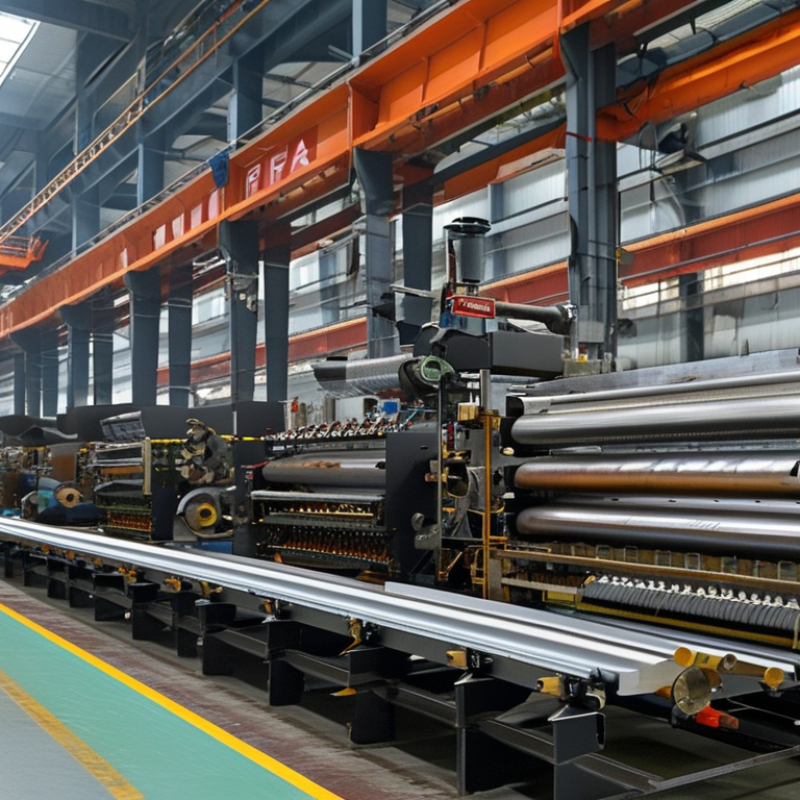
China has emerged as a leader in PFA board extrusion technology. This advancement has attracted global buyers seeking reliable and efficient solutions. The process is characterized by high precision and optimal performance.
The technology behind PFA board extrusion is constantly evolving. Manufacturers focus on enhancing the durability and thermal resistance of the boards. Quality control measures are in place, although there are occasional lapses that require attention. These lapses highlight the need for continuous improvement and adaptation within the industry.
Moreover, global buyers appreciate the customization options available in China. Tailored solutions mean that specific needs can be met more effectively. However, communication challenges sometimes arise, leading to misunderstandings. Addressing these gaps is essential for building strong partnerships. The commitment to innovation keeps pushing the boundaries of what PFA board extrusion can achieve.
When considering a PFA board extrusion line, there are key features that buyers should prioritize. High-quality materials are essential for durability and performance. Many extrusion lines utilize advanced technology to ensure smooth operations. This includes precision temperature control and consistent cooling systems that enhance product quality.
Tips: Always check the specifications. Look for extrusion lines that support various thicknesses and widths of PFA boards. Flexibility is vital in today’s market.
Another essential aspect is the automation level of the extrusion line. Fully automated systems reduce human error and increase production efficiency. However, the learning curve for operating these systems can be steep. Training offers an opportunity to overcome those challenges and maximize the benefits.
Tips: Seek suppliers that offer comprehensive training programs. Investing time in learning can lead to long-term operational success.
Lastly, after-sales support can significantly impact your operational efficiency. Reliable technical support ensures any issues are addressed quickly. Regular maintenance services can prevent costly downtimes. A thoughtful evaluation of these factors can guide buyers towards a more informed decision-making process.
China's PFA extrusion lines have gained recognition for their advanced technology and efficiency. Many manufacturers appreciate their ability to produce high-quality PFA products. These lines often feature automation that enhances productivity and reduces labor costs. The technology used reflects years of engineering expertise and experience.
However, challenges still exist. Some users report inconsistencies in output quality, particularly with complex designs. This inconsistency raises concerns about reliability. Global competitors may offer more robust support and maintenance services. While China excels in cost-effectiveness, after-sales support remains a key consideration for buyers.
In comparing features, China's extrusion lines often boast higher throughput. Yet, they may fall short in energy efficiency compared to European or North American counterparts. Some users question whether the initial savings in equipment costs will outweigh long-term operational expenses. This aspect is crucial for decision-making. The market dynamics necessitate a careful examination of priorities and potential trade-offs.
| Feature | China PFA Extrusion Line | Global Competitors |
|---|---|---|
| Production Capacity (kg/h) | 150-200 | 100-180 |
| Energy Efficiency (kWh/kg) | 2.5 | 3.0 |
| Cost (USD per unit) | 20,000 | 25,000 |
| Lead Time (months) | 3 | 4-6 |
| Materials Used | High-Grade PFA | Standard PFA |
| Warranty (years) | 2 | 1 |
| After-Sales Support | 24/7 | Business hours only |
The demand for PFA boards is rising globally. Industries like chemicals, pharmaceuticals, and food processing are turning to these materials. Their exceptional chemical resistance and high thermal stability are key benefits. PFA boards are not just durable; they also ensure safety in high-stress environments. However, the production of PFA boards must be approached with care.
Market trends indicate an increasing need for customized solutions. Buyers often seek specific sizes and properties. This push for customization can challenge manufacturers. Balancing production efficiency and tailored requests demands advanced technology and skilled labor. Quality control remains critical, yet imperfections can occur. Each defect can lead to costly delays in industrial applications.
As industries continue evolving, the relevance of PFA boards remains evident. Yet, manufacturers must address varying demands effectively. Collaboration with end-users is essential for improvement. Understanding market needs and adapting processes fosters innovation. The journey ahead is promising but requires reflection and intention.
China's PFA board sector is gaining traction among global buyers due to its robust investment opportunities. The demand for perfluoroalkoxy (PFA) materials is projected to grow significantly. According to a recent market report, the PFA market may reach over $1 billion by 2026, reflecting a compound annual growth rate (CAGR) of about 5% from 2021. This growth indicates a promising landscape for both established companies and newcomers in the industry.
Investors are particularly drawn to China's advancements in PFA board extrusion technology. The country's production capacity has increased by approximately 30% in the past three years. This improvement facilitates lower production costs and increases overall output, thereby enhancing competitive pricing for buyers. However, it's crucial to navigate potential challenges, such as fluctuating raw materials costs and compliance with international quality standards. These factors may impact profitability and operational stability.
Engaging in China's PFA board market offers potential rewards, but also requires careful consideration. Many buyers have reported initial difficulties in establishing supplier relationships. It's essential for new entrants to conduct thorough due diligence. Understanding local regulations and market dynamics can prevent costly missteps. Finally, aligning with trusted local partners can mitigate risks and maximize investment benefits.
board extrusion technology?
China's advancements in manufacturing and technology make it attractive to global buyers.
They aim to enhance durability and thermal resistance of PFA boards.
Communication issues can lead to misunderstandings between buyers and suppliers.
Yes, the demand for PFA materials is projected to grow significantly.
They should conduct thorough due diligence and understand local regulations.
Production capacity has increased by about 30%, allowing for lower costs.
Fluctuating raw materials costs and compliance with international standards.
Effective communication and aligning with trusted local partners is key.
The market may exceed $1 billion, with a growth rate around 5%.
The article titled "China Best PFA Board Extrusion Line for Global Buyers?" provides a comprehensive overview of the advancements in PFA board extrusion technology in China. It highlights the key features that distinguish high-quality PFA board extrusion lines, including efficiency, durability, and cost-effectiveness. A comparative analysis reveals how China's extrusion lines currently outpace their global competitors, making them an attractive option for international buyers.
Additionally, the article explores the rising market trends and demand for PFA boards across various global industries, indicating a robust potential for growth. It also outlines potential investment opportunities for buyers looking to tap into China's burgeoning PFA board sector, showcasing the importance of the PFA board extrusion line in meeting the needs of diverse applications worldwide.
