
When selecting the right Plastic Sheet Extrusion Machinery, expertise is essential. Industry expert Dr. Emily Thompson emphasizes, “Investing in quality machinery is crucial for long-term success.” The choice of machinery directly impacts production efficiency and product quality. Each component matters in creating plastic sheets that meet stringent standards.
Understanding your production needs is a critical step. Different equipment serves various manufacturing requirements. Balancing quality and cost can be challenging. It often leads to regret in future decisions. Choosing the wrong machinery can compromise production capabilities and customer satisfaction.
Investing time in research is never wasted. Seek insights from experienced professionals and industry leaders. Explore case studies and real-world applications of machinery options. This careful approach fosters informed decisions, ultimately enhancing durability and performance in your plastic sheet production lines.
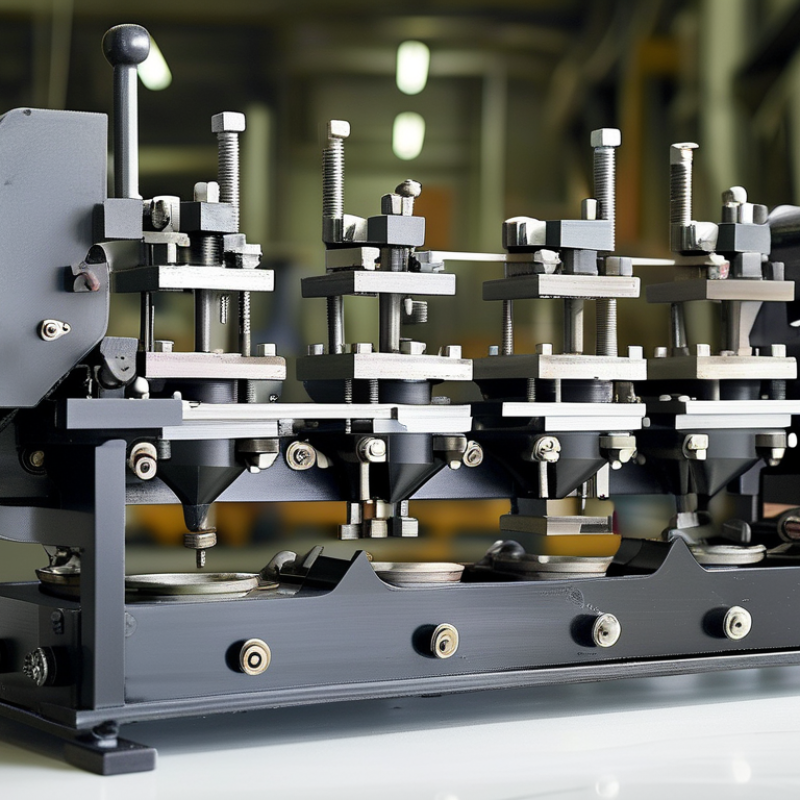
When selecting plastic sheet extrusion equipment, it's vital to consider several key factors. First, assess the capacity requirements. Determine the volume of production needed. This helps define machine specifications and size. A machine too small may hinder efficiency. Conversely, an oversized machine can lead to wasted energy and higher costs.
Another important aspect is the material compatibility. Different polymers have unique processing needs. Make sure your chosen equipment can handle the specific type of plastic you'll be using. This can significantly impact product quality. Lack of compatibility might cause problems. Equipment should also be adaptable for potential changes in materials.
While price is a key factor, don't overlook the importance of after-sales support. Reliable service can save you time and money. Choose machinery that provides good technical assistance. The complexity of extrusion can lead to unforeseen issues. Regular maintenance and expert guidance are crucial for optimal performance. Taking these tips into account can lead to better decisions in the long run.
When selecting a plastic sheet extruder, understanding the different types available is essential. Two primary types dominate the market: single-screw and multi-screw extruders. Single-screw extruders are widely used for their simplicity and lower cost. They work well for processing a range of materials. Reports indicate that around 70% of plastic extrusion applications utilize single-screw technology. However, they may struggle with certain formulations that require precise mixing.
On the other hand, multi-screw extruders, while more expensive, offer advantages in processing complex and high-viscosity materials. They provide better control and efficiency. Industry data shows that the demand for multi-screw extruders has been on the rise, especially for specialty applications. Between 2018 and 2023, the multi-screw segment is projected to grow by 6.5% annually.
Considering your production needs is crucial. If flexibility and versatility are your goals, a single-screw model might suffice. Conversely, if you require specific material properties and consistent quality, investing in a multi-screw extruder could be worth it. Reflecting on the pros and cons of each type can guide your decision-making process effectively.
| Type of Extruder | Material Compatibility | Production Capacity (kg/h) | Energy Efficiency (%) | Cost Range (USD) |
|---|---|---|---|---|
| Single Screw Extruder | PS, ABS, PP | 50-200 | 75 | 20,000 - 50,000 |
| Twin Screw Extruder | PVC, PET, PLA | 150-400 | 85 | 50,000 - 100,000 |
| Sheet Extruder | PC, PMMA, HDPE | 100-300 | 78 | 30,000 - 70,000 |
| Cast Film Extruder | LDPE, LLDPE | 50-150 | 80 | 25,000 - 60,000 |
When choosing plastic sheet extrusion machinery, evaluating machine specifications and capabilities is crucial. The right machine should fit your production needs and improve efficiency. Consider factors like extruder size, screw design, and heating zones. These elements determine output quality and speed. A well-designed machine ensures uniform material flow, which is vital for sheet consistency.
Pay attention to energy consumption. Machines that use advanced technology can reduce costs. Look for models with adjustable parameters. Flexibility in settings allows for a range of materials and thicknesses. This is especially important for evolving production demands. Carefully study technical sheets; they reveal machine limits and strengths.
Lastly, consider support services offered by manufacturers. Good after-sales support can resolve issues quickly. Some machines may require frequent maintenance, which could impact production. Understanding limitations is essential. Be realistic about what your chosen machinery can achieve. Balancing performance and reliability will lead to successful outcomes in production.
Efficiency and energy consumption are critical factors in choosing plastic sheet extrusion machinery. According to a recent industry report, energy costs can account for up to 25% of overall manufacturing expenses. Selecting machinery that optimizes energy use can greatly impact profitability. For instance, advanced models may incorporate energy recovery systems. These systems can reduce energy consumption by as much as 15-20%.
However, not all machines deliver the same performance. Understanding the manufacturer's energy ratings is essential. The report indicates that machines with higher efficiency ratings often have higher upfront costs. Businesses must weigh these costs against long-term savings. It’s a delicate balance between initial investment and ongoing operational expenses.
Monitoring machine output is also vital. Data shows that extrusion machinery can vary significantly in production rates. Slower machines can lead to reduced productivity and increased energy use. Regular assessments of machinery performance can help identify inefficiencies. Investing in technology that provides real-time monitoring can be beneficial. This investment enables manufacturers to make informed adjustments. Ultimately, the right choice of extrusion machinery should align with both efficiency goals and energy consumption targets.
Choosing the right plastic sheet extrusion machinery is a pivotal decision for manufacturers. One of the most crucial aspects of this choice is researching the reputation of manufacturers. A reputable manufacturer often reflects their product's quality. Industry reports indicate that 82% of manufacturers value a supplier’s history and support when making purchasing decisions.
Investigating manufacturer support services can save costs in the long run. Machines require maintenance and occasional repairs; therefore, reliable customer service plays an essential role. If a manufacturer provides inadequate support, production can halt unexpectedly, leading to significant losses.
When evaluating manufacturers, consider their technical support offerings. Clear communication can prevent misunderstandings. Seek out companies that offer training and easy access to parts. Additionally, technical documentation and online resources can be invaluable.
Remember, taking time to gauge a manufacturer's reputation is not just smart; it’s essential. Investing in machinery from a trusted source ensures longevity and efficiency. Look for customer reviews and industry assessments. These insights will guide you toward a manufacturer that prioritizes your needs and operational support.
: Assess your production capacity needs and ensure the machine meets those specifications.
Verify that the equipment can handle the specific types of plastics you plan to use.
Reliable support helps you resolve issues quickly and maintain machine efficiency over time.
A reputable manufacturer often offers higher quality products and better customer service.
Poor support can lead to unexpected downtime and significant financial losses.
Consider clear communication, training, access to parts, and valuable online resources.
A machine that’s too small can hinder efficiency while an oversized one wastes energy.
Yes, customer reviews provide insights into a manufacturer's reliability and support.
When selecting Plastic Sheet Extrusion Machinery, it is essential to consider various key factors to ensure optimal performance and efficiency. First, understand the different types of plastic sheet extruders available, as they vary in design and application. Evaluating machine specifications and capabilities is crucial; this includes assessing throughput, temperature control, and material compatibility to meet production demands.
Additionally, efficiency and energy consumption should be assessed, as modern machinery can offer significant savings in operational costs through enhanced technologies. Lastly, researching the reputation of manufacturers and their support services is vital to ensure reliability and long-term maintenance. By focusing on these aspects, businesses can make informed decisions when choosing the right Plastic Sheet Extrusion Machinery for their needs.