
In the world of plastic manufacturing, "Extrusion Tooling For ABS" stands out as a key player in enhancing productivity. Industry expert John Matthews, a veteran in the extrusion sector, has noted, "The right tooling can make all the difference in production efficiency." His insight reflects the critical role that proper tooling plays in achieving optimal results.
When working with ABS, choosing the right extrusion tooling is crucial. These tools not only dictate the flow of material but also influence final product quality. ABS, known for its durability and versatility, requires specialized tooling to maximize its properties. Yet, many manufacturers overlook this aspect. They sometimes settle for standard options, which can lead to inefficiencies.
It’s essential to explore advanced options in "Extrusion Tooling For ABS." Failing to do so may limit production capabilities. Manufacturers must stay informed. The right tooling can lead to significant improvements in output and quality. However, the quest for efficiency is ongoing. There are always new technologies emerging, and reflection on current practices can lead to better solutions.
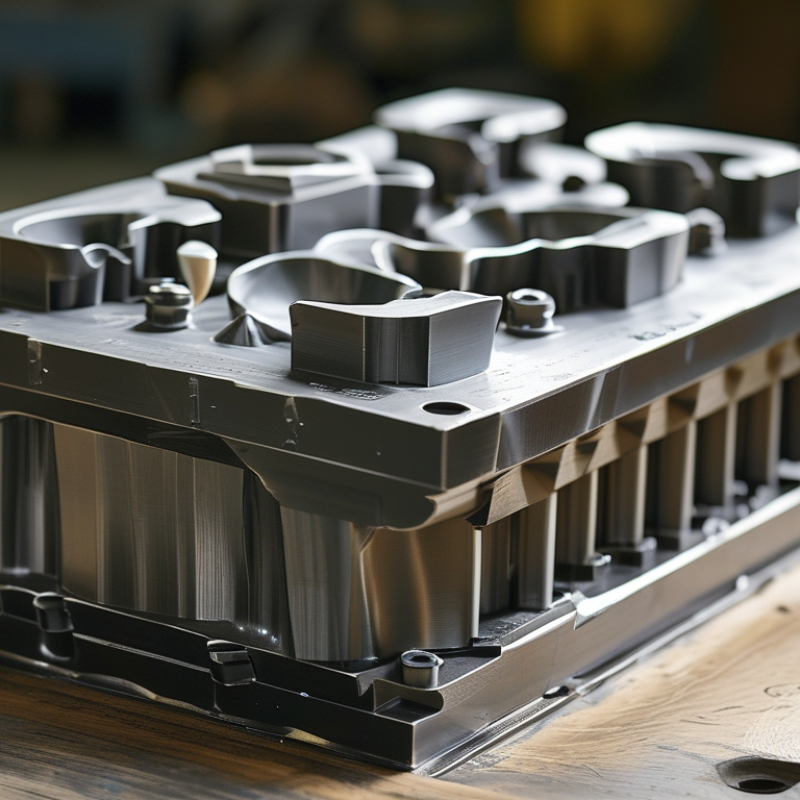
When discussing extrusion tooling for ABS applications, several types stand out for their efficiency. The streamlined design of barrel and die systems plays a crucial role. According to a study by the Plastic Industry Association, optimized tooling can improve output rates by up to 30%. Such systems minimize material waste and enhance the quality of extruded ABS products.
Another key type is the screen pack used in the extrusion process. These screen packs act as filters, ensuring consistent material flow. Reports have shown that proper screen pack design can reduce contamination levels by 25%. However, selecting the wrong mesh size can lead to a bottleneck in production. It’s vital to regularly assess the performance of screen packs to maintain efficiency.
Heat exchangers also significantly impact ABS extrusion. They maintain optimal processing temperatures, which is essential for achieving the desired material properties. If not regularly maintained, heat exchangers can lead to uneven heating. This can create variability in product quality. Industry experts suggest routine checks to avoid such pitfalls. Each component of the extrusion tooling must work in harmony to enhance overall production efficiency.
Efficient extrusion tooling is crucial for processing ABS materials effectively. Some key features elevate production efficiency significantly. Accurate temperature control systems help maintain consistent material viscosity. This ensures uniform flow, resulting in a smoother extrusion process.
Another important aspect is tool design. Custom shapes and sizes can minimize waste. A well-thought-out geometry allows for better material distribution. This results in higher product quality. Additionally, reducing friction within the tooling can lead to energy savings. Streamlined tooling designs also enhance the overall lifespan of the equipment.
However, it's essential to consider manufacturing tolerances. Often, slight misalignments can cause issues. These problems may result in defects in the final product. Regular maintenance is necessary to uphold these efficiencies. While efficiency can be achieved, there is always room for improvement. The journey to optimal production requires continuous evaluation of tooling performance and material compatibility.
| Tooling Type | Material Compatibility | Production Rate (kg/h) | Temperature Range (°C) | Cost (USD) | Key Features |
|---|---|---|---|---|---|
| Single-Screw Extruder | ABS, PC | 100 | 220 - 240 | 15,000 | High shear rate, energy-efficient |
| Twin-Screw Extruder | ABS, PS, LDPE | 150 | 200 - 250 | 25,000 | High mixing efficiency, customizable |
| Co-Extrusion Die | ABS, PVC | 80 | 210 - 230 | 8,000 | Layered structure, improved surface finish |
| Sheet Extrusion Die | ABS | 120 | 180 - 220 | 12,000 | Uniform thickness, high output |
| Blown Film Die | ABS, HDPE | 90 | 200 - 240 | 10,000 | Enhanced film quality, flexible applications |
The design of tooling significantly affects ABS production rates. Shaping and cooling designs play crucial roles. Effective tooling minimizes downtime and improves material flow. Engineers must focus on precise dimensions and thermal management. These aspects can drastically reduce cycle times.
Empirical studies show that a well-designed extruder can increase output by up to 30%. However, not all designs yield the same results. Some tooling may present issues like warping or inconsistent pressure. These problems lead to defects in the final product.
Balancing detail and functionality is essential in tooling design. Engineers often face challenges in material selection and cost-efficiency. A shift toward advanced materials may enhance durability but could increase expenses. The best tooling designs adapt over time. Continuous assessment and iteration are vital to meet evolving production demands.
Innovative materials play a crucial role in the efficiency of ABS extrusion tooling. Advanced polymers, such as glass-filled ABS and specialty blends, significantly enhance the mechanical properties of the final product. According to a recent industry report, the incorporation of these innovative materials can increase production speed by up to 30%. This improvement facilitates faster molding cycles and better dimensional stability in the extrusion process.
Proper tooling design is essential for maximizing efficiency. The use of coatings, such as nickel plating, reduces friction during processing. Reduced friction leads to less wear and tear on tools. In the long run, this decreases maintenance costs significantly. A recent study shows that properly treated tooling can extend the lifespan of molds by over 40%.
Tip: Regularly evaluate the quality of your materials and tooling. Small changes can yield better performance. Experiment with different compounds to find the optimal mix for your specific applications. Be open to re-evaluating your processes too. Continuous improvement is key to maintaining a competitive edge in the industry.
Maintaining extrusion tools is crucial for optimizing production efficiency, especially when working with ABS materials. Regular inspections and cleaning can significantly increase tool lifespan. Data from industry reports indicate that proper maintenance can improve productivity by up to 30%. Each delay due to equipment failure can cost manufacturers thousands in both time and finances.
Lubrication and alignment are often overlooked yet essential aspects of tool maintenance. A 2022 study showed that unaligned tools contributed to a 25% increase in scrap rates. Implementing a routine check can help ensure tools are properly aligned, reducing waste. It's also vital to consider the materials being extruded. ABS tends to degrade under high temperatures; consequently, monitoring thermal levels is crucial.
Adopting a systematic maintenance schedule can sometimes reveal issues that require significant investment. While investing in high-quality tooling is important, the costs of neglecting maintenance can be even higher. Taking time to reflect on maintenance practices and their impact is necessary for continuous improvement in extrusion processes.
: It helps maintain material viscosity for uniform flow and smoother extrusion.
Custom shapes minimize waste and improve material distribution for better product quality.
It leads to energy savings and enhances the overall lifespan of the equipment.
Misalignments can cause defects in the final product and affect production quality.
Regular inspections and cleaning can increase tool lifespan and productivity.
Advanced materials may enhance durability but could lead to higher expenses.
ABS degrades under high temperatures, so maintaining proper thermal levels is essential.
Unaligned tools can increase scrap rates by 25%, leading to wastage.
Continuous assessment and iteration are vital to adapt to evolving production demands.
They should consider the impact of maintenance on production efficiency and costs.
The article "Top Extrusion Tooling for ABS That Boosts Production Efficiency" discusses various aspects of extrusion tooling specifically designed for ABS applications. It outlines the top types of extrusion tooling available, emphasizing their key features that contribute to high production efficiency. The design of these tools plays a crucial role in enhancing ABS production rates, as specific configurations can lead to improved material flow and reduced downtime.
Additionally, the article highlights innovative materials used in the construction of extrusion tooling for ABS, which can significantly impact performance and durability. Finally, best practices for maintaining these tools are examined, offering insights into how proper care can further enhance their efficiency and lifespan. Overall, effective extrusion tooling for ABS is essential for optimizing production processes in relevant industries.
