
The PVC Board Extrusion Line is essential in producing high-quality PVC boards. This manufacturing process offers versatility and efficiency, making it attractive for global buyers. As the demand for PVC boards increases, selecting the right extrusion line becomes crucial.
Investing in a PVC Board Extrusion Line can be daunting. Numerous options are available, and each comes with unique features and advantages. Buyers need to evaluate their production needs thoroughly. Factors like capacity, automation, and energy efficiency play significant roles in the decision-making process.
While many suppliers claim high-quality products, reliability is key. Buyers should look for lines with proven track records. Visiting operational facilities and seeking expert opinions can provide valuable insights. Addressing potential inefficiencies in production is equally important. Making informed decisions can lead to better outcomes in production quality and costs.
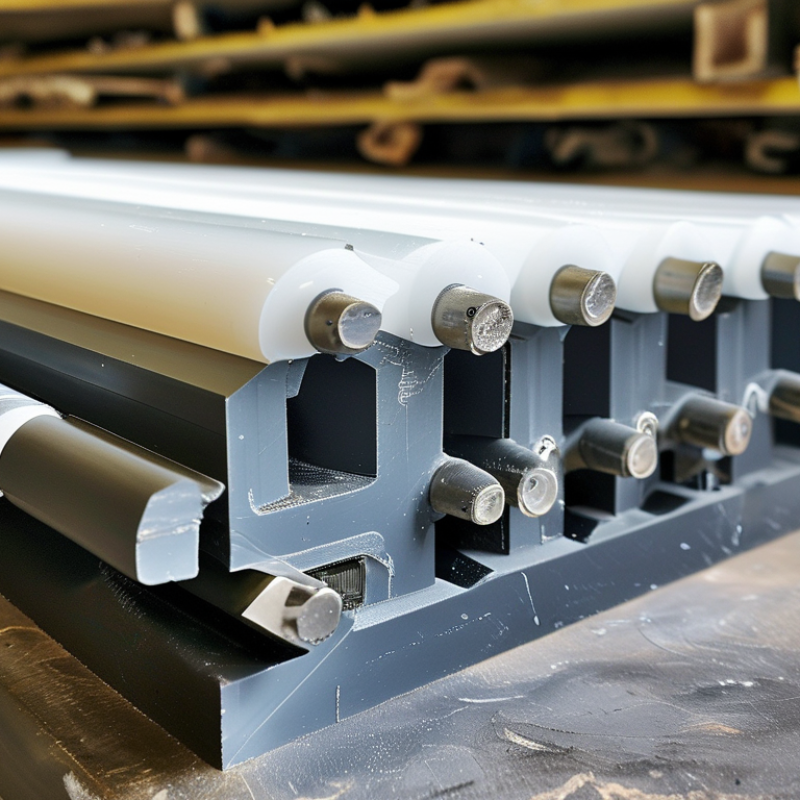
PVC board extrusion lines play a crucial role in the manufacturing industry. They produce durable and versatile boards used in construction, furniture, and signage. In 2022, the global PVC market was valued at over $60 billion, reflecting the material's rising importance.
These extrusion lines utilize advanced technology to create consistent and high-quality products. According to industry reports, production efficiency can reach up to 90%, with minimal waste generated during the process. This efficiency leads to lower operational costs and a more sustainable manufacturing approach. However, not all extrusion lines are created equal. Some may lack sufficient quality control measures, resulting in defective products.
When selecting a PVC board extrusion line, certain key features are vital for its performance. Start by examining the machine's screw design. A well-designed screw can enhance the melting efficiency of PVC, which significantly impacts the overall output quality. Additionally, ensure the temperature control system is precise. Fluctuations can lead to undesired results, affecting product consistency. Operators may need to calibrate settings frequently, leading to production delays.
The quality of the downstream equipment is another critical aspect. This includes cooling systems and trimming units, which must efficiently handle boards post-extrusion. Poorly functioning downstream equipment can create bottlenecks. Equipment compatibility is essential—various components should work seamlessly together. However, not all setups will achieve this, requiring careful consideration and potential adjustments.
Moreover, consider the ease of maintenance. A complex design can lead to costly downtime. Simpler machines often require less frequent repairs. Regular upkeep is easier when the process is straightforward. Be mindful that user experiences with maintenance vary widely. Researching feedback can guide selection. Overall, prioritizing these features can lead to better efficiency in your PVC production line.
When considering PVC board extrusion lines, it's vital to explore leading manufacturers. These brands are recognized for their expertise in producing high-quality machinery. Their equipment is designed to enhance productivity and efficiency. They focus on innovation, ensuring the lines can produce various board types.
Many manufacturers emphasize user-friendly designs. This approach helps operators minimize errors and streamline processes. However, selecting the right machinery can be challenging. Some buyers encounter difficulties when choosing options that meet their specific needs. Technical support is also crucial, as not all brands offer equivalent assistance post-purchase.
Ultimately, understanding the market landscape helps potential buyers make informed decisions. It’s essential to review product specifications and compare features. Additionally, explore feedback from existing users to gauge performance. This practice can highlight both strengths and weaknesses of different models in real-world applications.
When considering PVC board extrusion lines, buyers must weigh the costs against the benefits. Research shows that the average cost of a high-quality extrusion line ranges from $150,000 to $500,000. Factors affecting these costs include output capacity, technology level, and vendor reputation.
Investing in advanced technology can improve efficiency. According to industry reports, modern extrusion lines can achieve output rates of up to 600 kg per hour. This high output translates to lower operational costs in the long run. However, the initial investment may deter some buyers. Companies with tighter budgets may opt for simpler models but should anticipate slower production speeds and increased labor costs.
It's crucial to consider ongoing maintenance costs. A study by the European Plastics Association highlights that maintenance accounts for about 5-10% of total production costs annually. Buyers should not overlook these expenses as they can impact overall profitability. While lower upfront costs may seem attractive, they may not provide the best long-term value. Balancing budget constraints with efficiency requirements is essential for making an informed decision.
The PVC board extrusion technology is evolving rapidly. Efficiency and sustainability are becoming key focal points for manufacturers. Recent advancements in extrusion technology have led to higher output and lower energy consumption. Many producers are now integrating IoT devices into their lines. This transition enhances monitoring and predictive maintenance, showcasing how technology can elevate production standards.
Recyclability of materials is also gaining importance. Innovations are emerging in utilizing recycled PVC in the extrusion process. This not only reduces waste but also meets growing consumer demands for eco-friendly products. Nevertheless, challenges remain in achieving perfect material qualities from recycled sources. Manufacturers must continually adapt and refine their processes to ensure high-quality outputs.
As competition in the global market increases, investment in automation is crucial. Many companies are exploring robotics to streamline production efficiency. However, the integration of automation can require significant upfront costs. Balancing technology investment with production needs remains a complex task. The potential for innovation is vast, but ongoing research and development are essential to keep pace with changing trends and demands.
: PVC board extrusion lines produce durable boards used in construction, furniture, and signage. They are essential in the industry.
Production efficiency can reach up to 90%. This efficiency reduces operational costs and waste.
Sourcing high-quality raw materials is often difficult. This can affect production reliability and consistency.
Key features include screw design and temperature control. Both significantly impact output quality and consistency.
Compatibility among components ensures seamless operation. Poorly functioning systems can lead to bottlenecks.
Complex designs may lead to costly downtime. Simpler machines typically require less frequent repairs.
Researching user experiences can provide insights into strengths and weaknesses. This helps guide the selection process.
Not all manufacturers provide equal technical support. This can impact the overall customer experience post-purchase.
PVC boards are lightweight, water-resistant, and recyclable. These properties make them popular in eco-conscious markets.
Some extrusion lines may lack quality control measures, resulting in defective products. This is a critical point for consideration.
The article titled "Top 5 PVC Board Extrusion Line Options for Global Buyers" provides a comprehensive overview of PVC Board Extrusion Lines, emphasizing their critical role in the manufacturing of versatile and durable boards. It outlines key features that buyers should consider when selecting these lines, such as production capacity, efficiency, and technology integration.
Moreover, the article discusses leading manufacturers and brands in the industry, comparing the costs and benefits associated with different PVC Board Extrusion Line options. As the market evolves, it highlights future trends in the technology and innovation surrounding PVC Board Extrusion, suggesting that advancements will continue to enhance production capabilities and sustainability. Overall, this summary serves as a valuable guide for potential buyers looking to invest in a PVC Board Extrusion Line that meets their operational needs and aligns with industry standards.
