
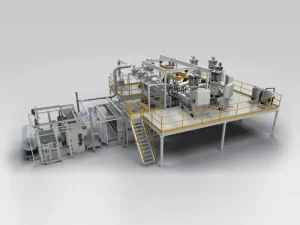
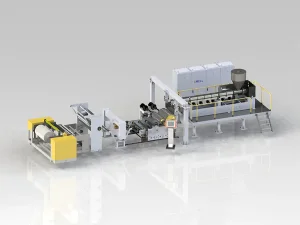
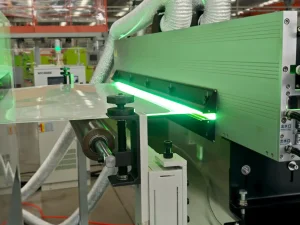
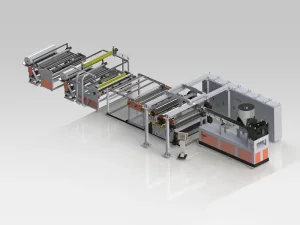
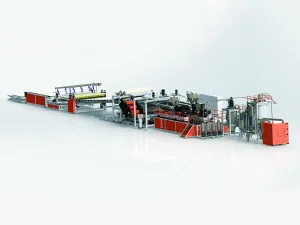
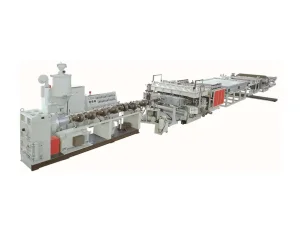
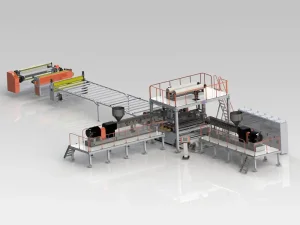
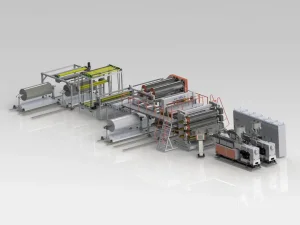
Polystyrene (PS) remains a foundational polymer across modern industrial supply chains, characterized by its versatility, optical clarity, ease of processing, and structural stability. The global market for PS sheets is primarily split between GPPS (General Purpose Polystyrene), renowned for its glass-like transparency and stiffness, and HIPS (High Impact Polystyrene), which incorporates polybutadiene rubber to enhance impact resistance and ductility.
As packaging requirements become more stringent globally, especially under the oversight of food regulatory bodies like FDA and EFSA, the demand for high-purity multi-layer co-extrusion technology has surged. Industries ranging from thermoformed food packaging to medical logistics rely on stable, multi-layer sheet materials that can act as functional gas and moisture barriers. Additionally, PS sheets serve crucial roles in construction insulation, architectural decoration, refrigerator liner manufacturing, and electronic components packaging.
In contemporary industrial setups, raw material purity and thermodynamic processing control are the key differentiators. GWELL's extrusion equipment utilizes advanced screw geometries designed specifically for polymer rheology modification, enabling processors to incorporate up to 70% recycled post-consumer regrind without degrading structural properties.
From a processing standpoint, extruding GPPS and HIPS requires precise shear rate controls and carefully engineered temperature zones. GPPS is highly brittle with low thermal contraction rates, demanding uniform cooling profiles along the calender rollers. If the temperature differential across the rollers is uneven, optical stress fractures and micro-voids will occur, rendering the sheets useless for optical applications.
Conversely, HIPS exhibits complex non-Newtonian flow behavior due to the micro-dispersed elastomer phase. Controlling the orientation of rubber particles during the extrusion and calendering stage determines the final impact properties of the sheet. High shear stresses can destroy the rubber-matrix interfaces, leading to reduced impact resilience. GWELL's co-extrusion feedblocks are optimized using computational fluid dynamics (CFD) to balance melt pressure, ensuring smooth, defect-free polymer interfaces in co-extruded structures.
China has emerged as the global epicenter for advanced plastic machinery production, led by engineering hubs such as CHINA GWELL MACHINERY CO., LTD. GWELL's three modern manufacturing bases in Taicang, Changzhou, and Huzhou represent a strategic paradigm shift in manufacturing efficiency.
Modern processing factories require flexible setups designed for specific regional demands:
A. Refrigerator Lining & Major Appliances: Multi-layer HIPS/GPPS sheets with high chemical resistance are thermoformed into refrigerator inner liners. This requires the extrusion line to control thickness variations within ±1%, preventing thin spots during deep-draw vacuum forming.
B. Food Packaging & Blister Shells: Highly sterile PP/PS co-extruded sheets are optimized for high-speed automated packaging. Advanced venting on extruders prevents chemical outgassing, ensuring compliance with strict food-grade regulations.
C. Renewable Energy Systems: As solar markets expand globally, GWELL leverages its research capacity to offer EVA/POE solar encapsulation film extrusion lines and SGP solar film setups. These lines meet the strict technical standards needed for the long-term reliability of photovoltaic panels.
Sourcing industrial extrusion systems requires analyzing more than just capital expenditure (CapEx). True total cost of ownership (TCO) optimization requires reviewing several key factors:
Collaborating closely with leading research institutes and universities, GWELL continuously integrates advanced polymer processing technology into our industrial systems.
Our global engineering teams provide full lifecycle support, from initial factory planning and customization to machine calibration and ongoing field support.
Across our three main production bases, we maintain the manufacturing scale necessary to reliably build and deliver over 1,000 advanced extrusion lines each year.
GWELL's machinery lines are in continuous operation globally, helping packaging and sheet extrusion companies run stable, high-yield manufacturing plants.
With a team of 500 manufacturing experts, including more than 100 dedicated machinery design engineers, we deliver reliable mechanical and software support.
Located near major marine shipping routes and high-speed rail lines, our factories ensure cost-effective logistics for heavy industrial machinery shipments worldwide.
A high-tech enterprise dedicated to developing advanced extrusion systems for film, sheet, and profile applications.
Explore GWELL's specialized industrial extrusion lines tailored for diverse target application environments.
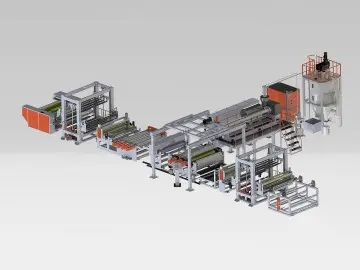
Specialized for weather-resistant co-extrusion films.
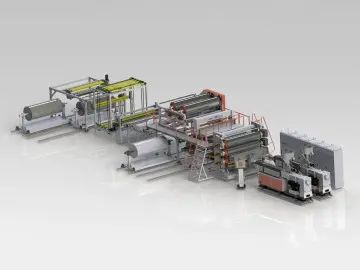
High strength, thermoplastic polyurethane coating systems.
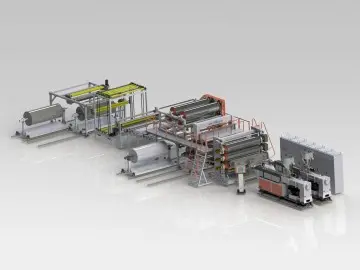
High performance film line with automated winding control.
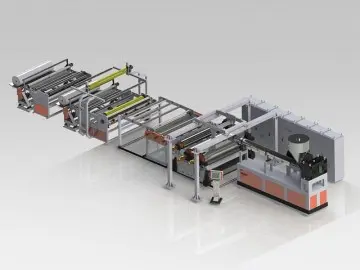
Engineered PVDF membranes for photovoltaic backsheets.
Deep dive technical answers prepared by our Senior Extrusion Engineers to assist your procurement decisions.
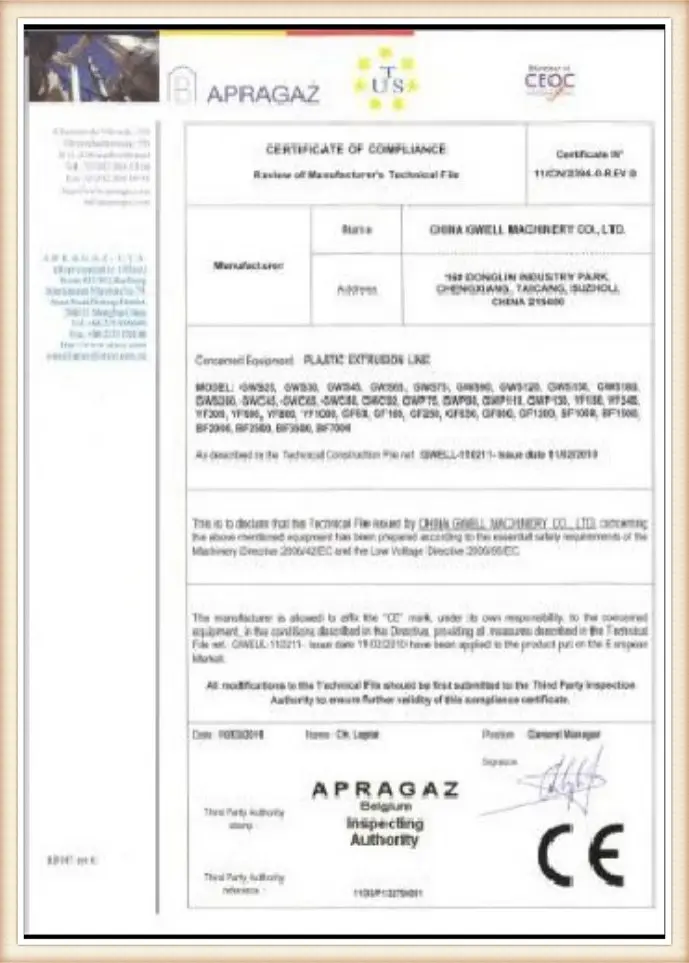
Our machines comply with international safety and quality standards, including CE, ISO9001, and UL.
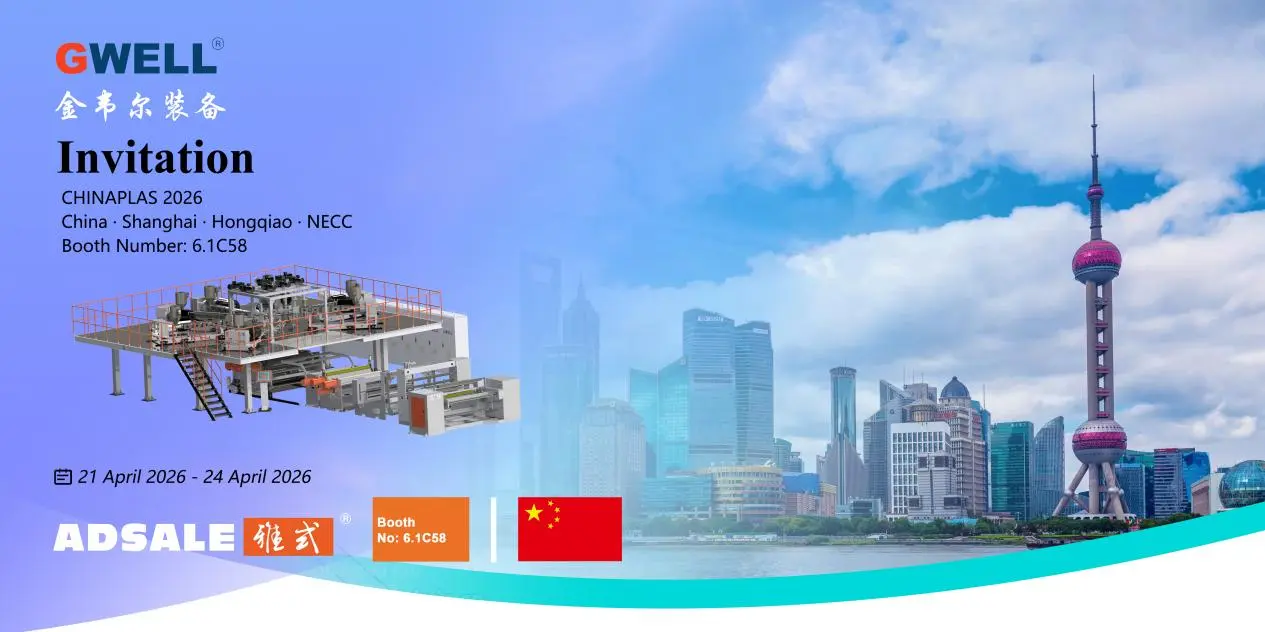
Gwell plans to highlight new smart features for processing multi-layer barrier sheets at the upcoming plastics expo.
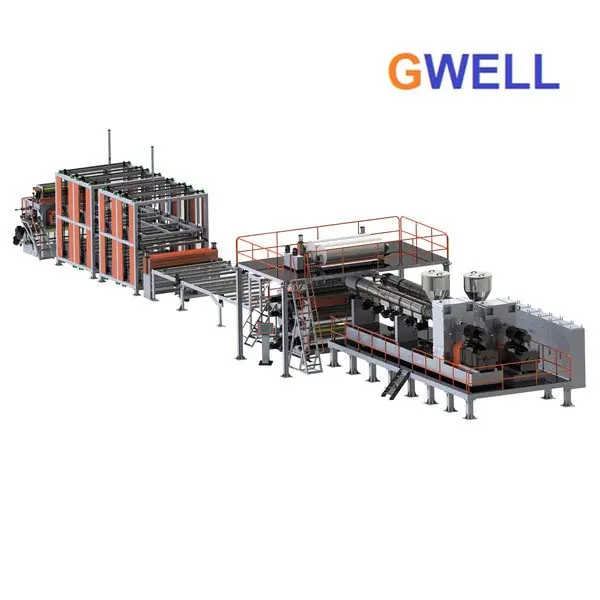
Introducing eco-friendly POE synthetic leather extrusion lines designed for automotive interiors.
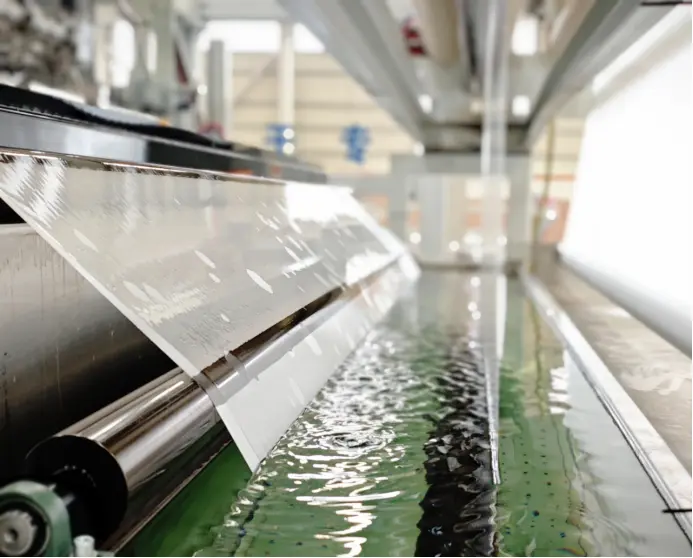
High-precision PVB wedge-shaped interlayer film lines designed for premium automotive safety glass.
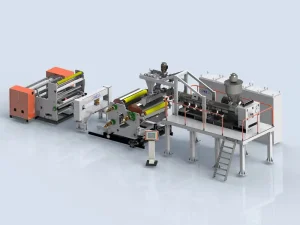
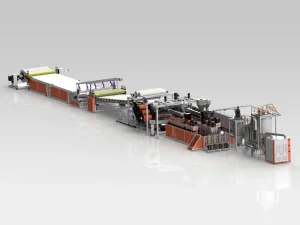
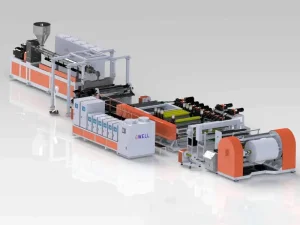
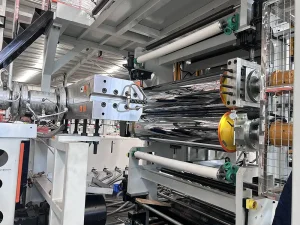
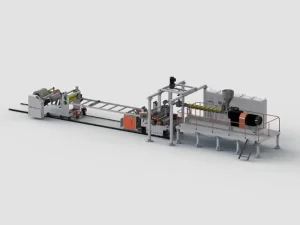
Contact GWELL's technical consultation team to design custom sheet, film, or board extrusion systems tailored to your factory capacity targets.
Send Inquiry Now