1 / 1

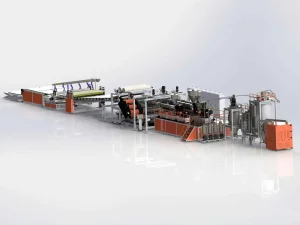
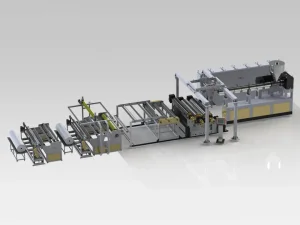
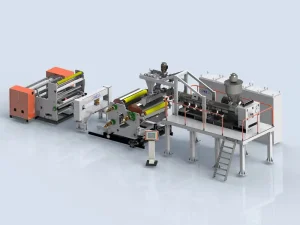
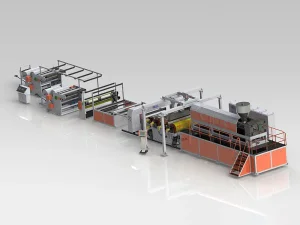
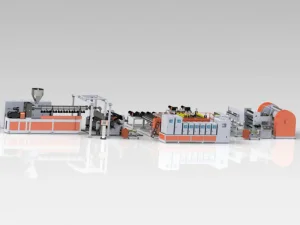
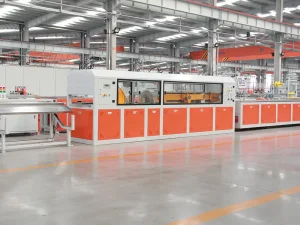
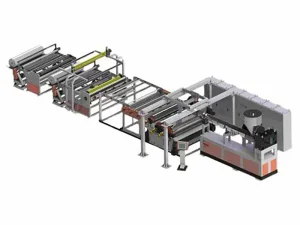
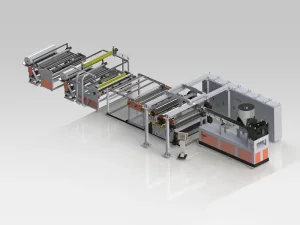
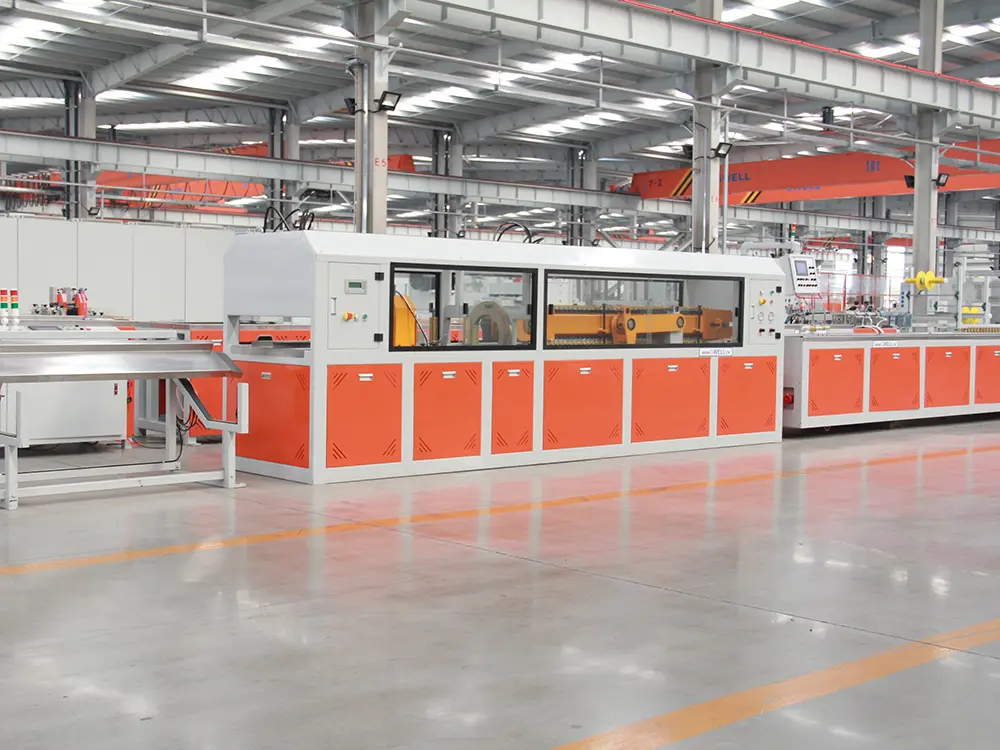
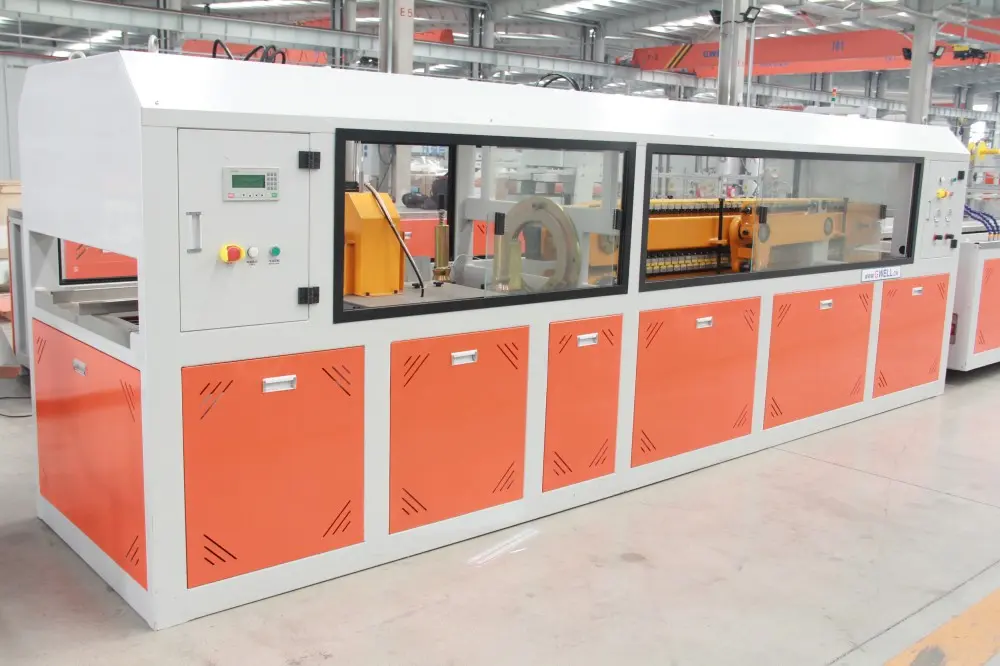
The extrusion line is equipped with precision machinery and advanced control systems to ensure high accuracy in the extrusion process. This results in solar frames with consistent dimensions and excellent structural integrity, meeting the rigorous standards of the solar industry.
The extrusion line offers great flexibility in terms of product design. Customers can customize the profiles, thicknesses, and lengths of the polyurethane solar frames to suit their specific requirements. This versatility makes it suitable for a wide range of solar panel applications.
Polyurethane, as a material, is known for its excellent durability and resistance to environmental factors such as UV radiation, temperature fluctuations, and moisture. The solar frames produced on this extrusion line are designed to withstand these conditions, ensuring long-term performance and reliability.
In line with the principles of green energy, the extrusion line utilizes environmentally friendly materials and processes. Polyurethane is a recyclable material, and the extrusion process itself generates minimal waste. This contributes to reducing the overall environmental footprint of solar panel production.
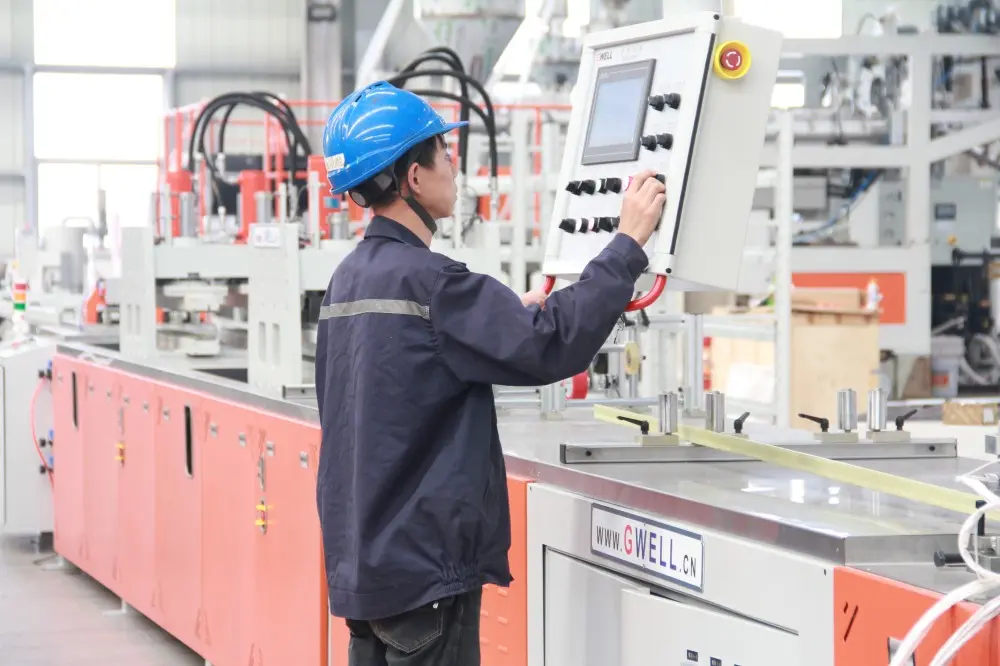
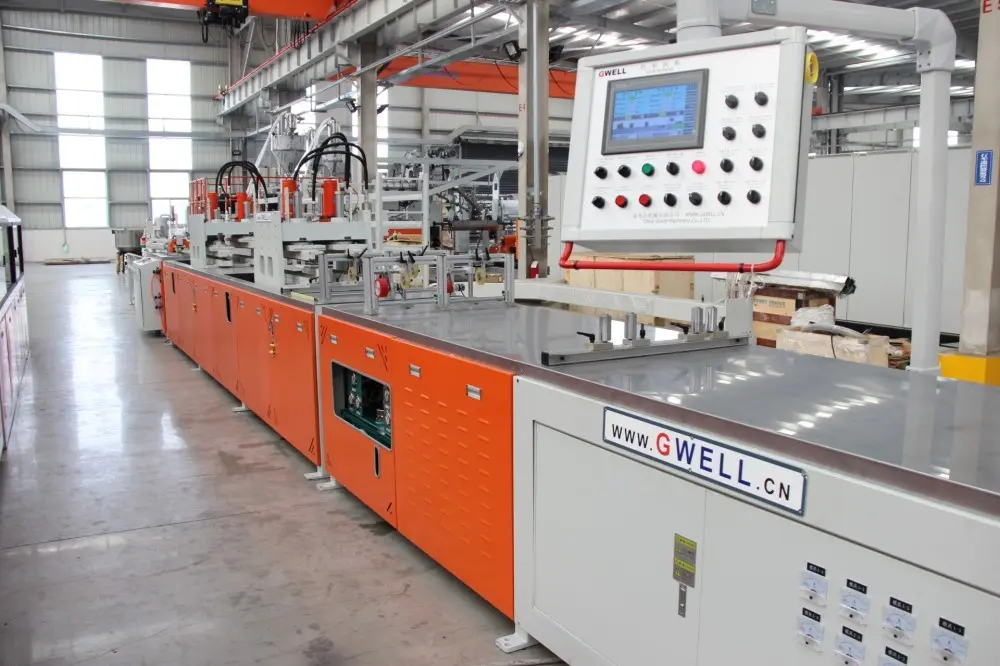
The extrusion line is highly automated, reducing the need for manual labor and minimizing human error. The intuitive control panel and user-friendly interface make it easy for operators to monitor and adjust the production parameters in real-time.
Comprehensive after-sales support is offered, including installation, training, and maintenance services. A dedicated team of experts is always available to assist customers with any technical issues or queries they may have.
Polyurethane, as a polymer material, exhibits unique advantages in the manufacture of PV frames. The material characteristics mainly include:
The polyurethane PV frame has a low density and is lightweight, but its strength is very high. This reduces the overall weight of the PV module, lowering transportation and installation costs, while improving the module's wind and earthquake resistance.
Polyurethane material can resist the erosion of chemicals such as acids, alkalis, and salts. Therefore, in harsh outdoor environments such as seashores and deserts, the polyurethane PV frame can maintain stable performance over a long period of time without corrosion, rusting, or other issues.
Polyurethane has a high volume resistivity, effectively preventing leakage phenomena. In PV modules, the excellent insulation performance of the polyurethane frame can reduce the occurrence of PID (Potential Induced Degradation), improving the power generation efficiency of the panel.
Polyurethane material has outstanding weatherability, enduring long-term exposure to natural environments such as wind, sunlight, rain, etc., ensuring the service life of the PV module.
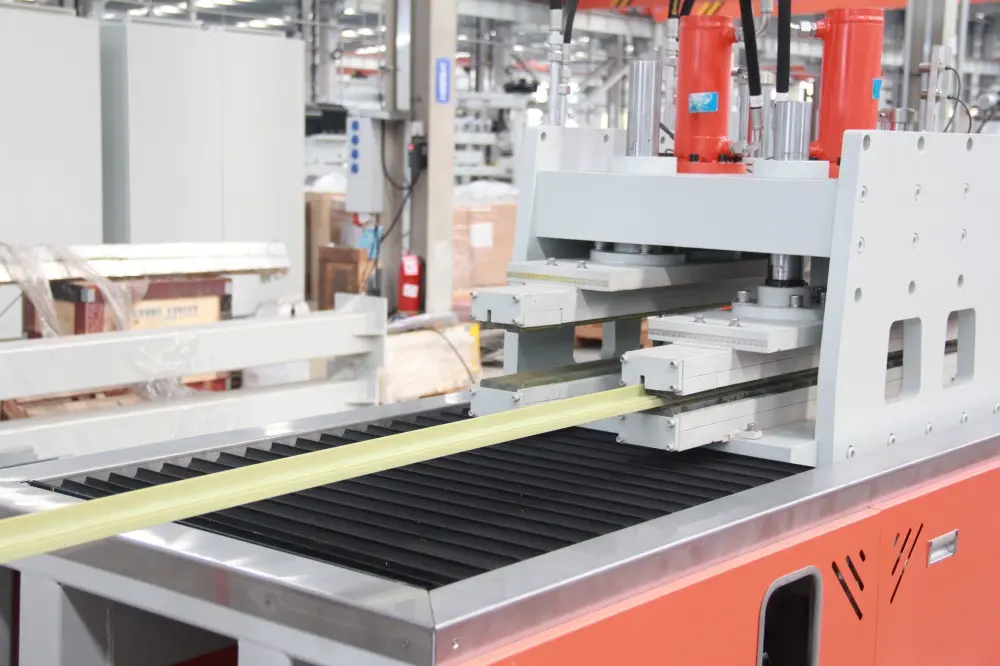
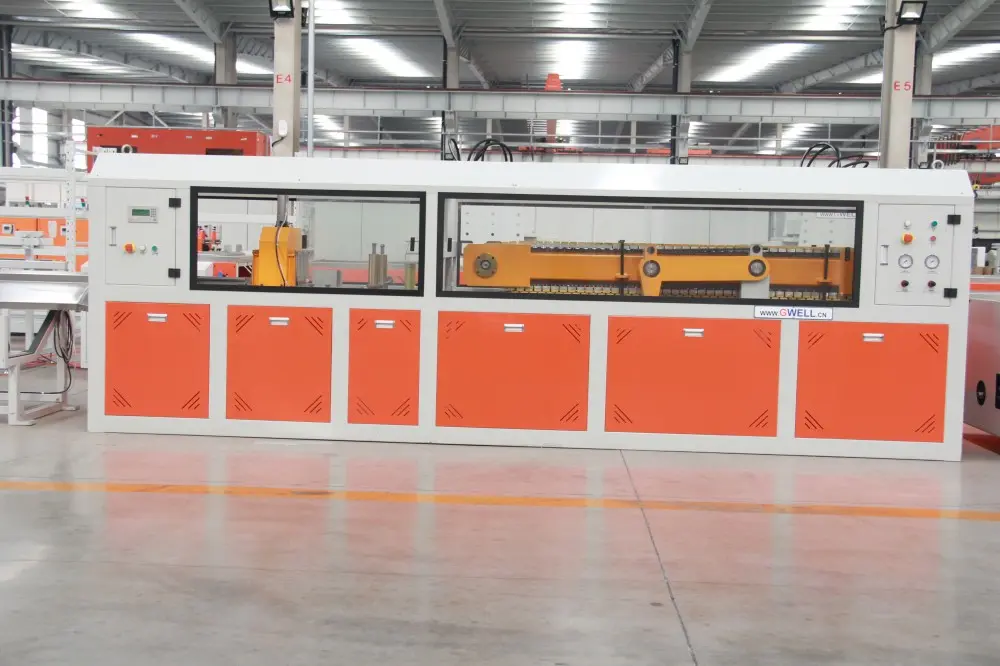
The production process of polyurethane PV frames mainly adopts the pultrusion molding process. This process has the advantages of high automation, high production efficiency, and stable product quality. The specific steps include:
Select high-quality polyurethane prepolymer, isocyanate, chain extender, and other raw materials, mixed in a certain proportion, to provide a stable material basis for the subsequent molding process.
Design corresponding molds according to the shape and size requirements of the PV frame. The design of the mold should fully consider factors such as product structure, strength, and aesthetics to ensure the quality and performance of the final product.
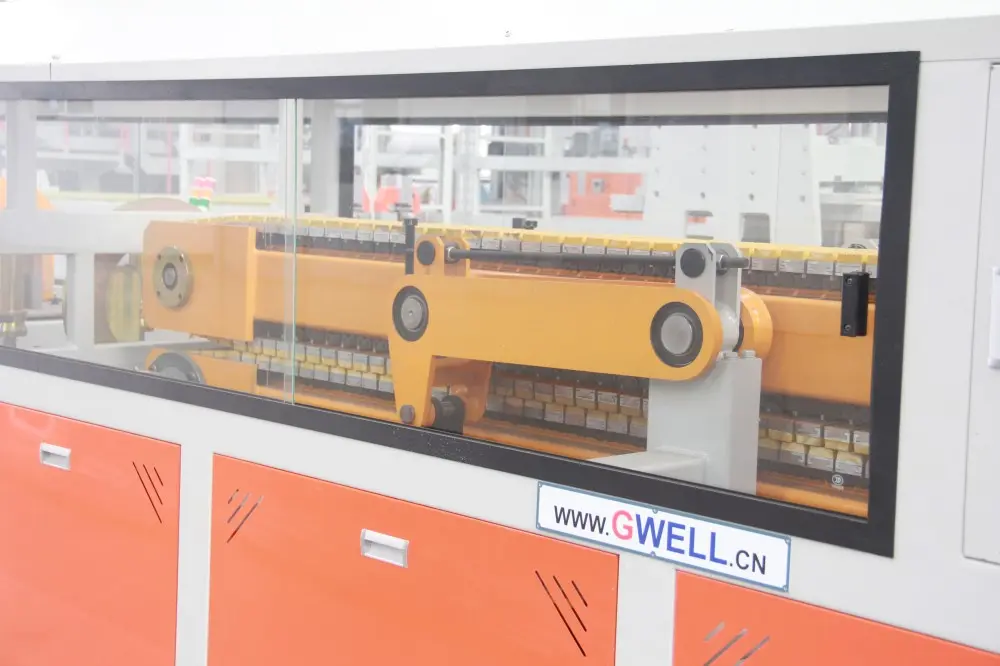
Heat and expand the polyurethane raw material in the mold, and extrude it through a tractor. During the pultrusion process, the traction speed and force can be adjusted as needed to ensure the dimensional accuracy and surface quality of the product.
Cut and polish the extruded product to meet the size and appearance requirements of the PV frame. During cutting, ensure that the cut is flat and free of burrs; during polishing, remove imperfections and uneven surfaces on the product to improve its aesthetics and service life.
The corrosion resistance and weatherability of polyurethane PV frames protect the PV module from harsh environments, thereby improving its reliability and service life.
The lightweight and high-strength characteristics of polyurethane PV frames reduce costs during manufacturing, transportation, and installation. Meanwhile, the excellent performance of polyurethane frames improves the quality and reliability of PV modules, lowering maintenance costs in the later stages.
The materials used in the manufacture of polyurethane PV frames are more environmentally friendly, and the energy consumed during production is less. Compared with aluminum alloy frames, the manufacturing process of polyurethane frames is more aligned with sustainable development requirements, contributing to lower carbon emissions and achieving green production.
With the increasing global demand for clean energy and the rapid development of the PV industry, polyurethane PV frames, as a new, efficient, and environmentally friendly frame material, have a broad market prospect. Especially in harsh environments such as seashores and deserts, the corrosion resistance and weatherability of polyurethane PV frames make them the preferred frame material for PV modules in these areas.
Polyurethane frames offer superior corrosion resistance, excellent insulation performance to prevent Potential Induced Degradation (PID), and are more environmentally friendly during production compared to traditional aluminum alloy frames.
The extrusion line is highly versatile and customizable, allowing customers to easily adjust and customize profiles, thicknesses, and lengths of the polyurethane frames to fit specific PV panel applications.
The manufacturing process primarily utilizes a pultrusion molding process, which features high levels of automation, excellent production efficiency, and exceptionally stable product quality control.
Polyurethane frames are lightweight yet highly strong. Their low density reduces the overall weight of solar modules, resulting in lower transportation and installation costs, while maintaining high wind and earthquake resistance.
Yes. Polyurethane materials possess outstanding weatherability and chemical resistance, enabling the frames to withstand harsh outdoor environments like sea coasts, deserts, UV radiation, and intense temperature fluctuations.