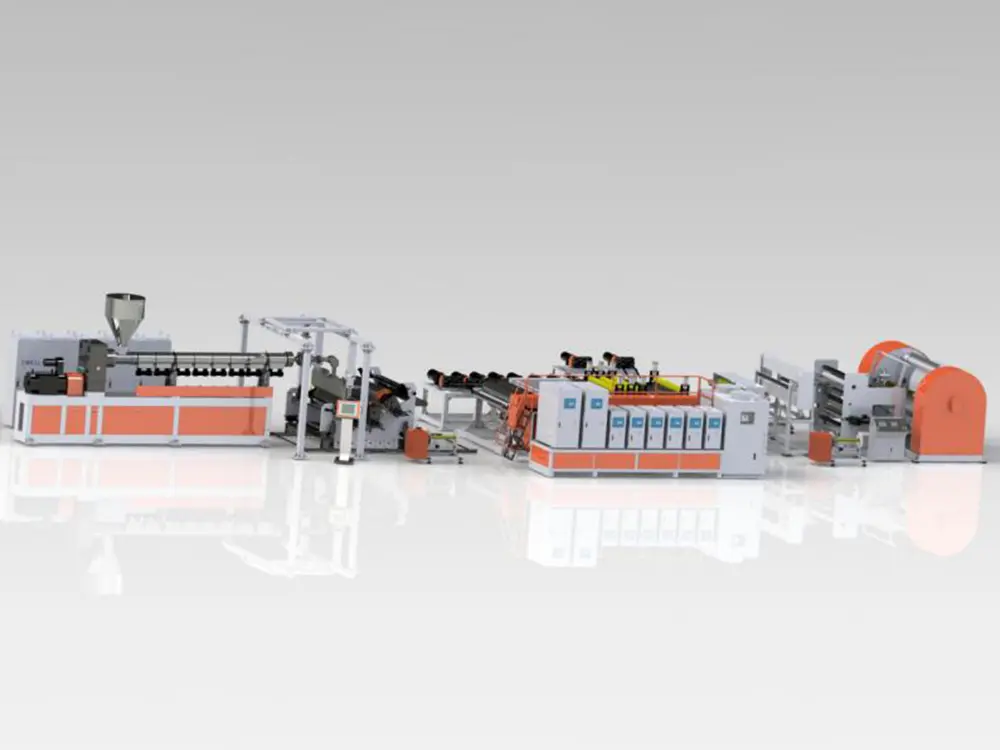

High-Quality Hydrogen Energy PPS (Polyphenylene Sulfide) Separator Extrusion Line Manufacturer, Factories

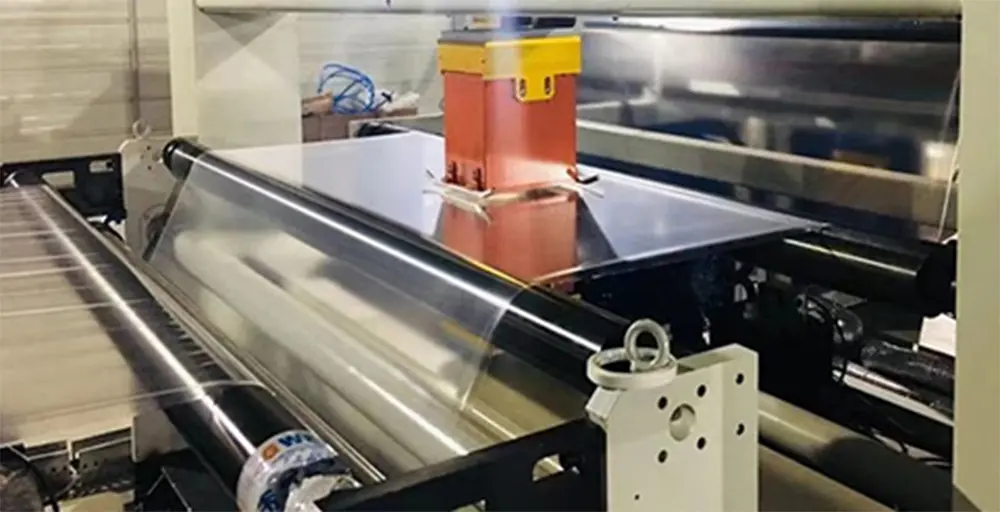
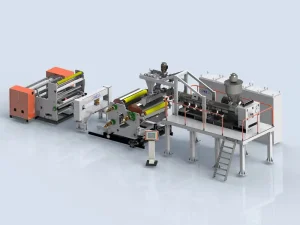
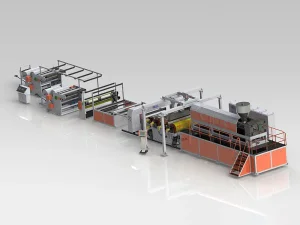
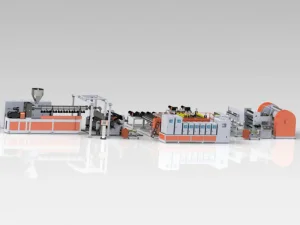
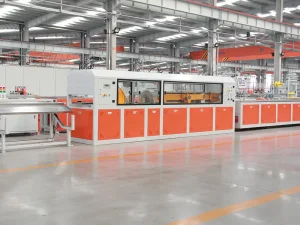
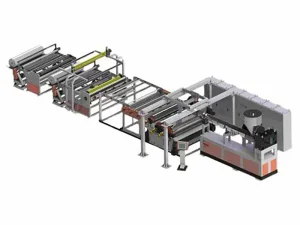
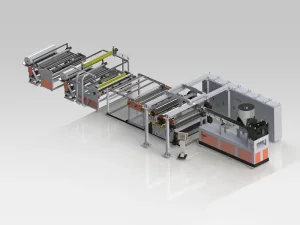
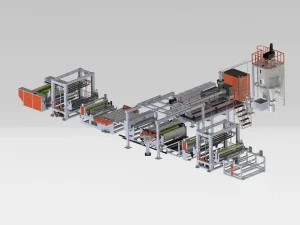
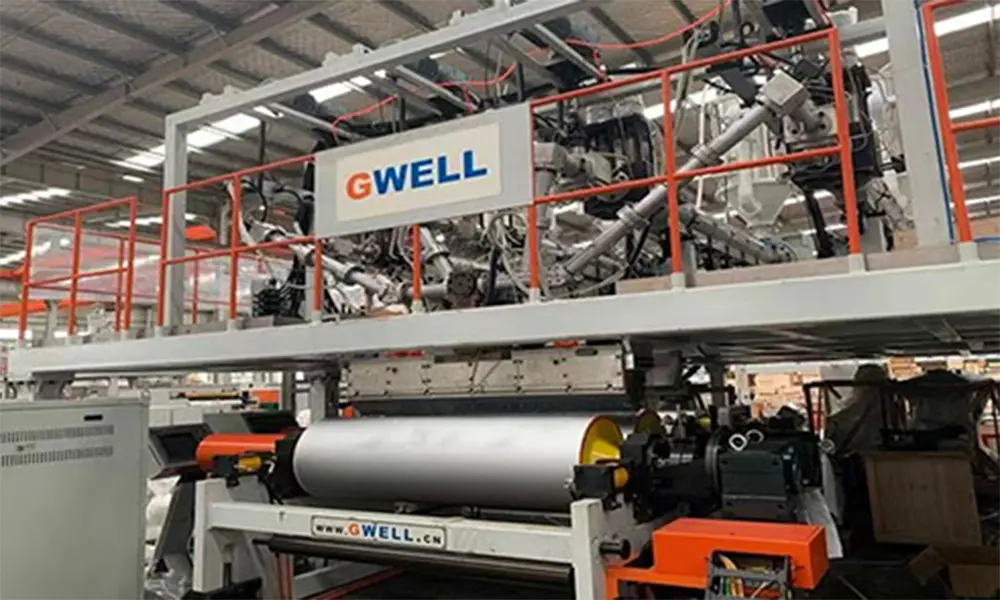
GWELL's Hydrogen Energy PPS (Polyphenylene Sulfide) Separator Extrusion Line is a specialized manufacturing solution designed for the production of high-performance separators used in hydrogen fuel cells.  This state-of-the-art extrusion system leverages advanced technology and precision engineering to deliver separators that meet the rigorous requirements of hydrogen energy applications, ensuring durability, electrical insulation, and efficient gas permeation.

Product Description

Core Features of the Hydrogen Energy PPS Separator Extrusion Line:

Precision Extrusion Technology

Equipped with high-precision extruders specifically engineered for processing PPS, a material known for its excellent chemical resistance, thermal stability, and electrical properties. The extruder's precision ensures consistent melting and mixing of PPS resin, resulting in separators with uniform thickness, porosity, and mechanical strength.

Specialized Die Design

Features a precision-engineered die that provides uniform flow and distribution of the molten PPS, ensuring the separator has a consistent structure and porosity across its entire width. The die design supports the production of thin, lightweight separators that are critical for maximizing the efficiency and performance of hydrogen fuel cells.

Advanced Stretching and Annealing

Incorporates stretching and annealing stages to enhance the separator's microstructure, improving its mechanical properties and dimensional stability. These processes also contribute to the separator's ability to maintain consistent porosity and permeability, which is essential for efficient hydrogen ion transport.

Surface Treatment for Enhanced Performance

Offers options for surface treatments such as plasma or corona treatment to improve wettability and adhesion to adjacent fuel cell components. These treatments enhance the separator's ability to function effectively within the fuel cell stack, ensuring reliable and efficient hydrogen ion conduction.

Automated Handling and Winding

Integrated automation ensures smooth and tension-controlled handling of the separator from extrusion to winding, minimizing defects and maximizing productivity. High-capacity winding mechanisms accommodate large rolls, facilitating efficient downstream processing and storage.

Inline Quality Control

Equipped with inline inspection systems to monitor separator quality in real-time, including thickness gauges, porosity testers, and defect detection sensors. These systems provide immediate feedback for adjustments to the extrusion process, ensuring consistent separator quality and performance.

Energy Efficiency and Sustainability

Designed with energy-saving features, including optimized heating and cooling systems, reducing operational costs and environmental impact. Options for recycling scrap materials minimize waste and contribute to a circular economy.

Customization and Scalability

Customization options are available to tailor the extrusion line to specific customer needs, including separator width, thickness, porosity, and performance characteristics. Scalable design accommodates production volumes from pilot to industrial scales, supporting the growth of hydrogen energy systems.
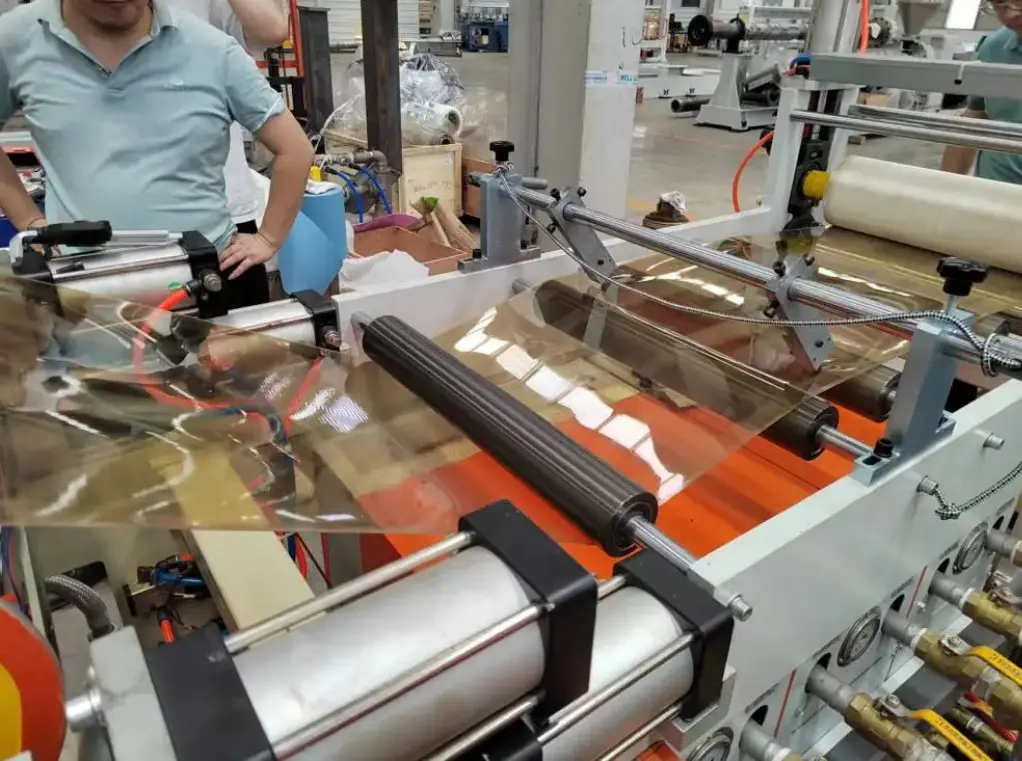
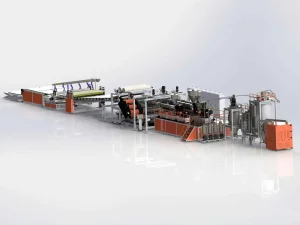
Production Line View 1
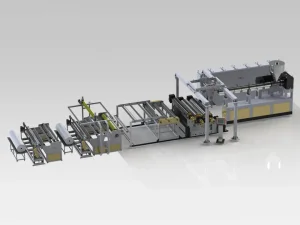
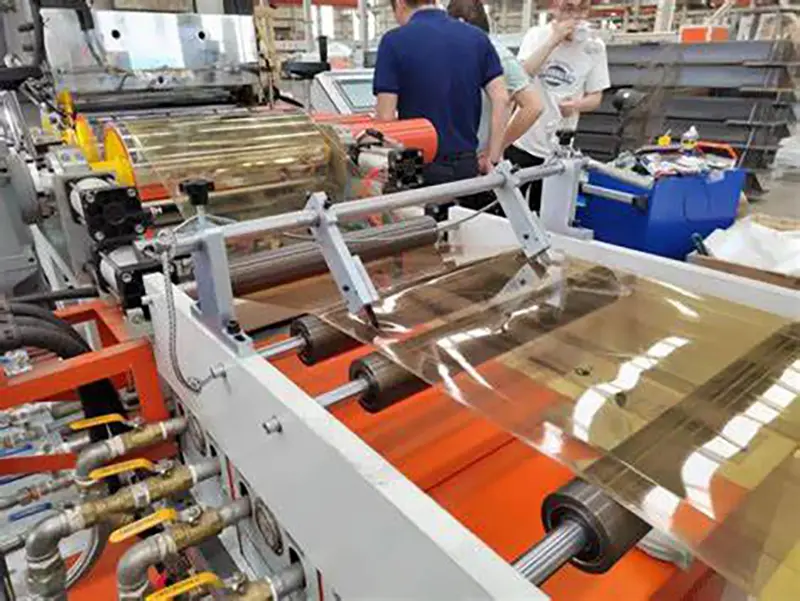
Production Line View 2
Applications

Hydrogen Fuel Cells: The separators produced on this line are critical components in hydrogen fuel cells, where they serve as electrical insulation barriers while allowing the efficient transport of hydrogen ions between the anode and cathode. These separators contribute to the overall performance, durability, and reliability of hydrogen fuel cell systems.

This Hydrogen Energy PPS Separator Extrusion Line represents a significant advancement in separator manufacturing for hydrogen fuel cells, blending precision, innovation, and efficiency to meet the demands of the emerging hydrogen energy market.

This advanced extrusion system is designed to empower fuel cell manufacturers with the capability to produce high-quality separators, driving the adoption of clean, efficient, and sustainable hydrogen energy solutions.
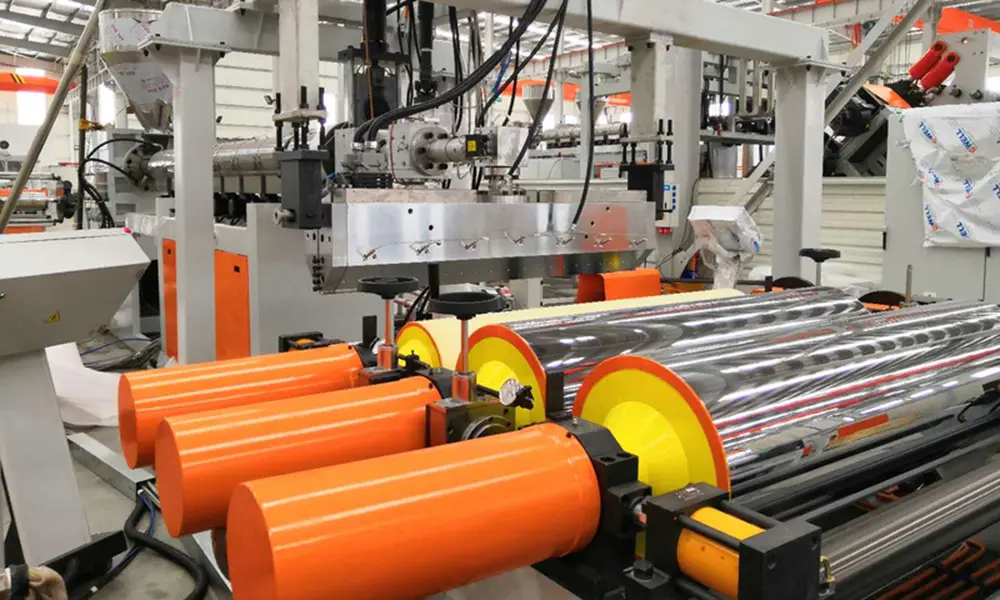
Separator Application 1
Separator Application 2
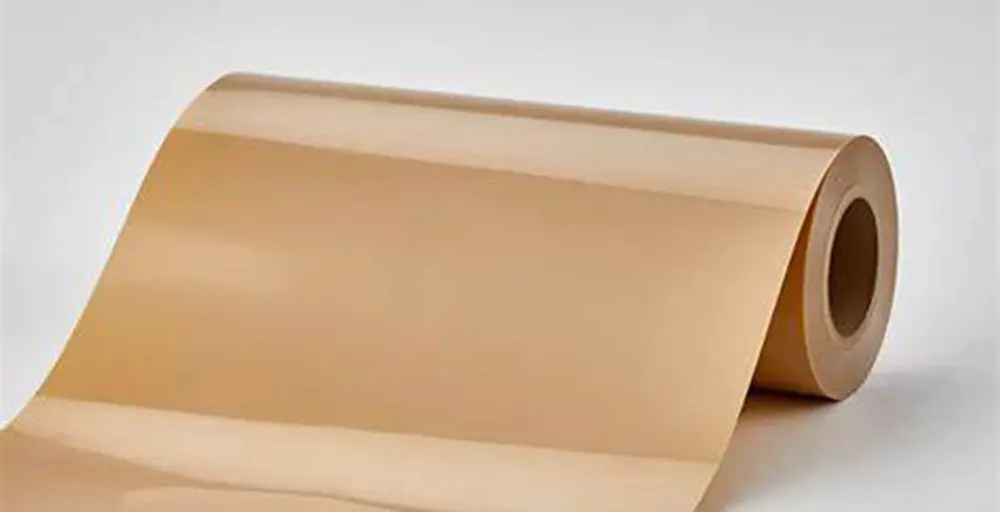
PPS (Polyphenylene Sulfide) film is a high-performance engineering plastic film with a series of excellent physical and chemical properties. Below is a detailed introduction to PPS film:
Preparation Methods and Processes
The preparation methods of PPS film mainly include extrusion blow molding and extrusion casting. Among them, the extrusion casting method, which involves producing PPS film through extrusion casting and biaxial stretching, is currently the only industrialized production process. This process covers steps such as material preparation, melting extrusion, casting, shaping, cooling, traction, trimming, winding, etc., and can produce PPS film with a smooth and flat surface and a thickness of as thin as a few micrometers.
Performance Characteristics
Heat Resistance PPS film exhibits excellent heat resistance, capable of operating stably at temperatures up to 220°C or even 260°C for extended periods.
Chemical Resistance PPS film has good corrosion resistance to acids, bases, solvents, and other chemicals, enabling stable operation in harsh chemical environments.
Flame Retardancy PPS film demonstrates outstanding flame retardancy, effectively preventing the spread of fire.
Electrical Insulation PPS film possesses good electrical insulation properties, effectively isolating current and preventing issues such as current leakage and electric shock.
Mechanical Properties PPS film has high strength and hardness, as well as good wear resistance and tear resistance.
Environmental Friendliness PPS film is an environmentally friendly material, free of halogen elements, and produces less smoke and harmful substances when burned.
Application Fields
Due to its excellent properties, PPS film has a wide range of applications in various fields:
  • Electronics and Electricals: Used in the manufacture of high-temperature cables, wire insulation layers, support structures for electronic components, etc.
  • Aerospace: Utilized in the manufacture of thermal insulation materials for high-temperature components such as aircraft and rockets.
  • Automotive: Applied in the manufacture of sealing materials and thermal insulation materials for high-temperature components such as engines and exhaust systems.
  • Chemicals: Employed in the production of corrosion-resistant containers, pipelines, etc.
Additionally, PPS film can also be used in the manufacture of capacitors, insulating materials, battery separators, thin-film resistors, and other products, and has applications in packaging, construction, and other fields.
PPS Film Application 1
PPS Film Application 2
Frequently Asked Questions (FAQ)
What are the key advantages of using PPS for hydrogen fuel cell separators?
PPS (Polyphenylene Sulfide) is selected for hydrogen fuel cell separators due to its superior chemical resistance, exceptional thermal stability, and excellent electrical insulating properties. These qualities ensure that the separator can withstand harsh operating environments while facilitating efficient proton transport.
How does the extrusion line ensure the uniform thickness and porosity of the separators?
The extrusion line utilizes a high-precision extruder and specialized die design that guarantees uniform flow and melt distribution. Additionally, integrated inline quality control systems monitor parameters like thickness and porosity in real-time to make instant adjustments.
What is the primary industrial method for preparing high-performance PPS film?
Biaxial stretching combined with extrusion casting is currently the only fully industrialized method. This complex process involves material preparation, melting, extrusion casting, shaping, cooling, stretching, and winding to achieve ultra-thin, high-strength films.
What temperatures can PPS film withstand under continuous operation?
PPS film is highly heat resistant, capable of operating stably at continuous temperatures up to 220°C, and can even withstand short-term exposures up to 260°C without losing its structural integrity.
Is PPS film environmentally friendly and safe for electrical components?
Yes, PPS film is halogen-free and inherently flame-retardant. When subjected to high heat or combustion, it produces minimal smoke and fewer toxic emissions, making it highly secure for advanced electrical insulation and eco-friendly applications.
Can the extrusion line be customized for different production volumes?
Yes, the system is designed with scalability in mind. It accommodates custom configurations for varying separator widths, thicknesses, and porosity levels, making it ideal for everything from pilot testing scales to full-scale industrial manufacturing.

Related Products