1 / 1

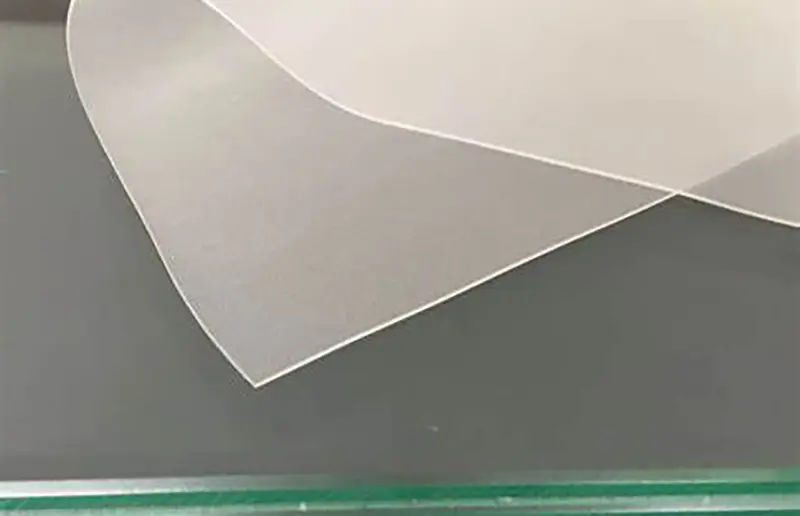
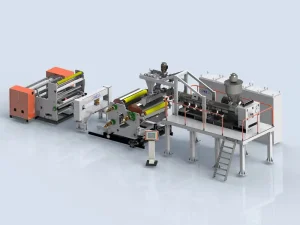
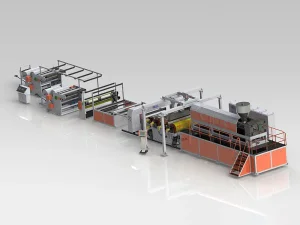
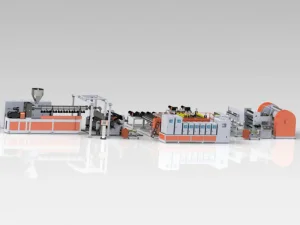
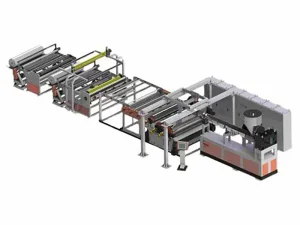
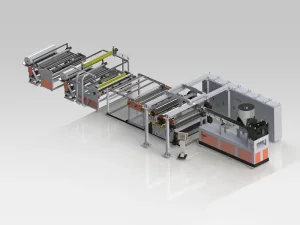
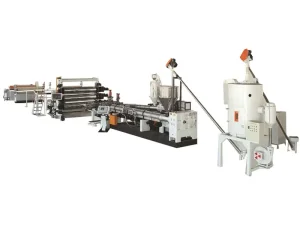
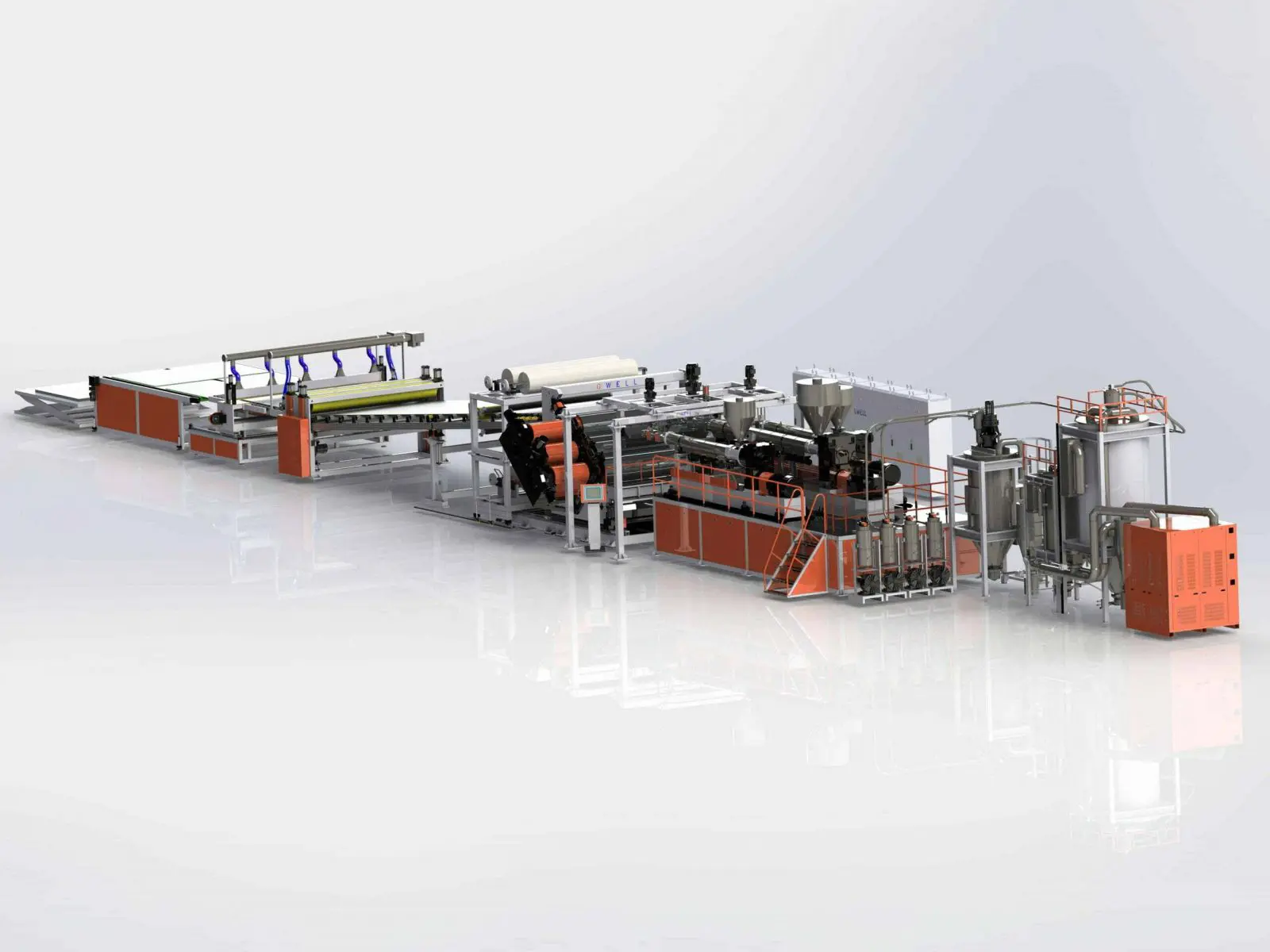
The BIPV PVB photovoltaic film production line is designed for the production of PVB films, which are widely used in the encapsulation of solar cells. These films, after lamination and curing, provide high light transmittance, prevent moisture infiltration, resist high and low temperatures, and block UV light, ensuring the stability and durability of solar cell modules.
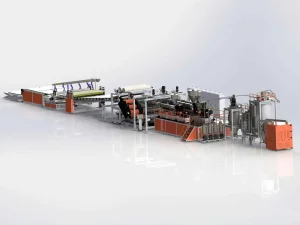
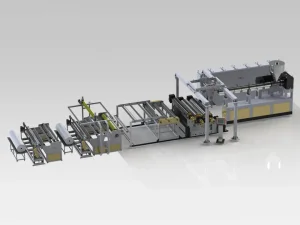
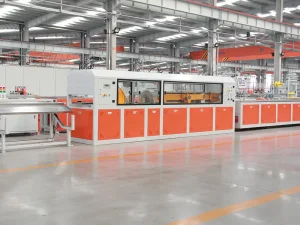
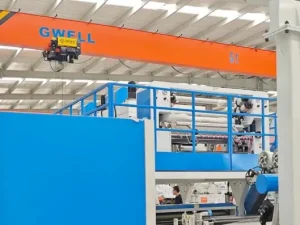
The production line, equipped with advanced technology and machinery, is capable of producing PVB films with various specifications and thicknesses, meeting the diverse needs of customers. The equipment utilizes high-quality materials and components from international brands, ensuring the precision and reliability of the production process.
The BIPV PVB photovoltaic film production line is characterized by its automation and computerization, which greatly enhances production efficiency and product quality. The commitment to research and development, coupled with close cooperation with well-known domestic universities, has allowed the manufacturer to master a full set of dry and wet process technologies for PVB intermediate membrane equipment, placing it in an advantageous position in the market.
Furthermore, comprehensive after-sales service is provided, including a one-year warranty period, ensuring that customers receive ongoing support and assistance throughout the lifespan of the equipment.
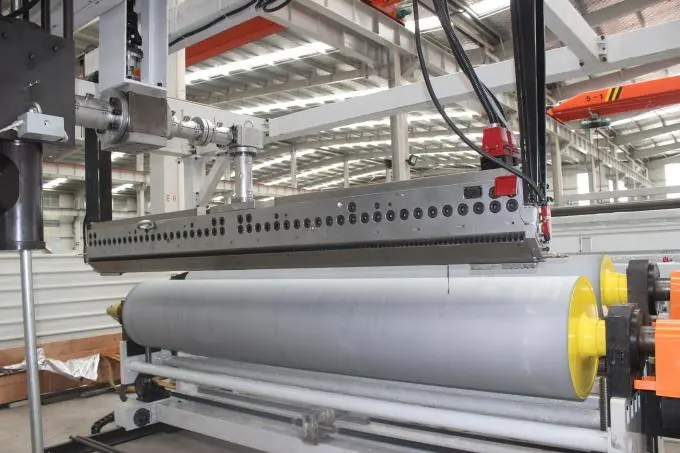
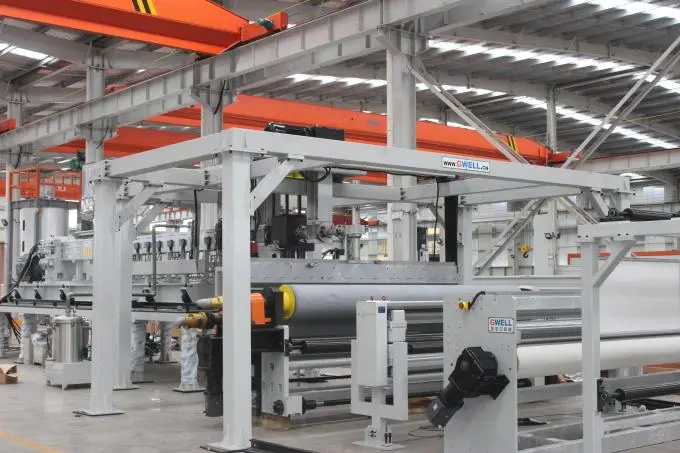
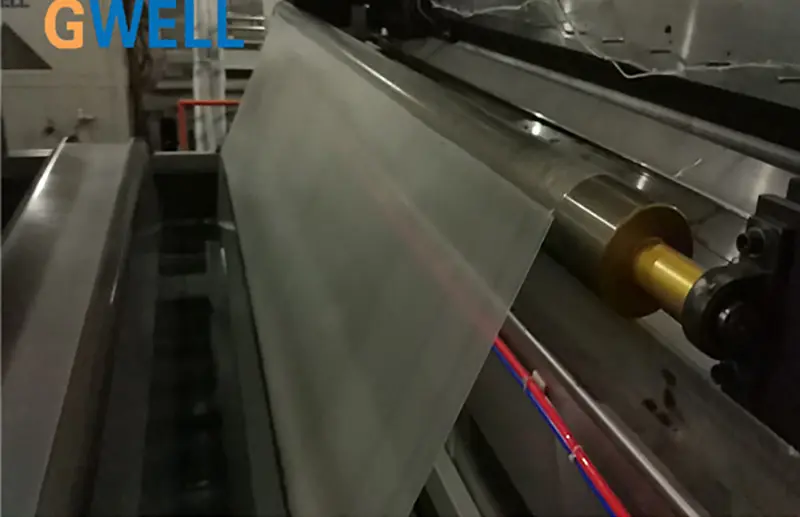
The BIPV PVB photovoltaic film production line utilizes advanced intelligent equipment. The top three PVB manufacturers in China all use this dry (over-roll method) and wet (over-water method) film equipment, and the first PVB film production line in India is also manufactured with this technology. It can be cut into the required width according to user requirements.
The BIPV PVB photovoltaic film production line is divided into two operational methods:
There is a significant difference in equipment design and pricing between the two processes. The main machine can utilize a single-screw extruder or a parallel twin-screw extruder according to specific customer requirements and raw material conditions.
BIPV, short for Building Integrated Photovoltaic, represents an advanced concept in the integration of solar photovoltaic (PV) systems into building structures. Unlike traditional PV systems that are attached to buildings as separate entities, BIPV systems are designed, constructed, and installed simultaneously with the building, forming a seamless and functional unity. These systems not only generate electricity but also serve as building components, potentially enhancing the aesthetic appeal of the structure. BIPV systems are categorized as "construction-type" and "building material-type" PV architectures, embodying the dual roles of energy production and architectural elements.
PVB, or Polyvinyl Butyral, is a polymer material resulting from the condensation of polyvinyl alcohol (PVA) and butyraldehyde. It is renowned for its strong adhesion, impact resistance, ultraviolet radiation blockage, sound insulation, non-toxicity, and environmental friendliness. PVB films are primarily utilized in safety glass for buildings and automobiles due to their excellent properties. In the context of BIPV, PVB films play a crucial role as encapsulants in photovoltaic modules, ensuring high bonding strength between the glass components and contributing to the long-term reliability and durability of the system.
Photovoltaic film, specifically in the context of BIPV systems, often refers to the thin, flexible layers that convert sunlight into electricity. When integrated with PVB, this film not only maintains its electrical insulating properties but also benefits from PVB's protective qualities. The combination of photovoltaic film and PVB enhances the module's resistance to moisture infiltration, ultraviolet degradation, and mechanical stress.
As the solar industry continues to evolve, the integration of PVB with photovoltaic films in BIPV systems is poised for significant growth, driven by the need for more sustainable and energy-efficient building solutions. The combination of these technologies not only addresses environmental challenges but also contributes to the aesthetic and functional improvement of buildings.