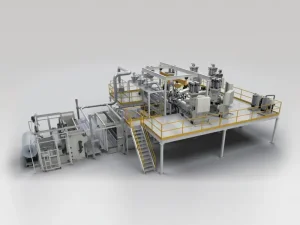
Whitepaper: Engineering High-Molecular EVA Waterproofing Sheets for Global Infrastructure
In modern civil engineering, building roof waterproofing has transitioned from traditional asphalt-based membranes to high-performance, polymer-based waterproofing sheets. Among these, Ethylene Vinyl Acetate (EVA) waterproof sheets have emerged as the industry gold standard for high-rise commercial roofs, tunnels, subways, water conservancy projects, and municipal infrastructure. This whitepaper analyzes the technology behind modern EVA waterproof sheet extrusion lines, detailing procurement patterns, macro solutions, technological advancements, and regulatory environments.
1. The Evolution of Waterproofing Material Chemistry: Why EVA?
Historically, roofing systems relied on SBS-modified bitumen or PVC membranes. While bitumen is cheap, it degrades rapidly under solar UV radiation and thermal cycling, leading to cracks, micro-fissures, and catastrophic leaks. PVC sheets, on the other hand, require plasticizers to remain flexible. Over time, these plasticizers migrate to the surface, causing the sheet to shrink, embrittle, and fracture.
EVA represents a quantum leap in molecular durability. Because the flexibility of EVA is derived naturally from the copolymerization of ethylene and vinyl acetate monomers, it requires zero external plasticizers. This stable copolymer matrix ensures that the sheet maintains its elasticity, tensile strength, and impact resistance across a broad temperature spectrum (-40°C to +80°C). Key performance factors include:
- Exceptional Elongation at Break: Accommodates the thermal expansion, contraction, and seismic settling of complex architectural structures.
- Root Penetration Resistance: Vital for modern green roofs and urban landscaping where root intrusion degrades traditional sealants.
- Superior Chemical Resistance: Immune to acid rain, alkaline soils, and general atmospheric pollutants typical of dense industrial zones.
2. Macro Industry Solutions: Addressing the Global Infrastructure Deficit
The global construction industry is confronting two primary challenges: aging municipal assets in mature economies and rapid urban expansion in developing regions. In both contexts, waterproofing failures are incredibly costly, representing up to 80% of building litigation expenses despite accounting for less than 3% of initial construction costs.
EVA waterproofing sheet extrusion technology provides a macro-level solution to this dynamic. Industrialized extrusion systems enable the production of wide-width (up to 3.0 or 4.0 meters) sheets with integrated geotextile backings. These multi-layer composites serve as self-healing waterproofing barriers that can be quickly hot-air welded. In projects like high-speed railway tunnels, underground reservoirs, and commercial building envelopes, these systems ensure zero-leak performance over a designed service life exceeding 50 years.
3. Technical Roadmap of Modern EVA Extrusion Machinery
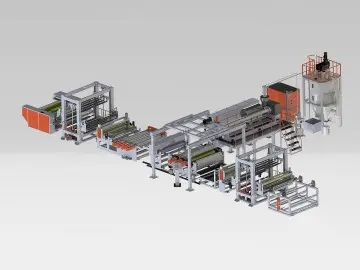
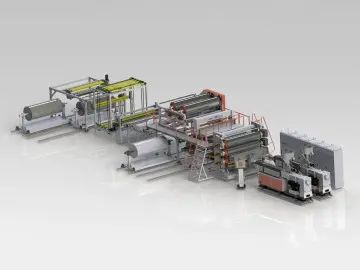
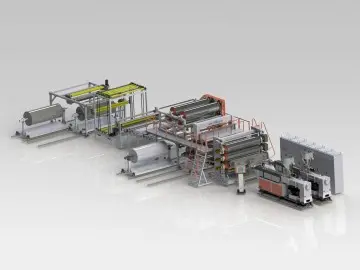
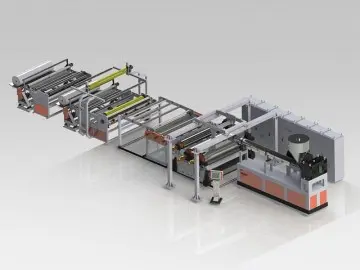
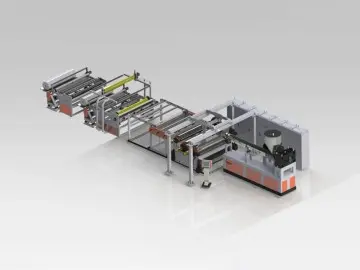
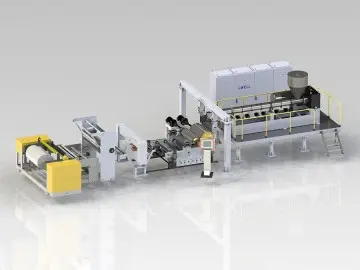
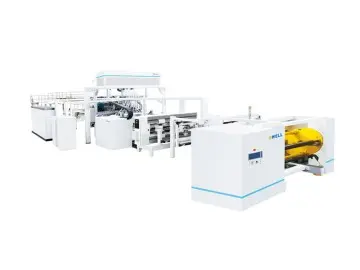
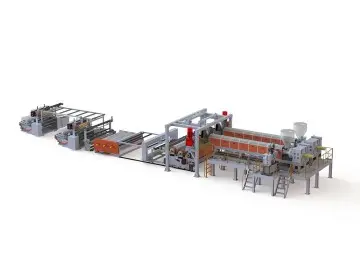
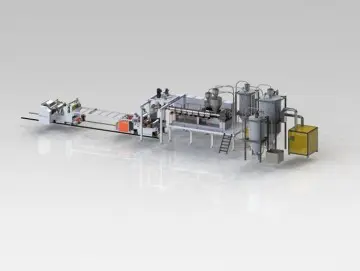
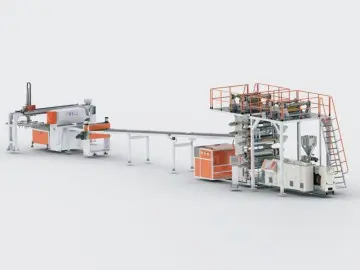
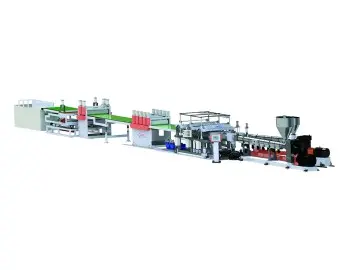
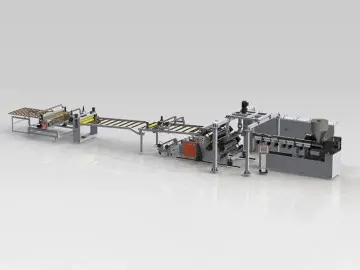
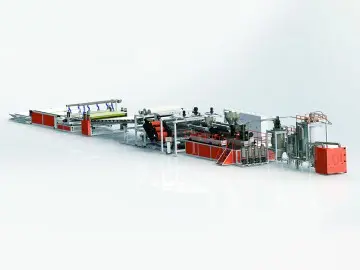
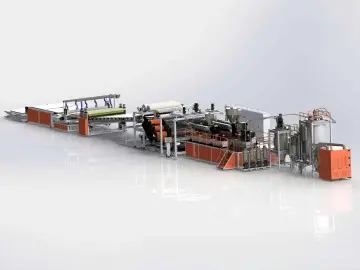
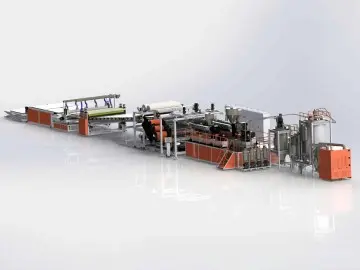
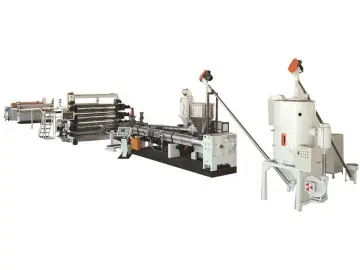
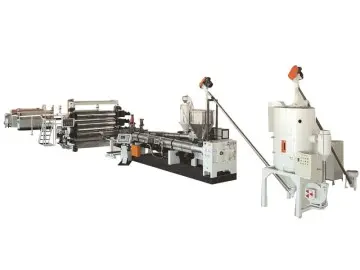
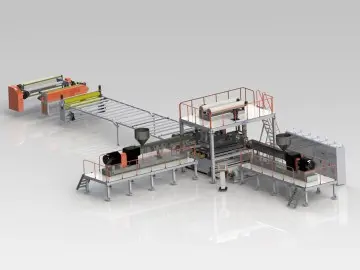
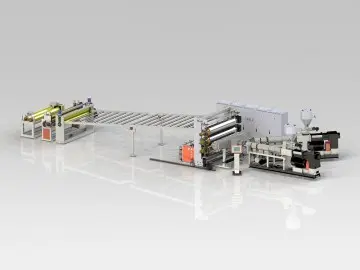
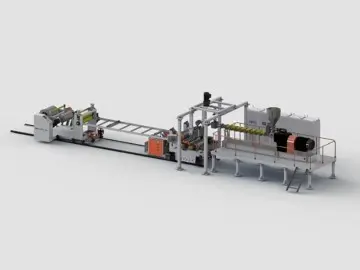
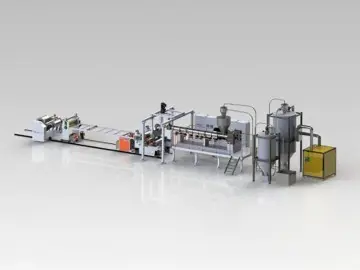
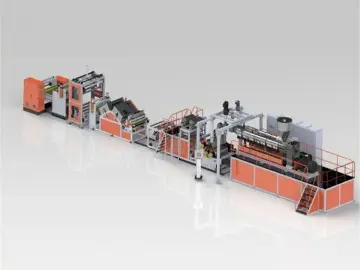
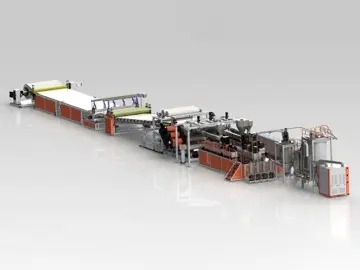
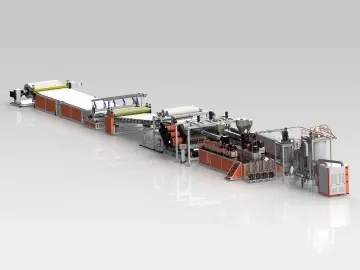
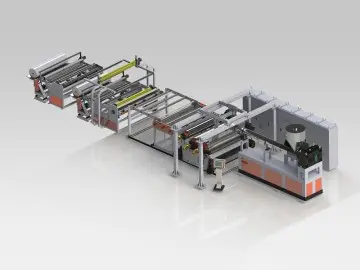
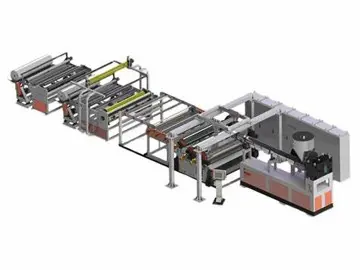
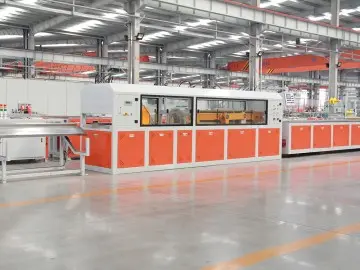
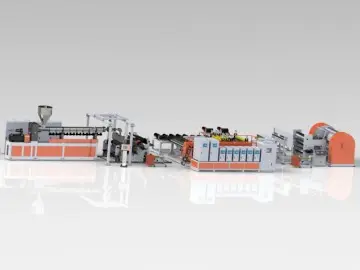
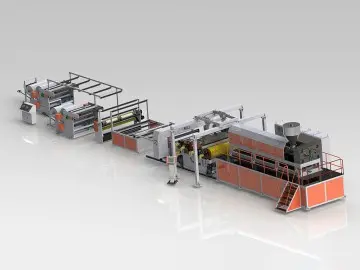
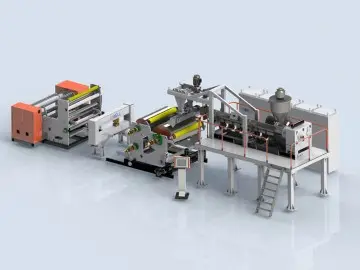
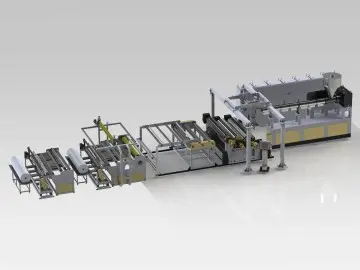
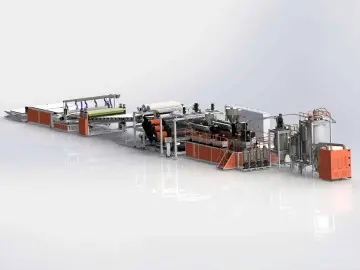
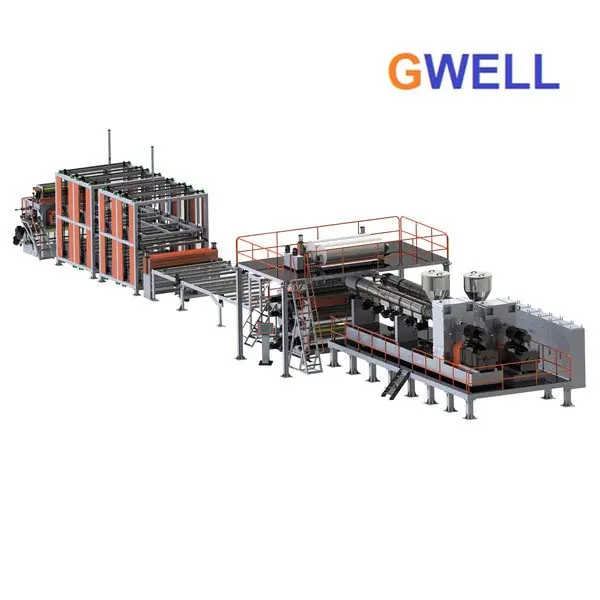
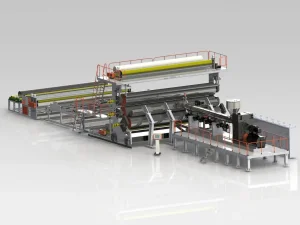
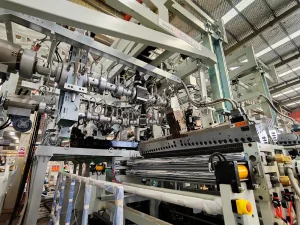
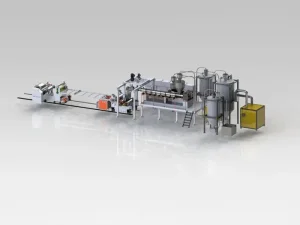
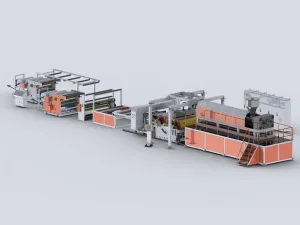
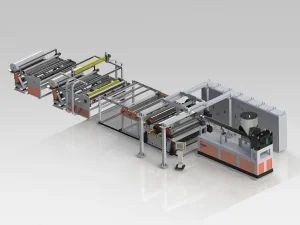
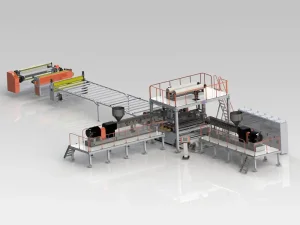
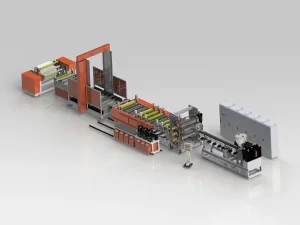
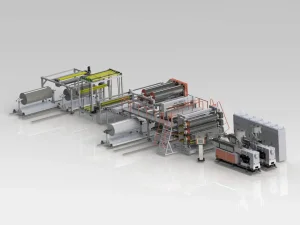
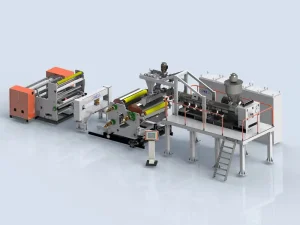
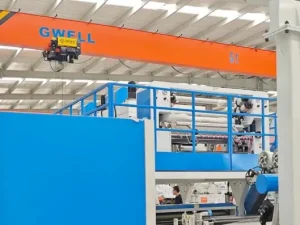
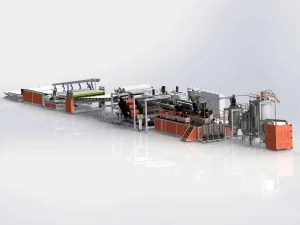
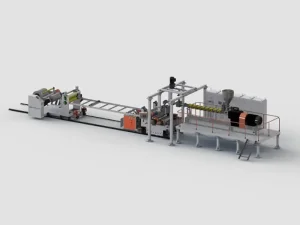
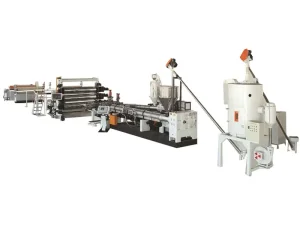
Manufacturing high-quality EVA waterproof sheets requires extreme process control. The polymer melt behavior of EVA is sensitive to temperature variations; inadequate extrusion control leads to thermal degradation or variations in crystallinity, compromising the sheet's mechanical parameters. A world-class EVA extrusion line utilizes the following components:
A. Precision Feeding and Compounding Systems
Raw EVA resin must be accurately blended with carbon black, UV stabilizers, anti-oxidants, and flame retardants. Advanced extrusion lines employ gravimetric dosing systems that continuously measure the mass flow of ingredients, ensuring formulation consistency down to ±0.2% variance. This consistency is vital for maintaining uniform flame retardancy and long-term UV resistance in the final extruded membrane.
B. Single-Screw and Twin-Screw Extrusion Integration
High-capacity lines utilize customized single-screw extruders with specialized L/D (Length to Diameter) ratios of 30:1 or 33:1, or co-rotating twin-screw compounders. The screw geometry is engineered with mixing sections that apply uniform shear forces without overheating the melt. Melt pumps are positioned after the extruder to isolate the extrusion die from pressure fluctuations, guaranteeing a highly consistent output.
C. Automatic T-Die with Automatic Gauge Control (AGC)
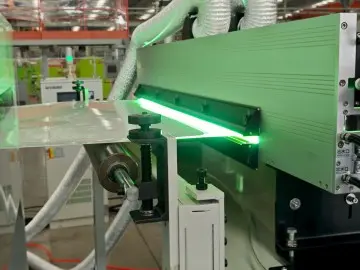
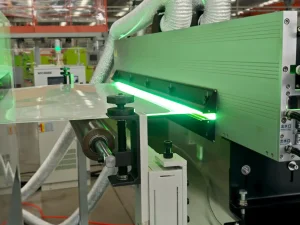
The extrusion die determines the thickness profile of the sheet. Advanced manufacturers implement automatic T-dies equipped with thermal expansion bolts. A closed-loop system utilizes a scanning thickness gauge (using beta-ray or ultrasonic sensors) positioned downstream. If the gauge detects a thin section, it sends a signal to heat the corresponding thermal bolts in the die, expanding the die lip locally to restore uniform thickness. This achieves thickness tolerances of less than ±1.5% across the entire width.
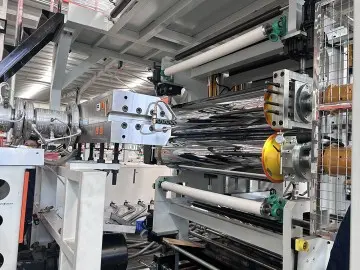
D. Three-Roll Calendering and Composite Lamination
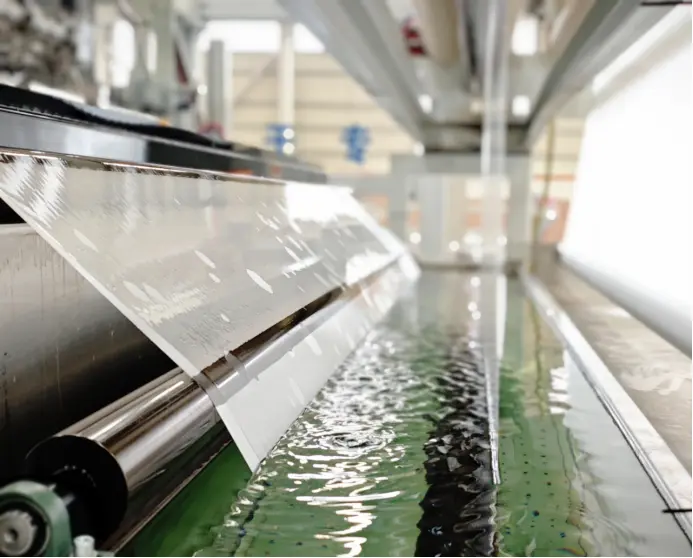
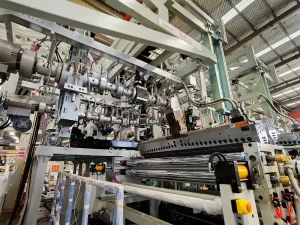
The three-roll calender stack is the heart of sheet texturing and structural stability. The rollers are chrome-plated and mirror-polished (or pattern-embossed for non-slip roofing finishes). Each roller has independent temperature control zones powered by pressurized water or oil circulation. During extrusion, auxiliary materials like non-woven geotextiles or fiberglass reinforcing meshes can be fed directly into the calender rolls, thermal-bonding the reinforcement onto the EVA sheet in a single inline operation.
Future Technical Outlook: AI-Driven Extrusion Processes
The next generation of EVA sheet extrusion lines integrates Industrial Internet of Things (IIoT) capabilities. Predictive maintenance sensors monitor vibration profiles of main gearboxes, while AI machine learning models analyze real-time melt pressure, screw speed, and raw material moisture levels. By actively adjusting parameters before errors occur, scrap rates are reduced by up to 40% and overall energy efficiency is boosted by 15-20%.
4. Global Procurement Trends & Strategic Sourcing
Global procurement directors for tier-one roofing manufacturers and construction conglomerates look for very specific capabilities when sourcing EVA sheet extrusion machinery. Procurement decisions have shifted from purely examining capital expenditure (CAPEX) to evaluating total cost of ownership (TCO) and operational efficiency (OPEX).
Modern buyers seek manufacturers capable of supplying turn-key, high-output lines (exceeding 8,000 tons annually) that minimize energy consumption per ton of extruded polymer. Key procurement check-points include:
- Energy Recovery Systems: Active regeneration of heat from the calender cooling loop back to pre-heat plastic granules.
- Material Versatility: The ability of the extrusion line to switch between EVA, TPO, and PE formulations with minimal screw modifications.
- Automation Levels: Automatic turret winders with auto-splicing, roll-change, and weight recording capabilities to minimize labor cost.
5. Global Business Status and Commercial Demands
Commercial waterproofing dynamics vary significantly by geographic region, prompting manufacturers to design highly adaptable machinery platforms:
- North America (ASTM Standards): Focus is heavily placed on multi-ply commercial roof assemblies and steep-slope underlayments. Machinery must output thick membranes (60 mil to 80 mil) meeting ASTM D4434 or D6878 standards, with high throughput.
- European Union (EN Standards): The European market demands environmentally sustainable, low-carbon footprints. Machinery must be optimized to handle post-industrial recycled plastics and bio-based EVA formulations without loss of physical properties. Compliance with EN 13956 is mandatory.
- Asia-Pacific (Rapid Infrastructure Growth): High-density urban zones and massive tunnel/rail transit networks create immense demand for dual-color "signal layer" EVA waterproofing sheets. In these designs, a thin yellow or white face layer overlies a black base layer. If damage occurs during construction, the bright color peels away, revealing the dark layer underneath and indicating where patch repairs are required.
6. Localized Support, Installation, and Regulatory Compliance
Operating complex high-molecular sheet extrusion machinery requires strong localization structures. Leading manufacturers provide field engineering crews for installation, commissioning, and staff training. This setup guarantees that operators understand the safety procedures, control loops, and material handling systems of the line.
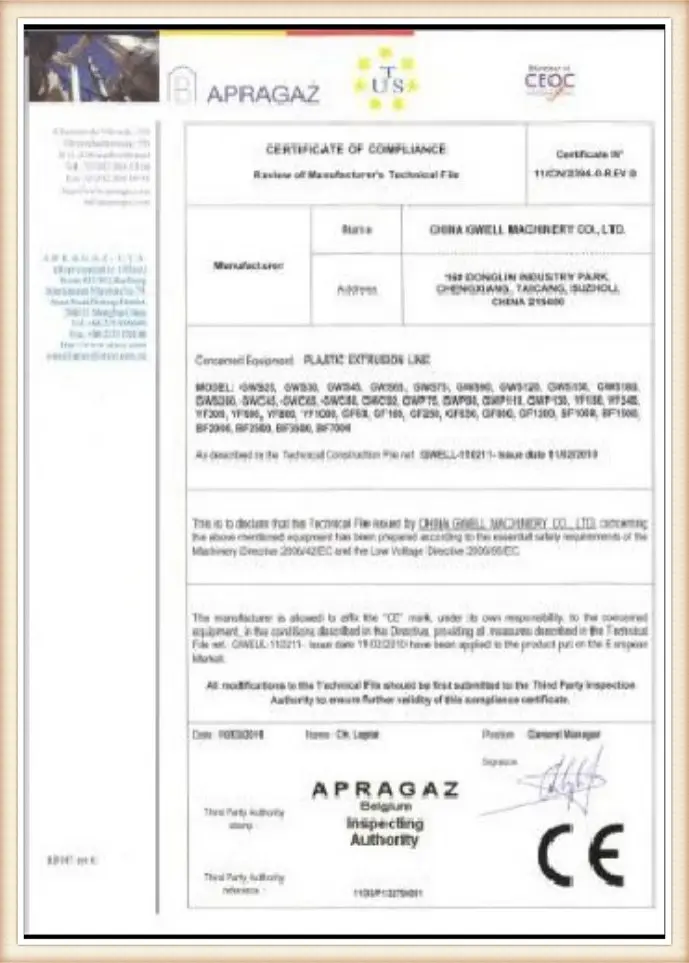
Regulatory compliance is non-negotiable. Quality machinery must carry CE marking (Europe), UL-listed electrical components (USA), and adhere to local environmental protection acts concerning dust generation, noise levels, and volatile organic compound emissions from raw polymer processing.