1 / 1

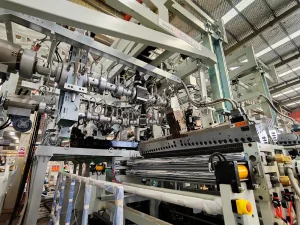
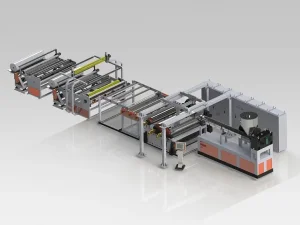
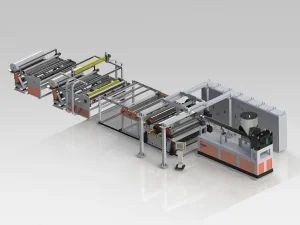
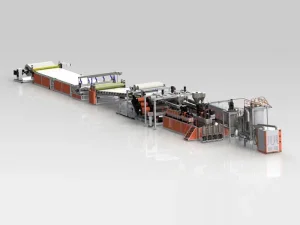
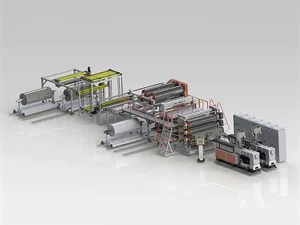
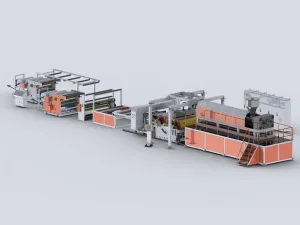
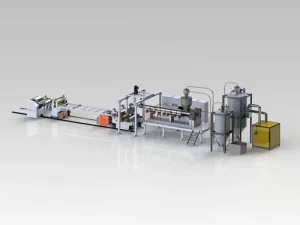
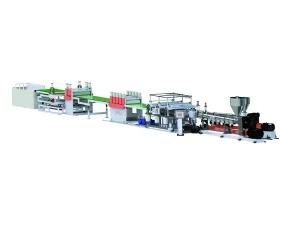
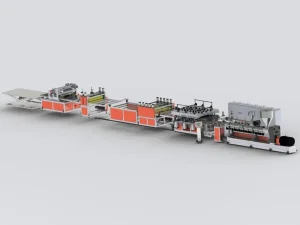
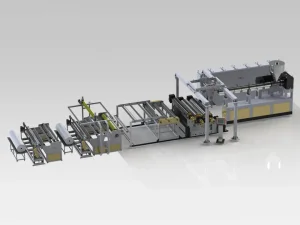
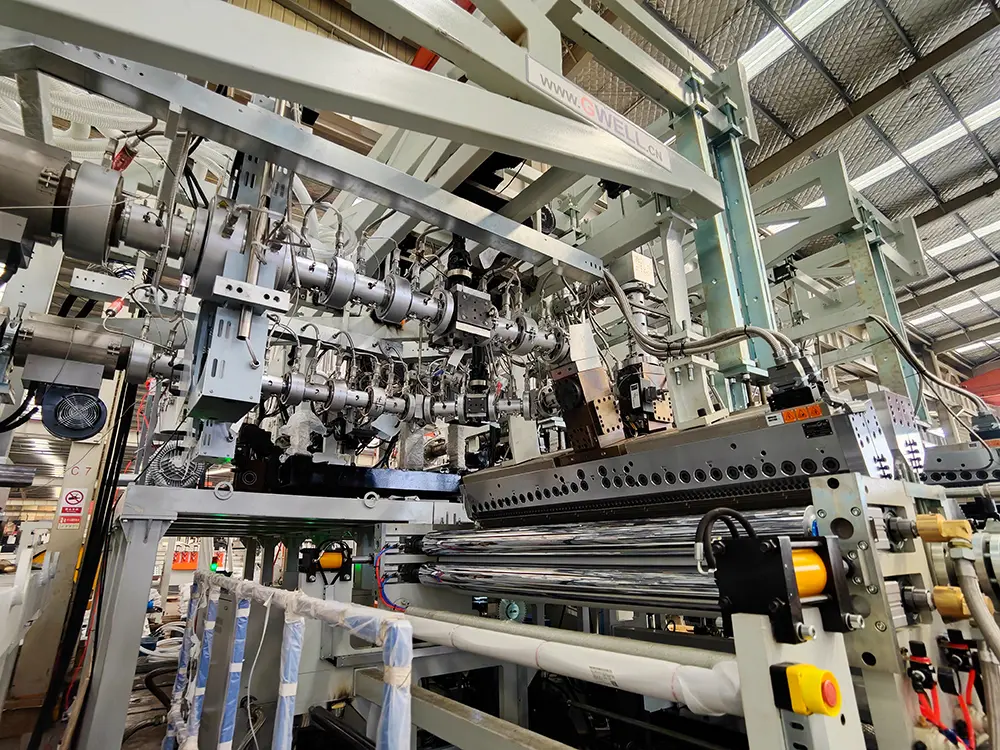
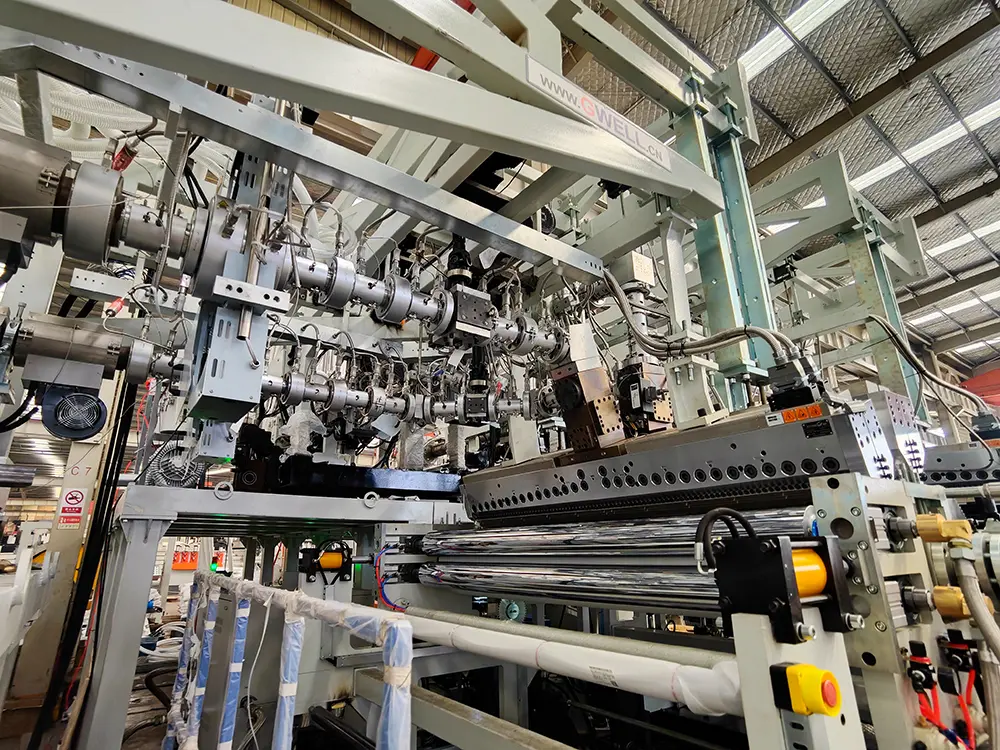
The production process begins with the feed hopper, which holds the raw polypropylene material. The extruder, powered by a robust motor, melts and forces the plastic through a die under controlled conditions.
A specialized honeycomb die is the heart of the extrusion machine. This die is precision-engineered to shape the melted plastic into a continuous strip with a honeycomb pattern. The die's design ensures that the cells of the honeycomb are uniform in size and shape, providing consistent structural properties.
After exiting the die, the honeycomb strip passes through a calibration and cooling system. This system ensures that the plastic maintains its shape and cools evenly, preventing warping or distortion.
The cooled honeycomb strip is then pulled off the extruder by a haul-off device, which controls the speed and tension of the material. A trimmer cuts the strip to the desired length, preparing it for further processing.
Finally, the cut honeycomb plates are stacked and conveyed to a collection area for storage or further processing. Automated stacking and conveying systems increase production efficiency and reduce labor costs.
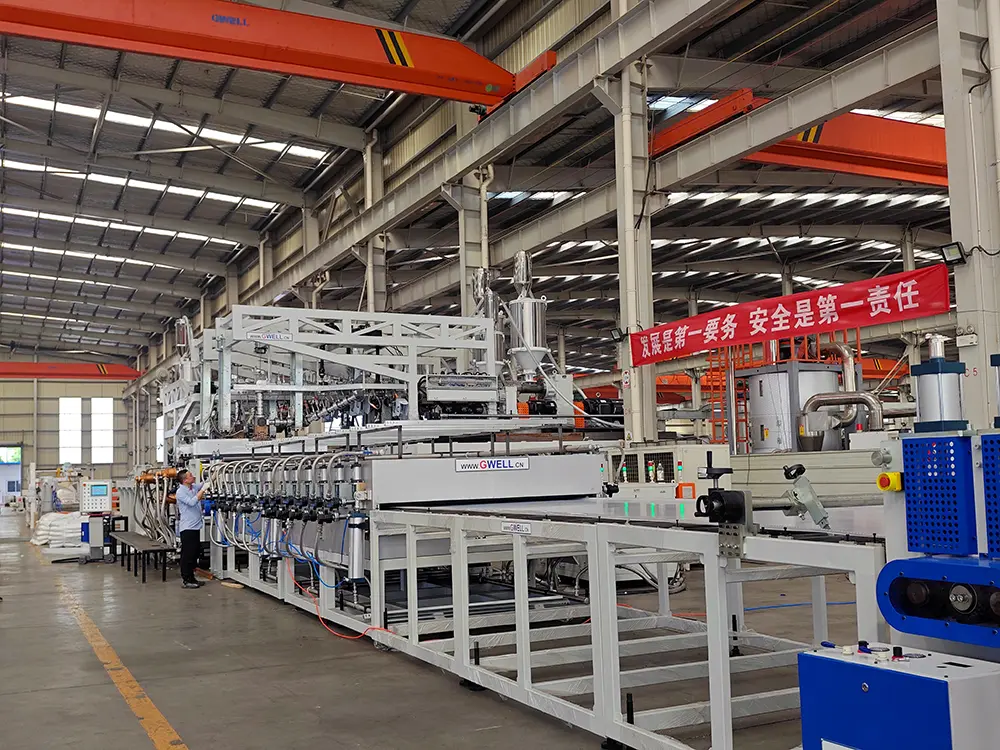
Used as lightweight, strong, and thermally efficient building materials for walls, floors, and roofs.
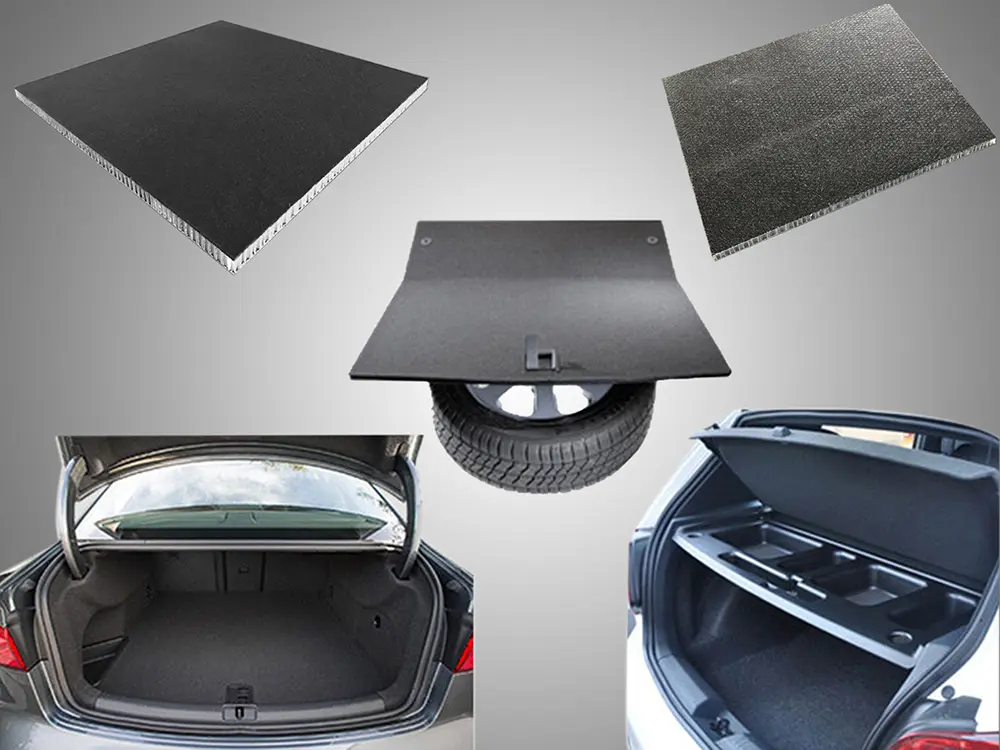
Lightweight honeycomb plates can reduce vehicle weight, improving fuel efficiency and performance.
The high strength-to-weight ratio and thermal insulation properties make PP honeycomb plates ideal for aircraft and spacecraft components.
These plates can be used to create protective packaging that is both lightweight and durable.
The PP Honeycomb Plate Extrusion Machine represents a significant advancement in manufacturing technology, offering a highly efficient and precise method for producing lightweight, strong, and thermally efficient honeycomb plates. Its ability to create intricate honeycomb structures with consistent physical properties makes it an invaluable tool for industries seeking to improve their products and reduce costs. As technology continues to evolve, the PP Honeycomb Plate Extrusion Machine will likely play an increasingly important role in the development of innovative and sustainable manufacturing solutions.
The PP Honeycomb Plate, a lightweight and high-performance material composed of polypropylene and featuring a honeycomb structure, has found extensive application in the automotive industry due to its unique properties. Here's an overview of its key applications:
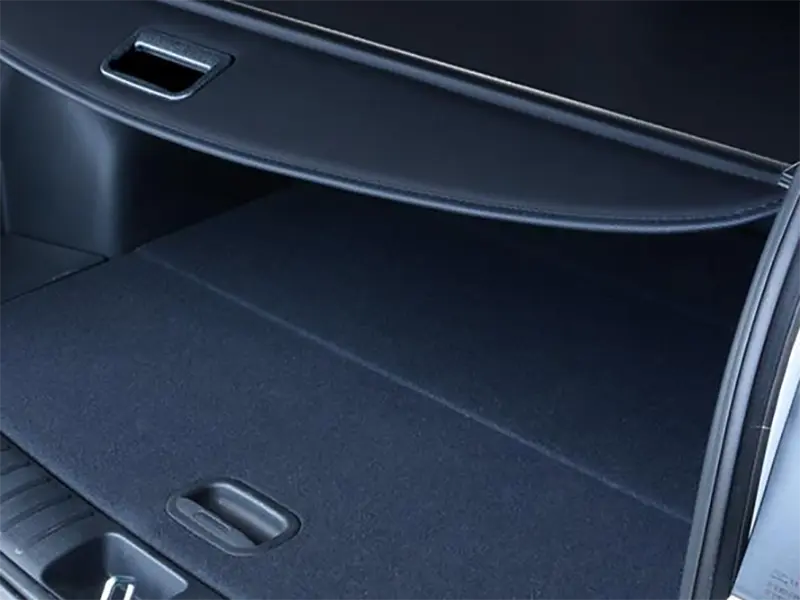
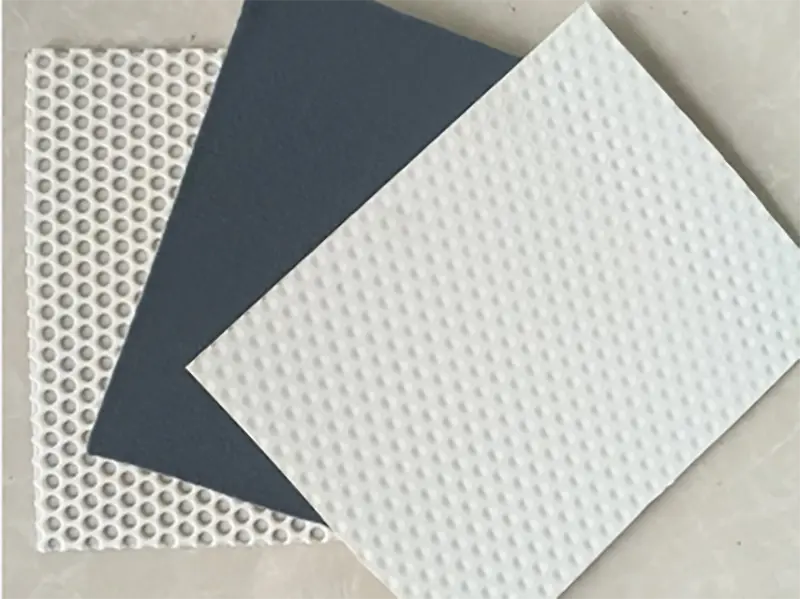
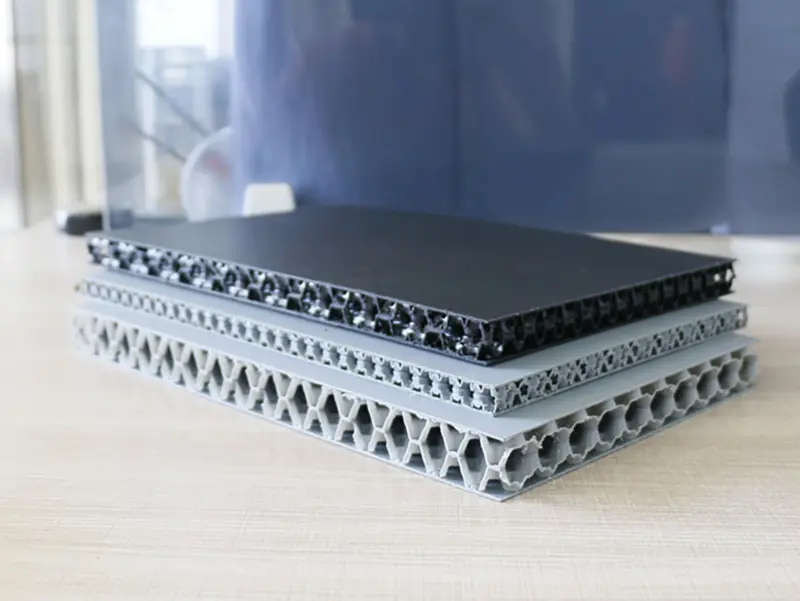
It is an advanced manufacturing machine designed to melt raw polypropylene material and extrude it through a specialized die to shape it into continuous honeycomb structured plates, which are both highly durable and lightweight.
Due to their lightweight and durable characteristics, these plates are extensively utilized in the construction, automotive, aerospace, and packaging industries.
By replacing traditional heavier metallic materials like steel or aluminum with lightweight PP honeycomb panels for body panels and interior structures, the overall vehicle weight is significantly reduced, leading to better fuel economy.
Yes. The internal geometric cellular structure of PP honeycomb plates naturally dampens sound and absorbs structural vibrations, which helps decrease Noise, Vibration, and Harshness (NVH) inside vehicle interiors.
Absolutely. The structural configuration of PP honeycomb plates offers excellent thermal insulation properties, making them highly effective for building insulation panels and temperature-controlled logistics packaging.