1 / 1

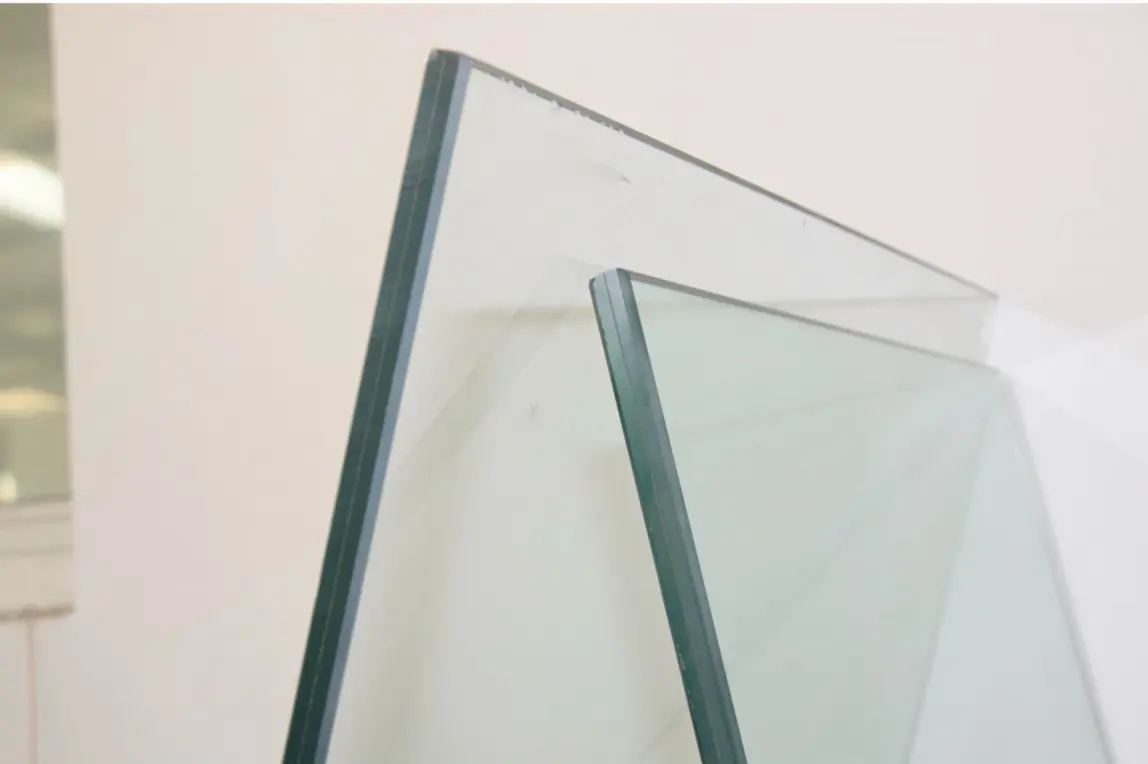
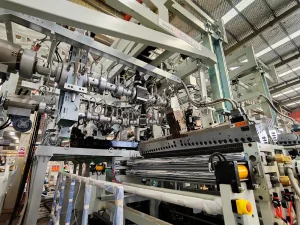
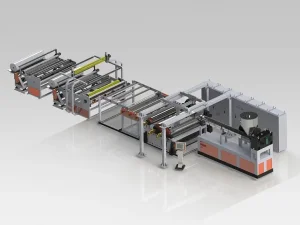
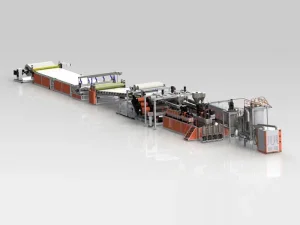
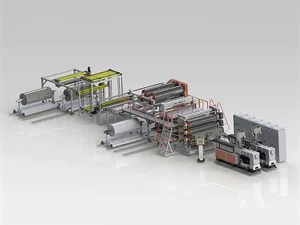
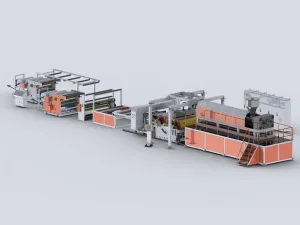
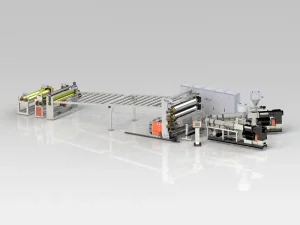
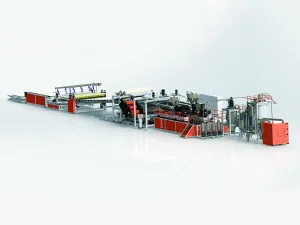
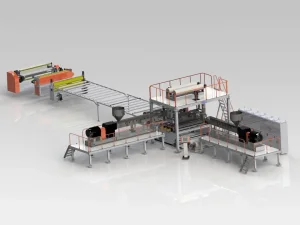
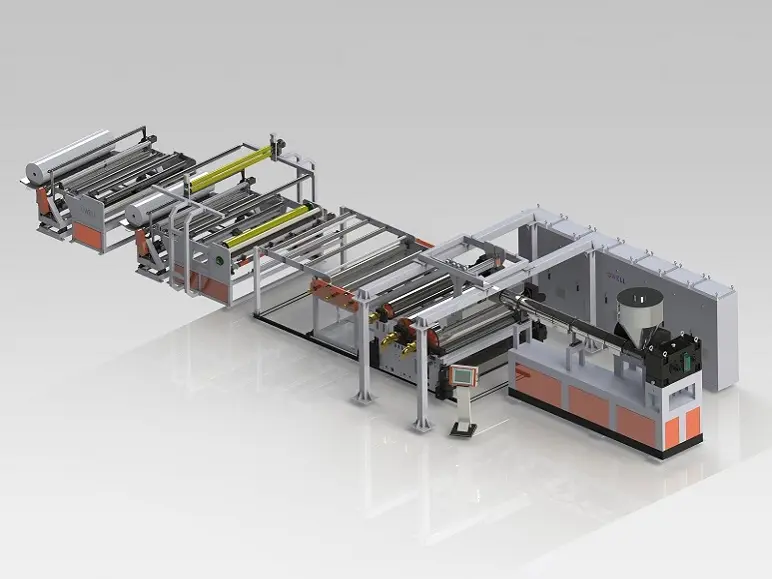
The primary function of the PVB Automotive Laminated Glass Film Machine is to bond multiple layers of glass and PVB film together under controlled conditions. The operating principle involves several key steps:
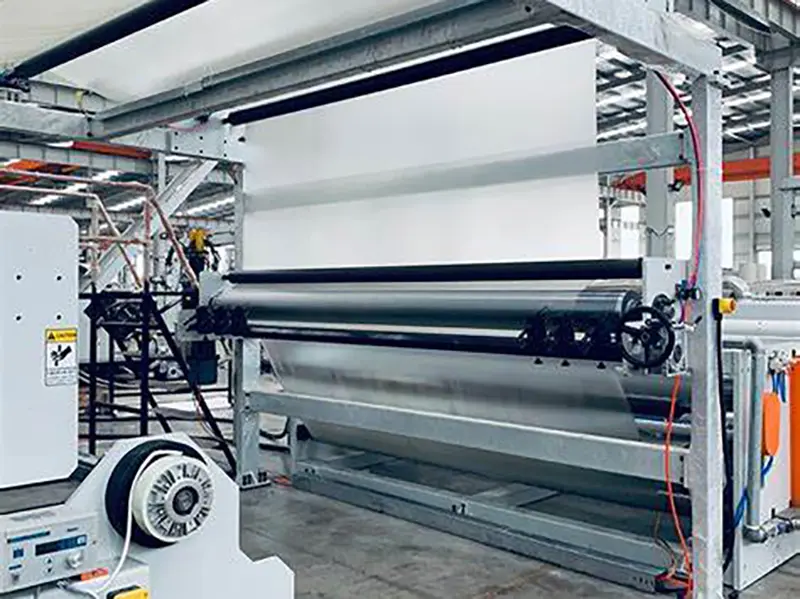
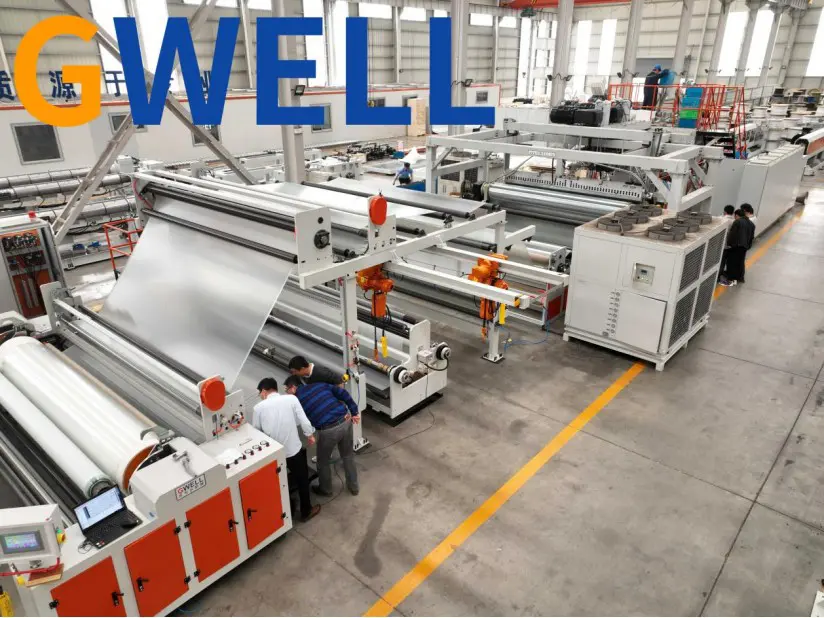
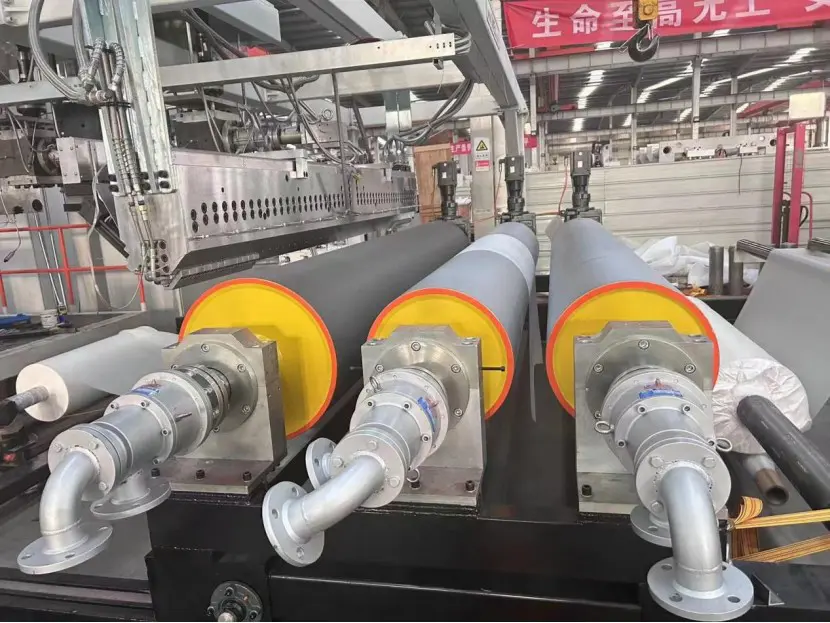
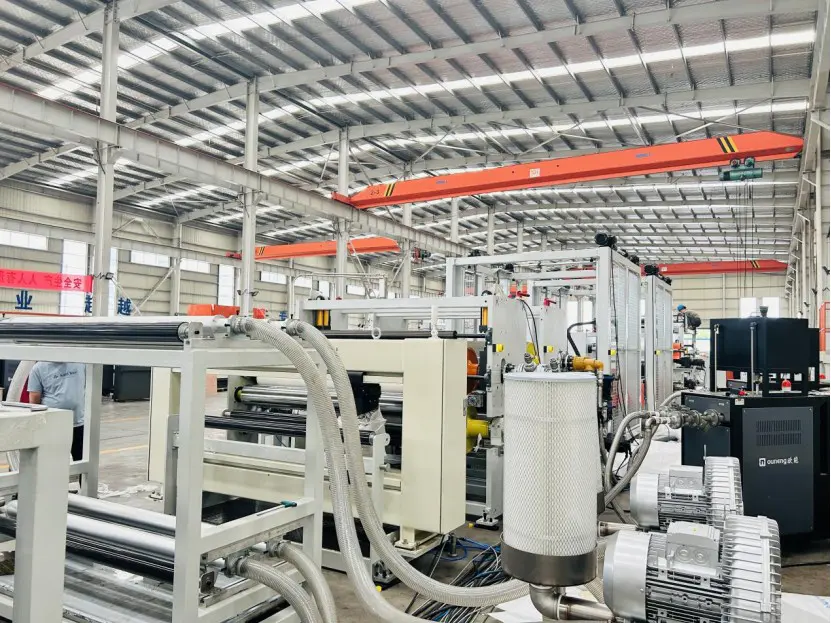
High Precision and Automation: Equipped with advanced sensors and control systems to ensure precise alignment and uniform pressing. Automation improves production efficiency and consistency.
Versatility: Accommodates various glass thicknesses and PVB film types, suitable for different vehicle models and market demands.
Energy Efficiency: Optimized heating and cooling processes minimize energy consumption and operational costs.
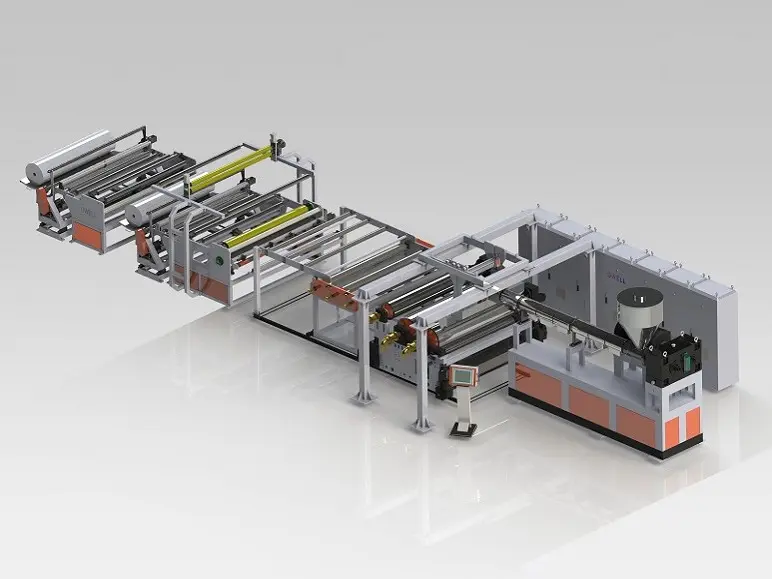
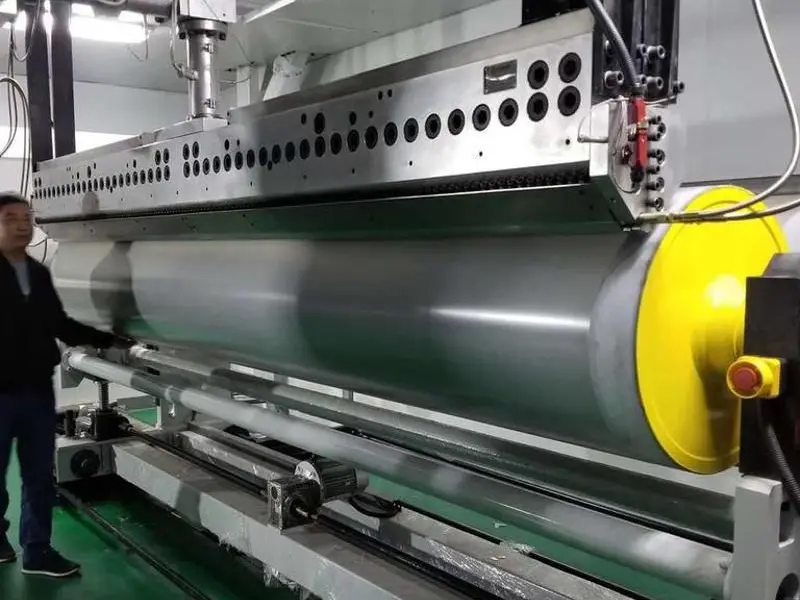
Integrated quality control features, such as inline inspections and sensors, monitor the laminated glass quality. This is critical for vehicle safety, providing strong, durable, and clear glass structures.
Current Trends:
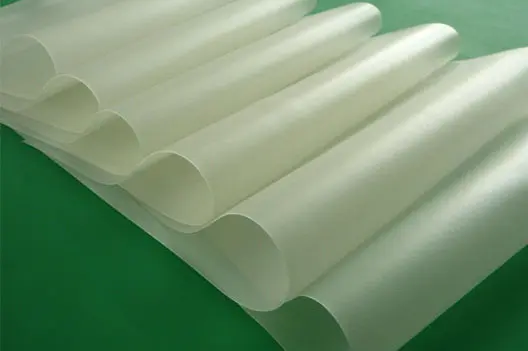
PVB (PolyVinyl Butyral) is the key material for manufacturing laminated glass, playing a crucial role in the automotive industry.
High Strength: Withstands significant impacts and prevents glass shards from scattering.
Transparency: Excellent light transmittance ensures clear vision for drivers.
Insulation: Provides superior sound and heat insulation, reducing in-car noise.
UV Protection: Absorbs over 99% of UV rays, protecting passengers.
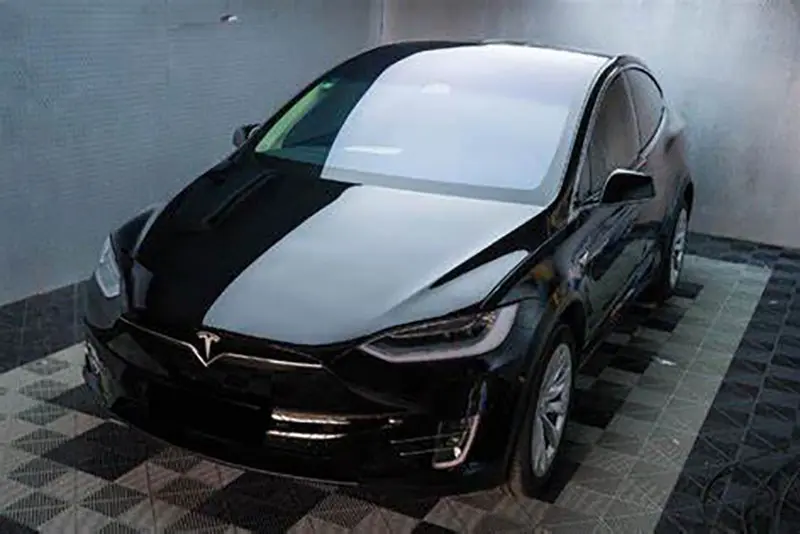
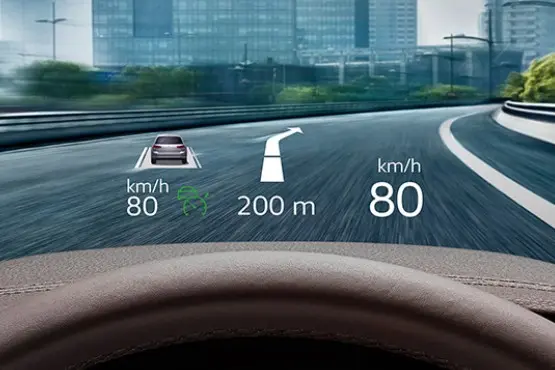
Windshields: Primary application area, often serving as a carrier for Head-Up Display (HUD) technology through wedge-shaped PVB films.
Side, Rear Windows & Sunroofs: Increasingly used to enhance overall vehicle safety and reduce temperature fluctuations.