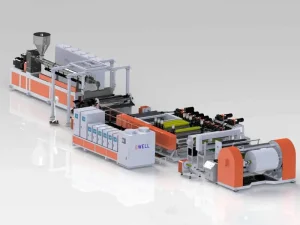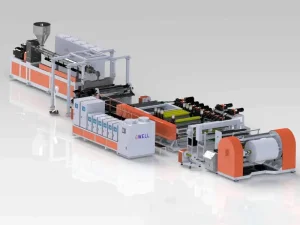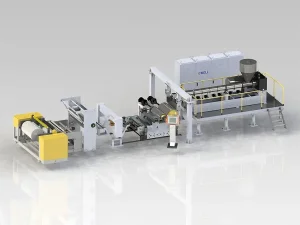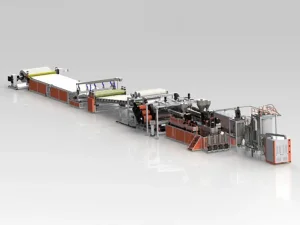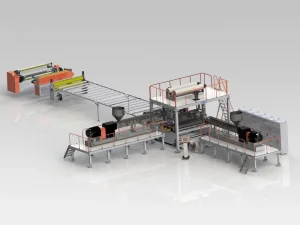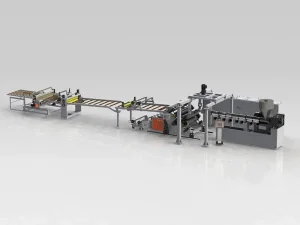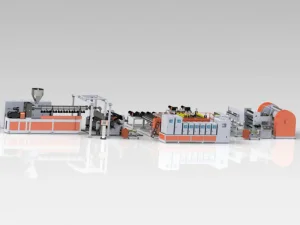
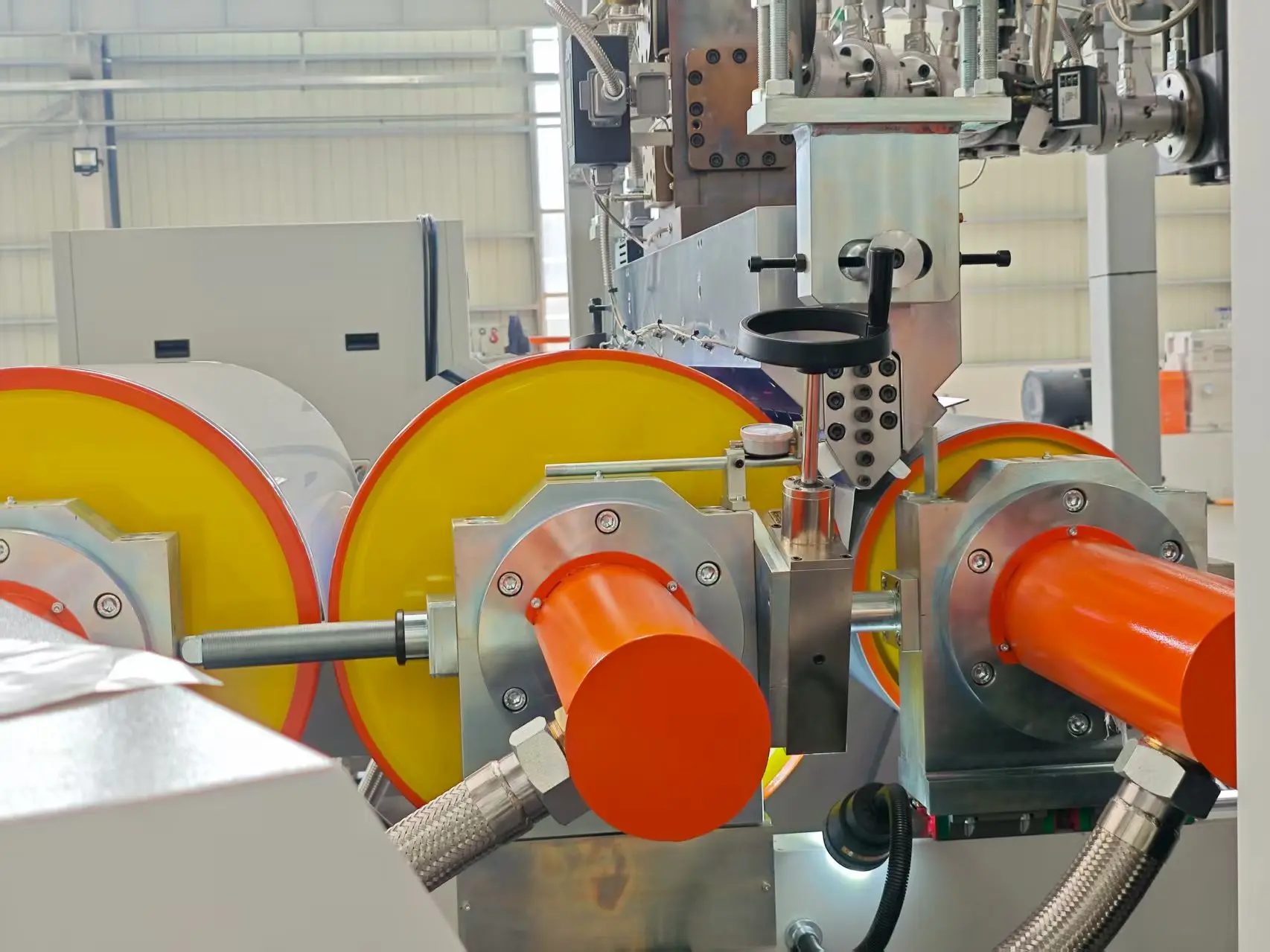
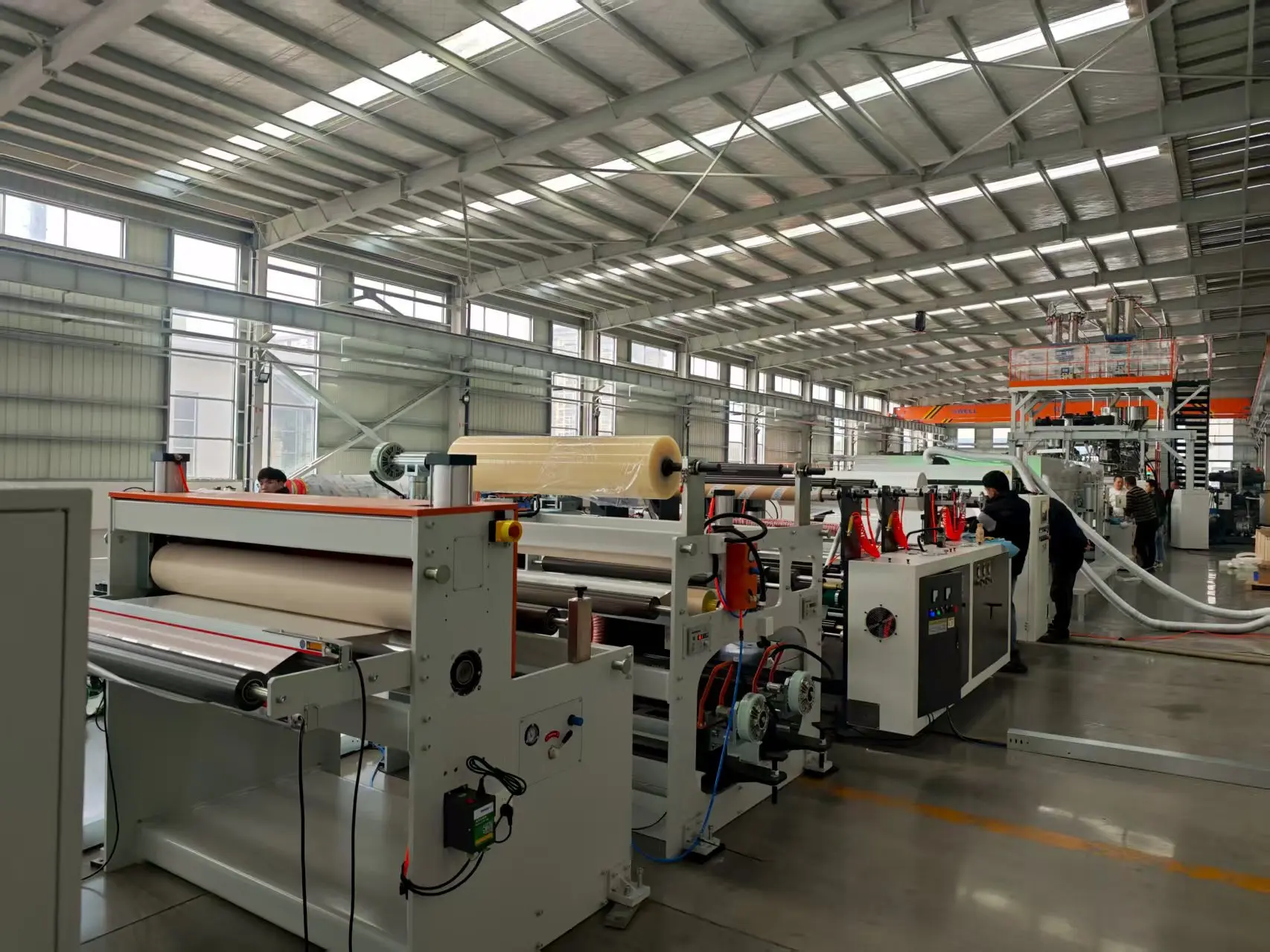
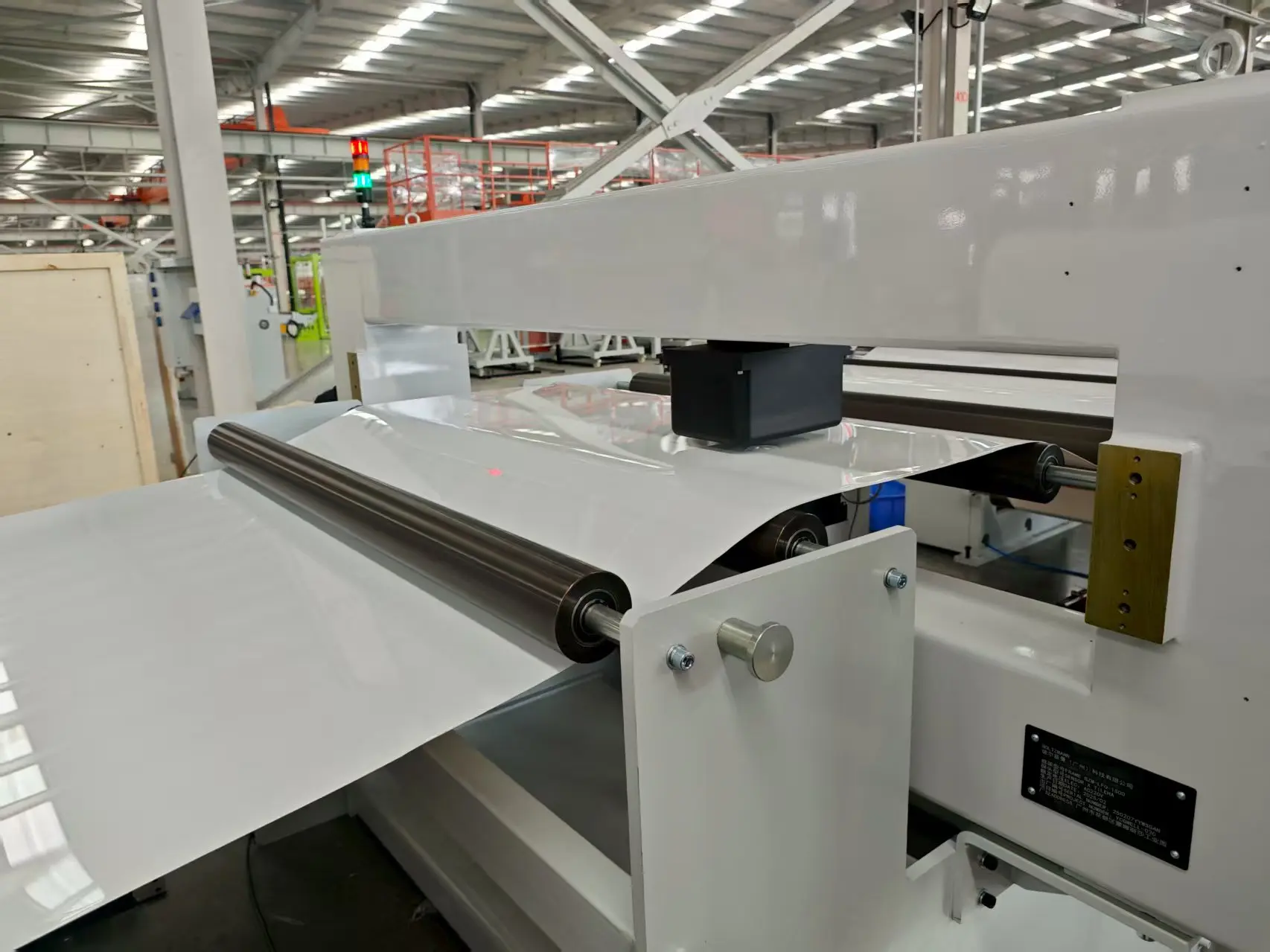
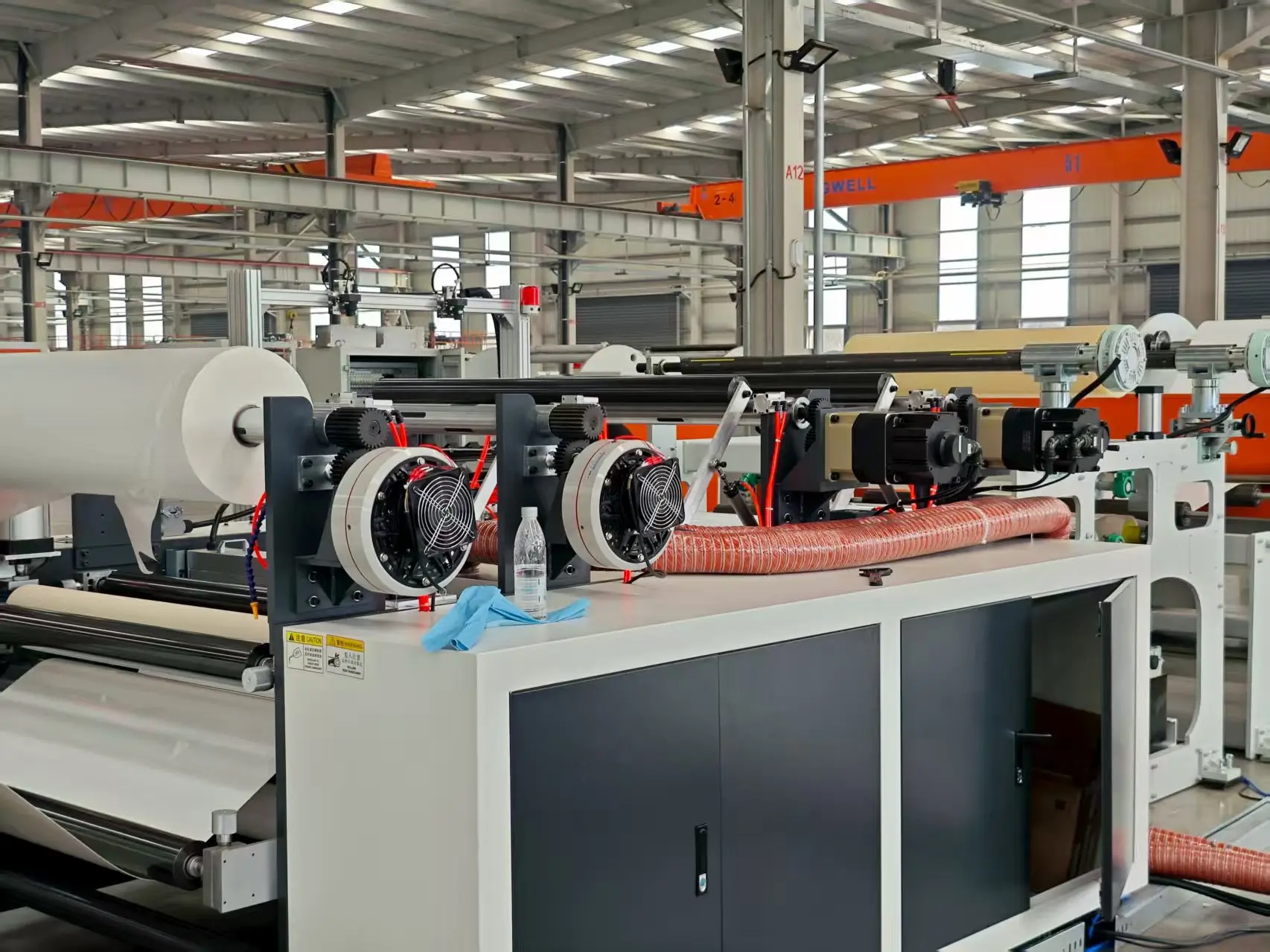

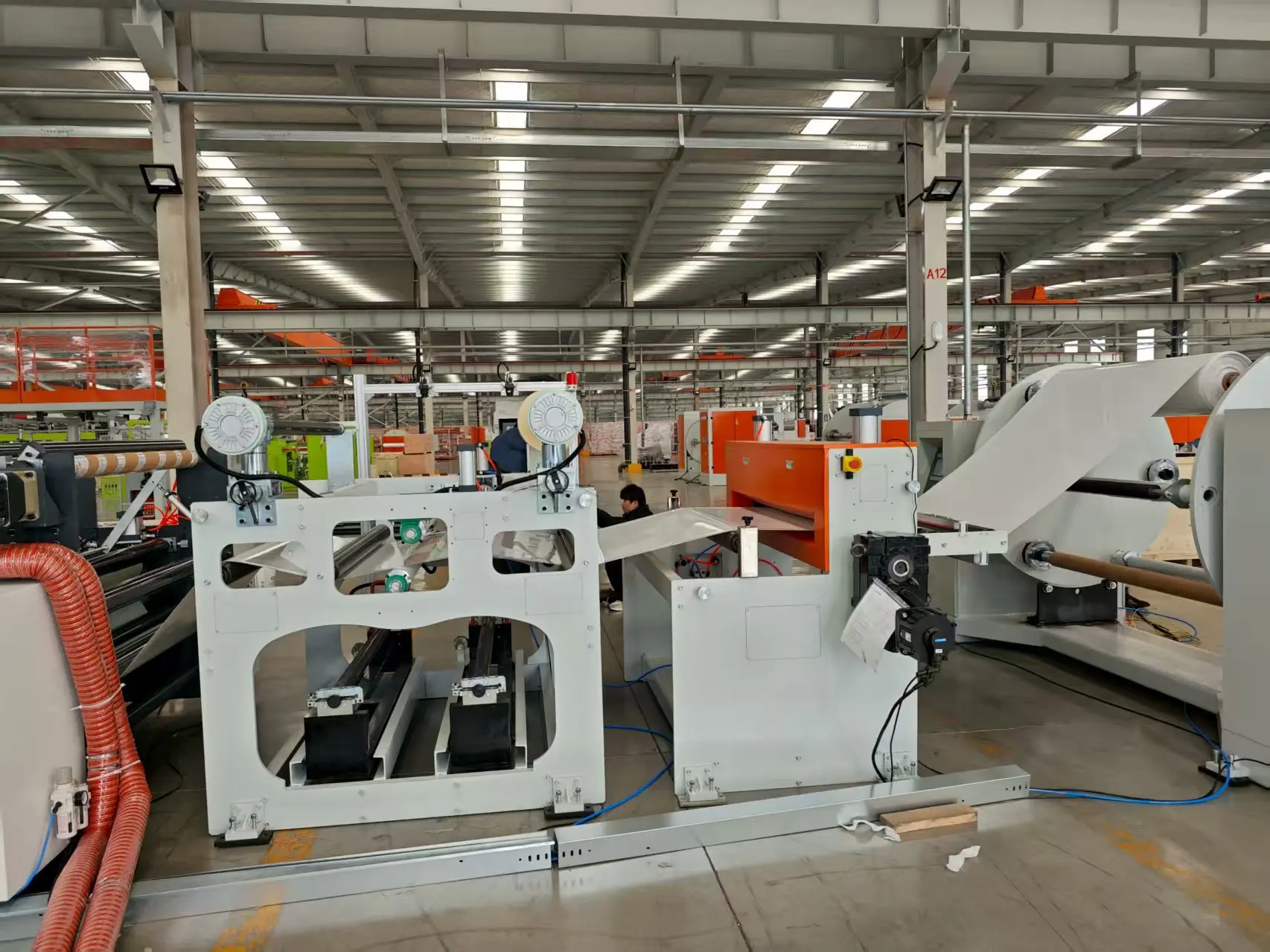
Best PCTG Decorative Film Extrusion Line Manufacturers, Factory

Ultimate environmental protection, seizing market opportunities first.

Product Description

PCT/PCTG Decorative Film

1)Characteristics of PCT Membrane Materials
Ultimate environmental protection, seizing market opportunities first. The PCT membrane material has passed the ENF level (China) and CARB NAF (USA) certifications, with a formaldehyde emission rate of less than 0.005mg/m³. Its recyclable process adopts a closed-loop production system, with a waste recovery rate of over 90%, which helps enterprises build a green supply chain and meet the LEED green building certification requirements.
2) Superb physical properties, extending product lifespan
PCT features outstanding physical properties and excellent wear resistance, with a wear value of less than 24mg/100 and a surface bonding strength of over 1.2MPa. It performs exceptionally well in high-temperature and high-humidity environments, with a high-temperature resistance of over 200℃ and a steam resistance of over grade 5. It is suitable for various demanding scenarios such as oven cabinets and bathroom cabinets, effectively extending the service life of furniture.
3) Design freedom, empowering high-end customization
PCT film material, with its outstanding deep embossing technology and high-precision texture reproduction capability, offers unprecedented design freedom for high-end custom furniture. Complex textures such as wood grain and stone grain can be easily achieved without cracking or blooming, perfectly reproducing the texture and beauty of natural materials. Meanwhile, the high flexibility of PCT film material enables it to easily handle curved surface wrapping. Whether it's a 90° right-angle bend or a complex curved surface shape, seamless adhesion can be achieved, truly realizing the integrated design of the same color for doors, walls, and cabinets, significantly reducing processing difficulty and providing more creative space for designers.
4) Cost reduction and efficiency improvement, optimizing production processes
PCT film materials, through batch color difference control, significantly reduce material waste and after-sales disputes. Meanwhile, its high flatness and water boiling resistance ensure that the lamination qualification rate increases to over 98%, optimizing the production process. Additionally, the anti-fouling nano-coating on PCT film materials makes its surface resistant to corrosive substances such as acetone and shoe polish. Daily cleaning only requires wiping with water, eliminating the need for complex post-treatment and significantly reducing maintenance costs. These features not only enhance production efficiency but also bring higher economic benefits and market competitiveness to furniture enterprises.
PCT Decorative Film Showcase
PCT Decorative Film Application
PCTG Material Detail
PCTG Material Application

PCTG decorative film: The epitome of transparency and safety

1. Core characteristics

  • High transparency: The product's transparency is close to that of glass, making it suitable for packaging applications where the contents need to be displayed.
  • Safe and non-toxic: It does not contain bisphenol A (BPA) and has passed the safety certifications of the US FDA, EFSA, and global food contact safety standards, making it suitable for food and medical packaging.
  • Impact resistance: Extruded sheets are 15-20 times tougher than general acrylic and 5-10 times tougher than impact-modified acrylic, and are less prone to cracking.
  • Processing performance: It can be processed by various molding methods such as injection molding, extrusion, and blow molding. It has excellent secondary processing performance and supports machining and modification.

2. Application scenarios

  • Food packaging: Used for water bottles, wine bottles, juice bottles, etc., its chemical resistance ensures no interaction with food components, and its impact resistance guarantees transportation safety.
  • Medical field: Manufacturing infusion sets, surgical instruments, test tubes, etc., it has no compatibility with body fluids and has certain antibacterial properties.
  • Consumer electronics: Smartphone cases, tablet cases, etc., it is resistant to high temperatures and chemicals, protecting electronic components.
  • Sports goods: Sports water bottles, diving masks, etc., it has excellent impact resistance and leak-proof performance, suitable for outdoor environments.

3. Summary of advantages
PCTG film material, with safety, transparency, and durability as its core, replaces traditional PVC materials, meeting the strict requirements for material safety in the food and medical fields. At the same time, it reduces production costs through high toughness and easy processability.

TPO (Thermoplastic Olefin) Sheet

Overview:
Thermoplastic Olefin (TPO) sheets are a type of thermoplastic material that combines the durability and processability of polyolefins with the flexibility and weatherability of elastomers. They are often produced through a blending process that integrates polypropylene with rubbery copolymers, resulting in a material that exhibits both rigid and flexible characteristics.

Key Properties:

  • Durability: TPO sheets are known for their high durability and resistance to abrasion, making them suitable for applications that require robust materials.
  • Weatherability: They exhibit excellent resistance to UV rays, weathering, and chemicals, ensuring long-term performance in outdoor environments.
  • Flexibility: Despite their rigidity, TPO sheets offer a degree of flexibility, allowing them to be molded and formed into various shapes and sizes.
  • Processability: Easy to fabricate using methods such as injection molding, extrusion, and thermoforming, making them cost-effective to produce and customize.

Applications:
TPO sheets are commonly used in automotive interior and exterior trim, roofing membranes, outdoor furniture, signage, and various building and construction applications.

TPE (Thermoplastic Elastomer) Sheet

Overview:
Thermoplastic Elastomers (TPEs) are a class of materials that combine the elasticity of traditional rubbers with the processability and recyclability of thermoplastics. Unlike thermoset elastomers, TPEs can be repeatedly heated, shaped, and cooled without losing their physical properties.

Key Properties:

  • Elasticity: TPE sheets offer excellent elastic recovery and flexibility, mimicking the behavior of rubber but with the added advantage of being thermoplastic.
  • Durability: They are resistant to tearing, abrasion, and many chemicals, providing long-lasting performance in demanding environments.
  • Temperature Resistance: Many TPEs can withstand a wide range of temperatures, making them suitable for applications that experience extreme thermal conditions.
  • Processability and Recyclability: Easy to process using standard thermoplastic techniques and can be recycled and reused, reducing waste and environmental impact.

Applications:
TPE sheets are widely used in automotive parts, consumer goods, medical devices, footwear, sealing and gasketing, and various industrial applications where a combination of flexibility, durability, and processability is required.
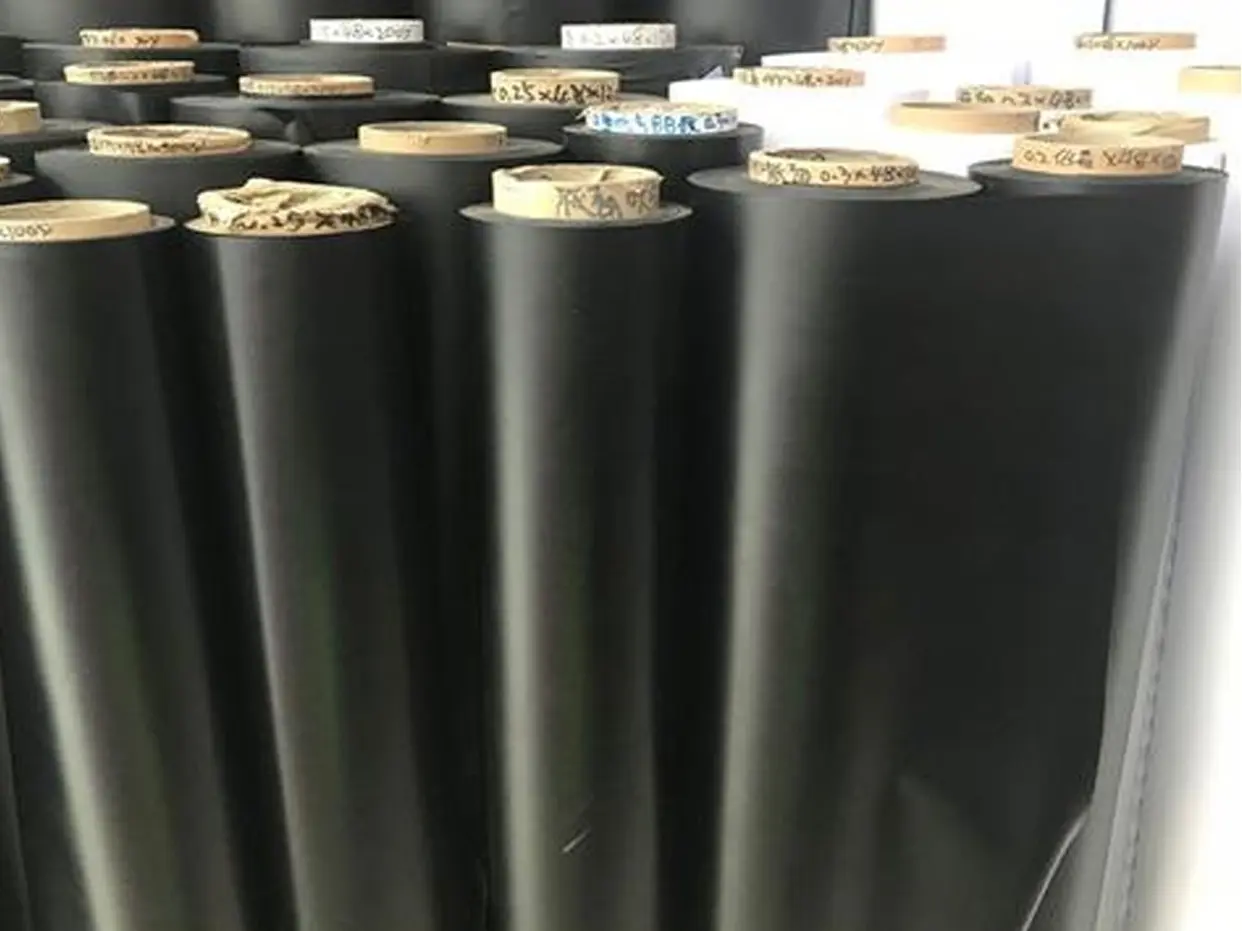
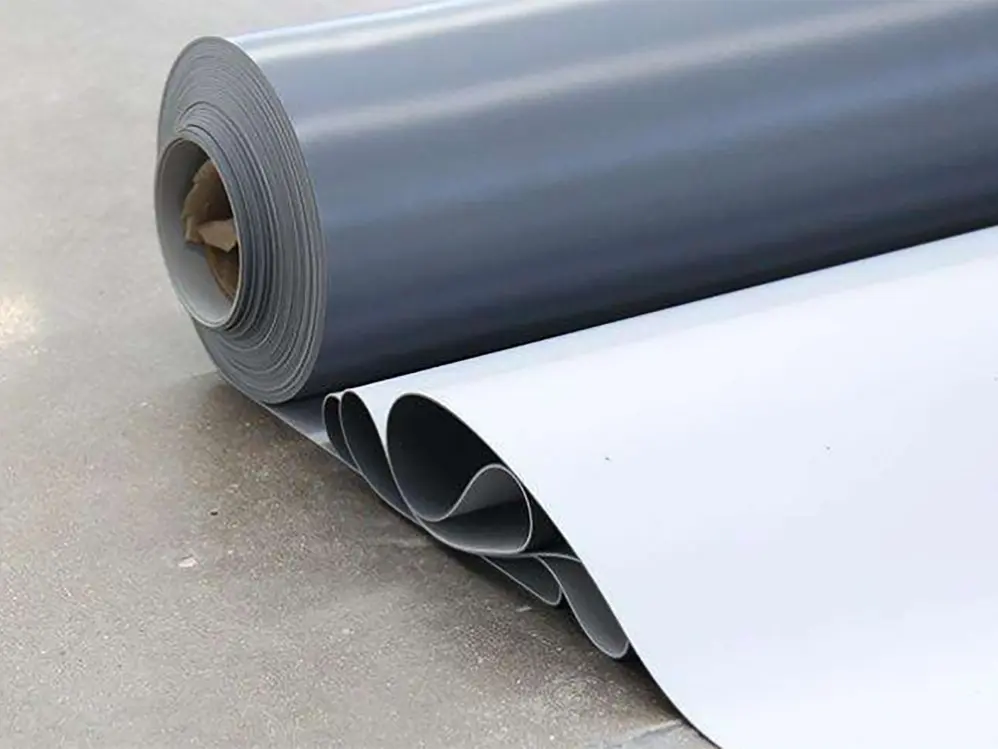
TPE sheet processability showcase
TPE sheet detail view

Frequently Asked Questions (FAQ)

What environmental certifications do PCT membrane materials hold?

PCT membrane materials have successfully passed the Chinese ENF level and the US CARB NAF certifications, boasting a formaldehyde emission rate of less than 0.005mg/m³, ensuring standard-setting eco-friendliness.

Why is PCTG considered a safer alternative to PVC in packaging?

PCTG does not contain bisphenol A (BPA) and has passed strict safety certifications from the US FDA, EFSA, and global food contact safety regulators, making it extremely safe for direct food and medical contact.

How tough is PCTG compared to traditional acrylic?

PCTG extruded sheets demonstrate exceptional impact resistance, being 15-20 times tougher than general acrylic and 5-10 times tougher than impact-modified acrylic, making them highly crack-resistant.

What are the primary applications of TPO sheets?

TPO sheets are commonly utilized in automotive interior and exterior trims, roofing membranes, outdoor furniture, signage, and various building and construction applications where durability and weatherability are key.

What makes TPE sheets unique in terms of sustainability?

Unlike thermoset elastomers, TPEs can be repeatedly heated, shaped, and cooled without losing their physical integrity. This makes TPE sheets highly recyclable and easy to reprocess, minimizing overall environmental waste.
Related Products