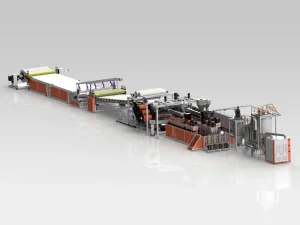
Seoul's Evolving Industrial Landscape: Sourcing Sheet Extrusion Infrastructure
Analysis of technical demands, regulatory milestones, and green manufacturing trends shaping polymer processing in South Korea.
1. Contextual Industry Analysis of the South Korean Market
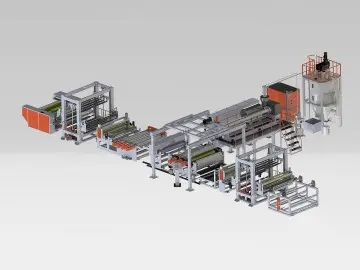
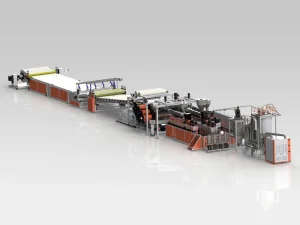
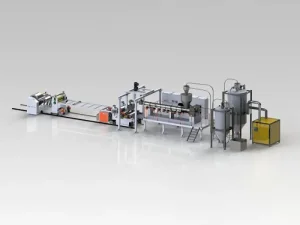
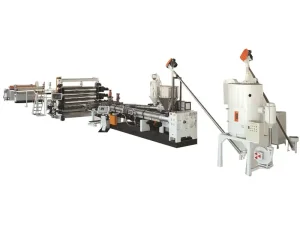
The Seoul Capital Area—encompassing Seoul, Incheon, and the broader Gyeonggi Province—stands as one of the most technologically advanced manufacturing corridors globally. Serving as the primary hub for conglomerates such as Samsung Electronics, LG Display, Hyundai Motors, and Kia, this region places extreme precision demands on raw materials and processing machinery. Sheet extrusion lines play an indispensable role in this ecosystem, supplying high-performance polymer sheets used in semiconductor transport trays, liquid crystal display panel protection, interior automotive molding, and micro-optics.
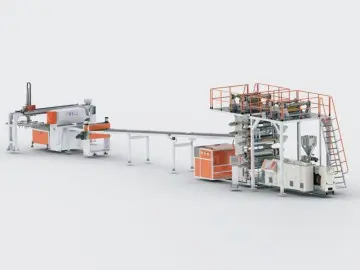
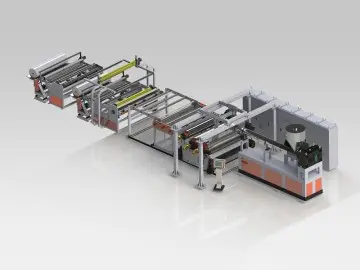
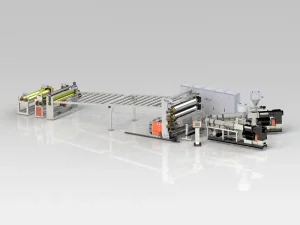
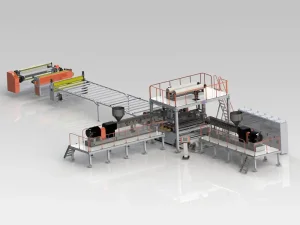
Consequently, local processors are transitioning from basic single-layer extrusion systems to sophisticated co-extrusion setups. The integration of closed-loop gravimetric dosing, real-time gauge measurement, and advanced screw geometries is paramount to mitigating the raw material inconsistencies inherent in recycled feedstocks.
2. Strategic Application Segments in the Seoul Capital Area
To succeed within South Korea's high-barrier industrial ecosystem, sheet extrusion machinery must target specific sector demands:
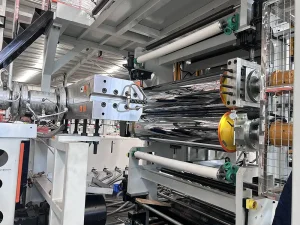
- Display & Optical Films: Production lines producing optical grade PMMA, PC, and GPPS sheets must guarantee zero-defect, bubble-free, and inclusions-free structures. This requires specialized class-10,000 cleanroom roll stacks, dynamic melt filtration systems, and high-precision calendar rolls with mirror-finished chrome plating.
- Semiconductor Protective Packaging: Anti-static (ESD) and flame-retardant HIPS, GPPS, and ABS sheets are critical for transporting wafer microchips. Extruders serving this sector must be capable of processing multi-layer composites (e.g., ABA or ABC configurations) to concentrate functional additives in the surface layers while utilizing cost-effective cores.
- Automotive Thermoformed Sheets: The demand for lightweight vehicles has accelerated the consumption of TPO, TPE, and ABS composites. Extrusion lines must yield sheets with high draw ratios and consistent tensile strength to withstand secondary vacuum thermoforming.
- Medical Grade Plastics: Processing PCL (Polycaprolactone) and specialized medical-grade co-polyesters requires low-temperature extrusion profiles, precise temperature control (within ±0.5°C), and corrosive-resistant barrel metallurgy.
3. Key Technology Roadmap: Extruder Innovations & Engineering
Achieving structural superiority in polymer sheets requires deep control over the thermodynamics and rheological behaviors of the melt. Our engineering team incorporates a range of technological innovations designed for stability and energy optimization:
Optimized Screw & Barrel Geometries
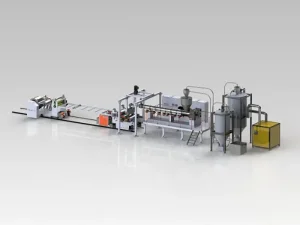
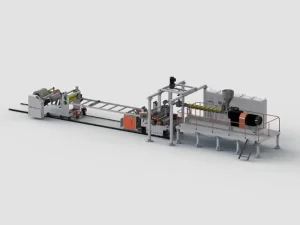
Different polymers exhibit unique shear-sensitivity profiles. Our specialized screw design options—ranging from barrier screws with mixing elements to co-rotating twin screws—ensure complete homogenization of additives without overheating the polymer chain. This is especially vital when extrusion runs require high fillers or flame retardants, as seen in PC flame-retardant sheet extrusion line systems.
High-Precision Flat Dies & Co-Extrusion Feedblocks
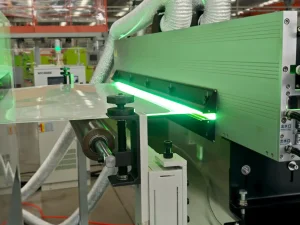
At the core of multi-layer extrusion is the feedblock and flat die design. We implement restrictor bar dies or flexible lip T-dies with automatic thermo-bolt adjustments. When paired with online radiometric or beta-ray thickness scanners, the system dynamically alters bolt temperatures, keeping sheet gauge variations below ±1% across widths of up to 3000 mm.