1 / 1

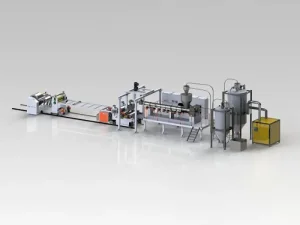
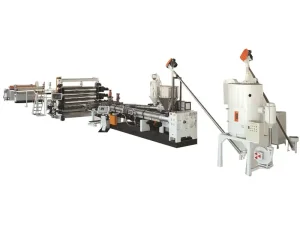
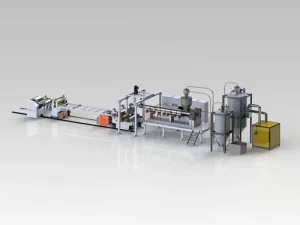
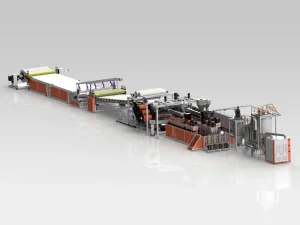
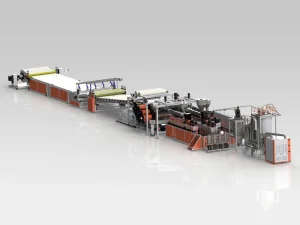
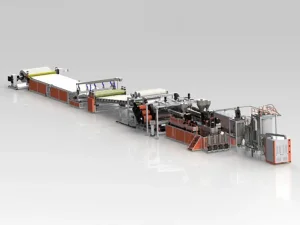
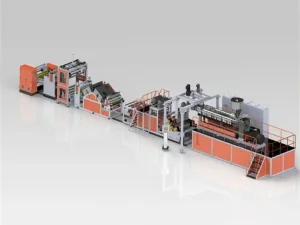
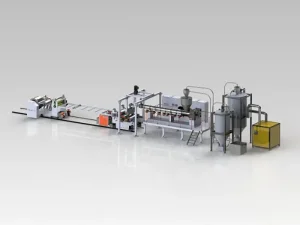
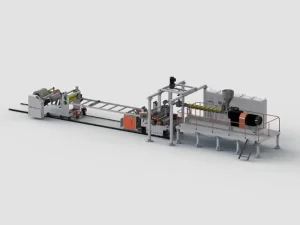
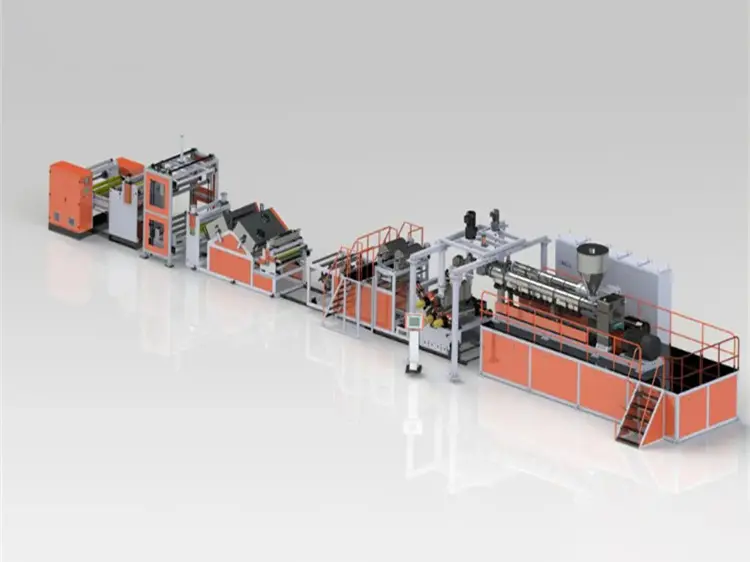
Equipped with a precision extruder that ensures consistent and uniform melting of PCL resin.
High-torque motor and gearbox for efficient material handling and smooth extrusion process.
Temperature control system to maintain optimal melt temperature, ensuring high-quality output.
Custom-designed die with adjustable lip gap for producing sheets of various thicknesses.
Uniform flow channels to eliminate material streaking and ensure even sheet distribution.
Chill rolls with adjustable temperature control to rapidly cool the extruded PCL sheet, preserving its physical properties.
High-efficiency cooling fans and water circulation system for consistent and reliable cooling.
Conveyor belts and cutting mechanisms for automatic sheet trimming and stacking.
Optional robotic arms for further automation, reducing labor costs and enhancing productivity.
Integrated sensors and control systems for real-time monitoring of extrusion parameters.
Advanced diagnostics to detect and alert potential issues before they affect production.
Designed with energy-saving features, such as heat recovery systems and efficient motors.
Easy maintenance access points to minimize downtime and extend equipment lifespan.
Tailored solutions are available to meet specific customer requirements, including varying sheet widths, thicknesses, and production capacities.
Compatibility with additives and modifiers to enhance PCL sheet properties, such as UV resistance or flame retardancy.
Implantable devices, surgical sutures, and drug delivery systems due to PCL's biocompatibility.
Eco-friendly packaging solutions for food, cosmetics, and other consumer goods.
High-quality PCL filaments for 3D printing applications in research and prototyping.
Biodegradable mulching films to promote sustainable agriculture.
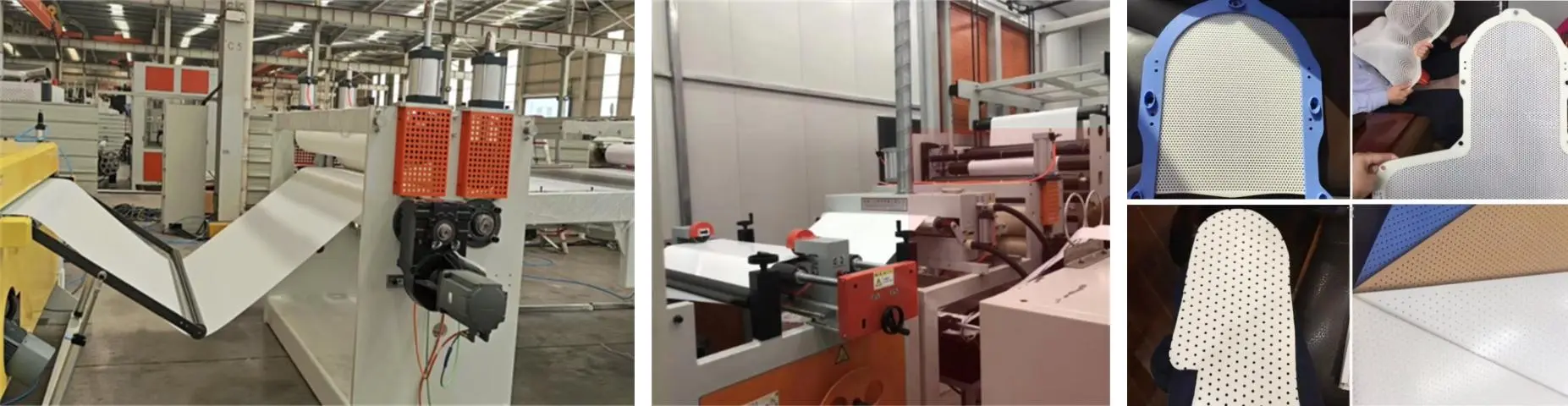
PCL (Polycaprolactone) sheets are widely used in biomedical devices, environmentally friendly packaging, high-quality 3D printing filaments, and biodegradable agricultural mulching films due to their excellent biocompatibility and degradability.
The cooling system uses advanced chill rolls with adjustable temperature control along with high-efficiency cooling fans. This setup rapidly and uniformly cools the extruded sheet, which helps locked in the desired physical and mechanical properties.
Yes, customized solutions can be designed to match specific demands, including different sheet thicknesses, custom widths, specific production capacities, and integration of additives for functional property enhancement.
The line features integrated conveyor belts and automatic cutting mechanisms for trimming and stacking. Additionally, optional robotic arms can be integrated to increase the automation level, which reduces manual labor costs and boosts productivity.
Consistency is maintained through real-time monitoring via integrated sensors and advanced control systems that trace extrusion parameters. Early diagnostic alerts notify operators of potential deviations before they affect production quality.