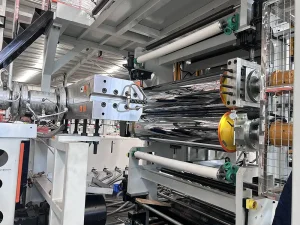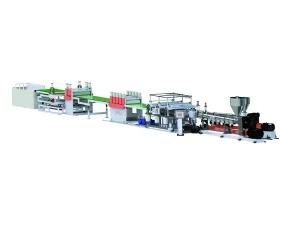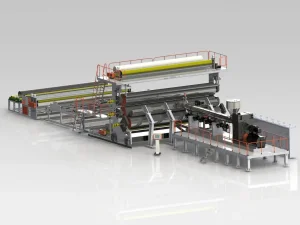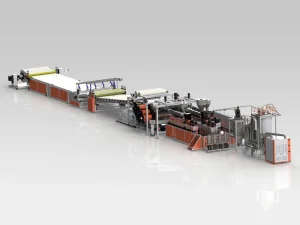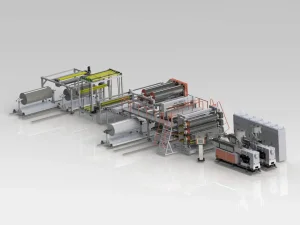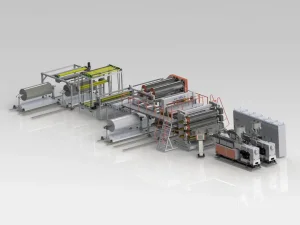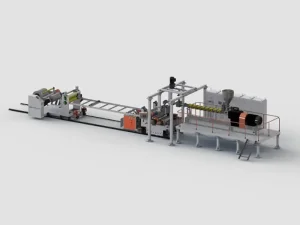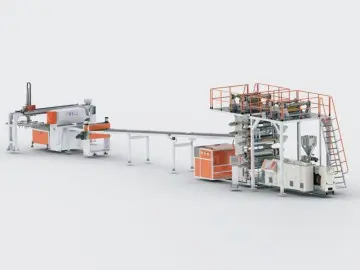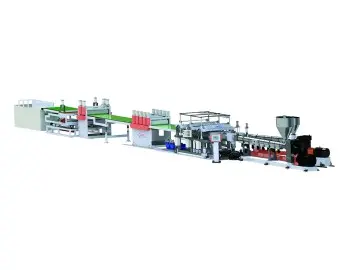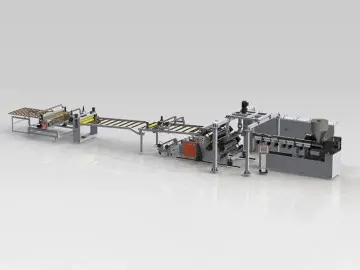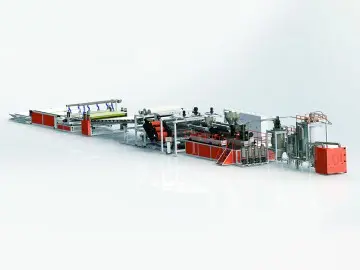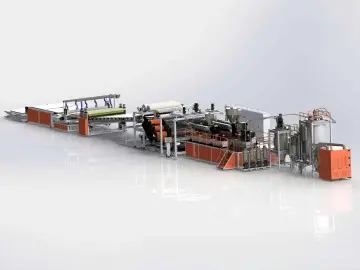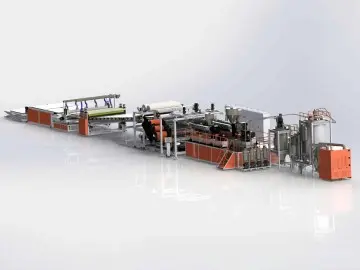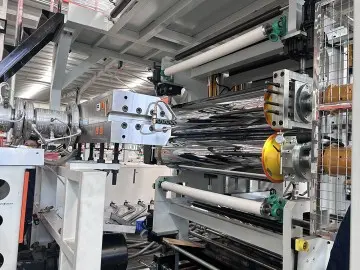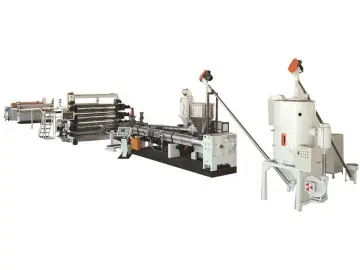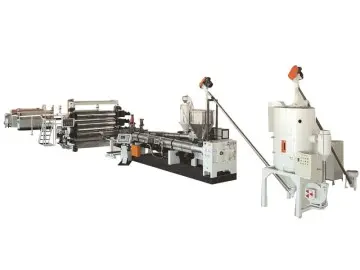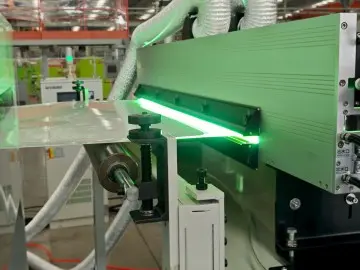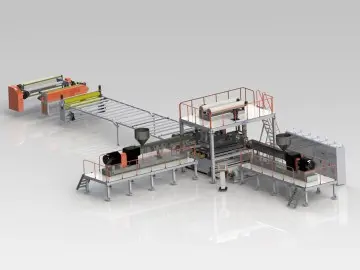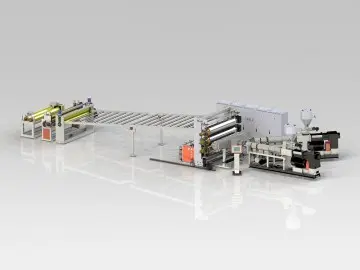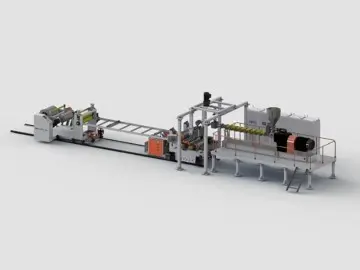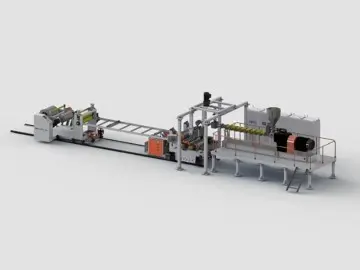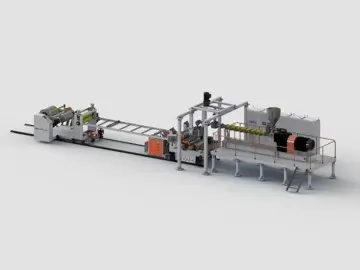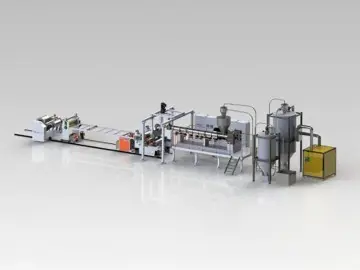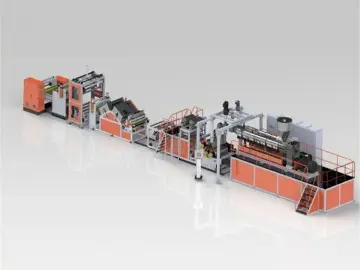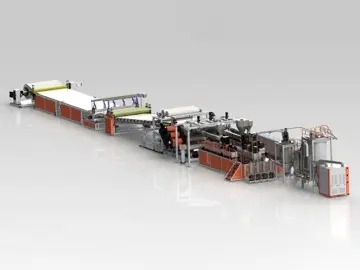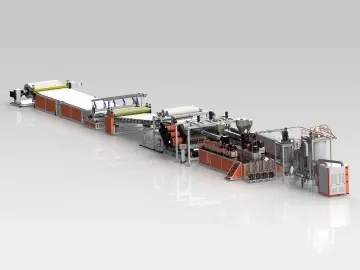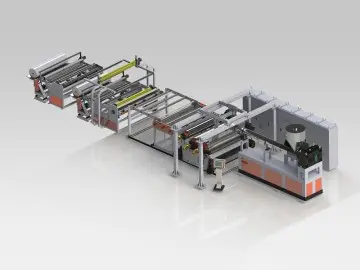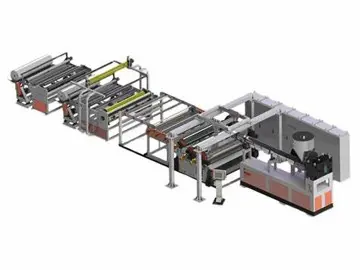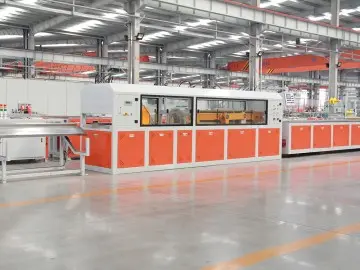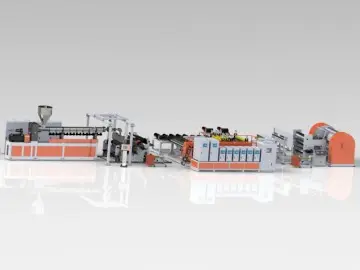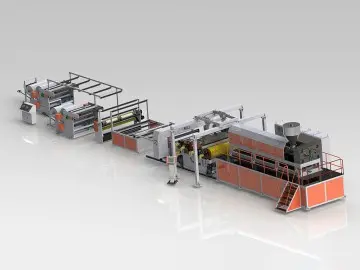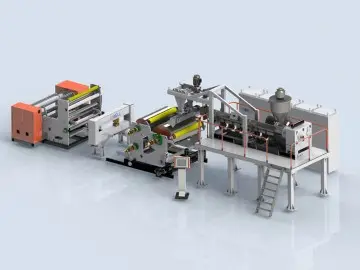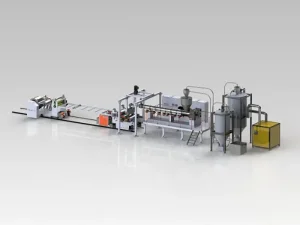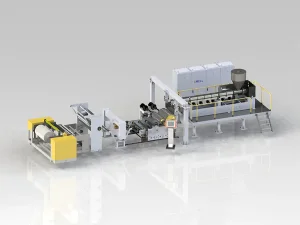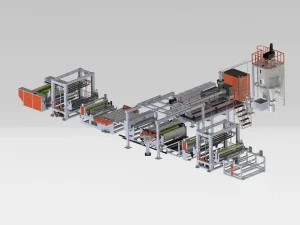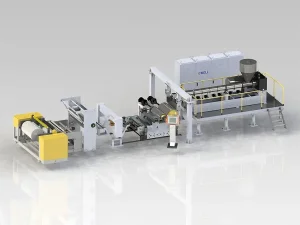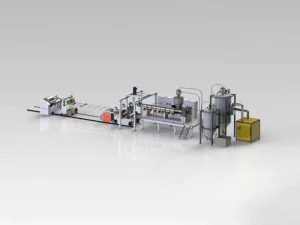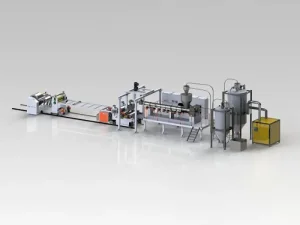
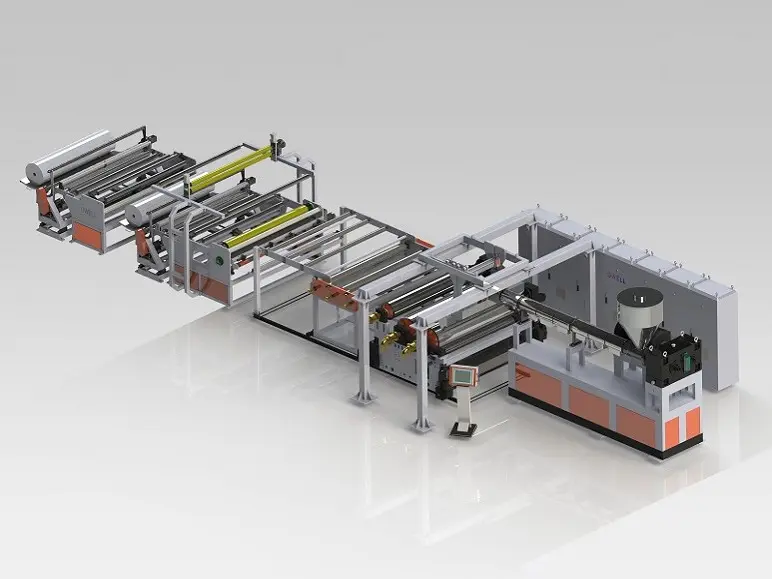
Polyvinyl Butyral (PVB) film stands as the dominant raw material for manufacturing laminated safety glass used globally in architectural facades, automotive windscreens, and solar photovoltaic encapsulation. However, processing PVB presents extraordinary rheological challenges. Due to its high melt viscosity, thermal sensitivity, and strict moisture-level requirements, producing optical-grade PVB sheets demands a highly specialized, customized extrusion line.
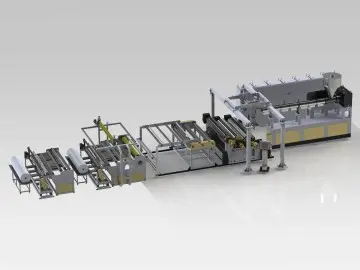
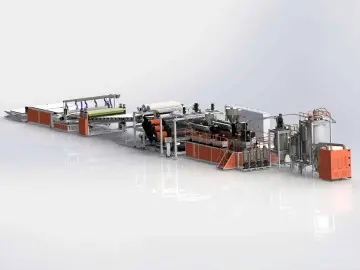
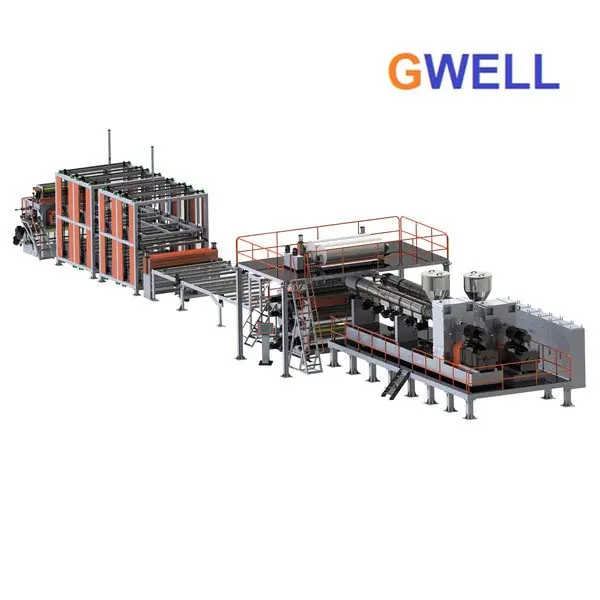
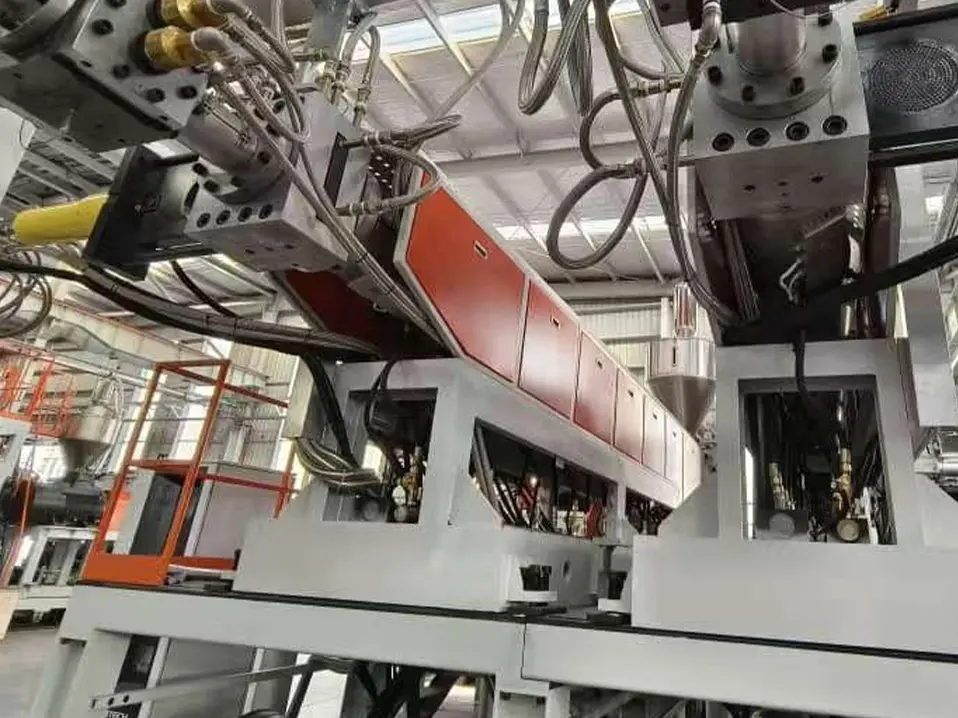
As a senior authority in structural polymer processing, we design systems that address the core physics of PVB extrusion. The extrusion line utilizes a specialized single-screw or parallel co-rotating twin-screw extruder combined with a high-precision loss-in-weight dosing system. This ensures the uniform plasticization of PVB resin with plasticizers and functional additives (UV blockers, thermal stabilizers, and acoustic barriers).
Utilizing high-end melt pumps to decouple extruder pressure fluctuations from the die lips, maintaining consistent thickness within micrometer ranges across a wide array of production runs.
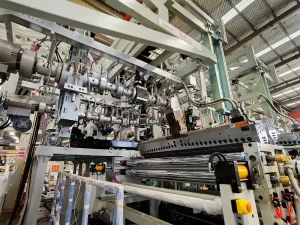
Surface micro-patterning prevents air entrapment during glass lamination. Dynamic tempering systems maintain the temperature profile of the embossing roll, producing optimal roughness (Rz values) across variable production speeds.
Advanced heating and cooling systems minimize energy loss. Closed-loop temperature controllers regulate hot oil or pressurized water circuits, optimizing energy usage throughout the film crystallization phase.
Modern safety glass applications require more than just impact resistance. Depending on the target market, PVB interlayers must meet diverse specifications:
For structural facades, storm-resistant glazing, and overhead safety glass, the PVB layer must deliver high shear modulus and low edge cloudiness. Our extrusion systems incorporate automatic thickness correction dies that ensure the structural integrity of the laminated pane under sustained wind and heat loads.
Heads-Up Displays (HUD) require PVB interlayers with a wedge-shaped cross-section. Gwell's custom PVB wedge film extrusion technology permits precise control over the transverse thickness profile, preventing double-image reflection on the windscreen.
Integrating multi-layer co-extrusion technology enables manufacturers to produce three-layer acoustic PVB films, where the central core acts as a damping element against noise. Additionally, specialized additive masterbatch feeding systems allow for the introduction of UV and near-infrared (NIR) blocking agents, enhancing the thermal insulation of buildings.
The PVB manufacturing industry is shifting toward digitalization and circular production. Gwell is actively developing technologies to support these industry trends:
Integrating online NIR gauge measurements with automated die lip control allows for real-time adjustments, reducing scrap by up to 45% during startup cycles.
Our edge-trim inline recycling systems feed waste material back into the primary extruder without degrading optical properties or introducing gel contaminants.
Modifying screw geometries and temperature zones enables the processing of bio-based PVB alternatives, helping downstream processors meet strict Scope 3 emission targets.
Electromagnetically actuated texture rolls allow for quick embossing pattern changes on the fly, eliminating the downtime needed for roll swaps.
China's advanced manufacturing capabilities have transitioned from cost-focused production to high-precision engineering. Under the Factory 4.0 framework, Gwell combines domestic manufacturing efficiency with European design standards.
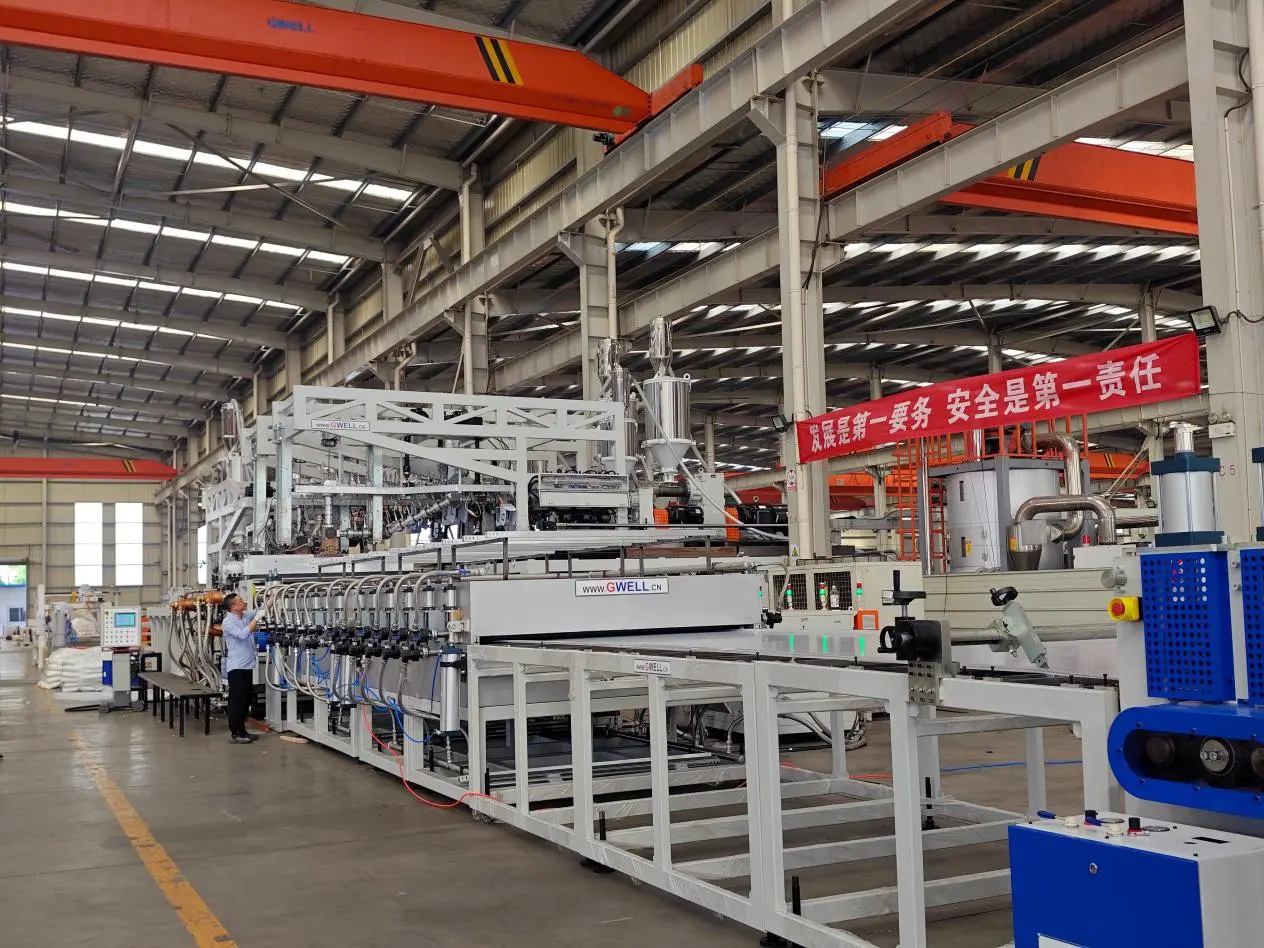
With three major production bases spanning over 866,000 square meters and employing over 100 specialized mechanical and electrical engineers, Gwell maintains control over the entire supply chain. From screw design and CNC roll fabrication to PLC software programming, every component undergoes strict quality checks. This integrated structure shortens delivery times and ensures replacement parts are available for global production lines.
When evaluating suppliers for PVB extrusion equipment, procurement teams must look past nominal capacity and focus on key performance indicators:
We supply screws with L/D ratios up to 32:1, featuring barrier flights and mixing elements. This prevents local shear heating, which can lead to acetic acid gas release and yellowing of the PVB film.
For Multi-Layer (A/B/A or A/B/C) acoustic films, our feedblock allows adjustments to layer distribution without stopping the production line. This minimizes downtime during product switches.
High-end double-station turret winders with automatic tension control are crucial. Due to PVB's tackiness, we incorporate PE interlayer film insertion systems to prevent the rolls from fusing during storage.
Operating complex polymer processing machinery requires immediate local support and compliance with regional safety codes:
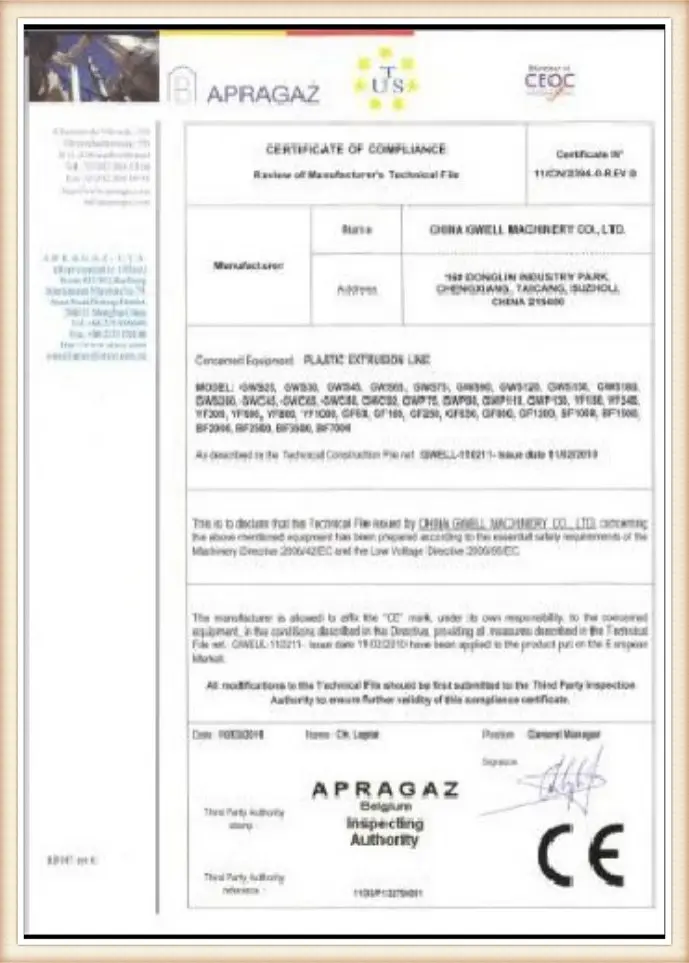
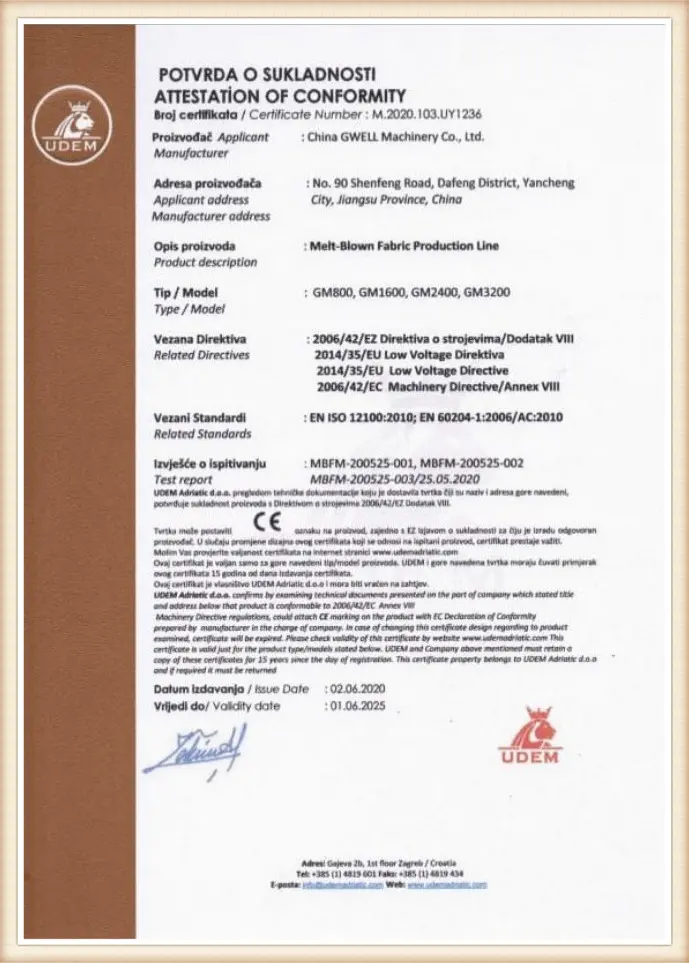
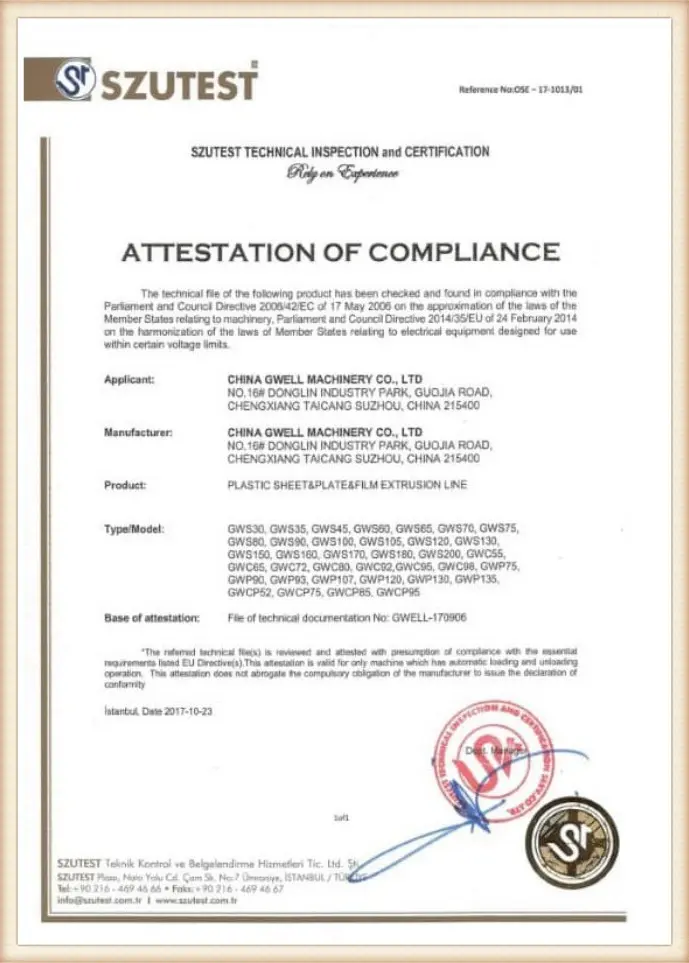
All Gwell lines are built in compliance with European CE standards, UL/CSA electric cabinet requirements, and OSHA noise limits. We also supply complete documentation for site compliance validation.
Equipped with remote gateway systems, our engineers in China can diagnose and resolve PLC issues online, reducing downtime without waiting for on-site visits.
We deploy experienced technical teams to assist with site installation, calibration of loss-in-weight feeders, and operator training to ensure a smooth transition to full production.
Explore our specialized machinery classifications designed to cover all thermal film, sheet, and board extrusion needs.
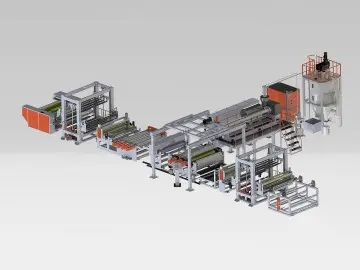
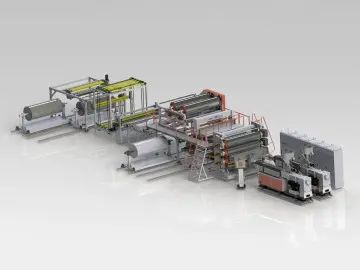
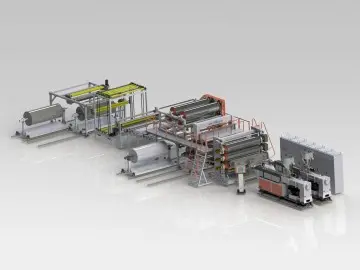
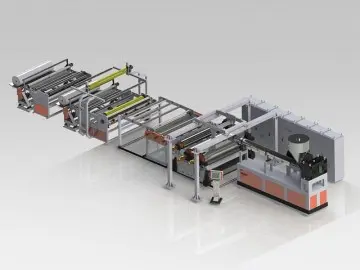
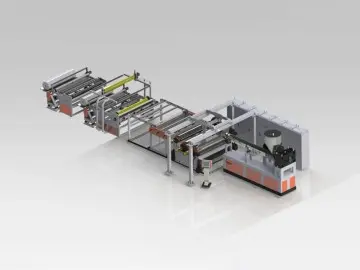
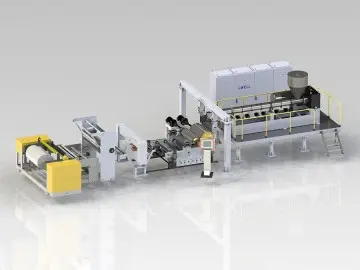
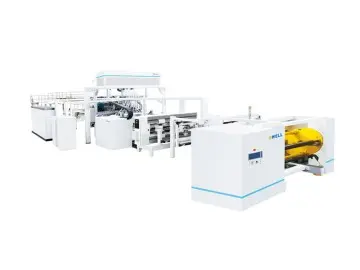
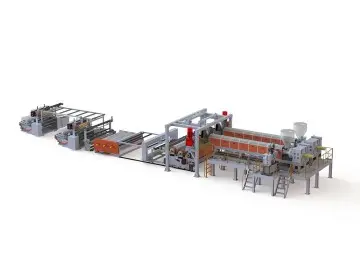
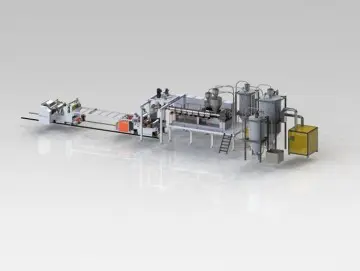
China Gwell Machinery is a high-tech enterprise dedicated to manufacturing plastic extrusion lines for Film, Sheet, and Profile. Drawing on our group's technological resources and innovative approach, Gwell focuses on developing high-tech products for the international market.
Our core operating philosophy, "Expertise creates customers' values," guides us in designing tailored extrusion equipment that balances efficiency and reliable performance.
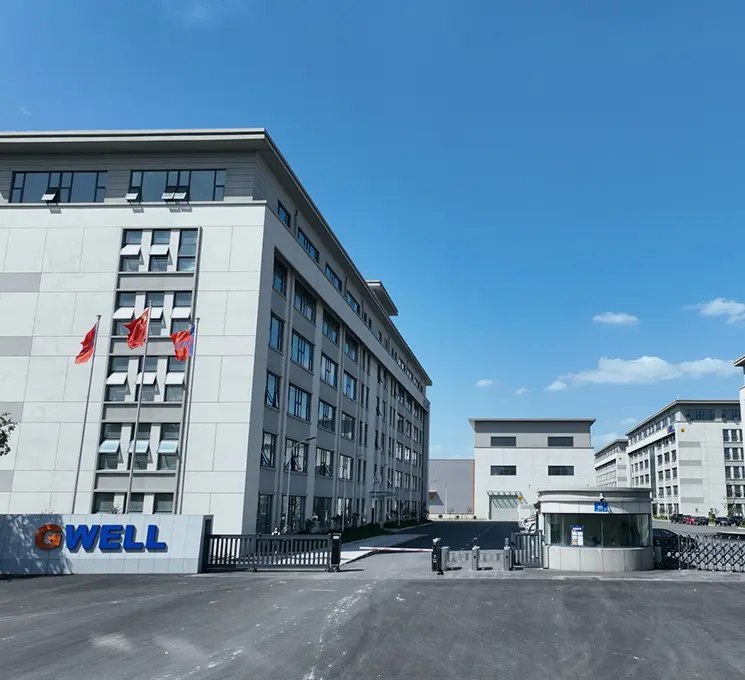
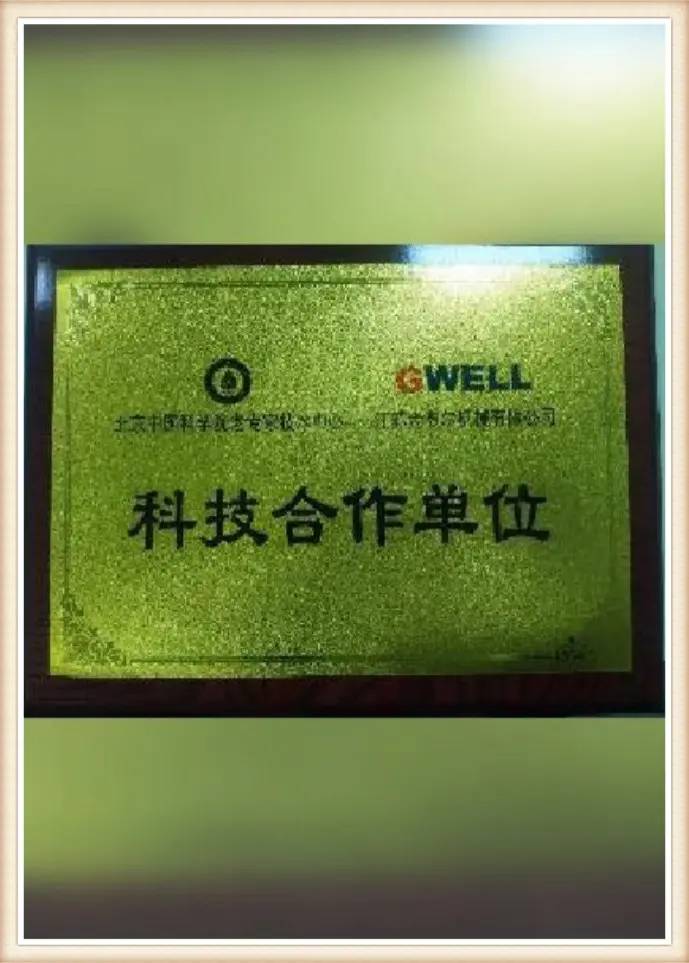
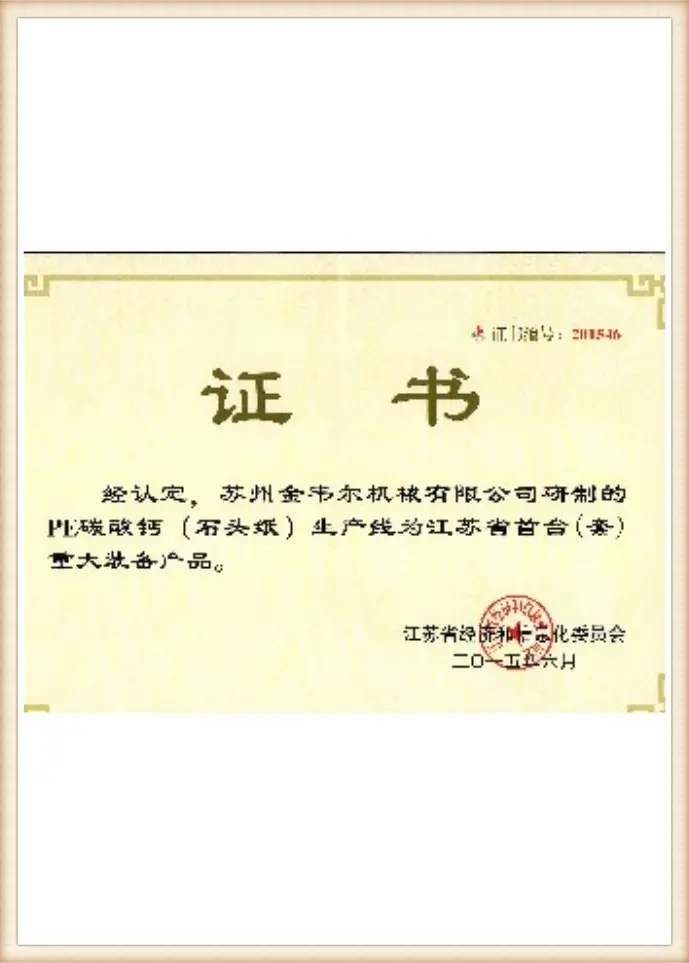
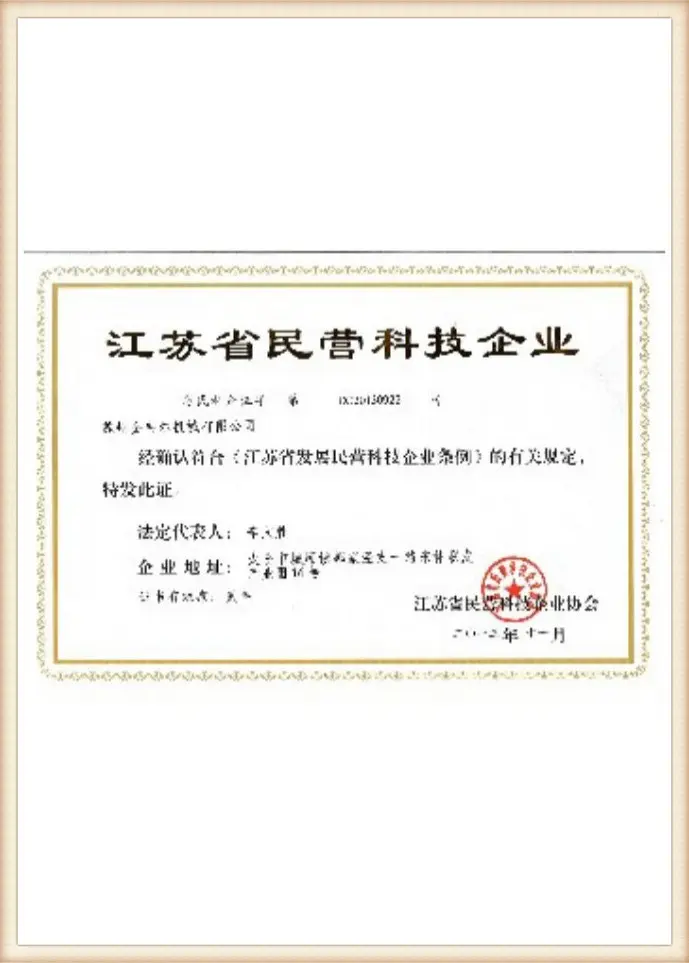
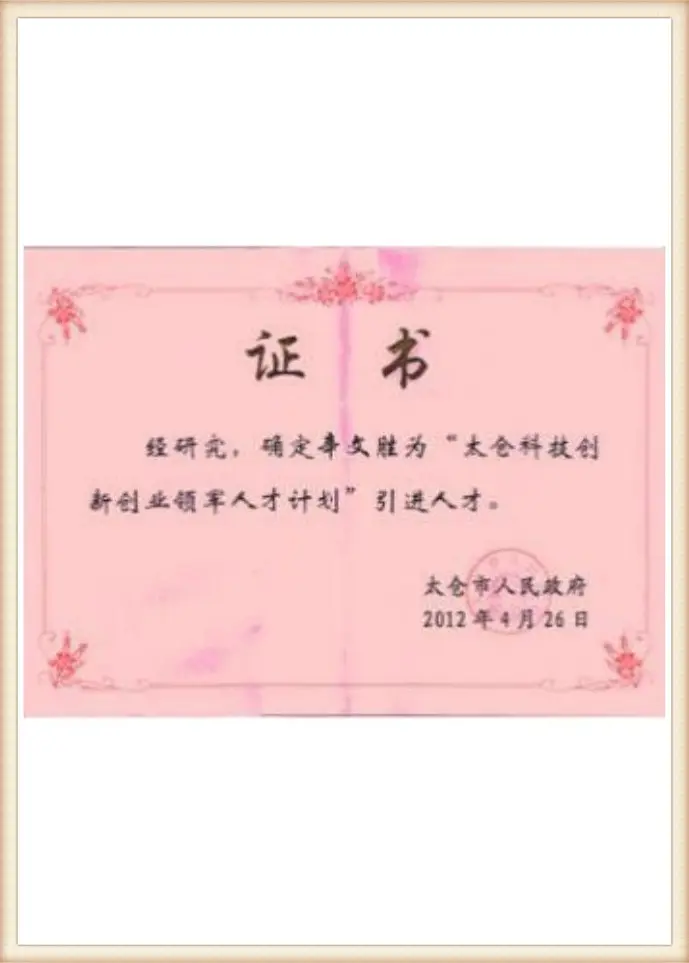
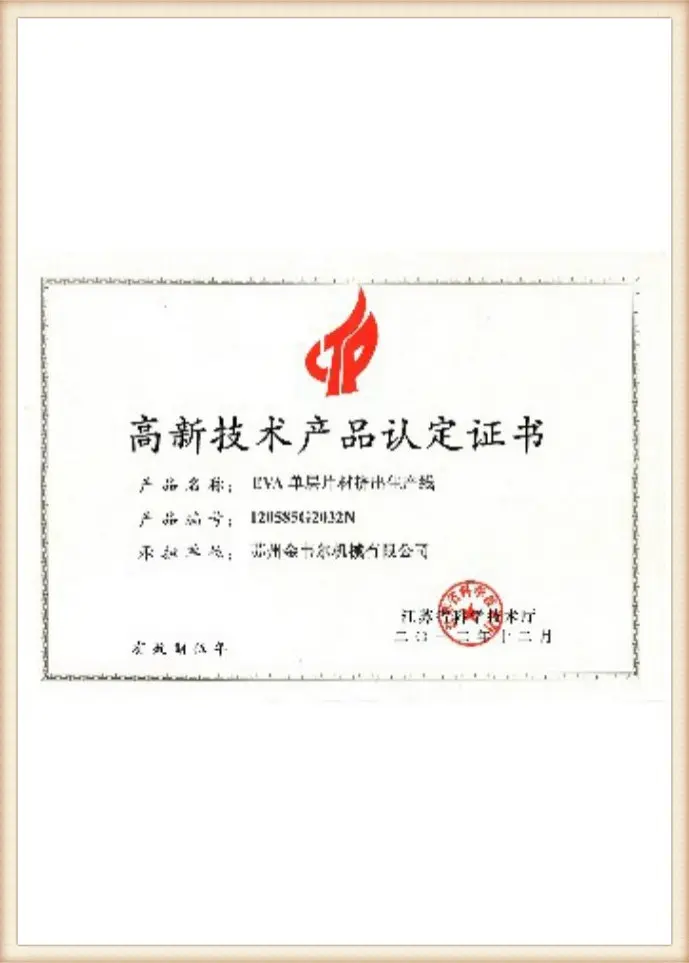
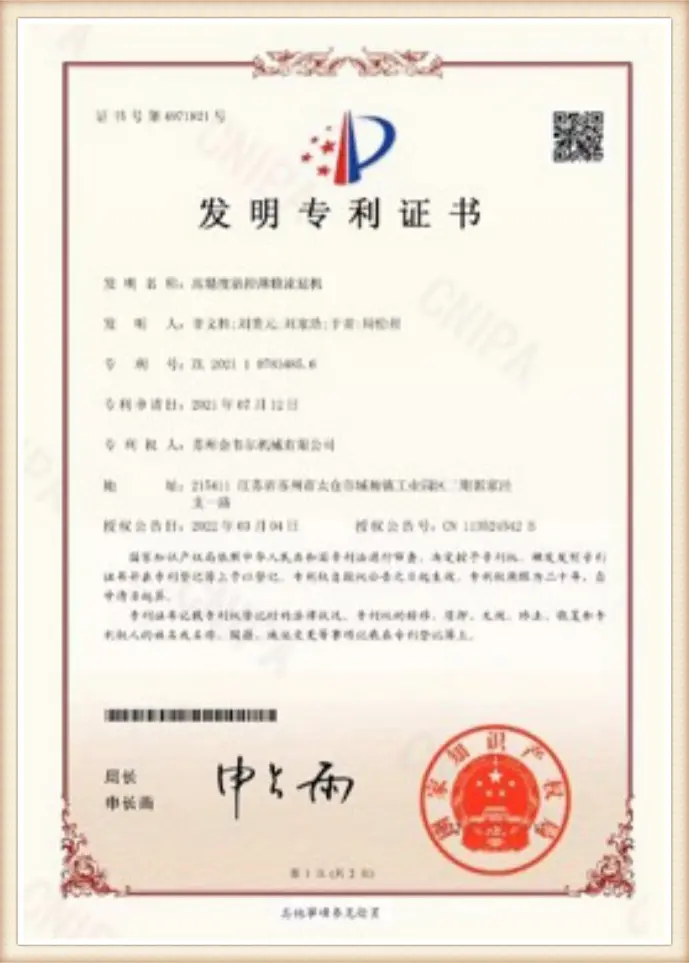
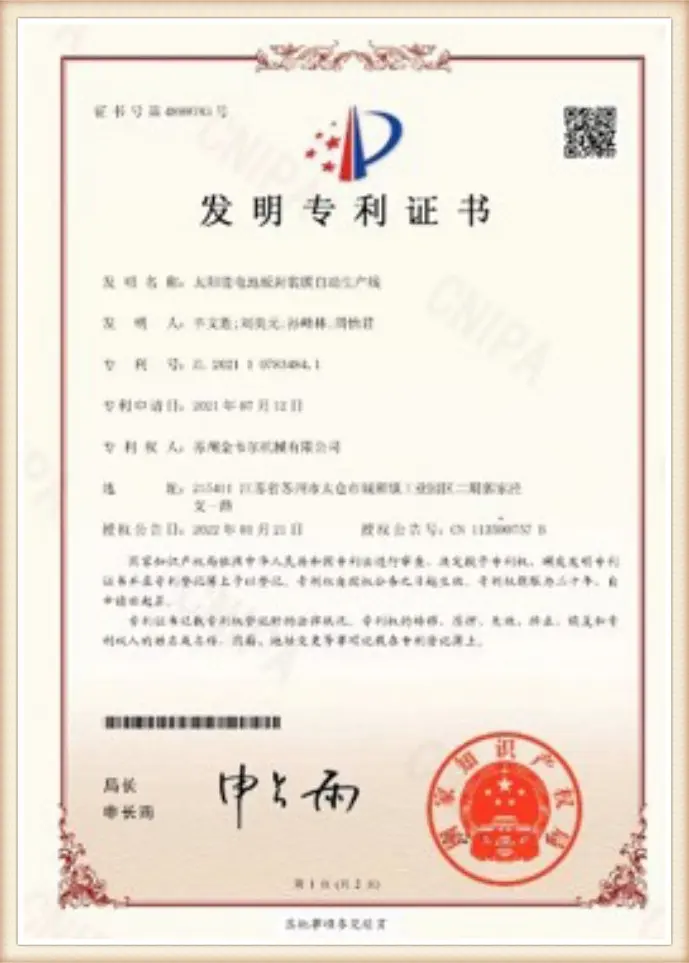
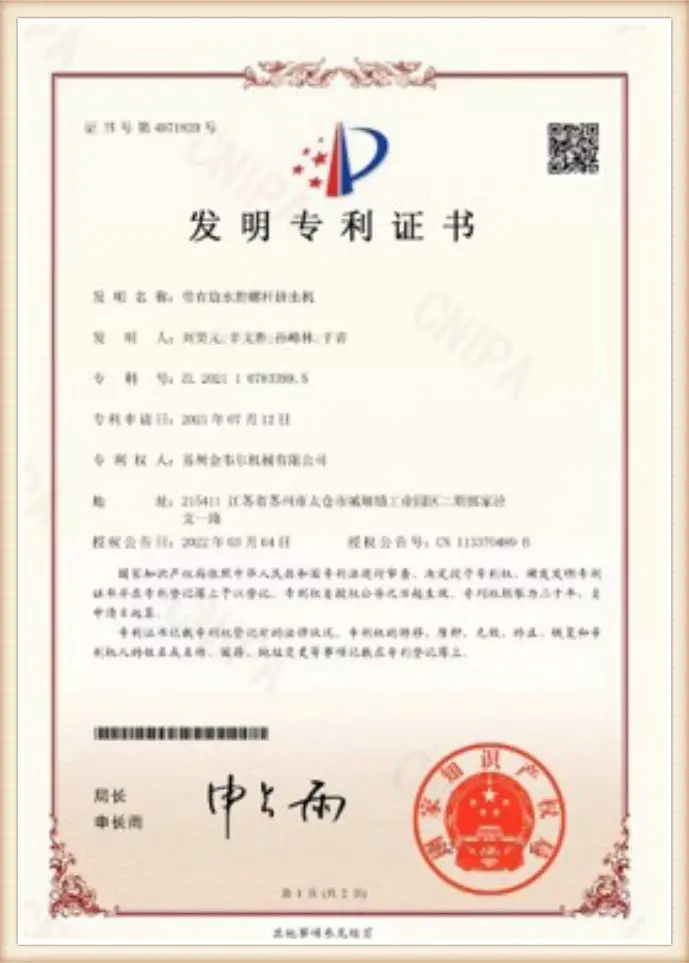
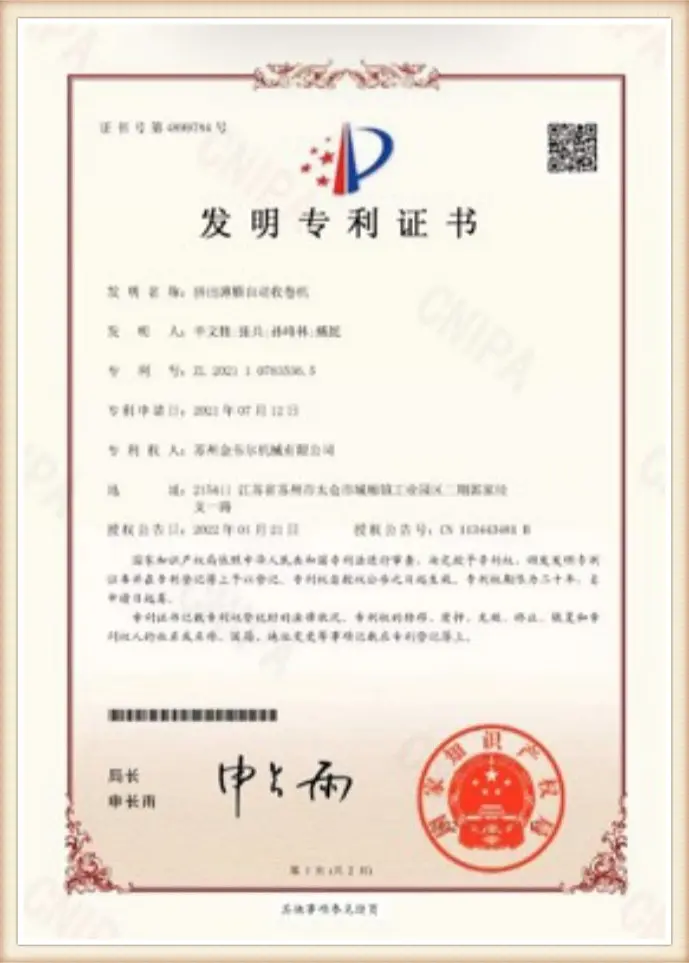
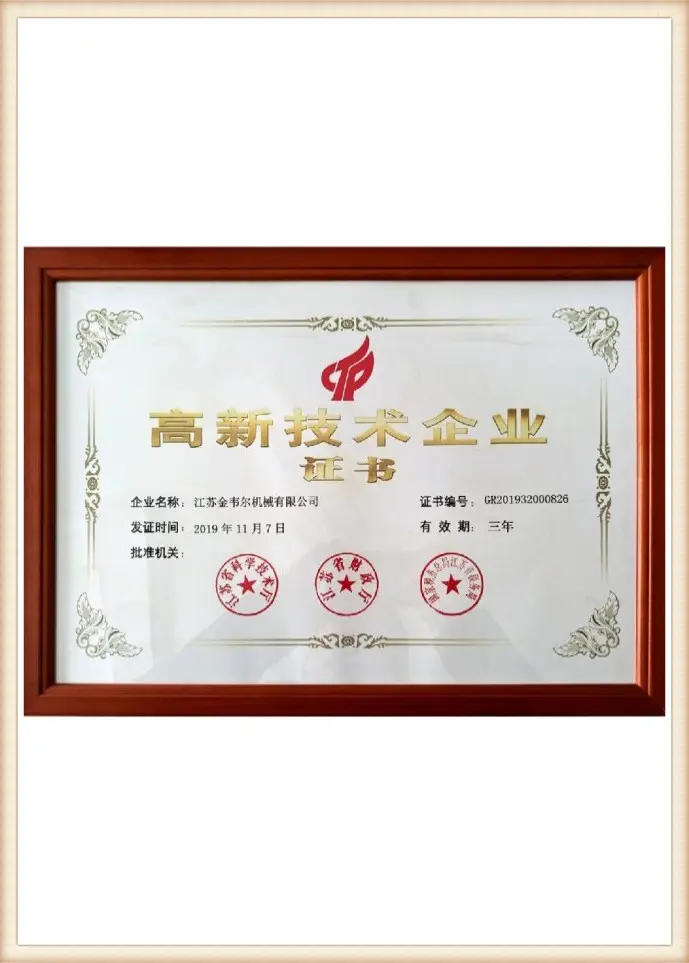
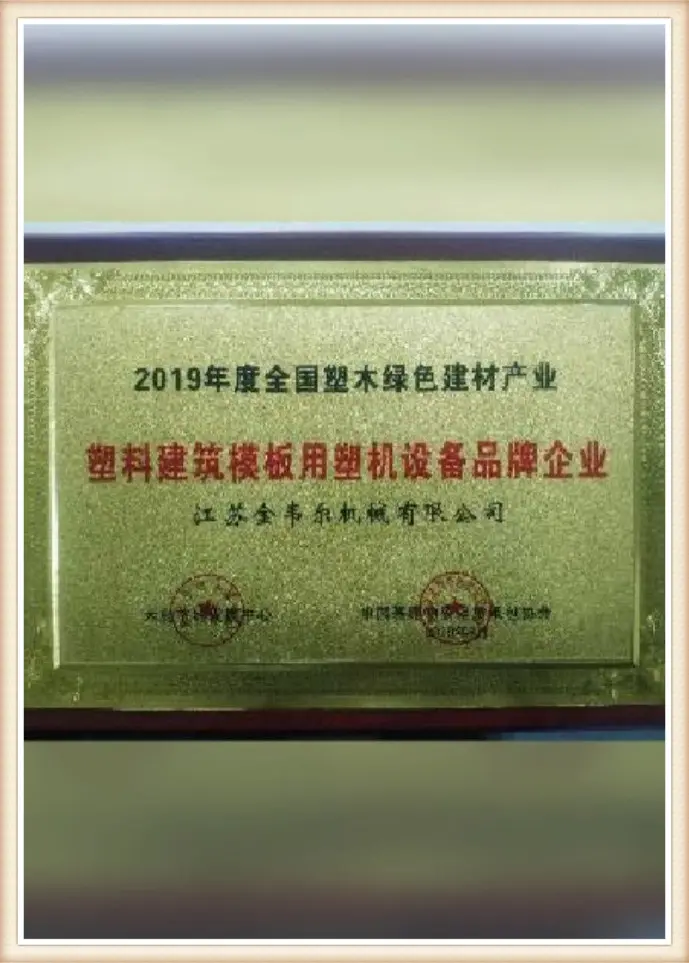
Our manufacturing facilities and processes comply with major international quality and safety certifications. Contact us for formal documentation.
PVB resin is highly hygroscopic. If the water content is too high during extrusion, it can cause bubble formation and polymer degradation, affecting the optical clarity of the safety glass. Our systems feature advanced dehumidification and drying setups that keep resin moisture levels below 0.10% prior to extrusion.
Wedge-shaped PVB films require a precise thickness taper across the sheet. We design custom extrusion dies with adjustable thermal bolts that regulate melt flow at specific points, ensuring the wedge angle matches HUD specifications.
We recommend a specialized single-screw extruder with a large L/D ratio or a co-rotating twin-screw extruder with tailored kneading blocks. These designs provide the mixing needed for plasticizer integration while keeping shear heat low to prevent degradation.
The embossing system features structured rolls that press a micro-pattern onto both sides of the cooling PVB film. This pattern creates escape paths for air during the glass lamination process, preventing air pockets.
Yes, our extrusion systems can process clean, recycled PVB scrap. Gwell offers inline recycling options that feed edge trims back into the main extruder, maintaining consistent film properties while reducing material waste.
Lead times generally range from 5 to 7 months, depending on the line's width, co-extrusion requirements, and automation levels. This timeframe covers engineering, manufacturing, assembly, and testing before shipment.
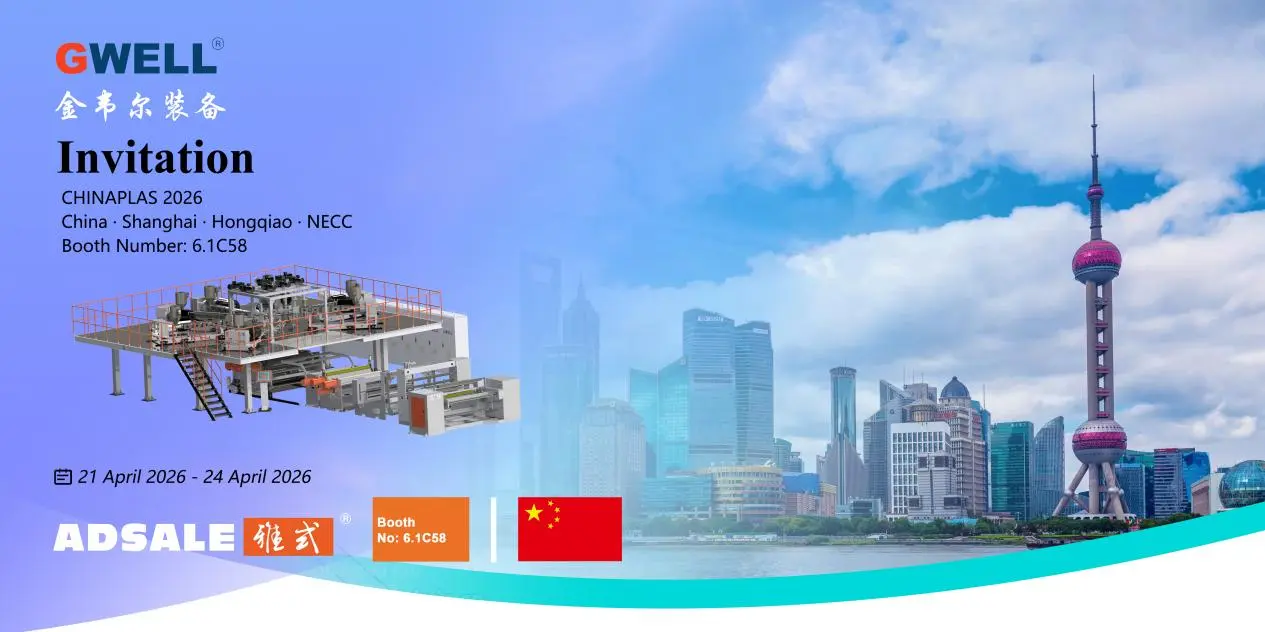
Gwell announces its upcoming exhibition schedule, showcasing new technologies in multi-layer co-extrusion and green energy films.
Expanding our product line with a new POE-based synthetic leather extrusion solution designed for automotive interiors.
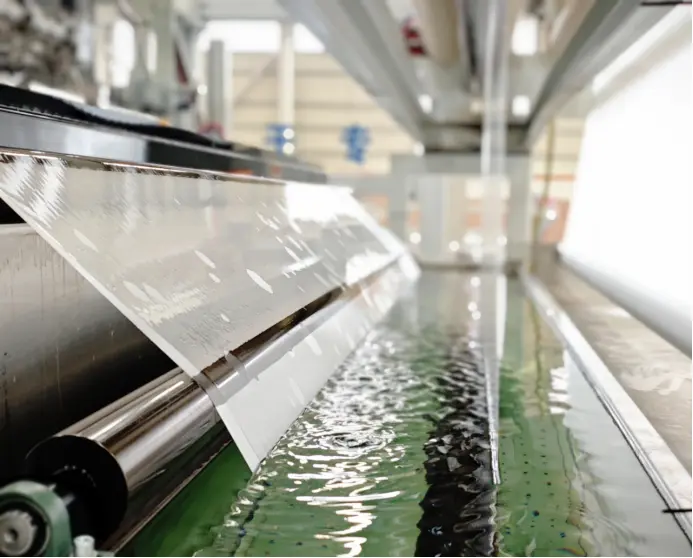
Gwell's PVB wedge-shaped film production line focuses on high precision and efficiency for automotive HUD applications.
A look at the design features of our PETG decorative film line, developed for high-durability surface coverings.
Gwell presents its honeycomb panel manufacturing technology, designed for lightweight automotive and packaging structures.
Reviewing long-term partnerships with leading packaging manufacturers processing bio-based PLA and recycled PET.
Explaining the lamination and curing steps for EVA/POE films used in encapsulation to seal solar cell assemblies.
Our R&D resources and precision machining capabilities are widely recognized in the plastics extrusion industry. Submit your inquiry to get custom technical configurations and quotes.
Send Inquiry Now