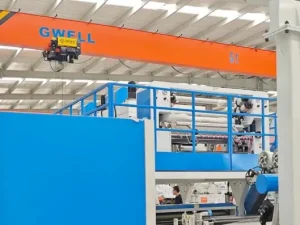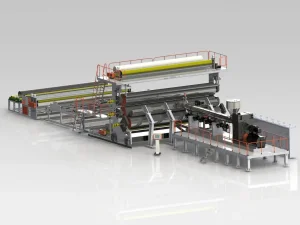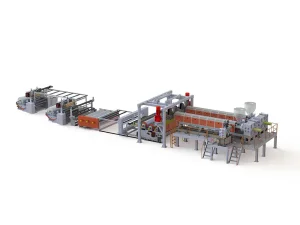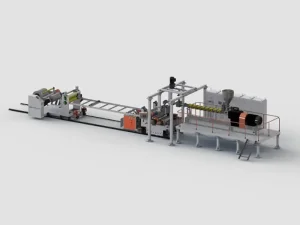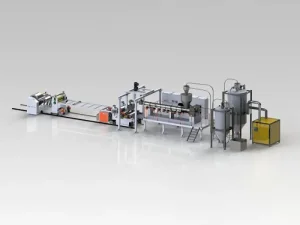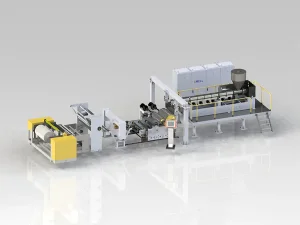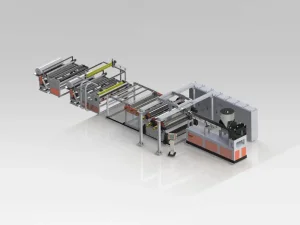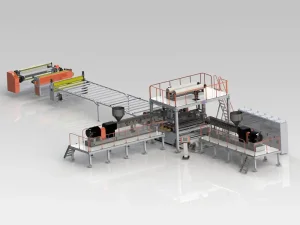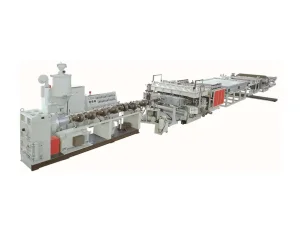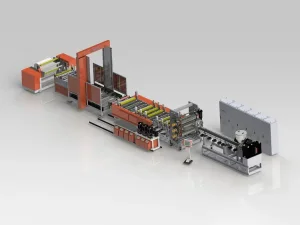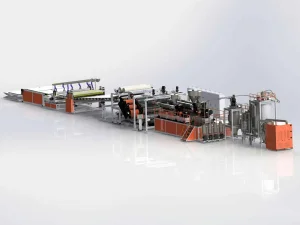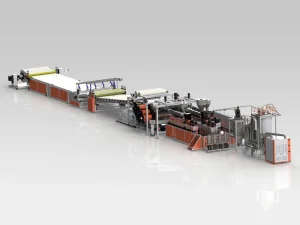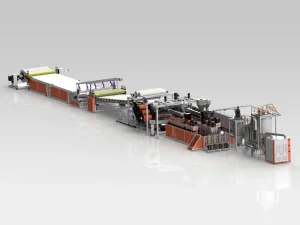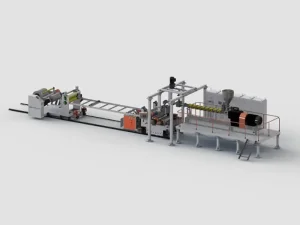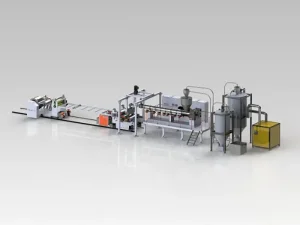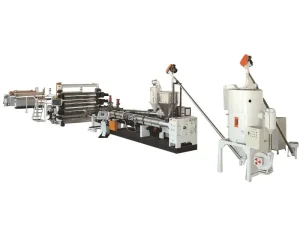
High-efficiency manufacturing lines engineered for precision plastics compounding, sheeting, and architectural film production.
Acrylonitrile Butadiene Styrene (ABS) represents one of the most versatile engineering thermoplastics. Extruded ABS sheets feature an optimal balance of impact resistance, high tensile strength, dimensional stability, chemical resistance, and ease of thermoforming. As global manufacturing mandates higher yields and tighter geometric tolerances, the development of the Continuous ABS Sheet Extrusion System has emerged as the definitive standard for high-performance industrial processing.
In this technical section, we outline the exact chemical dynamics of high-throughput ABS processing, screw design optimization (L/D ratios of 33:1 to 36:1), and multi-layer co-extrusion thermodynamics. Understanding the flow behavior of ABS under shear stresses is critical for procurement managers targeting zero-defect manufacturing in automotive, refrigeration, and structural panel sectors.
The processing of ABS requires careful management of thermal degradation and moisture absorption. Due to the hygroscopic nature of the polar acrylonitrile component, raw ABS resin must undergo intensive desiccant drying to bring moisture content below 0.02% before entering the extruder barrel. Extruding damp material results in steam pockets, creating surface voids, splay marks, and micro-structural weakness.
To produce sheets with premium aesthetic qualities (such as high-gloss mirror finishes or matte leather grain structures) alongside structural durability, manufacturers employ multi-layer co-extrusion technology. By bonding thin layers of Polymethyl Methacrylate (PMMA) or Polycarbonate (PC) to the ABS base (configurations such as PMMA/ABS or PC/ABS), processors can yield sheets with high UV protection, scratch resistance, and enhanced chemical protection without sacrificing the cost-efficiency of the bulk ABS substrate.
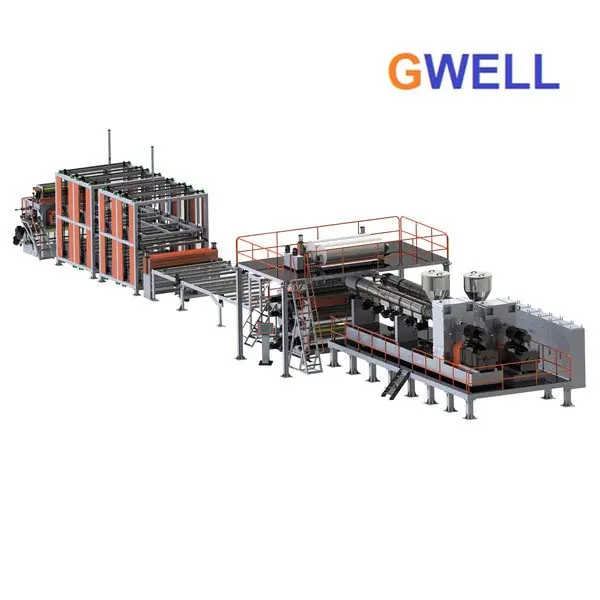
A high-performance continuous extrusion system is composed of several critical sub-assemblies:
The current global economic climate prioritizes resilience, output consistency, and carbon footprint reduction. The demand for continuous ABS extrusion systems is directly correlated with growth in key downstream sectors:
Thermoformed ABS sheets are extensively used for door panels, instrument cowlings, bumper trims, and console elements due to their lightweight, paintability, and crash-energy absorption properties.
Refrigerator inner liners demand stress-crack resistant ABS grades that are processed through co-extrusion with a barrier layer to prevent degradation from polyurethane insulation foam blowing agents.
PMMA-ABS co-extruded sheets are the material of choice for bathtubs, shower enclosures, and exterior structural panels due to their high scratch resistance and ease of cleaning.
As production volumes increase worldwide, global OEMs are moving away from semi-continuous batch processes to minimize scrap rates. High-speed continuous extrusion systems allow for real-time sensor feedback, automated thickness correction via automatic dies, and seamless changeovers between different sheet thicknesses, dramatically cutting down-time and material loss.
China's extrusion machinery manufacturing industry, exemplified by pioneers like China Gwell Machinery Co., Ltd., has transformed from basic mechanical assembly to advanced "Factory 4.0" automation. This shift is characterized by integrated digital manufacturing, robust supply chain resilience, and a high-performance-to-cost ratio.
The selection of a continuous ABS extrusion line requires aligning mechanical capacities with raw product requirements. Below is a comparative overview of standard configurations offered by leading exporters:
| System Configuration | Typical Applications | Sheet Width Range (mm) | Thickness Range (mm) | Maximum Output (kg/h) |
|---|---|---|---|---|
| Single-Layer ABS Extrusion System | Suitcase shells, chemical tanks, promotional signboards | 600 – 1500 | 1.0 – 6.0 | 350 – 600 |
| PMMA-ABS Co-Extrusion System (A/B/A or A/B) | Sanitary ware, bathtubs, outdoor housing panels | 800 – 2200 | 1.5 – 8.0 | 400 – 800 |
| PC-ABS Alloy Extrusion System | Automotive door trims, aerospace panel structures | 1000 – 2000 | 1.2 – 5.0 | 450 – 750 |
| ABS Multi-layer Textured Sheet System | Luggage, automotive dashboards, protective casings | 500 – 1200 | 0.8 – 4.0 | 300 – 500 |
Explore GWELL's specialized range of extrusion machinery by application type.
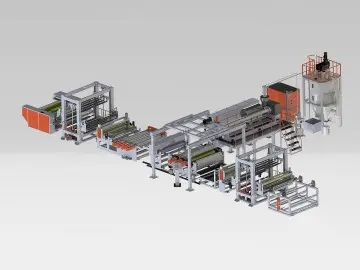
Specially designed to manufacture weather-resistant films for tile and wall panel cladding applications.
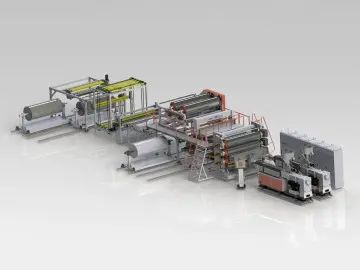
Produces ultra-thin TPU laminating films for high-performance textiles and medical protection sheets.
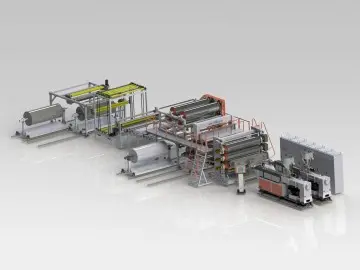
Features high elasticity film control, optimized for automotive and industrial packaging barriers.
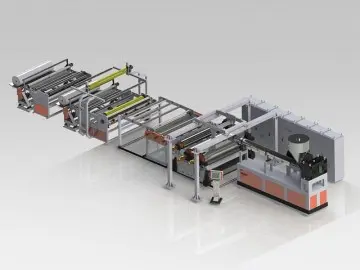
High durability membrane structures optimized as Tedlar alternatives for solar cell backplanes.
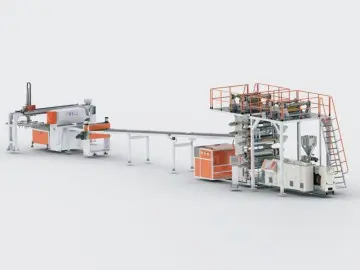
Ideal for high-density structural flooring and composite outdoor decking panels.
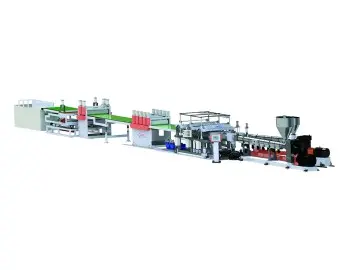
High efficiency system producing reusable concrete formwork panels with extreme wear capacity.
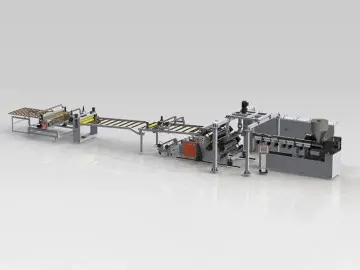
High-temperature extruders designed for processing demanding engineering plastics.
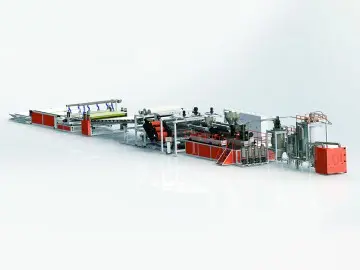
High-capacity lines dedicated to environmental engineering and thick industrial HDPE containment sheets.
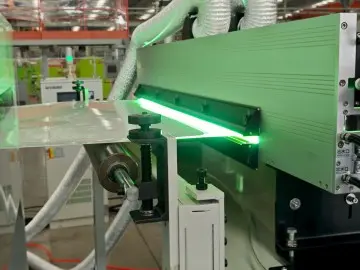
Yields ultra-clear, high impact copolyester sheets with high chemical resistance properties.
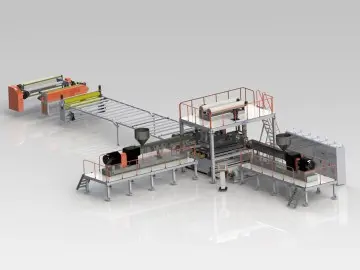
Designed for processing automotive interior skins, floor mats, and architectural water barriers.
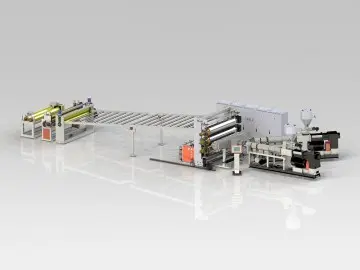
Delivers optical grade PMMA/PC sheeting lines with precise calender heat distribution.
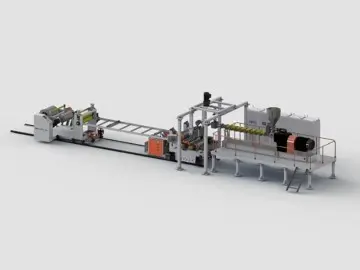
Applies advanced multi-layer manifolds for stationery and decorative packaging applications.
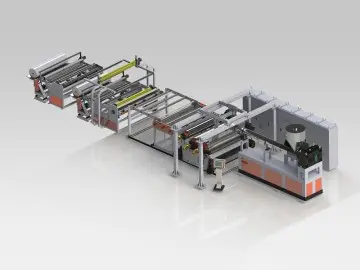
High-adhesion film lines optimized for safety glass architectural laminates and PV encapsulation.
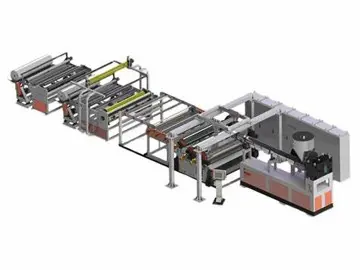
Engineered specifically for processing solar module encapsulation film coatings.
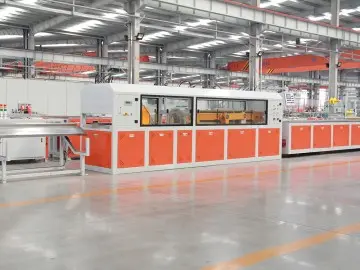
Continuous pultrusion/extrusion setups producing structural composite PV brackets.
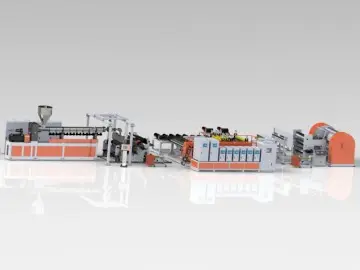
Advanced micro-porous membrane lines supporting green hydrogen fuel cell setups.
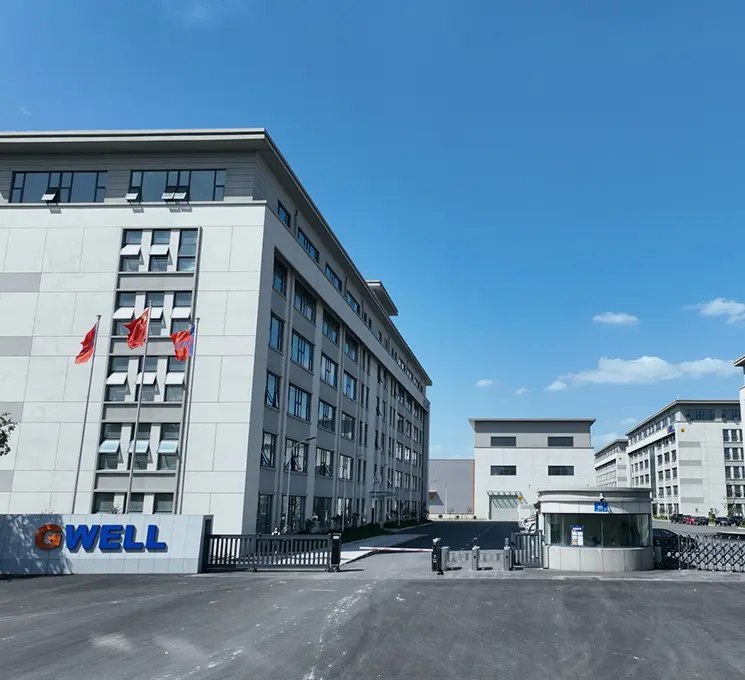
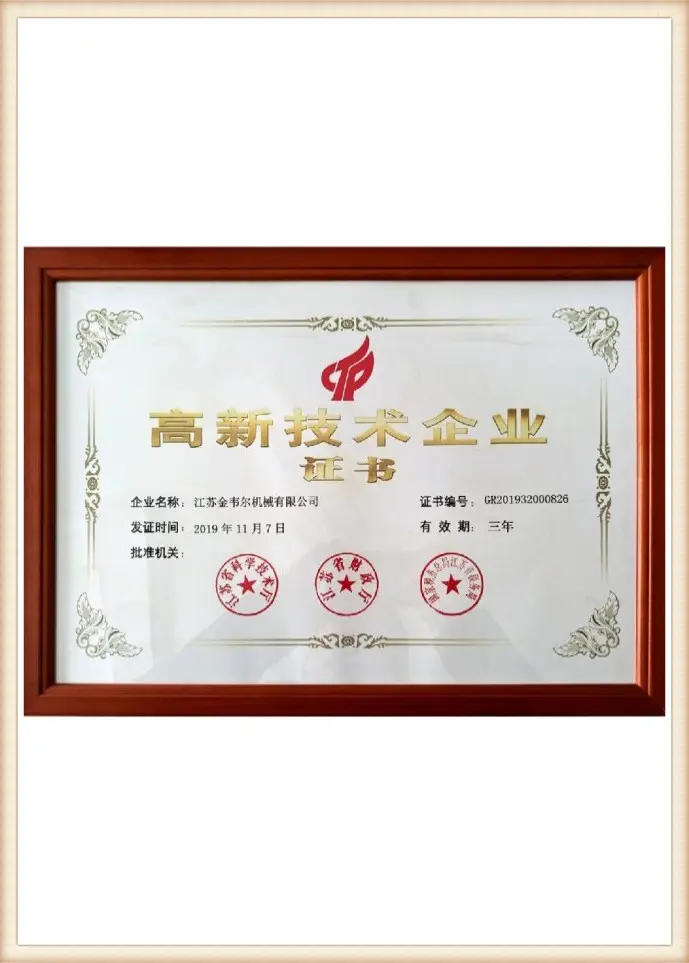
China GWELL Machinery is a high-tech enterprise dedicating to the manufacture of plastic extrusion lines for Film, Sheet and Profile. Relying on the powerful technology and equipment of group and innovative spirit, GWELL commits to the development of high-tech products and international market. “Expertise creates customers’ values” has always been the company’s operating philosophy.
Through relentless engineering and dynamic quality verification, Gwell delivers state-of-the-art co-rotating screw extrusion assemblies and precision calendering stacks to worldwide partners.
How we integrate academic engineering, premium materials, and responsive service networks.
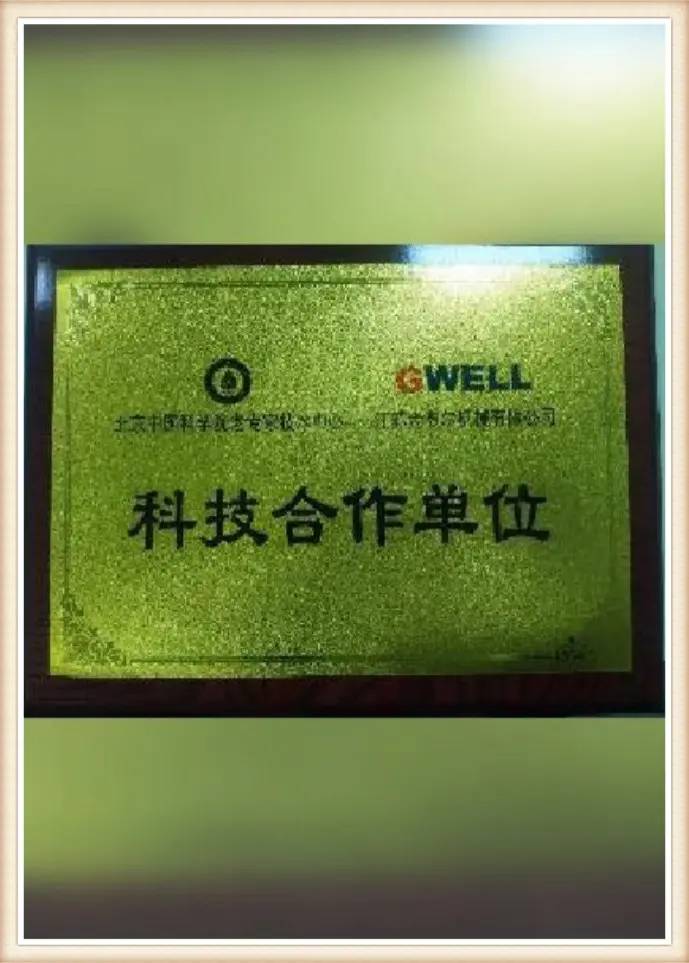
Collaborate with top universities and plastic engineering research institutes to constantly optimize barrel wear resistance and flow metrics.
Provide end-to-end commissioning services, from initial facility planning to online operator training and emergency diagnostics.
Three independent modern industrial parks allowing a total production yield of over 1000 extrusion systems annually.
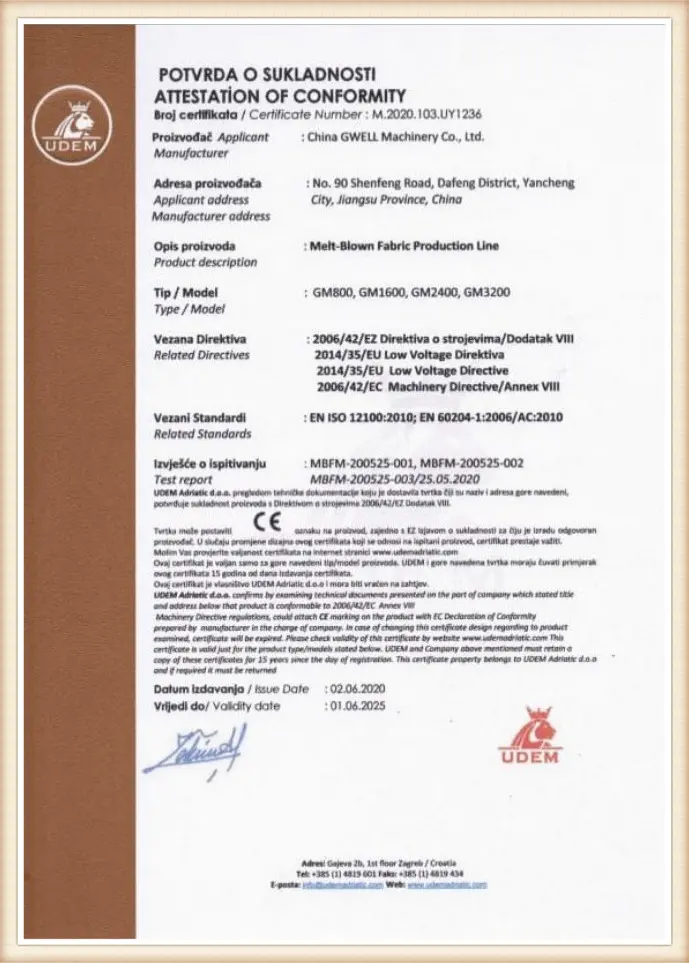
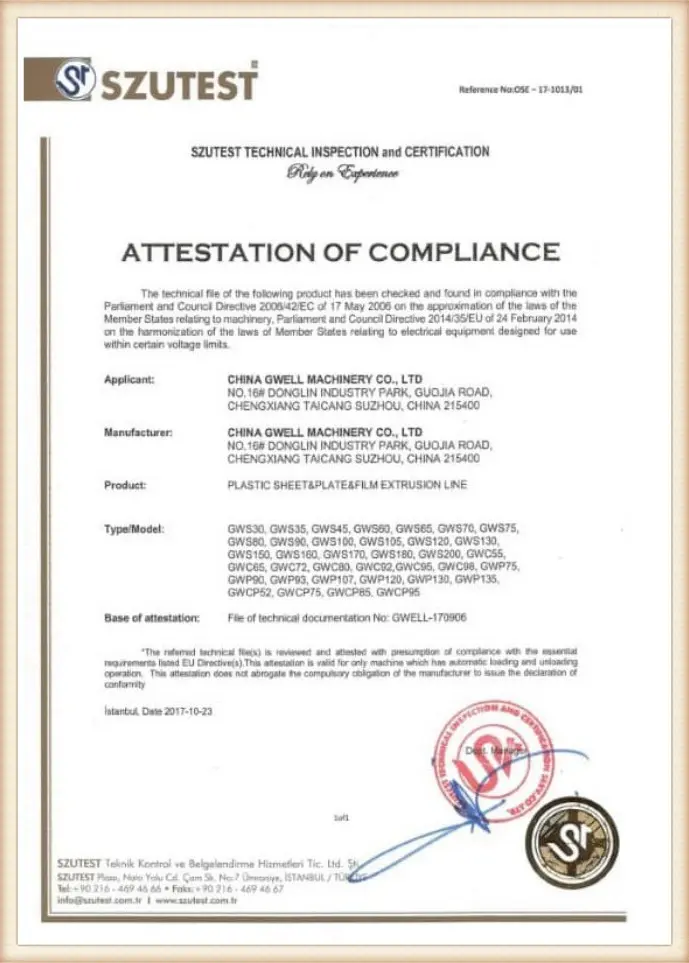
Gwell installations run efficiently across the Americas, Europe, Southeast Asia, and the Middle East, complying with UL/CE standards.
Over 500 dedicated staff members including a specialized core group of 100+ structural, electrical, and polymer processing engineers.
Our factories are located within crucial industrial clusters in China, optimizing container transport routes to international shipping docks.
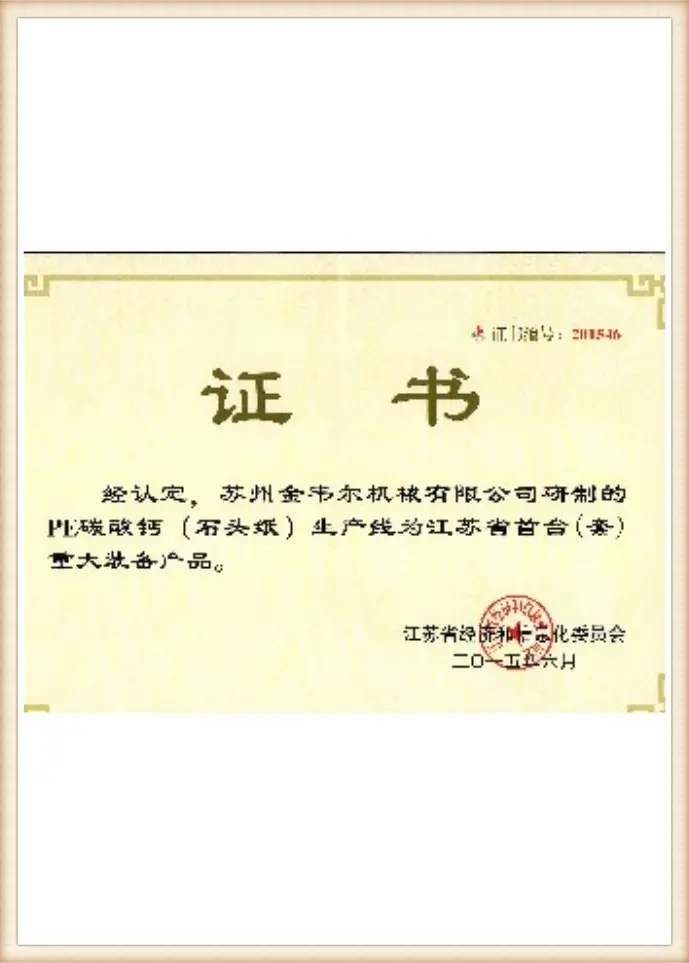
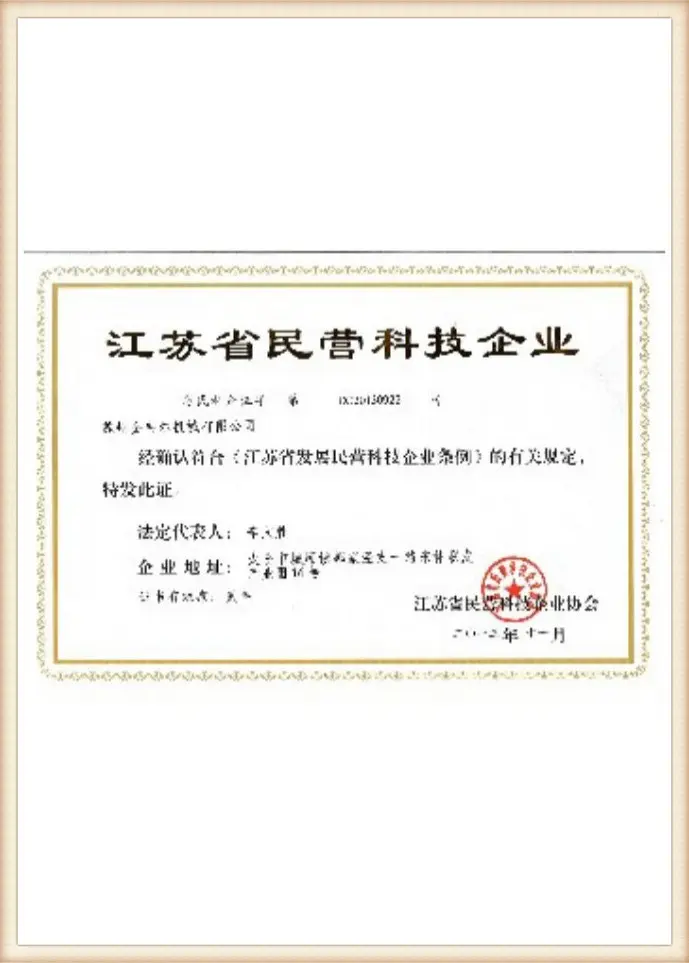
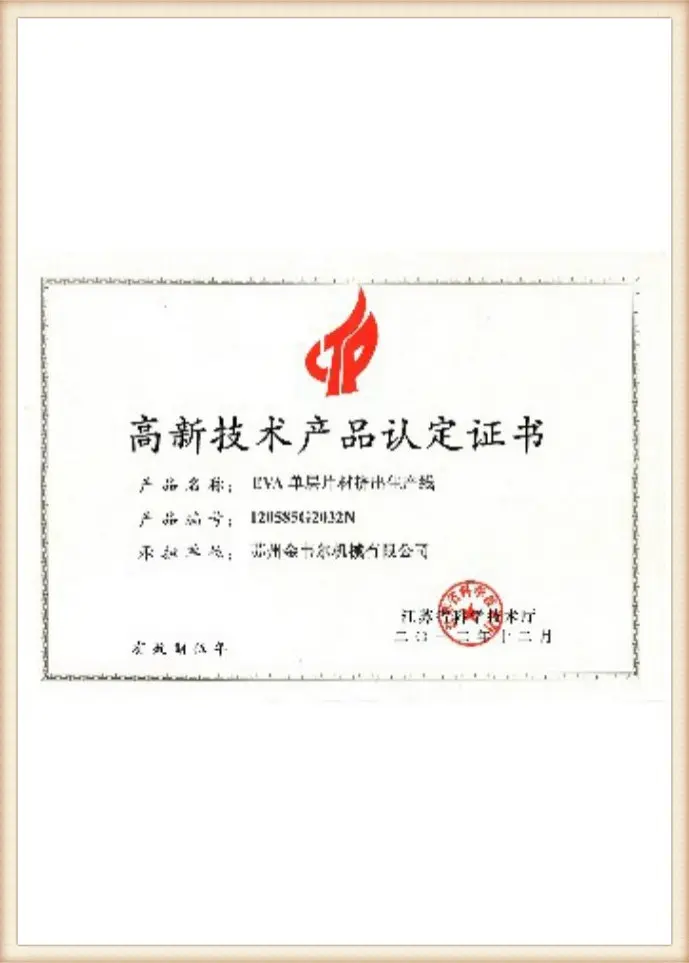
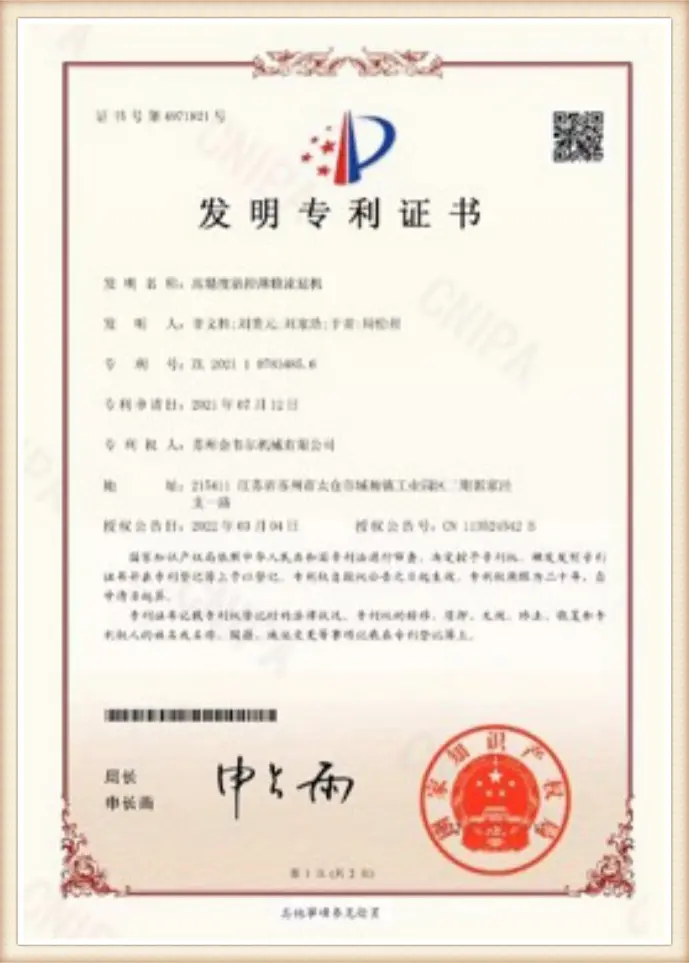
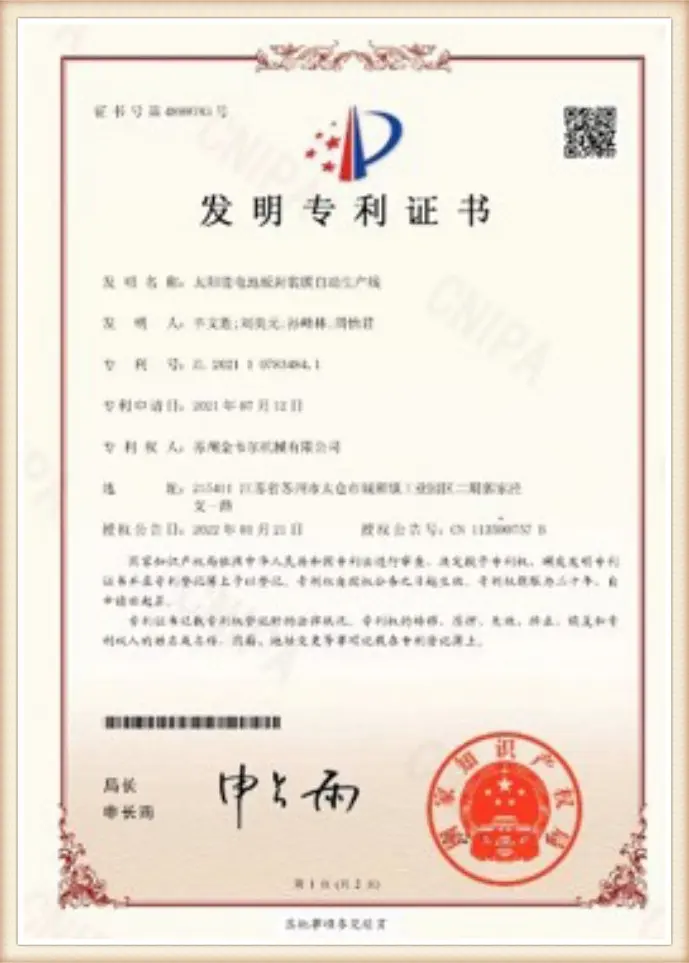
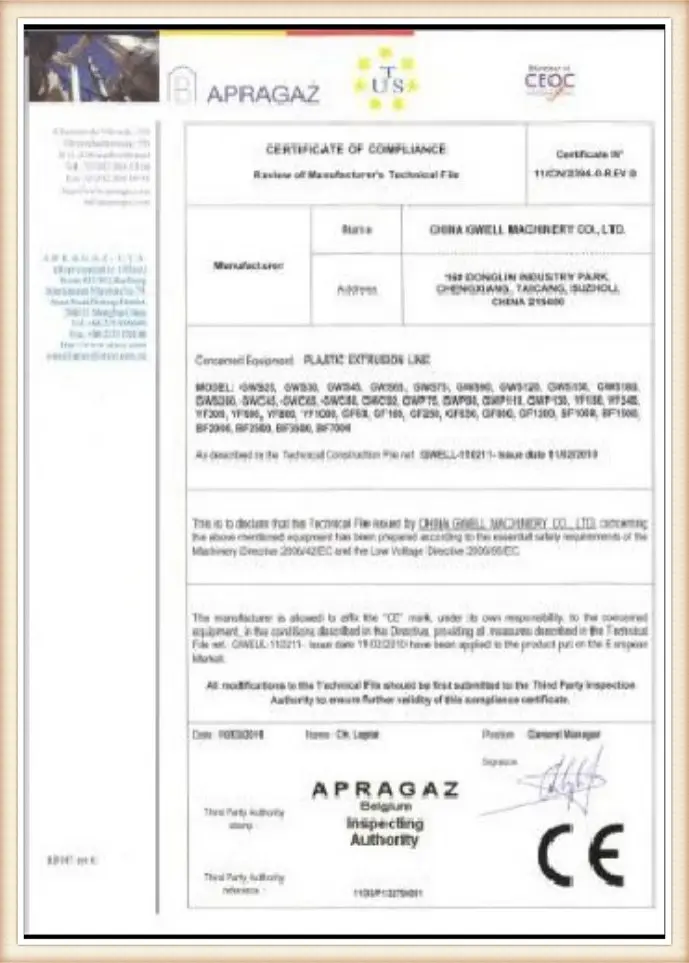
Strict production standards and international machinery guidelines followed during manufacturing.

Highly technical engineering queries resolved by our senior design office.
ABS is a polar polymer structure that absorbs atmospheric moisture (hygroscopic nature). During extrusion, the extreme temperatures inside the barrel turn this trapped water into steam. If the resin is not pre-dried to a moisture content below 0.02% using desiccant dryers, this steam causes micro-voids, bubbles, and "splay marks" on the sheet surface, severely impacting both aesthetic appearance and mechanical strength.
We implement specialized single-screw extruders with an L/D ratio of 33:1 or 36:1. This length allows for separate feed, compression, venting (degassing), and metering zones. The screw geometry uses barrier flights and mixing pins to ensure complete chemical homogenization without excessive shear heat, which could degrade the butadiene phase in the ABS alloy.
Raw ABS has poor UV resistance and is easily scratched. Co-extruding a thin top layer of PMMA (acrylic) onto the bulk ABS sheet combines the benefits of both materials: the PMMA layer provides excellent surface hardness, high gloss, and chemical/UV resistance, while the lower ABS layer maintains superior impact strength and cost efficiency. This composite sheet is ideal for thermoforming bathtubs and shower basins.
Thickness uniformity is regulated using a combination of precision coat-hanger die designs, automated adjustment bolts, and an inline thickness measurement scanner (beta or X-ray sensors). The scanner monitors thickness profiles continuously and feeds data back to the PLC, which adjusts the die lips or calender roll speeds dynamically to keep thickness tolerances within ±0.01mm.
For thicker ABS sheets (above 3mm), we recommend an inclined or horizontal three-roll calender configuration. This setup allows the thick polymer melt to sit naturally in the roller nips without gravitational sagging. Independent temperature controls for each roller using pressurized oil loops ensure even cooling, preventing internal thermal stresses that cause sheet warpage.
Yes. Our screw designs are configured to process up to 100% recycled ABS flakes or regrind. The system utilizes double-column hydraulic screen changers to filter contaminants, and high-vacuum degassing ports to extract residual volatiles from degraded plastics, ensuring structural integrity in recycled sheet profiles.
We utilize high-efficiency AC motors coupled with variable frequency drives (VFD), direct-coupled gearboxes to prevent transmission loss, and ceramic heater bands with insulated cooling shrouds. These features lower the Specific Energy Consumption (S.E.C.) to under 0.25 kWh per kilogram of extruded plastic.
The texture (such as leather grain, matte, or ribbed patterns) is embossed during calendering. The middle roller of the three-roll stack is engraved with the target pattern. The embossing quality is governed by the nip pressure (controlled via hydraulic cylinders), roller temperature, polymer melt temperature, and line speed synchronization.
Stay informed with our latest industrial developments and product showcase schedules.
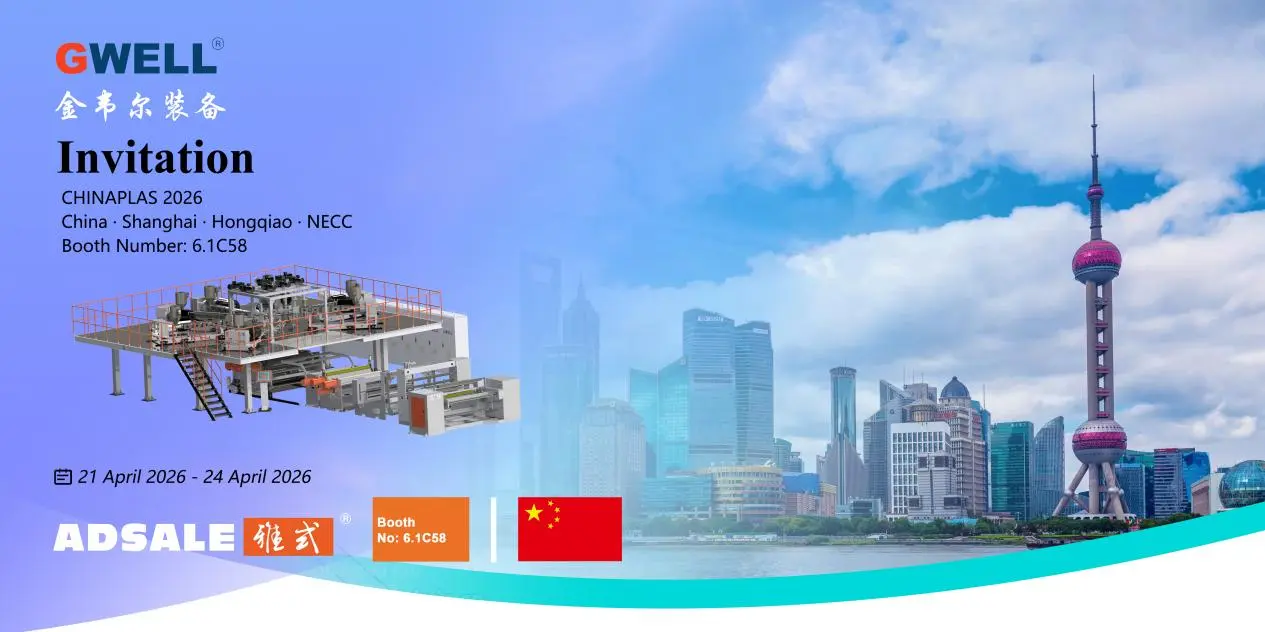
Gwell will present its latest smart polymer line innovations at international trade shows, featuring real-time diagnostics.
Introduction of the next-generation environmental-friendly POE synthetic leather calendering system.
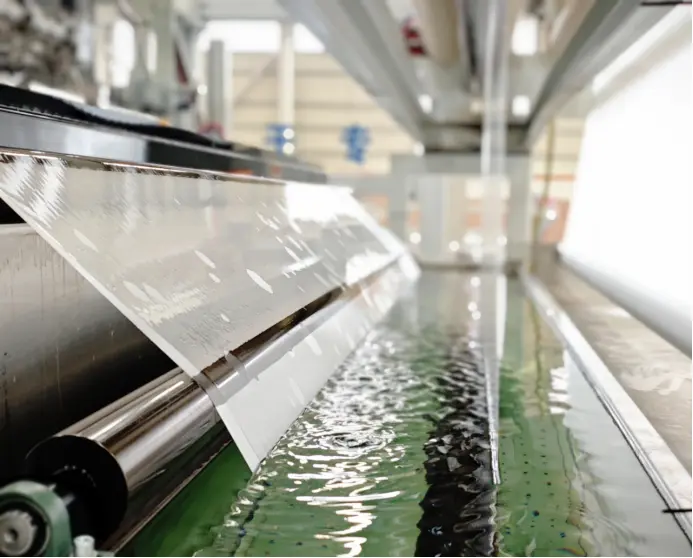
The GWELL PVB wedge-shaped film production line achieves high precision, efficiency, and broad material compatibility.
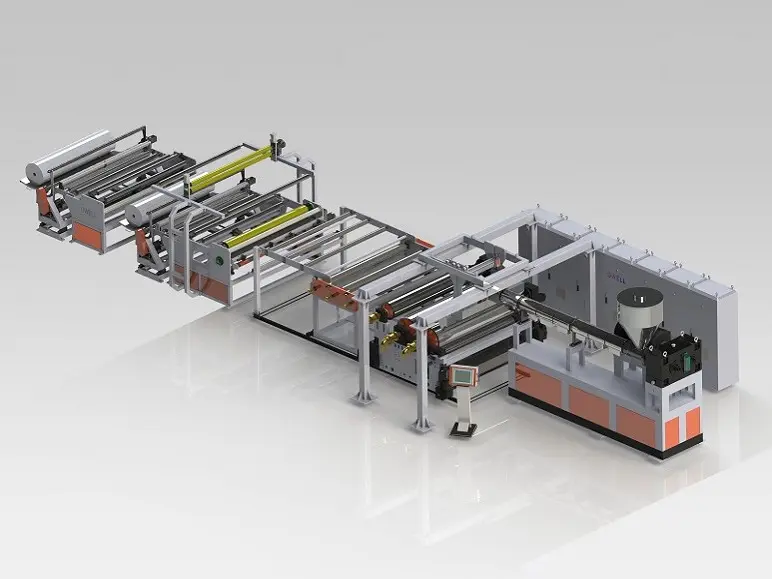
Highly-durable PETG surface film lines launched, satisfying growing demands in ecological furniture overlays.
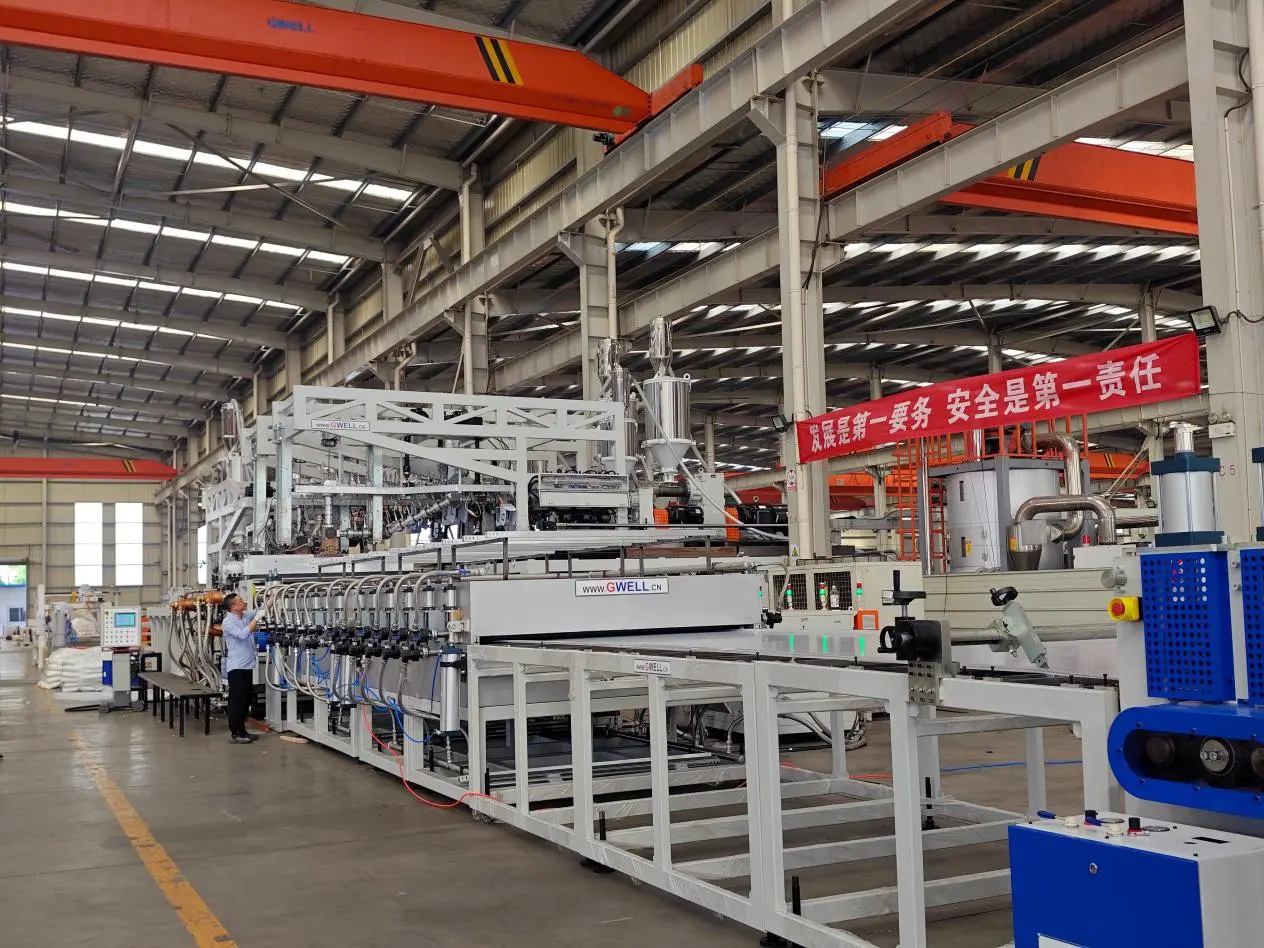
GWELL presents its new lightweight structural sandwich panel core system designed for automotive interior floors.
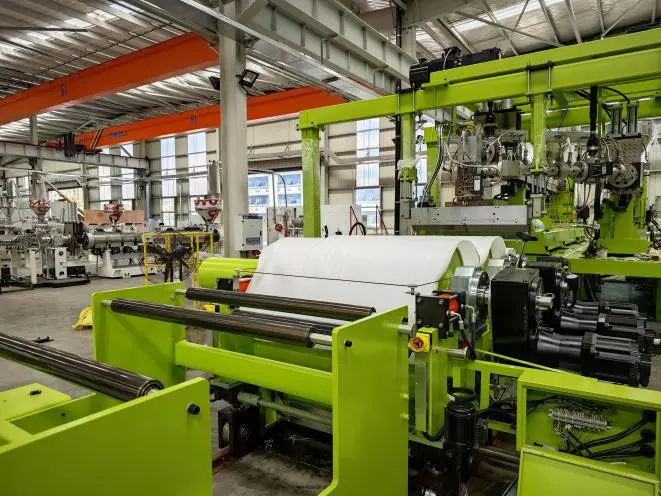
Reviewing our long-term cooperative partnerships with major food-grade packaging manufacturers globally.

Continuous engineering setups designed for high impact structures, optics, and solar membrane processing.
Gwell's R&D team and precision machining bases are recognized globally. Reach out to our design office today for a custom technical solution tailored to your production facility.
Send Inquiry Now