
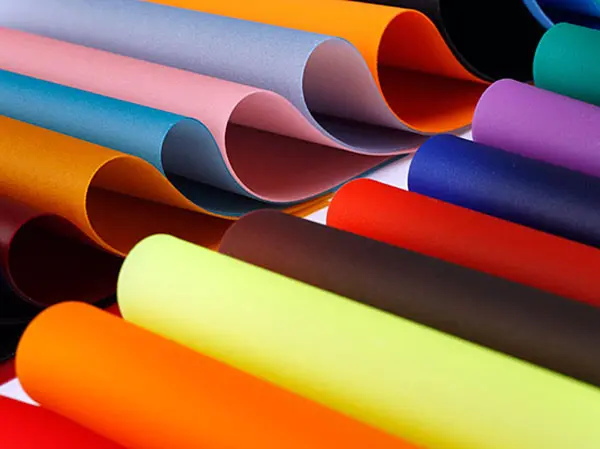
Famous PVB interlayer film extrusion line Manufacturer, Products

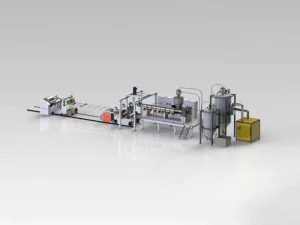
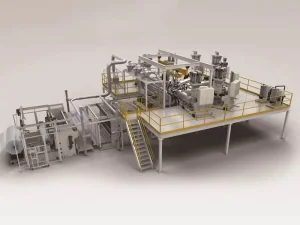
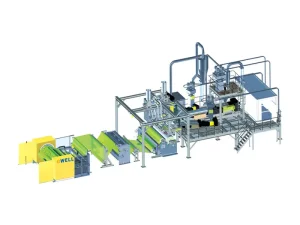
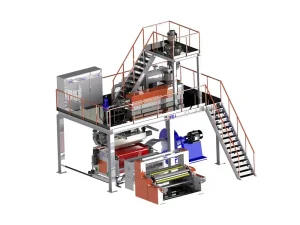
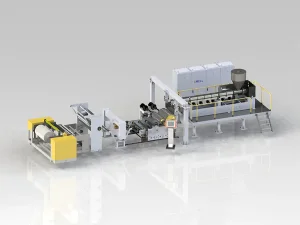
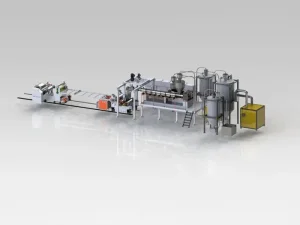
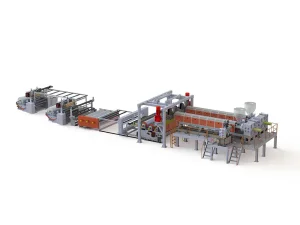
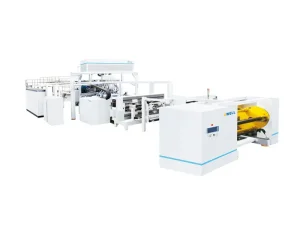
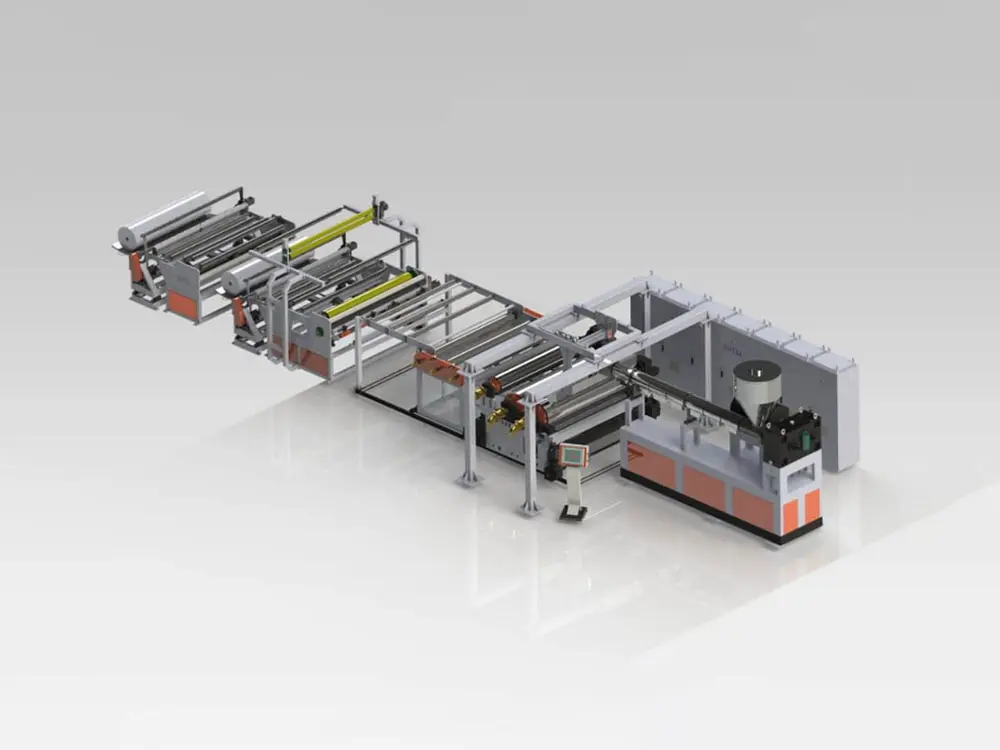
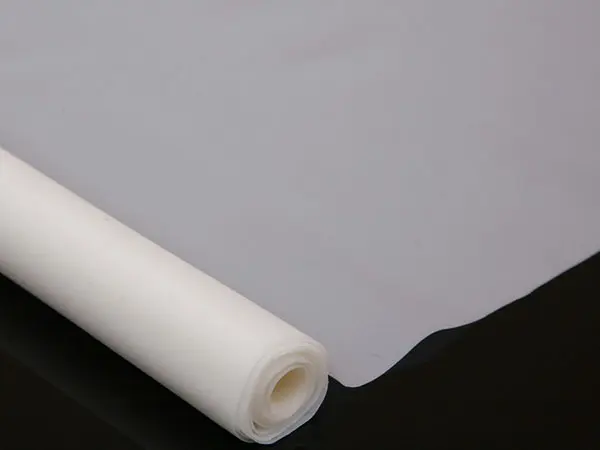
The PVB interlayer film extrusion line from GWELL integrates cutting-edge technology with robust machinery to ensure the consistent production of high-quality PVB films.  These films are widely used in the automotive industry, architectural glass, solar energy, and various other fields due to their exceptional properties such as transparency, heat resistance, cold resistance, and high mechanical strength.

Product Description

Key Components and Features

Extruder System

Equipped with a precision extruder capable of handling PVB resin with high viscosity and temperature sensitivity.
Advanced temperature control systems ensure optimal processing temperatures for smooth extrusion.

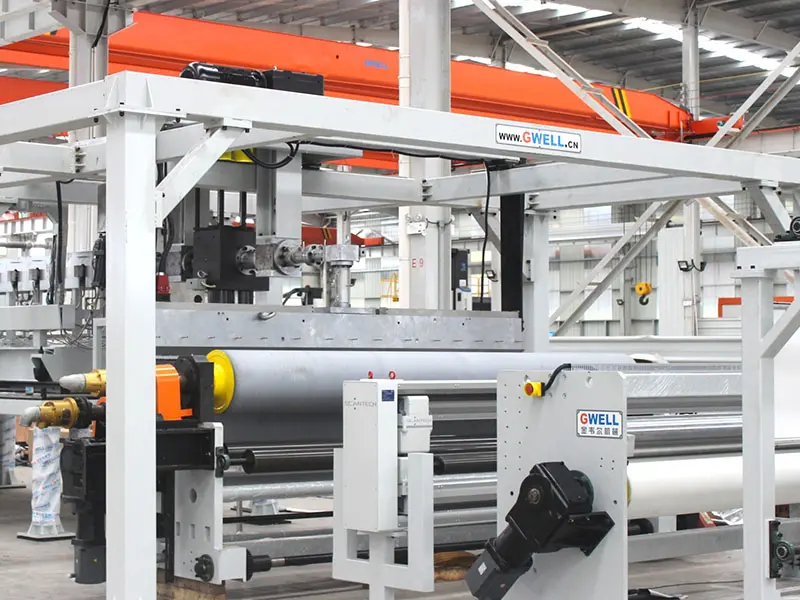
Die Assembly

Designed to produce films with consistent thickness and width.
Incorporates sophisticated cooling technology to quickly solidify the film as it exits the die.

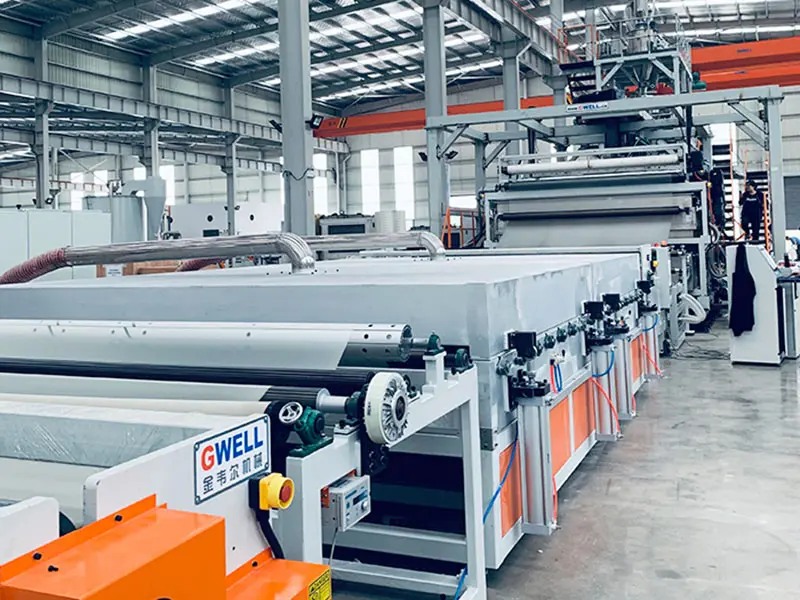
Calibration & Cooling Stage

Stretches and flattens the extruded film to eliminate internal stresses and irregularities.
Precise control over the cooling process ensures the film retains its desired mechanical properties.

Finishing Operations

Automated trimming, slitting, and winding processes prepare the film for further processing or end-use applications.
Ensures neat coiling into manageable rolls, minimizing waste and enhancing production efficiency.

Automation & Integration

High degree of automation with advanced sensors and monitoring tools.
Provides real-time feedback on critical process parameters such as temperature, pressure, and film thickness.
Allows for swift and accurate adjustments, ensuring consistent production quality.

Environmental Responsibility

Incorporates energy-efficient components and recycling mechanisms.
Minimizes waste and reduces the environmental footprint of PVB film production.
PVB
R

Production Capabilities

  • Film Width: Up to 3600mm (Max), customizable according to user requirements.
  • Film Thickness: Ranges from 0.38mm to 1.52mm.
  • Output: Capable of producing 500-800kg/h of PVB interlayer film.
  • Shrinkage: Controlled to ≤2% to ensure dimensional accuracy.

Applications

  • Automotive Industry: Used in the production of windshields and side windows, enhancing safety, sound insulation, and thermal insulation.
  • Architectural Glass: Forms the interlayer in laminated glass for buildings, improving safety, energy efficiency, and UV protection.
  • Solar Energy: Used in the encapsulation of solar cells, protecting them from environmental factors and enhancing their durability.
  • Other Applications: Suitable for various other fields such as packaging, printing, and sports equipment due to its versatile properties.

Conclusion

The PVB Interlayer Film Extrusion Line is a comprehensive, high-performance manufacturing solution designed to produce premium-quality PVB films tailored for diverse applications. With its combination of advanced technology, precision engineering, robust automation, and commitment to sustainability, this line sets the standard for excellence in the production of PVB interlayer films.
Conclusion
MO

Frequently Asked Questions

Q What is the production capacity of the PVB interlayer film extrusion line?

The extrusion line is capable of producing between 500 to 800 kg/h of high-quality PVB interlayer film, depending on customer configurations and operational parameters.

Q What are the achievable film thickness and width parameters?

The line supports a film thickness range of 0.38mm to 1.52mm and can produce a maximum film width of up to 3600mm, which can be fully customized based on specific user requirements.

Q How does the line ensure the quality and dimensional stability of the PVB film?

By controlling shrinkage to ≤2% and utilizing a precise calibration and cooling stage, the extrusion line effectively eliminates internal stresses to guarantee outstanding dimensional accuracy.

Q What industries benefit from the films produced by this extrusion line?

The resulting PVB films are widely used in the automotive industry (safety glass and windshields), architectural glass (laminated panels for buildings), and solar energy cell encapsulation.

Q How does automation play a role in this production system?

The system integrates advanced sensors that monitor temperature, pressure, and film thickness in real time. This ensures automatic corrections can be made swiftly for consistent quality output.
Related Products