1 / 1

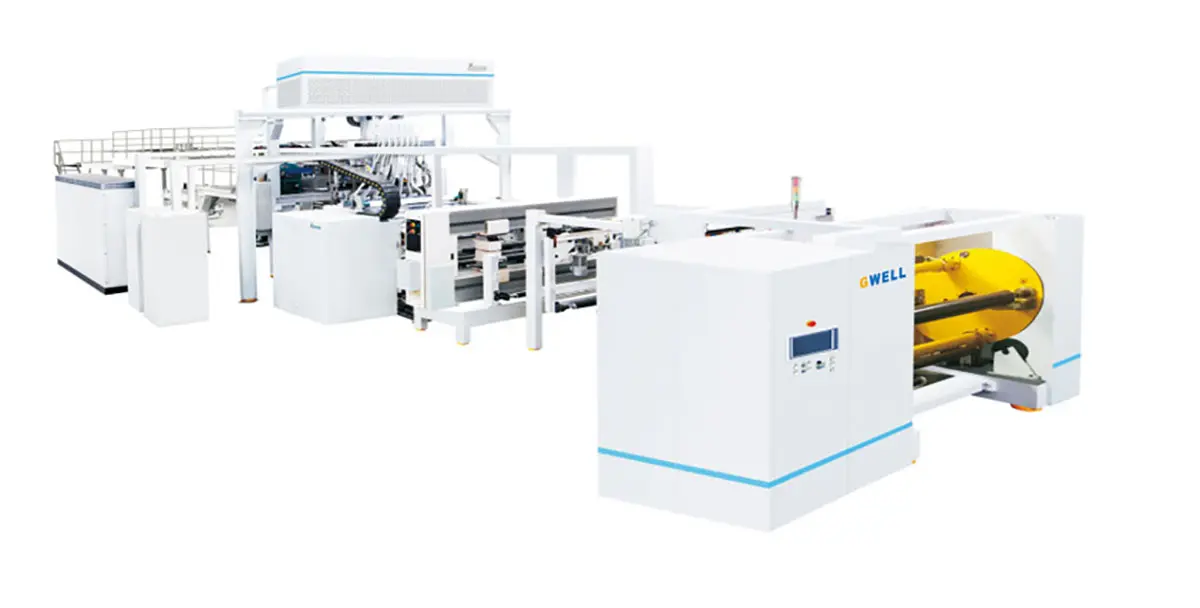
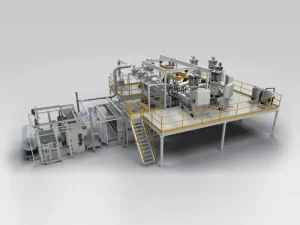
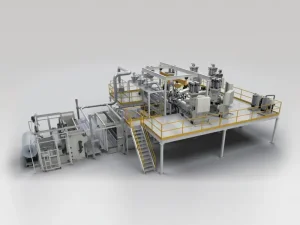
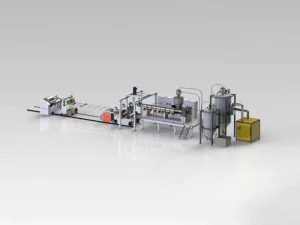
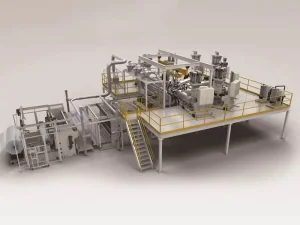
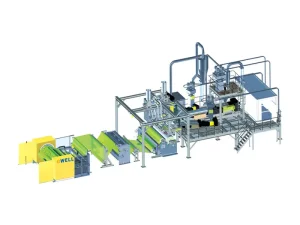
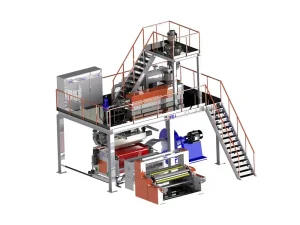
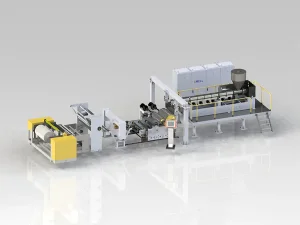
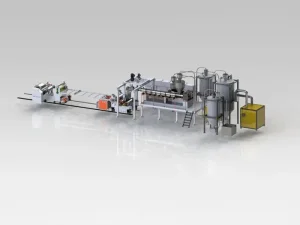
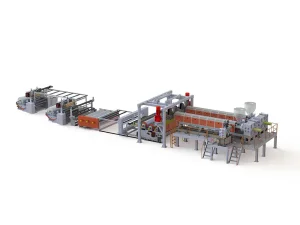
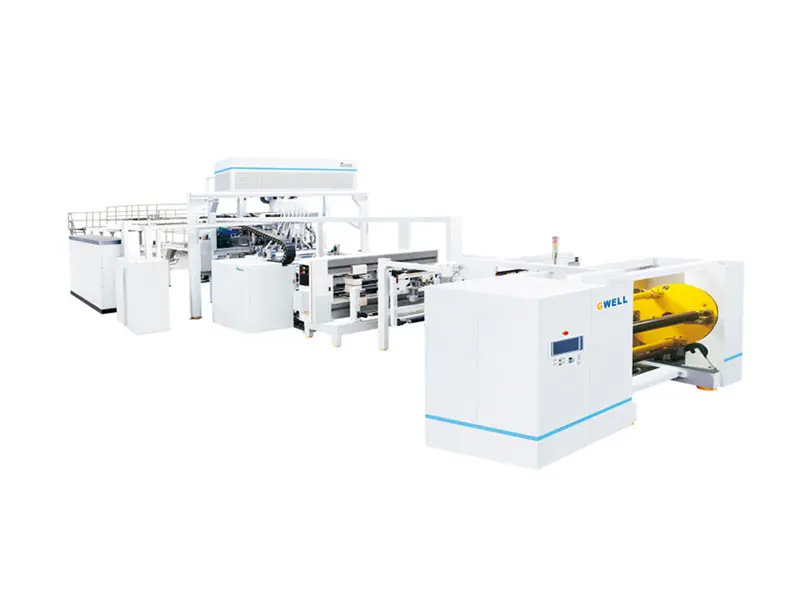
The heart of the PI Film Extrusion Line lies in its advanced extruder, which is equipped with high-precision temperature control systems. These systems ensure that the polyimide resin is heated to the optimal processing temperature, facilitating smooth and even extrusion. The extruder itself is designed with wear-resistant materials and robust construction, capable of handling the high viscosity and temperature requirements of PI resin.
Following the extruder, the molten PI resin is directed through a sophisticated die assembly, which shapes the material into a thin, uniform film. The die design is meticulously engineered to eliminate any imperfections and ensure consistent thickness and width across the entire length of the film. This attention to detail is crucial for applications where dimensional accuracy and uniformity are paramount.
To further enhance the quality of the PI film, the extrusion line includes a calibration and cooling stage. Here, the extruded film is carefully stretched and flattened to eliminate any internal stresses or irregularities, while simultaneously being cooled to solidify its structure. The precise control over the cooling process is vital for achieving the desired mechanical properties and thermal stability of the final product.
Once cooled, the PI film is then conveyed through a series of finishing operations, including trimming, slitting, and winding. These steps ensure that the film is precisely cut to size and wound into neat, manageable rolls, ready for further processing or end-use applications.
The PI Film Extrusion Line also boasts a highly automated control system, which integrates advanced sensors and monitoring tools. This system provides real-time feedback on critical process parameters, such as temperature, pressure, and film thickness, enabling operators to make adjustments swiftly and accurately. The automation also facilitates consistent production quality and enhances overall operational efficiency.
Polyimide (PI) film is a top-tier organic polymer insulation film. It is known as the "gold film" due to its excellent performance, golden color, high heat resistance, and its essential role in advanced high-tech industries.
PI film is widely used in microelectronics, FPC (flexible printed circuits), aerospace and aviation, motors, transformers, 5G communications, and various high-temperature electrical insulation scenarios.
The extrusion line utilizes a high-precision die assembly coupled with an automated control system and sensors. This setup monitors and adjusts the temperature, pressure, and film thickness in real-time.
This stage stretches and flattens the extruded film to remove internal stress and irregularities. Proper cooling solidifies the structure, giving the PI film its key mechanical strength and thermal stability.
PI films are generally classified into electrical grade (used for insulation and heat resistance) and electronic grade (demanding high flexibility, low coefficient of thermal expansion, and precision properties).
Yes. The automated system monitors critical parameters dynamically. This reduces material waste, ensures consistent roll-to-roll quality, and significantly minimizes downtime during the extrusion process.