1 / 1

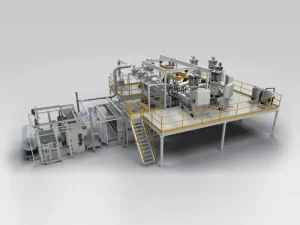
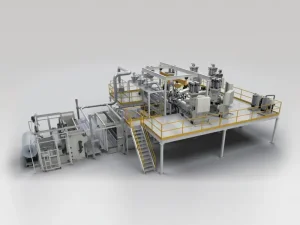
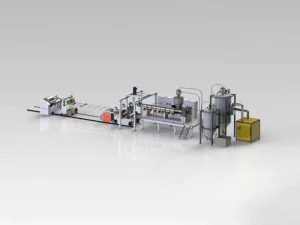
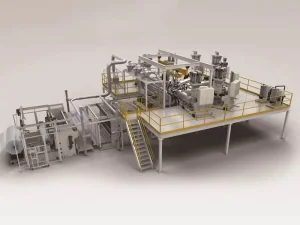
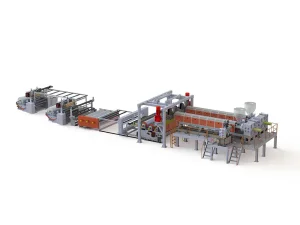
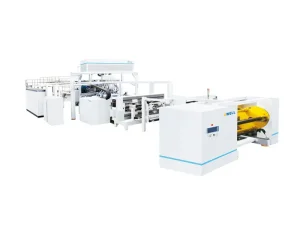
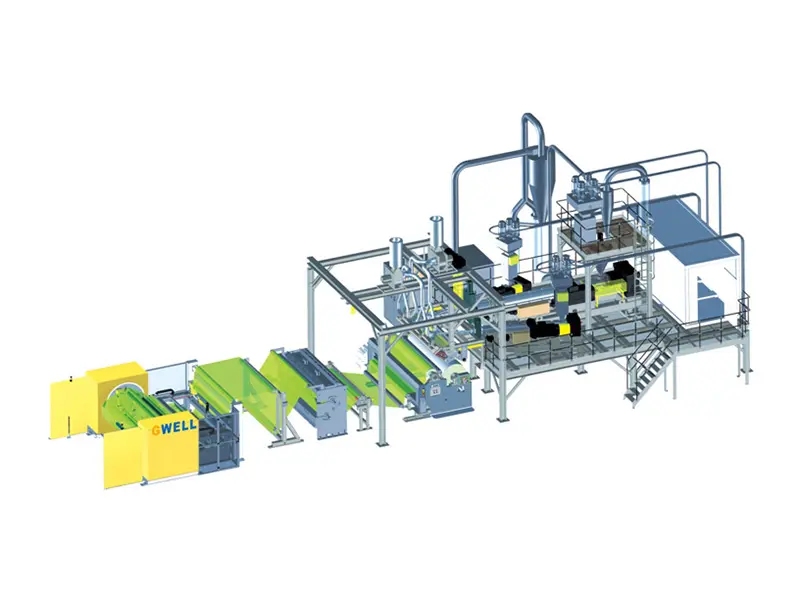
The production line is specifically designed to handle PPS, a high-performance thermoplastic known for its excellent chemical resistance, thermal stability, and mechanical strength. PPS diaphragms produced on this line exhibit superior durability and performance in alkaline environments, making them ideal for hydrogen energy applications.
The line incorporates precision manufacturing technology to ensure consistent diaphragm thickness, uniform pore structure, and tight dimensional control. This results in diaphragms with superior ion conductivity, gas separation efficiency, and long-term stability.
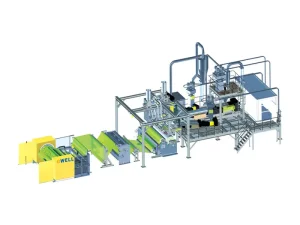
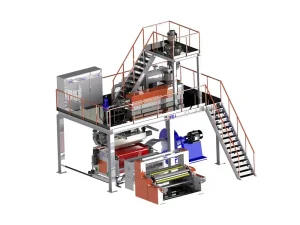
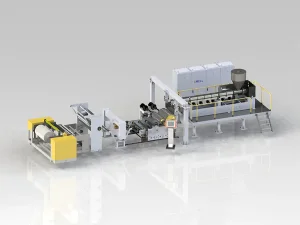
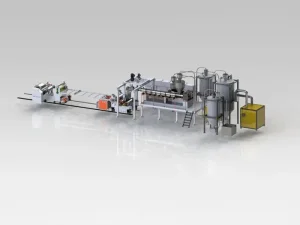
The entire production process, from raw material feeding to finished diaphragm winding, is highly automated. This reduces human error, enhances productivity, and ensures consistent product quality across batches.
Customizable configurations are offered to meet specific customer requirements. Whether it's diaphragm size, thickness, or pore structure, the line can be tailored to fit unique application needs.
The production line is designed with energy efficiency in mind, reducing energy consumption and operational costs. It complies with environmental regulations, ensuring sustainable production practices and minimal environmental impact.
Rigorous quality control measures are implemented throughout the production process. This includes raw material inspection, in-process testing, and final product verification to ensure that each diaphragm meets the highest standards of quality and performance.
Comprehensive technical support, including installation, training, and after-sales service, is available. Expert engineers assist with troubleshooting, maintenance, and process optimization, ensuring optimal performance and longevity of the production line.

What makes PPS material suitable for hydrogen energy diaphragms?
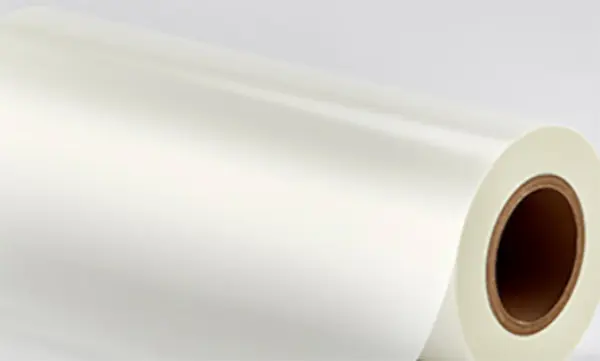
PPS (Polyphenylene Sulfide) is a high-performance thermoplastic known for its exceptional chemical resistance, thermal stability, and mechanical strength. Diaphragms made from PPS perform exceptionally well in harsh alkaline environments, ensuring high durability and efficiency for hydrogen energy applications.
How does the production line ensure diaphragm quality and consistency?
The production line uses state-of-the-art precision manufacturing technology to strictly control diaphragm thickness, pore structure uniformity, and overall dimensional standards. This is backed by comprehensive in-process testing and final quality inspections.
Can the diaphragms be customized for specific requirements?
Yes. The production line is designed with customizable configurations, allowing adjustments to the diaphragm size, thickness, and internal pore structure to match unique technical specifications and client requirements.
What level of automation does the production line offer?
The system features end-to-end automation from raw material feeding up to final product winding. This heavily reduces manual intervention, minimizes human error, and optimizes production efficiency while maintaining uniform batch quality.
Is this production line energy efficient?
Yes, the line is engineered to minimize energy consumption and reduce operational overheads while strictly complying with environmental regulations to promote sustainable industrial practices.
What technical support is available during and after setup?
Comprehensive technical support is available, covering installation, system training, and ongoing after-sales service. Experienced engineers can assist with troubleshooting, maintenance, and process optimization to guarantee system longevity.