1 / 1

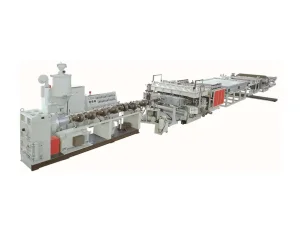
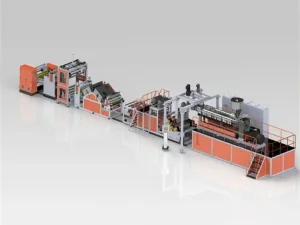
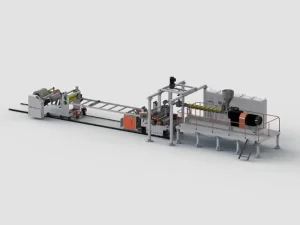
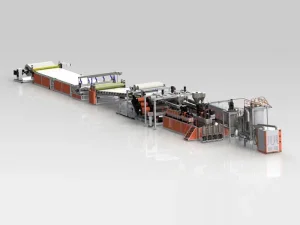
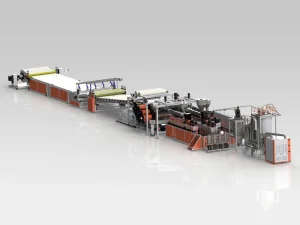
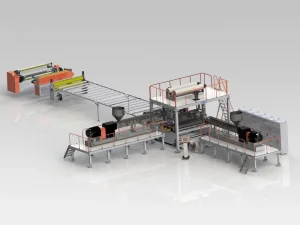
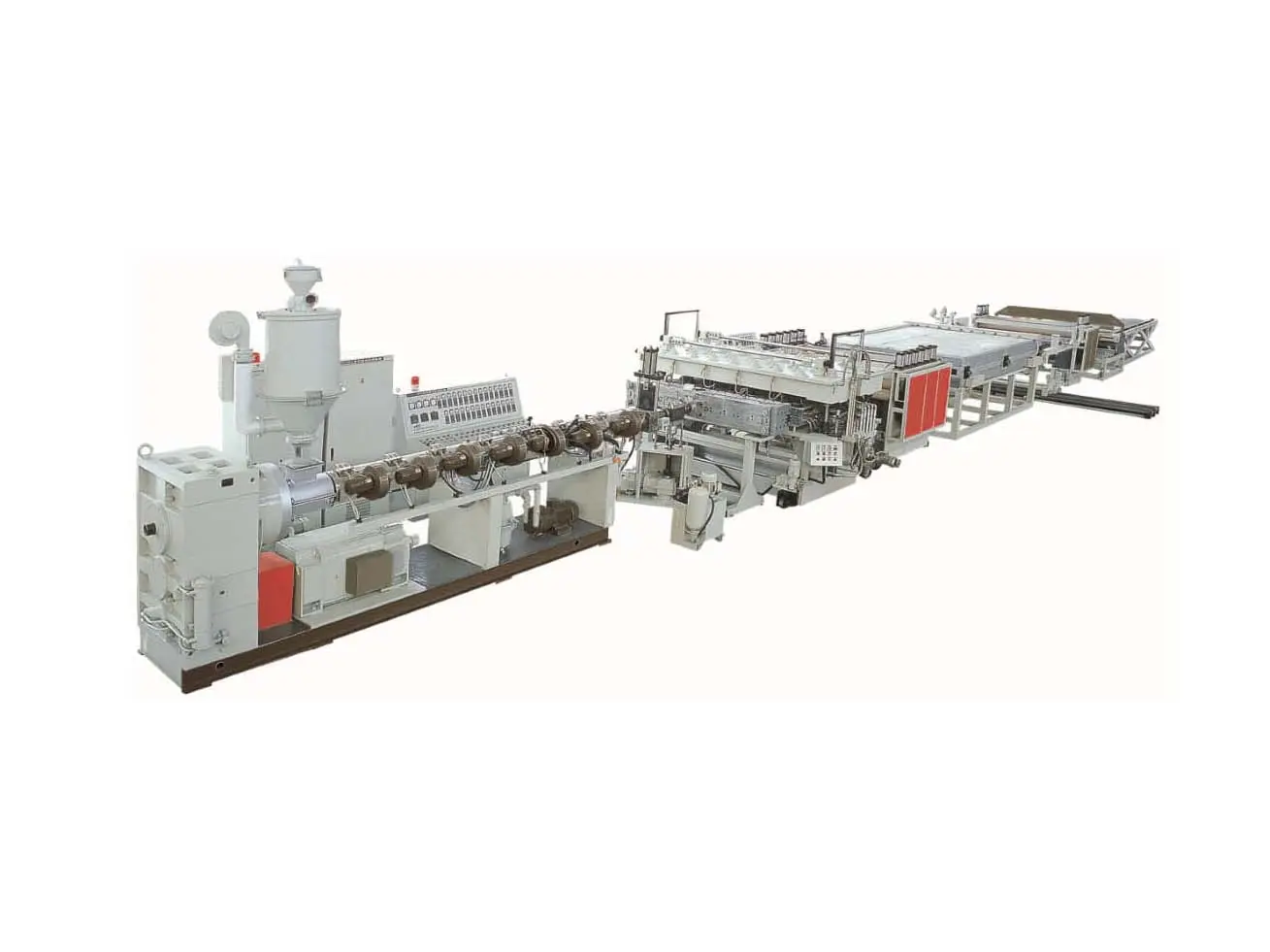
The line is equipped with a high-performance extruder featuring a precision screw design and temperature control system. This ensures even melting and uniform extrusion of the PP material, resulting in hollow boards with consistent wall thickness and a smooth surface finish.
The extrusion die is specifically designed to shape the molten PP material into hollow profiles. This design enhances the structural integrity and lightweight nature of the boards, making them ideal for a wide range of applications.
An integrated multi-zone cooling system rapidly solidifies the extruded profiles, maintaining dimensional stability and preventing warping. This ensures that the PP hollow boards meet the highest standards of quality and performance.
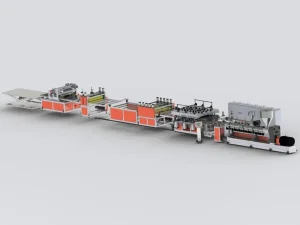
The line includes automated conveying, cutting, and stacking systems that streamline the production process. These systems reduce labor costs, minimize human error, and enhance overall efficiency and productivity.
A robust material handling and feeding system ensures a continuous and steady supply of PP material to the extruder. This ensures smooth operation and consistent production rates.
A range of customization options is available to tailor the extrusion line to specific requirements. This includes varying profile widths, thicknesses, and lengths, as well as incorporating additional features such as UV protection, flame retardancy, and colorants.
The PP Hollow Board Extrusion Line is designed with energy efficiency in mind. It utilizes energy-saving components and optimizes the extrusion process to minimize power consumption.
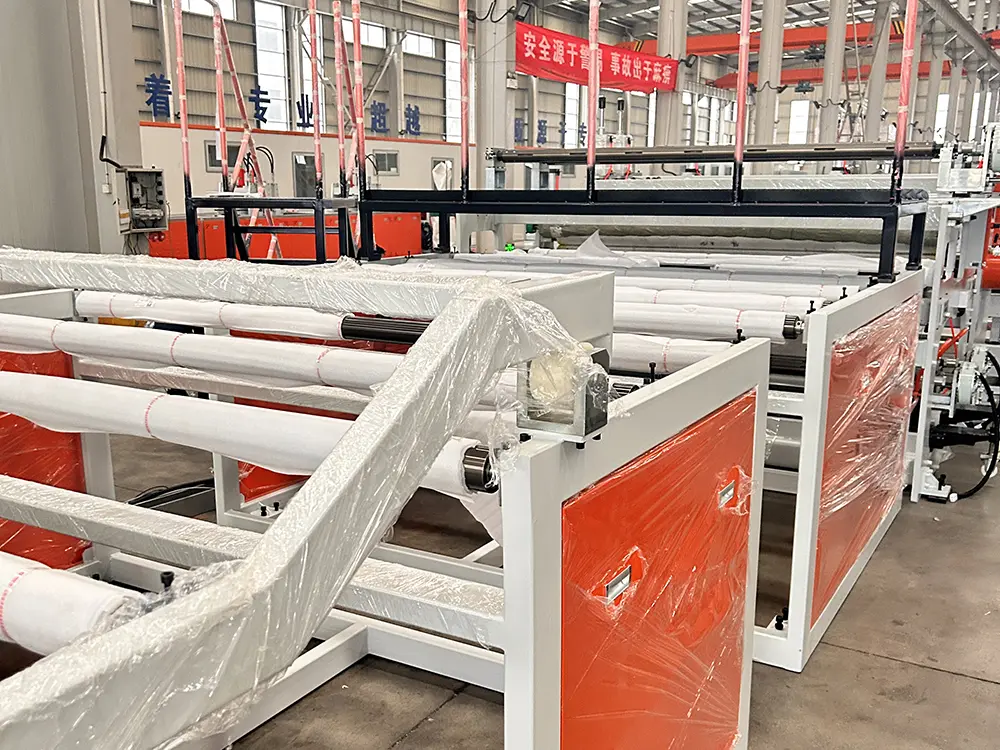
PP Hollow Boards are versatile and suitable for a wide range of applications, including:
Providing lightweight and durable packaging solutions for various products.
Serving as insulation boards, partition walls, and floor coverings in buildings.
Offering lightweight and cost-effective interior components.
Used in greenhouses, animal shelters, and other agricultural structures.
Providing sturdy and lightweight signage and display boards.
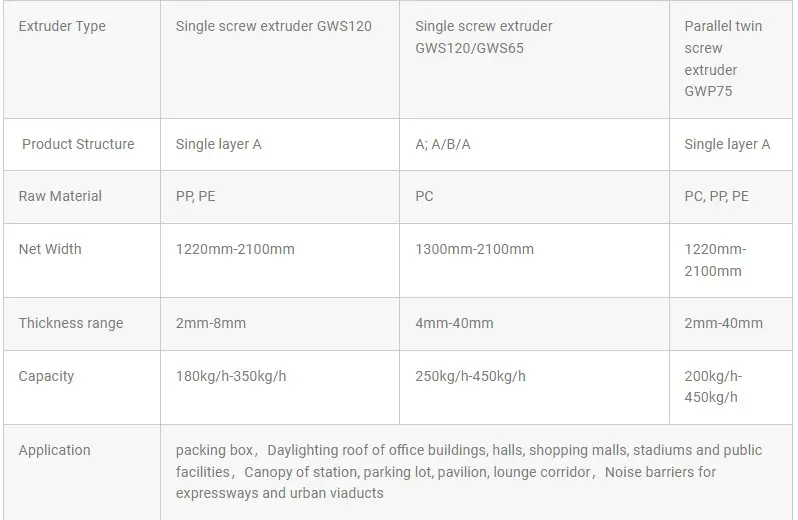
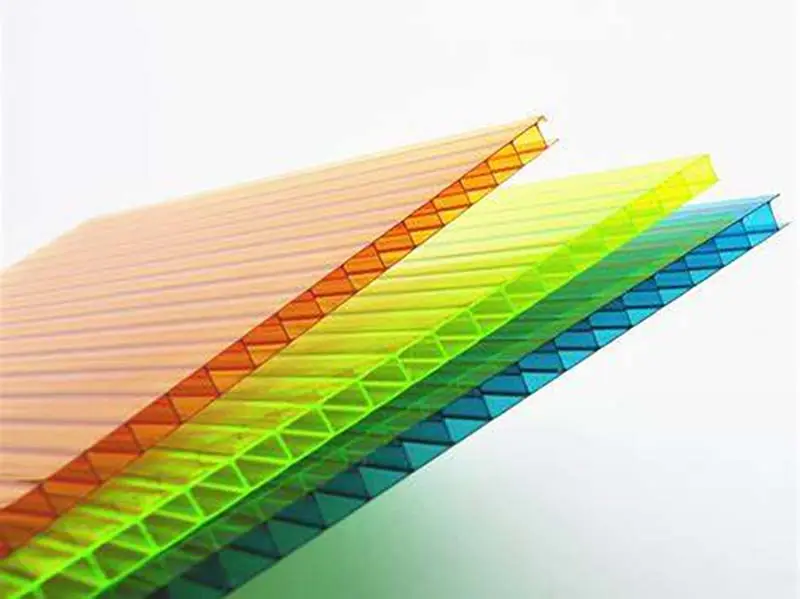
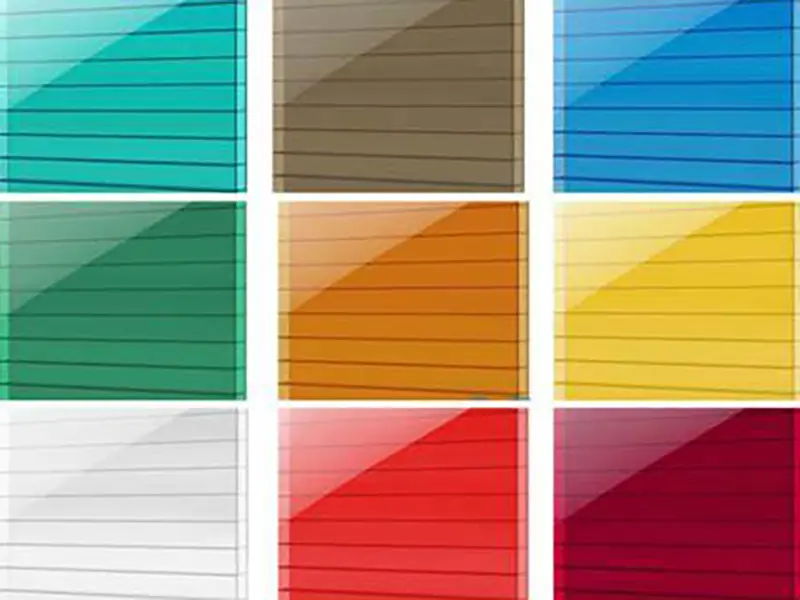
The system uses a PP hollow special single-screw extruder and a twin-extruder for co-extrusion. Since the PP hollow board is divided into white and black PP hollow board extrusion lines, and white occasionally appears in the middle of the board, two extruders are utilized.
The structure of the template is changed from the original O-shaped hollow structure to the m-shaped, V-shaped, N-shaped, well-shaped, and finally fixed to the well-shaped. Therefore, a well-shaped T-die is recommended.
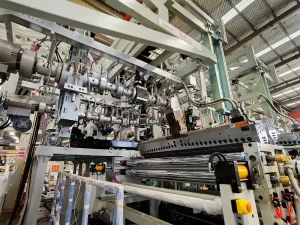
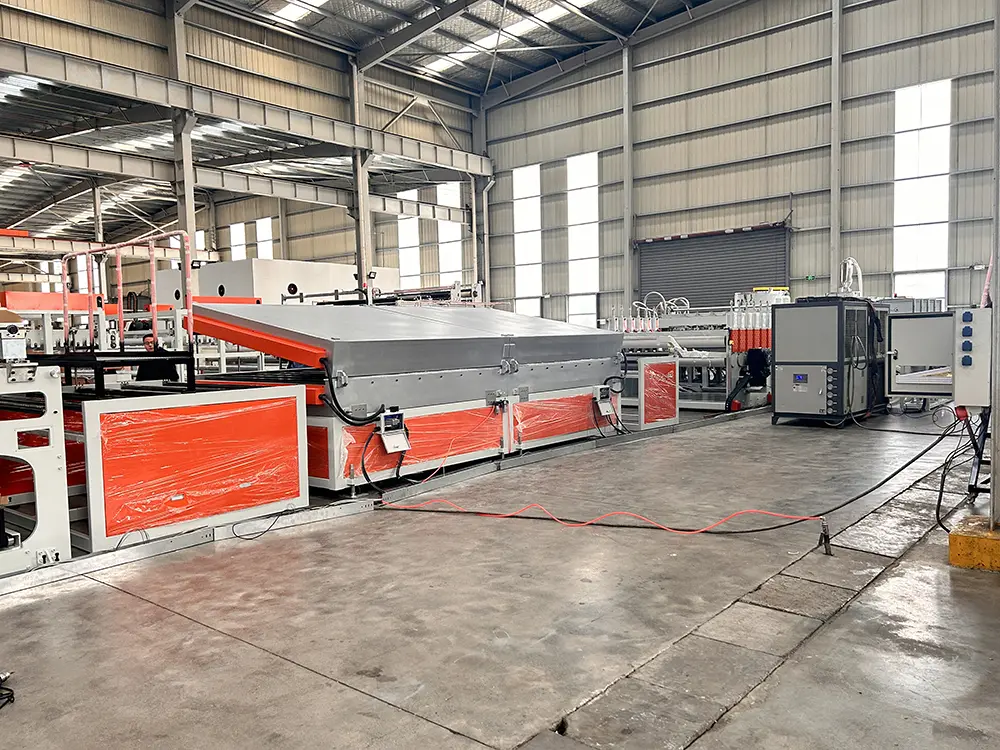
The setting unit features a vacuum setting table that provides both a cooling function and an enhanced forming function.
Adopt special cooling rollers and stress-relieving cooling beds to make the board run smoothly and fully shaped.
The whole line adopts PLC automatic control to realize the operation of the man-machine interface. It is easy and automatic to operate.
A hydraulic quick screen changer is used to make the screen changing process fast and effective. Double station and special sealing structures ensure the stable operation of the screen changer on the hollow lattice board and packaging board production line.
The efficient extrusion line has two sets of tractors. The group tractor has high power, high reduction ratio, multi-roller type, good low-speed rotation performance, and large tractive force, which can uniformly pull the board out of the vacuum setting table. The second set of tractors is used to destress the product. In addition, it is equipped with edge trimming equipment to guarantee the useful width and edge quality of the board.
The large area conduction heating mode of the advanced Hollow Sheet Extrusion Line can effectively eliminate the board stress and further improve the flatness of the board.
Advanced setup can realize the consistent control of all parameters of the whole line by using a microcomputer (PLC), so as to effectively optimize the operation characteristics of the whole production line.
High-quality alloy extrusion die lip and choke rod provide uniform pressure drop from die inlet to die lip. Precision machined molds ensure good quality of finished extruded sheets.
The thermal convection system of the calibration bench has a cross arrangement to ensure that the hot resin stream is effectively cooled and the final extrudate reaches the desired shape and exact dimensions. Multi-layer sheet extrusion machines can rapidly form by setting and cooling without the need for cold water, which helps save energy and improve efficiency.
The vacuum calibrator consists of 2 independent subsystems equipped with many closed-loop vacuum channels.
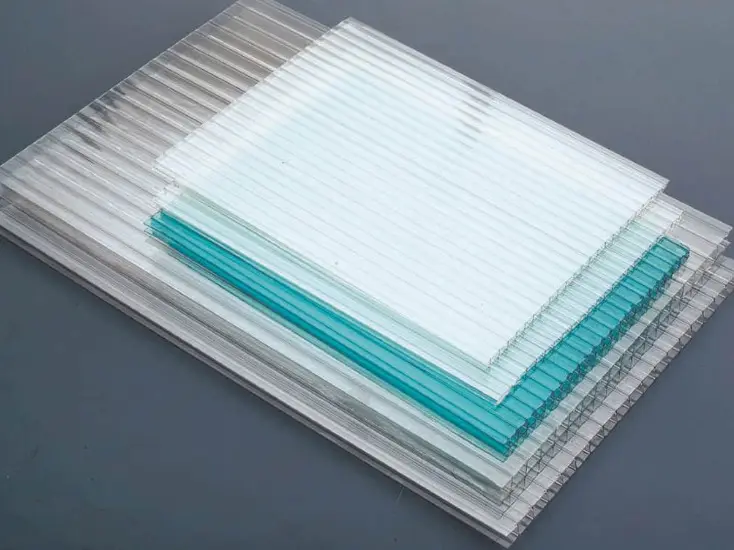
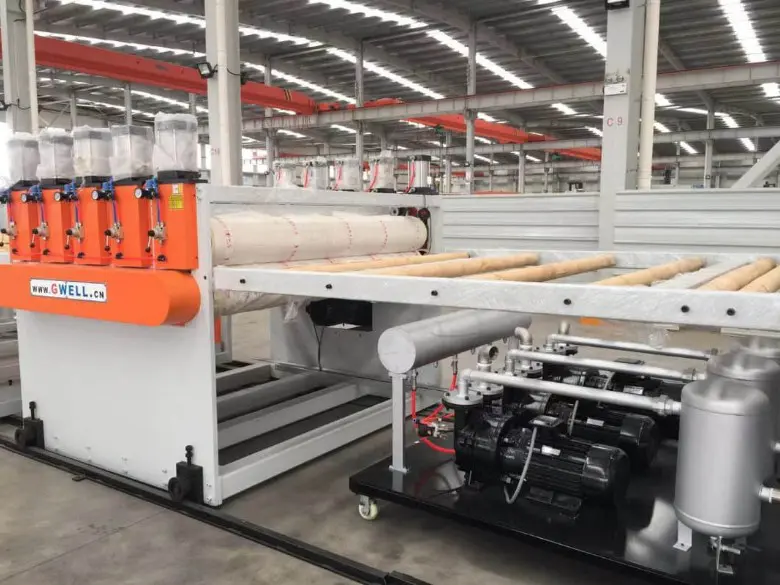
Two extruders are used for co-extrusion because PP hollow boards are split into white and black extrusion lines, and white material can occasionally appear in the middle of the board, requiring dual-extrusion processing.
They are highly versatile and widely used in packaging, building construction (insulation, partition walls, and floor coverings), automotive interiors, agriculture (greenhouses and animal shelters), and advertising displays.
The line uses specialized cooling rollers, stress-relieving cooling beds, and a large-area conduction heating mode to rapidly solidify profiles, eliminate internal board stress, prevent warping, and ensure excellent flatness.
A well-shaped T-die is recommended. The template design has evolved from O-shaped, m-shaped, V-shaped, and N-shaped designs, with the well-shaped design offering the most optimized and stable structure.
The multi-layer sheet extrusion machines form boards rapidly by cooling and setting without requiring cold water, which optimizes heat exchange, saves energy, and improves overall production efficiency.
The entire production line is controlled by a PLC automatic system using a microcomputer. This centralizes all parameter settings through a user-friendly man-machine interface for smooth, consistent, and easy operation.