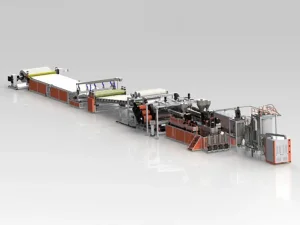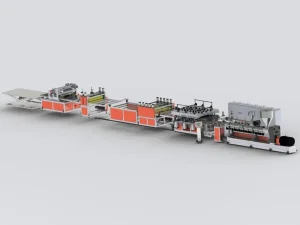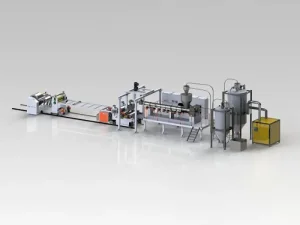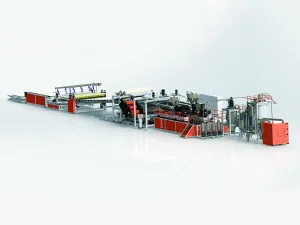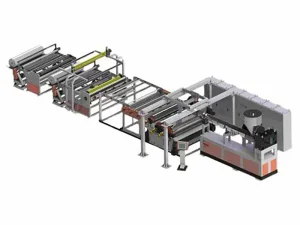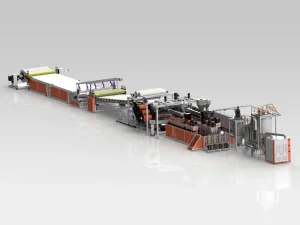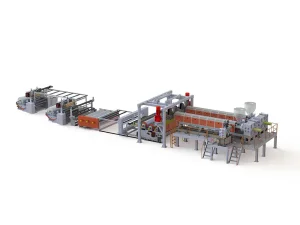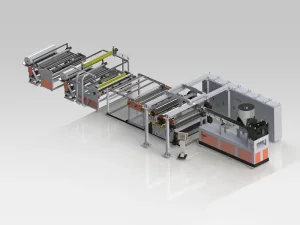
Explore GWELL's range of advanced film, sheet, and stretch extrusion machinery designed for industrial processing.
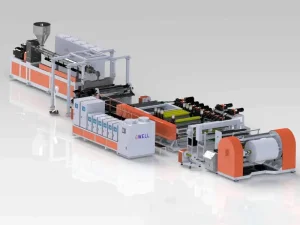
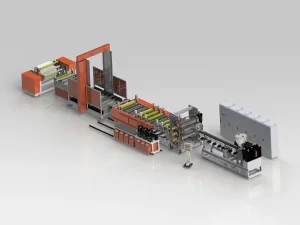
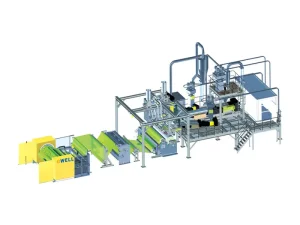
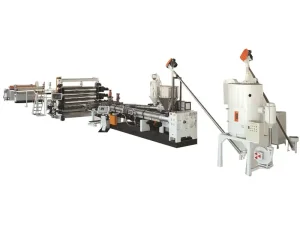
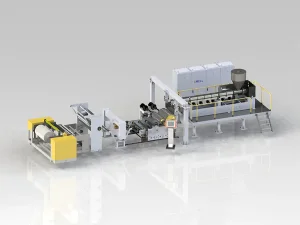
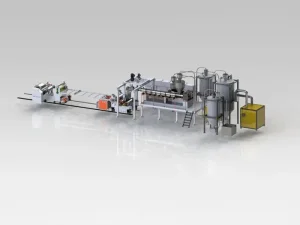
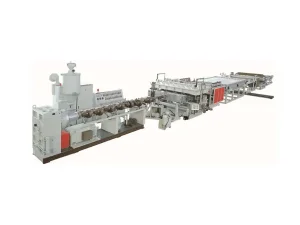
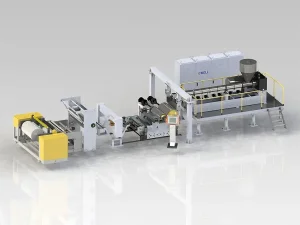
Analyzing the process mechanisms, thermal dynamics, and crystallization controls that govern Machine Direction Orientation (MDO) within biaxially oriented packaging and industrial film extrusion lines.
In high-performance flexible packaging, electronics, optical displays, and industrial insulation, Biaxially Oriented Polyethylene Terephthalate (BOPET) film is recognized for its high tensile strength, thermal stability, chemical resistance, and barrier characteristics. The manufacturing process of high-grade BOPET film involves a precise thermo-mechanical transformation pathway, in which the casting of a flat amorphous film is followed by biaxial orientation. Biaxial orientation consists of sequential stretching along two axes: first vertically (Machine Direction Orientation or MDO) and subsequently horizontally (Transverse Direction Orientation or TDO).
This technical whitepaper details the engineering mechanics of Custom Extrusion Lines for Vertical Stretching in BOPET Film Production. Highlighting the thermodynamics of temperature profile zones, tension stability control algorithms, crystallization rates of semi-crystalline polymers, and custom roller configurations, this content addresses modern production demands. For global manufacturers and procurement managers sourcing multi-million-dollar extrusion lines, understanding the engineering details of MDO design is key to optimizing production yields and ensuring uniform film gauge tolerances.
Management of preheating temperatures relative to the glass transition state (Tg ~ 75-80°C) to prevent premature micro-crystallization and ensure uniform draw tension.
Precision servo-controlled differential rollers working in tandem to maintain orientation ratios between 3.0:1 and 4.5:1 with minimal slip index.
Short-gap stretching zone layouts reduce transverse contraction, maintaining nominal width stability and avoiding extreme edge-bead waste.
An engineering look at the mechanical structure, roll designs, and process controls that constitute an industrial vertical stretching section.
A custom MDO stretching module is a complex thermal assembly comprising multiple functional zones: preheating rolls, stretching rolls, annealing rolls, and cooling rolls. The film cast on the chill roll is amorphous and requires heating to its elastic stretching range. This is achieved by passing the cast sheet over a series of oil-heated or water-heated chrome-plated rollers. The surface profile of these rollers must be highly polished (roughness Ra ≤ 0.05 µm) to prevent microscopic surface imperfections on the film, which could compromise optical performance or cause point defects during high-tension stretching.
During vertical stretching, orientation of the molecular chains is induced by applying a differential speed between the slow preheating rollers and the fast orientation rollers. The stretch gap is adjustable to match different film thicknesses and speeds. A short stretching gap is standard to prevent the film from contracting too much horizontally (neck-in effect). However, custom extrusion lines designed for optical applications use multi-gap, multi-stage stretching setups. In these systems, orientation occurs across two or three distinct stages. This multi-gap orientation reduces mechanical stress on the film, minimizes orientation variations across its width, and improves thickness uniformity.
How evolving global demands, carbon reductions, and digital systems are driving the development of vertical stretching equipment.
The production of high-end consumer electronics and electric vehicle invertors requires dielectric BOPET films thinner than 1.5 microns. Extrusion lines must operate under precise low-tension controls to run these thin webs without stretching them past their yield point or tearing them in the preheat zones.
Circularity requirements are pushing packaging producers to include up to 50% post-consumer recycled PET flakes in their formulations. Recycled materials show varying shear viscosity characteristics, which requires active twin-screw vacuum degassing extrusion and adaptive stretching force adjustments in the MDO zone.
Modern vertical stretching machines feature integrated thermal imaging cameras and thickness gauges. Real-time data is sent to a predictive control system that automatically adjusts roller speeds and oil heating loops, preventing deviations in quality before they affect production yields.
Sourcing vertical stretching extrusion lines involves balancing performance metrics, energy usage, and mechanical reliability.
Purchasing a custom vertical stretching line requires detailed technical alignment between the film producer and the equipment manufacturer. Key performance parameters must be specified in the design phase to avoid startup issues and ensure long-term reliability. Below is an overview of the technical parameters and system specifications required for industrial BOPET lines:
Beyond speed and temperature metrics, modern buyers focus on total energy consumption. High-speed preheating and annealing rolls require significant heat energy. Custom extrusion lines address this by incorporating heat recovery loops. In these setups, excess heat from the cooling rollers is transferred back to the preheating cycle, reducing energy demand by up to 20%. Variable frequency drives (VFDs) on the main extruders and orientation motors also help optimize power consumption during line start-up and transitions between different film thicknesses.
How GWELL translates engineering principles into robust, plant-wide BOPET extrusion setups.
China GWELL Machinery designs custom extrusion solutions for film, sheet, and profile applications, using its engineering resources and three production bases to serve global markets. For vertical stretching projects, GWELL delivers complete systems starting from raw material handling, crystallization, extrusion drying, melt filtration, and extrusion die tooling, up to the MDO orientation unit, TDO oven, pull-roll station, and turret winder.
GWELL integrates vacuum rotary dryers or infrared crystallizers to reduce raw PET moisture levels to less than 20 ppm. This step is critical to prevent polymer hydrolysis during processing, ensuring the mechanical properties of the stretched film are not compromised.
Our systems feature continuous dual-piston screen changers with large filtration areas. This setup removes gel particles and contaminants, allowing the extrusion line to run continuously for long periods without high-pressure spikes or film breaks during vertical stretching.
To prevent polymer deposits on heated rollers, GWELL utilizes automated cleaning brushes and low-velocity contact air knives. This setup keeps the roller surface clean, ensuring consistent heat transfer and avoiding surface blemishes on the film.
Explore GWELL's range of systems across four specialized segments: cast film, board, sheet, and solar encapsulation lines.
China GWELL Machinery is a high-tech enterprise dedicating to the manufacture of plastic extrusion lines for Film, Sheet and Profile. Relying on the powerful technology and equipment of group and innovative spirit , GWELL commits to the development of high-tech products and international market. "Expertise creates customers' values" has always been the company's operating philosophy.
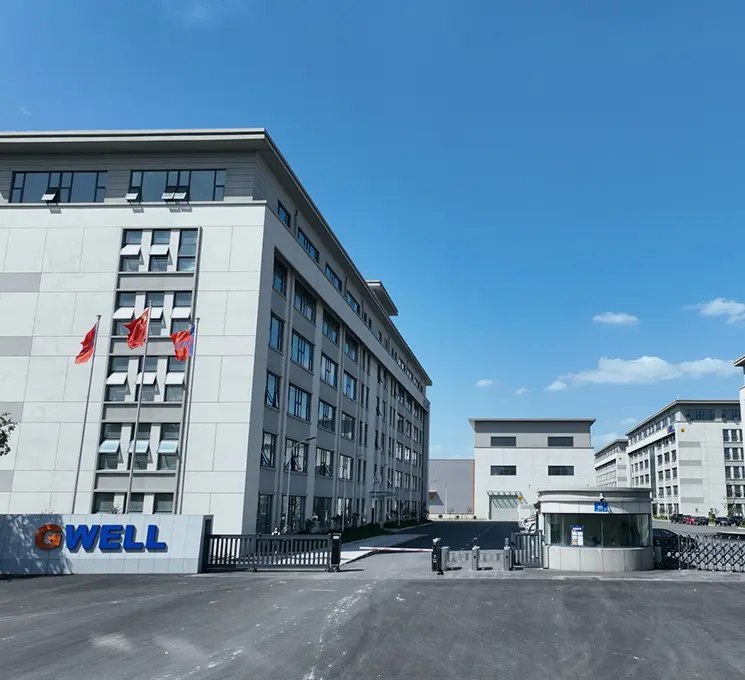
Our strategy for global market integration, technical alignment, and future engineering goals.
Selling high-precision vertical stretching and film extrusion machinery globally requires compliance with regional engineering standards. GWELL conforms to mechanical safety frameworks such as European CE, North American UL/NFPA 79, and international ISO 9001. All control systems, wiring, and pressure vessels meet strict safety standards, ensuring smooth site inspections and fast installation approvals at destination plants.
Looking ahead, GWELL's development roadmap focuses on digital integration and speed optimization. For high-speed lines, we are working on induction heated preheating rolls. This technology allows for quicker temperature adjustments compared to oil circulation loops, reducing the time required when switching between different film thicknesses. Our engineering teams are also testing carbon fiber composites for roller construction. These materials reduce rotational inertia, helping to prevent web marks and surface scratches during high-speed operation.
Machinery designed in accordance with machinery directives (EN ISO 13849-1), providing functional safety control architectures (PLd/PLe).
Secure VPN gateways allow GWELL engineers to perform remote troubleshooting, code optimization, and parameter tuning worldwide.
Dedicated technical documentation, operation handbooks, and hands-on commissioning support ensure operating teams run production lines efficiently.
Our manufacturing footprint, research collaborations, and engineering resources ensure stable, long-term equipment performance.
Collaborating with universities and research institutes helps us design high-efficiency machinery that keeps pace with industry changes.
Providing end-to-end support, including system design, manufacturing, on-site commissioning, and ongoing spare parts availability.
Three major bases with an annual production capacity of over 1000 lines, ensuring reliable delivery schedules for major industrial setups.
Our products are exported to industrial processing facilities worldwide, backed by global service networks and local partners.
With 500 total employees and over 100 engineering specialists, we maintain high standards across assembly, programming, and service.
Located near main ports and shipping routes, allowing for efficient logistics and heavy machinery transport to global destinations.
Expert engineering answers regarding design configurations, temperature settings, and material handling for vertical stretching lines.
Recent developments in plastic extrusion systems, industry events, and product launches from GWELL.
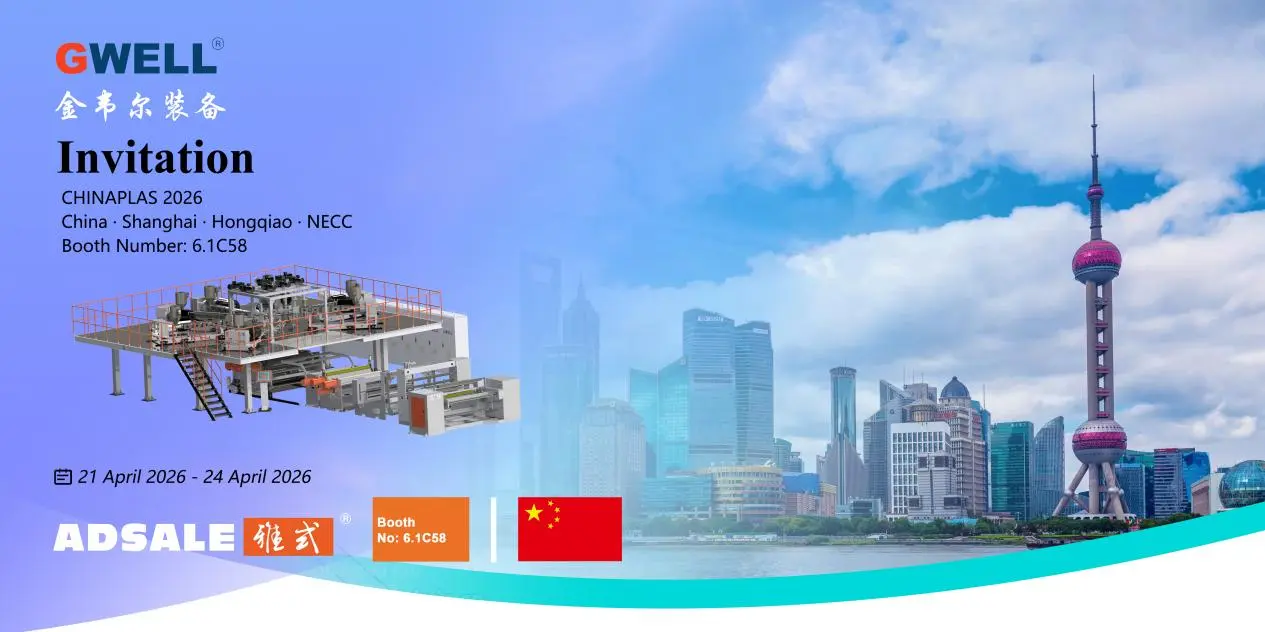
GWELL will demonstrate its latest sheet, film, and board extrusion machinery at upcoming global plastics exhibitions.
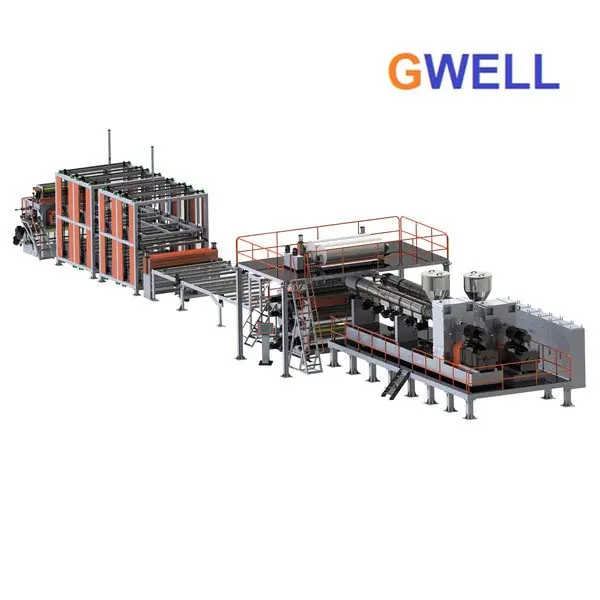
Designed to address the growing demand for synthetic leather alternatives in automotive and interior applications.
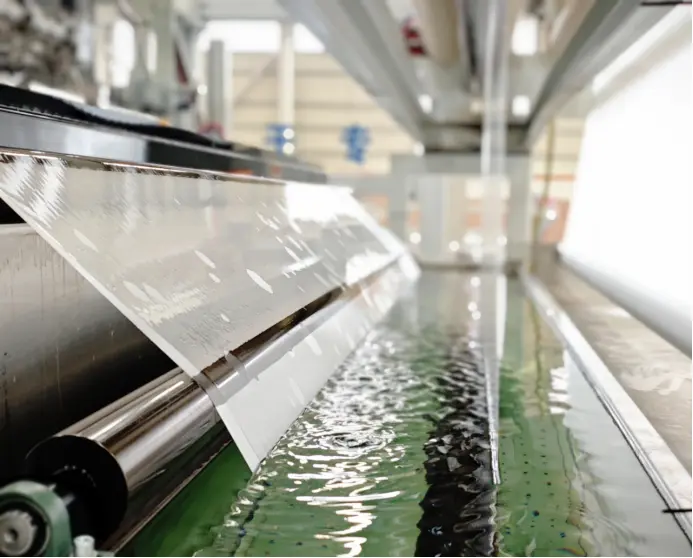
GWELL's updated PVB line features high-precision thickness controls to meet automotive glass interlayer requirements.
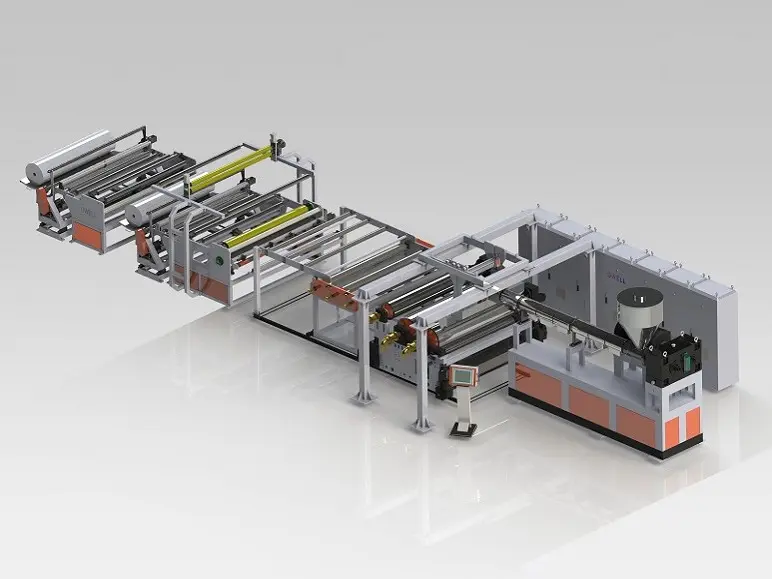
Our technical team has completed commissioning on a new high-speed decorative film line, delivering consistent surface quality.
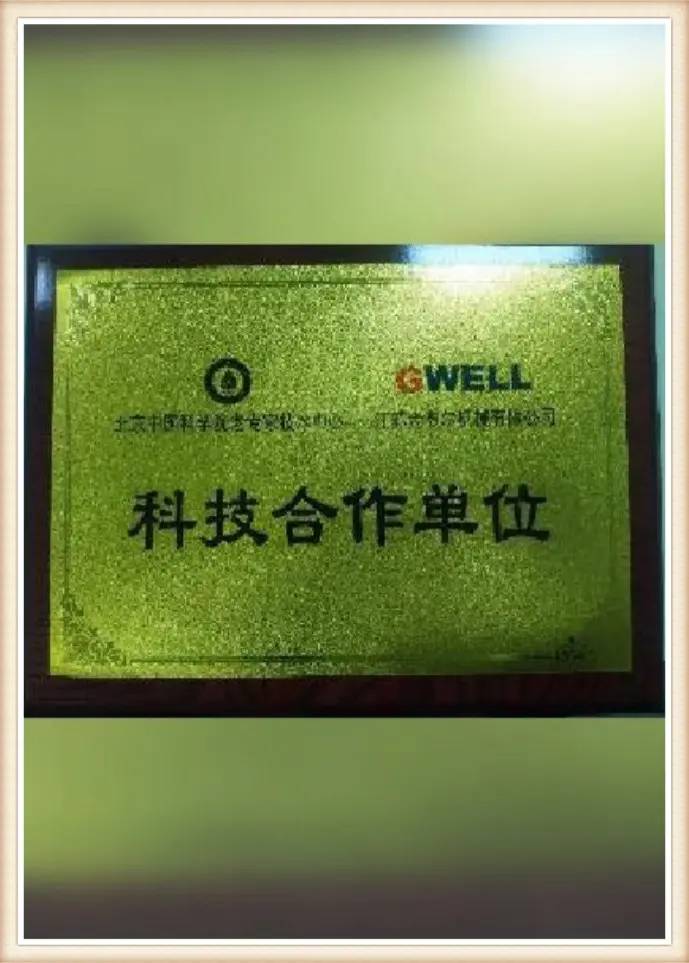
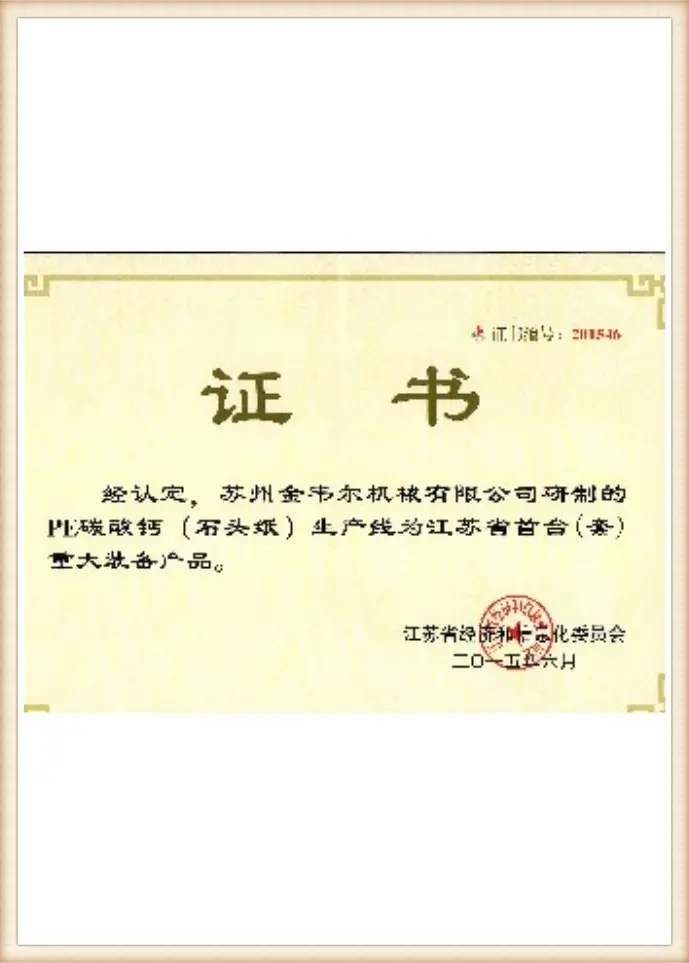
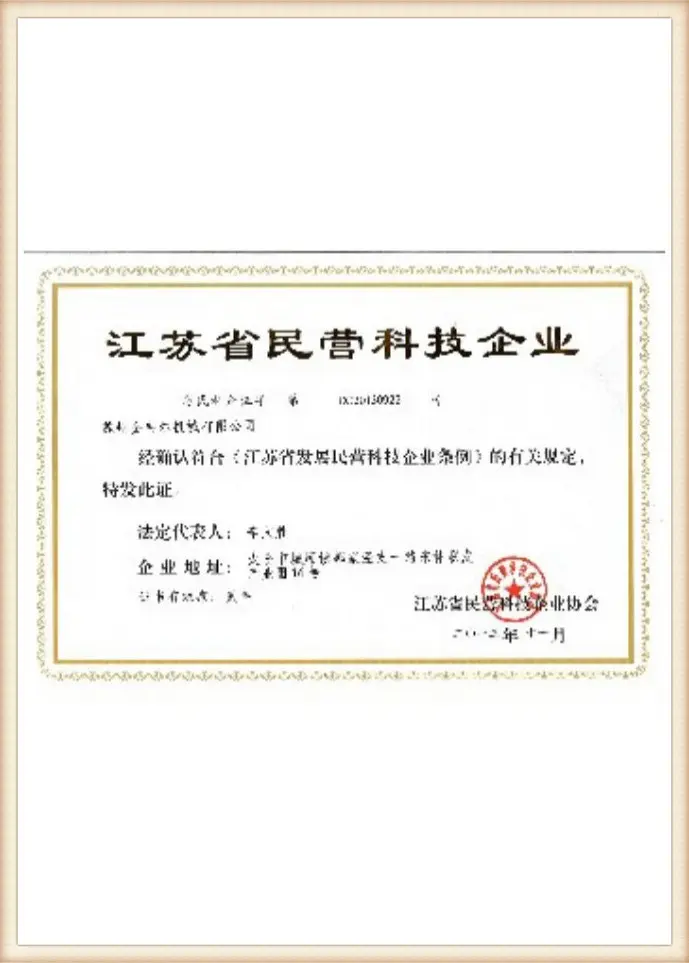

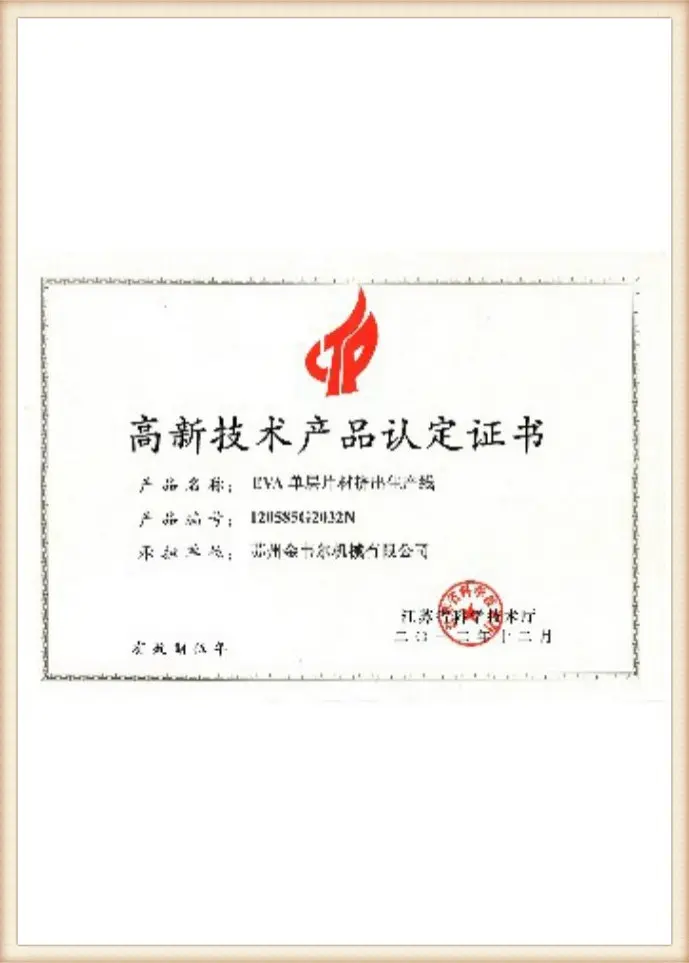
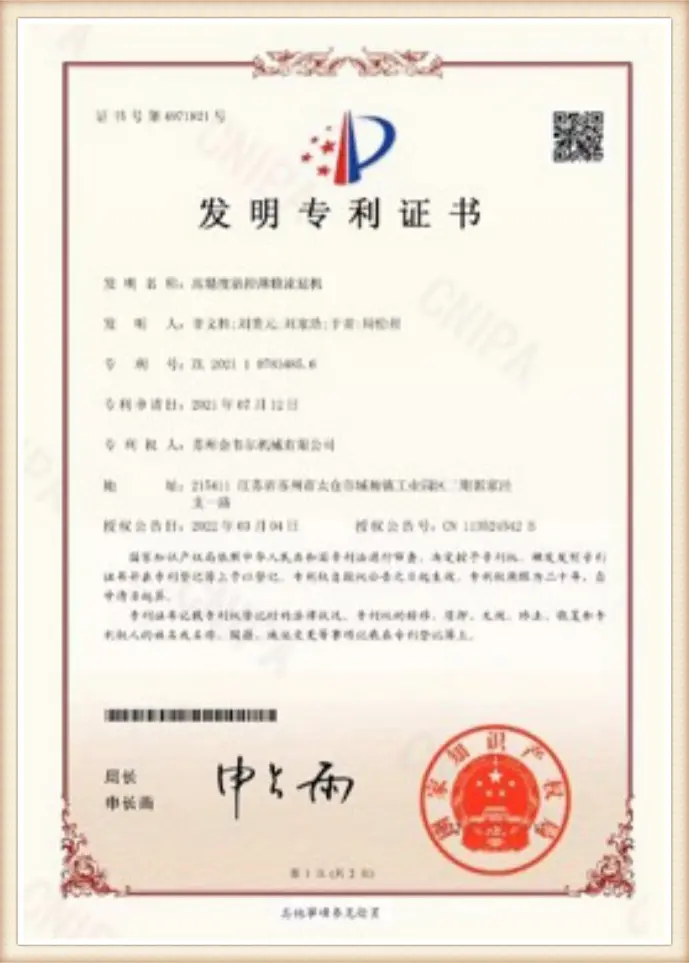
GWELL's R&D capabilities and machining standards are recognized by industry partners globally. Contact us for custom configurations and technical specifications.
Explore further specialized machinery solutions designed for optical sheet, board, and renewable film production.