
Engineered to deliver high optical properties, precise gauge control, and energy-optimized processing paradigms.
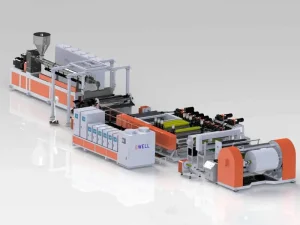
High-efficiency mineral-fill processing machinery utilizing calcium carbonate and high-polymeric binders for sustainable paper substitutes.
Explore Details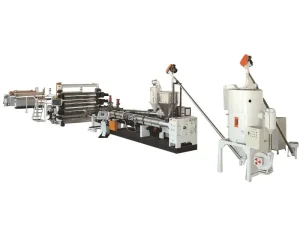
Optimized multi-layer board manufacturing setup equipped with precision feedblocks and high-capacity calenders for cooling liners.
Explore Details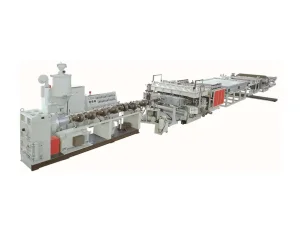
Industry-standard line for co-extruded hollow sun-sheets. Features specialized vacuum calibrators and UV co-extrusion technology.
Explore Details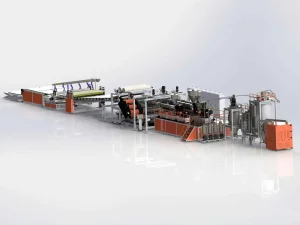
Specialized cast systems for engineering solar glass laminations, delivering outstanding optical clarity and long-term weathering stability.
Explore Details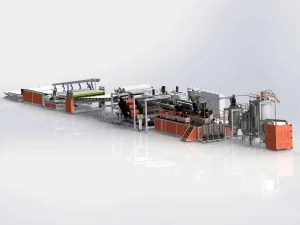
High-precision optical plate machinery for producing light-diffusion sheets used extensively in LED panel lighting and screens.
Explore Details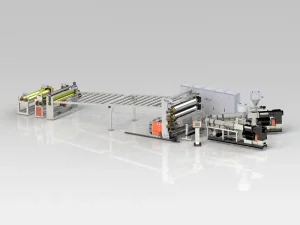
Precision-engineered calenders and extruders tailored for high-clarity PVC thermoforming applications and barrier packaging structures.
Explore Details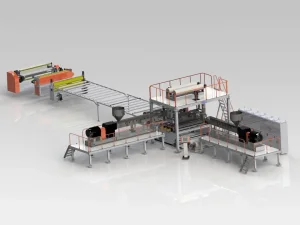
Heavy-duty civil engineering sheet line optimized for geogrids, geomembranes, and architectural waterproofing structural barriers.
Explore Details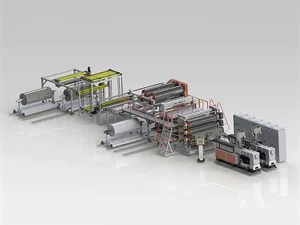
Advanced cast film technology for manufacturing high-precision paint protection films (PPF) with superior self-healing features.
Explore DetailsUnderstanding the micro-mechanics and macroeconomics of selecting a high-tier production partner.
The manufacturing landscape for Polycarbonate (PC) sheets has evolved from standard structural extrusion to highly specialized polymer physics operations. Across the globe, demand for high-strength optical, multi-wall hollow, and corrugated polycarbonate sheets has surged. Industry reports show rapid expansion in infrastructure sectors like green-building glazing, automotive safety screens, aerospace interiors, and high-performance electronics components. Polycarbonate's exceptional impact resistance (250 times stronger than glass) and light transmission (up to 92%) make it a material of choice. However, achieving these performance metrics consistently requires an advanced extrusion system.
Finding a reliable Custom PC Sheet Machine Supplier involves looking beyond standard machinery sellers. Real value lies in custom-tailored polymer processing lines. Industrial operations face challenges like resin degradation, volatile moisture levels, thermal stress build-up in the extrudate, and precision limitations during co-extrusion. Modern systems address these challenges with custom extruder designs, including co-rotating twin-screw vented systems or high-torque single-screw extruders. These systems operate at precise L/D ratios (usually between 30:1 and 36:1) to maintain process stability and deliver high polymer throughput.
Key technological advancements are shaping the global market for custom PC sheet machines. One major development is the shift toward multi-wall configuration extrusion technology. Hollow sun sheets with structures ranging from double-wall up to complex honeycomb and seven-wall geometries are increasingly used. These structures help reduce heating and cooling demands in architectural glazing. To produce these products efficiently, manufacturers rely on specialized vacuum sizing tables and precise calibrators. These components allow the core ribs to solidify at high line speeds without losing dimensional stability.
Another major trend is the development of UV protection co-extrusion technology. Polycarbonate naturally degrades, yellows, and becomes brittle when exposed to sunlight. To prevent this degradation, modern extrusion lines co-extrude a thin, uniform UV-protective coating (usually between 30 to 50 microns) onto one or both sides of the sheet. Modern co-extrusion feedblocks allow manufacturers to distribute this UV protection layer evenly across the entire sheet width, keeping scrap rates low and keeping material usage within target specifications.
Setting new industry standards through advanced engineering and robust manufacturing bases.
China Gwell Machinery Co., Ltd. is a high-tech enterprise specializing in the design and manufacture of high-performance plastic extrusion lines for film, sheet, and profile applications. Relying on our group's technical capabilities, advanced manufacturing equipment, and commitment to innovation, Gwell focuses on high-tech products designed for international markets. Our core operating philosophy, "Expertise creates customers' values", guides our engineering and quality standards across all projects.
We operate three advanced production bases globally, covering a total construction area of 866,000 square meters. Our team includes over 100 dedicated engineers and 500 manufacturing specialists. With an annual production capacity exceeding 1,000 advanced extrusion lines, Gwell provides the technical capacity and manufacturing scale to support projects of all sizes.
Why leading manufacturing firms choose Gwell for complex sheet extrusion projects.
We collaborate with top universities and research institutes to design and integrate advanced plastic processing systems.
We offer end-to-end service support, from initial design and layout planning to site installation, calibration, and training.
Our three production bases can output over 1,000 extrusion lines annually, ensuring reliable delivery timelines for large projects.
Our extrusion machinery is exported globally, operating in production facilities across North America, Europe, Asia, and Latin America.
Over 500 skilled professionals, including 100+ design engineers, focused on continuous innovation and product quality.
Located near major shipping ports and transportation hubs, allowing for efficient logistics and equipment shipping worldwide.
Explore our engineering capabilities across different plastic processing lines.
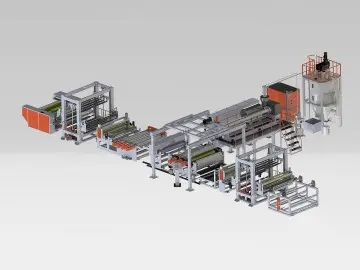
High-efficiency weather-resistant film line for roofing and cladding laminates.
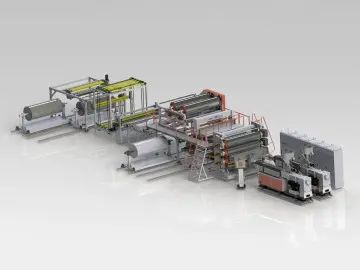
For high-elasticity polyurethane film lamination onto textiles or industrial backings.
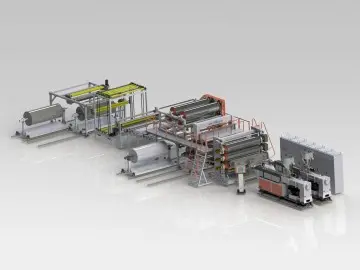
Engineered for technical membranes, waterproof barriers, and medical-grade films.
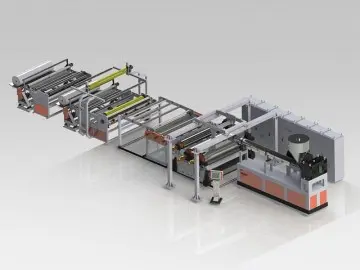
Optimized for weather-resistant photovoltaic backplanes and chemical protection linings.
For producing automotive windshield interlayers with precise thickness profiles.
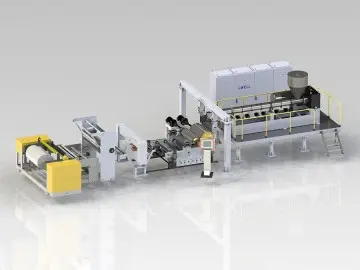
For biodegradable, water-soluble packaging applications.
Where advanced automation, energy conservation, and co-extrusion technology are heading.
The engineering requirements for polycarbonate extrusion are moving toward integrated digital control and improved energy efficiency. In traditional systems, drying raw PC resin is energy-intensive, often requiring 4 to 6 hours at temperatures above 120°C to reduce moisture levels to under 0.02%. Modern setups address this with infrared rotary drum dryers. These systems dry and crystallize the raw material in approximately 15 to 20 minutes, reducing energy use by up to 60%. Incorporating devolatilizing twin-screw extruders also allows processing without pre-drying, improving throughput and processing speed.
We are also seeing increased adoption of Closed-Loop Gauge Control Systems. These systems combine online nuclear or optical thickness scanners with automatic thermal lip T-dies. The thickness scanner continuously measures the sheet and sends real-time profile data back to the T-die controller. The controller then adjusts individual heater zones along the die lip to correct thickness variations. This closed-loop process helps maintain sheet thickness tolerances within ±1% across the entire width of the extrusion line.
Future development will also focus on Bio-Polycarbonates and recycling loops. As global packaging and construction regulations tighten, manufacturers need systems that can process bio-based PC resins and post-consumer recycled (PCR) materials without losing optical clarity or impact resistance. Gwell's modern screw and barrel geometries are designed to handle these variations, allowing manufacturers to maintain high-quality output when processing recycled blends.
Expert answers to common engineering, process, and purchasing questions.
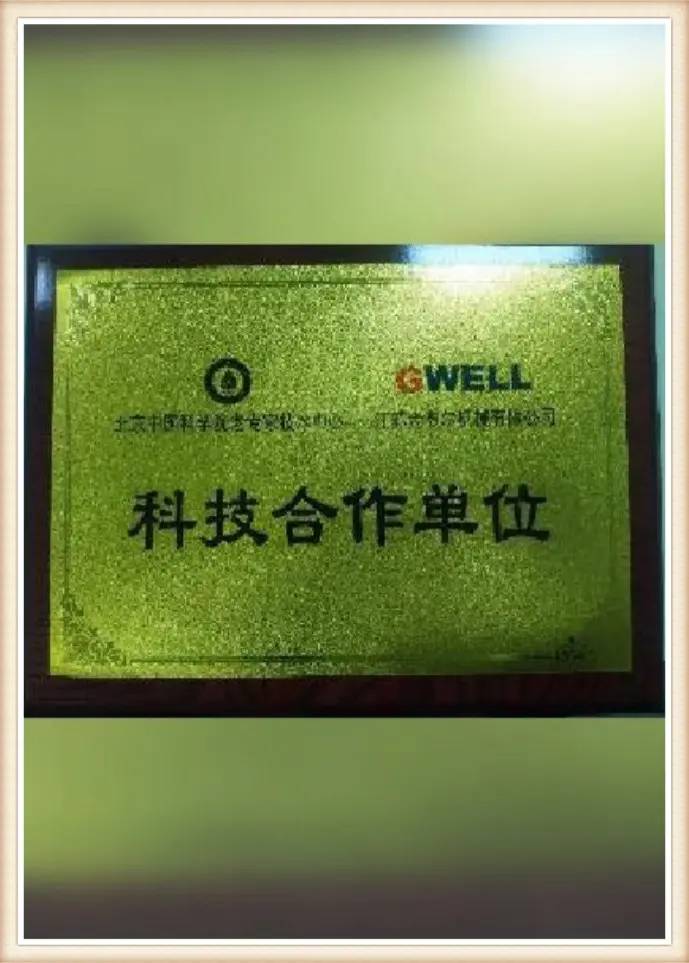
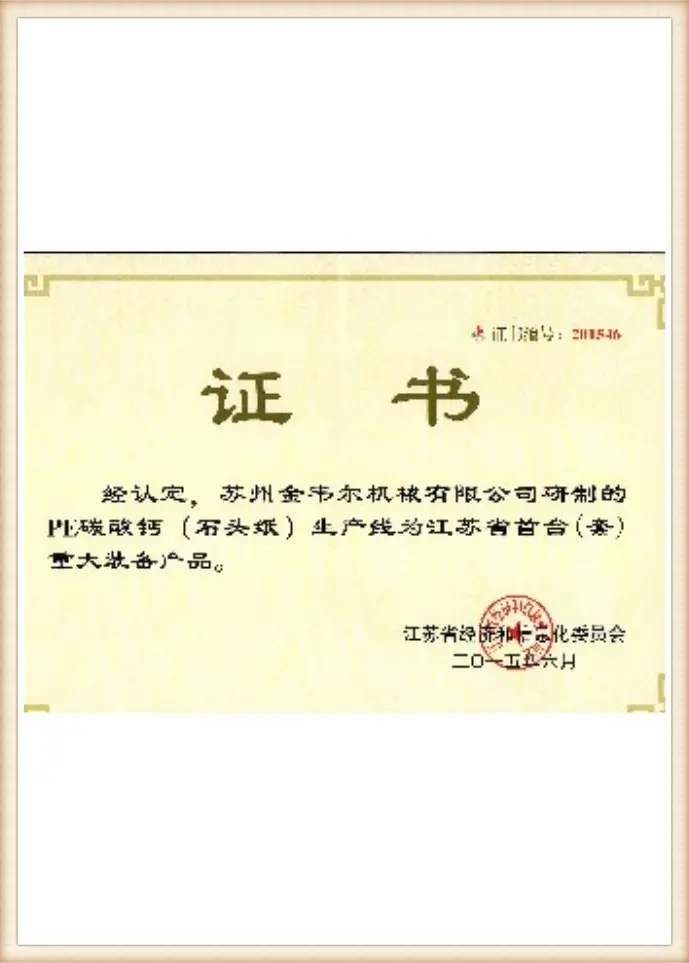
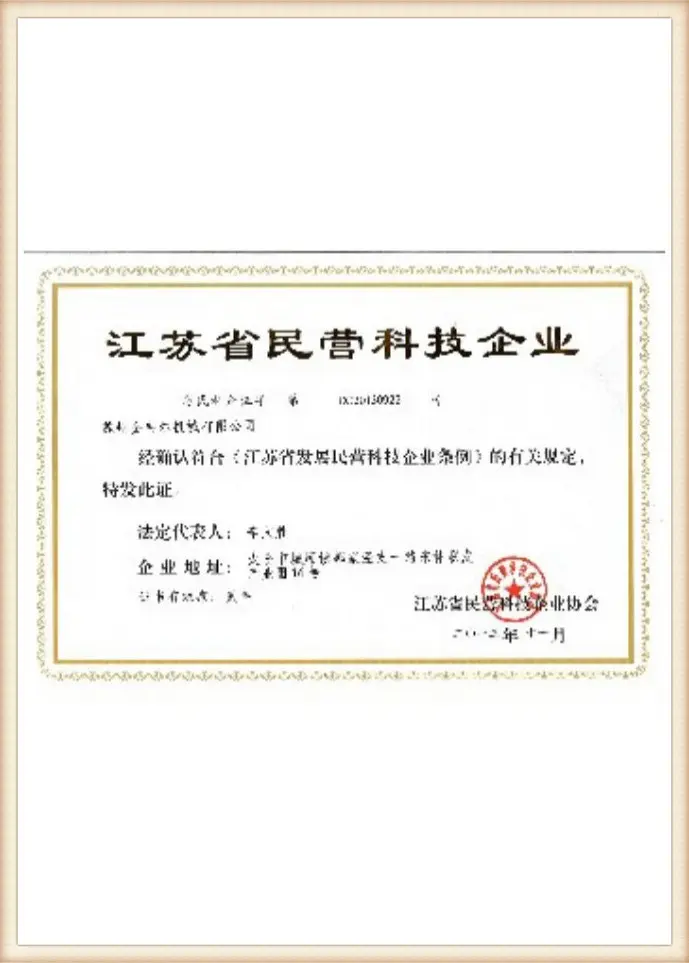
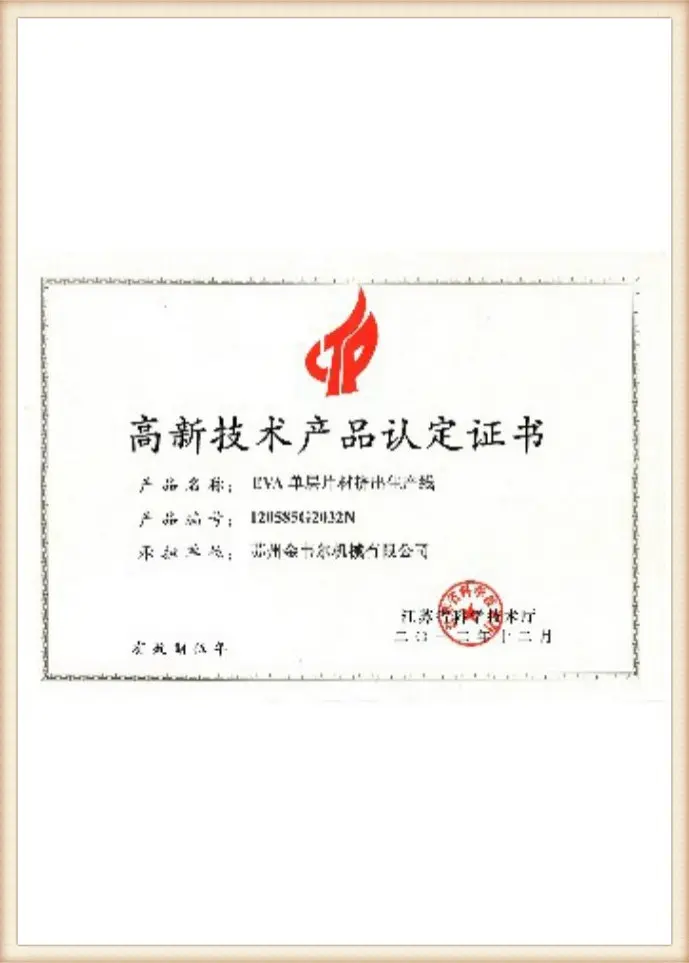
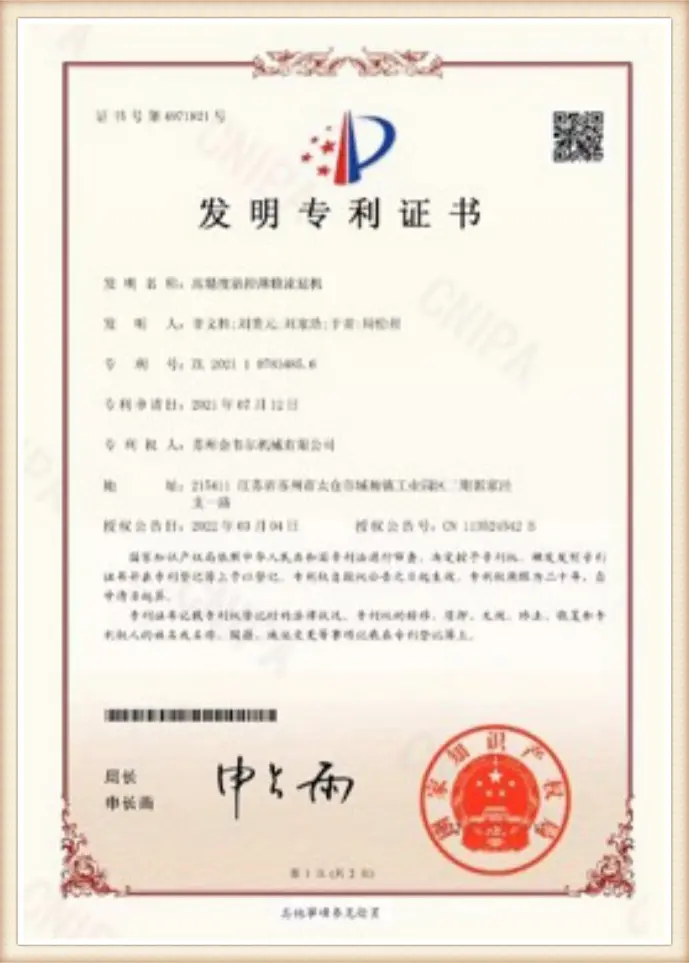
Quality and performance validated by international standards organizations.

Updates on product releases, technology developments, and international exhibitions.
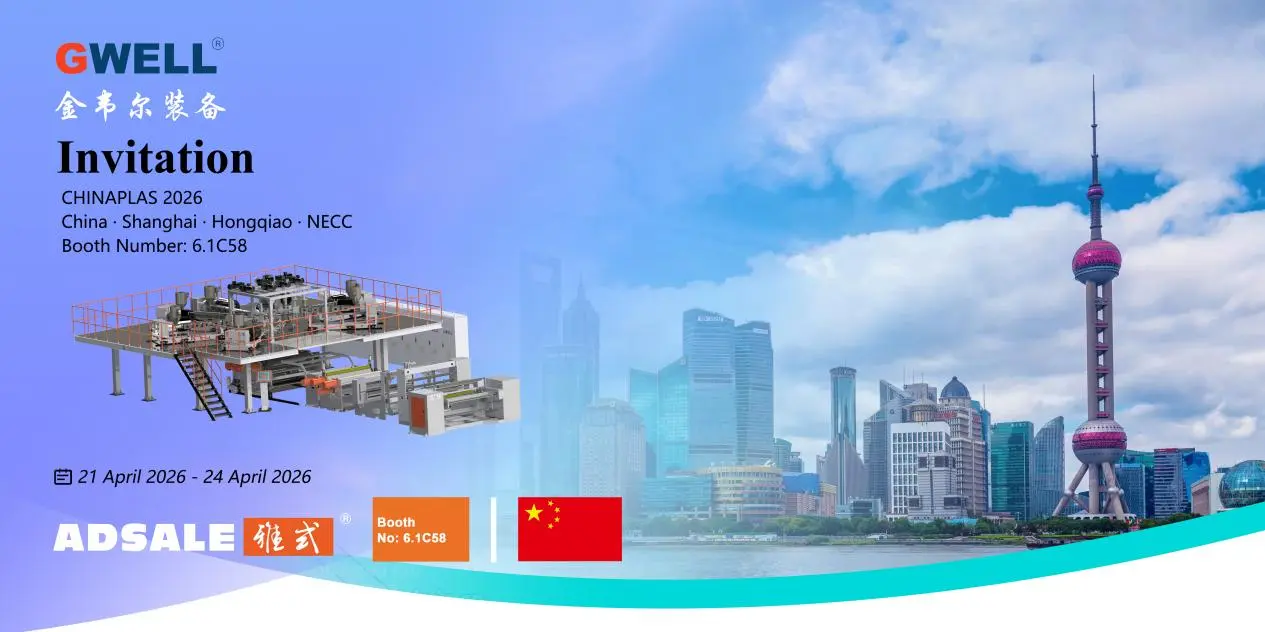
Demonstrating our latest developments in co-extrusion technology at upcoming industry exhibitions.
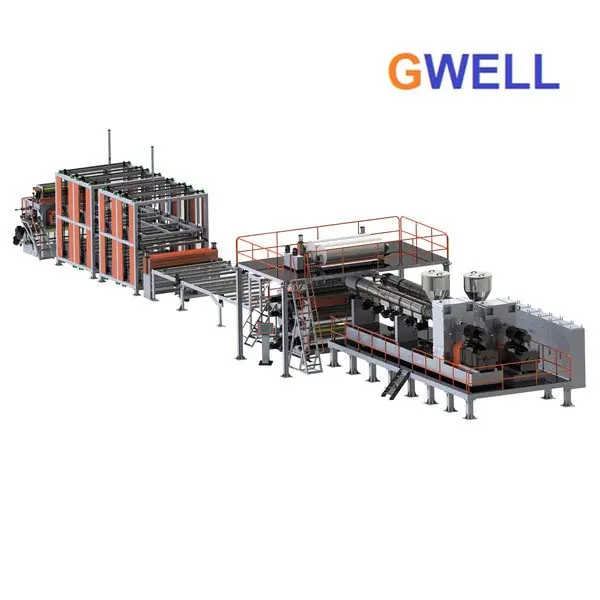
New extrusion systems for eco-friendly POE synthetic leather applications.
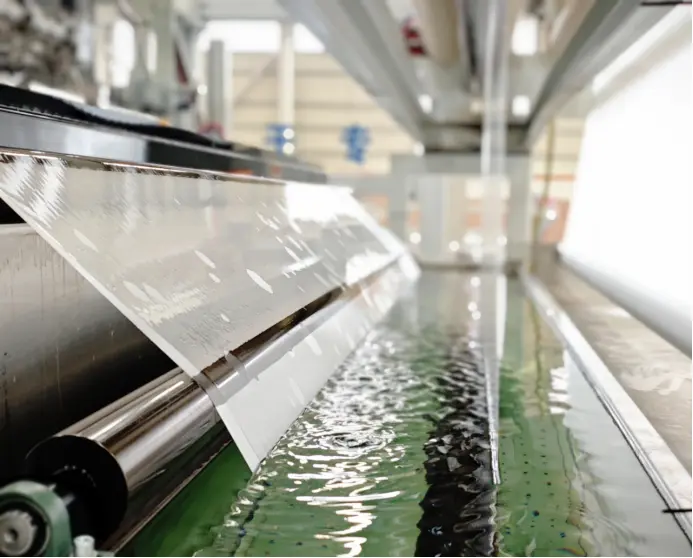
Gwell's PVB wedge film extrusion systems deliver high precision for automotive glass interlayers.
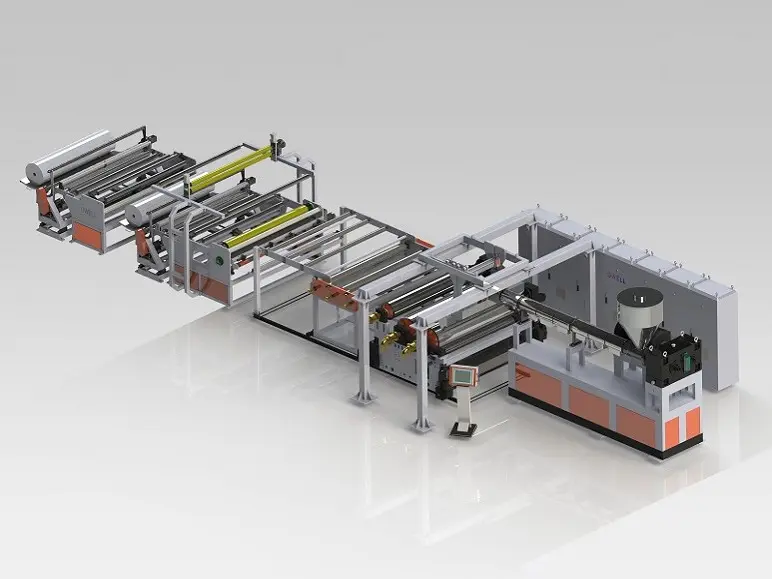
Custom PETG lines optimized for architectural surfaces and smart furniture laminates.
Collaborating with global enterprises to deliver reliable manufacturing systems.


Discuss your processing requirements, material specifications, and production goals with Gwell's engineering team.
Contact Gwell Engineers NowExplore more specialized machinery configurations for technical films, packaging sheets, and membranes.
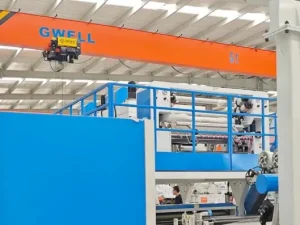
Optimized for food-grade meal boxes, thermoformed cups, and bowl covers with twin-screw devolatilization.
Explore Details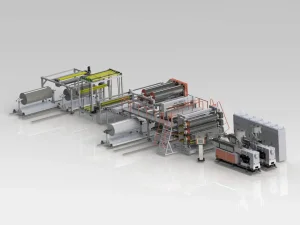
High-precision casting equipment designed to produce TPU films with consistent elasticity and optical clarity.
Explore Details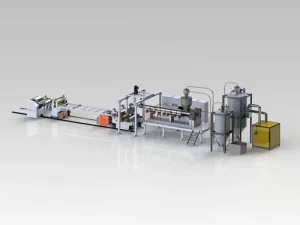
Multi-layer sheet co-extrusion technology for architectural decorative laminates and furniture surfaces.
Explore Details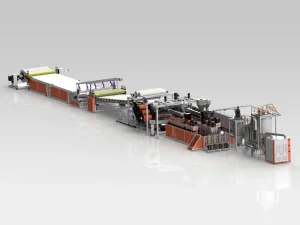
Co-extrusion line with fine-tuning T-dies for manufacturing high-impact refrigerator liners and display panels.
Explore Details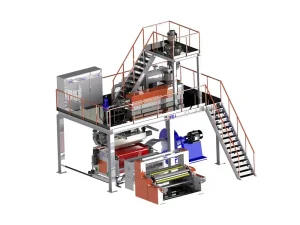
High-performance fiber attenuation systems designed to produce filtration media for medical and industrial applications.
Explore Details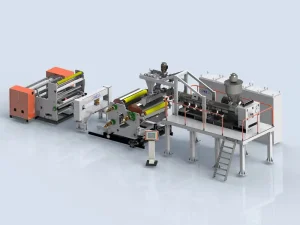
High-speed solar encapsulation film line with shrinkage control and automated winding systems.
Explore Details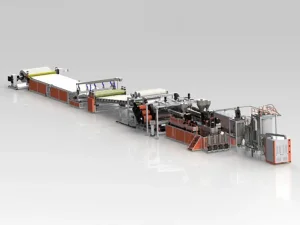
Designed for manufacturing optical panels, light guides, and high-clarity sheets for electronic displays.
Explore Details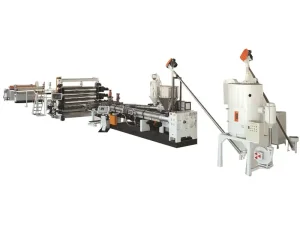
High-torque compounding extrusion line for automotive interior sheets, luggage shells, and technical covers.
Explore Details