
Explore our premier line of industrial co-extrusion machinery engineered for high precision, scalability, and structural performance.
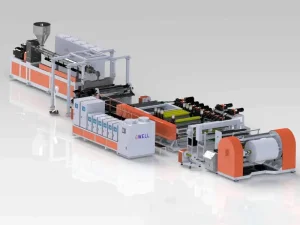
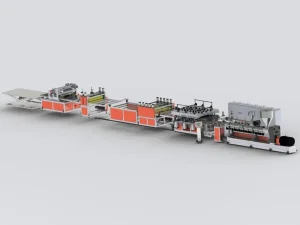
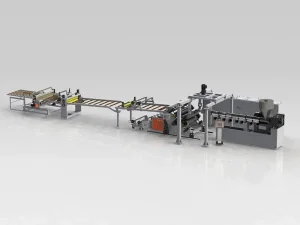
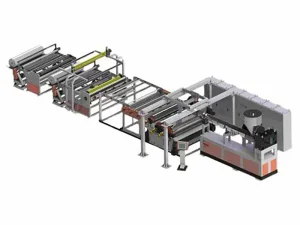
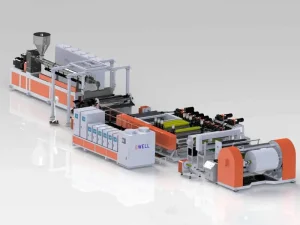
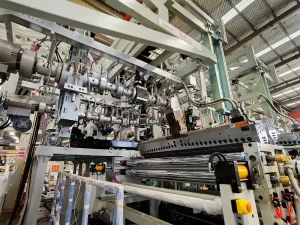
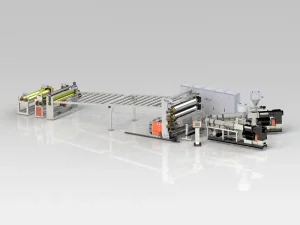
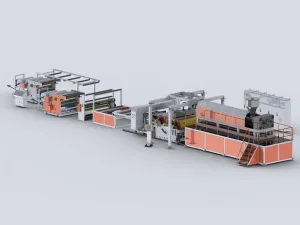
A comprehensive overview of high-performance polymer extrusion, melt dynamics, and precision manufacturing setups for structural optical materials.
Optical grade sheets constructed from Polycarbonate (PC) and Polymethyl Methacrylate (PMMA) are core enablers of modern high-definition display interfaces, smart device interfaces, automotive head-up display units, and photolithography-safe optical protective screens. Designing machinery capable of processing these resins requires strict mitigation of thermal degradation, shear stress, and atmospheric particulate contamination.
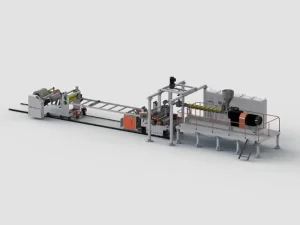
Our optic sheet extrusion lines operate with active thermal stabilization control, preserving the molecular uniformity of PC and PMMA matrices to eliminate visual distortion (chromatic aberration) caused by localized residual stress during calendar solidification.
Our line employs single-screw or co-rotating twin-screw architectures paired with deep-vacuum degassing systems, reducing moisture content and volatile residuals to levels under 20 ppm. This configuration guarantees the complete prevention of bubbles, micro-voids, and cosmetic surface micro-pores.
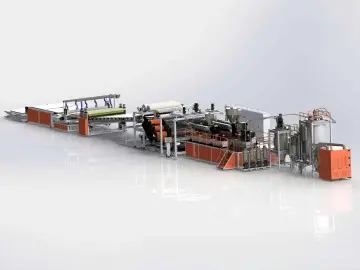
| Specification Metric | PC Optical Sheet Configuration | PMMA Optical Sheet Configuration |
|---|---|---|
| Extrusion Capacity | 300 - 650 kg/h | 250 - 600 kg/h |
| Thickness Uniformity | ± 0.015 mm (via Automatic T-Die) | ± 0.010 mm (via Closed-Loop Control) |
| Calender Configuration | 3-Roll Vertical / Inclined Mirror Finish | High-Precision Multi-Roll Electroplated Chrome |
| Light Transmission Rate | Up to 89% (Optical Grade) | Up to 92.5% (High Transparency) |
| Raw Material Drying Setup | Honeycomb Dehumidifying Dryers (Dew point < -40°C) | Continuous Desiccant Air Dryer System |
Pioneering advancements in multi-layer co-extrusion, inline functional coatings, and intelligent predictive operations.
Integrating mechanical resilience with optical performance. The co-extruded PMMA/PC composite sheet leverages the hardness of PMMA on the outer protective surfaces while keeping the structural, impact-resistant polycarbonate as the core layer. Our advanced feedblock designs yield sub-micron layer interface uniformity.
Developing integrated laminating stations that apply anti-glare (AG), anti-reflective (AR), and anti-fingerprint (AF) chemical treatments directly during sheet formation. This inline step removes the need for secondary offline vacuum deposition processing, lowering factory emissions and production costs.
Integrating downstream optical scanning sensors with predictive thermal-lip dies. Real-time deviations in gauge thickness or surface optical density trigger instantaneous localized micro-heating corrections at the die lip, achieving steady-state operation with minimal operator supervision.
Adapting extrusion systems to meet high-performance requirements across global consumer electronics, automotive design, and cleanroom sectors.
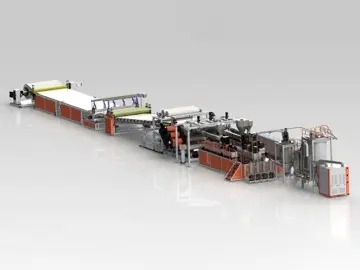
Different application environments demand customized plastic sheet formulations and unique surface textures. Our machinery supports multi-purpose downstream configurations:
Combining modern manufacturing methods, material science, and large-scale output to deliver high-precision machinery worldwide.
China Gwell Machinery is a high-tech enterprise dedicated to the design and manufacture of plastic extrusion lines for Film, Sheet, and Profile. Relying on the powerful technology and equipment of the group and an innovative spirit, Gwell commits to the development of high-tech products for the international market. Our operating philosophy is: "Expertise creates customers' values."
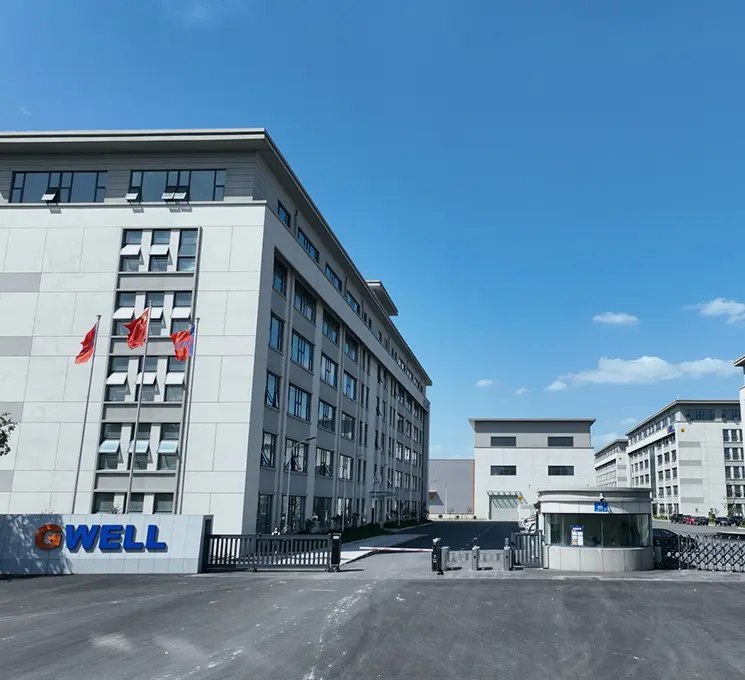
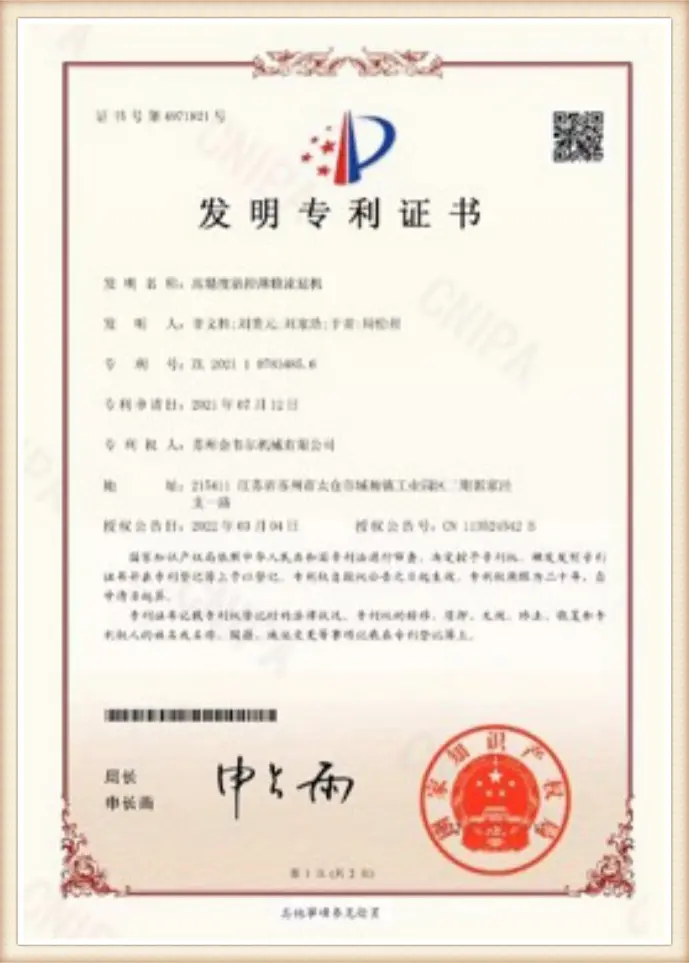
We collaborate with universities and research institutes to develop high-tech machine configurations, incorporating precision melt filtration and smart control interfaces.
We provide end-to-end commissioning, technical support, operator training, and field servicing to maximize line uptime.
Three major manufacturing facilities in China ensure reliable delivery times for large-scale equipment shipments.
Ensuring smooth customs clearance, simplified installation, and reliable operation across North American, European, and Asian manufacturing hubs.
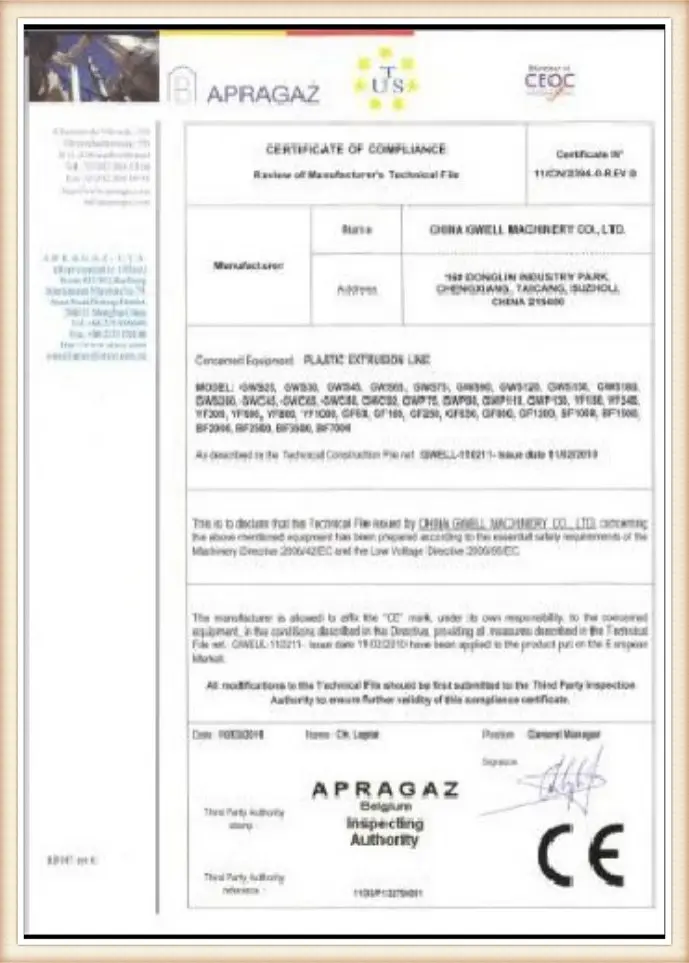
Procuring heavy industrial capital machinery requires compliance with complex regional electrical and safety frameworks. GWELL delivers pre-engineered platforms complying with international standards:
Every extrusion line is pre-assembled and dynamically tested under simulated load conditions before dispatch. Global buyers can access live factory testing via secure streaming channels, validating torque, thickness tracking, and safety performance.
Browse our four core technical divisions covering cast film, structural board, sheet extrusion, and solar clean-energy applications.
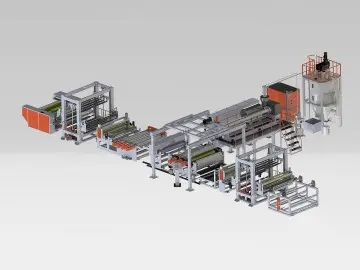
Designed to produce highly weatherable protective films, Gwell Machinery proudly integrates co-extrusion technology for outdoor durability.
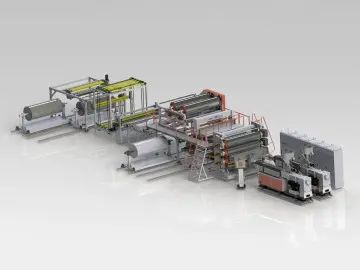
Tailored for high flexibility, TPU films manufactured on Gwell lines offer excellent adhesion for composite structures.
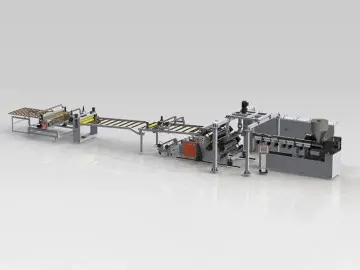
High-performance engineering plastic extrusion for chemical processing, electronics, and aerospace environments.
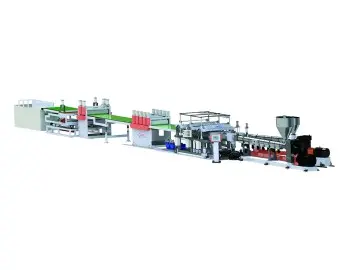
High production efficiency featuring automated controls and optimized melt temperatures for construction panels.
Answers to common questions regarding optical-grade sheet extrusion technology, processing parameters, and equipment configurations.
A: PC requires high processing temperatures (260°C - 310°C) and is highly sensitive to moisture degradation, demanding specialized dehumidification drying system configurations (dew points below -40°C). PMMA processes at lower temperatures (220°C - 260°C) but is highly susceptible to optical degradation under high shear stress, requiring specialized low-shear screw configurations.
A: Internal stress is minimized through precise thermal management of the three-roll calender unit. Each roll features an independent water/oil circulation channel with closed-loop PID temperature controller adjustment. This ensures the optical sheet cools uniformly, preventing molecular alignment locks that lead to birefringence.
A: Yes. For optical-grade sheets used in display systems, the winding, calender molding, and sheet cutting systems should be housed within a cleanroom environment (typically Class 1,000 to Class 10,000 rating). This setup prevents dust particles from settling on the hot sheet surface, which can cause micro-defects.
A: Our optical sheet extrusion setups are configurable for thicknesses ranging from 0.5 mm up to 8 mm. We use auto-lip T-dies connected with radiation-based thickness gauge feedback systems to maintain consistent thickness profiles across the web.
Insights, upcoming industrial showcases, and innovations from GWELL engineering laboratories.

Presenting new advancements in energy-efficient extruder motors and high-rate venting technology for structural polymers.
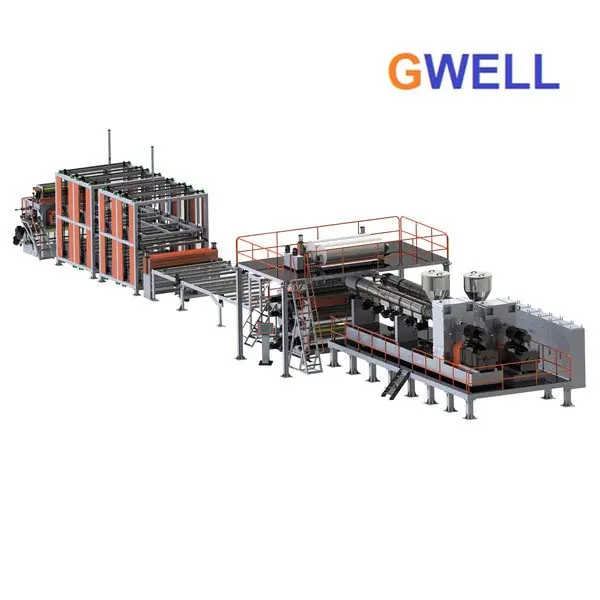
Introducing eco-friendly automotive composite alternatives that eliminate chemical solvent outgassing in cabins.
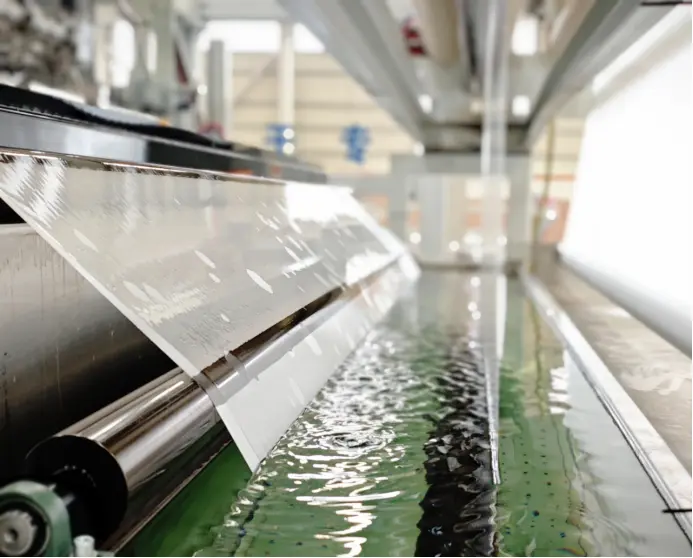
Providing high-precision PVB co-extrusion setups for head-up displays (HUD) in smart automotive applications.




Browse our wider portfolio of extrusion machinery supporting high-performance plastics and renewable energy materials.
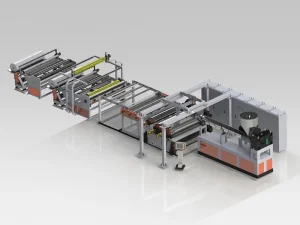
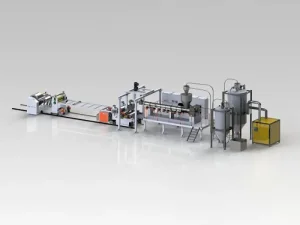
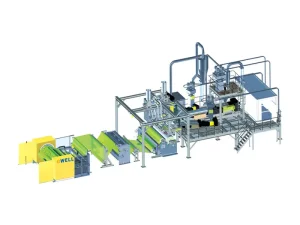
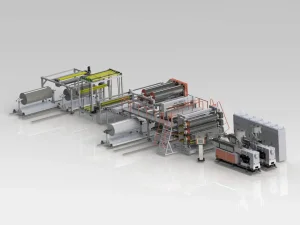
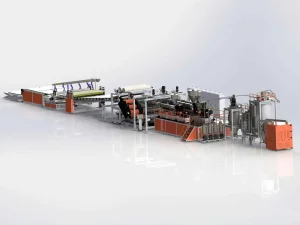
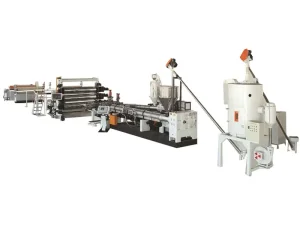
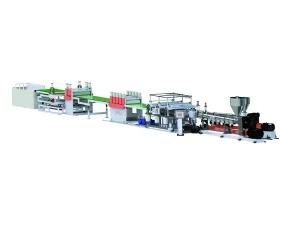
GWELL's R&D capability and precision machining capability are recognized by global plastics processors. Let us design your custom optic sheet production system.
Request Technical Proposal