1 / 1

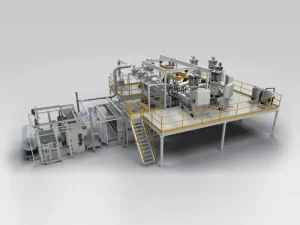
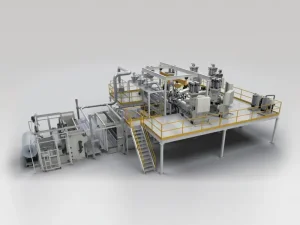
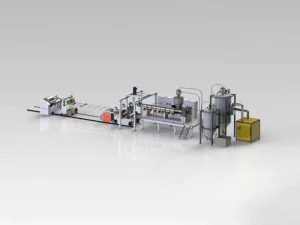
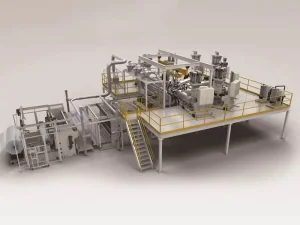
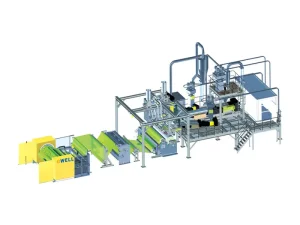
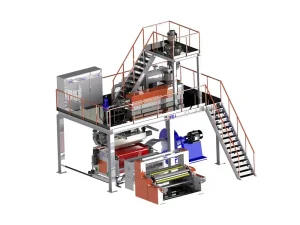
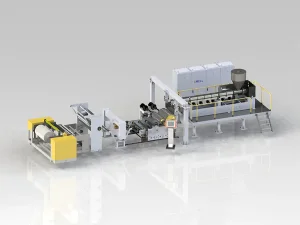
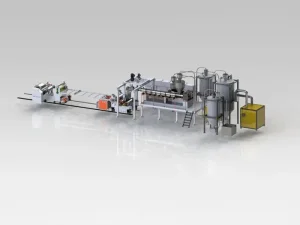
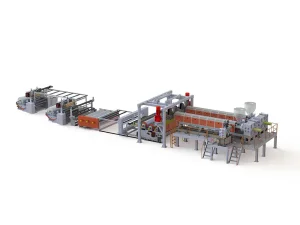
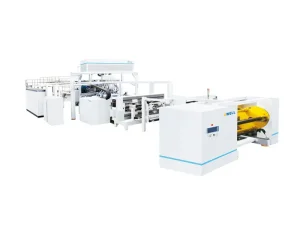
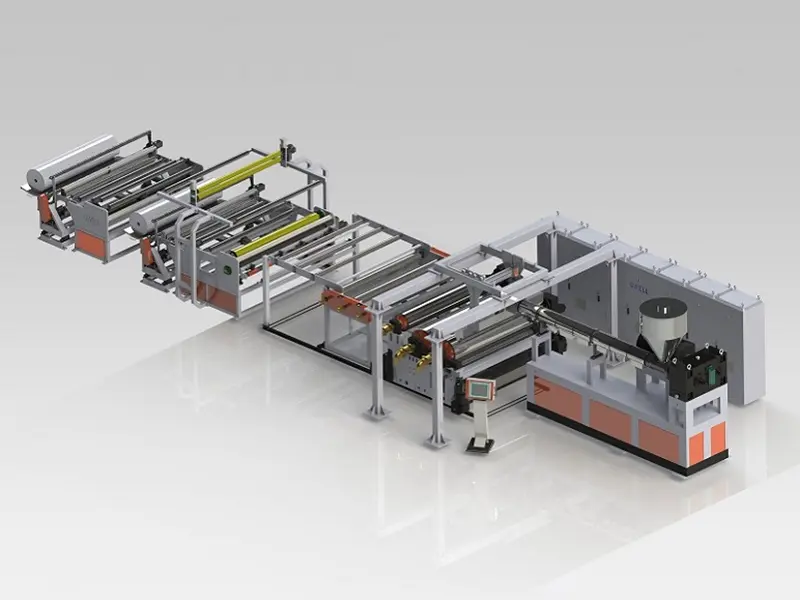
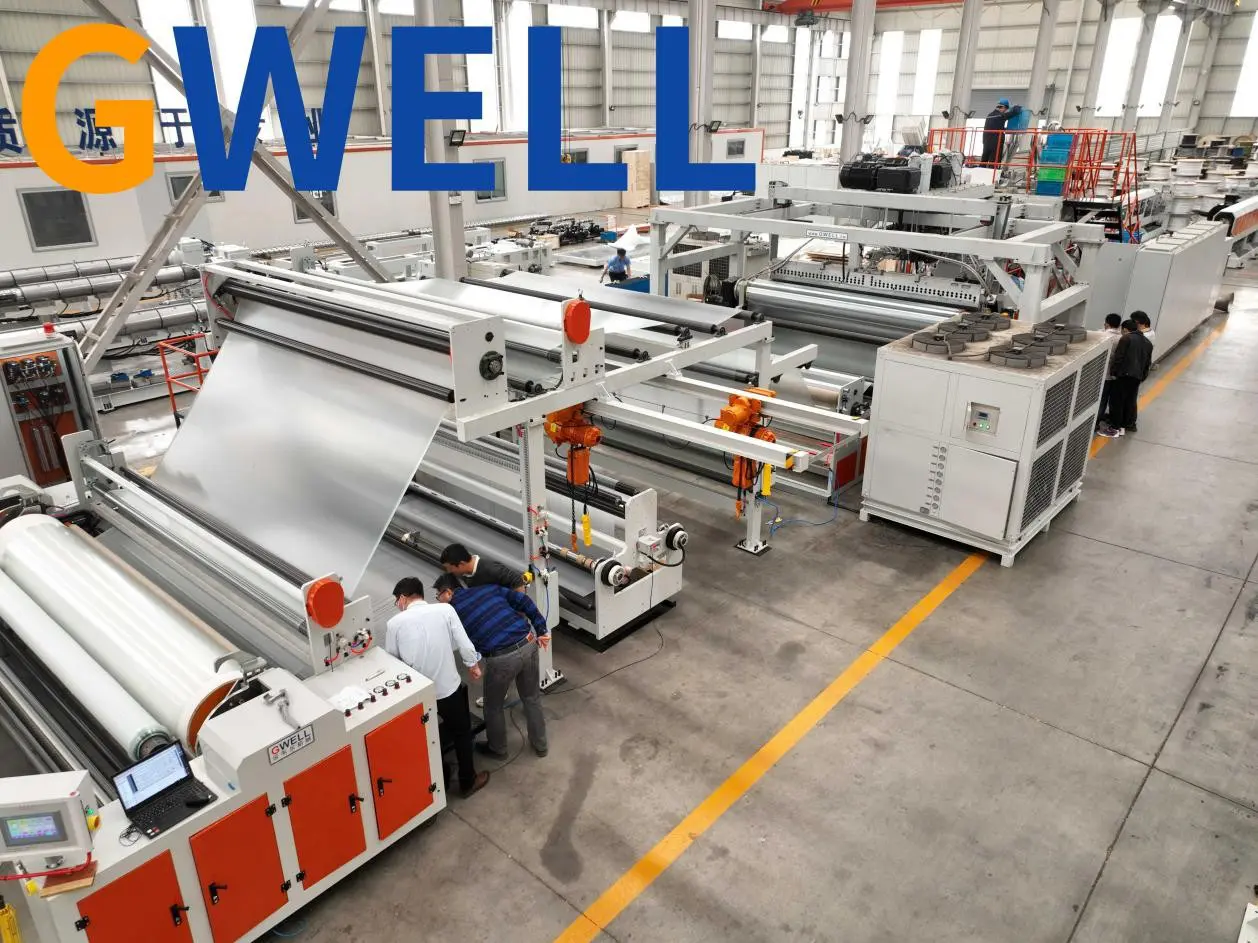
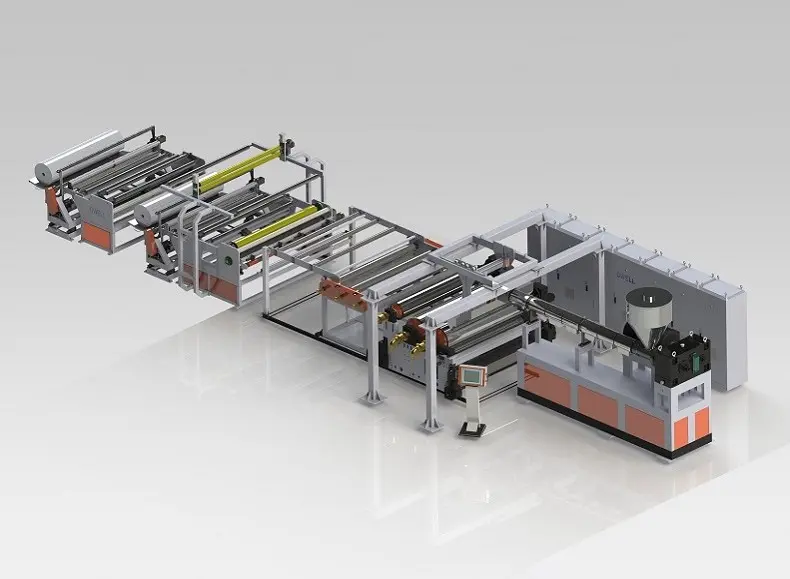
Equipped with a high-precision extruder specifically designed for PVB resin. Incorporates advanced temperature control systems to maintain optimal processing temperatures, ensuring smooth and uniform extrusion.
Custom-designed die with precision tooling to produce wedge-shaped films with consistent thickness gradients. Utilizes sophisticated cooling technology to quickly solidify the film as it exits the die, preserving the desired wedge shape.
Advanced calibration equipment ensures the film maintains its wedge shape and eliminates internal stresses. Precision cooling systems maintain consistent film properties throughout the production process.
Automated trimming and winding processes prepare the films for further processing or end-use applications. Ensures neat coiling into manageable rolls, minimizing waste and enhancing production efficiency.
High degree of automation with advanced sensors and monitoring tools for real-time process control. Provides real-time feedback on critical process parameters such as temperature, pressure, and film thickness gradients. Allows for swift and accurate adjustments, ensuring consistent production quality.
Incorporates precision metrology equipment to measure and verify the wedge angle, thickness gradients, and optical properties of the films. Ensures that the produced films meet stringent specifications for optical performance and dimensional accuracy.
Optical Lenses: Used in the production of precision optical lenses for applications such as photography, telescopes, and microscopes.
Wavefront Correction: Employed in wavefront correction devices for advanced imaging systems and laser applications.
Advanced Display Technologies: Suitable for use in displays requiring precise optical control, such as OLEDs and micro-LEDs.
Other Applications: Suitable for various other fields requiring precision optical films, including aerospace, defense, and medical imaging.
The PVB Wedge Film Extrusion Line is a state-of-the-art manufacturing solution designed to produce high-quality, precision optical films tailored for diverse applications. With its combination of advanced extrusion technology, precision engineering, robust automation, and commitment to precision metrology, this line sets the standard for excellence in the production of PVB wedge films. Whether for optical lenses, wavefront correction, or advanced display technologies, the extrusion line delivers the precision and performance required for cutting-edge applications.
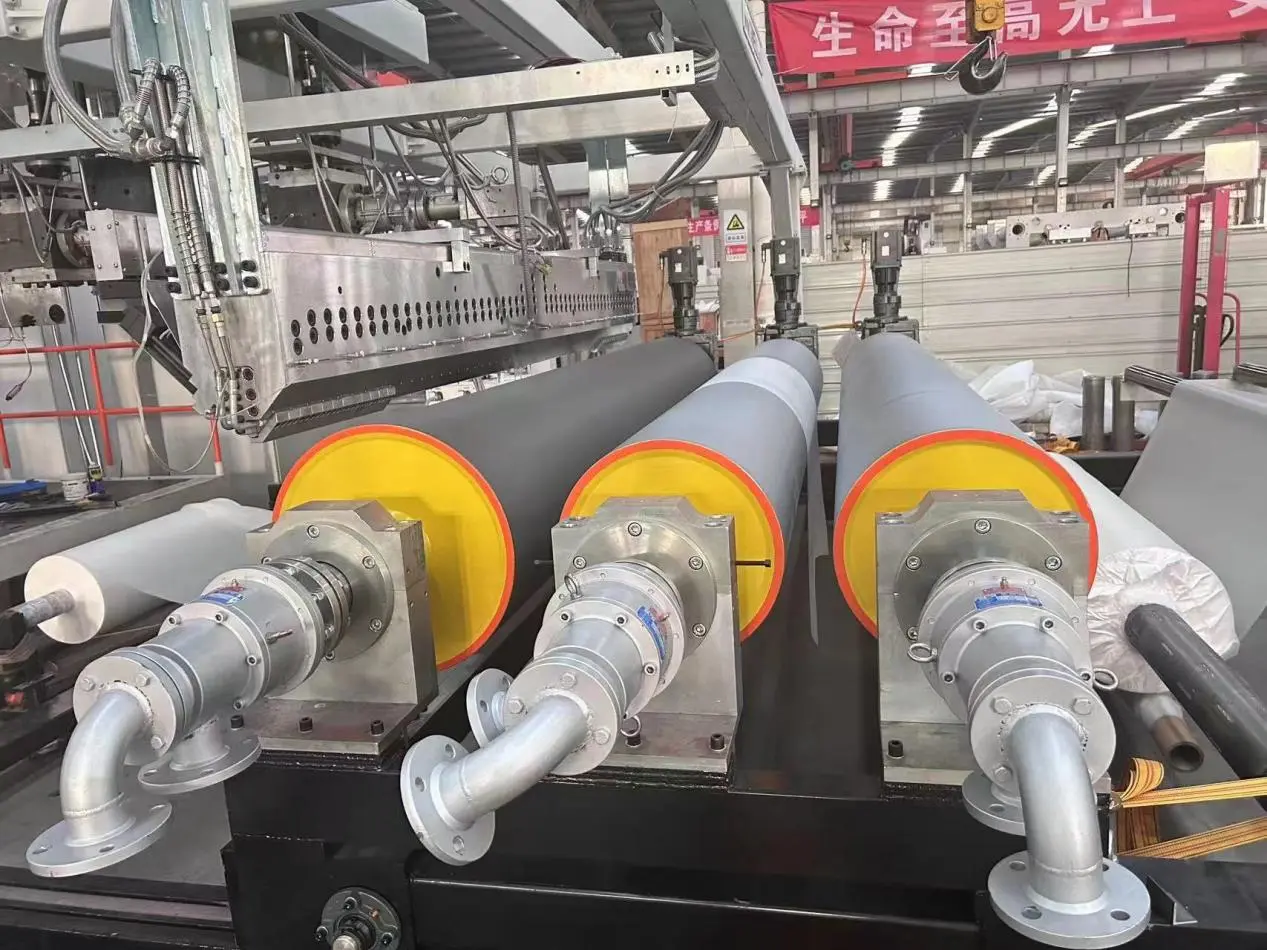
It is a kind of polyvinyl butyral (PVB) intermediate film with special conical thickness design. Unlike conventional PVB films of uniform thickness, one end of the wedge-shaped PVB film is thicker than the other, creating a slanted wedge Angle. This special design optimizes the refraction path of light as it passes through the film.
The core of wedge-shaped PVB film technology is to change the refraction path of light by adjusting the thickness distribution of the film. Specifically, when light from an AR-HUD is projected onto a windshield equipped with a wedge-shaped PVB film, the light is refracted non-uniformly through the wedge-shaped film layer. Since the thickness of the film gradually changes from top to bottom, the speed and direction of light propagation within the film will also change accordingly. This change allows the paths of the two reflected rays (one from the outer surface of the glass and one from the inner surface) to be closer together and even coincide in some cases, effectively reducing or eliminating ghostness.
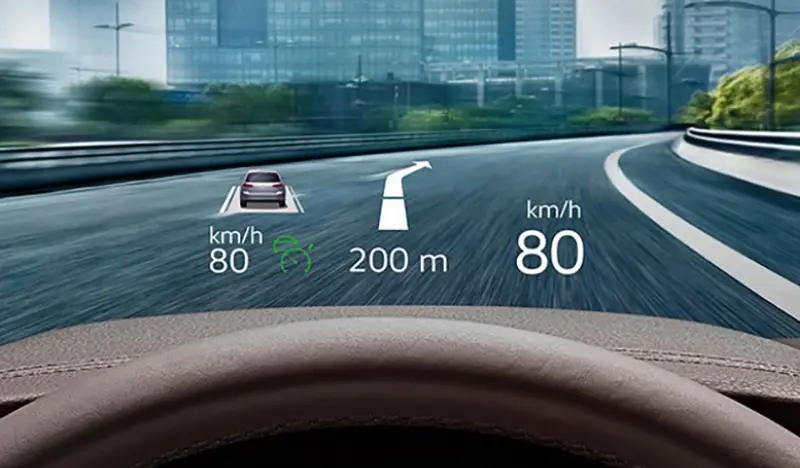
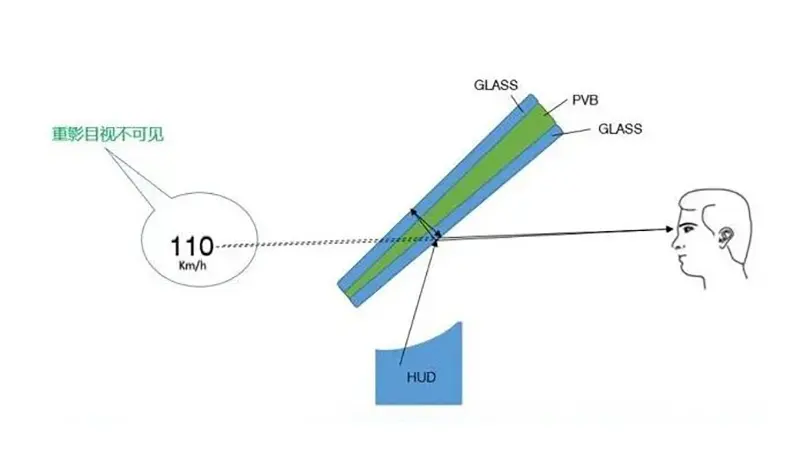
1. Head up display glass (applied to the front windshield) wedge film.
Improve imaging quality: Wedge-shaped PVB film technology can significantly reduce or eliminate the ghost problem in the AR-HUD projection process, making the virtual image clearer and more stable, and improving the visual experience of the driver.
Enhanced safety: Using wedge film, correction of double image. Through the high-precision front gear, the car operation information is clearly projected to about 2-3m in front of the driver, and the driver can obtain the driving information more accurately. Improve driving safety by reducing distractions caused by blurred vision or dizziness.
Promote the popularization of AR-HUD: The application of wedge-shaped PVB membrane technology has lowered the threshold of AR-HUD technology, making more models capable of carrying this advanced intelligent driving assistance system, and promoting the development of the intelligent car process.
2. PVB wedge-shaped intermediate film is also used in other scenarios requiring special optical design, such as high-end display equipment, optical instruments, etc. These applications often place high demands on the accuracy and performance of the material.
3. The main application of PVB wedge intermediate film is concentrated in the automotive industry HUD front windshield manufacturing, but also in the construction, photovoltaic, aerospace, military and other fields have a wide range of applications or potential.
PVB wedge film is a type of polyvinyl butyral intermediate film designed with a special conical thickness gradient (one end is thicker than the other). Unlike uniform films, its slanted wedge angle is specifically designed to optimize the refraction path of light as it passes through the windshield.
It works by non-uniformly refracting projected light. The changing thickness profile brings the two reflected rays (from the inner and outer windshield surfaces) closer together, allowing them to overlap and significantly reduce or eliminate double images (ghosting).
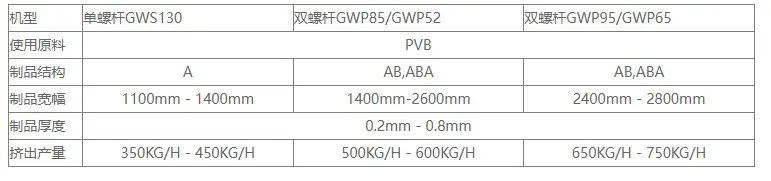
The extrusion line allows customizable film widths up to 2000mm, adjustable wedge angles typically ranging from 0.1° to 5°, and variable thickness gradients designed to meet specific functional and optical specifications.
The primary application is in automotive HUD front windshield manufacturing. Additionally, it is used in advanced display technologies (OLED/micro-LED), precision optical lenses, wavefront correction devices, and aerospace, photovoltaic, military, and construction industries.
The line features custom-designed dies, advanced calibration, and cooling stages combined with high automation. Real-time sensors and monitoring tools track parameters such as temperature, pressure, and thickness gradients to provide quick and accurate adjustment capabilities.