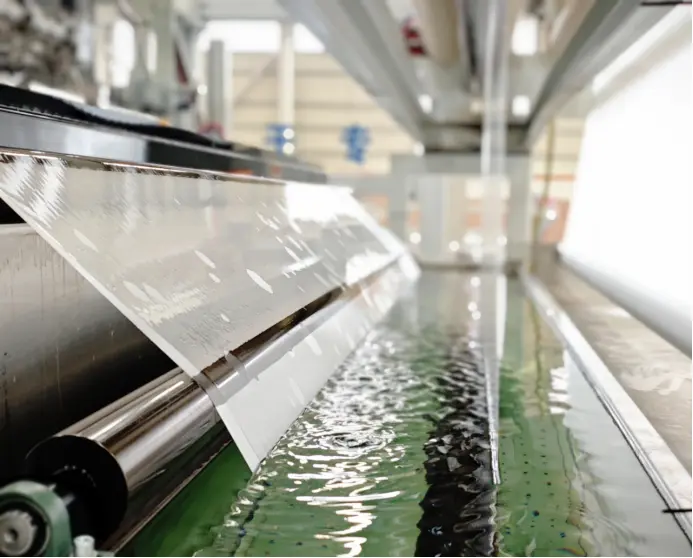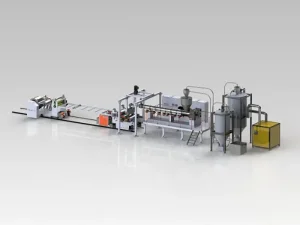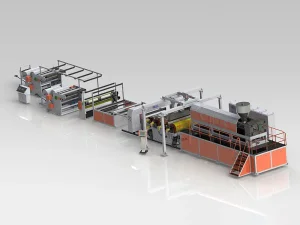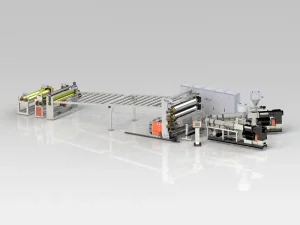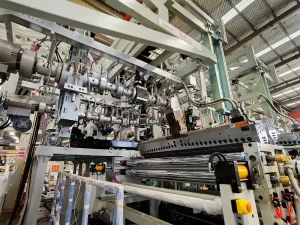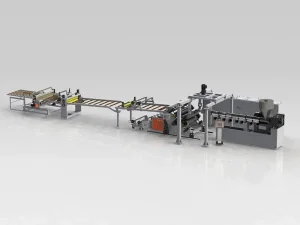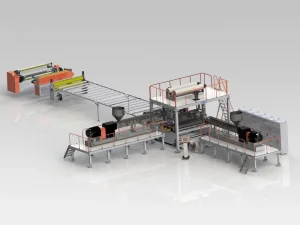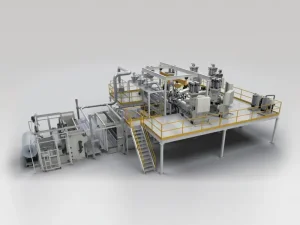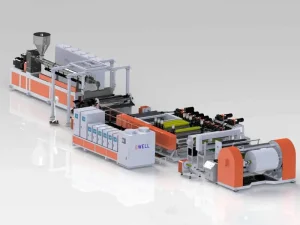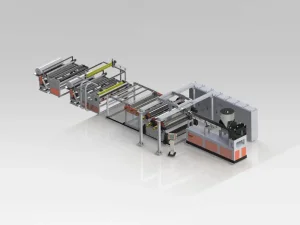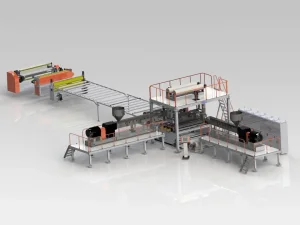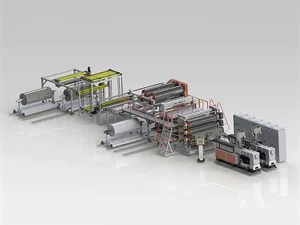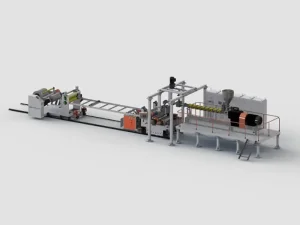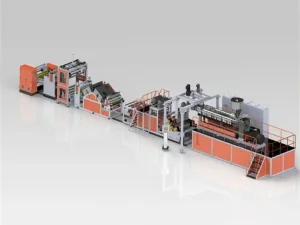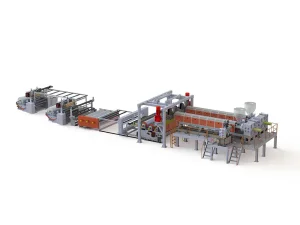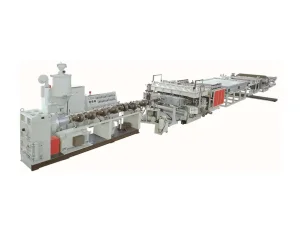
Polymethyl Methacrylate (PMMA), widely known as acrylic, has earned a reputation for its unparalleled optical clarity, weatherability, and scratch resistance. However, standard acrylic suffers from inherent brittleness under mechanical stress. To address this structural limitation in highly demanding sectors, manufacturers turn to High Impact PMMA Sheet Production Lines. By compounding elastomer modifiers—such as core-shell rubber particles—into the PMMA matrix, these specialized extrusion lines yield sheets with significantly enhanced fracture toughness and impact resilience while retaining the polymer's signature optical brilliance.
Globally, the demand for high impact PMMA sheets is surging across industrial, automotive, building, and electronics applications. From impact-resistant structural glazing, windshields for high-speed transport, and visual displays to security partitions, the material has established itself as a lighter, tougher alternative to glass and a more UV-stable option than polycarbonate (PC). Leading machinery manufacturers are constantly pushing the boundaries of co-extrusion technology, multi-layer feedblock designs, and computer-controlled calender stacks to achieve tighter thickness tolerances and higher optical grades.
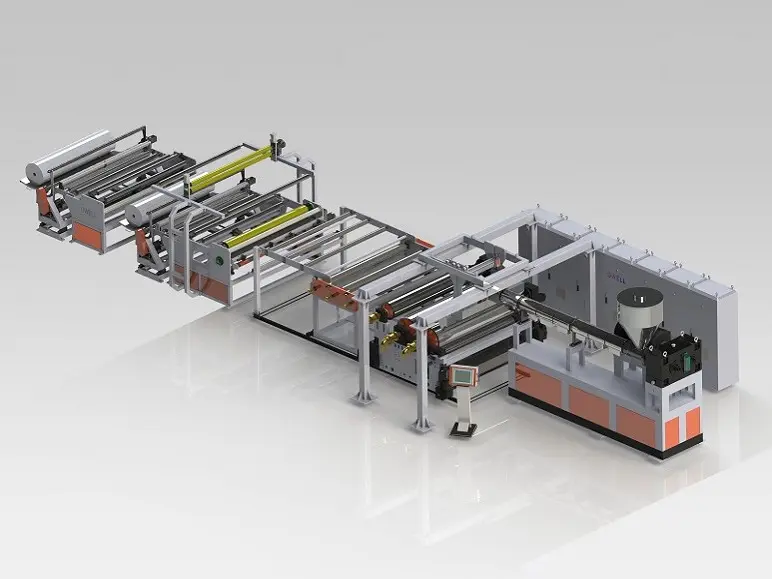
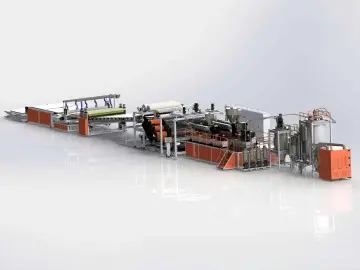
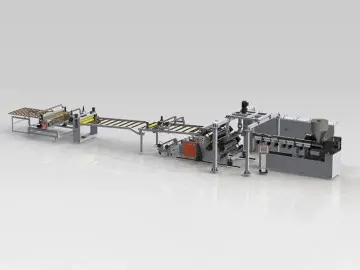
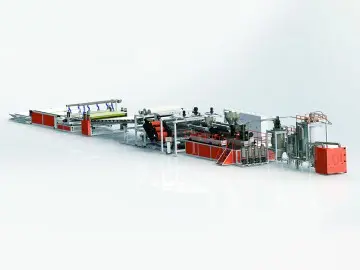
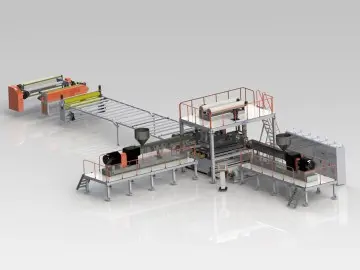
Designing a high impact PMMA sheet production line demands precise thermodynamic regulation and robust mechanical design to prevent shear degradation of the modified acrylic. At the heart of the system is the extruder. Modern lines utilize either customized High-L/D Single Screw Extruders with specialized barrier designs or Co-Rotating Twin Screw Extruders configured with precise vacuum degassing systems to extract volatile residual monomers (MMA) and moisture.
Key technical components include:
As the international extrusion market consolidates, Chinese manufacturers—led by industry-pioneering companies like China Gwell Machinery Co., Ltd.—have established an unmatched balance of technological sophistication, capital efficiency, and supply chain responsiveness. The efficiency advantage of Chinese factories is not merely based on labor; it is rooted in vertical integration, complete industrial clusters, and massive economies of scale.
Gwell's three major production bases span across a construction area of 866,000 square meters, enabling the simultaneously assembly of hundreds of extrusion lines. By housing advanced CNC processing centers, precision grinding shops, and heat treatment facilities under one roof, Gwell controls the dimensional accuracy of critical mechanical parts. This eliminates third-party manufacturing delays and quality variances. Additionally, collaborations with leading research universities allow the rapid deployment of high-tech enhancements, such as intelligent remote diagnostics and energy-saving induction heating systems, directly into commercial lines.
Collaborative research with top universities delivers advanced hardware and cutting-edge software integrations for next-gen polymer processing.
Three advanced bases with an annual production capability of over 1000 extrusion lines ensure short lead times and continuous delivery.
Gwell offers complete end-to-end support, covering formulation testing, customized screw design, installation, and global field maintenance.
Understanding the final application is vital for adjusting the extrusion line's processing parameters. High impact PMMA sheets are custom-tailored for a series of distinct demanding environments:
From vehicle sunshades and windscreens to exterior pillars, high impact PMMA offers lightweight structural strength, extreme UV radiation resistance, and maintains surface aesthetics under high velocity dust/wind exposure.
Installed along high-speed rails and urban highways, these sheets absorb significant sound energy and resist flying debris without shattering. Co-extruded UV-blocking layers prevent yellowing for decades under intense sun.
In retail kiosks, mobile devices, and industrial control panels, optical-grade high impact PMMA sheets function as structural covers. They deliver reliable mechanical protection while matching the clarity of premium silicate glass.
China GWELL Machinery is a leading high-tech enterprise dedicated to the design and manufacture of premium plastic extrusion lines for Film, Sheet, and Board. By utilizing the advanced engineering technology and tooling precision of our group, GWELL commits to international quality standards and high-value innovations.
Guided by our core operating philosophy, “Expertise creates customers’ values”, we provide comprehensive turnkey support, customized polymer formulations, and advanced commissioning assistance to processing factories in over 70 countries.
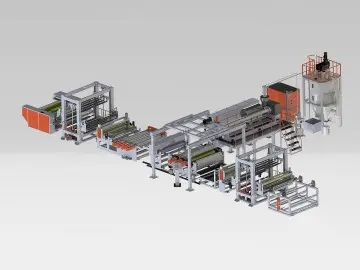
GWELL Machinery proudly presents high-performance ASA casting machinery for premium roofing and outdoor applications.
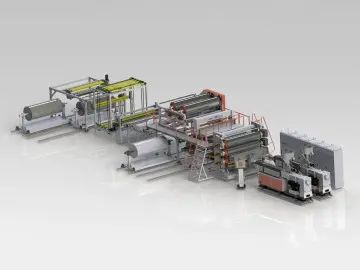
Designed for high adhesion properties onto various substrates for composite fabrics and medical uses.
Engineered for high elasticity and superb physical properties, suitable for smart textile applications.
Premium PVDF film production for solar module backplanes, replacing traditional Tedlar films.
Representing a cutting-edge technological advancement in flooring board manufacturing.
High production efficiency and automated parameters for robust structural formwork boards.
Processing fluoropolymers and high-temperature plastics with specialized thermal tooling.
Heavy-duty boards optimized for chemical tank linings, wear plates, and industrial storage.
Eco-friendly copolyester processing for premium cosmetics packaging and medical enclosures.
Innovative elastomeric sheets combining thermoplastic flexibility with rigid processing characteristics.
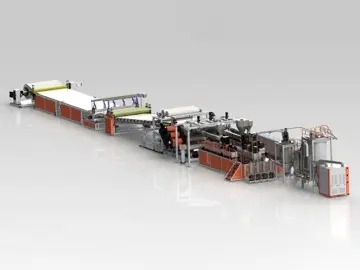
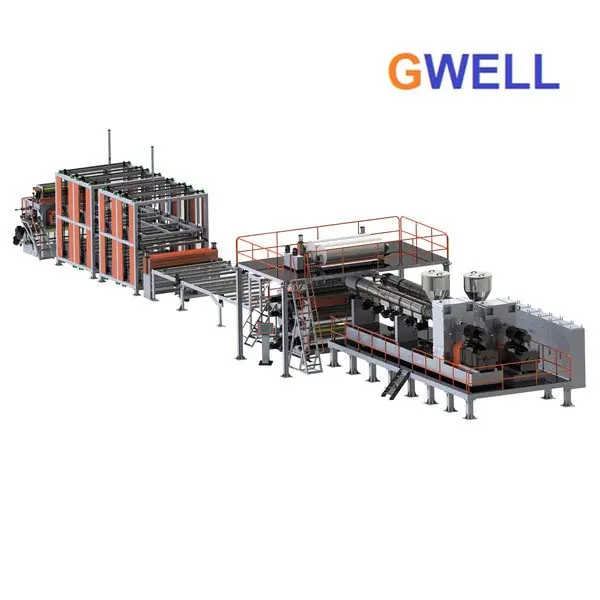
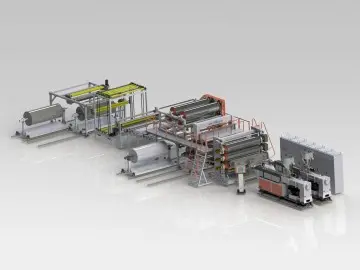
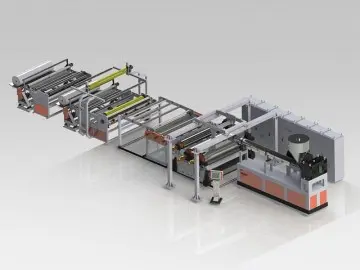
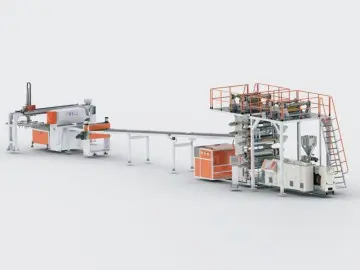
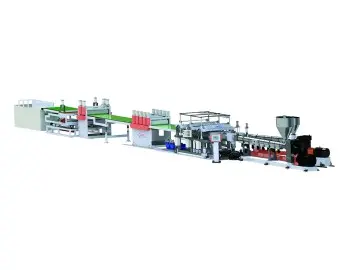
Designed to produce high-impact PMMA and optical-grade PC sheets for advanced visual displays.
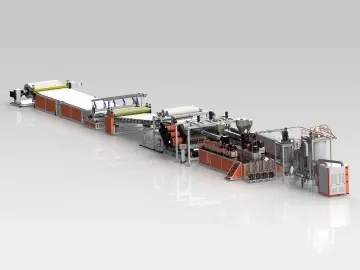
For manufacturing safety-critical transit covers and circuit isolation barriers.
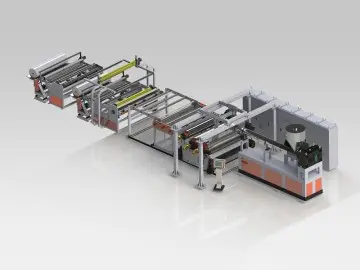
Structural SentryGlas-equivalent interlayers for high-security laminated glazing.
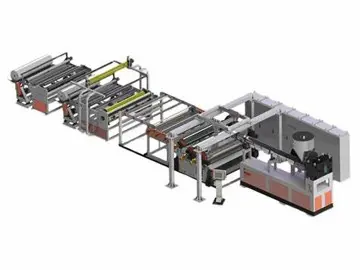
Precision cast extrusion for PV module encapsulants, ensuring long-term solar cell isolation.
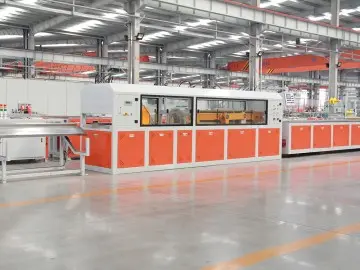
Next-generation composite profiles replacing aluminum frames for reduced weight and superior insulation.
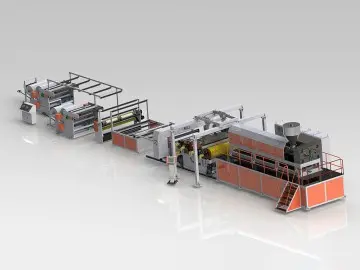
Specialized processing systems designed for shrink-controlled POE and EVA solar cell encapsulation.
As the circular economy gains legislative backing worldwide, the processing of recycled PMMA (rPMMA) via depolymerization and direct mechanical extrusion is presenting new technical challenges. Impurities, varying molecular weights, and moisture absorption in PCR (post-consumer recycled) PMMA resins demand advanced melt filtration and smart degassing designs. Extrusion manufacturers are modifying screw geometries to deliver lower shear heating, maintaining the polymer chain length of rPMMA and preserving its mechanical characteristics.
Furthermore, multi-layer co-extrusion technology is opening up new markets. By co-extruding a thin layer of PMMA over standard ABS or Polycarbonate substrates (PMMA/ABS or PMMA/PC sheets), processors can yield sheets that integrate the impact resistance and cost-efficiency of ABS/PC with the high scratch resistance, optical depth, and glossiness of PMMA. These composite sheets find massive application in sanitary ware, automotive bodies, and structural glazing components.
Industrial procurement teams evaluating suppliers for a High Impact PMMA sheet extrusion line should integrate specific engineering checkpoints into their RFQs. A high-quality line is not determined by speed alone, but by stability, thermal precision, and automation integration:
Due to the hygroscopic nature of PMMA, the extruder must feature multi-stage high-vacuum venting ports to extract residual volatiles and moisture. This prevents bubbles or micro-voids in the extruded sheets.
Calender rollers must undergo deep grinding, hard chrome plating, and mirror polishing to achieve a surface roughness rating of Ra ≤ 0.01 μm. Internal spiral flow channels must guarantee a roller surface temperature variation within ±1°C.
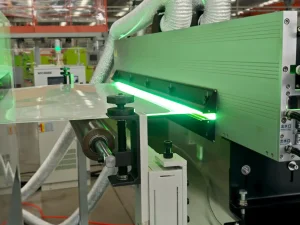
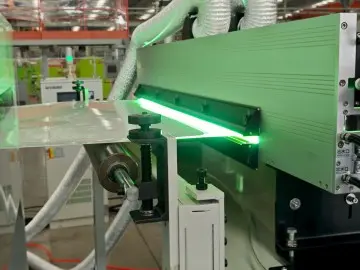
Incorporate automatic T-dies coupled with a radiometric or laser-based thickness sensor at the downstream line to continuously adjust bolt temperatures, keeping sheet thickness deviations below ±1.5%.
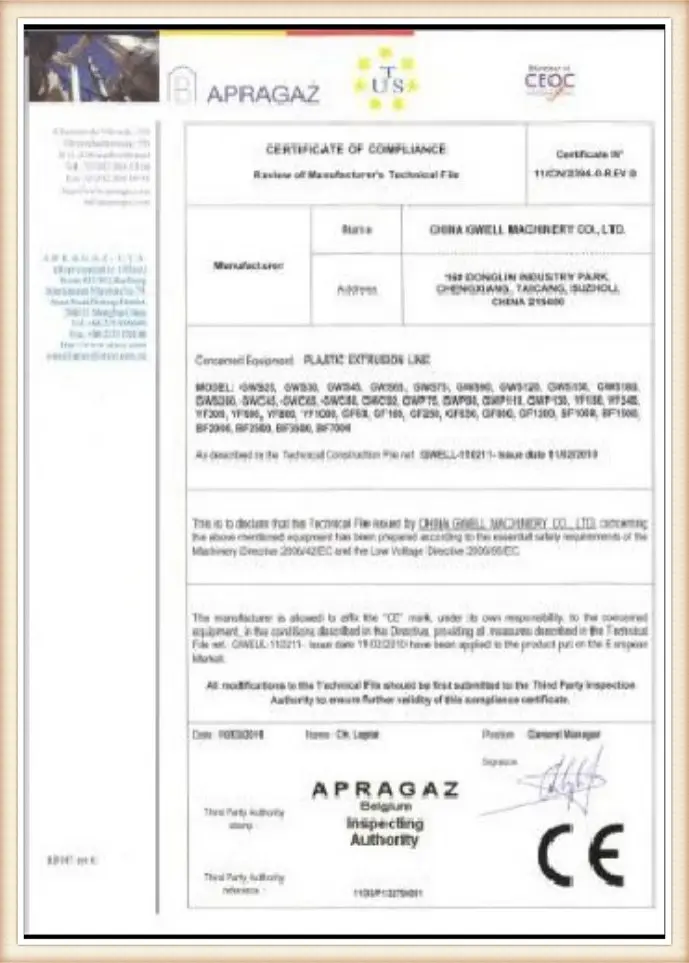
Fully certified under international regulatory frameworks to ensure reliable, high-performance manufacturing compliance.