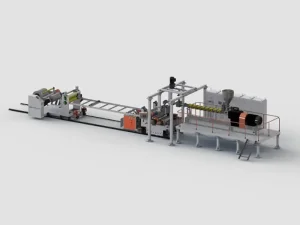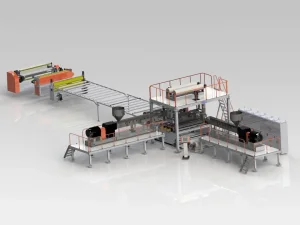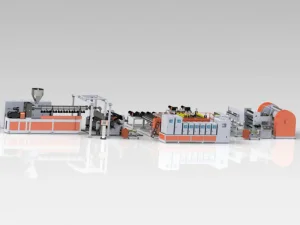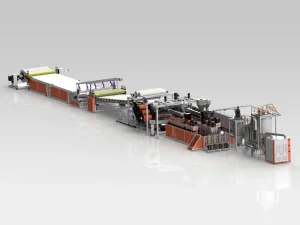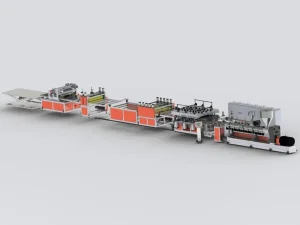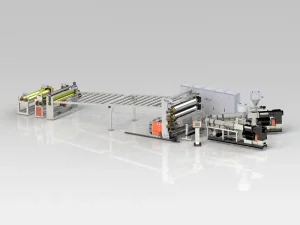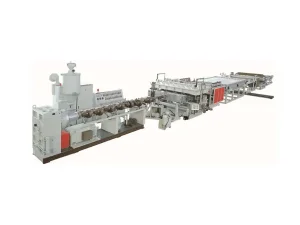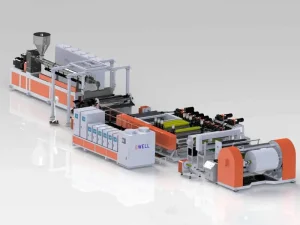
Explore our foundational polymer extrusion configurations designed for industrial scalability and high-throughput production.
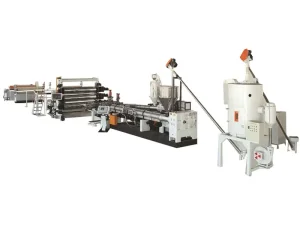
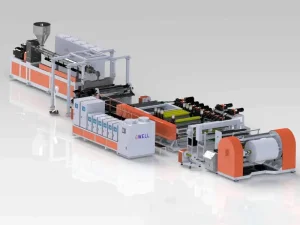
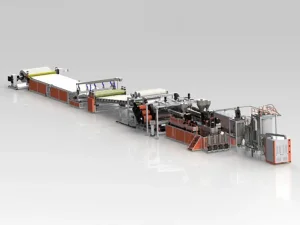
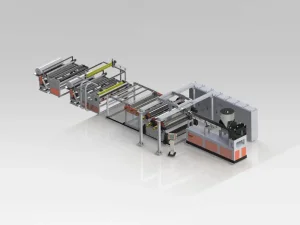
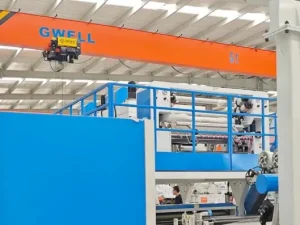
Flat roofing systems present extreme engineering challenges, directly confronting UV degradation, standing water pool dynamic loads, thermal shock cycles, and biological infestations. Plasticized Polyvinyl Chloride (P-PVC) waterproof membranes stand as the definitive technological standard to meet these structural needs. With its high mechanical strength, chemical stability, and advanced flame retardancy, PVC is a superior material compared to traditional asphalt or bitumen roofing systems.
To produce high-quality P-PVC membranes that satisfy international regulatory frameworks, manufacturing plants rely on highly precise extrusion technology. The machinery must homogenize compound mixtures consisting of PVC resin, monomeric or polymeric plasticizers, UV stabilizers, titanium dioxide (TiO2), and mineral flame retardants. Crucially, the process demands precise temperature management to prevent polymer degradation and optimize polymer chain alignment.
The processing window of plasticized PVC is notoriously narrow. PVC is thermally sensitive; processing it near its melting point without causing shear degradation requires precise extruder geometry. In flat roof configurations, the sheet must achieve maximum dimensional stability. This is typically accomplished by laminating an internal reinforcement layer, such as a woven polyester scrim or a fiberglass mat, directly between the top and bottom PVC layers during the continuous extrusion process.
Over the past decade, Chinese plastic extrusion engineering has transformed from basic replication to leading international technological innovation. China is now a center for advanced polymer processing R&D, combining cost-efficiency with high-precision metallurgy, control software, and material engineering.
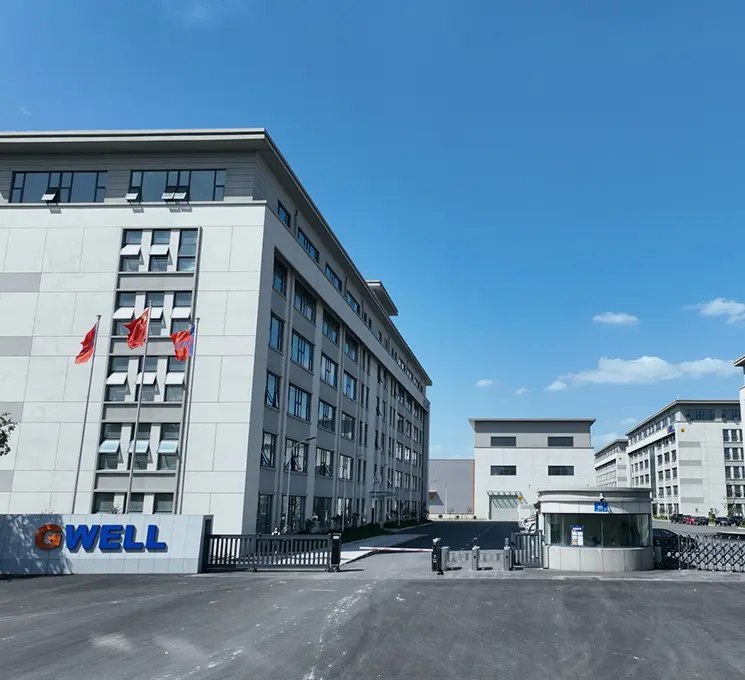
Gwell Machinery is at the forefront of this industrial transformation. With three state-of-the-art production bases covering over 866,000 square meters, Gwell delivers over 1,000 advanced extrusion lines annually. This massive production footprint offers distinct competitive advantages:
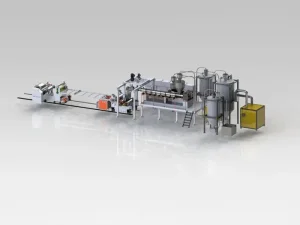
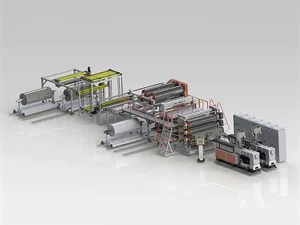
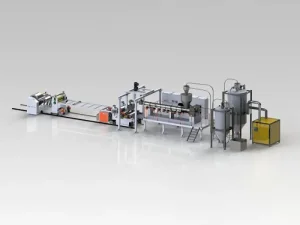
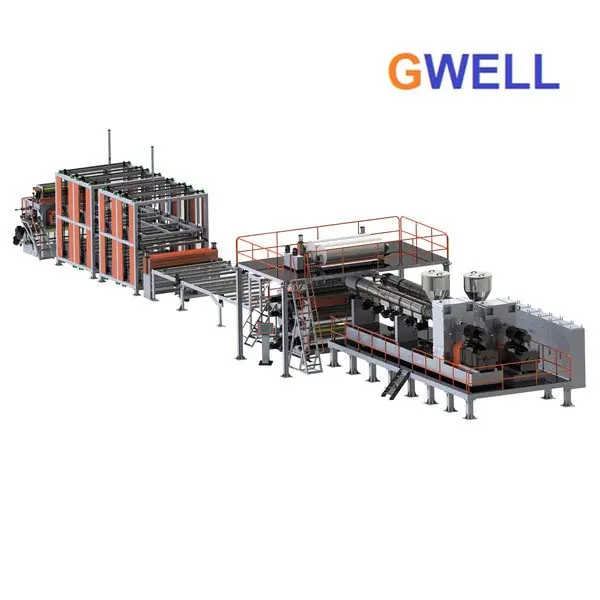
An industrial-grade PVC waterproofing sheet extrusion line consists of several distinct, highly engineered phases. For premium-grade membranes (like those conforming to ASTM D4434 Type II and Type III standards), the typical layout includes a co-extrusion system to construct multi-layered sheets with scrim reinforcement.
Features segmented screws with optimized kneading, mixing, and venting segments. Precise temperature controls across multiple zones keep melt temperatures uniform and prevent thermal degradation.
Includes a coat-hanger flow channel designed using flow-simulation modeling to prevent dead-zones. Automatic lip adjustment control maintains precise thickness profiles across the entire sheet width.
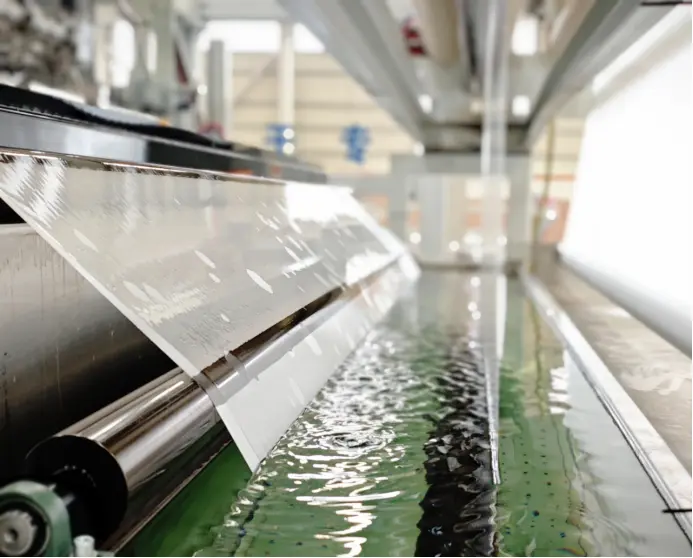
Three or four-roll calenders with independent temperature controls compress the layers and integrate fiberglass or polyester mesh under high pressure, preventing air pockets and delamination.
This structural co-extrusion process creates a composite sheet: a high-reflectivity, UV-resistant top layer, an internal load-distributing reinforcement scrim, and a puncture-resistant, highly stable base layer. The Gwell extrusion line is designed to operate continuously at high line speeds, ensuring consistent chemical composition, thermal stability, and mechanical strength.
Explore our core engineering segments tailored to different film, board, sheet, and solar encapsulation needs.
Designed for high-speed casting of functional barrier films. Typical configurations process high-performance PVDF backsheets, TPU films, and PVB wedge films with precise caliper tolerances.
Capable of processing heavy-duty structural boards, including wood-plastic composites (WPC), SPC flooring, and engineering polymers such as PEEK, PFA, and PVDF sheets.
Specialized processing machinery for clean energy applications, producing cross-linked EVA and POE solar encapsulation films to secure photovoltaic cells.
Waterproofing standards are tightening worldwide, driven by urbanization and climate change. Structural flat roofs in commercial warehouses, data centers, airports, and subways must achieve operating lifespans exceeding 25 to 30 years without leaking. Because flat roofs are prone to water ponding and structural expansion, the quality of the PVC sheet determines the lifetime integrity of the entire building.
Large engineering projects require PVC sheets that comply with local regulatory standards, such as ASTM D4434 in North America, EN 13956 in the European Union, and GB 12952 in China. These standards test for tensile strength, elongation, heat aging performance, low-temperature flexibility, and tear resistance. Gwell's extrusion machinery is engineered to process specific raw material formulations to consistently pass these technical criteria.
In modern factories, manual adjustments are being replaced by automated, data-driven controls. Gwell integrates PLC systems with automated feedback loops that link thickness gauges directly to the die bolt expansion heating zones. Real-time adjustments minimize material waste and maintain uniform cross-sectional profiles. Our lines also feature remote diagnostics, allowing engineers to troubleshoot software or adjust parameters from anywhere in the world.
Expert engineering answers to common technical queries regarding configuration, formulation, and maintenance.
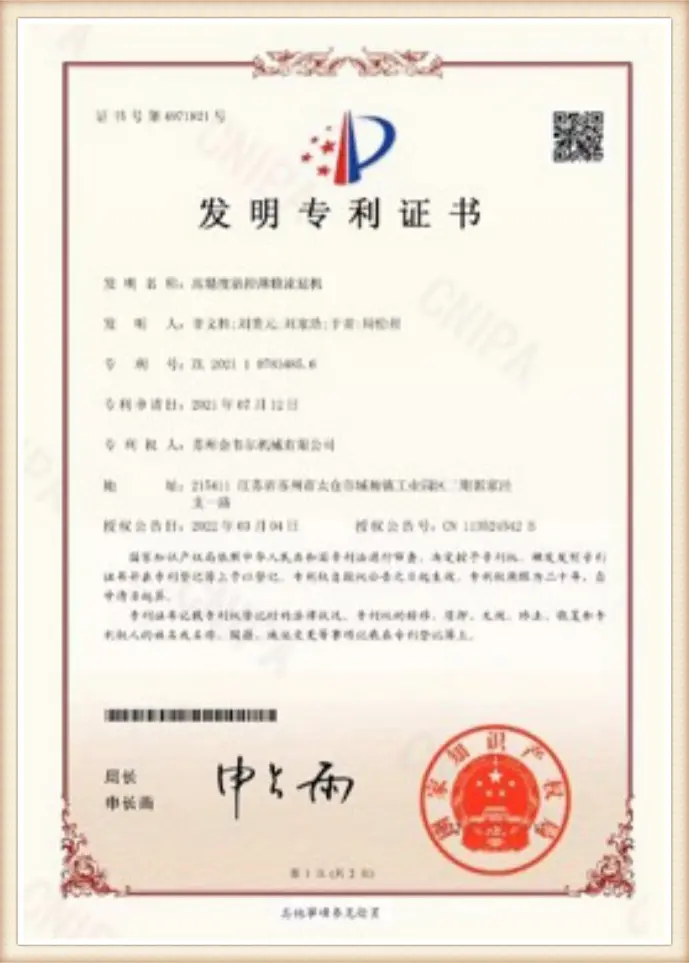
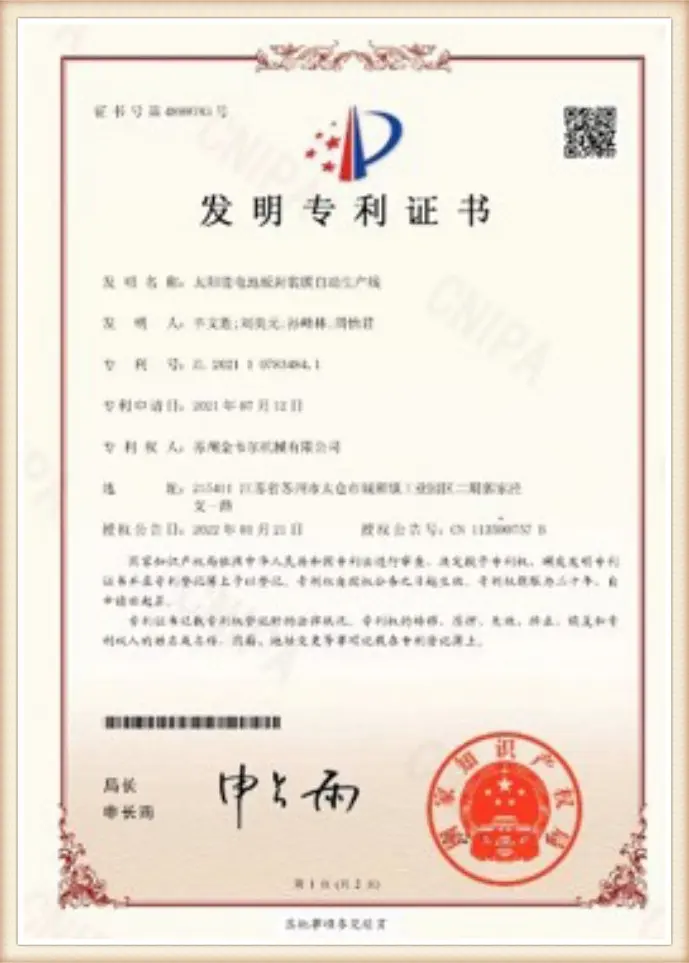
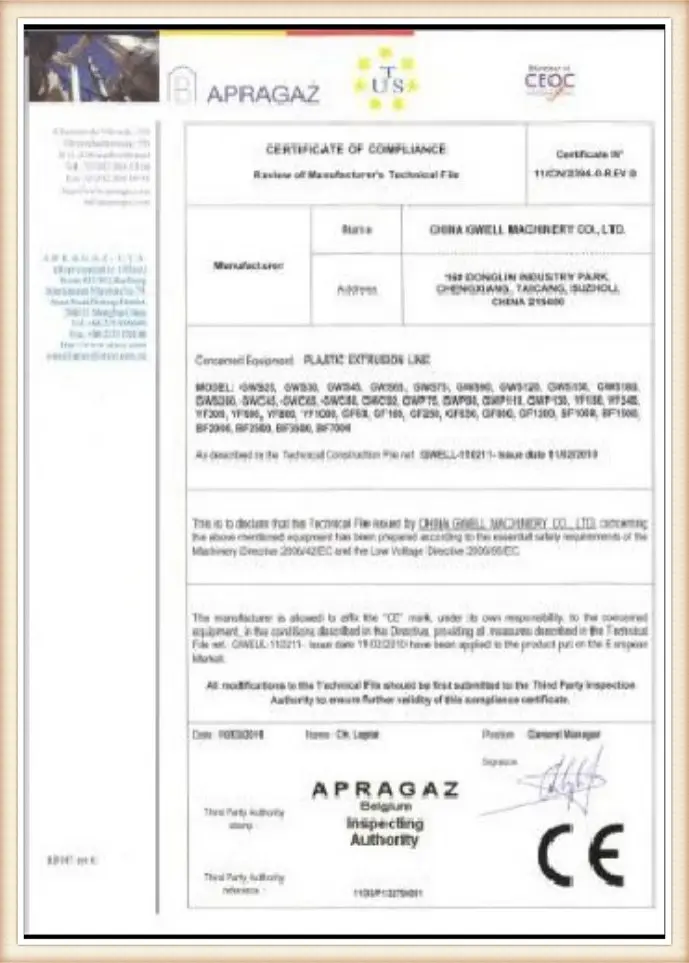
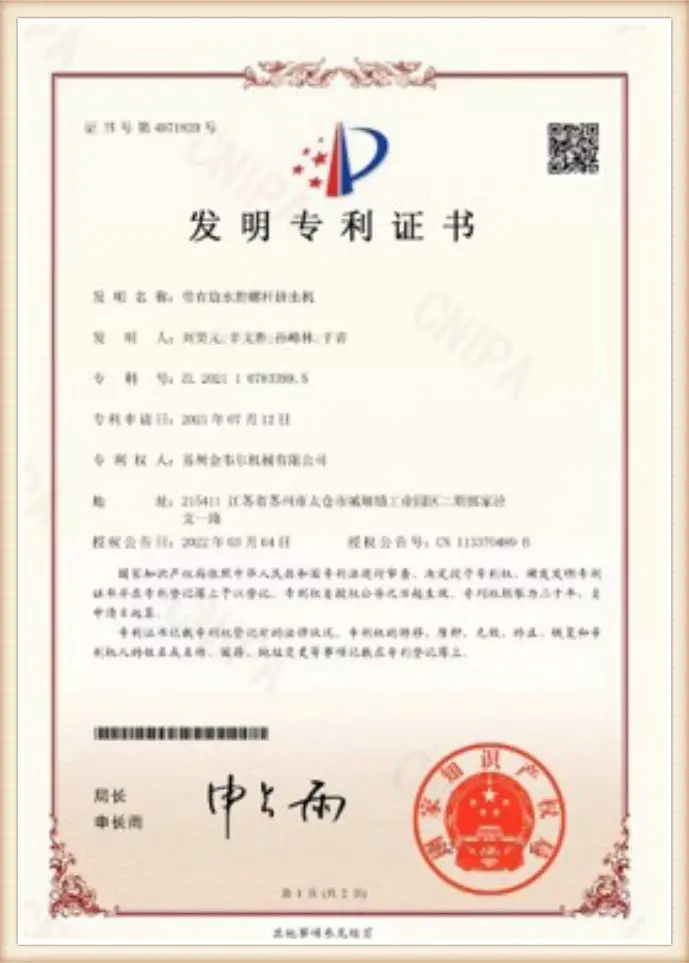
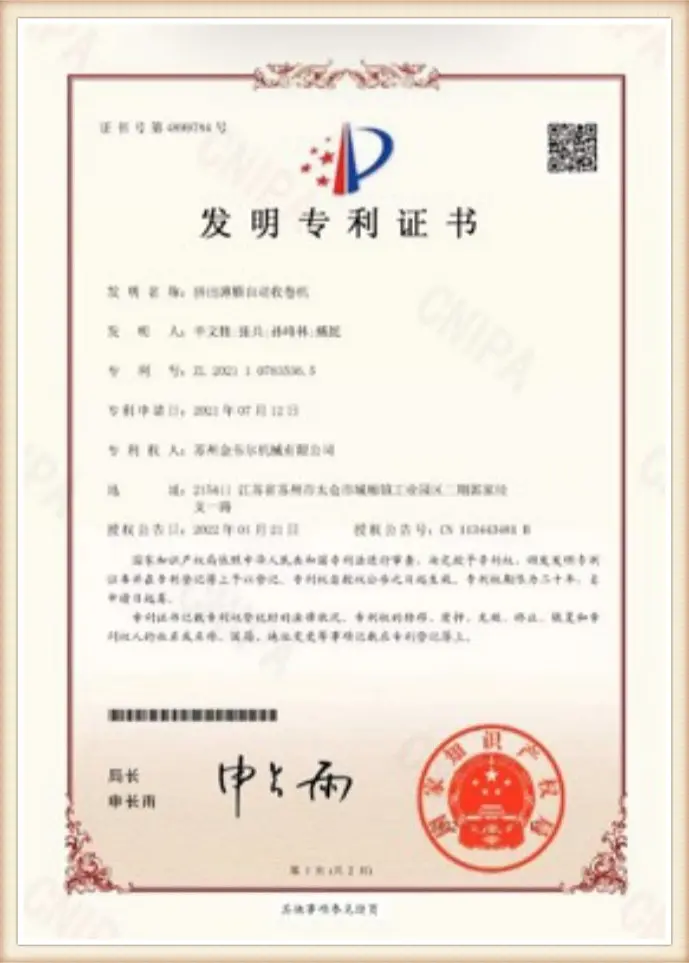
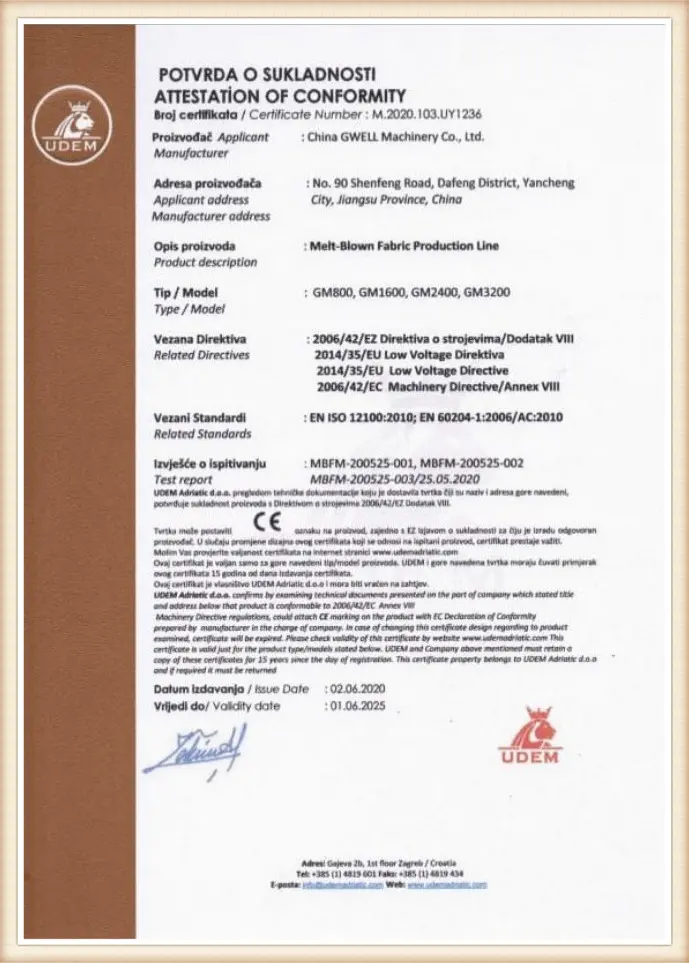
Our commitment to internationally recognized quality standards and global supply chains.



Stay informed about technological milestones, industry exhibitions, and material science developments.
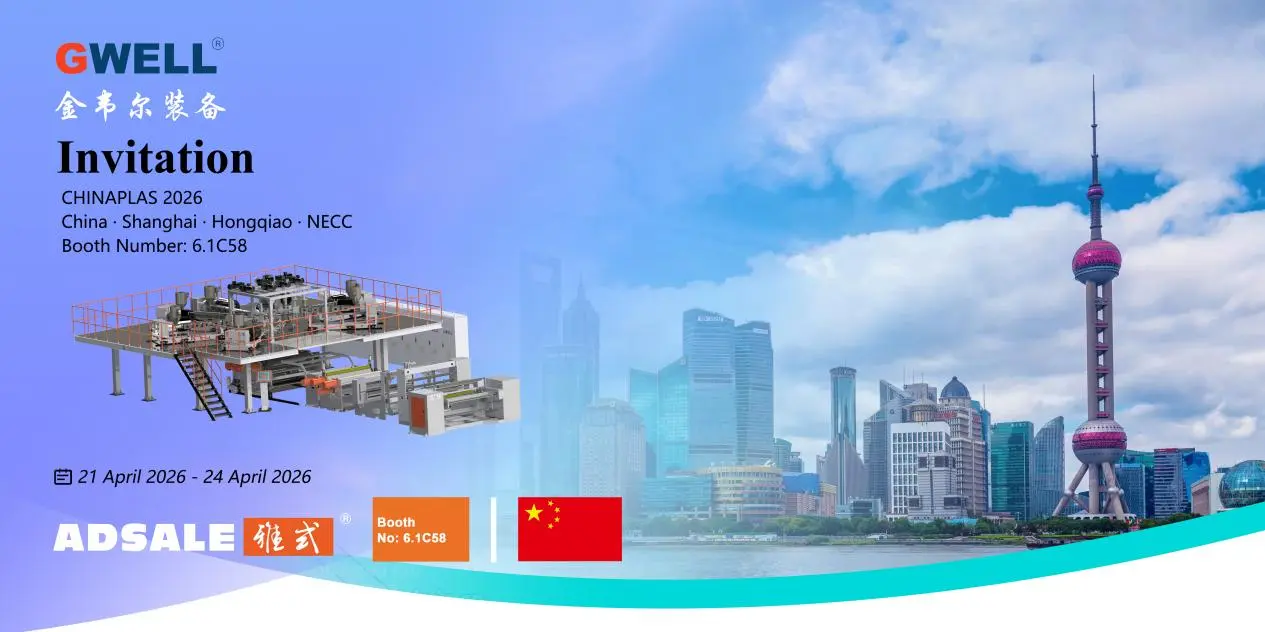
Gwell's R&D capability, precision engineering, and production capacity are recognized worldwide. Contact our team to design a line tailored to your specific requirements.
Send Inquiry NowExplore our specialized machinery configurations for packaging, green energy, and construction applications.