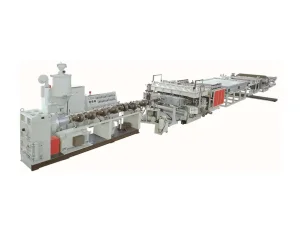
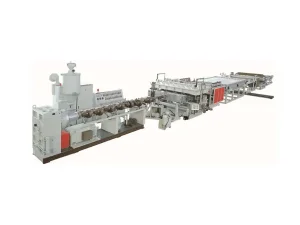
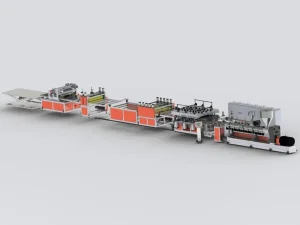
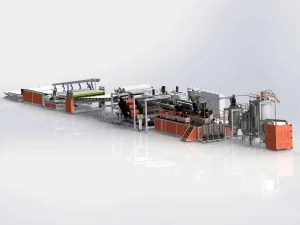
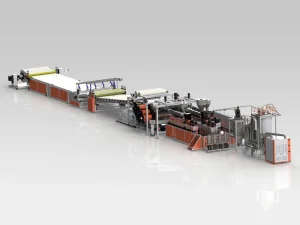
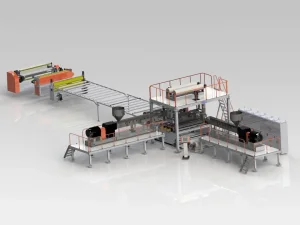
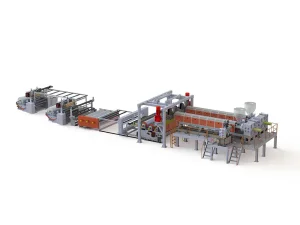
Deep Analysis: Hollow Extrusion Market Landscape in the Philippines
Addressing Macro-Economic Shifts, Sustainable Infrastructure Needs, and Local Industrial Integration.
1. The Industrial and Commercial Context of the Philippines
The Philippines is currently witnessing a significant industrial transition driven by urban renewal, rapid e-commerce infrastructure development, and massive national projects under the "Build Better More" program. In response to these shifts, local manufacturing sectors are moving away from traditional, heavy, or non-biodegradable construction and packaging materials. The demand for hollow plastic sheet profiles—primarily made from Polycarbonate (PC) and Polypropylene (PP)—has grown exponentially. PC hollow sheets are highly sought-after for skylights, pedestrian canopies, and industrial warehouse partitions because of their extreme light transmission and impact resistance under tropical weather conditions. Concurrently, PP corrugated board has emerged as the definitive standard for modern logistics boxes, replacing paper cardboard that deteriorates quickly in high humidity environments.
2. Macro-Level Challenges and Gwell's Engineering Solutions
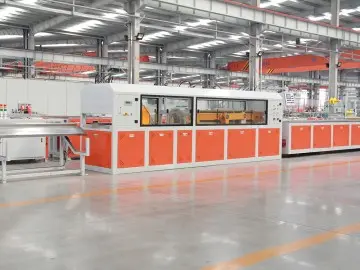
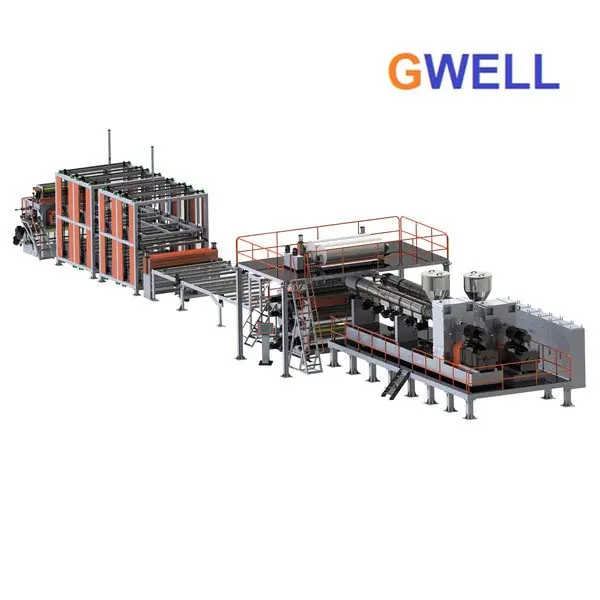
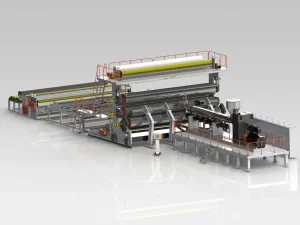
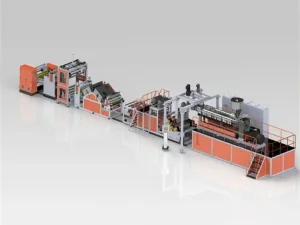
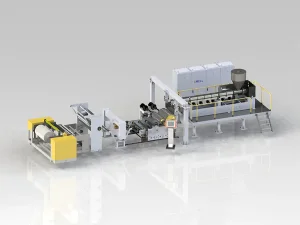
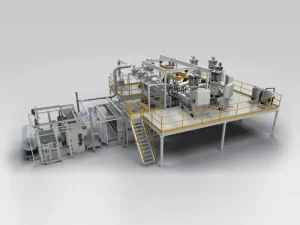
Operating high-throughput extrusion lines in the Philippines poses distinct operational challenges that global plants do not typically face. First, energy prices in the country (such as under Meralco) are among the highest in the ASEAN region. Any extrusion machine that operates on outdated heater bands or inefficient AC motors will quickly become a commercial liability. Gwell addresses this directly by integrating permanent magnet synchronous motors (PMSM) and advanced electromagnetic heating systems across our extrusion lines, lowering net power usage by 20% to 30%. Second, high tropical humidity levels often lead to moisture absorption in hygroscopic materials like Polycarbonate. Gwell's custom lines include integrated dry-dehumidifying systems that process raw resin feedstocks to moisture levels below 0.02% before extrusion, preventing hydrolytic degradation and ensuring optical clarity.
| Extrusion Line Type |
Target Material |
Standard Output (kg/h) |
Energy Saving Metric vs. Standard |
Primary Application in the Philippines |
| PC Hollow Sun Board Line |
Polycarbonate |
350 - 600 |
Up to 25% Reduction |
Typhoon-Resistant Structural Glazing, Greenhouse Roofing |
| PP Corrugated Sheet Line |
Polypropylene |
400 - 800 |
Up to 30% Reduction |
Waterproof Agricultural Packaging, Construction Shuttering |
| PP Honeycomb Panel Line |
Composite Co-Polymer |
300 - 550 |
Up to 22% Reduction |
Automotive Cargo Liners, Lightweight Structural Decking |
| PE Geo-membrane Sheet Line |
HDPE / LLDPE |
500 - 1000 |
Up to 28% Reduction |
Aquaculture Pond Liners, Landfill Base Liners |
3. E-E-A-T Insights: Structural Quality and Thickness Calibration
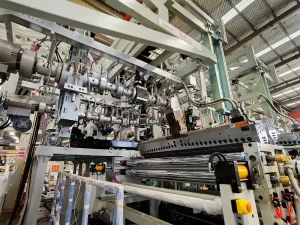
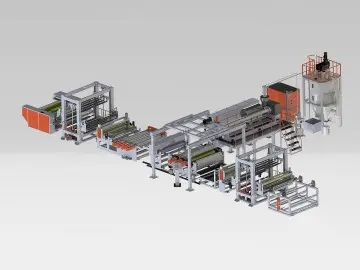
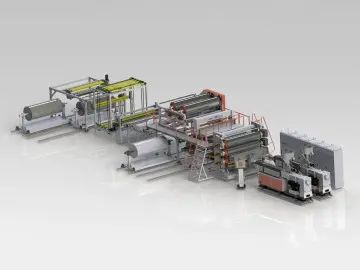
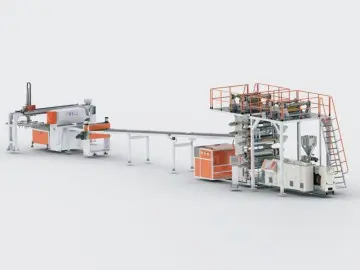
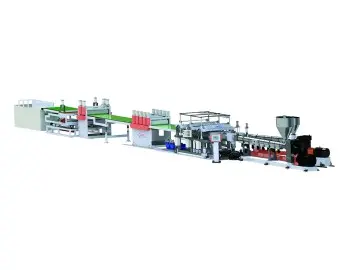
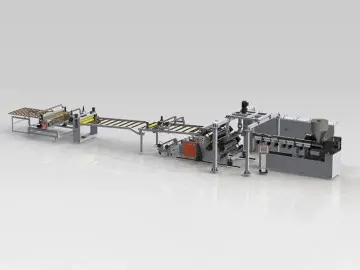
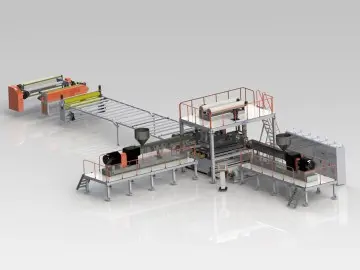
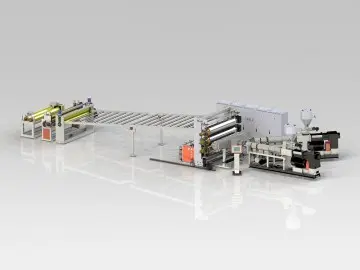
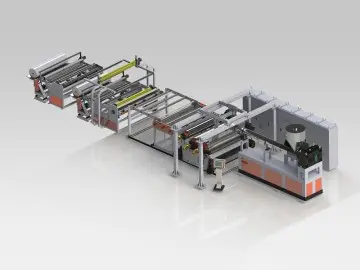
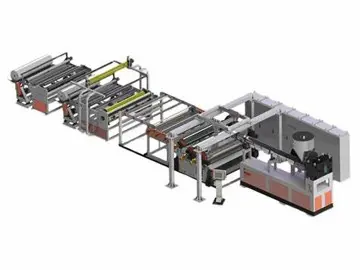
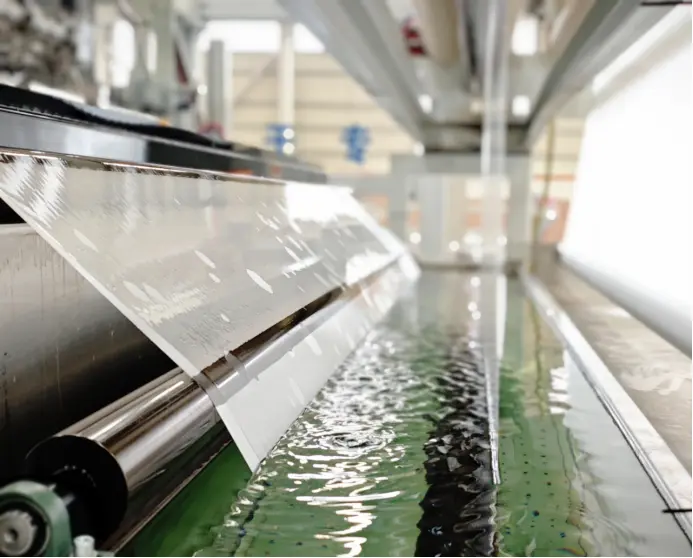
In accordance with Google's E-E-A-T guidelines for industrial manufacturing content, authoritative design must focus on the mechanical precision that affects sheet yield and tensile strength. A critical component of Gwell's Hollow Extrusion Lines is the vacuum calibration system. In contrast to standard profiles, hollow sheets rely on a complex network of internal ribs (vertical lattices, diagonal structures, or honeycomb cells) that must retain their geometry during cooling. Gwell utilizes a high-precision, CNC-machined vacuum calibration table constructed from premium alloys to prevent warp. Our proprietary extrusion dies incorporate adjustable lips and co-extrusion feedblocks, allowing operators to run multi-layer UV protection coatings (from 50 to 80 microns) directly on the outer skin of the PC panel in a single step, ensuring the board stands up to intense sun exposure without yellowing or losing elasticity.
4. Localized Applications Driving Demand in the Philippine Archipelago
The applications for hollow extrusion products across Luzon, Visayas, and Mindanao are diverse:
- Agriculture and Export Packaging: The Philippines is a dominant global exporter of fresh bananas, pineapples, and mangoes. Traditional paper cartons fall apart under refrigerated sea cargo conditions. PP hollow boards configured as foldable, reusable crates provide moisture-proof, durable housing for perishables, saving growers thousands in transit losses.
- Coastal and Urban Infrastructure: Due to regular seasonal typhoons, building components must combine structural strength with minimal dead weight. Polycarbonate hollow sun sheets provide high light transmission while reducing structure-loading requirements, making them ideal for coastal terminals, resorts, and modern transit stations.
- Sustainable Construction: Hollow construction panels are increasingly used as concrete formworks. Unlike plywood, which can only be reused 3 to 5 times, PP hollow concrete formworks can be recycled and reused up to 50 times, reducing deforestation pressures and material disposal costs.
5. Future Technology Roadmap & Sustainable Manufacturing
The global plastics industry is moving toward circular business models. In the Philippines, the implementation of the Extended Producer Responsibility (EPR) Act (Republic Act No. 11898) legally mandates large enterprises to establish recovery programs for plastic packaging. Responding to this demand, Gwell's engineering roadmap prioritizes extrusion lines capable of handling high ratios of recycled materials (post-consumer recycled flakes, or PCR) without sacrificing core structural performance. By optimizing screw geometries and degassing zones, our lines process up to 80% recycled PP or PE while maintaining stable melt pressure and sheet finish. Furthermore, the integration of real-time thickness measurement sensors and cloud-enabled PLC monitoring allows manufacturers in Manila, Cebu, or Davao to supervise their operations remotely, ensuring zero material wastage and continuous process refinement.