
High-Quality PE Geo-membrane Waterproof Sheet Extrusion Line Factory, Company

PE waterproof membranes are widely used in construction, water conservancy, transportation, underground engineering, and other fields, such as building roofs, basements, tunnels, bridges, reservoirs, dams, and other waterproof engineering. Their excellent waterproof performance and durability make PE waterproof membranes an indispensable material in these fields.
Product Description

Key Components and Functionality

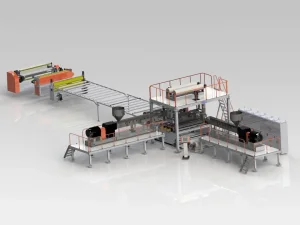
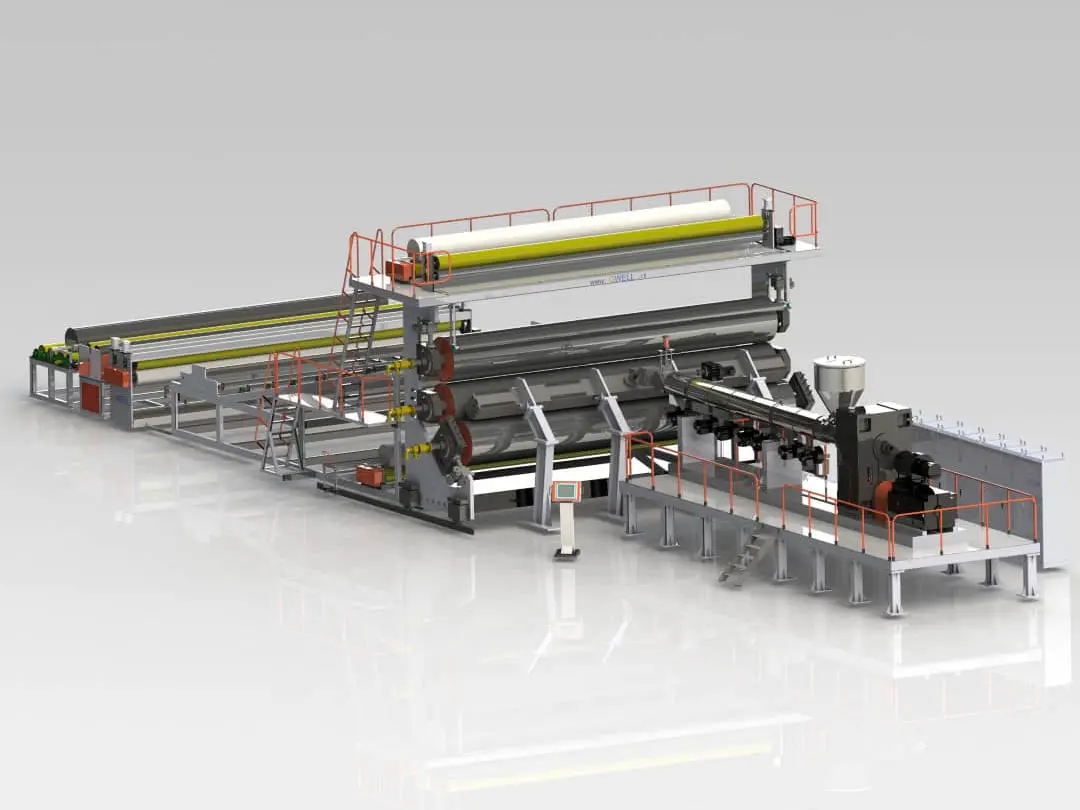
  • Extruder The heart of the extrusion line is the extruder, which melts and plasticizes the PE resin. It typically features a screw design optimized for processing PE materials, ensuring even melting and efficient material flow.
  • Screw and Barrel The screw and barrel assembly are crucial for achieving the desired melt temperature and pressure profile. The screw design, often with a ratio like 48:1 (length-to-diameter), allows for precise control over the melting and mixing process.
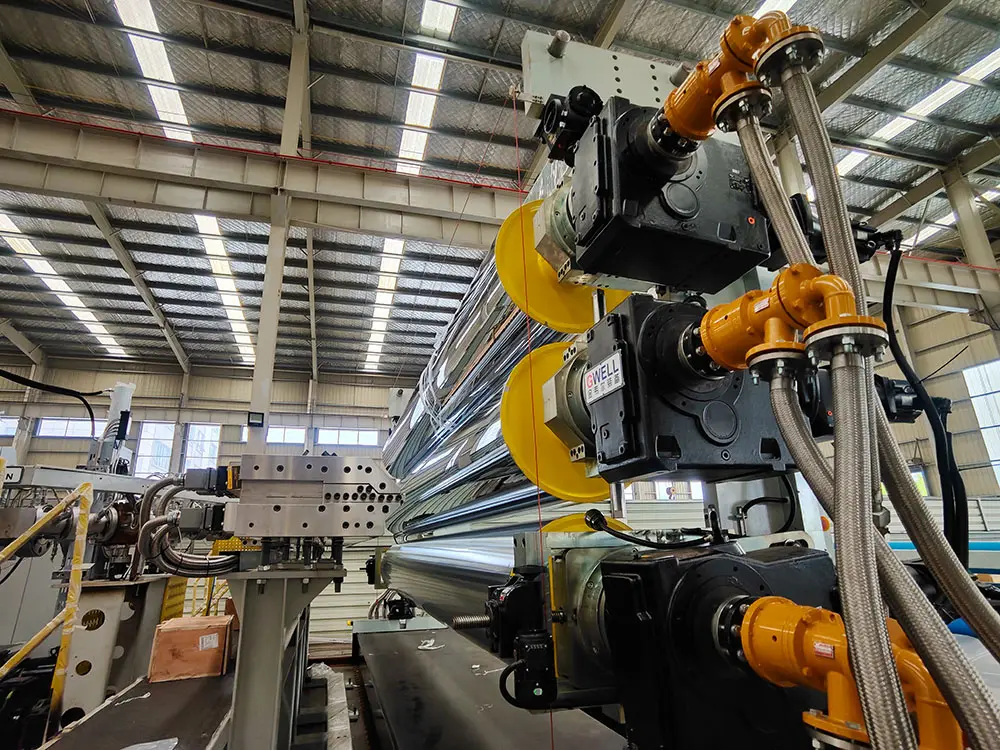
  • Die Head The die head shapes the molten PE into a flat sheet of uniform thickness. It is precision-machined to ensure accurate and consistent output dimensions.
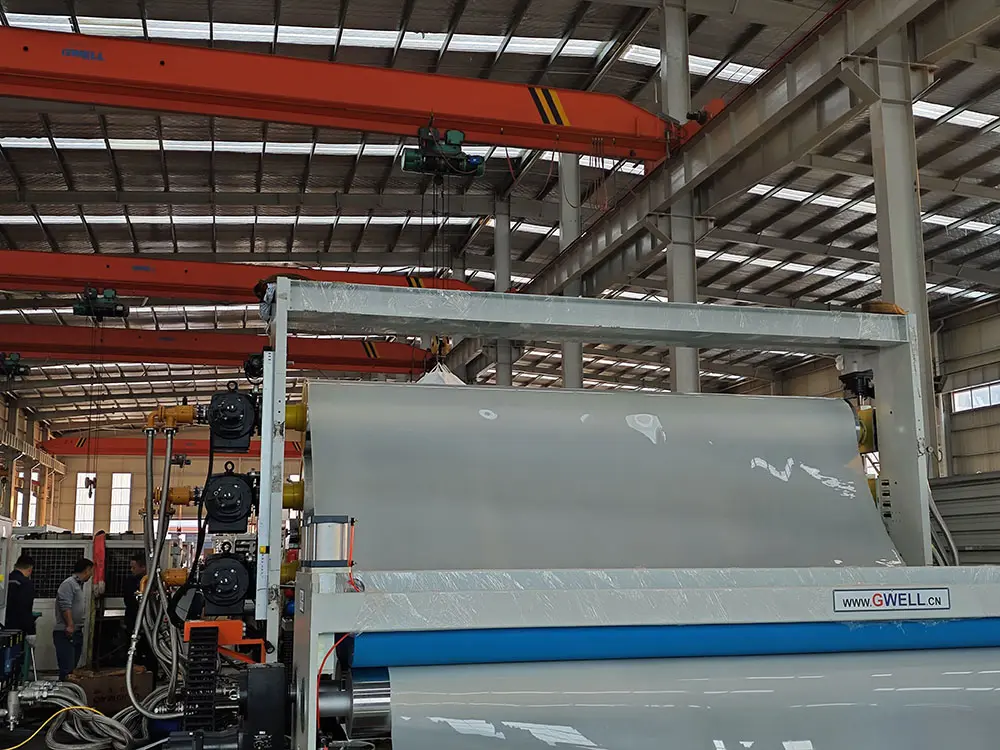
  • Cooling System Immediately after exiting the die head, the extruded sheet passes through a cooling system, usually consisting of chill rolls or water quenching, to solidify the material.
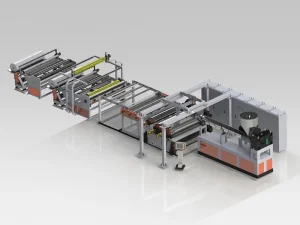
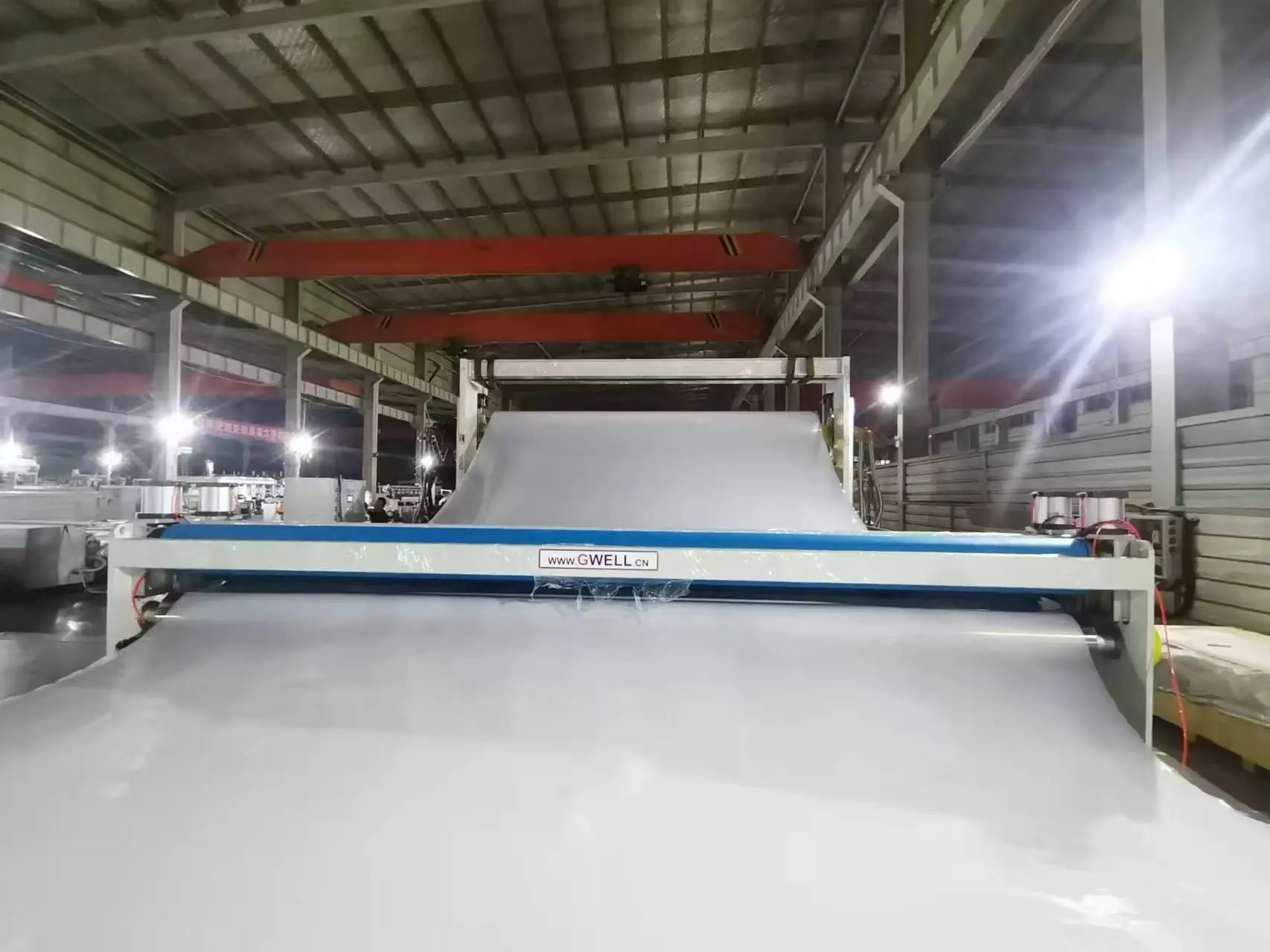
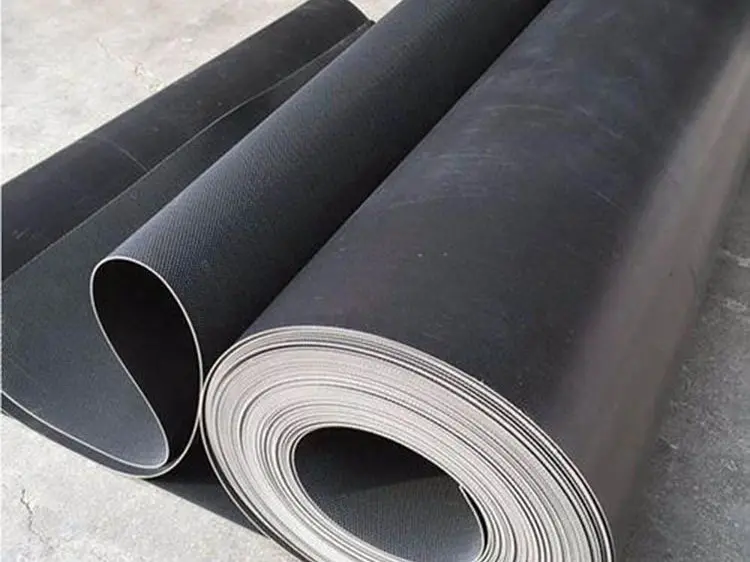
PE Geo-membrane Waterproof Sheet Extrusion Line (1)
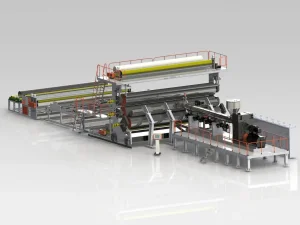
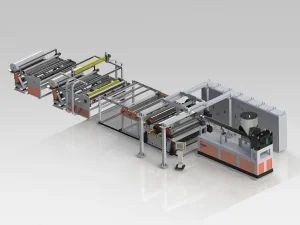
PE Geo-membrane Waterproof Sheet Extrusion Line (2)

Composition of the Production Line

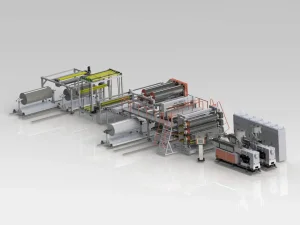
The PE waterproof membrane production line typically consists of the following main components:

  • Raw Material Processing System Responsible for mixing, proportioning, and preprocessing raw materials such as PE resin and additives to ensure their quality and stability.
  • Extruder The core equipment of the production line, responsible for melting and extruding the mixed raw materials into continuous membranes. The performance of the extruder directly affects the quality and output of the membranes.
  • Cooling Device Rapidly cools the extruded membranes to shape and maintain stable dimensions and shapes.
  • Stretching Device Stretches the cooled membranes to improve their strength and elongation, while also contributing to their flatness.
  • Cutting Device Cuts the stretched membranes to the predetermined width and length to form finished membranes that meet the requirements.
  • Winding Device Rolls up the cut membranes into rolls for subsequent packaging, transportation, and use.

Characteristics of the Production Line

Efficient Production: The PE waterproof membrane production line employs an automated control system to achieve continuous and stable production, improving production efficiency. Additionally, the production line can be adjusted according to production needs to meet the production of products with different specifications and performance requirements.

Reliable Quality: The production line uses high-quality raw materials and advanced production processes to ensure the stable quality of PE waterproof membranes. The produced membranes exhibit excellent waterproof performance, durability, and aging resistance, meeting the waterproof needs of various buildings and engineering projects.

Flexibility and Versatility: The production line can adjust production processes and parameters according to different needs to manufacture PE waterproof membranes with different specifications and performances. This flexibility enables the production line to adapt to different markets and customer demands.

Environmental Protection and Energy Saving: The production line adopts advanced energy management systems and waste recycling systems to reduce energy consumption and waste emissions, complying with environmental protection requirements. Additionally, the automated control of the production line reduces the labor intensity of operators and improves the comfort of the working environment.

Application Fields

PE waterproof membranes are widely used in construction, water conservancy, transportation, underground engineering, and other fields, such as building roofs, basements, tunnels, bridges, reservoirs, dams, and other waterproof engineering. Their excellent waterproof performance and durability make PE waterproof membranes an indispensable material in these fields.
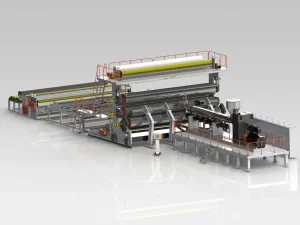
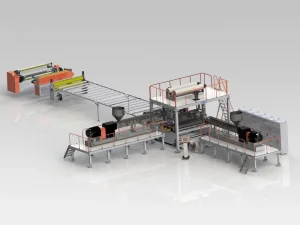
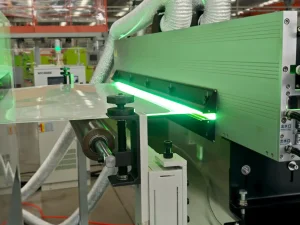
PE Geo-membrane Waterproof Sheet Extrusion Line (3)
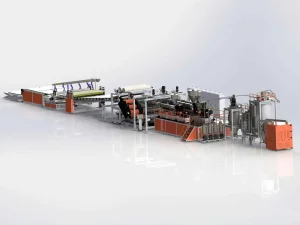
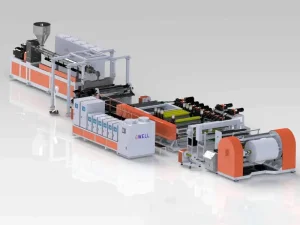
PE Geo-membrane Waterproof Sheet Extrusion Line (4)

Frequently Asked Questions (FAQ)

What is the primary function of the extruder in the PE waterproof membrane production line?
The extruder acts as the core component of the production line. Its main function is to thoroughly melt, mix, and plasticize raw materials like PE resin and additives, forcing the uniform mixture through the die head to form a flat membrane sheet.
How does the screw and barrel design affect the output quality?
The design of the screw and barrel, particularly properties like the length-to-diameter ratio, directly determines the temperature and pressure distribution. Optimal designs ensure precise melting control, preventing material degradation and ensuring high uniformity.
What role does the stretching device play in the membrane performance?
The stretching device pulls the solidified PE membrane to align its molecular structure. This critical process increases the tensile strength, improves elongation capacity, and ensures a flat, wrinkle-free surface layout.
Where are PE waterproof membranes commonly applied?
They are heavily utilized in construction and civil engineering, including building roofing, basement sealing, underground tunnels, bridge decks, water reservoirs, and dams, due to their excellent moisture barrier properties.
How does the production line support environmental protection?
Modern production lines integrate smart energy-saving control systems and recycling features. Waste or trimmed edges generated during cutting can be re-routed back into the processing system, minimizing raw material waste and emissions.

Related Products