1 / 1

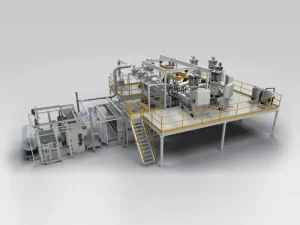
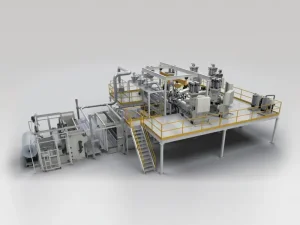
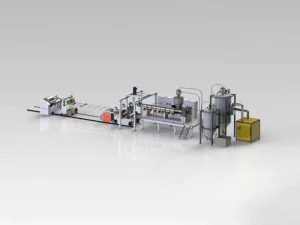
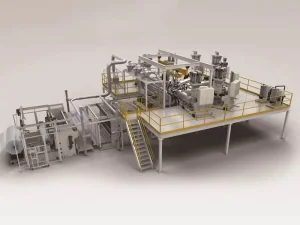
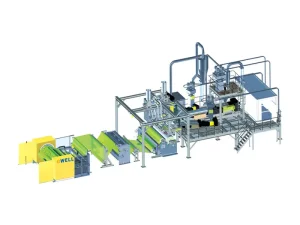
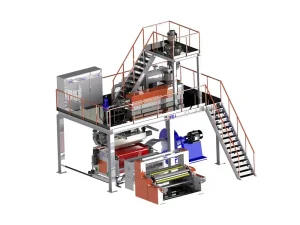
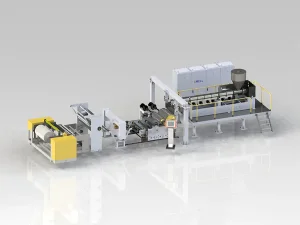
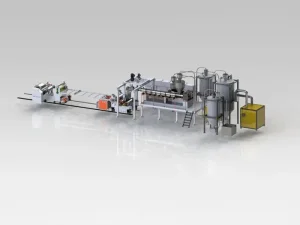
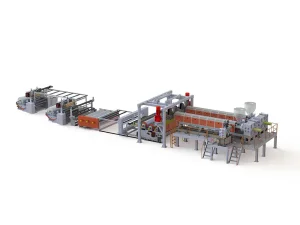
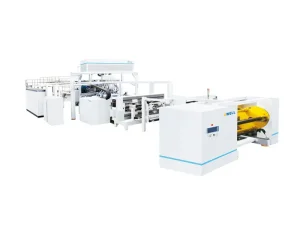
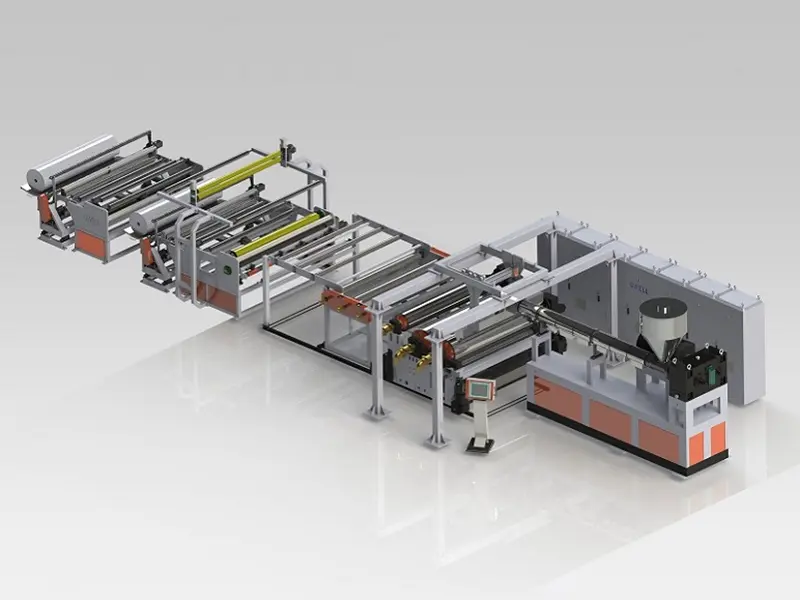
PVDF film, scientific name polyvinylidene fluoride. Our GWS75 production line can be used to produce 25-30μm thickness, 1250mm width specifications of PVDF casting film, production speed 20m/min, the output can reach 120KG/H; GWS90 production line can be used to produce 25-30μm thickness, 1250mm width of PVDF solar backplane film, production speed of 30m/min, the output can reach 180KG/H; GWS120 production line can be used for the production of 1-10mm thickness, 1250mm width specifications of PVDF silicon pickling thick plate, the output is about 350KG/H.
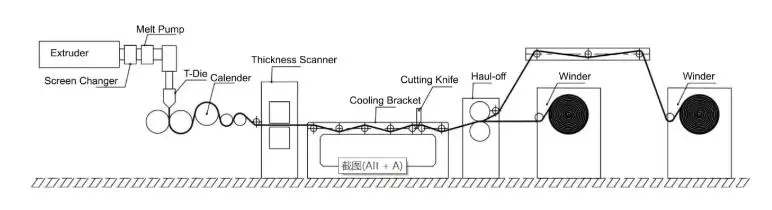
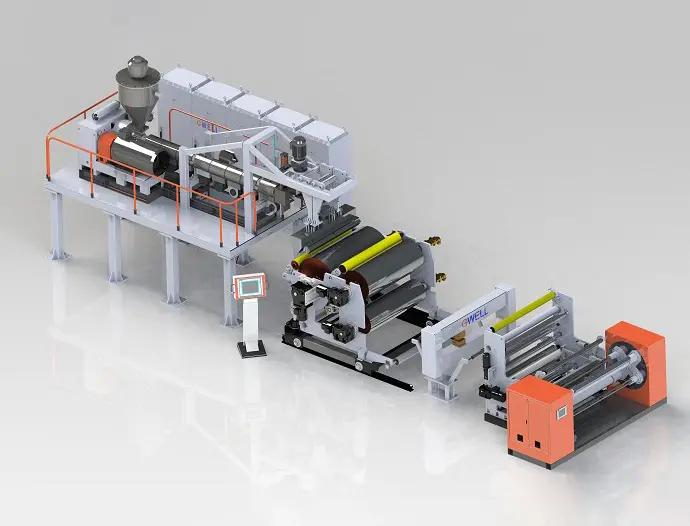
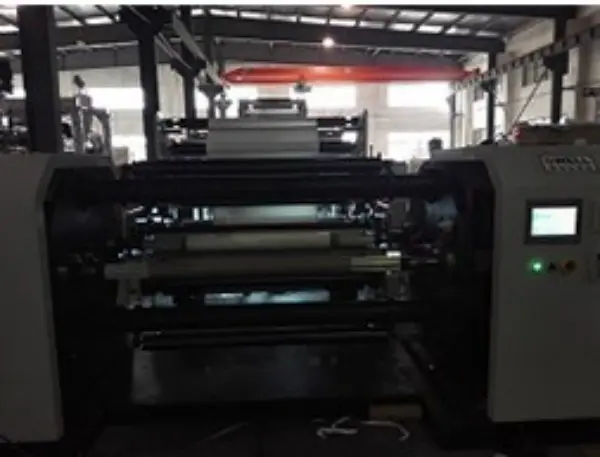
PVDF film (polyvinylidene fluoride film) is a film made by salivating and drawing. PVDF material has many advantages, such as: high wear resistance, high corrosion resistance, high aging resistance, good heat stability, flame retardant (low smoke), UV and nuclear radiation resistance, impact resistance, strong weather resistance, high mechanical strength and toughness, mold resistance.
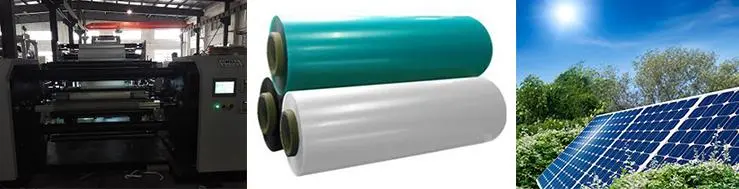
The common characteristics of PVF and PVDF films: both are fluorinated or fluorocarbon copolymers, which have greater chemical binding forces and structural stability than any other polymer, so that: It will not react with pollution factors in the atmosphere, even if the solvent with strong corrosion ability will not cause damage to it, so the surface of the protected metal plate is not easy to rust, the decorative surface is not easy to fade or embrittlement; It will not be intensified by ultraviolet light and produce changes in organizational structure, and the sun will not accelerate its "aging"; It will not change the organizational structure due to the repeated cycle of changes in the working environment temperature, the working environment allows the temperature change value of 180 ° C, (-70 ~ +110 ° C) can adapt to almost all areas of the earth's outdoor environment: PVDF solar backplane production lines for many domestic companies have achieved PVDF film mass production. The film thickness is uniform, the thickness accuracy is high, and the product has been fully verified by the market. The PVDF membrane is used domestically to replace the DuPont Tedlar (PVF) membrane, and the performance is almost the same.
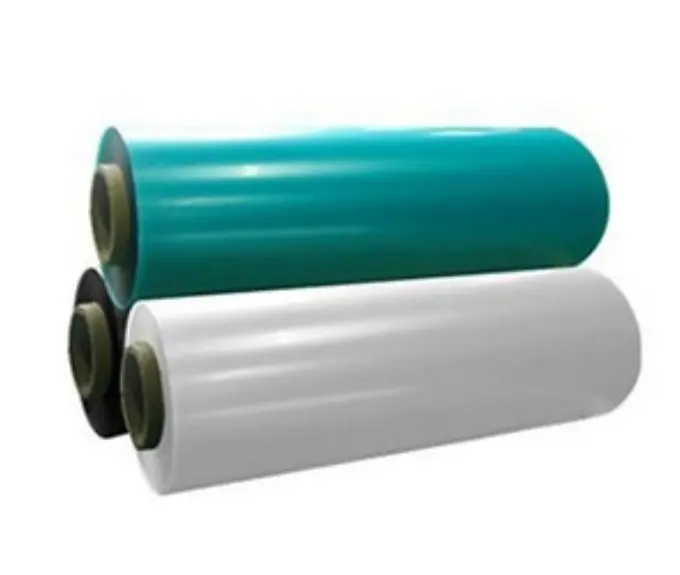
PVDF (polyvinylidene fluoride) film is produced through salivating and drawing processes. Its key benefits include high wear, corrosion, and aging resistance, excellent heat stability, flame retardancy (low smoke), UV and nuclear radiation resistance, high impact strength, toughness, and strong mold resistance.
The GWS75 line produces PVDF casting film of 25-30μm thickness and 1250mm width at 20m/min (output up to 120KG/H). The GWS90 line delivers 25-30μm thickness solar backplane film at 30m/min (output up to 180KG/H). The GWS120 line produces thick PVDF plates of 1-10mm thickness (output around 350KG/H).
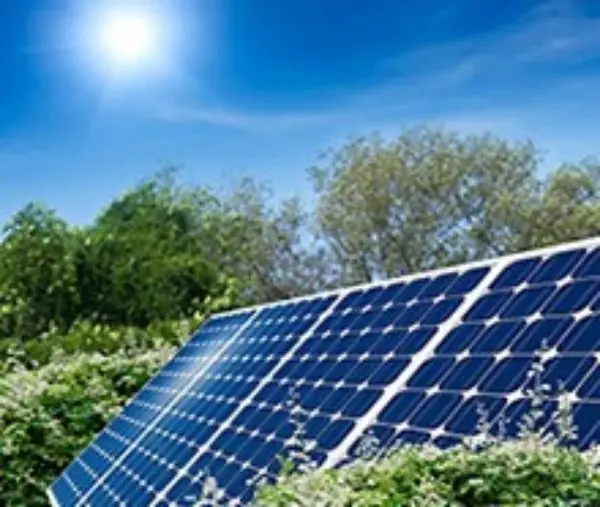
PVDF films are widely used in solar backplanes for battery protection, outdoor building decoration (glass, walls, windows, billboards), battery diaphragms in fuel cells and lithium-ion polymer batteries, water filtration membranes (ultrafiltration/microfiltration), and acoustic-matching piezoelectric films.
PVDF films exhibit superb chemical stability and do not react with atmospheric pollutants or strong solvents. They tolerate temperature variations up to 180°C (operating from -70°C to +110°C) without structure alterations, ensuring they resist UV-induced aging and protect metals from rusting.
Yes, PVDF membranes have been successfully utilized to replace DuPont Tedlar (PVF) membranes. They offer high thickness accuracy, uniform film consistency, and deliver practically identical performance verified by the market.