
Precision Engineering Solutions for Industrial Film, Sheet, and Plate Extrusion Lines
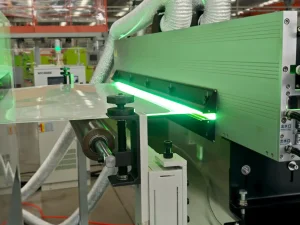
Rigid polymer processing systems optimized for premium transparency and extreme impact resistance sheet production.
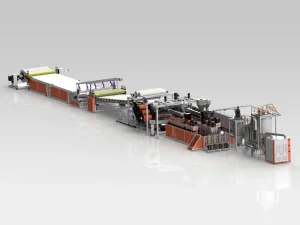
Multi-purpose board extrusion machinery designed for high optical performance and dimensional stability across polymers.
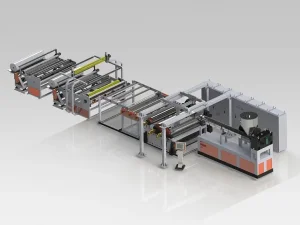
Delivers high-precision automotive laminated glass interlayer film with extreme tensile strength and acoustic control.
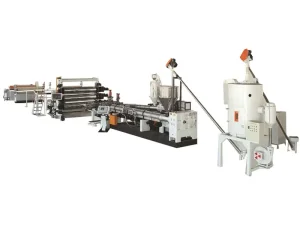
Specialized high-yield co-extrusion line producing wear-resistant and thermal insulative liner boards for industrial cold storage.
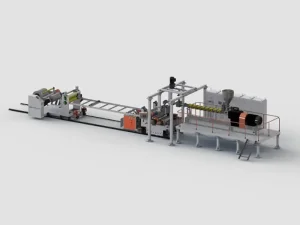
Configured for efficient plastic thermoforming sheet output with consistent melt strength and minimized thermal degradation.
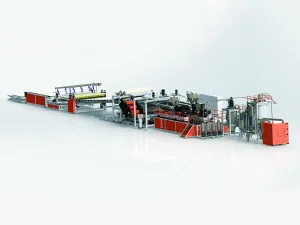
High capacity heavy-duty board manufacturing systems designed for geotechnical, mechanical, and civil lining components.
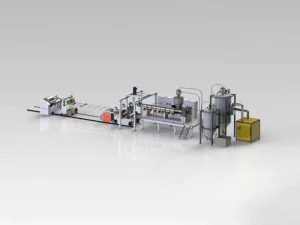
Intelligent cast film extrusion line engineered to produce encapsulating layer films for solar PV modules and high-end packaging.
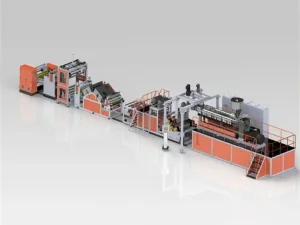
Extreme purity and precision-controlled machinery for biodegradable Polycaprolactone medical splints and orthopedic orthoses.
Technical evolution, material science, and custom cast extrusion technology configured for extreme aerodynamic stress
In the ultra-competitive domain of Formula Racing, aerodynamic efficiency and structural integrity are paramount. Lightweight carbon fiber composite bodywork, costing hundreds of thousands of dollars per monocoque, is constantly subjected to abrasive track debris, high-velocity gravel impacts, tire-wear marbles, and intense thermal loads. To mitigate structural damage while maintaining structural laminate purity, high-performance Thermoplastic Polyurethane (TPU) Paint Protection Films (PPF), colloquially known as invisible car films, are deployed.
Producing film of this caliber requires an elite-level, precision-controlled extrusion system. This whitepaper details the engineering intricacies of the Best Extrusion Line for TPU Invisible Car Film specifically tailored for Formula Racing cars, outlining structural polymer physics, processing lines, and supply-chain efficiency.
Standard commercial PPF utilizes aromatic TPU, which is prone to UV degradation, yellowing, and rapid macromolecular breakdown under track conditions. In Formula Racing, only aliphatic polycarbonate or polycaprolactone-based TPU is utilized. The absence of benzene rings within the polymer backbone ensures high photochemical stability, keeping the protective layer perfectly clear.
From a mechanical standpoint, aliphatic TPU offers excellent elastic memory (self-healing properties) and exceptional energy dissipation capabilities. When gravel hits a Formula car at 300+ km/h, the TPU film undergoes transient elastic deformation, absorbing and distributing the kinetic energy across its molecular grid, thereby preventing carbon-fiber micro-fracturing or paint chipping.
Dissipates localized mechanical stresses at hyper-velocity track speeds, protecting underlying carbon fiber composites from cracking.
Micro-scratches caused by high-speed dust particles seal automatically when exposed to engine thermal radiation or sunlight.
Aliphatic formulations prevent cross-linking breakdown under intense solar radiation, retaining 99% optical transmittance.
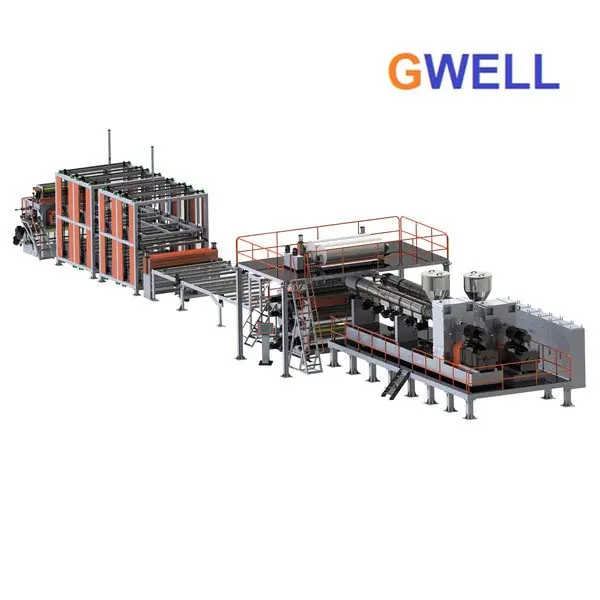
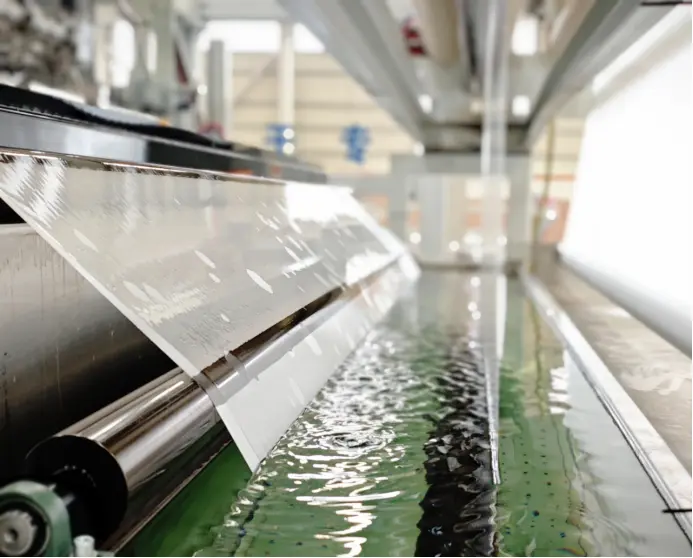
Manufacturing racing-grade TPU invisible film demands absolute uniformity. A variance of even 2 microns can disrupt boundary-layer aerodynamics on a Formula front wing. Gwell's specialized TPU Cast Film Extrusion Line relies on several key technological modules:
The global market for paint protection films is shifting from simple commercial utility to high-end functional laminates. In Formula Racing, GT Championships, and high-performance electric vehicles (EVs), teams utilize TPU films not just for aesthetics, but as a critical weight-saving strategy. Instead of thick, heavy clear coats of paint, teams apply an ultra-thin 6-mil aliphatic TPU film, shaving kilograms off the vehicle’s final weight.
Consequently, industrial film manufacturers worldwide are transitioning from basic sheet casting to high-precision co-extrusion. Extrusion lines must be capable of processing multi-layer composites (TPU + top coat + pressure-sensitive adhesive + liner) in unified, cleanroom-standard operations.
The future of TPU invisible car films lies in multi-functional integration and environmental sustainability. Gwell's R&D division has outlined a 5-year technology roadmap focusing on three core areas:
Integrating machine learning algorithms into the extruder's thermal zones to predict melt pressure fluctuations and auto-correct parameter settings in real-time.
Adapting extruder screws and barrel geometries to process next-generation bio-sourced TPU without compromising the tensile strength or optical clarity required by motorsports.
Co-extruding micro-layers of graphene-enhanced TPU to introduce advanced thermal dissipation pathways, helping protect hybrid racing battery components.
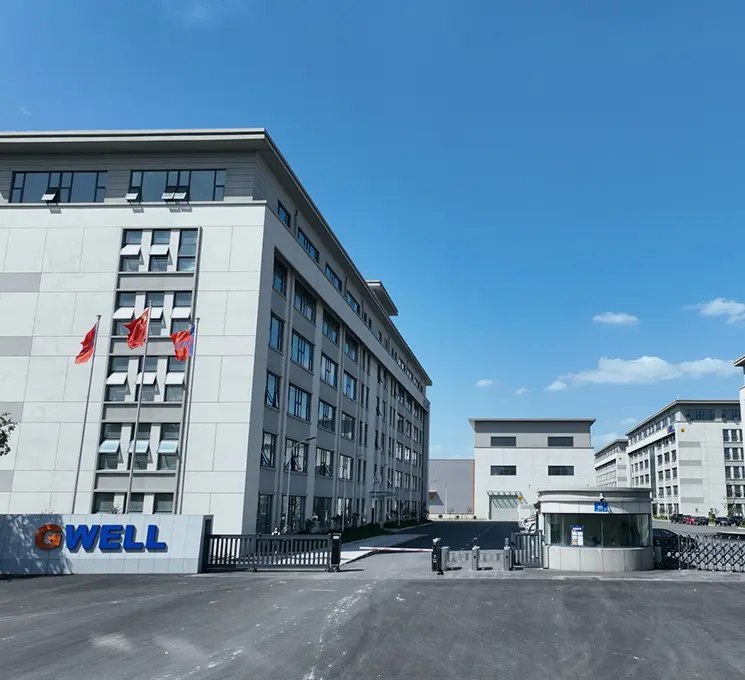
As a premier global supplier of heavy plastic extrusion machinery, China Gwell Machinery Co., Ltd. leverages a highly integrated local industrial ecosystem to deliver world-class machinery at optimized lead times. Our three massive production bases span over 866,000 square meters, allowing us to perform heavy machining, precise component fabrication, and complex software programming under one unified quality control standard.
By sourcing premium motorsports-grade metallurgical components, high-precision gearboxes, and state-of-the-art electrical control systems (such as Siemens PLC systems) locally, Gwell mitigates geopolitical supply chain risks. Our customers receive rapid commissioning services, ready spare parts availability, and competitive pricing that yields exceptional return on investment.
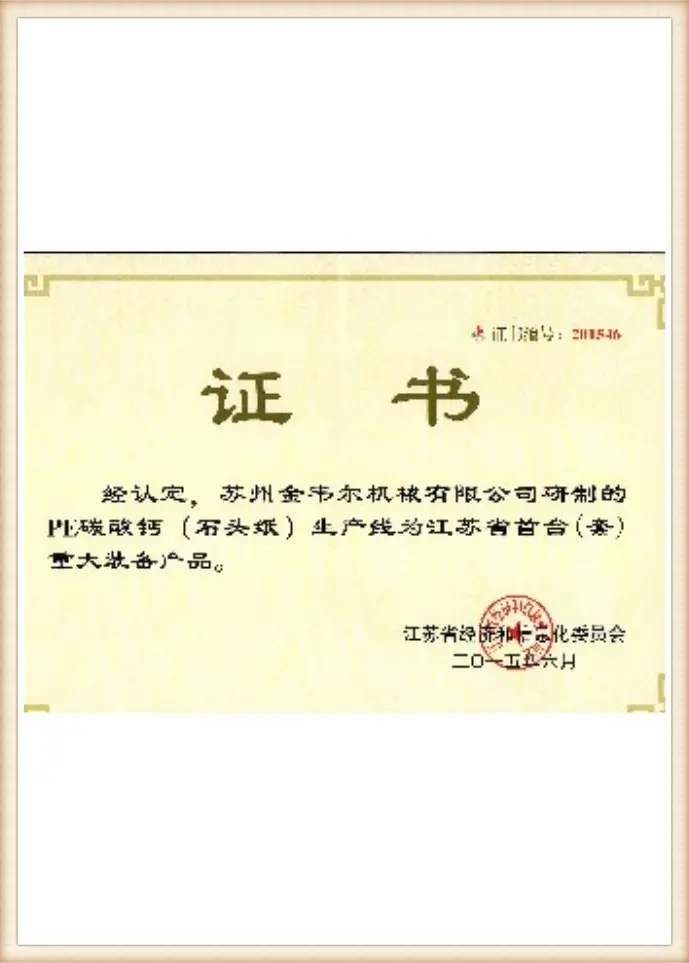
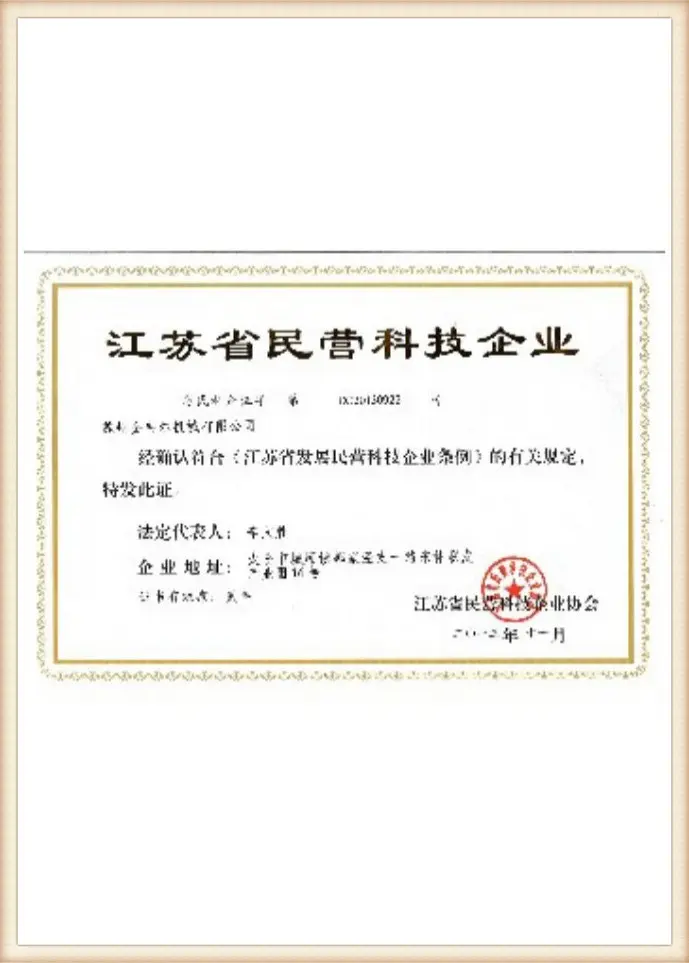
To support global film manufacturers, Gwell maintains a decentralized network of application engineers capable of providing on-site commissioning, tuning, and staff training. All extrusion lines conform strictly to CE, UL, and ISO 9001 certifications. Our energy recovery systems reduce power consumption by up to 20% compared to traditional cast extrusion systems, ensuring compliance with global environmental regulations and carbon emission standards.
Explore Gwell's Core Technological Subcategories and Extrusion Innovations
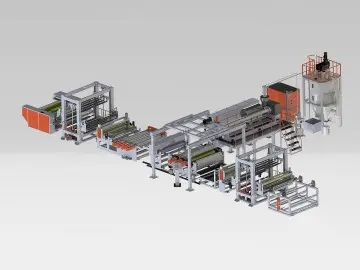
GWELL Machinery Co., Ltd., a leading manufacturer of plastic extrusion lines, proudly presents high performance ASA solutions.
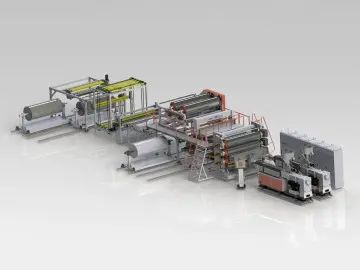
TPU Laminating Film is a type of thin film material made from thermoplastic polyurethane (TPU) for robust composite surfaces.
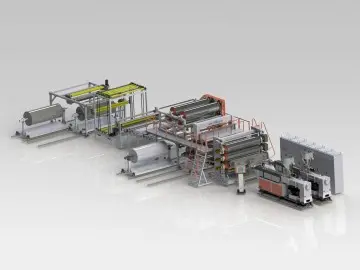
The TPU films produced on GWELL's TPU Film Extrusion Line are versatile, featuring extreme wear resistance and elasticity.
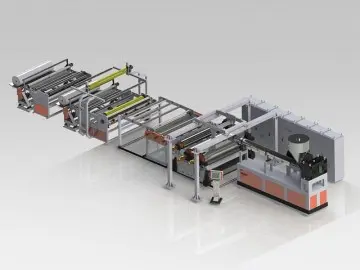
High performance fluoropolymer PVDF backplane membrane production designed as a high durability alternative for solar cells.
Addressing Crucial Engineering Queries on TPU Invisible Film Extrusion Technologies
China GWELL Machinery is a high-tech enterprise dedicating to the manufacture of plastic extrusion lines for Film, Sheet and Profile. Relying on the powerful technology and equipment of group and innovative spirit, GWELL commits to the development of high-tech products and international market.
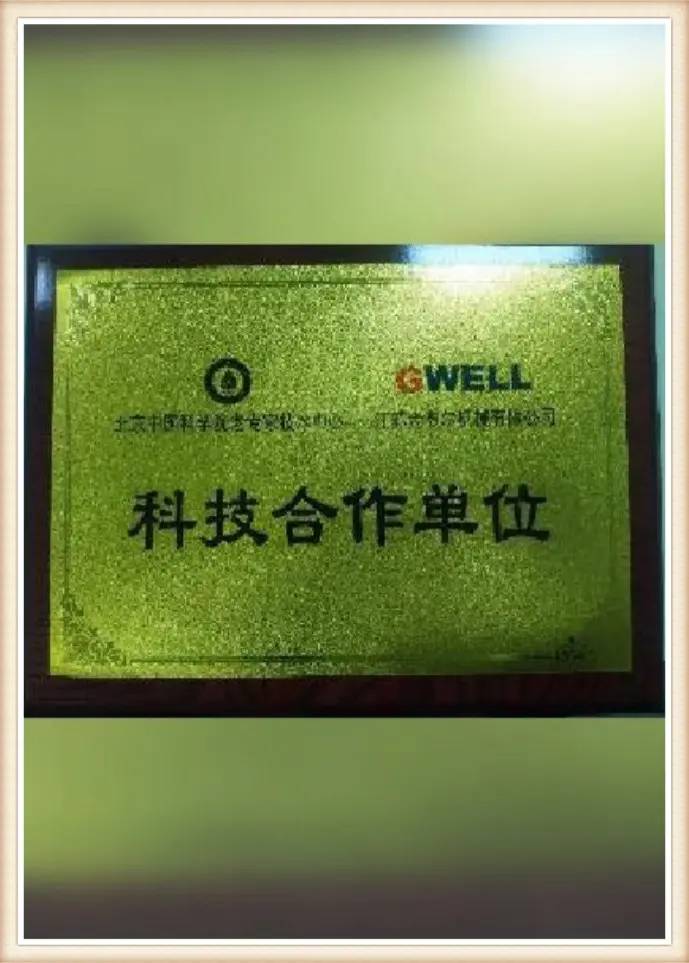
Our core philosophy, "Expertise creates customers' values", drives our engineering department to continuously innovate. We collaborate with top universities and research institutes to design intelligent, energy-efficient plastic extrusion machines.
International Engineering Compliance & Manufacturing Standards Assurance

Recent breakthroughs, global exhibitions, and newly commissioned systems from China GWELL
Discover the latest high-yield cast film structures designed to process biodegradable aliphatic TPU.
Adapting advanced POE film technology for synthetic automotive interior materials.
Our custom PVB production lines support automotive HUD integration with high-precision thickness gradients.
Collaborating with global leaders in machinery controls, polymer raw materials, and components


Consult with Gwell's engineering division to optimize your production output, line speed, and film quality.
Send Technical Inquiry NowPremium specialized co-extrusion technology configured for complex industrial operations
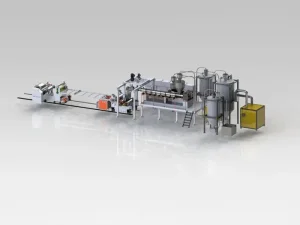
Produces decorative surfaces with high structural strength, chemical stability, and customizable texture profiles.
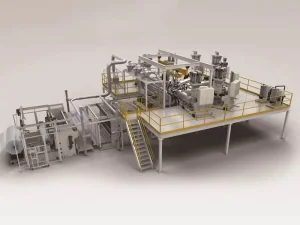
Specialized high-barrier co-extrusion system engineered for food preservation and chemical packaging.
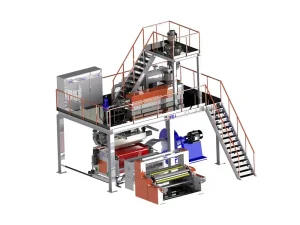
Configured for extreme filtration fibers, delivering high-charge density fabrics for medical and cleanroom usage.
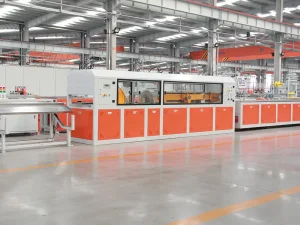
Extreme strength composites optimized to replace aluminum structural brackets in heavy environmental utility fields.
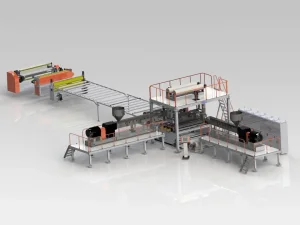
Heavy duty geofilm and construction waterproofing liner extrusion machines with extreme tear resistance.
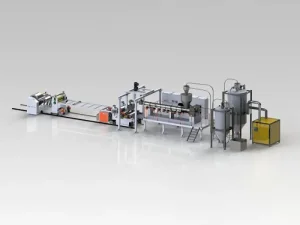
Co-extrudes structural sheet packaging with recycled inner cores and high clarity exterior layers.
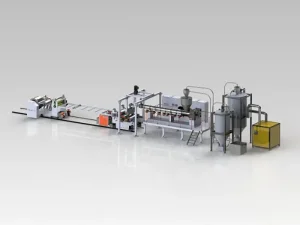
Conforms to FDA safety regulations, producing high clarity, clean thermoforming sheets for public packaging.

PCTG decorative systems combining the rigidity of PC with the ease of processing typical of standard polyesters.