
Explore our high-performance solutions engineered for optical clarity, solar energy, and industrial durability.
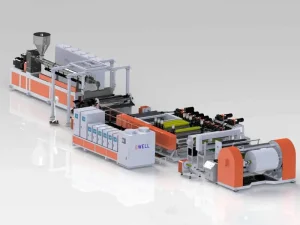
Eco-friendly technology designed to produce durable, water-resistant calcium carbonate-based synthetic paper.
Explore Factory Details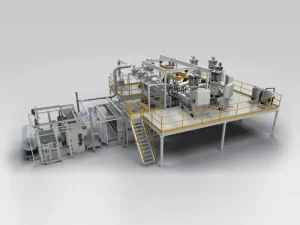
Advanced high-speed cast line delivering superb barrier performance and transparency for premium packaging.
View Company Products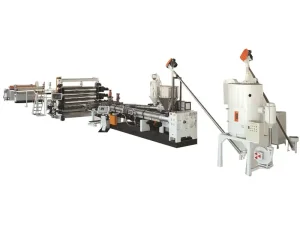
Rugged extrusion setup for heavy-duty thermoformed interior parts, automotive panels, and structural applications.
Contact Exporters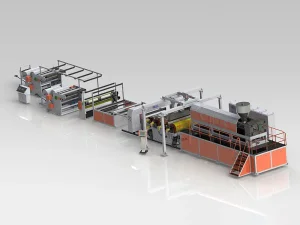
Industry-standard solar cell encapsulation lines ensuring long-term adhesion and weather resistance.
View Manufacturer Info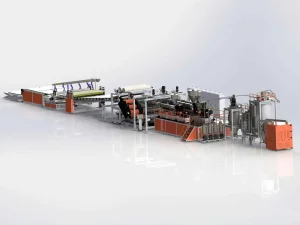
Optimized machinery for producing Building-Integrated PVB interlayers featuring enhanced UV and weathering characteristics.
Contact Exporter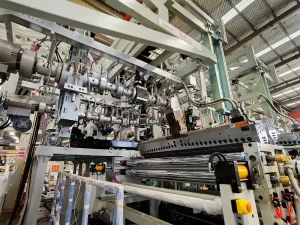
State-of-the-art continuous co-extrusion technology for light weight, high-stiffness composite panels.
Explore Exporters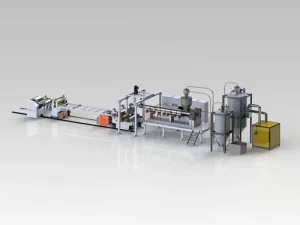
Precise multi-layer co-extrusion system for environmental-friendly decorative overlays and packaging sheets.
Connect with Manufacturers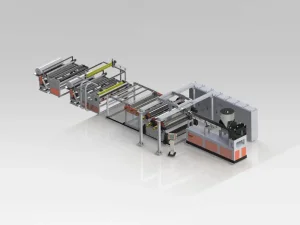
High-capacity automated extrusion systems for manufacturing safety glass interlayers with absolute thickness consistency.
See Product Line SpecsPolyvinyl Butyral (PVB) film acts as the core safety component within laminated glass, widely integrated into automotive windshields, architectural curtain walls, and Building Integrated Photovoltaic (BIPV) panels. Over the last decade, global market demand has shifted dramatically from basic protective films to highly engineered interlayers, requiring acoustic dampening, UV shielding, infrared protection, and wedge configurations designed for Head-Up Displays (HUD).
The manufacturing process of PVB is notoriously complex due to its highly hygroscopic nature, shear-sensitive rheological behavior, and high-concentration plasticizer loading. Traditionally, production required intensive manual oversight. Today, the global standard demands 100% automated PVB film extrusion lines to eliminate variation, lower waste ratios, and sustain continuous multi-day runs. As international building codes mandate stricter energy efficiency and passive safety requirements, global manufacturing centers—particularly in Asia, Europe, and North America—are undergoing rapid system retrofitting to support smart factories utilizing closed-loop digital control systems.
An automated PVB film production line represents a pinnacle of mechanical, chemical, and software engineering. Below is the structured sequence of processing operations that define a state-of-the-art extrusion line:
Continuous gravimetric feed systems calculate precise proportions of raw PVB resin, plasticizers, thermal stabilizers, and optical dyes down to a 0.1% tolerance threshold.
High L/D ratio single-screw or co-rotating twin-screw extruders execute progressive melting and plasticization. High-vacuum venting ports eliminate moisture and volatile organic compounds.
A high-precision positive displacement melt pump regulates polymer melt flow. Working in tandem with automatic thermal-expansion die bolts, it adjusts film thickness in real-time.
Once extruded from the die lips, the molten web is processed via two distinct methodologies based on end-use requirements:
As international supply chains optimize, China-based machinery manufacturers, notably GWELL Machinery Co., Ltd., have established technological dominance. This advantage is not merely based on cost efficiency, but stems from complete industrial integration and aggressive technology iterations:
| Operational Metric | Standard Global Suppliers | GWELL Advanced Chinese Lines | Industry Benefit |
|---|---|---|---|
| Lead Time (Manufacture to Delivery) | 10 - 14 Months | 5 - 7 Months | Faster time-to-market and plant startup. |
| Integrated R&D Collaboration | Internal focus, closed updates | University & research institute partnerships | Rapid deployment of new screw designs and alloys. |
| Autoclave-Free Processing Options | Limited, proprietary high-cost setups | Tailored cross-linking control and die systems | Allows downstream glass laminators to bypass autoclaves. |
| Thickness Control Precision | ±15 microns | ±7-10 microns (Closed-Loop Gauge) | Massive reduction in raw resin consumption. |
By operating three large-scale, specialized production bases covering over 866,000 square meters, Chinese manufacturers capitalize on localized supply chains for components like high-torque gearboxes, ceramic heaters, and PLC integration modules. This layout allows for high customization, enabling purchasers to specify localized component brands (such as Siemens, Beckhoff, Nordson, or Dynisco) to match their regional maintenance protocols.
Depending on the target market, automated PVB film extrusion lines are configured with specific downstream units to yield the targeted physical characteristics:
Modern vehicles utilizing Head-Up Displays require PVB interlayers with a wedge-shaped cross-section. The wedge angle prevents secondary reflections ("ghosting") on windshields. Producing wedge PVB requires an extremely sophisticated die head with dynamic flow-restricting lips and variable tension pulling rollers. A minor control variance can render the entire batch visually distorted. GWELL's specialized lines manage this parameter through synchronous servo controls that continuously modify winding tension and roller gap width.
Curtain walls, exterior balustrades, and sound-isolation glass require either multi-layer co-extrusion (where a soft sound-dampening core is sandwiched between standard mechanical PVB sheets) or high-viscosity structural PVB. Lines geared for this application feature multi-extruder feeds and specialized feedblock systems ensuring uniform layer distribution without delamination during post-installation weathering.
With Building-Integrated Photovoltaics growing exponentially, double-glass solar panels rely on PVB as an encapsulant due to its high adhesive strength to glass and long-term durability compared to standard EVA. These lines incorporate inline additive feeders to introduce specialized UV stabilizers and cross-linking promoters that protect solar cells from Potential Induced Degradation (PID).
Industrial-grade extrusion systems customized for high-yield sheet, board, film, and solar production.
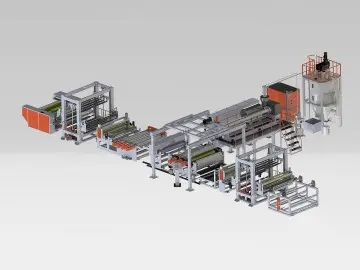
Excellent weatherability film solutions commonly co-extruded onto roof tiles and outdoor structural panels.
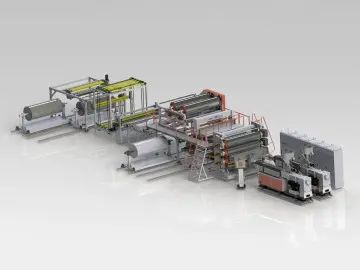
Thermoplastic polyurethane extrusion line optimized for producing flexible, wear-resistant protective films.
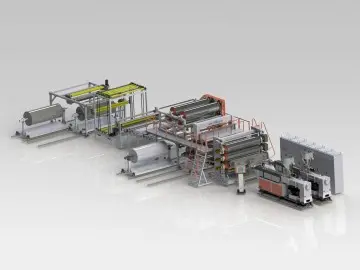
Versatile line configured for variable elastomer hardness profiles utilized in medical and industrial applications.
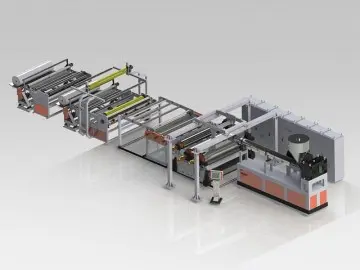
Engineered for solar backsheet protection, utilizing high chemical resistance and weathering properties.
Specialized automotive windscreen HUD interlayer extrusion line designed for high precision geometry.
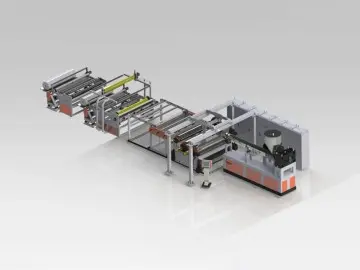
Heavy-duty system featuring gravimetric dosing, high-vacuum venting, and dynamic embossing rollers.
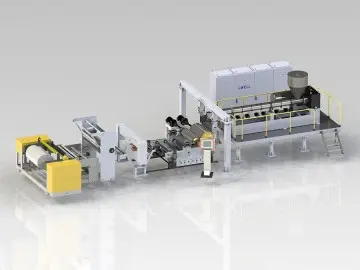
Niche extrusion systems for biodegradable agricultural films and unit-dose packaging applications.
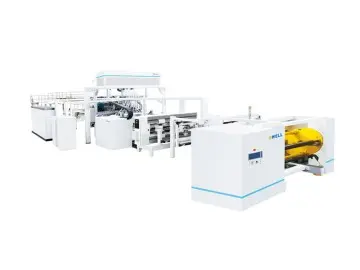
High-temperature polyimide film processing line for aerospace, electronics, and flexible PCBs.
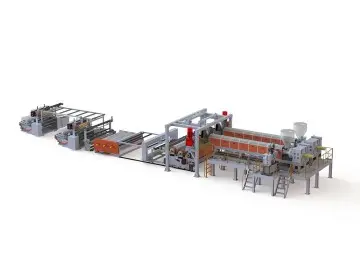
Eco-friendly alternative to PVC, widely used in hygiene, medical, and protective apparel industries.
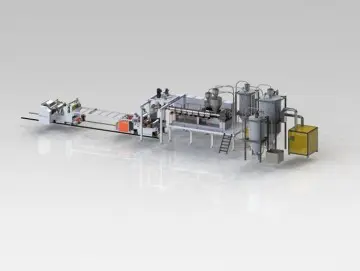
Engineered for interior panel surfaces, delivering high clarity and scratching resistance.
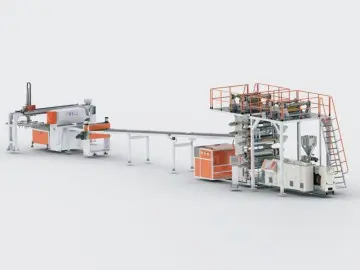
Heavy-duty co-extrusion technology for wood-plastic composites and luxury vinyl tiles.
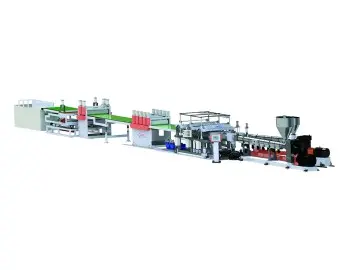
Designed for producing durable, reusable hollow building templates and concrete formworks.
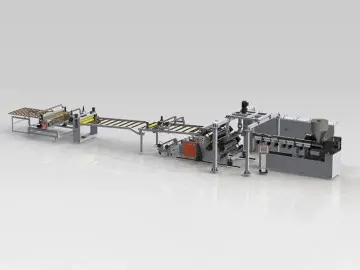
Fluoroplastic processing system optimized for chemical apparatus and semiconductor structures.
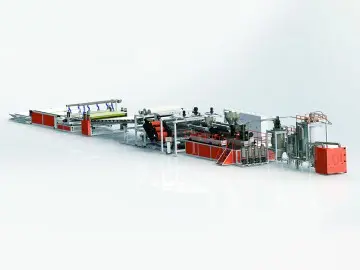
High-capacity extrusion lines producing heavy-gauge protective boards for infrastructure.
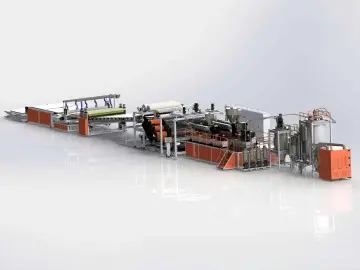
Maintains high optical purity for skylights, safety shields, and optical structures.
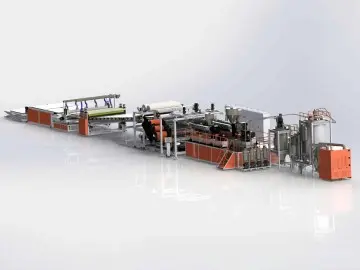
Dedicated light diffusion sheet lines for flat-panel LED fixtures and commercial displays.
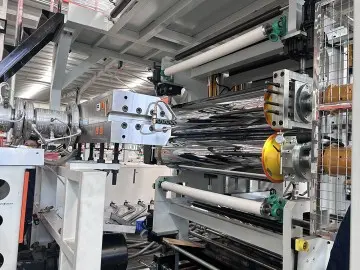
Advanced composite processing for thermal management materials and specialty gaskets.
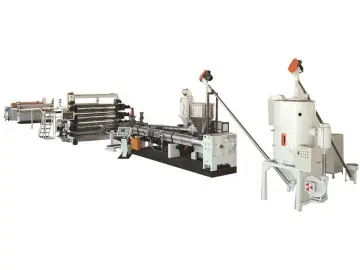
Optimized cooling and feeding parameters for high-impact refrigerator lining materials.
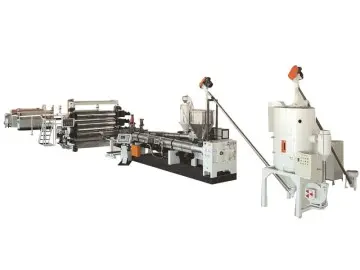
Versatile line configurations supporting flexible processing parameters across multiple styrenic materials.
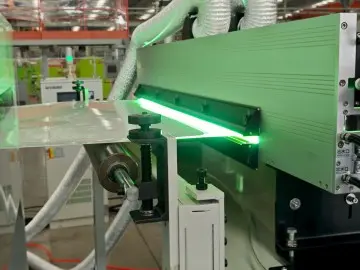
High-clear, impact-resistant copolyester sheet extrusion for durable consumer products.
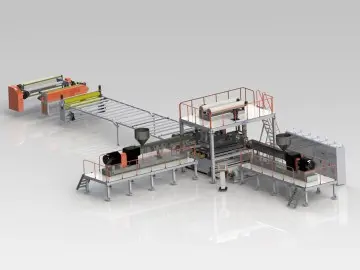
Automotive floor mat and sealing profile sheets featuring high elastic memory.
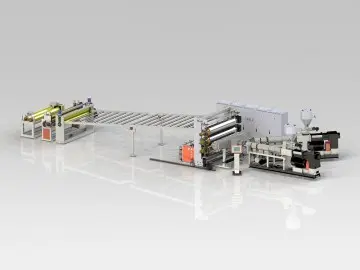
Configured for optical grade thick sheets utilized in display screens and security glazing.
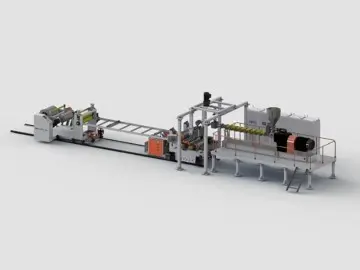
Co-extrusion configurations yielding dual-colored sheets for folders, stationery, and packaging.
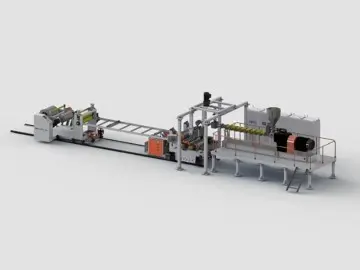
High-speed packaging materials line supplying thermoforming factories with ultra-uniform thickness.
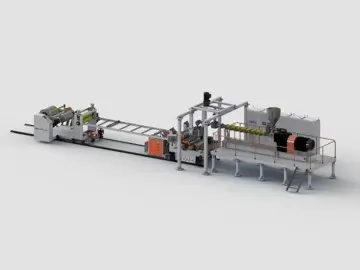
Bio-degradable polymer line featuring dry-dosing and crystallizer systems for processing PLA.
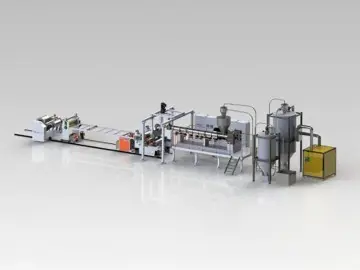
Utilizes de-humidifiers and precise calenders for producing clear food-grade clamshell stock.
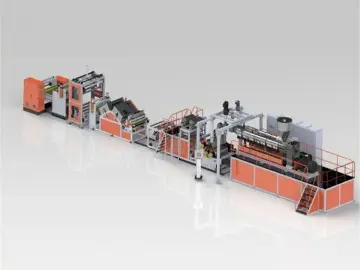
Specially clean-room adapted setup for fabricating medical-grade low-temperature splints.
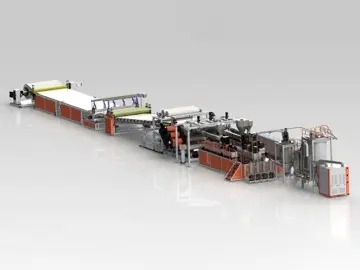
Co-extrusion configurations yielding scratch resistance PMMA surfaces on core PC impact layers.
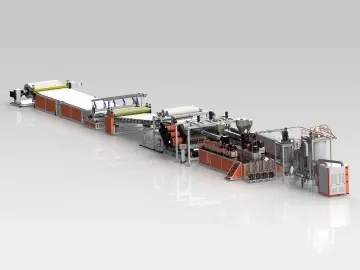
Meets UL94 criteria, supplying engineering sheets for rail vehicle and electronic enclosures.
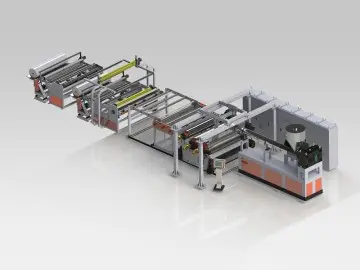
SentryGlas-equivalent structural film extrusion, yielding 5 times the tear strength of PVB.
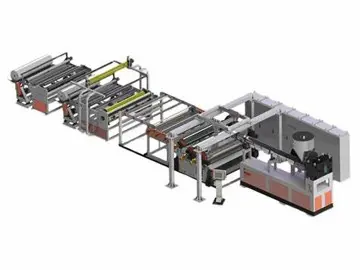
Highly optimized cast line variant engineered specifically for photovoltaic solar cell encapsulation.
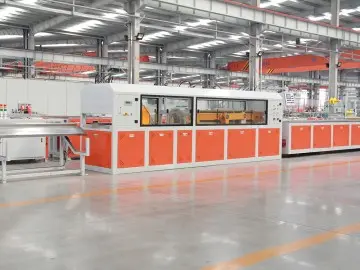
Pultrusion-extrusion systems replacing aluminum profiles with lightweight composite structures.
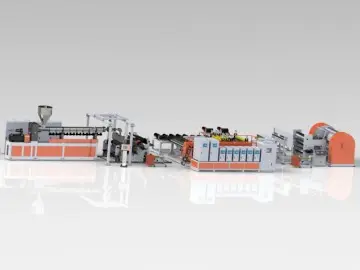
Advanced high-performance separators supporting fuel cells and alkaline water electrolyzers.
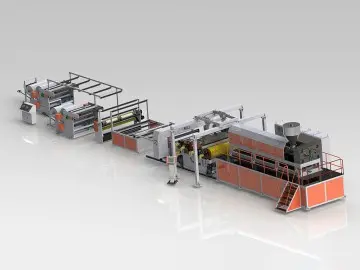
High-throughput continuous cast film systems serving the global green solar energy supply chain.
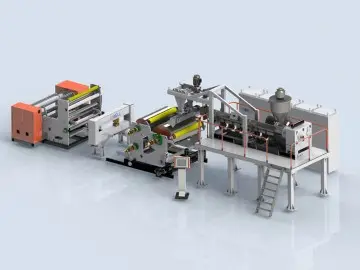
Ensures reliable chemical stability, moisture exclusion, and zero potential-induced degradation (PID).
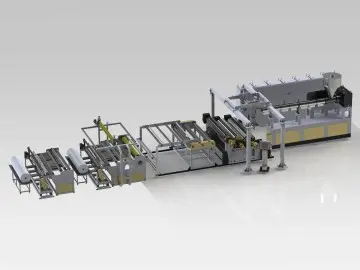
Three-layer co-extrusion technology (EVA/POE/EVA) combined into a single high-efficiency film.
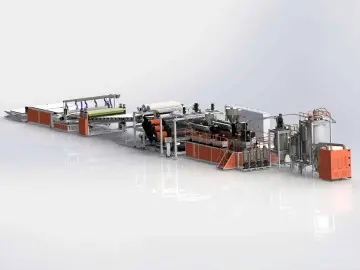
Engineered specifically for structural building facades to deliver outstanding adhesion and insulation.
When purchasing an automated PVB film extrusion line, industrial procurement officers must perform due diligence on several mechanical and process parameters. Because PVB film is sticky and undergoes mechanical deformation, selecting the wrong line configuration can lead to constant structural failures during rewinding. Consider the following criteria:
By implementing a highly automated plant structure, operating companies can run extrusion systems with minimal floor technicians—often requiring only two operators per shift for raw material monitoring and automatic winding reel swaps.
CHINA GWELL MACHINERY CO., LTD. is a high-tech enterprise dedicated to the design and manufacture of high-performance plastic extrusion lines.
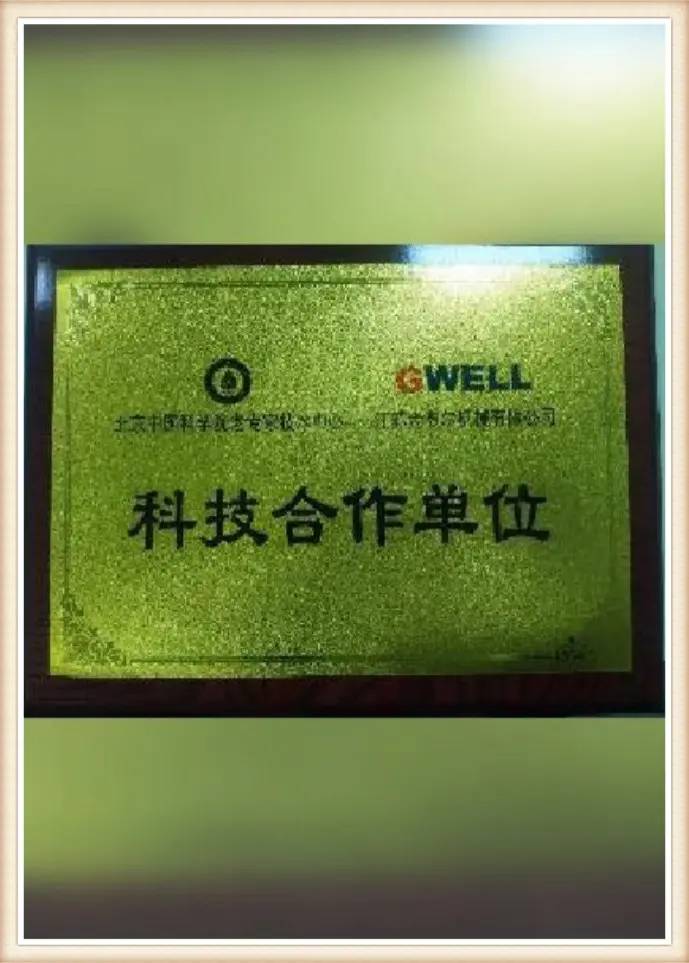
Collaborations with top universities and global research institutes facilitate the development of advanced polymer processing technology.
Providing complete end-to-end support including customized layouts, system integration, test trials, and quick-response maintenance.
Over 100 experienced polymer engineers and mechanical design technicians committed to quality machine designs.
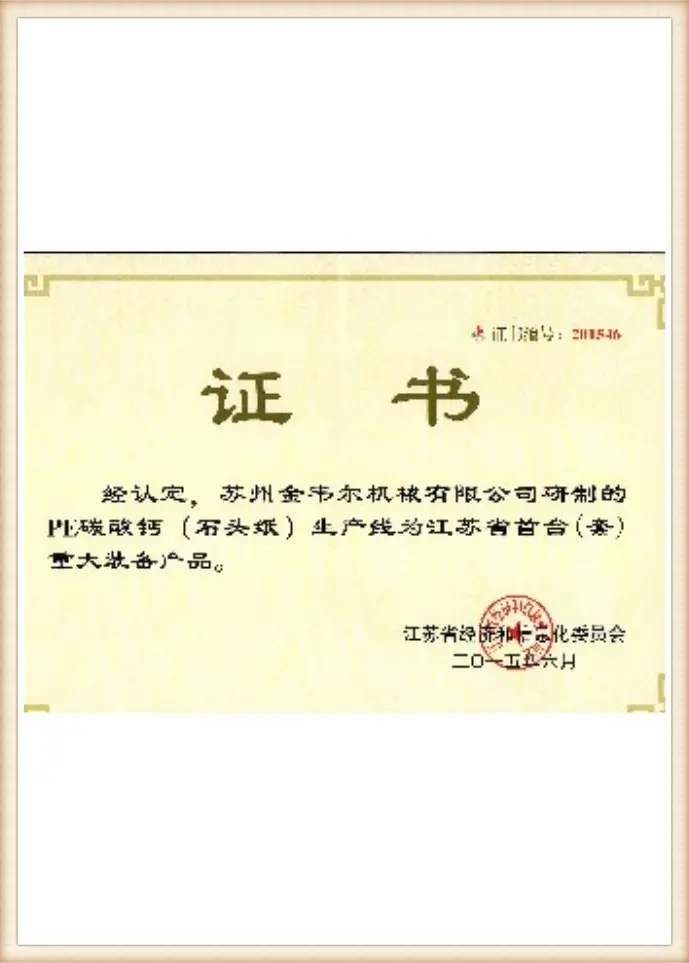
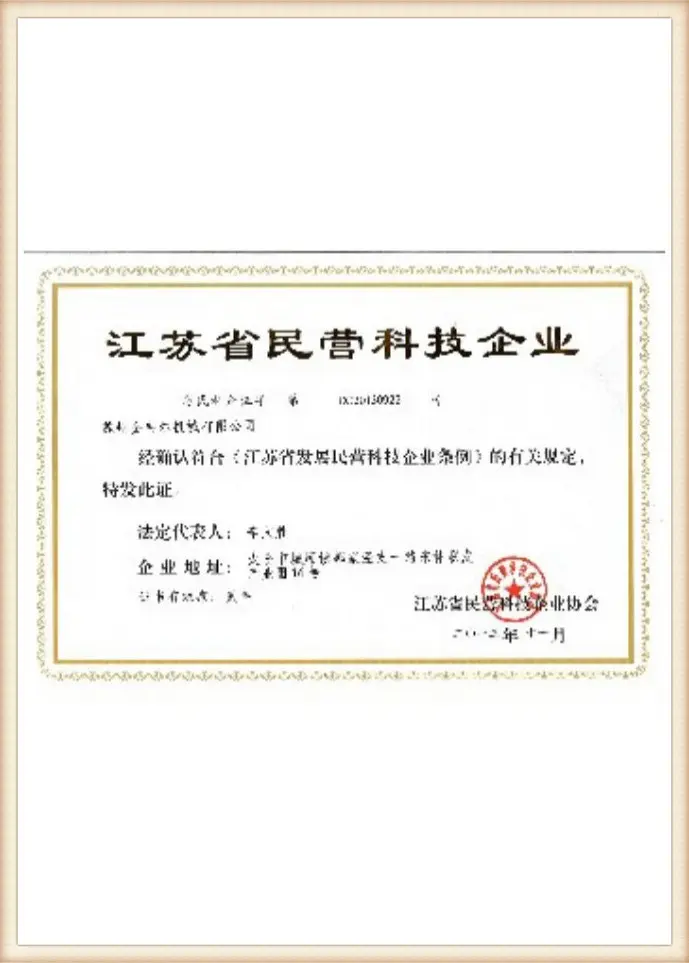
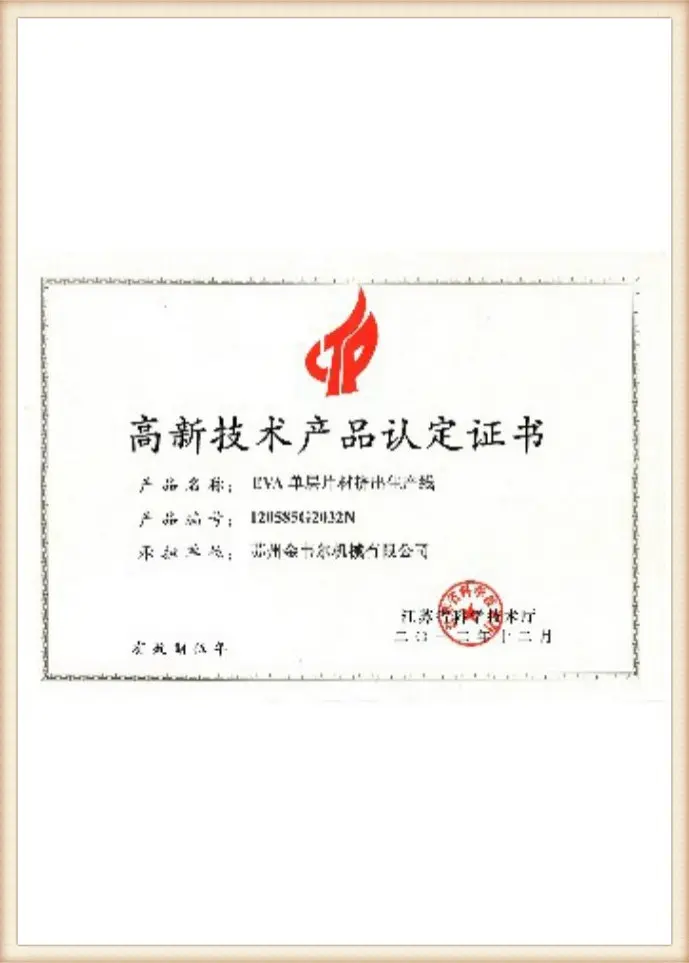
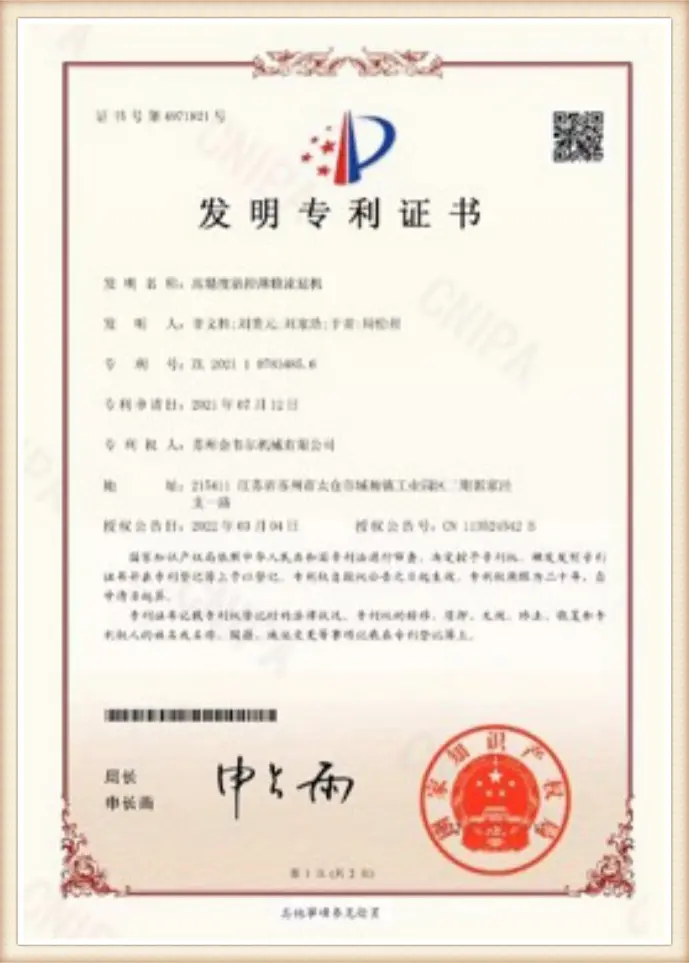
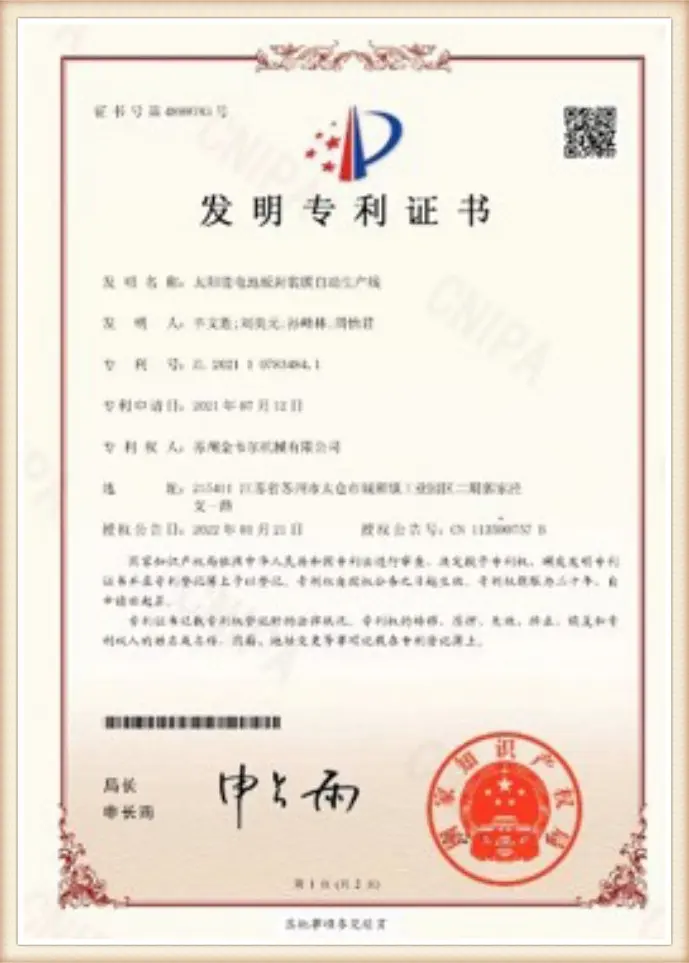
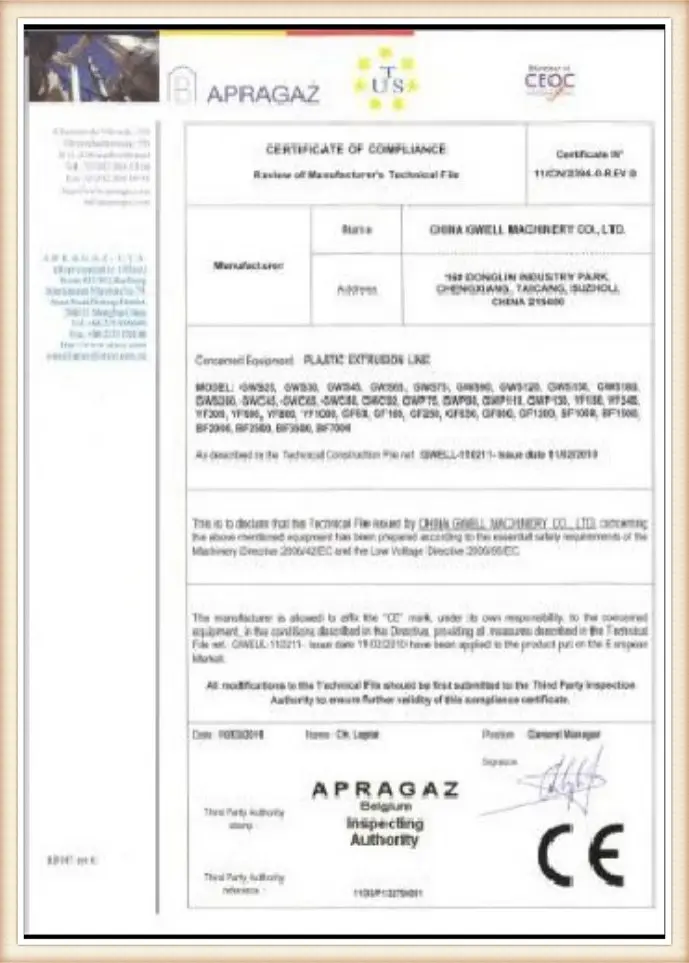
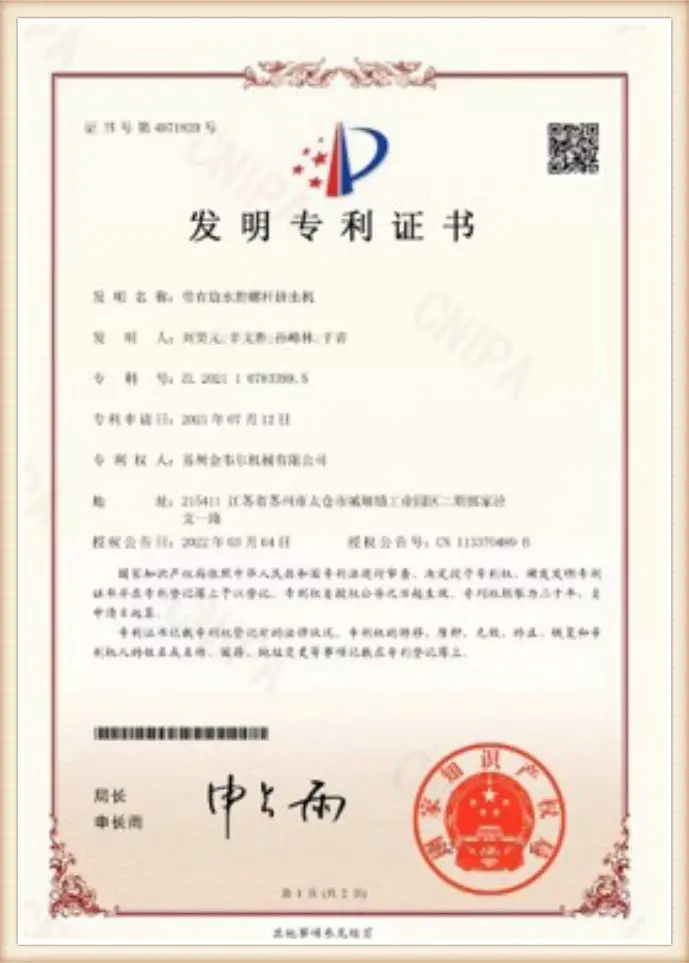
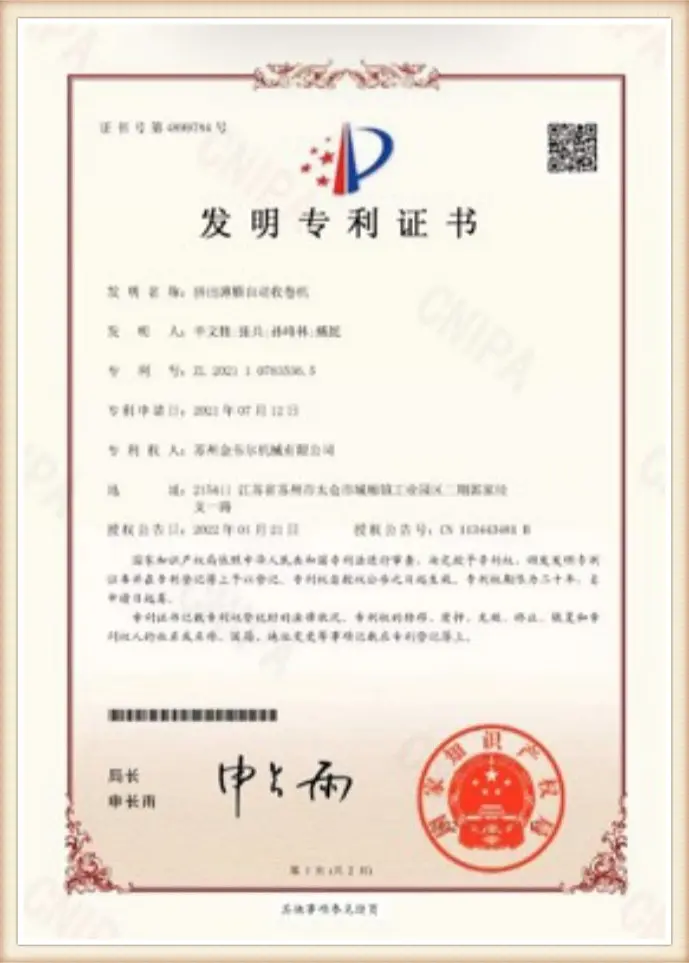
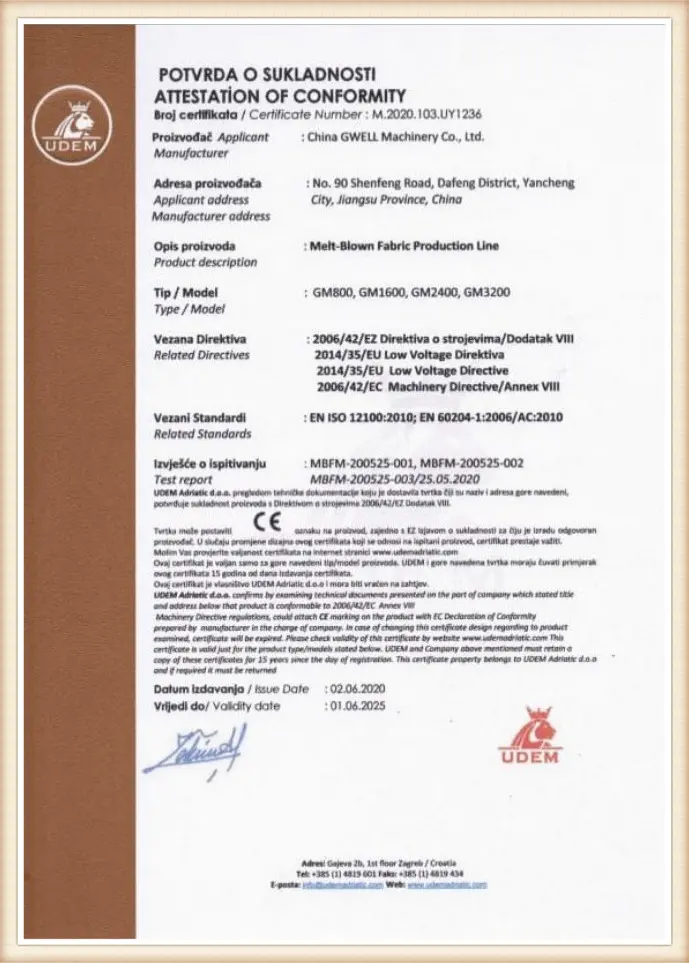
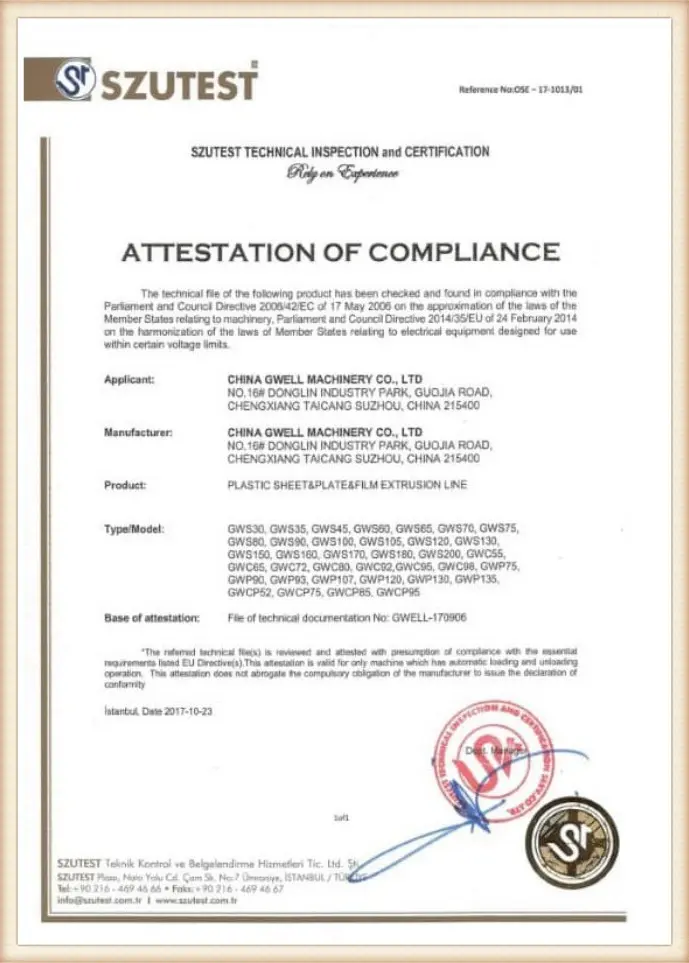
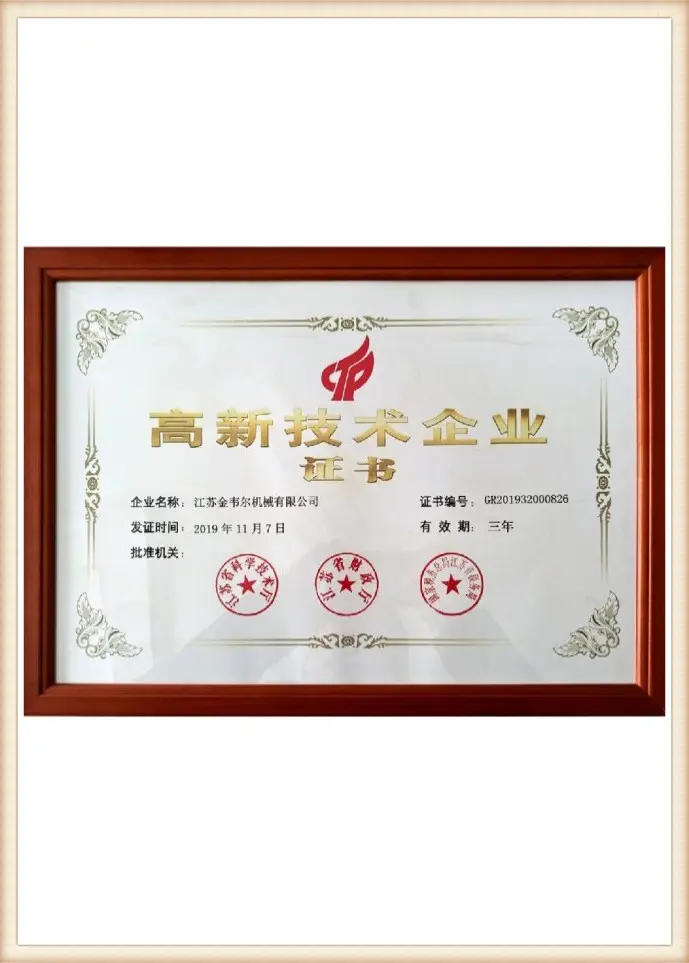
Rigorous international compliance and mechanical certifications ensuring safe and reliable operations.

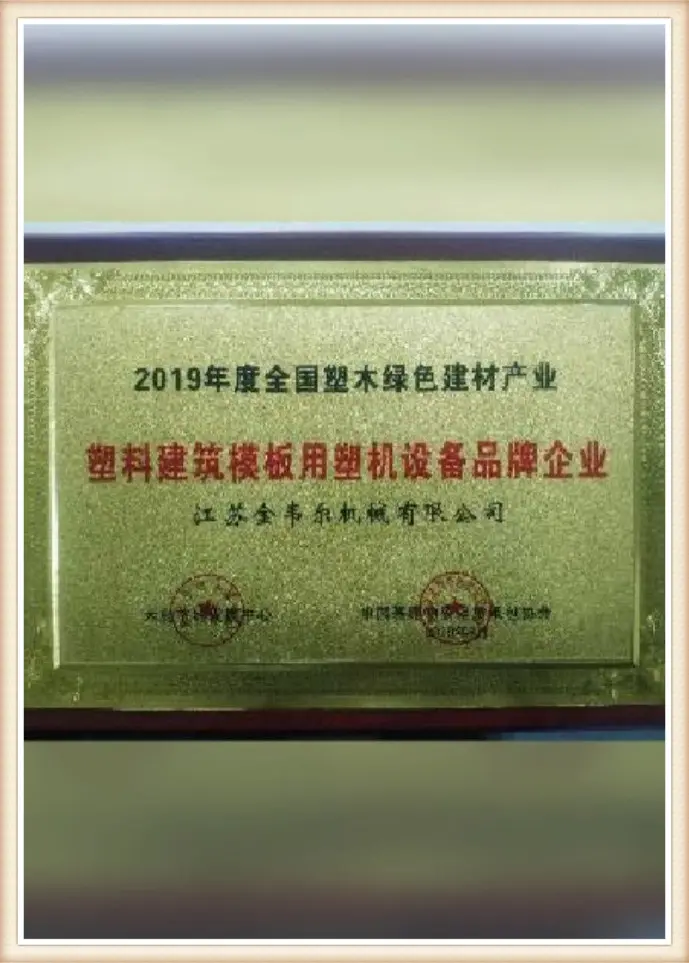
Stay updated on our technological developments, exhibitions, and industry innovations.
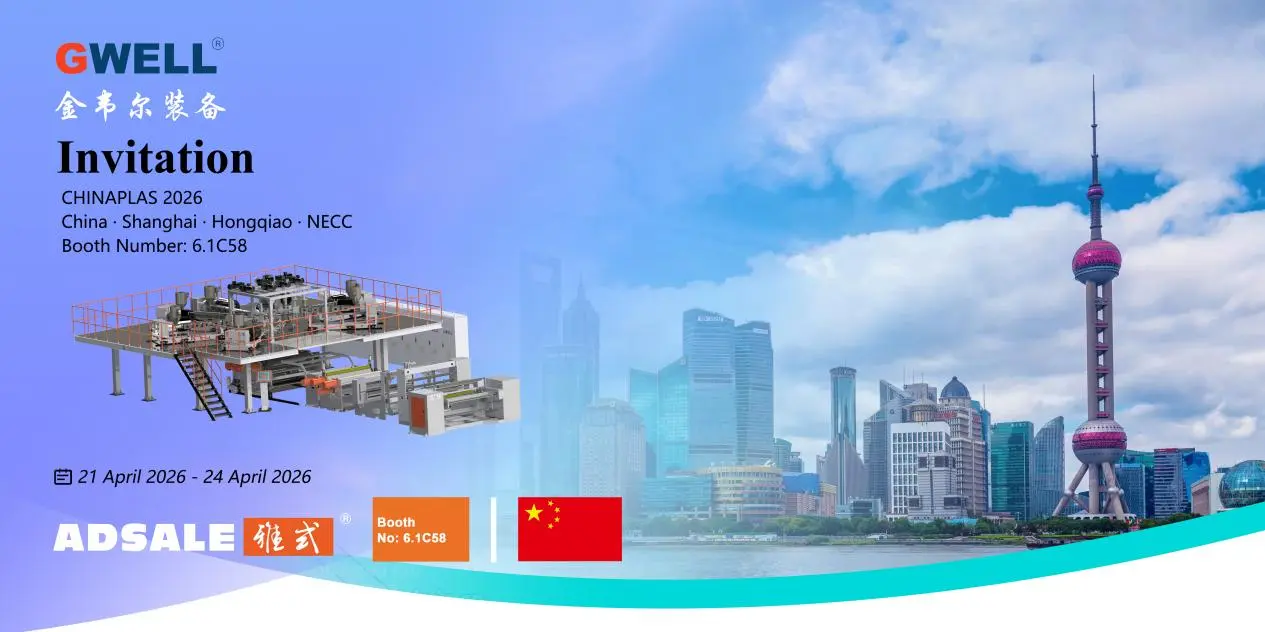
GWELL presents its latest automation configurations for high-capacity cast film systems.
Read More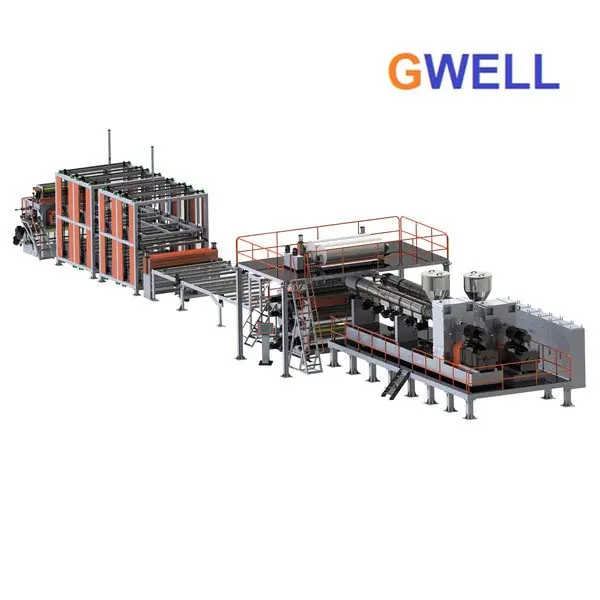
Breakthroughs in synthetic leather, developing POE composites for low-emission car interiors.
Read More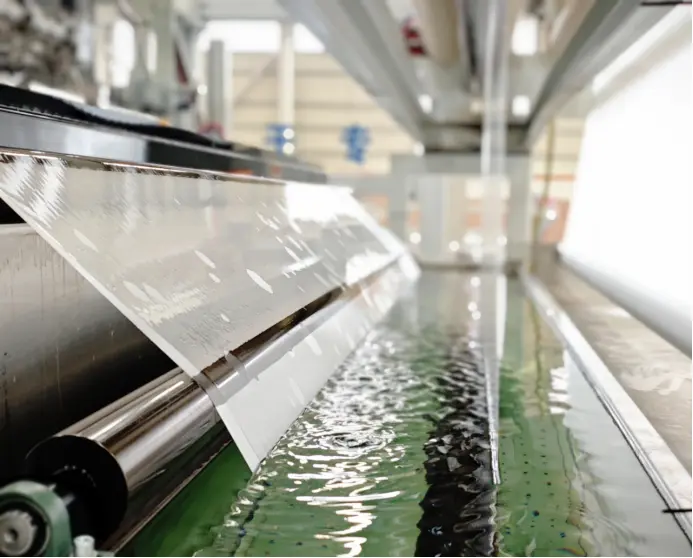
GWELL's HUD-grade PVB wedge film production line achieves absolute precision thickness profiles.
Read More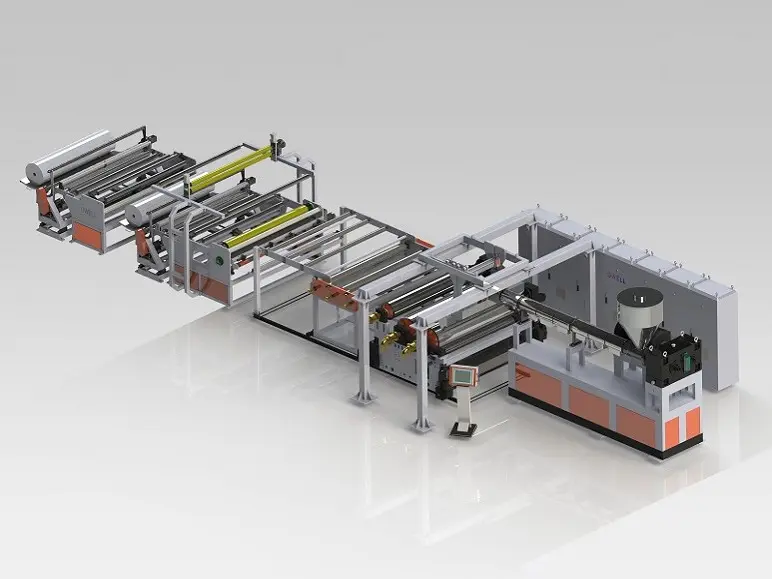
New PETG line starts trial runs, demonstrating excellent clarity and wear resistance indices.
Read More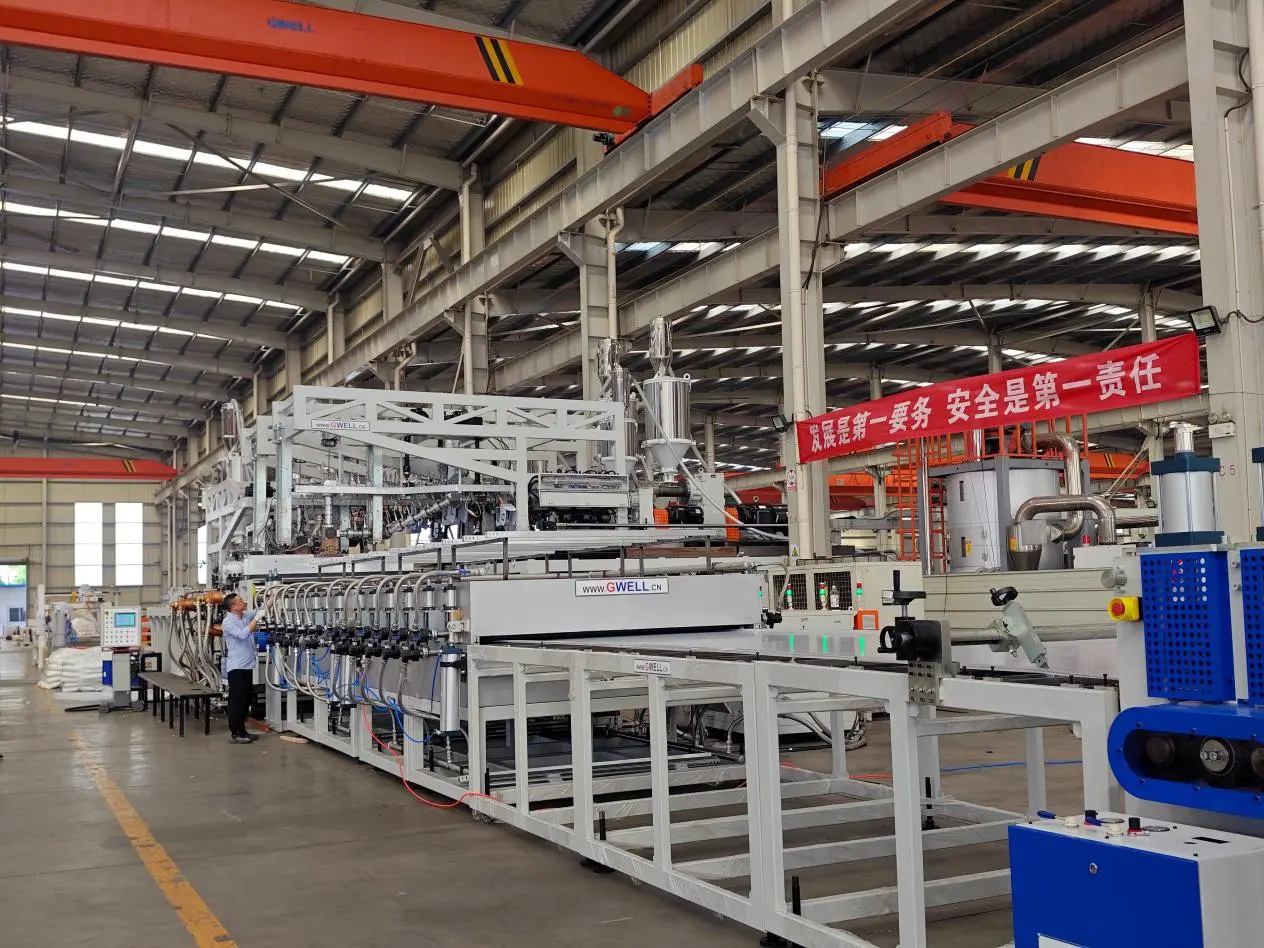
High-stiffness honeycomb panel continuous co-extrusion technology launched globally.
Read More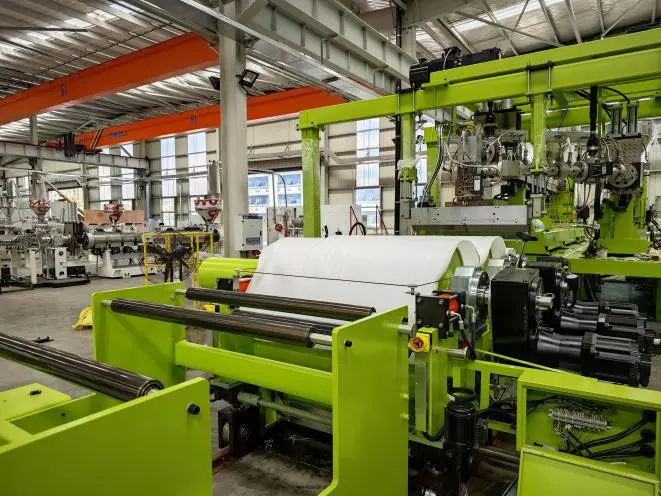
Strategic alliances established with global green packaging giants for biodegradable sheets.
Read More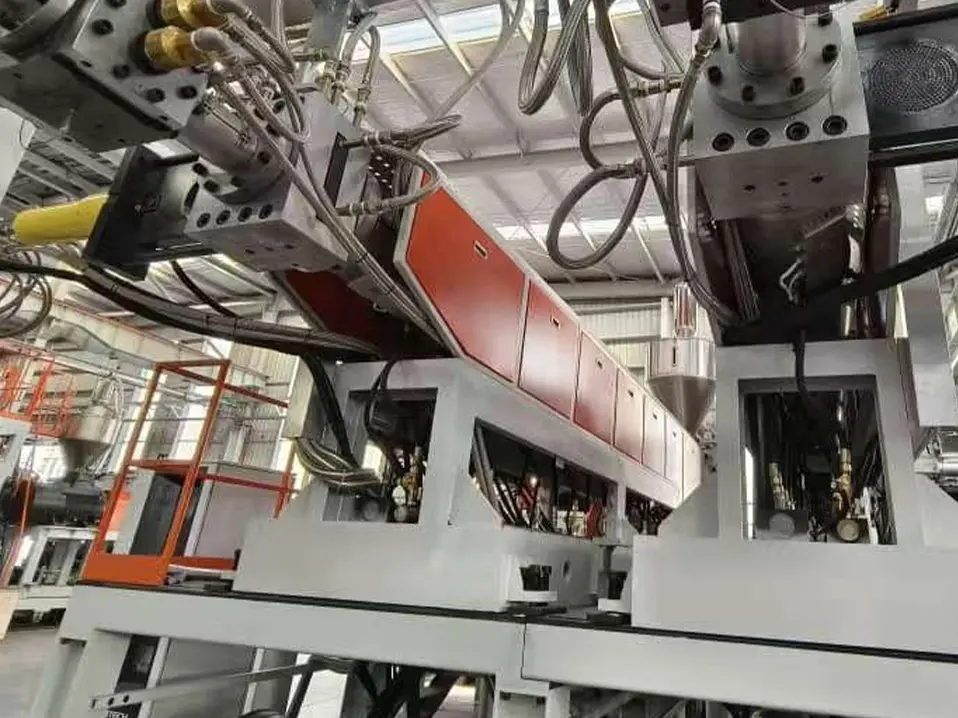
High automation lines deliver double-glass photovoltaic cell encapsulants with excellent PID resistance.
Read MoreA: The line typically feeds high-viscosity polyvinyl butyral resin powder, liquid plasticizers (typically 3G8 or triethylene glycol di-2-ethylhexoate), thermal stabilizers, UV blockers, and coloration masterbatches. All ingredients are continuously calculated using a dynamic gravimetric loss-in-weight system.
A: GWELL integrates a closed-loop system combining online beta-ray or X-ray thickness scanners with thermal expansion bolts in the T-die. The scanner reads thickness profiles at high frequency; if a deviation is detected, it triggers local heaters on the die bolt to expand/contract, correcting melt distribution within seconds.
A: PVB raw resin is highly hygroscopic. If trace moisture or volatile residues from plasticizers remain in the melt, bubbles or optical defects develop. Multi-port vacuum devolatilizing zones on the extruder barrel extract these gaseous impurities under high pressure differentials.
A: Wedge PVB has a precise tapering thickness profile across its width (e.g. going from 0.76mm to 0.95mm), designed to align with windshield curvature for Head-Up Displays. Architectural PVB has a uniform thickness across the sheet.
A: Typically, no. PVB requires high temperatures and drying/devolatilizing zones, while EVA and POE are highly heat-sensitive polymers that require low shear, rapid cooling, and chemical cross-linking. Attempting to run EVA in a standard PVB extruder would result in material cross-linking inside the barrel.
A: GWELL uses specialized calender cooling systems. For structural films, chilled embossing rollers imprint a micro-mesh design. For high-clarity optical grades, water-quenching calenders cool the film rapidly, preventing crystallization and maximizing transparency.
High-capacity extrusion systems supporting industrial, engineering, and optical processing applications.
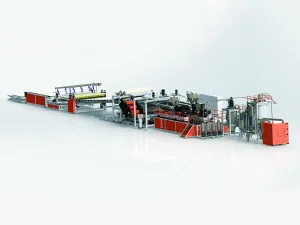
Heavy-gauge board extrusion lines engineered for high throughput and dimensional stability.
View Factories & Companies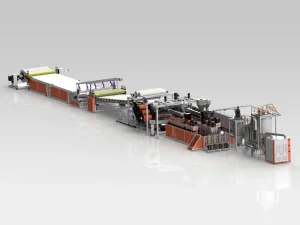
Multi-purpose sheet lines with advanced calendar configurations for display applications.
Explore Custom Exporters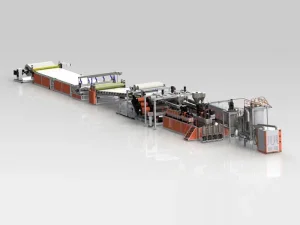
Eco-friendly automotive interior sheet systems with high slip resistance and elasticity.
Contact Manufacturers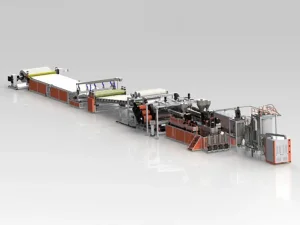
Optical-grade sheet production lines with class 100 clean-room enclosures and dynamic cooling controls.
View Company Details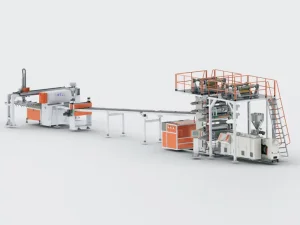
Integrated mixing, dosing, and calibration tables for high-durability vinyl board and flooring products.
Contact Exporters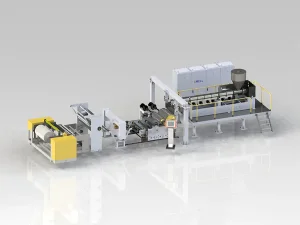
Specialized stretching film lines for protective garments, sanitary napkins, and diaper backing films.
Explore Factory Specs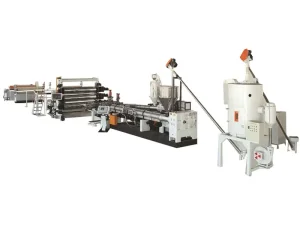
Specially designed cooling parameters for vacuum thermoforming refrigerator inner tanks.
View Products Listing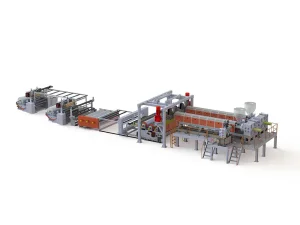
High-speed packaging and agricultural film lines with automatic winder tensions.
View Manufacturer InfoCollaborating with global industry leaders to supply premium materials and components.
GWELL's R&D capabilities and precision machining capacities are highly recognized across the industry. Share your production requirements for a detailed layout proposal and quotation.
Send Inquiry Now