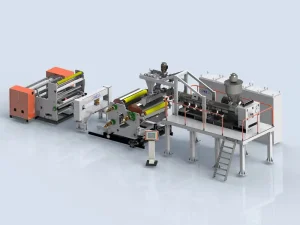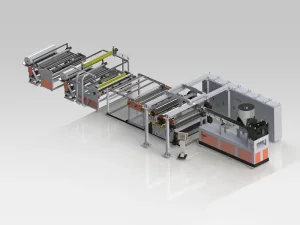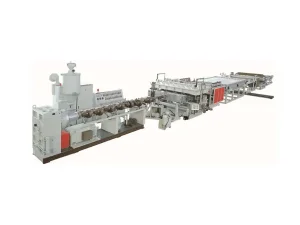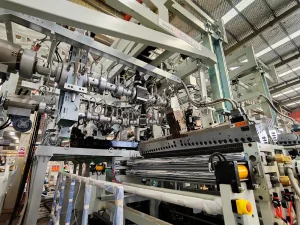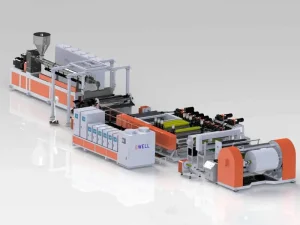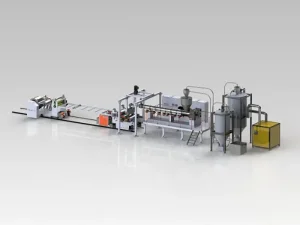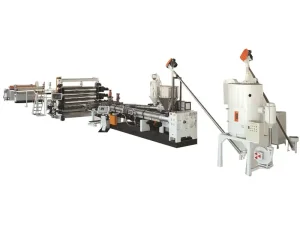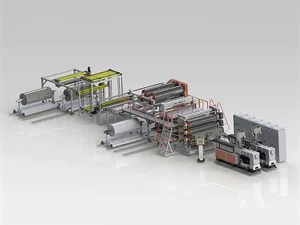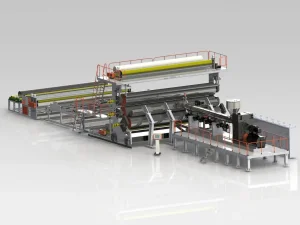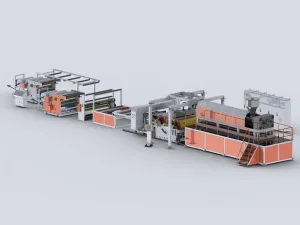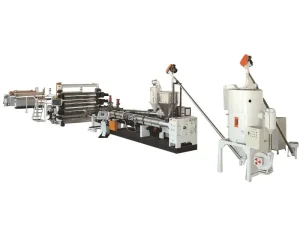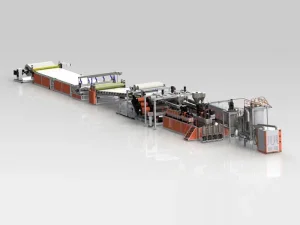
Explore our advanced industrial extrusion machinery designed for high performance, reliability, and precision.
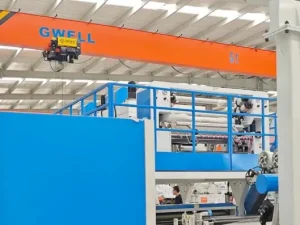
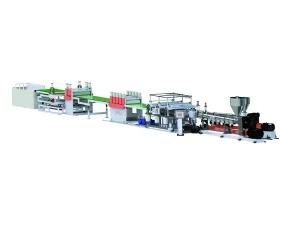
Unlocking ultimate waterproofing and durability for global bridge structures via precision polymer co-extrusion technology.
In modern civil engineering, bridges are exposed to relentless dynamic stresses: rapid thermal cycles, environmental loads, seismic activities, and continuous heavy traffic. The expansion joints in concrete bridge decks are highly vulnerable entry points for moisture, chloride ions, de-icing salts, and debris. If water penetrates these joints, the underlying steel reinforcements corrode and concrete spalling occurs, which severely compromises structural integrity.
Historically, traditional elastomeric seals like neoprene or PVC water stops dominated the market. However, modern engineering standards are shifting rapidly toward Polyethylene (PE) and Polyethylene-based Thermoplastic Elastomers (TPE). PE water stops offer superior chemical stability, resistance to environmental stress cracking (ESCR), and structural elasticity even in extreme sub-zero temperatures. Consequently, the global demand for dedicated PE water stop extrusion lines is climbing rapidly as state agencies and private construction companies enforce tighter waterproofing specifications for highway and railway bridge decks.
Extruding a PE waterstop profile requires high-precision tooling and specialized calibration systems. Unlike flat sheets, a water stop possesses a complex cross-section containing bulbous sections, ribs, and anchoring hollows designed to lock into fresh concrete. The design of our extrusion line addresses these complex geometries with absolute precision:
Global procurement teams must look beyond initial acquisition costs to analyze the long-term total cost of ownership (TCO) and operational efficiency of their extrusion machinery. Crucial assessment criteria include:
Increasing investments in high-speed rail and multi-lane highways worldwide have accelerated demand for durable PE water stops, making them the new standard in structural engineering.
China factories offer rapid product customization, advanced automation, and integrated supply chains. This combination ensures high throughput and cost-effective equipment manufacturing.
Energy-efficient extruder barrels, real-time closed-loop thickness controls, and integration of smart IoT systems represent the modern future of plastic profile extrusion.
Explore our diversified manufacturing lines categorized by processing profiles and industrial polymer films.
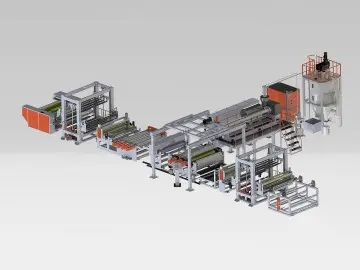
GWELL Machinery Co., Ltd., a leading manufacturer of plastic extrusion lines, proudly presents the high-performance ASA line.
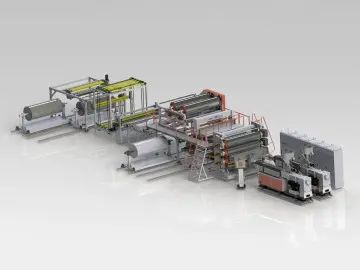
TPU Laminating Film is a type of thin film material made from thermoplastic polyurethane (TPU) for robust applications.
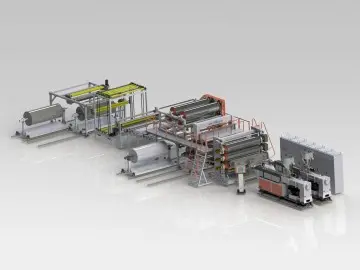
The TPU films produced on GWELL's TPU Film Extrusion Line are versatile and suitable for a wide range of industries.
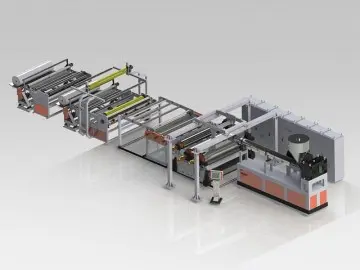
PVDF solar backplane membrane use: PVDF membrane is an alternative to "tedlar" for solar photovoltaic modules.
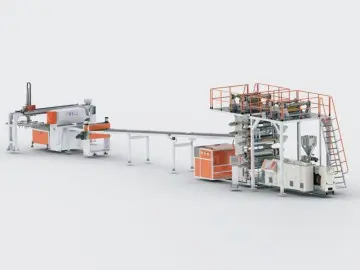
GWELL's WPC and SPC Extrusion Line represents a cutting-edge technological advancement in plastic-wood composite processing.
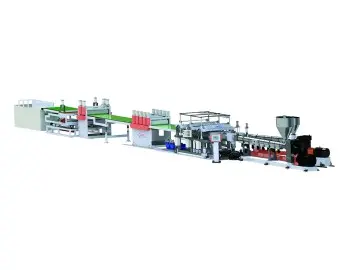
High Production Efficiency: With automated controls and optimized process parameters, this line runs with minimal labor requirements.
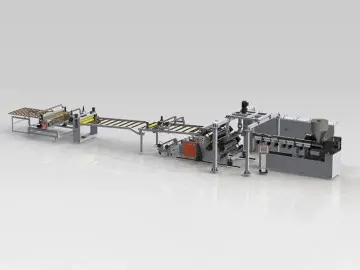
GWELL Machinery Co., Ltd. presents advanced engineering plastic extrusion setups designed for extreme performance polymers.
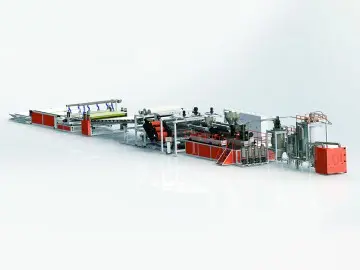
GWELL's PE HDPE Board Extrusion Line is a state-of-the-art production line dedicated to manufacturing structural plates.
China GWELL Machinery is a high-tech enterprise dedicated to the manufacture of plastic extrusion lines for Film, Sheet, and Profile. Relying on the powerful technology and equipment of the group and an innovative spirit, GWELL commits to the development of high-tech products and the international market.
"Expertise creates customers' values" has always been the company's operating philosophy. Over the last decade, we have deployed advanced extrusion machinery to over 50 countries, proving our engineering excellence across various sectors including infrastructure, solar film, construction, and packing.
Connect with an Engineer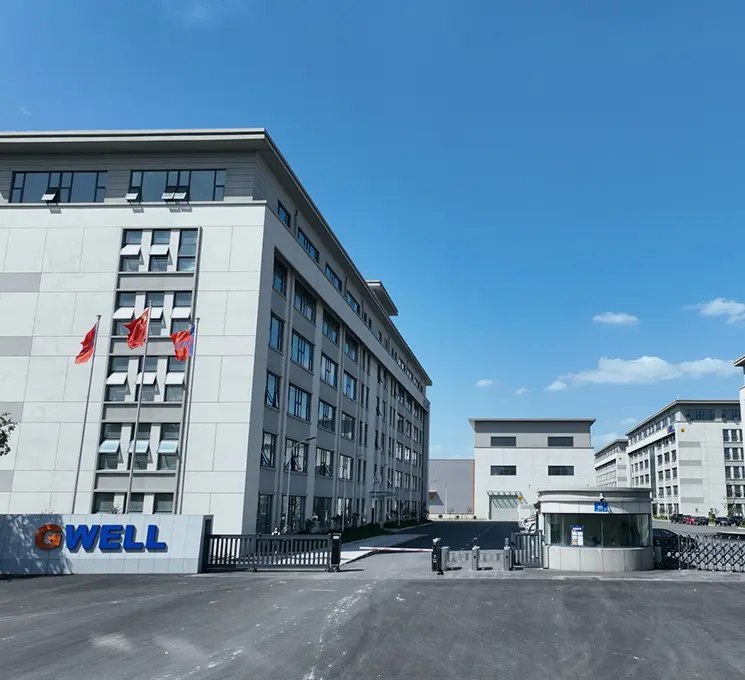
Engineered solutions, advanced material sciences, and optimized manufacturing workflows.
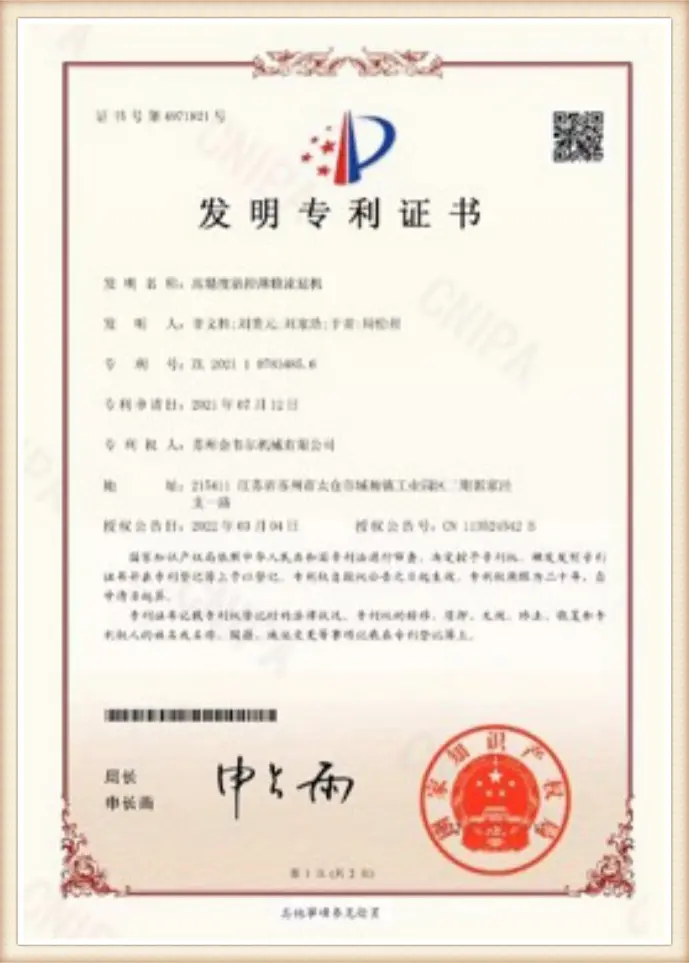
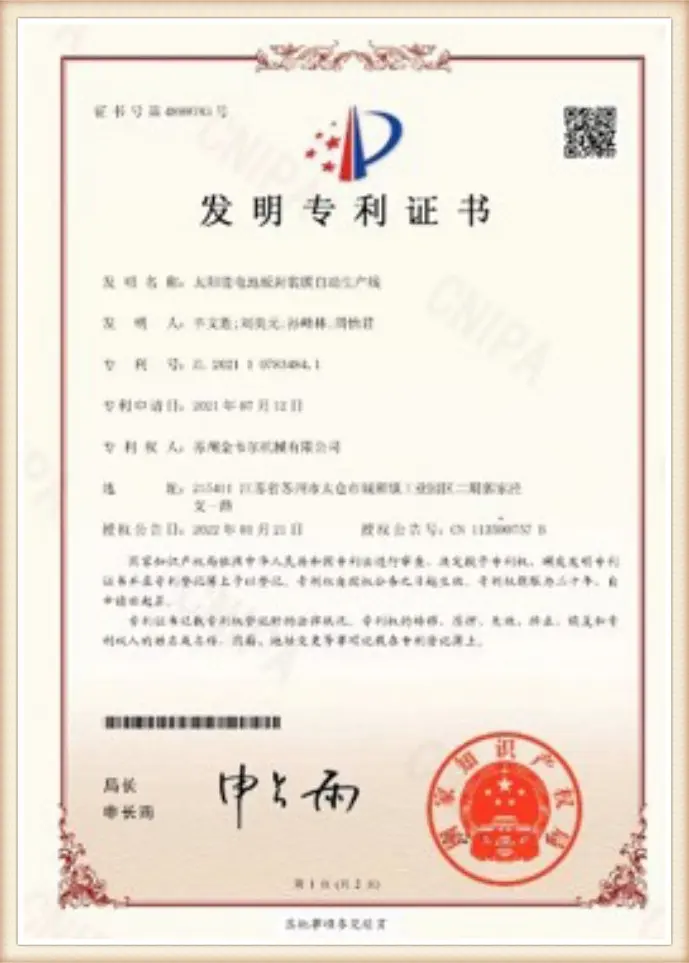
Collaborating with top-tier universities and domestic/international research institutes to integrate state-of-the-art control loops and high-torque gearbox technology.
Providing complete lifecycle support from initial design, electrical system matching, installation, tooling calibration, to long-term component maintenance.
With three major production bases totaling 866,000 square meters, we have the manufacturing capacity to deliver more than 1,000 advanced extrusion lines annually.
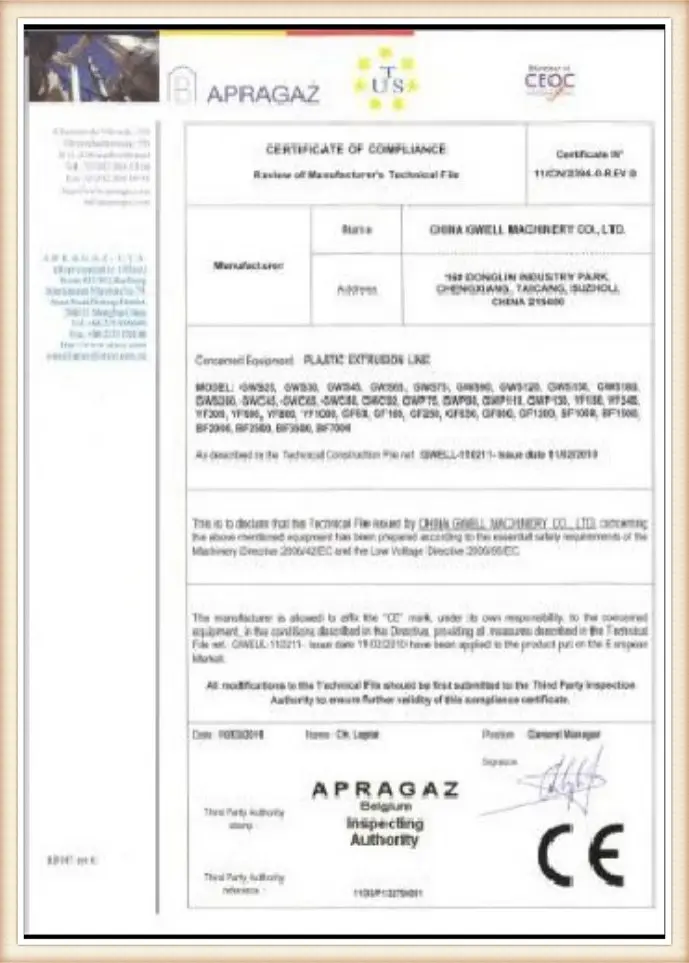
Complying with global infrastructure and industrial engineering equipment standards.
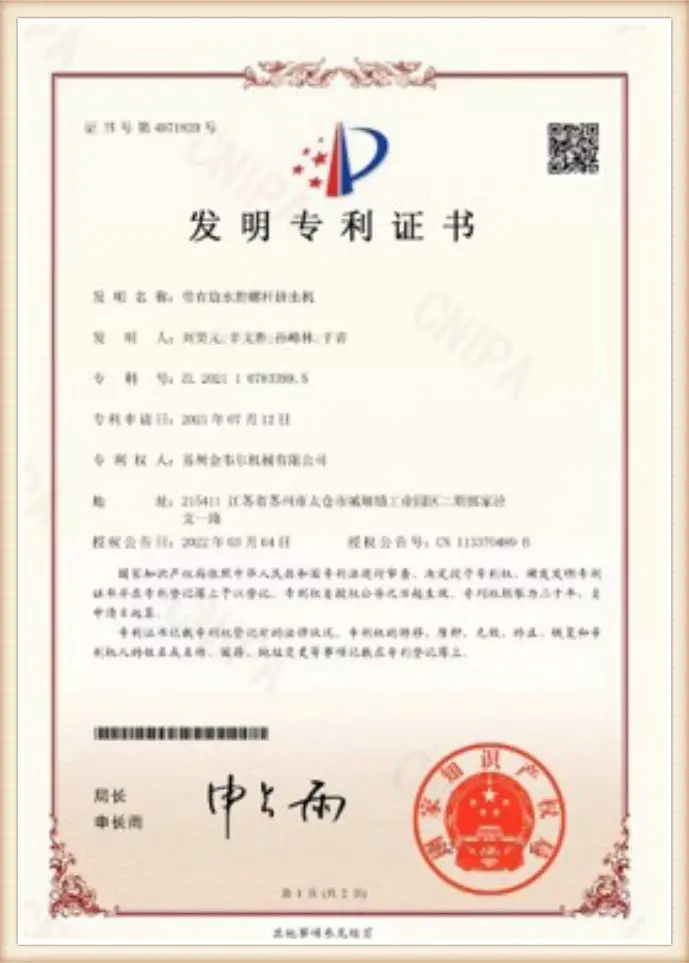
Common technical questions answered by our engineering directors.
Polyethylene (PE) water stops offer much higher chemical resistance and a significantly wider temperature operating range compared to traditional Polyvinyl Chloride (PVC). Under bridge deck expansion joints, PE does not leach plasticizers, ensuring it retains its flexibility, tensile strength, and crack resistance over decades of dynamic movement and environmental exposure.
We utilize precision-engineered extrusion dies designed via advanced rheological simulation software. Additionally, our vacuum calibration tables feature independent zone controls and micro-cooling paths to regulate cooling across sections of varying thicknesses, preventing warping and maintaining strict dimensional tolerances.
Yes. Our screw designs are optimized for high-shear stability and melt filtration. While bridge construction specifications typically require a high percentage of virgin material, our extruders are fully capable of processing clean recycled PE or blends with minimal pressure variance.
Our lines can be integrated with co-extruders to manufacture composite waterstops. For example, co-extruding a soft thermoplastic rubber (TPE) center bulb with hard PE flanking wings, or embedding swellable bentonite sealing strips directly onto the outer ribs of the profile during a single production pass.
Normally, design, component sourcing, assembly, and factory testing take 60 to 90 days. On-site commissioning at the client's facility usually takes an additional 10 to 15 days, which includes training the client's operators and calibrating the tooling to meet their specific dimensional requirements.
Stay updated with our technological breakthroughs and global trade fair showcases.
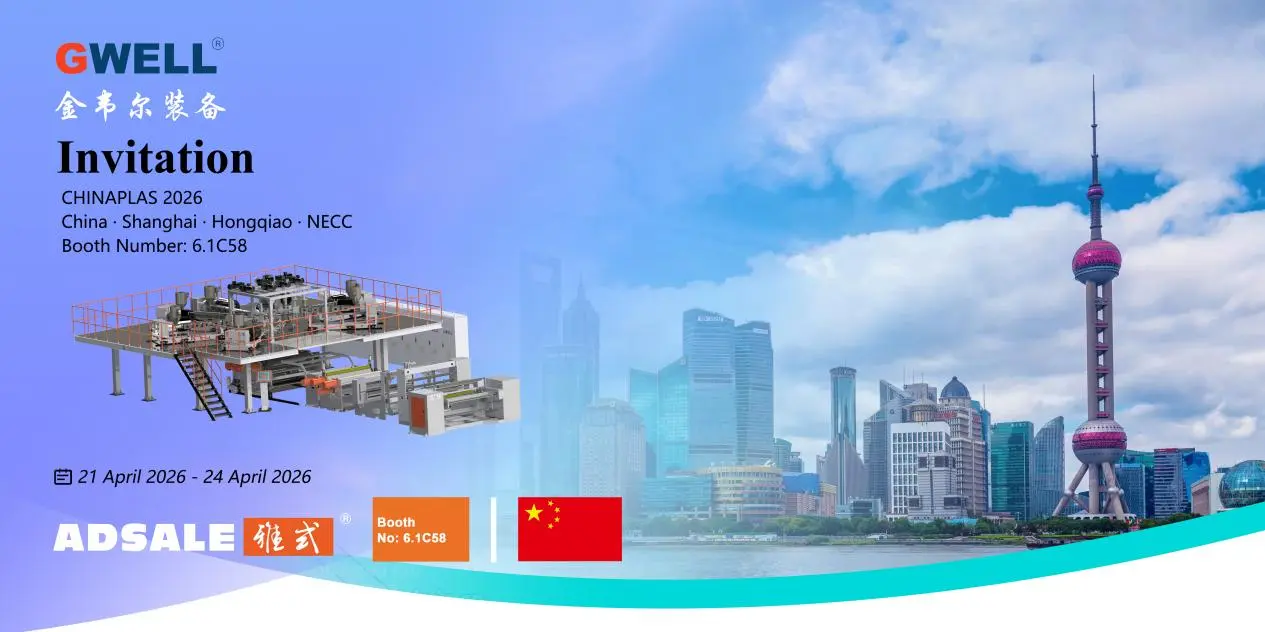
Date: Apr 14, 2026
Gwell will introduce its latest high-speed co-extrusion technology at the upcoming international plastic and rubber industry exhibition.
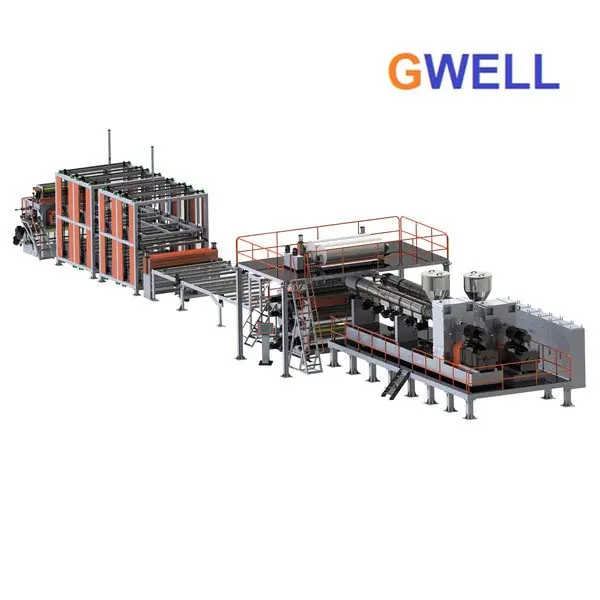
Date: Feb 11, 2026
Addressing green environmental standards, Gwell launches a high-capacity POE sheet/film production line for global markets.
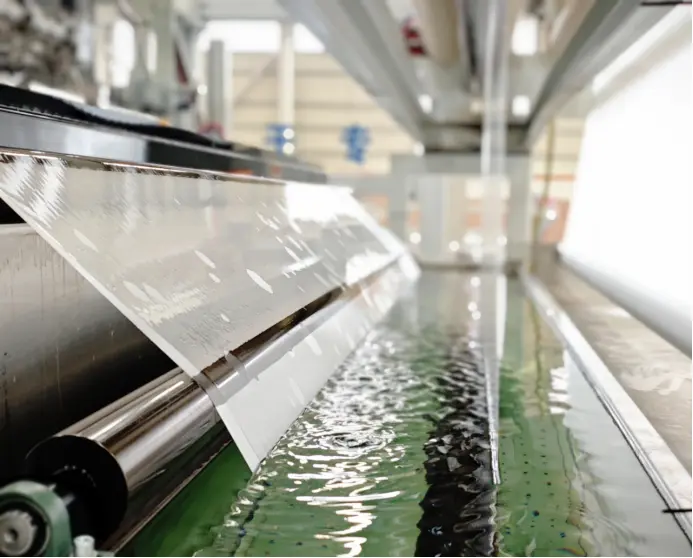
Date: Jun 25, 2025
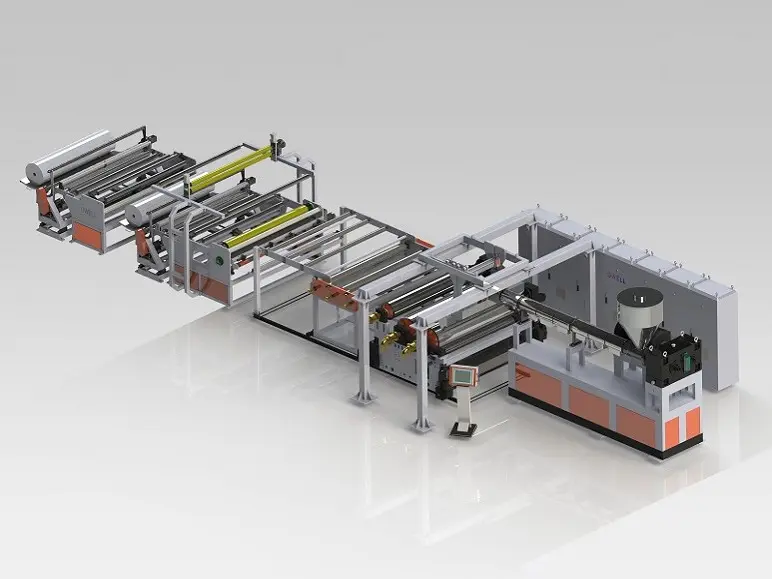
With high precision and high compatibility, the Gwell PVB wedge-shaped film line meets the demanding safety standards of automotive glass.
Date: Mar 26, 2025
Optimized melt delivery and precise calendering mechanisms are integrated to produce superior PETG furniture surfaces.
From heavy board extrusion to specialized functional films, we engineer the machinery that powers global manufacturing.
GWELL's robust R&D capability and high-precision manufacturing systems are recognized globally. Tell us your specification needs and project schedule, and our engineering team will customize a turnkey proposal.