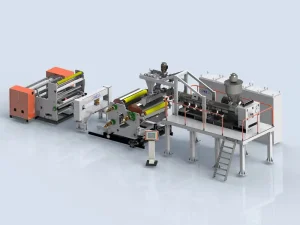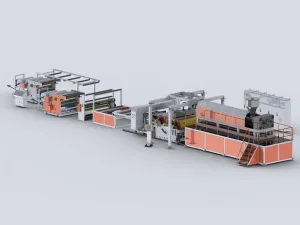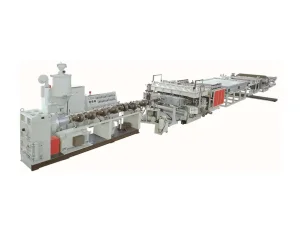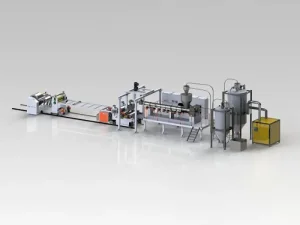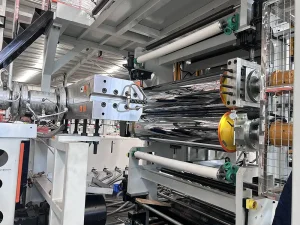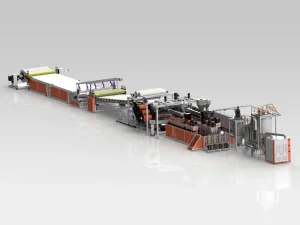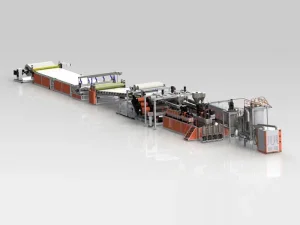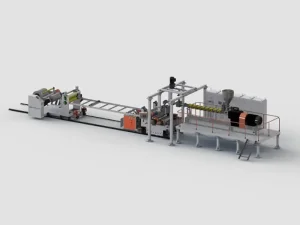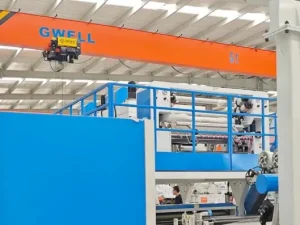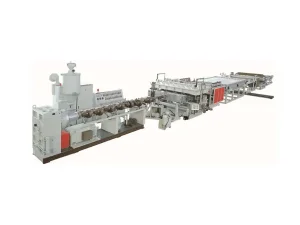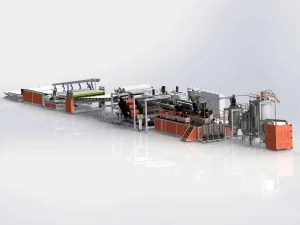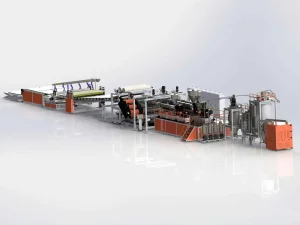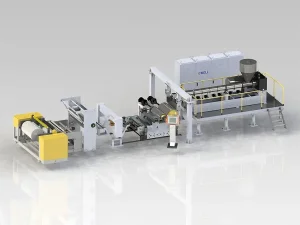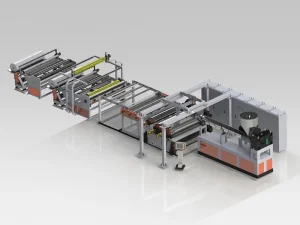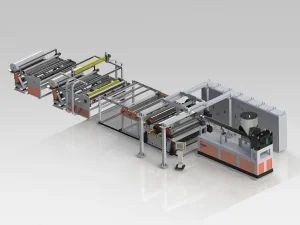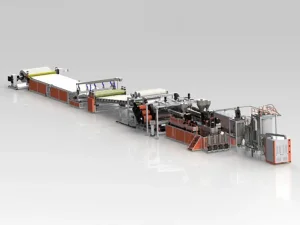
Explore our top-tier engineering configurations for high-capacity industrial production lines designed for global manufacturing demands.
In modern industrial applications, Polyethylene Terephthalate Glycol (PETG) has emerged as a crucial material due to its balance of clarity, chemical resistance, thermoformability, and impact protection. Unlike standard amorphous polyethylene terephthalate (APET), which can crystallize and become brittle under elevated thermal processing conditions, PETG incorporates cyclohexanedimethanol (CHDM) into its molecular backbone. This copolymer modification prevents crystallization, allowing industrial extruders to construct thick sheets without structural haze or failure.
Global procurement teams across North America, Europe, and the Asia-Pacific region are prioritizing PETG sheets over polycarbonate and acrylic. This shift is driven by the material's lower processing temperatures, absence of Bisphenol A (BPA), and compatibility with medical-grade sterilization procedures such as ethylene oxide (EtO) and gamma radiation. Additionally, regional regulations restricting chlorinated plastics have led to PETG replacing rigid polyvinyl chloride (PVC) in retail displays, protective barriers, and consumer packaging. To meet these demands, sourcing specialists seek manufacturers that provide not only raw sheets but also integrated co-extrusion technology designed for low-stress thermoforming and long-term optical clarity.
High-capacity plastic extrusion requires co-extrusion configurations that maximize throughput while managing raw material costs. Modern PETG sheet manufacturers utilize multi-layer feedblock systems to produce A/B/A structured sheets. In this setup, outer layers consist of virgin PETG to maintain surface properties, while the core layer can incorporate up to 50% post-industrial regrind or recycled content without compromising the sheet's mechanical integrity.
Our feedblock configurations maintain precise layer-to-layer ratios, enabling exact control over protective skins and optical coatings.
Screws optimized for shear rate control prevent thermal degradation of glycol, preserving the polymer's molecular weight and clarity.
Equipped with closed-loop optical scanning and thickness verification systems, reducing structural variance down to ±1% tolerances.
This approach addresses the challenge of material degradation. Because PETG is highly hygroscopic, moisture trapped in the polymer matrix can cause hydrolytic degradation during melt processing, resulting in bubbles, silver streaks, and loss of impact strength. Industrial lines solve this by integrating desiccant rotor dryers that reduce material moisture levels to under 0.02% (200 ppm) before extrusion. Combined with precise melt pump stabilization and automated die lips, this guarantees flat, stress-free PETG sheets ready for immediate print and thermoforming cycles.
China Gwell Machinery Co., Ltd. is a high-tech enterprise dedicated to the design and manufacture of advanced plastic extrusion lines for film, sheet, and profile applications. Leveraging innovative technology and engineering experience, Gwell provides high-performance extrusion machinery for the global market.
Guided by our core operating philosophy, "Expertise creates customers' values," we focus on mechanical precision, automation controls, and polymer processing engineering. Gwell machinery enables global processors to achieve stable production, reduce energy consumption, and optimize material performance across various applications.
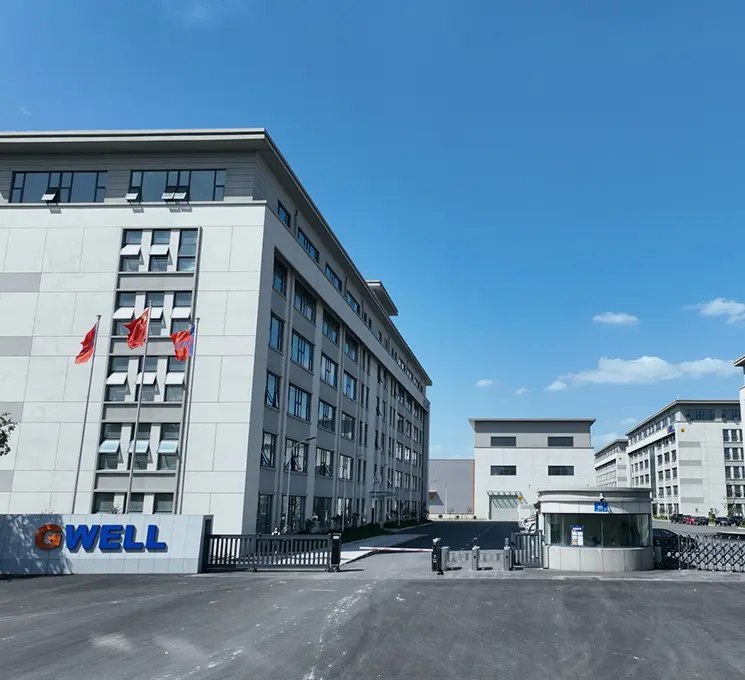
Located in key industrial zones for streamlined logistics.
Total construction facility size supporting large-scale assembly.
Dedicated personnel ensuring product innovation and quality control.
Global output capability with reliable project delivery timelines.
Gwell Machinery develops specialized systems configured for distinct plastic processing classifications, including film casting, rigid boards, sheet extrusion, and green energy solar components.
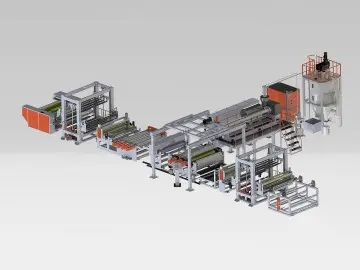
Highly precise casting rollers and automatic die setups designed for protective, packaging, and decorative films.
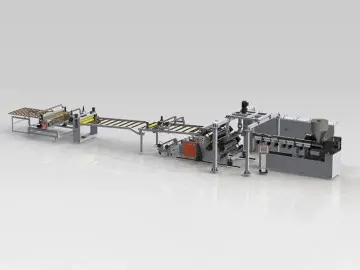
Engineered for high-thickness engineering plastics such as PEEK, PVDF, and PFA, prioritizing structural integrity.
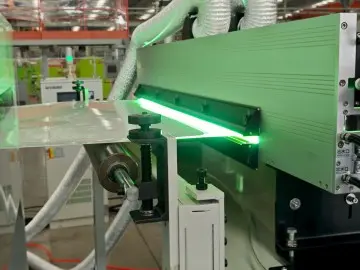
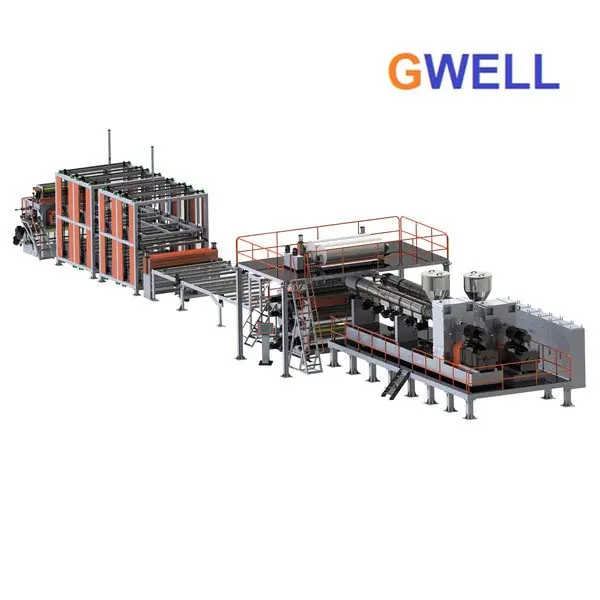
Advanced systems for copolyester materials (PCTG/PETG), balancing clarity, toughness, and output volume.
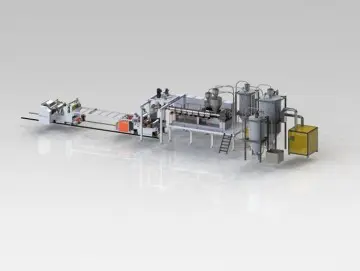
Precision lines producing EVA, POE, and PVB films for solar encapsulation and laminated architectural safety glass.
The processing of glycol-modified polyesters requires specialized screw geometry and temperature control. Standard extruder screws can cause excessive shear heat in PETG, breaking polymer chains and lowering melt viscosity. Gwell Machinery addresses this with custom barrier screw profiles and low-shear mixing elements. Our design maintains melt temperature within a narrow 220°C to 240°C window, preserving optical properties and mechanical performance.
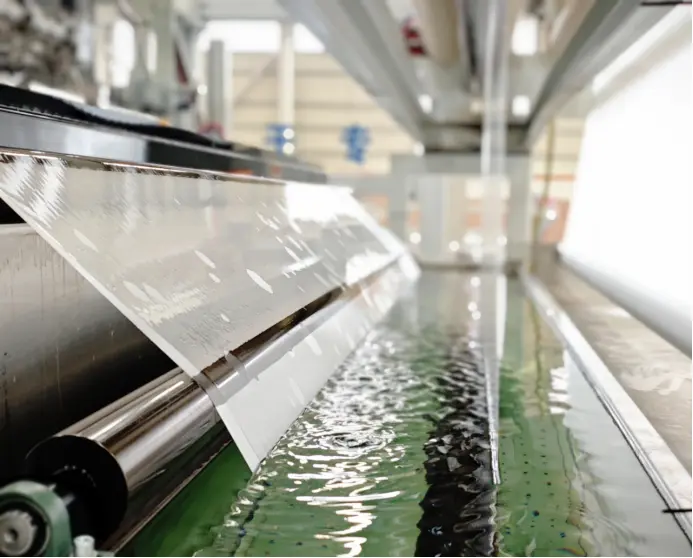
Downstream processing also plays a critical role in sheet quality. The calendering section uses a heavy-duty three-roll or four-roll stack featuring internal spiral channels for water cooling. Constant-temperature oil or water circulation ensures uniform heat dissipation across the rolls, preventing internal stress that leads to warp or distortion during downstream die-cutting or thermoforming. Additionally, automated thickness scanners measure the sheet profile in real-time, providing feedback to auto-die adjusters to keep cross-directional thickness variations below 15 microns.
PETG sheets are utilized across a wide range of global business applications. Key sectors include:
This diverse market profile keeps PETG demand stable. For exporters, meeting these requirements demands flexibility in sheet thickness (from 0.5mm to 15mm) and surface finishes, including high-gloss, matte, anti-glare, and co-extruded UV-blocking layers for outdoor applications.
Maintaining regulatory compliance is essential for industrial manufacturers. When exporting to European and North American markets, PETG sheets must meet strict safety and material standards. These include FDA approval for direct food contact, EU 10/2011 compliance, REACH SVHC declarations, and UL 94 flame retardancy classifications.
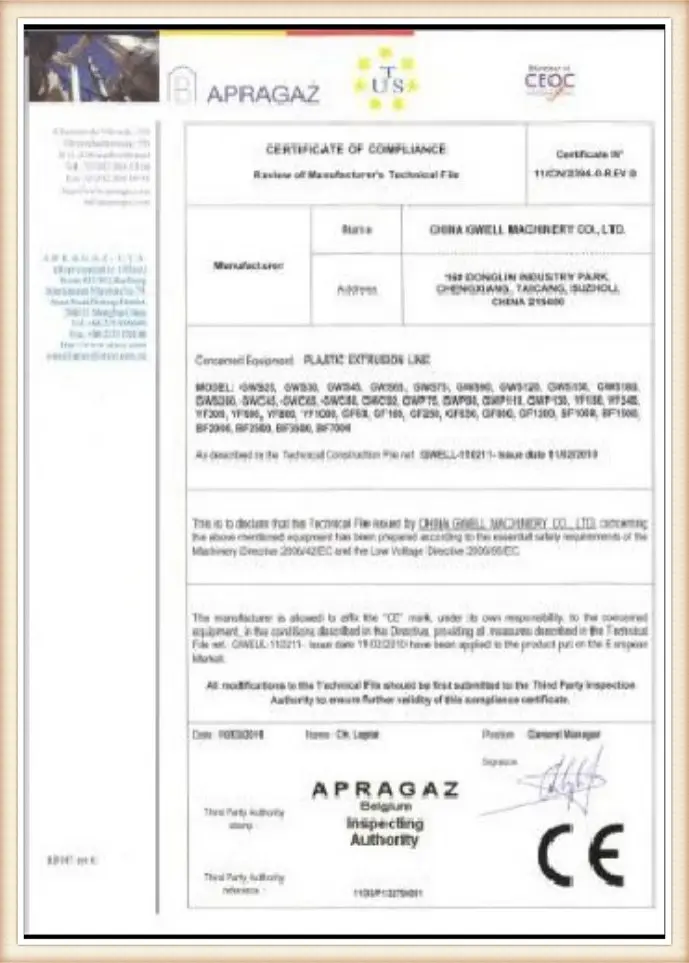
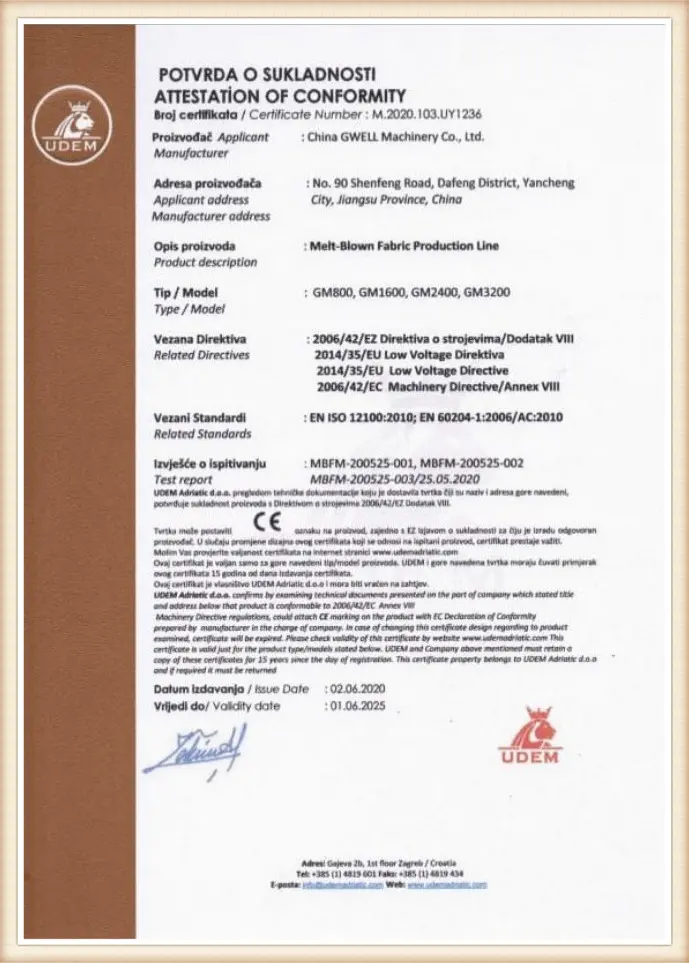
Gwell Machinery maintains ISO9001 and CE certifications across all manufacturing locations. Our strict inspection protocols verify screw alignment, zone heater calibration, and pressure stability before delivery. This commitment to quality ensures that our extrusion systems perform reliably under high-capacity industrial demands.
How our engineering, logistics, and production capacity support your long-term manufacturing growth.
We collaborate with key universities and research institutes to design and implement advanced high-tech polymer processing systems.
Our three major manufacturing bases deliver an annual production capacity exceeding 1,000 high-performance extrusion lines.
Supported by 500+ employees and over 100 dedicated engineers focusing on continuous system design optimization.
Our machinery and technical services support production plants and processors worldwide.
We provide end-to-end support, including system configuration design, installation, plant integration, and maintenance.
Convenient access to major ports ensures efficient, cost-effective shipping to global manufacturing hubs.
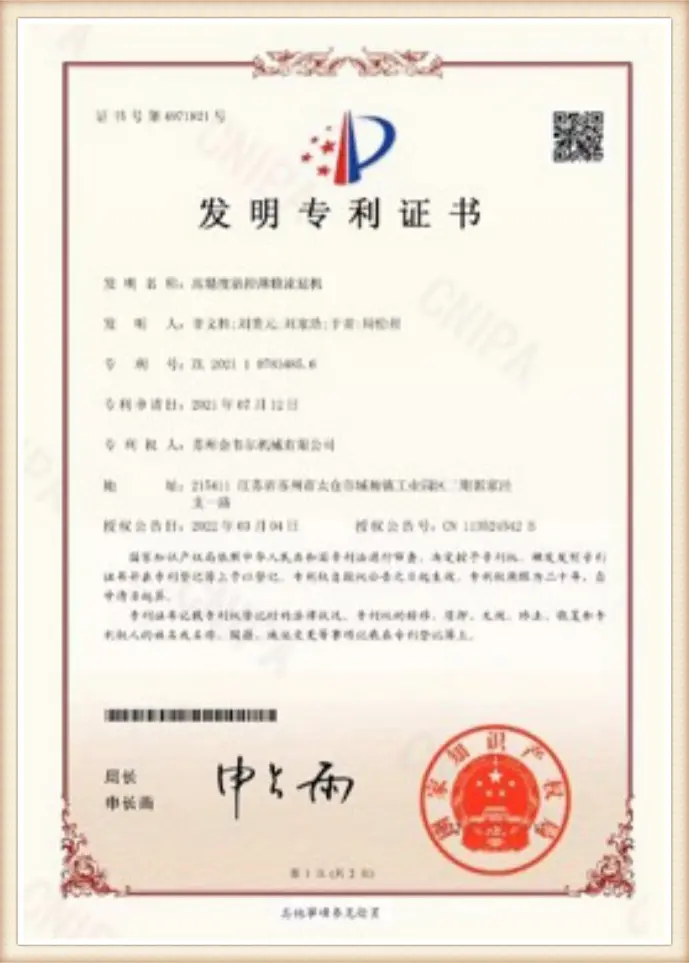
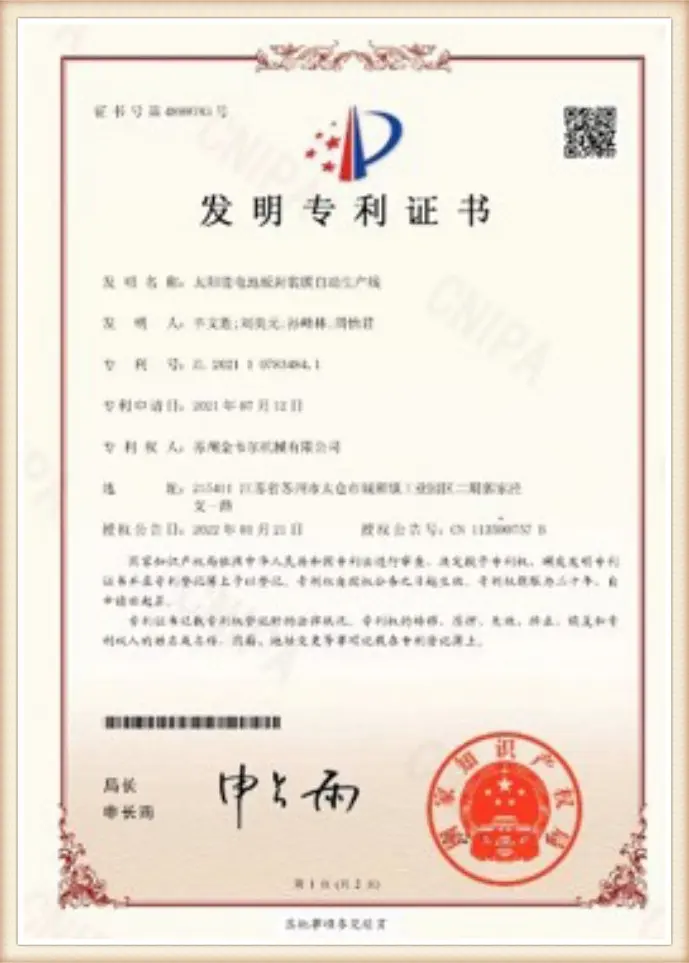
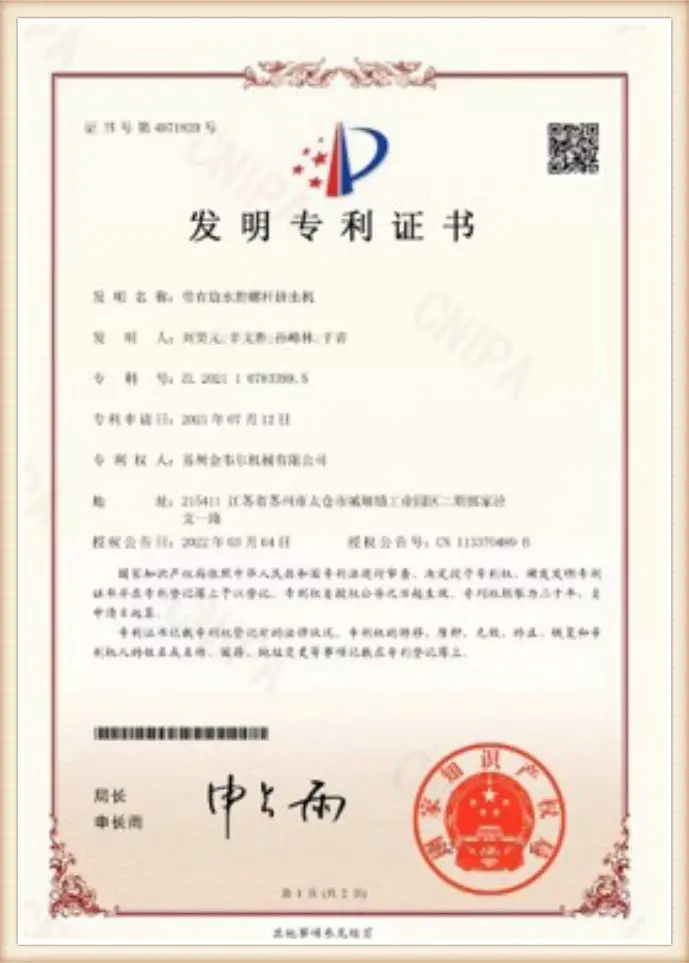
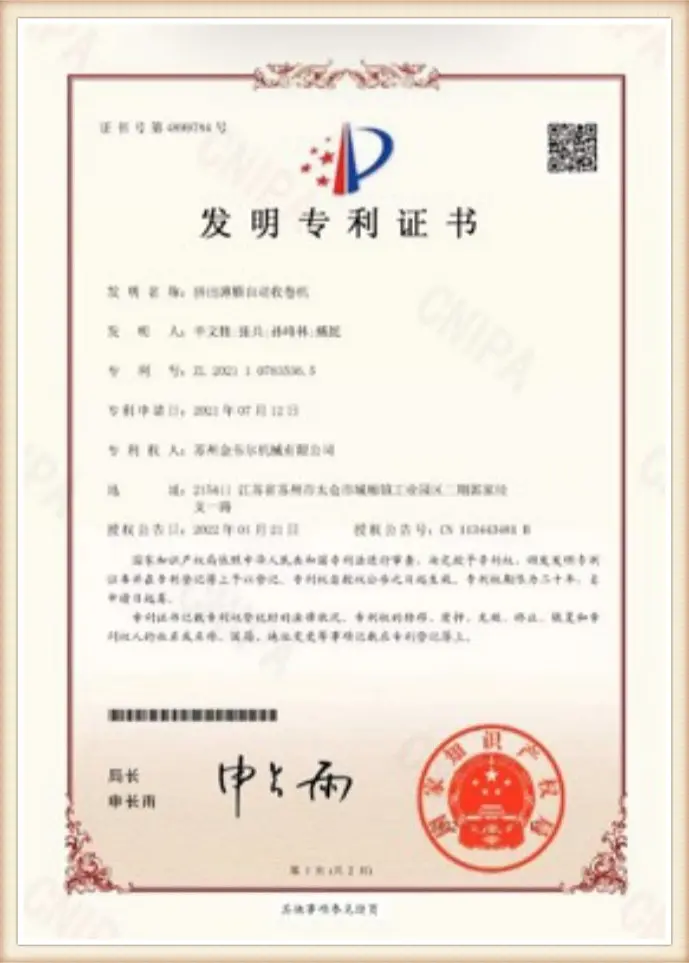
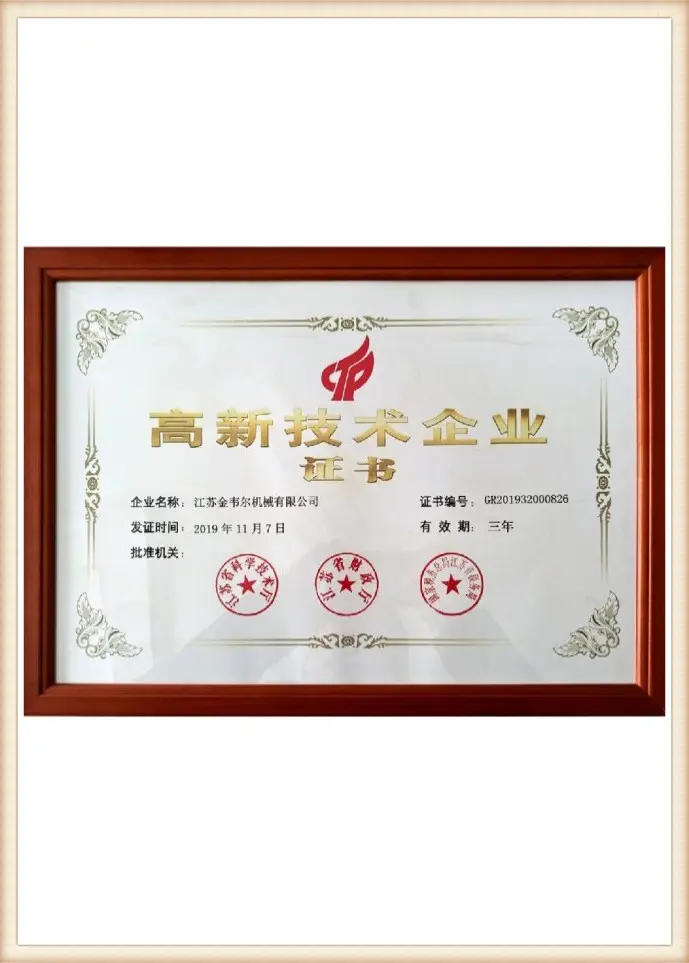
Our commitment to precision engineering is supported by global quality control certifications.
Stay informed on our recent technology updates, trade exhibitions, and mechanical design innovations.
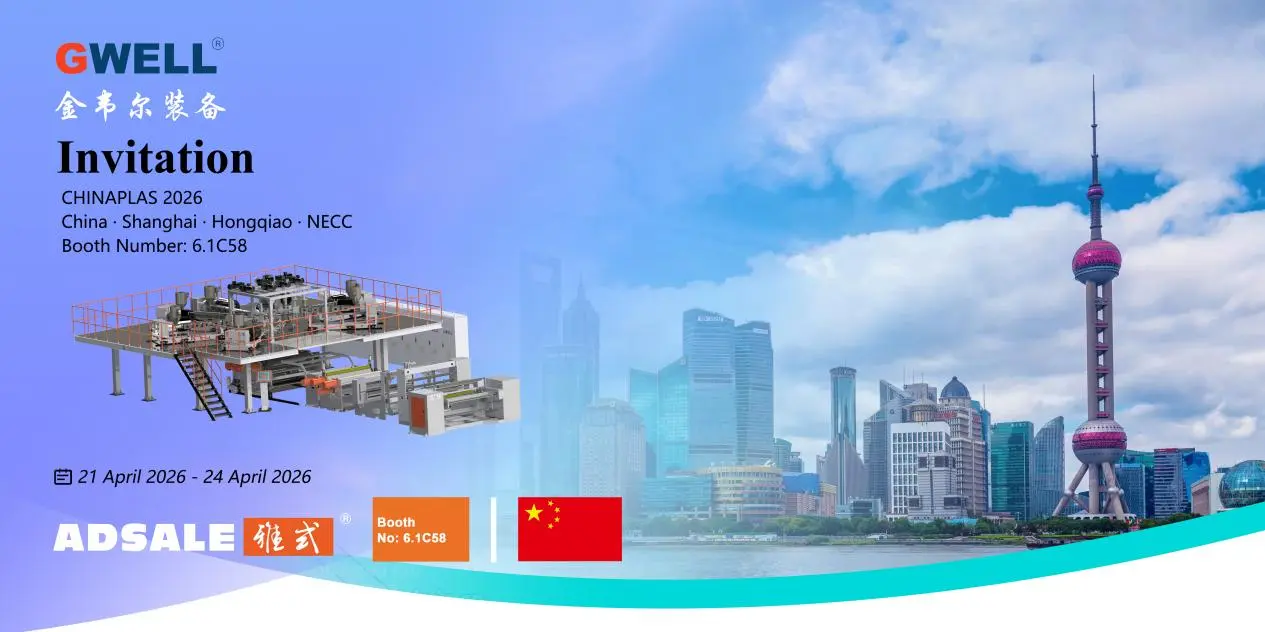
Gwell Machinery highlights advanced multi-layer co-extrusion setups and smart line controls at upcoming trade shows.
Development and delivery of eco-friendly synthetic POE leather composite extrusion systems for the automotive sector.
Our high-precision PVB wedge film extrusion systems deliver the thickness control required for automotive HUD applications.
Technical solutions and processing insights for industrial engineers and procurement teams.
PETG is highly hygroscopic and absorbs moisture from the atmosphere. During melt processing, trapped moisture causes hydrolytic degradation, breaking polymer chains and resulting in bubbles, silver streaks, and reduced impact strength. A desiccant rotor dryer is required to lower moisture levels to under 0.02% (200 ppm) prior to extrusion.
APET crystallizes under high temperatures, becoming brittle and hazy. PETG incorporates cyclohexanedimethanol (CHDM) copolymer modification, which prevents crystallization and allows processing across a wider temperature range while maintaining optical clarity, toughness, and chemical resistance in thick sheets.
High shear rates generate excessive heat that can degrade PETG melt viscosity. Optimized extrusion systems utilize barrier screws with low compression ratios and dedicated mixing elements. These components ensure thorough melting and compounding while keeping processing temperatures within a stable 220°C to 240°C range.
An A/B/A configuration uses virgin polymer for the outer skin layers to maintain surface properties like printability and gloss, while the core (B) layer can incorporate up to 50% post-industrial regrind or recycled materials. This configuration reduces overall production costs without compromising the sheet's mechanical integrity.
Automated extrusion systems integrate closed-loop thickness scanners (laser or beta-ray) downstream that communicate with automated die lips. Thermal expansion bolts adjust the die lip gap in real-time, keeping thickness variations across the sheet width under 15 microns.
The calender rolls require internal spiral channels configured for high-flow cooling water or oil. Constant-temperature circulation prevents thermal variations across the roll faces, ensuring even cooling and minimizing internal stresses that cause sheet warping.
For medical and food-contact packaging, PETG sheets must comply with FDA regulations (21 CFR), EU Directive 10/2011, and USP Class VI biocompatibility standards. These certifications verify that the material is free from restricted heavy metals, toxic chemicals, and phthalate plasticizers.
Yes. PETG retains its mechanical strength and optical clarity when sterilized using ethylene oxide (EtO) gas or gamma radiation. This stability makes it a preferred choice for rigid medical packaging and device trays.
Gwell Machinery designs custom extrusion lines configured for specific customer requirements, including tailored sheet widths, thickness ranges, co-extrusion feedblocks, and automated downstream handling systems.
Gwell Machinery provides standard machinery warranties, technical support, and remote troubleshooting. We also offer on-site commissioning, installation assistance, and operator training to ensure smooth, efficient start-ups.
Our extrusion lines and processing systems are integrated into manufacturing operations worldwide.


Explore our specialized machinery engineered to meet global processing and output demands.
Our design and precision machining capabilities are widely recognized throughout the plastics industry. Contact our engineering team to discuss custom production configurations.
Send Inquiry Now