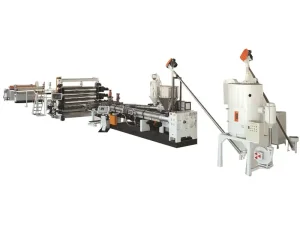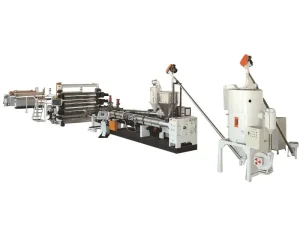
The technological foundation powering global PVB film extrusion, solar encapsulants, and co-extrusion production lines.
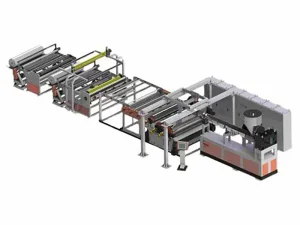
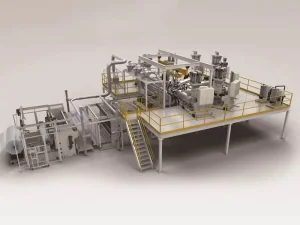
An authoritative analysis of optical quality control, sound attenuation mechanics, and supply chain variables in high-performance laminated safety glass manufacturing.
Polyvinyl Butyral (PVB) is a specialty resin designed specifically for high-strength glass adhesion, light transmission, and impact dissipation. In the automotive safety sector, PVB interlayers are laminating materials embedded between sheets of raw mineral glass. When subject to high velocity impacts, the cohesive and adhesive properties of the PVB matrix prevent the glass from shattering into large, dangerous shards. This mechanism is critical to passenger safety and structural cabin strength.
As the automotive industry pivots toward Smart glass, Heads-up Displays (HUD), and autonomous driver assist systems (ADAS), the demands placed on PVB films have shifted. No longer just a safety net, PVB is now an active component in thermal insulation, acoustic isolation, and projection optics. To meet these demands, global manufacturers rely on precise extrusion equipment to eliminate optical distortion, guarantee thickness uniformities down to the micron level, and formulate advanced co-extruded acoustic and optical layers.
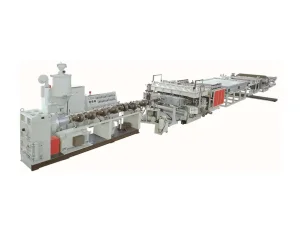
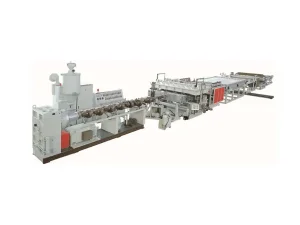
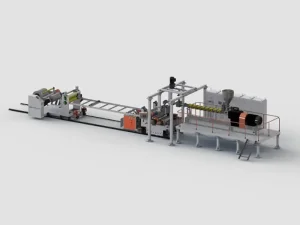
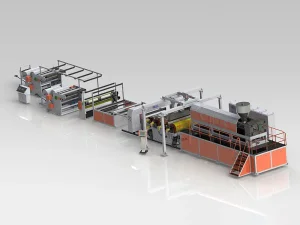
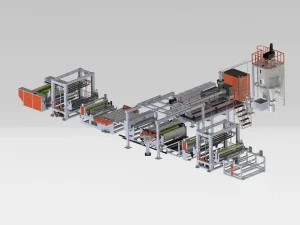
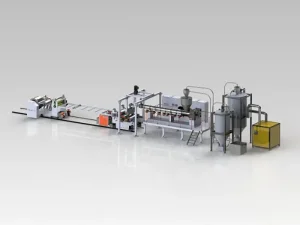
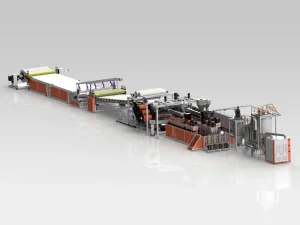
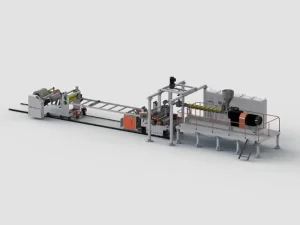
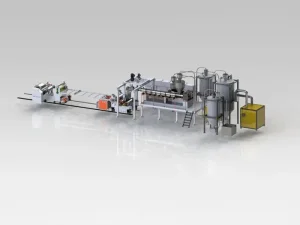
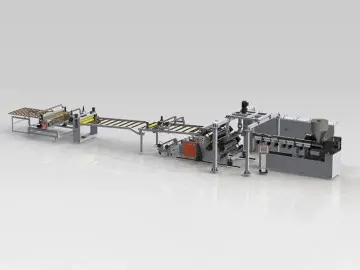
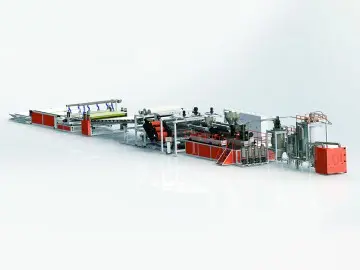
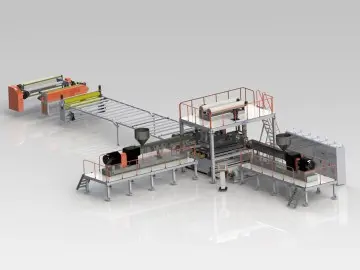
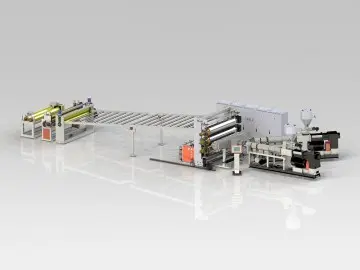
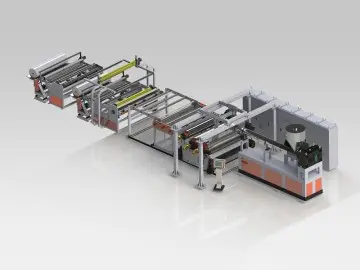
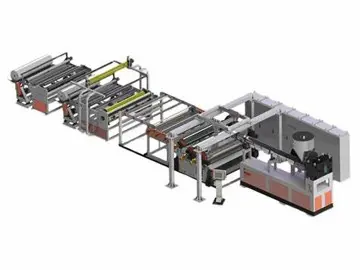
The production of PVB safety film requires precision extrusion lines. GWELL Machinery Co., Ltd. supplies high-stability extrusion lines like the PVB Wedge Film Extrusion Line and the PVB Interlayer Film Extrusion Line. The core difficulty of PVB processing is the material's shear-sensitivity and high viscosity. GWELL extrusion systems overcome this by employing specially designed screw geometries, precise gravimetric dosing systems, and state-of-the-art flat dies.
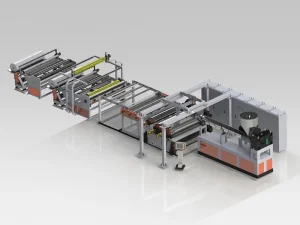
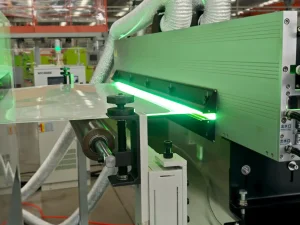
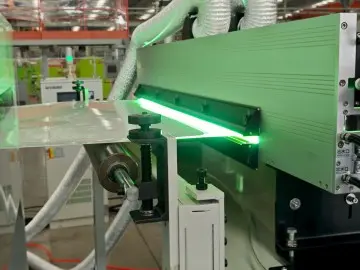
For windshield applications that require a wedge profile (specifically for Heads-Up Displays to prevent secondary ghost images), the die lip must be dynamic. The GWELL PVB Wedge Film Extrusion line achieves this with automatic flex-lip dies connected to online optical thickness scanners. Real-time feedback loops ensure that the cross-sectional wedge angle remains stable during high-speed runs, which directly reduces optical haze and distortion in the finished laminated windshield.
| Interlayer Type | Target Functions | Standard Gauge (mm) | Key Technical Parameters | Application Scenario |
|---|---|---|---|---|
| Standard PVB | Safety, Shatter Prevention, UV Protection | 0.76 / 1.14 | Tensile Strength > 20 MPa, Haze < 0.5% | Front passenger windshields, rear glazing |
| Acoustic PVB (Tri-layer) | Sound Isolation, Decibel Reduction (3-5 dB) | 0.76 / 0.81 | Soft damping core layer, loss factor > 0.3 at 20°C | Premium Electric Vehicles (EVs), luxury sedans |
| HUD Wedge PVB | Prevents Double Image Ghosting in HUD Projects | 0.76 (varies by wedge angle) | Wedge angle tolerance ±0.03 mrad, high uniformity | Smart vehicles with ADAS & Projected Dashboard Displays |
| Solar Control (IR) PVB | Thermal insulation, Heat Reduction | 0.76 | IR transmission cut-off > 80%, Tser reduction | Panoramic sunroofs, cabin heat load mitigation |
Procuring PVB film from China provides significant structural and technological benefits for global Tier-1 automotive glass suppliers. Chinese manufacturers utilize advanced domestic supply networks for raw materials, specifically high-grade PVB resin and specialized plasticizers (such as 3G8). By streamlining raw material pipelines, Chinese factories mitigate the pricing volatility that frequently impacts Western producers.
Chinese production facilities have integrated automated quality monitoring directly into their extrusion processes. Because GWELL machinery is deployed across primary Chinese manufacturing bases, plants maintain high output capacities without sacrificing performance metrics. When negotiating global contracts, international buyers benefit from localized logistics setups, dedicated custom warehousing near major shipping hubs, and continuous product testing that guarantees structural consistency across large production batches.
Automotive PVB films must perform reliably in diverse environments. For instance, in hot, high-humidity regions like Southeast Asia, standard PVB is susceptible to edge delamination if moisture levels are not managed. To address this, Chinese exporters treat the film with customized adhesion control agents (ACAs), which regulate the bond strength between the glass and the interlayer. This prevents moisture from seeping into the edges of the windshield.
In cold regions like Northern Europe or Canada, the PVB layer must retain its impact resistance at sub-zero temperatures. Damping profiles in acoustic PVB films are optimized to perform across a temperature range of -20°C to 40°C. This ensures that the vehicle maintains a quiet cabin and remains structurally sound regardless of local weather conditions.
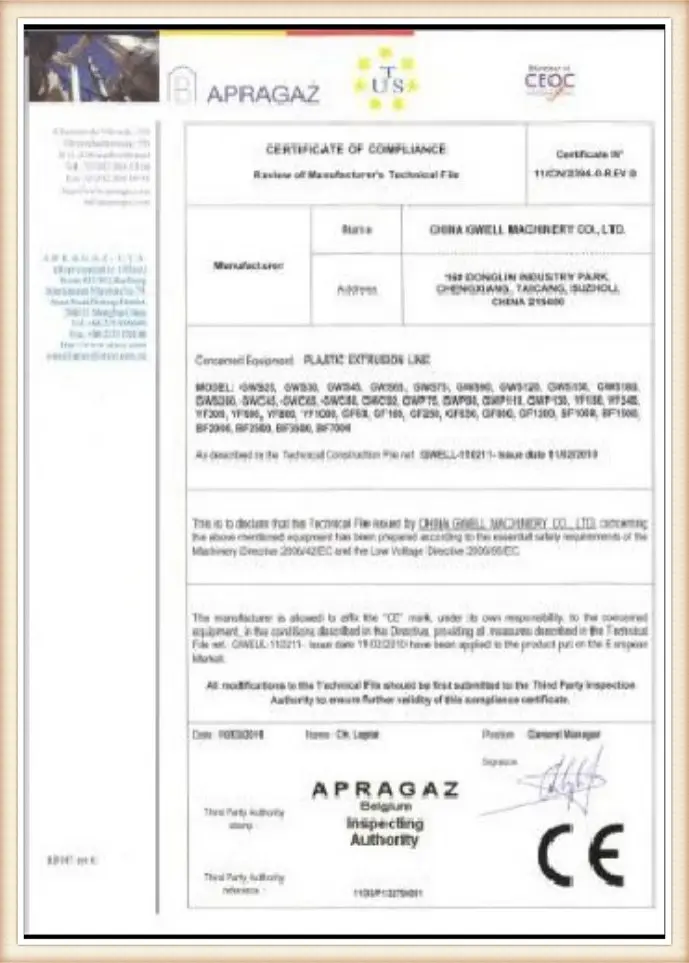
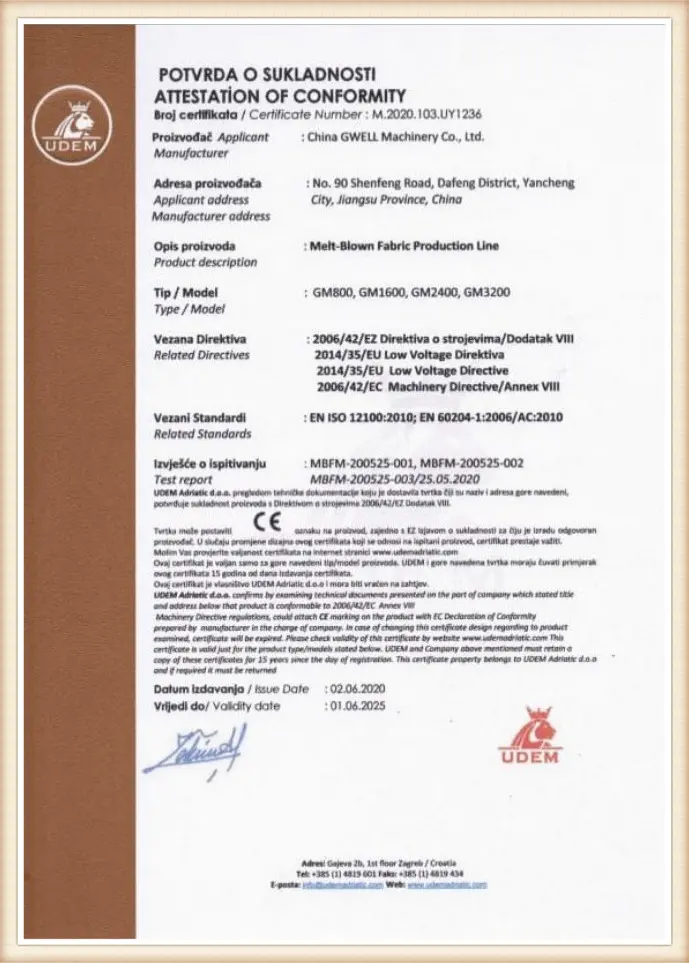
Meeting international regulations is necessary for automotive glass safety. Below are the core global standards met by GWELL-powered PVB extrusion solutions.
To integrate PVB film into automotive windshield assembly, manufacturers must comply with strict testing protocols. These include the High-Temperature Bake Test (conducted at 100°C to check for bubbling or delamination), the Radiation Test (to evaluate yellowing and UV degradation under Xenon arc exposure), and the Impact Test (using drop-ball methods to calculate mechanical shock absorption).
Chinese PVB exporters work closely with international testing labs (such as SGS and TÜV Rheinland) to secure pre-certified raw materials. By choosing interlayers extruded on high-stability GWELL lines, processors minimize the scrap rate during lamination autoclaving. This keeps processing yields high and ensures that finished windshields comply with DOT (US Department of Transportation) and ECE requirements.
Clear answers to common questions about PVB film manufacturing, processing, and global procurement.
The 0.76mm thickness provides the optimal balance between mechanical impact absorption, light transmission, and weight. It prevents object penetration at high speeds while keeping the windshield light enough to maintain vehicle fuel efficiency.
Standard windshield glass has parallel surfaces, which create a secondary ghost image when a HUD projects light. A wedge-profile PVB interlayer has a calculated, tapering thickness that aligns the reflections from the outer and inner glass surfaces. This merges the ghost image with the primary image, providing a clear projection for the driver.
PVB film is highly hygroscopic (it readily absorbs moisture). It must be stored in original packaging at 5°C to 10°C with a relative humidity of 20% to 30%. If the film absorbs too much moisture, it will bubble during autoclaving and lose its adhesion to the glass.
Standard PVB is a monolayer sheet designed mainly for safety and UV filtration. Acoustic PVB is a co-extruded multi-layer film with a soft, sound-dampening core layer enclosed by two standard PVB outer layers. This structure targets and dampens wind and engine noise in the 1000 Hz to 4000 Hz frequency range.
GWELL uses automatic extrusion dies integrated with closed-loop optical scanning thickness gauges. These systems scan the extruded film continuously, adjusting the thermal bolts on the die lip to correct any gauge variations. This maintains thickness tolerances within micrometer limits.
Yes, clean edge trims from the lamination process can be collected, re-granulated, and mixed with virgin resin for non-critical architectural applications. However, to maintain optical quality, automotive safety glass requires 100% virgin PVB resin.
For international shipping, PVB rolls are wrapped in aluminum foil barrier bags to prevent moisture absorption and are shipped in refrigerated containers (reefers) maintained at 8°C. This prevents the layers of film from fusing together during transit.
Automotive grade PVB must maintain a yellowing index of less than 1.0. Higher levels can reduce visibility and cause the windshield to discolor under sunlight.
A complete listing of GWELL's plastic extrusion and solar film manufacturing lines.
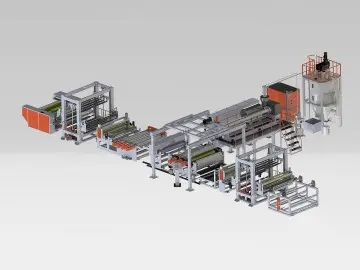
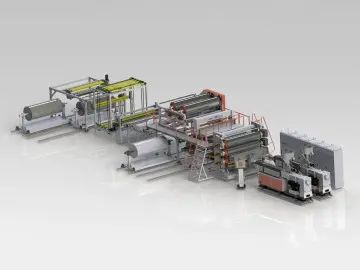
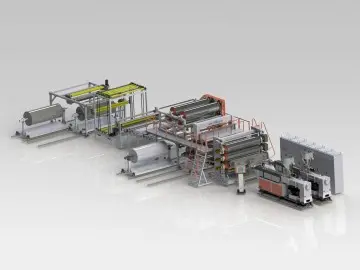
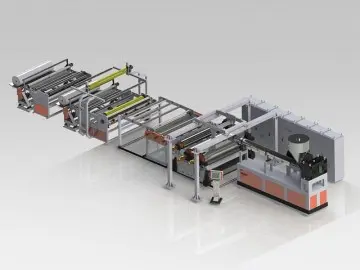
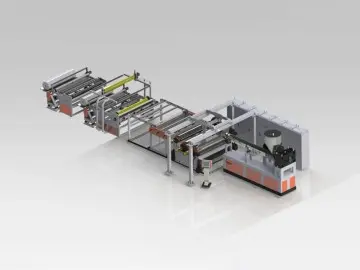
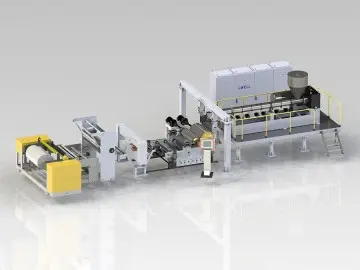
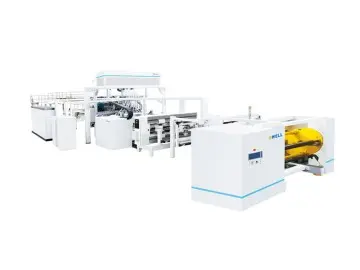
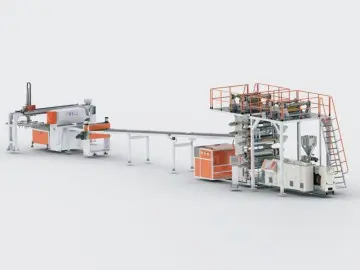
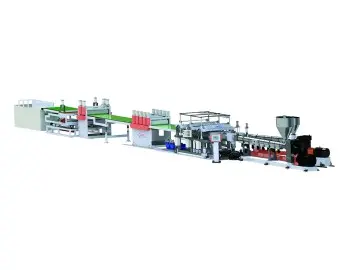
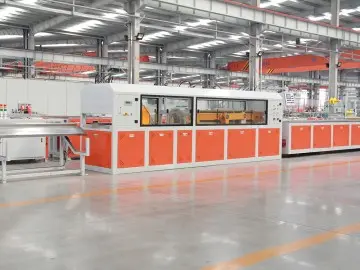
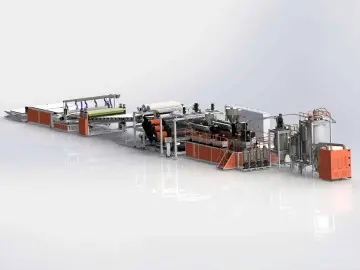
China GWELL Machinery is a high-tech enterprise dedicating to the manufacture of plastic extrusion lines for Film, Sheet and Profile. Relying on the powerful technology and equipment of group and innovative spirit, GWELL commits to the development of high-tech products and international market. "Expertise creates customers' values" has always been the company's operating philosophy.
View More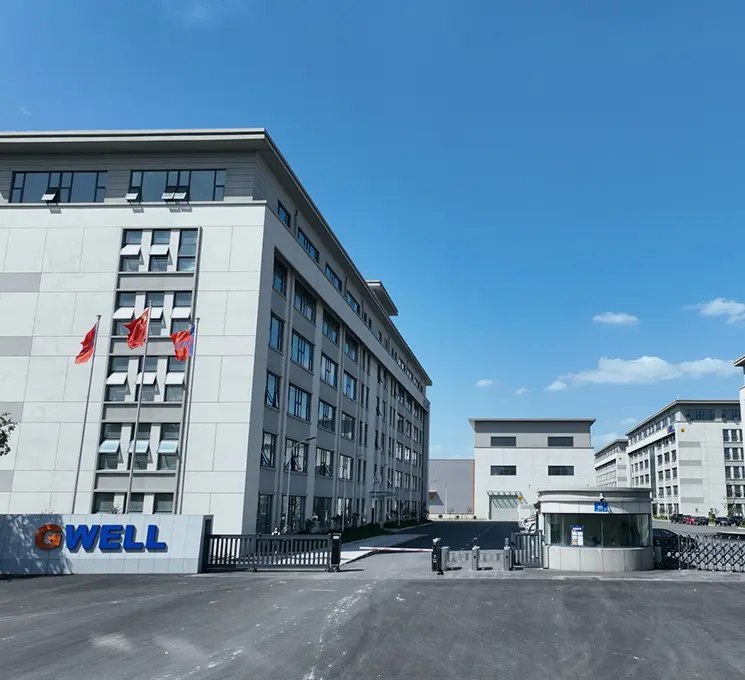
Geographical condition and convenient transportation to worldwide.

Collaborate with universities, research institutes develop high-tech machine.

Provide end-to-end services with high efficiency and quality.

Three major bases with an annual production capacity of over 1000 lines.

The product sells well worldwide, trusted by international processors.

500 employees, over 100 dedicated technical engineers managing quality control.
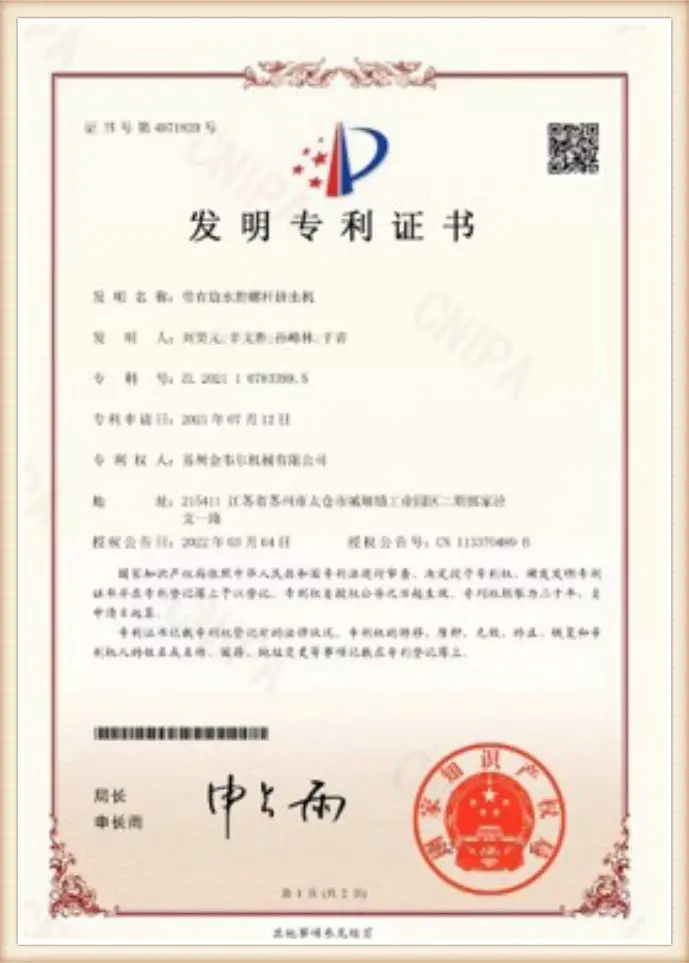
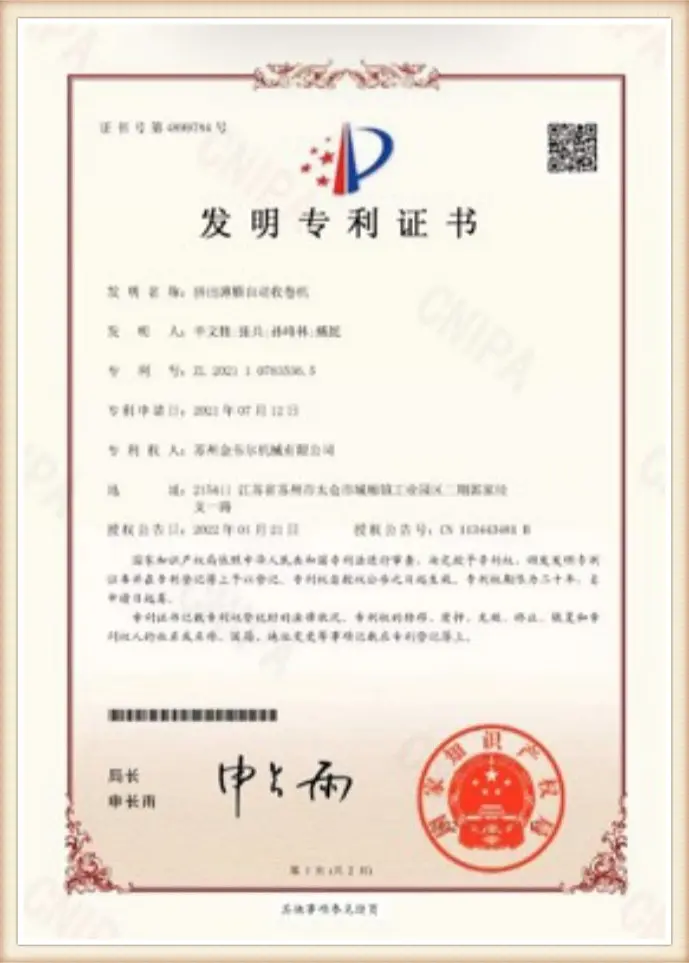
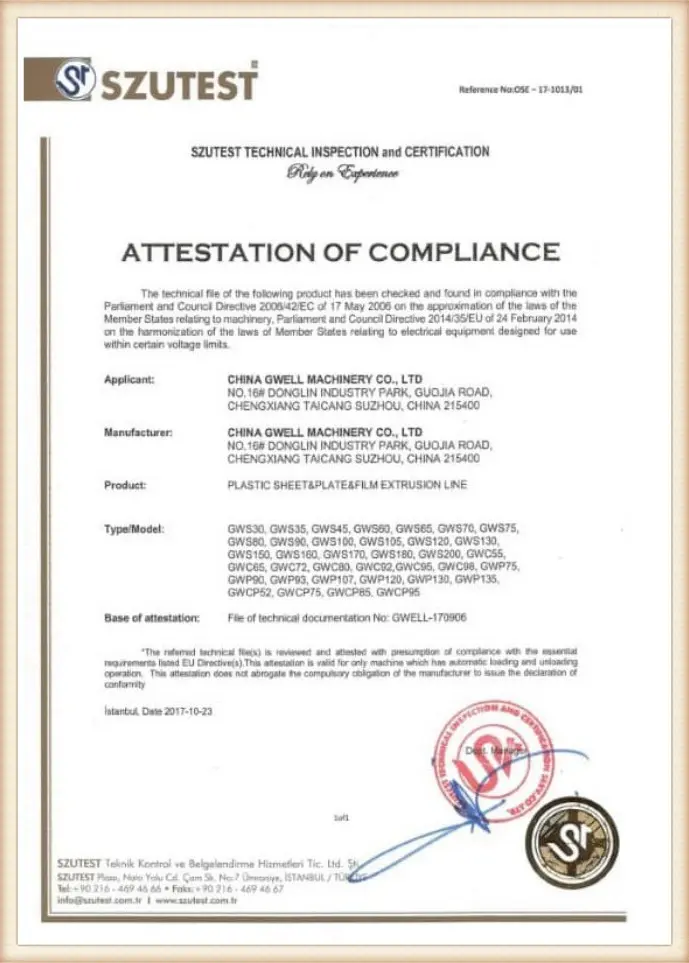
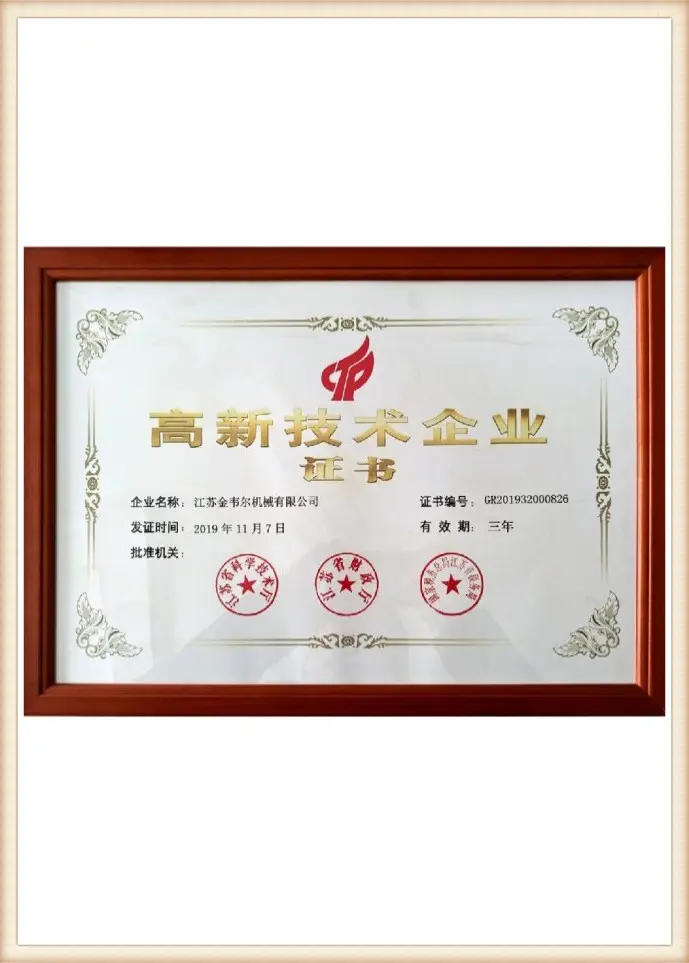
If you need our certificates, please contact us.
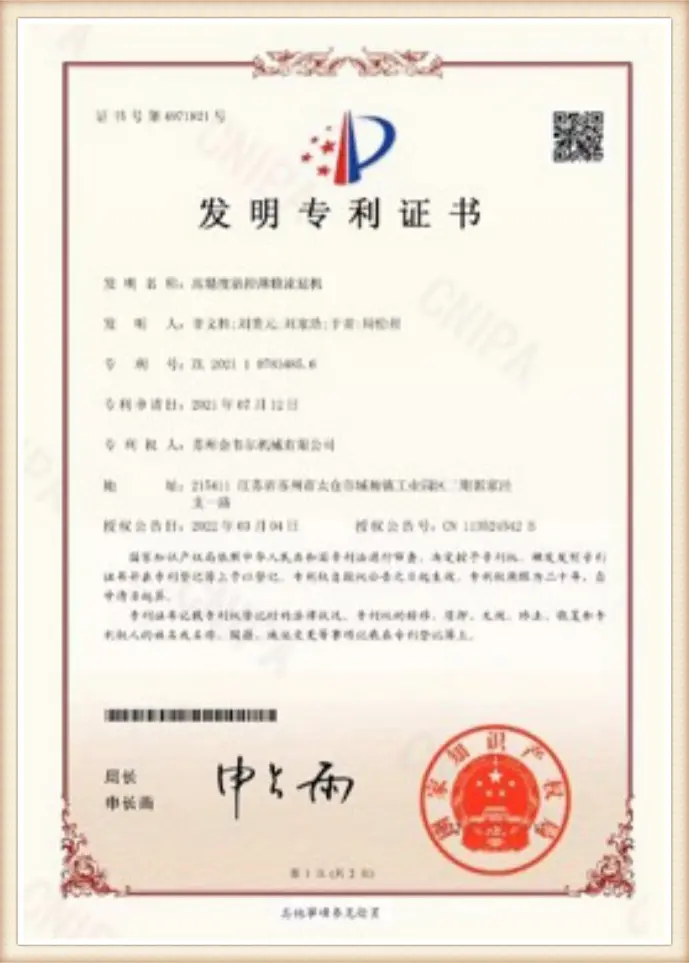
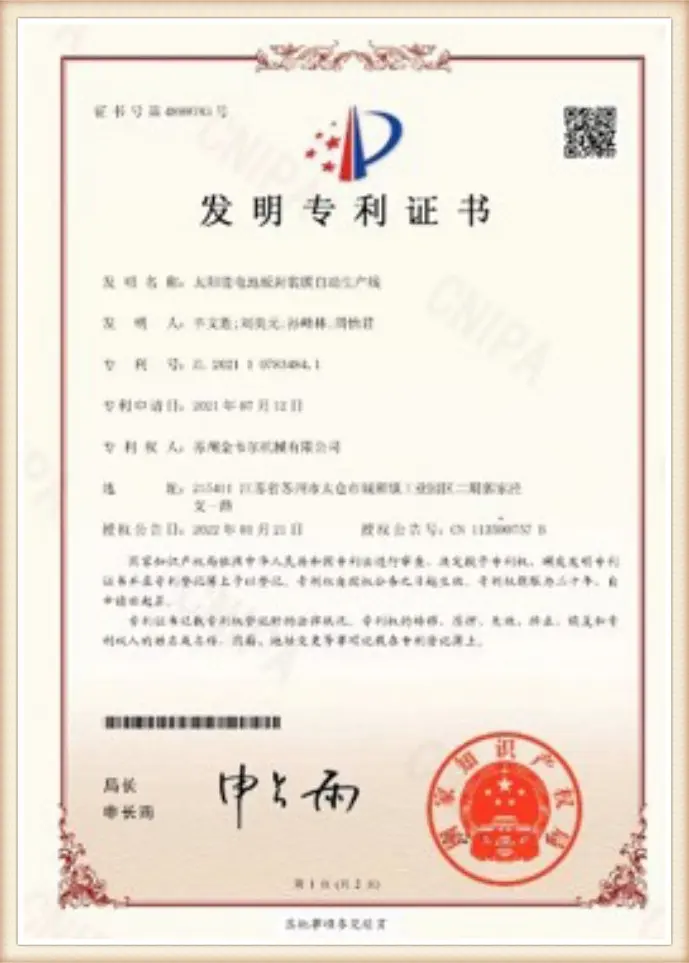
Stay updated with our newest innovations, exhibitions, and technical research releases.
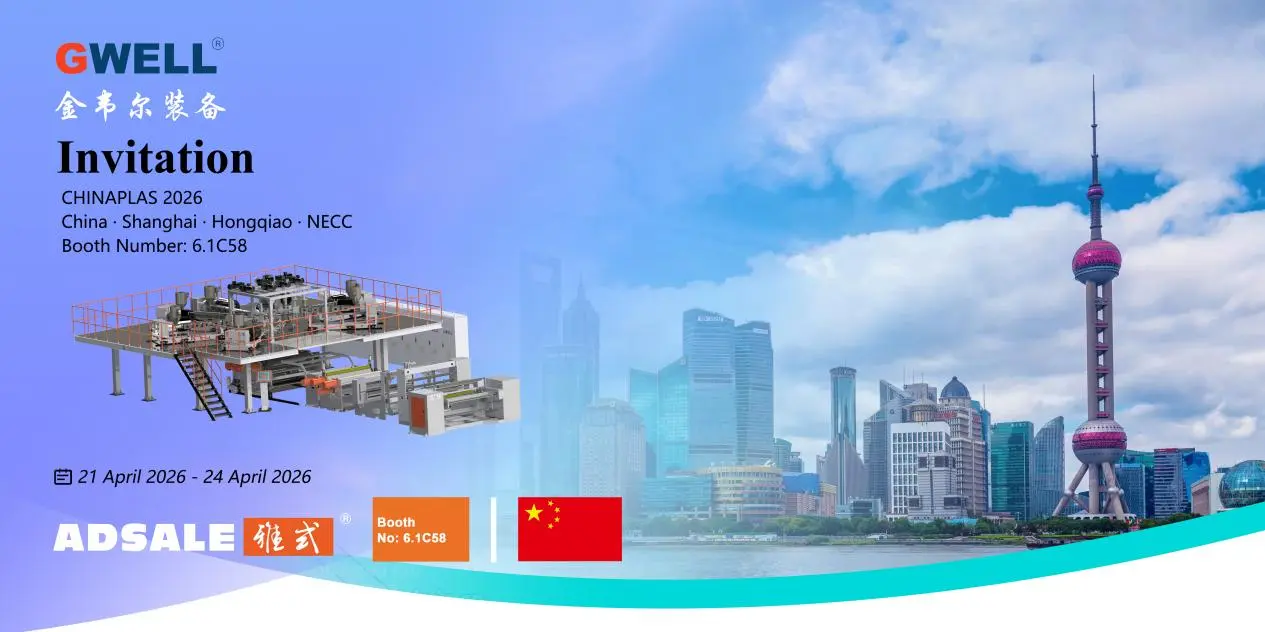
GWELL showcases its new extrusion lines at ChinaPlas 2026, featuring new PVB Wedge film options...
View More →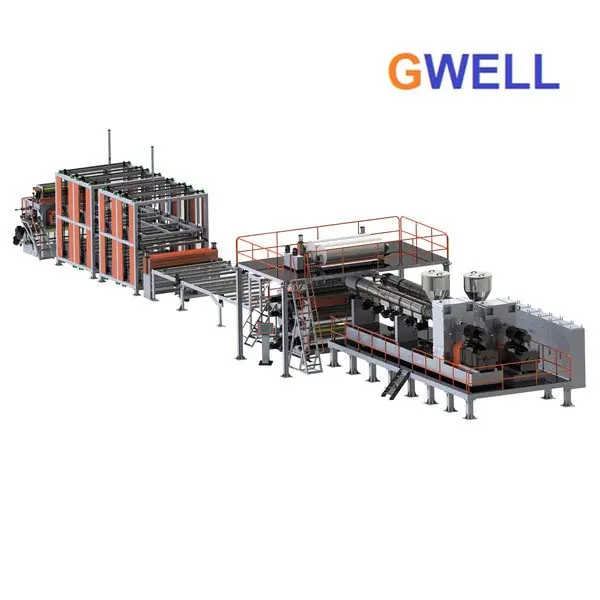
Discover the new co-extrusion technology developed for premium synthetic automotive leather bases...
View More →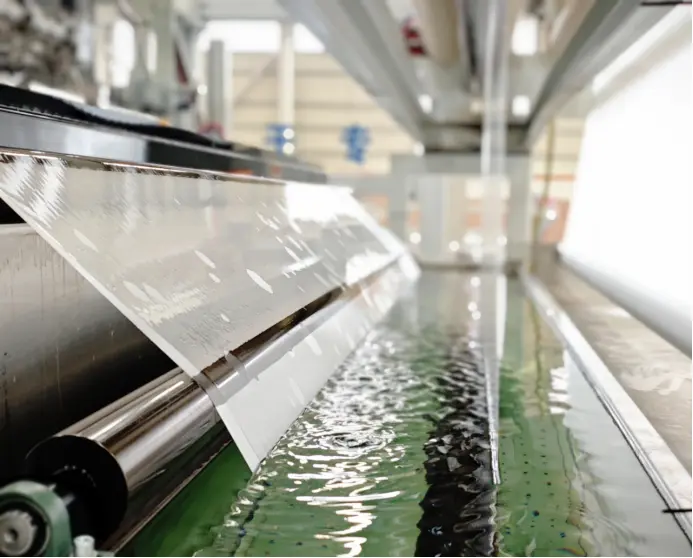
The GWELL PVB wedge-shaped film production line integrates high precision thickness tolerances...
View More →
GWELL's machinery R & D capability and high-precision mechanical engineering are recognized globally. Reach out to our design and engineering team for custom parameters.
Send Inquiry NowHigh efficiency industrial platforms designed to target specific material capabilities and gauge parameters.