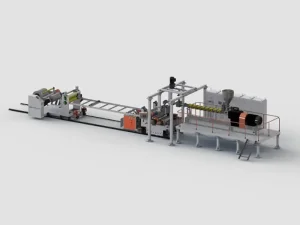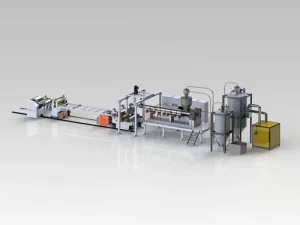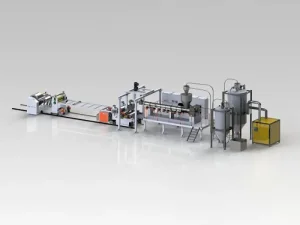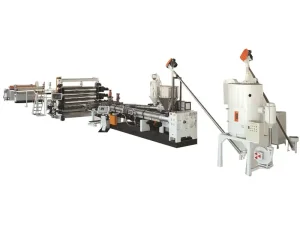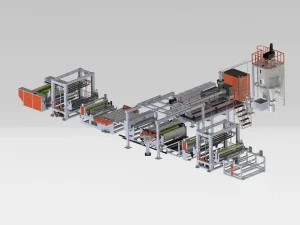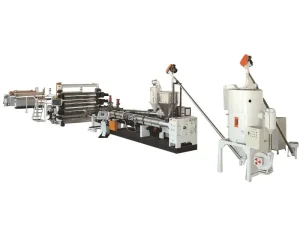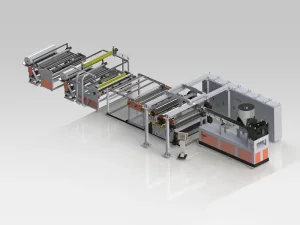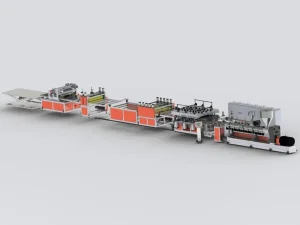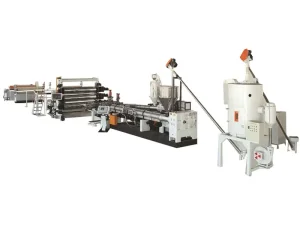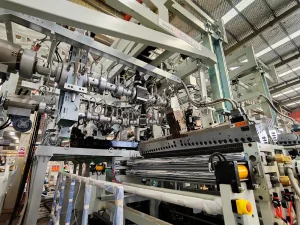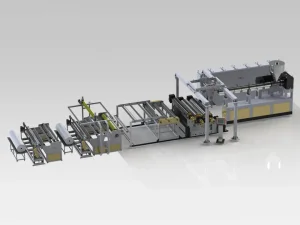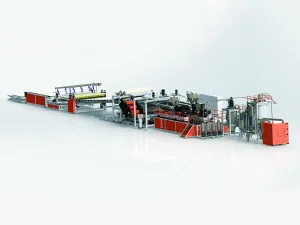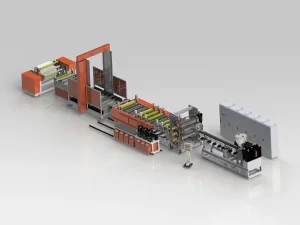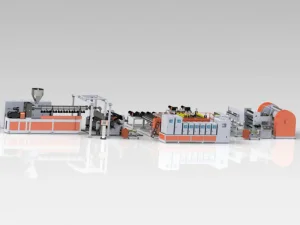
Engineered for high throughput, precise dimension control, and material cost optimization.
Analyzing Rheological Controls, Multi-Layer Structures, Supply Chain Mechanics, and Global Industrial Procurement Requirements
Acrylonitrile Butadiene Styrene (ABS) polymer represents a key composite matrix that combines the chemical resistance and thermal stability of acrylonitrile, the mechanical toughness and impact absorption of butadiene, and the processing fluidity of styrene monomer. In global manufacturing, processing raw ABS into structured sheets requires high-precision extrusion machinery. The modern sheet extrusion line has evolved from single-layer processing to multi-layer co-extrusion technology. This shift allows manufacturers to combine virgin polymer surfaces with post-industrial or post-consumer recycled (PCR) inner cores, optimizing material cost without compromising mechanical performance.
Achieving micro-layer consistency across a width that can exceed 2000mm requires a deep understanding of polymer melt rheology. Extruders must ensure uniform shear rate distribution and precise barrel temperature zoning. Without optimal temperature control, ABS is prone to thermal degradation and monomer gas liberation, which can cause micro-voids and surface defects in the sheet. Advanced single-screw extruders feature high length-to-diameter (L/D) ratios, typically between 33:1 and 38:1. They also incorporate specialized vacuum venting zones to continuously extract volatile organic compounds (VOCs) and residual moisture, ensuring a bubble-free melt.
"Managing the viscosity difference between ABS, PMMA, and PVC in multi-layer dies is critical to prevent interfacial instability. By utilizing a feedblock system equipped with adjustable vane geometry, we achieve precise layer ratio distribution control up to +/- 1.5% across the entire width of the extrusion die."
For global procurement directors, purchasing an ABS sheet line is a long-term capital expenditure that demands high reliability, rapid return on investment (ROI), and flexibility. Procurement requirements have shifted from basic mechanical specifications to comprehensive operational profiles. Today's buyers prioritize overall equipment effectiveness (OEE), energy-saving features, quick-change screen changers, and smart PLC diagnostic integrations.
In major manufacturing hubs like North America, Europe, and Japan, there is high demand for co-extrusion lines capable of processing PMMA/ABS composites (providing UV resistance and high-gloss finishes) and TPU/ABS composites (providing soft-touch interior surfaces). Manufacturers seek lines that can quickly switch raw materials with minimal downtime. Standardizing components, such as using Siemens motors, Gefran melt pressure transducers, and Dynisco sensors, ensures global compatibility, reducing maintenance lead times and simplifying local parts sourcing.
Amid fluctuating material costs and global geopolitical shifts, the resilience of the manufacturing supply chain is vital. China's intelligent manufacturing framework—Factory 4.0—offers a strategic response to these challenges. By integrating vertically integrated supply chains, automated CNC machining complexes, and localized component sourcing networks, manufacturers can maintain cost advantages while meeting strict quality standards.
GWELL Machinery operates three major production bases, leveraging regional industrial clusters to source high-precision steel, heat-treatment processes, and electrical controls. This localized infrastructure reduces logistics lead times and allows GWELL to conduct thorough pre-shipment dry runs and material trials. Factory 4.0 integration also brings IoT cloud diagnostic platforms to the factory floor. This allows engineers to troubleshoot extruder parameters remotely, providing international clients with immediate technical support.
ABS sheets serve as the primary raw material for thermoforming a wide range of industrial products. Understanding these localized application scenarios helps tailor the design of the extrusion line to meet specific market standards.
Our comprehensive machinery classifications engineered for global plastic processing markets.
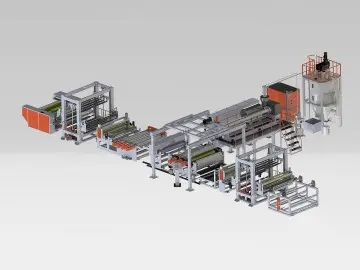
Produces weather-resistant co-polymer films designed for co-extrusion with PVC and ABS building materials.
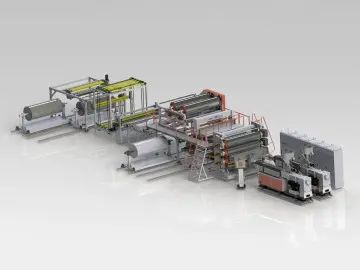
High-precision thermoplastic polyurethane lamination setup for textile, medical, and packaging materials.
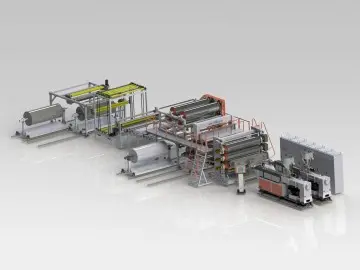
Versatile film processing line offering uniform thickness and elastic control for performance membranes.
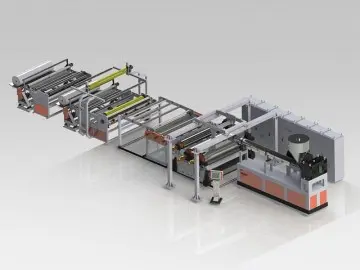
Highly resistant PVDF solar backplane membranes serving as cost-effective alternatives to Tedlar materials.
High-precision wedge-shaped interlayer films for automotive windshield heads-up displays (HUD).
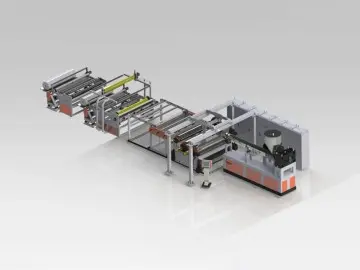
Integrates robust automation with chill-roll extrusion technology to manufacture architectural safety glass interlayers.
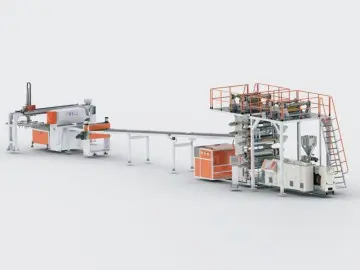
Produces wood-plastic and stone-plastic flooring boards with high mineral loading and structural stability.
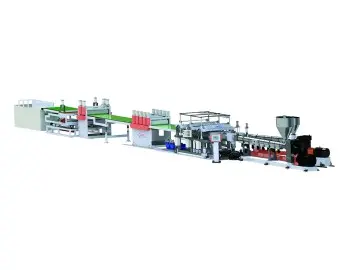
High-output systems producing reusable concrete formwork panels that reduce overall building construction costs.
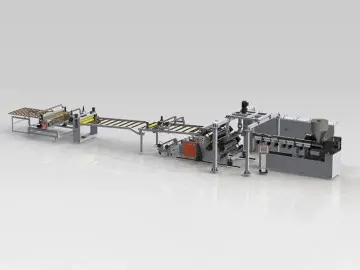
Specially engineered screw designs for high-temperature processing of chemical-resistant engineering fluoropolymers.
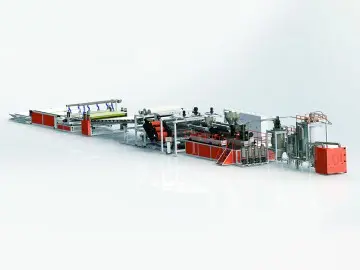
Manufactures thick polyolefin sheets for environmental containment liner installations and chemical storage tanks.
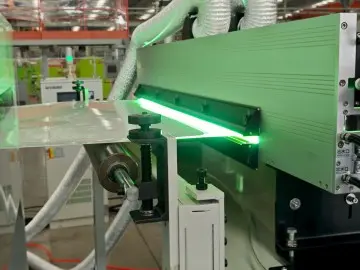
Process transparent copolyester sheets, combining glass-like optical clarity with high impact toughness.
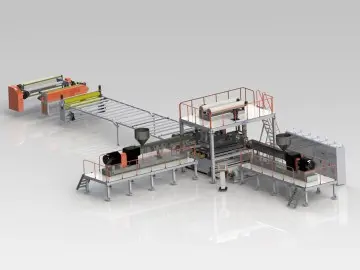
Designed for soft-touch automotive instrument panels and high-strength industrial components.
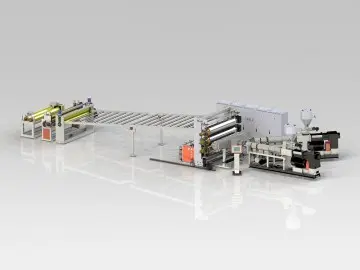
Continuous production of optical sheets utilizing calendar systems to maintain surface quality.
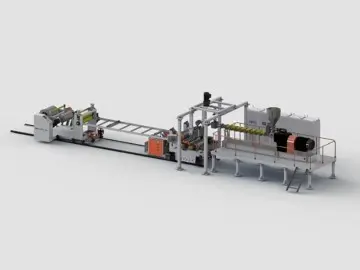
Co-extrudes double-sided multi-color packaging and stationery sheets with a sharp interfacial boundary.
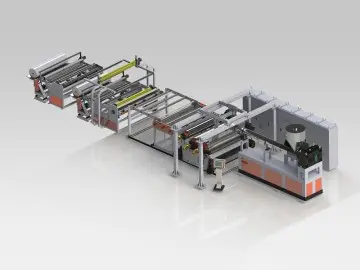
Produces ionoplast interlayer films that offer five times the tear strength of traditional PVB.
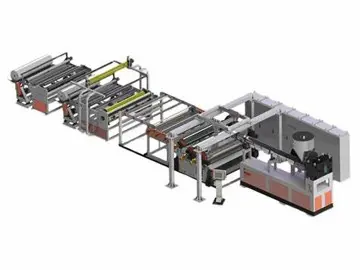
High-efficiency encapsulation film processing system designed specifically for the solar module industry.
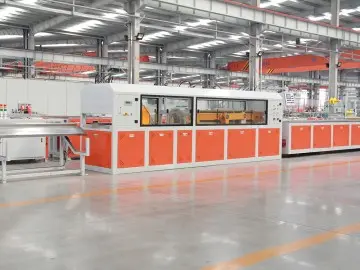
Innovative continuous pultrusion manufacturing process that replaces conventional aluminum photovoltaic frames.
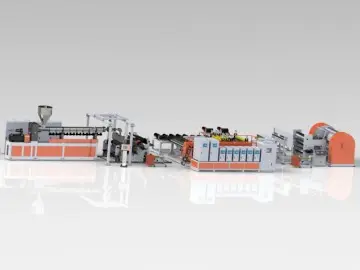
Specialized high-temperature PPS sheet lines designed for green hydrogen water electrolysis systems.
Addressing engineering challenges, thermoforming optimization, and operational efficiency.
A: ABS is a hygroscopic polymer that absorbs ambient atmospheric moisture. If moisture is not removed before processing, it vaporizes in the barrel, creating bubbles. To resolve this, GWELL uses specialized high-vacuum venting zones along the extruder barrel. We also recommend using desiccant dryers to pre-dry the raw ABS material, reducing moisture content to less than 0.05% before extrusion.
A: A co-extrusion feedblock allows manufacturers to distribute layers dynamically (e.g., A/B/A or A/B/C configurations). This lets you use recycled ABS regrind in the center layer (up to 70% of total thickness) while co-extruding thin, virgin ABS or PMMA on the outer surfaces. This maintains the physical appearance and UV performance of the sheet while reducing raw material costs.
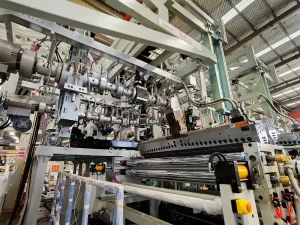
A: The three-roller calendar stack controls sheet thickness calibration and surface texture. GWELL's calendar rollers are polished to a mirror finish and feature internal spiral flow channels. This ensures uniform temperature distribution across the roller surface within +/- 1°C, preventing surface ripple and minimizing thermal stress in the sheet.
A: Yes. Because ABS, HIPS, and GPPS share similar melt processing temperatures and shear properties, GWELL designs screw geometries that can process all three styrenic polymers. By making minor adjustments to the screw speed and barrel temperature profile via the PLC screen, manufacturers can switch between materials with minimal transition time.
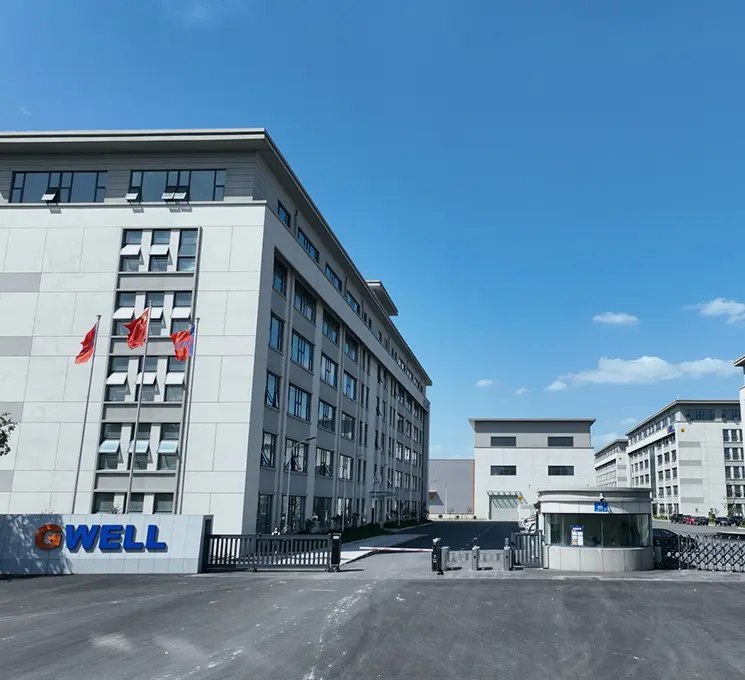
China Gwell Machinery is a high-tech enterprise dedicated to manufacturing plastic extrusion lines for film, sheet, and profile applications. Relying on advanced machinery manufacturing technology and an experienced engineering team, Gwell specializes in high-tech machinery development for the international market.
With the corporate philosophy "Expertise creates customers' values," Gwell provides high-capacity, low-energy sheet extrusion equipment. Our products feature smart control systems that help global clients optimize their manufacturing operations and reduce labor costs.

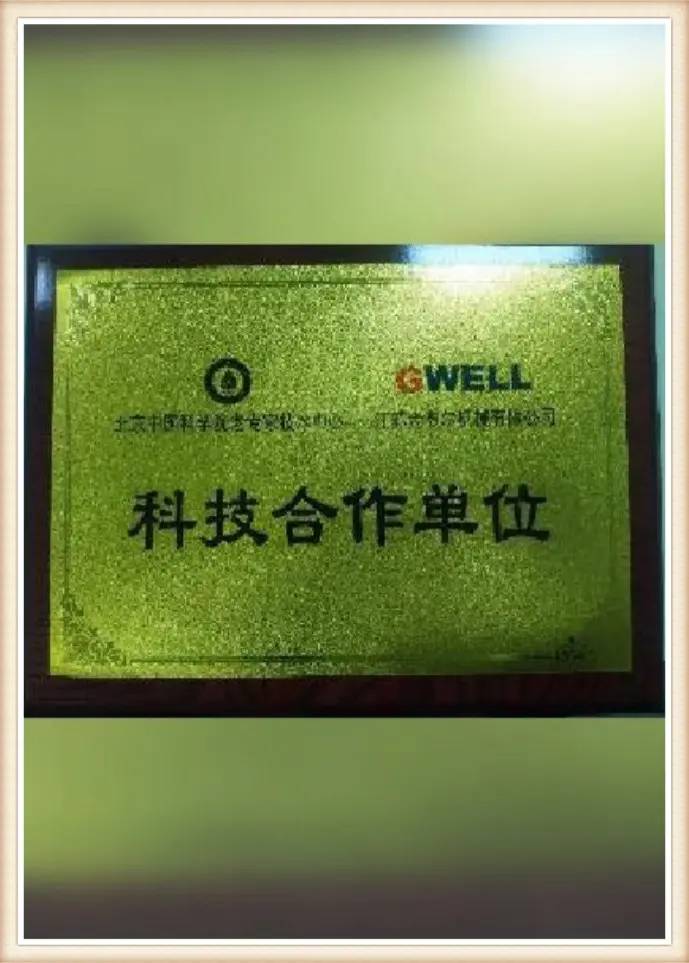
Collaborating with universities and polymer research institutes to develop high-performance plastic extrusion machines.

Providing end-to-end commissioning, field installation, operator training, and remote diagnostic support.

Operating three production bases capable of manufacturing over 1000 extrusion lines annually to meet global demand.

Our machinery and custom extrusion lines are exported to plastic processing factories in over 80 countries.

500 dedicated employees, including over 100 mechanical design, software, and polymer processing engineers.
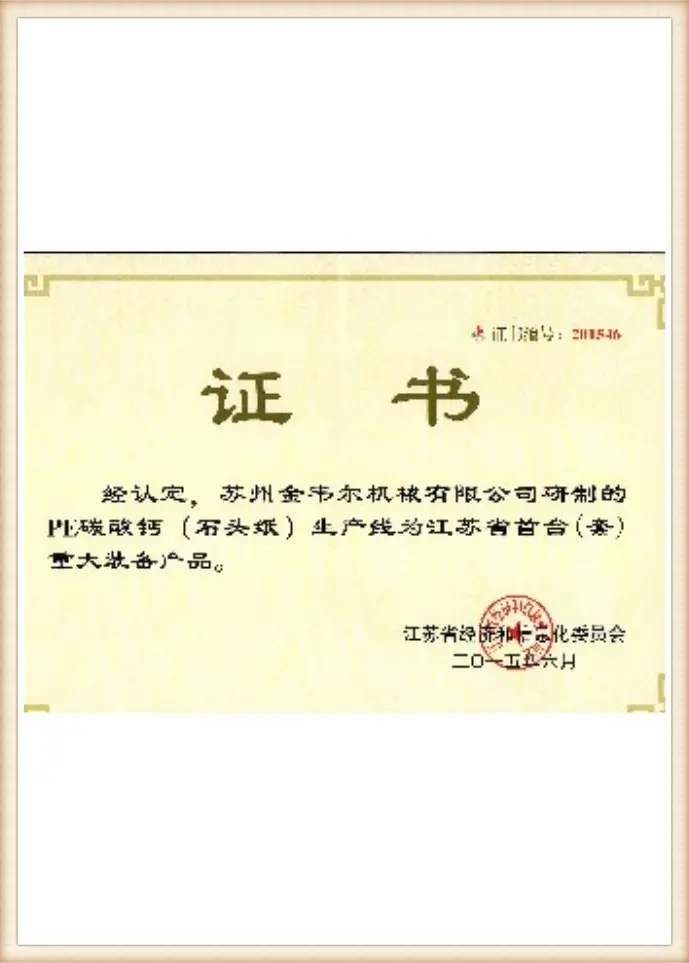
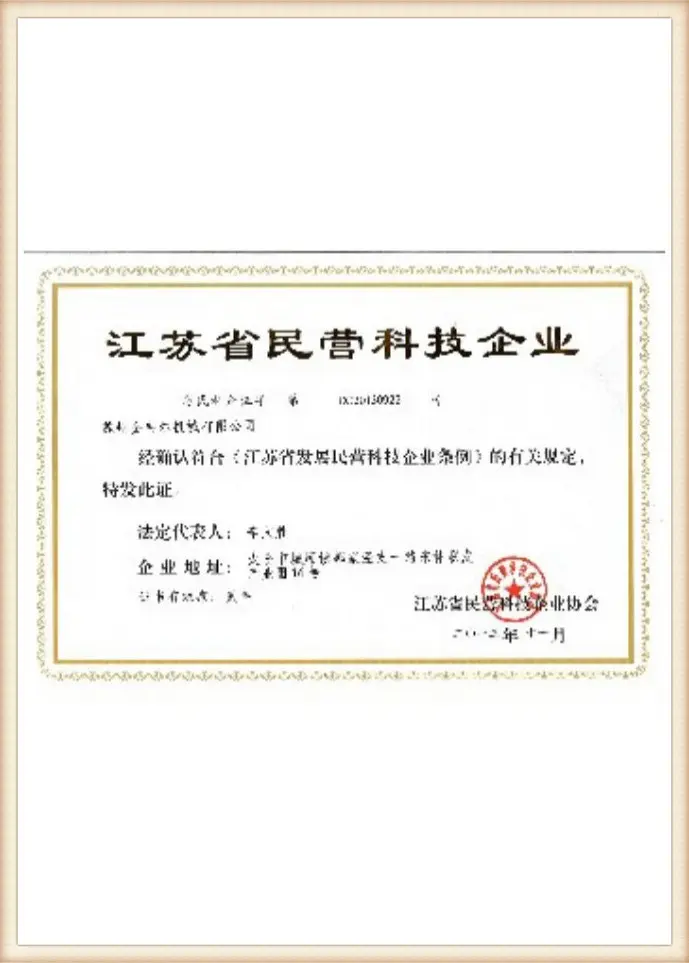
GWELL machinery is certified to international quality standards, ensuring safety, reliability, and process efficiency.

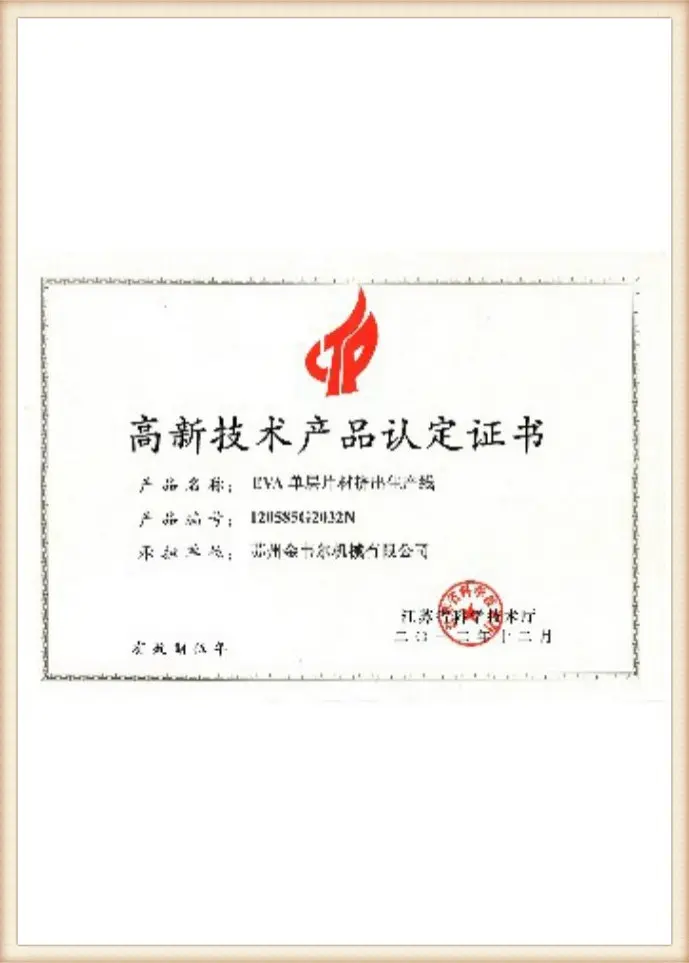
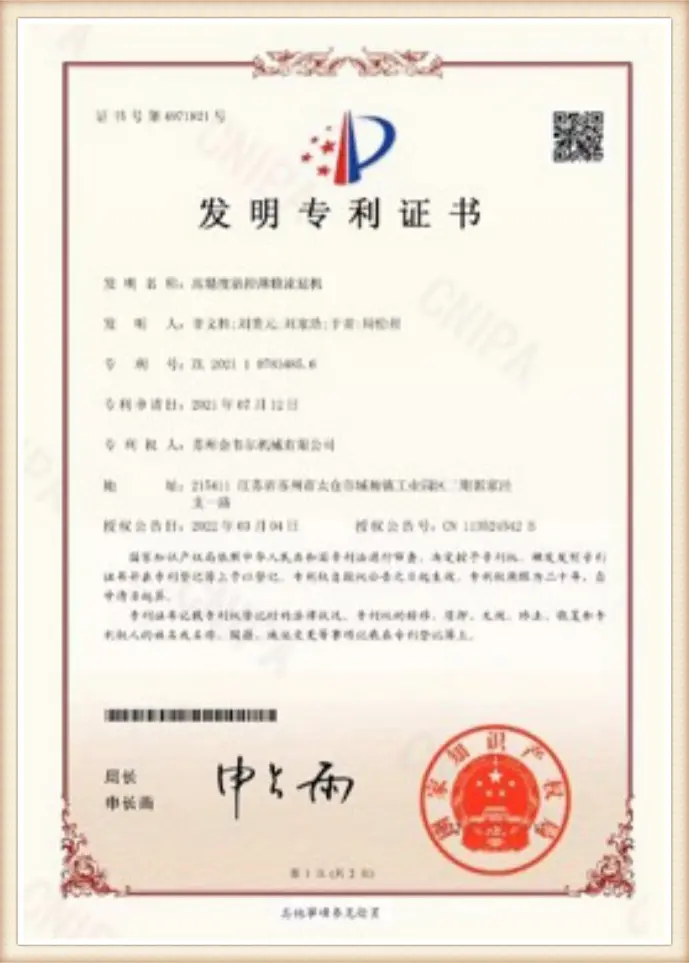
Keep up with GWELL's advancements in plastic extrusion technology, global exhibitions, and newly developed products.
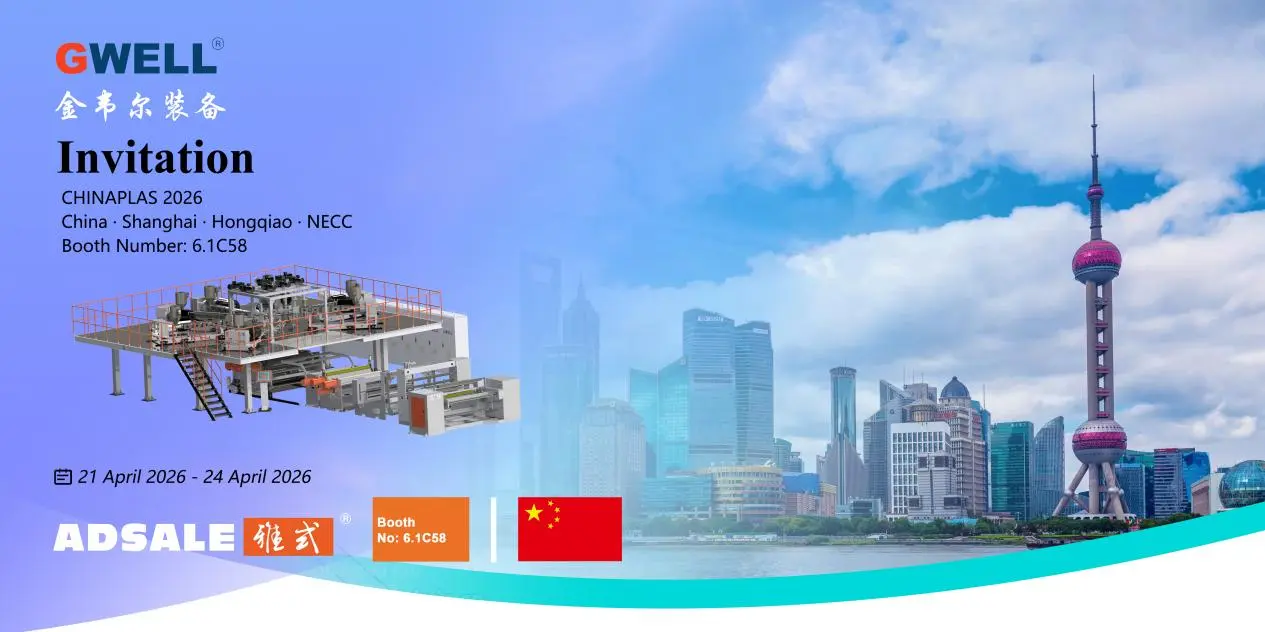
Gwell announces its upcoming participation in global plastic industry exhibitions, presenting high-capacity sheet lines.
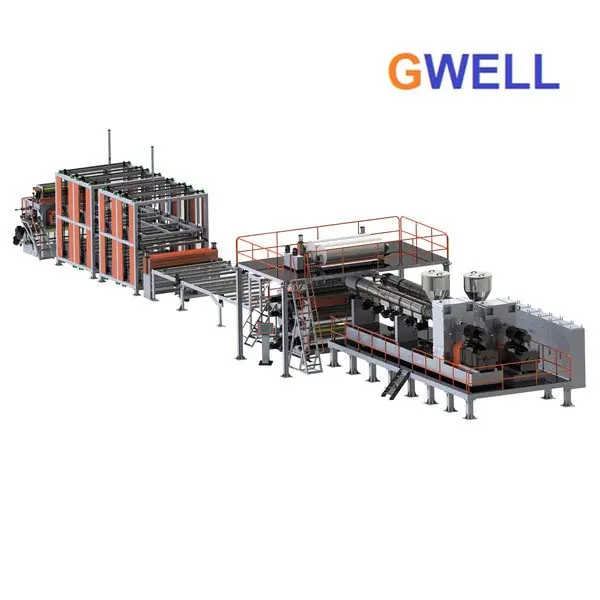
An eco-friendly, zero-emission alternative to PVC synthetic leather, designed for automotive seats and premium upholstery.
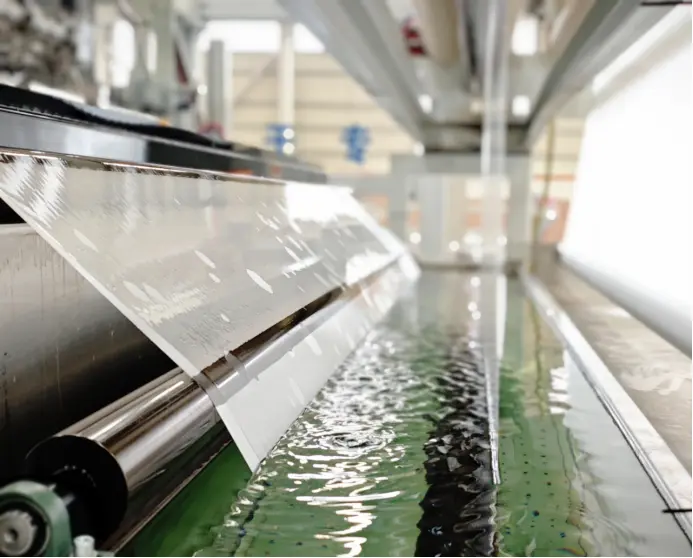
GWELL PVB wedge-shaped interlayer lines demonstrate high precision and thickness control for automotive HUD screens.
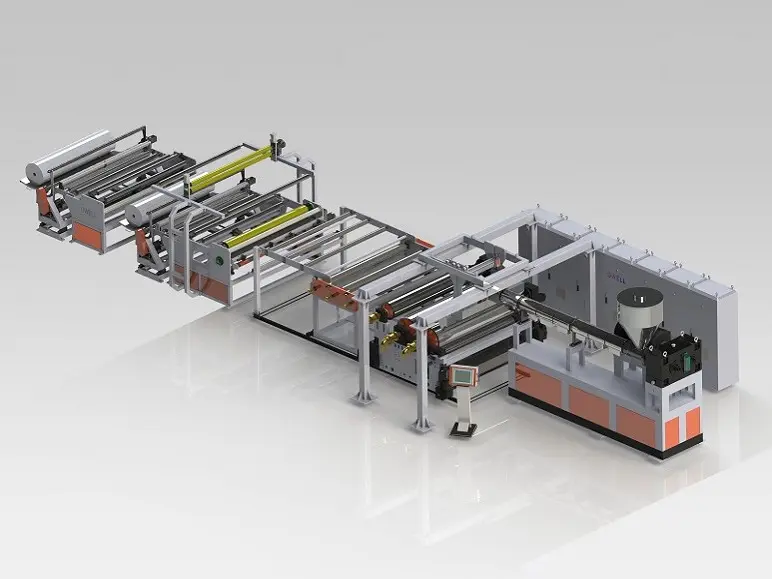
Specially designed calendar and film winding systems to ensure a scratch-resistant, high-gloss surface for furniture laminates.
Collaborating with world-class engineering suppliers to ensure mechanical and electronic control reliability.



Discuss your material formulation, required throughput, and laydown width with our application engineers for a custom quotation.
Request Technical ConsultationExplore our targeted industrial sheet extrusion lines built to meet clean energy and heavy-duty engineering requirements.