Acrylonitrile Styrene Acrylate (ASA) film is the gold standard for surface protection in the outdoor building materials industry. It is commonly co-extruded onto resin tiles, PVC siding, and construction panels to provide supreme ultraviolet (UV) protection, chemical resistance, and long-term color retention. To comprehend the ASA film price per square meter, enterprise procurers must first analyze the polymer's underlying chemical matrix and structural components.
The standard structure of high-end outdoor building panels features a thin, multi-micron cap layer of ASA film co-extruded over a structural core substrate (such as PVC or PMMA). The raw material formulation consists of a terpolymer containing acrylic rubber, acrylonitrile, and styrene. The acrylic ester component acts as a high-density UV blocker, replacing the butadiene rubber phase typical of ABS. This fundamental chemical switch prevents photolytic oxidation and subsequent yellowing or degradation under intense solar radiation.
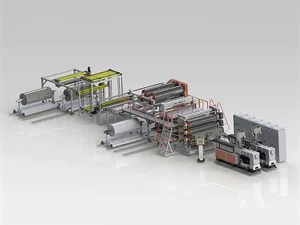
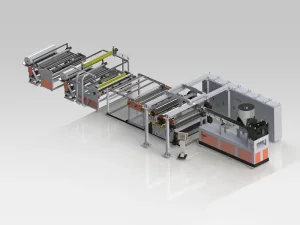
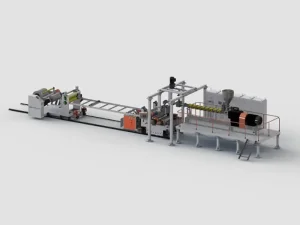
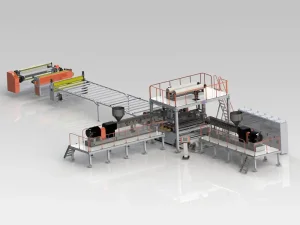
ASA Layer Thickness (μm): ASA films typically range between 50 to 150 microns. A thinner, more uniform film reduces raw material consumption but demands advanced extrusion machinery (such as GWELL's multi-layer cast film systems) to maintain surface barrier integrity.
Pigment Quality and Masterbatch Selection: Automotive-grade, inorganic color pigments must be compounded to guarantee that the Delta E color-fading value remains below 5 over a 10 to 15-year lifecycle. Premium pigment compounds significantly increase the baseline raw material cost.
Production Run Volumes & Extrusion Yields: Standardized continuous runs on wide-format extrusion lines reduce the localized manufacturing overhead, allowing tier-one factories to pass cost benefits down to global distributors.
As construction specifications align with global decarbonization policies and extended material lifespans, construction firms and material suppliers are demanding high-performance polymer options. ASA film procurement has transitioned from a basic transactional commodity to a technical partnership where weatherability, thermal stabilization, and processing compatibility are strictly monitored.
Increasing temperatures, heavy UV indexes, and acidic rainfall in developing regions require synthetic roof tiles to implement high-durability ASA co-extrusion boundaries to prevent structural delamination.
High-end real estate developments utilize ASA film over steel panels and composite wood-plastic substrates to replicate wood grains and metallic finishes while maintaining long-term color fastness.
B2B buyers look for products complying with international fire retardancy certifications, VOC emissions guidelines, and environmental directives (RoHS, REACH) to secure municipal project entries.
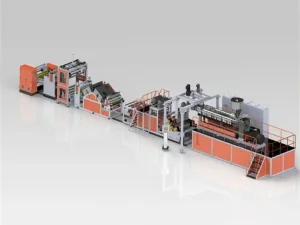
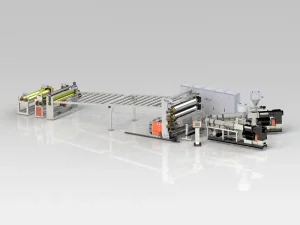
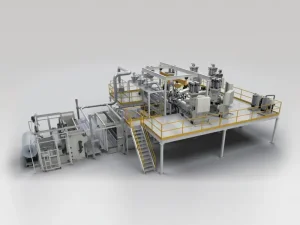
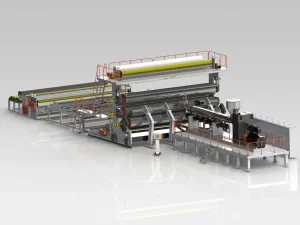
Discover GWELL's industry-leading production platforms designed for films, boards, sheets, and cutting-edge renewable solar configurations.
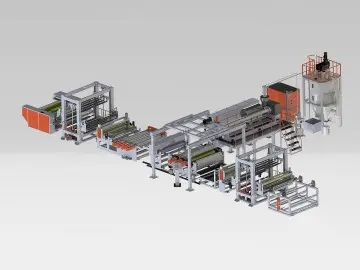
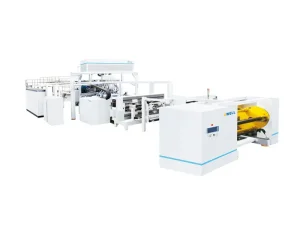
GWELL Machinery Co., Ltd. presents advanced plastic cast extrusion systems yielding high-precision protective films.
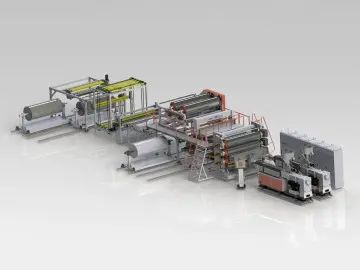
Flexible thermo-polyurethane film production lines optimized for high adhesive properties and barrier structures.
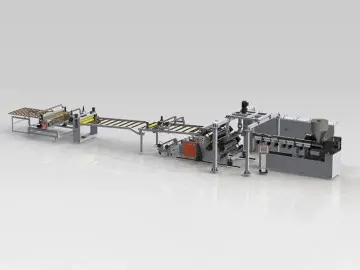
Intelligent production lines designed to process fluoroplastics and high-temperature polymers for aerospace and chemical use.
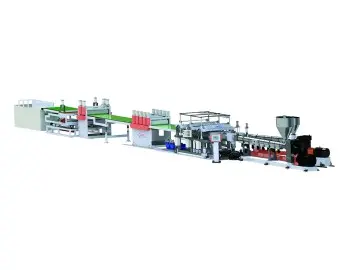
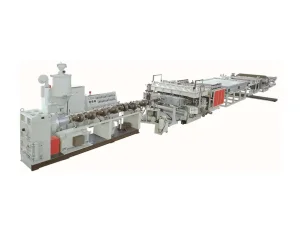
Fully automated building plate extrusion lines optimizing raw material output and density ratios for construction forms.
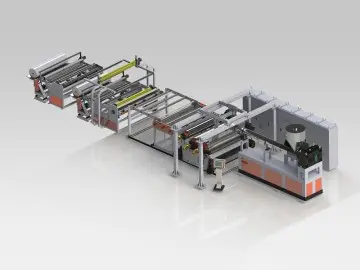
Specialized ionoplast encapsulation layers providing heavy-duty security structural properties for photovoltaic arrays.
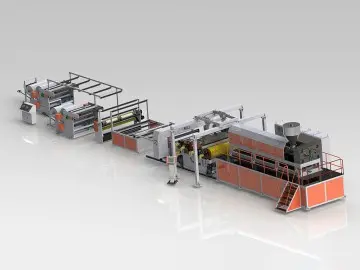
Advanced solar cell encapsulation technologies designed to counter potential-induced degradation (PID) in modules.
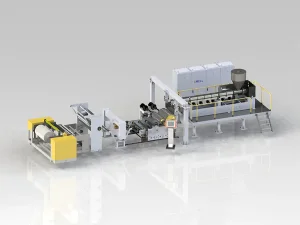
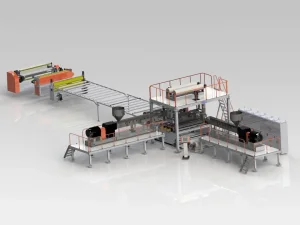
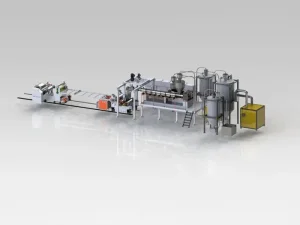
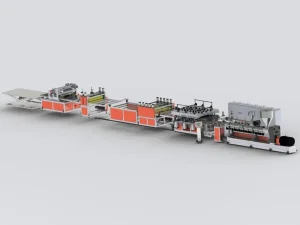
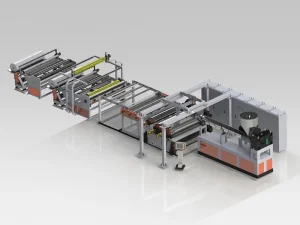
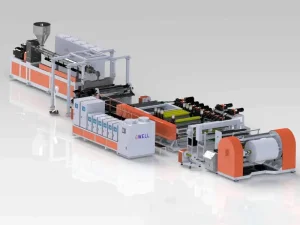
Achieving cost optimization for ASA film involves a detailed understanding of co-extrusion technology. When integrating ASA protection onto building profile systems, GWELL engineers focus on uniform flow distribution within the co-extrusion block. A variation of even 2-3 microns across a 1500mm web line can lead to premature color fading in thin zones or excessive raw material waste in thicker zones.
The molten ASA polymer layer is joined with structural PVC inside a multi-manifold co-extrusion block. Precise temperature control is crucial to prevent the PVC from burning, which occurs above 190°C, while ensuring the ASA flows smoothly. High-quality feedblock adjustments ensure the ASA layer maintains the correct thickness ratio (typically 1:10 or 1:20 relative to the base substrate). GWELL's advanced control loops ensure a reliable co-extrusion process, even when running at high extrusion speeds of up to 40 meters per minute.
To meet the expectations of tier-one building material suppliers, ASA films must undergo accelerated weathering tests according to international standards (e.g., ISO 4892-2, ASTM G154). GWELL's high-tech polymer research laboratory tests raw formulations under simulated desert and subtropical conditions. This ensures that the ASA film price per square meter reflects a product that is certified for resistance to yellowing, embrittlement, and micro-cracking.
Operating global distribution footprints requires close collaboration between film factories and machinery suppliers. GWELL helps clients adjust formulation variables directly on our extrusion systems. By optimizing internal stabilizer packages, procurers can adjust the ASA film formulation to suit the thermal and UV profiles of their specific regions, helping to lower input costs while maintaining compliance.
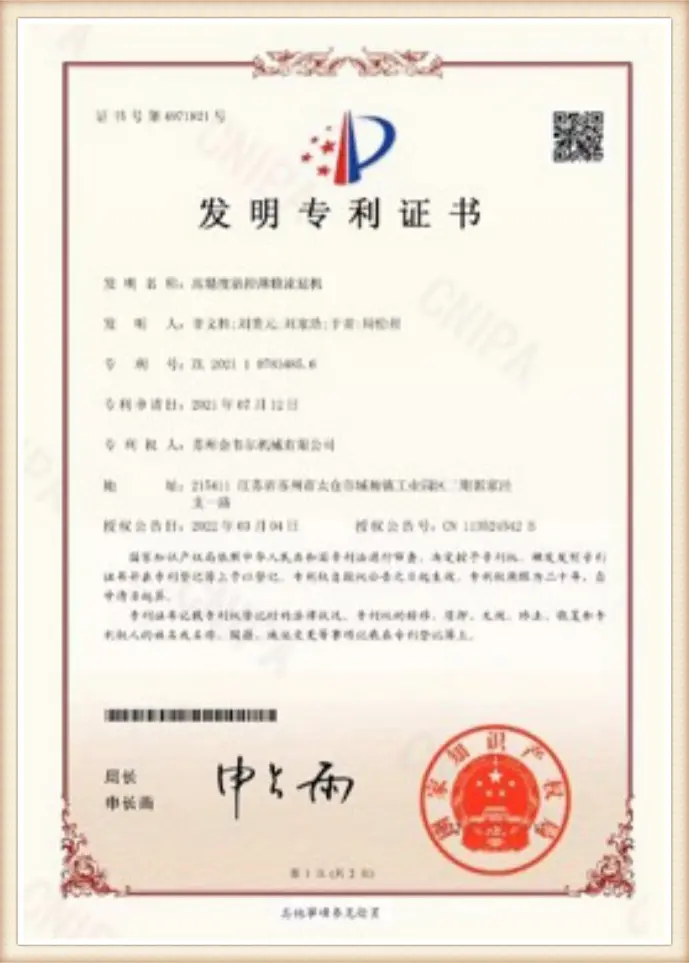
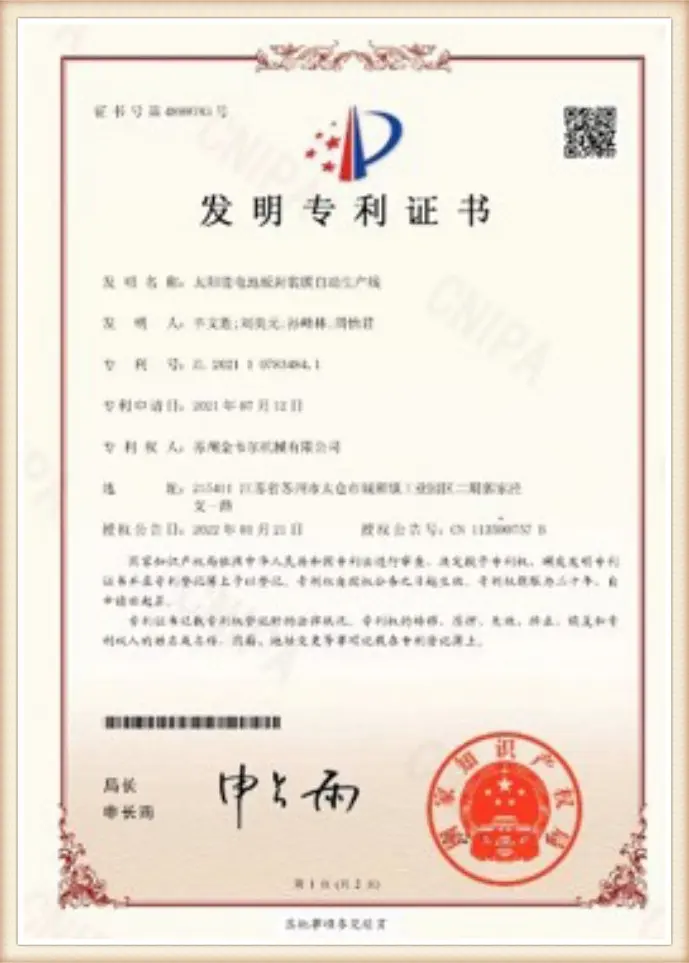
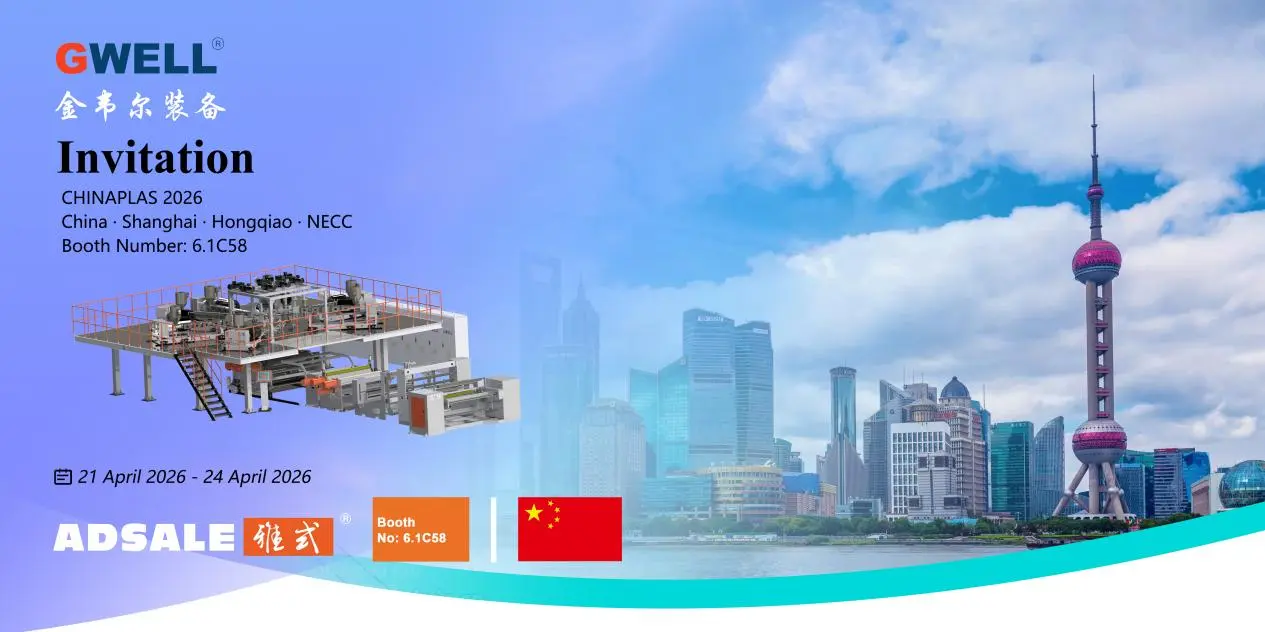
Explore our upcoming demonstration of high-efficiency multi-layer co-extrusion systems at the international plastics exhibition.
View Details →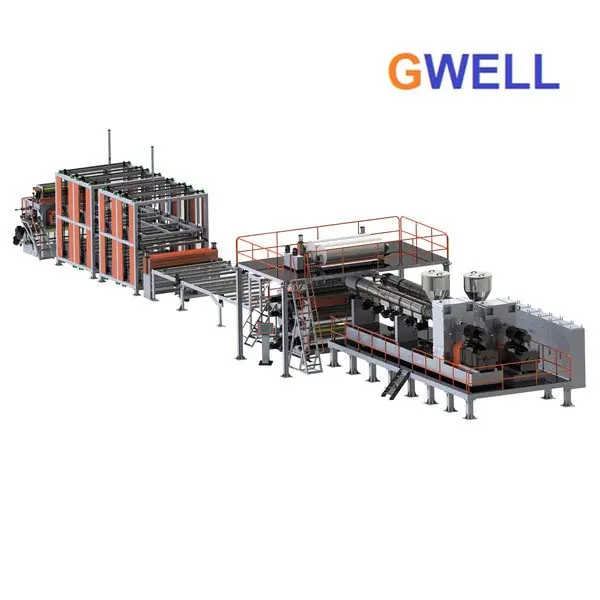
Developing sustainable surface solutions for the automotive industry using multi-layer polyolefin elastomer technology.
View Details →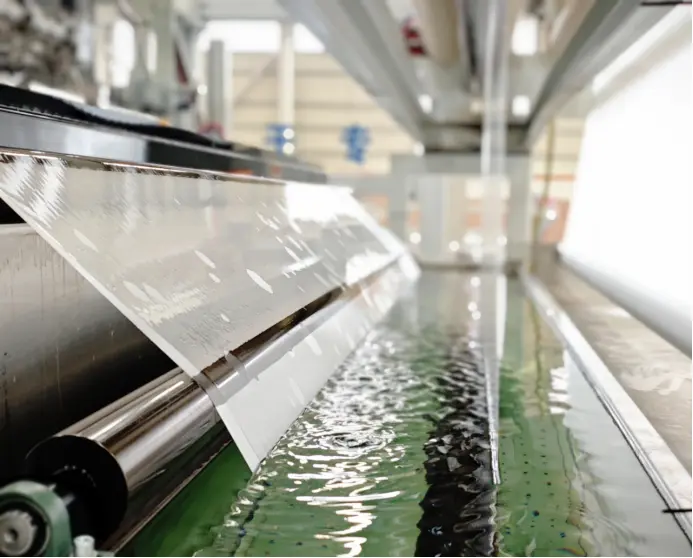
GWELL introduces high-precision PVB wedge film lines for automotive HUD head-up display systems.
View Details →
Our engineering team is ready to assist you with system sizing, custom formulations, and quoting inquiries for film and sheet extrusion lines.
Send Technical Inquiry