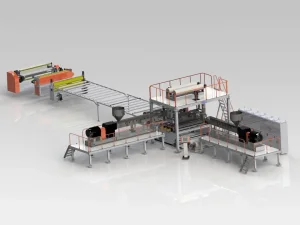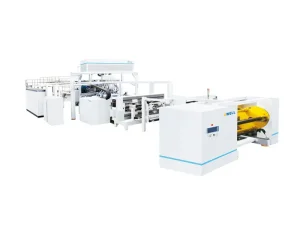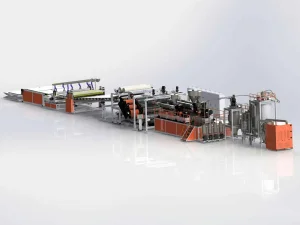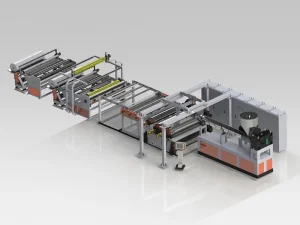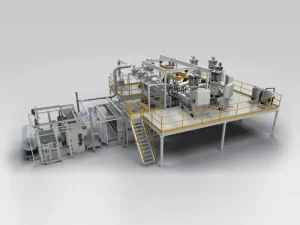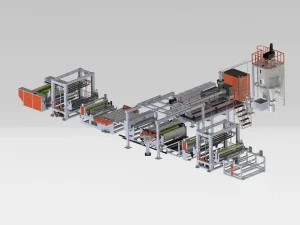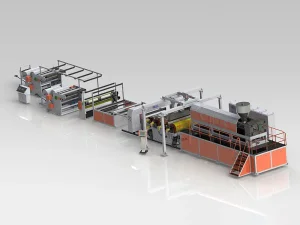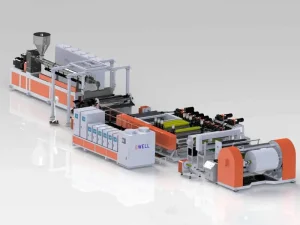
Discover our high-capacity extrusion lines engineered for superior stability, thickness precision, and structural longevity across industrial sectors.
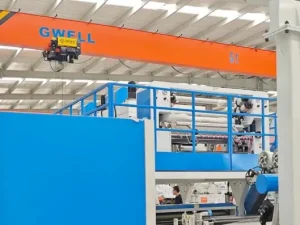
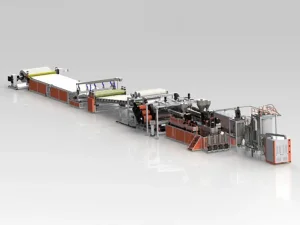
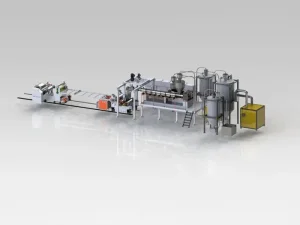
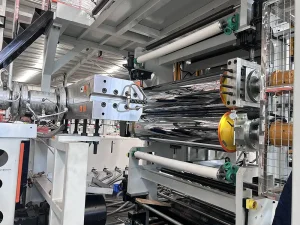
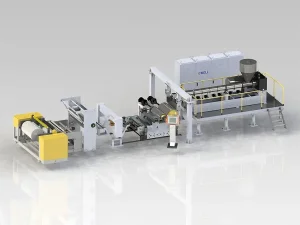
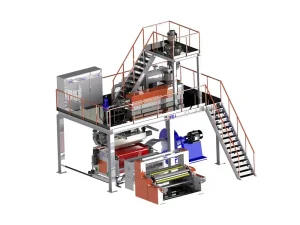
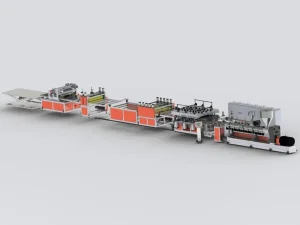
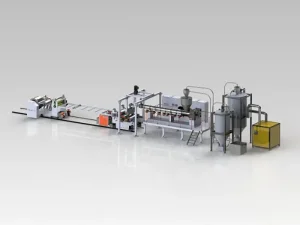
An in-depth analysis of polymer formulation, co-extrusion machinery engineering, global market dynamics, and installation applications.
For decades, residential roofing relied heavily on asphaltic membranes, built-up felt, and traditional shingles. While these materials provided baseline protection, their susceptibility to UV-induced thermal degradation, chemical oxidation, and mechanical failure under extreme weather conditions drove the architectural and construction industries to search for robust polymer alternatives. Enter Ethylene Vinyl Acetate (EVA), a copolymer of ethylene and vinyl acetate that blends the flexibility of elastomers with the processing ease of thermoplastics.
The production of high-performance EVA waterproof sheets requires highly specialized extrusion machinery. Unlike standard polyolefins, EVA copolymers possess unique rheological characteristics influenced by their Vinyl Acetate (VA) content. The VA percentage typically ranges from 14% to 28% for architectural applications. Higher VA percentages yield superior elasticity, toughness, and low-temperature crack resistance, but also significantly lower the polymer's melting point and increase its stickiness. This thermal behavior necessitates a precision-engineered extrusion line capable of maintaining strict temperature control within a narrow processing window to prevent polymer degradation and roll adhesion.
The global commercial landscape for residential and light-commercial roofing is undergoing a rapid transition toward high-albedo, green, and sustainable building systems. In regions such as North America, Europe, and Northeast Asia, strict regulatory frameworks like the European Green Deal and Title 24 in California mandate the use of highly reflective, durable, and recyclable building envelopes. EVA waterproof membranes have emerged as a premium solution due to their excellent compatibility with non-woven fabric backings and solar photovoltaic integrations.
In the industrial sector, roofing manufacturers face rising energy and raw material costs. Consequently, they demand extrusion systems that are not only highly productive but also energy-efficient. An advanced EVA extrusion line represents a significant capital expenditure, requiring prospective buyers to carefully evaluate the line's return on investment (ROI) based on output speed, gauge uniformity, and waste minimization.
Focuses on ASTM compliance, extreme thermal-cycling performance, and compatibility with steep-slope residential roof decks.
Demands strict EN standards compliance, high recyclability, non-toxic smoke emission profiles, and optimized carbon footprint parameters.
Driven by rapid urbanization, high-intensity monsoon seasons, and massive demand for reliable underlayment systems in residential high-rises.
When residential roofing manufacturers evaluate capital equipment, they look for machinery that delivers optimal price-to-performance ratios without sacrificing structural reliability. Gwell Machinery has established itself as an industry leader by focusing on precision engineering, state-of-the-art automation, and robust local supply chain integration in China.
China-based manufacturing facilities benefit from mature industrial clusters, which grant them direct access to high-grade metallurgical components, advanced electrical control elements, and world-class polymer research institutes. Gwell channels these advantages into its high-speed EVA extrusion lines, incorporating automated closed-loop gauge controls, energy-efficient electromagnetic heating zones, and high-torque co-rotating extruders. By combining these advanced features, Gwell lines deliver high throughput at lower energy consumption per kilogram of extruded polymer compared to European alternatives.
To achieve the structural integrity and uniformity required for residential roofing, Gwell's EVA sheet extrusion lines feature several interconnected, high-performance modules:
A. Feeding and Gravimetric Dosing System: Precise blending of virgin EVA pellets, recycled polymer scrap, UV stabilizers, flame retardants, and color masterbatches is critical. Gwell utilizes multi-component loss-in-weight gravimetric feeders to guarantee dosing accuracy within ±0.2%, preventing batch-to-batch structural variance.
B. The Extruder (Screw and Barrel Design): Due to the thermal sensitivity of EVA, Gwell utilizes custom L/D (Length/Diameter) ratio screws (typically 30:1 or 33:1) equipped with barrier flight geometries. This design provides uniform melt homogeneities at low shear temperatures, preventing thermal cross-linking or acetic acid outgassing inside the barrel.
C. The Automatic T-Die and Feedblock: Gwell's T-dies use a coat-hanger channel configuration to ensure a stable, laminar flow distribution of the polymer melt across the full width of the die. Equipped with thermal expansion bolts controlled by an inline beta-ray thickness sensor, the die automatically adjusts the lip gap to keep sheet thickness within an ultra-tight range of ±0.01mm.
D. Three-Roll Calender & Laminating Station: To produce composite sheets (such as EVA reinforced with non-woven geotextiles or fiberglass scrim), Gwell utilizes a vertical or inclined three-roll calender. The rolls feature internal spiral flow channels for water-oil cooling, ensuring precise surface temperature regulation. This prevents shrinkage stresses in the finished sheet while simultaneously pressure-bonding reinforcement fabrics to one or both sides of the polymer.
The physical properties of EVA make it exceptionally versatile across diverse climates and building styles:
The next generation of extrusion equipment will be defined by digitization and carbon footprint reduction. Gwell is actively integrating AI-driven predictive control models into its systems. By continuously monitoring barrel pressures, melt temperatures, calender speeds, and sheet gauge feedback, our control systems can dynamically adjust processing variables to prevent out-of-spec production before it occurs.
Furthermore, the industry is transitioning toward bio-based EVA copolymers and higher post-consumer recycled (PCR) content. Our extrusion lines are designed to handle variable melt flow index (MFI) materials, allowing roofing manufacturers to incorporate recycled content without sacrificing the mechanical properties of their end products.
Explore Gwell's structured product lines, built to meet specialized processing requirements across cast film, board, sheet, and solar encapsulation applications.
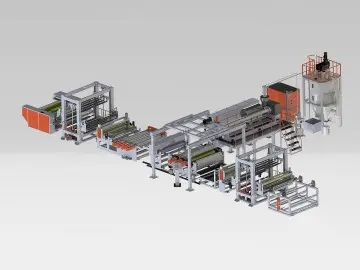
Specialized systems including ASA Cast Film, TPU Laminating, PVDF Solar Backplane Membranes, PVB Interlayer, PVA Water Soluble, and PEVA Cast Film lines designed for high-barrier protection and optical clarity.
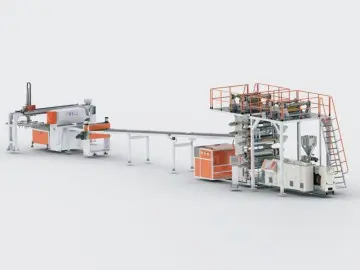
Heavy-duty engineering systems for producing PVC SPC WPC structural boards, PP building construction templates, high-performance PEEK/PFA/PVDF boards, and ABS icebox panels.
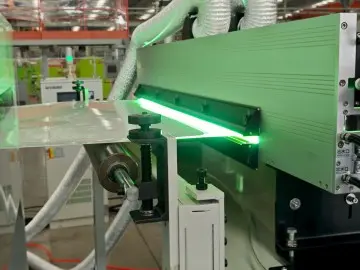
Advanced systems for processing PCTG/PETG clear films, TPO/TPE automotive interior sheets, biodegradable PLA plastics, and optical-grade PC/PMMA sheets.
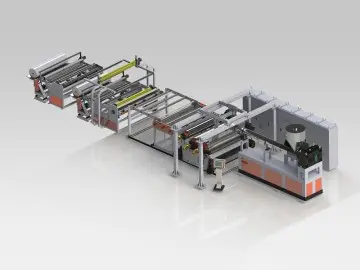
High-precision systems dedicated to solar film manufacturing, including EVA/POE solar cell encapsulation film, SGP structural interlayer film, and polyurethane solar frames.
China Gwell Machinery is a high-tech enterprise dedicated to the design and manufacture of high-performance plastic extrusion lines for Film, Sheet, and Profile. Drawing on our group's technical expertise and commitment to innovation, Gwell focuses on high-tech products and global markets. Guided by our operating philosophy, "Expertise creates customer value," we deliver world-class extrusion equipment tailored to modern manufacturing demands.
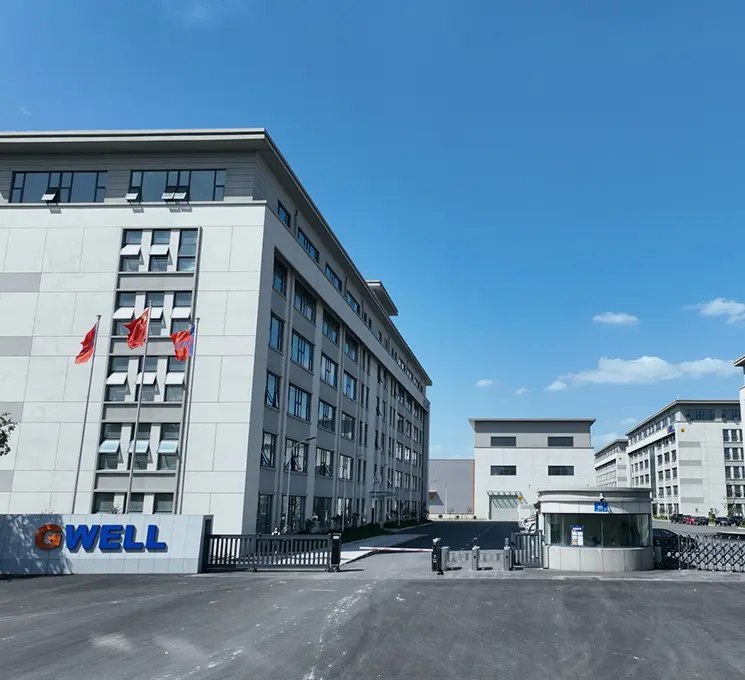
Why leading global roofing and construction enterprises partner with Gwell Machinery for their manufacturing needs.
We collaborate with top universities and research institutes to continuously integrate the latest polymer processing breakthroughs into our designs.
Our end-to-end service includes customized layout planning, process tuning, installation support, and responsive after-sales technical assistance.
Across our three manufacturing bases, Gwell can build and deliver over 1,000 advanced extrusion lines annually, ensuring reliable delivery schedules.
With over 500 employees and a dedicated team of 100+ engineers, we possess the technical depth to design and build highly customized solutions.
Expert answers to the most common technical and operational questions regarding EVA sheet extrusion systems.
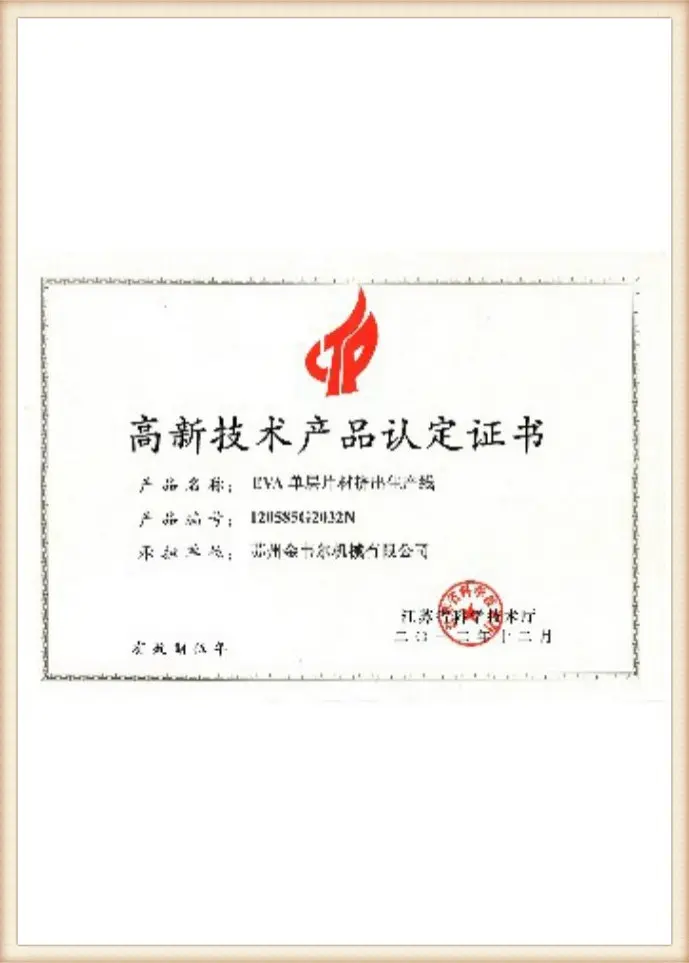
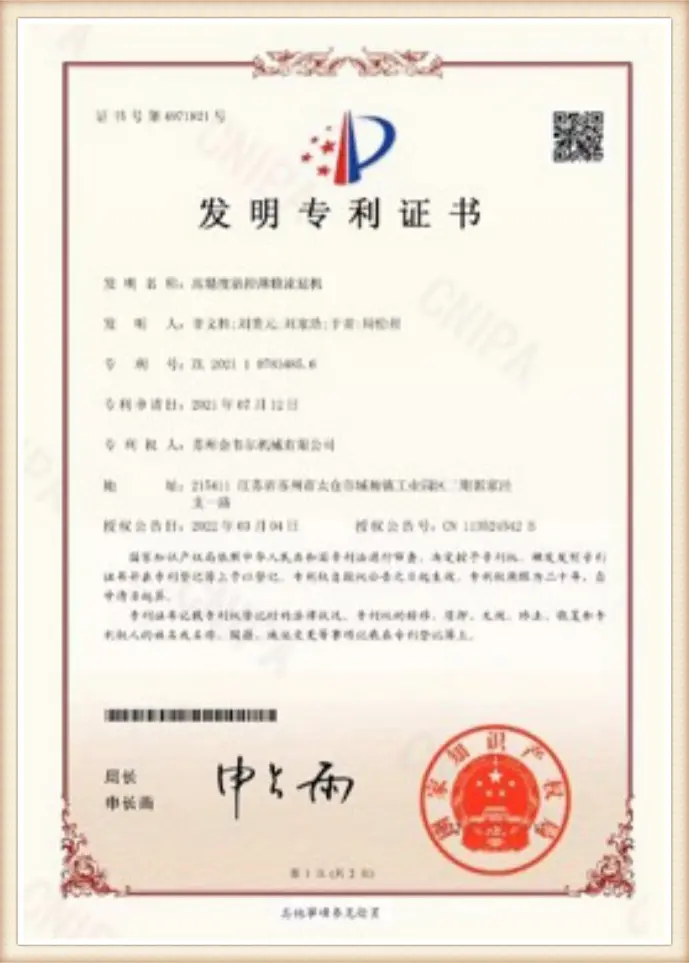
Our commitment to manufacturing quality and design excellence is backed by recognized industrial certificates.
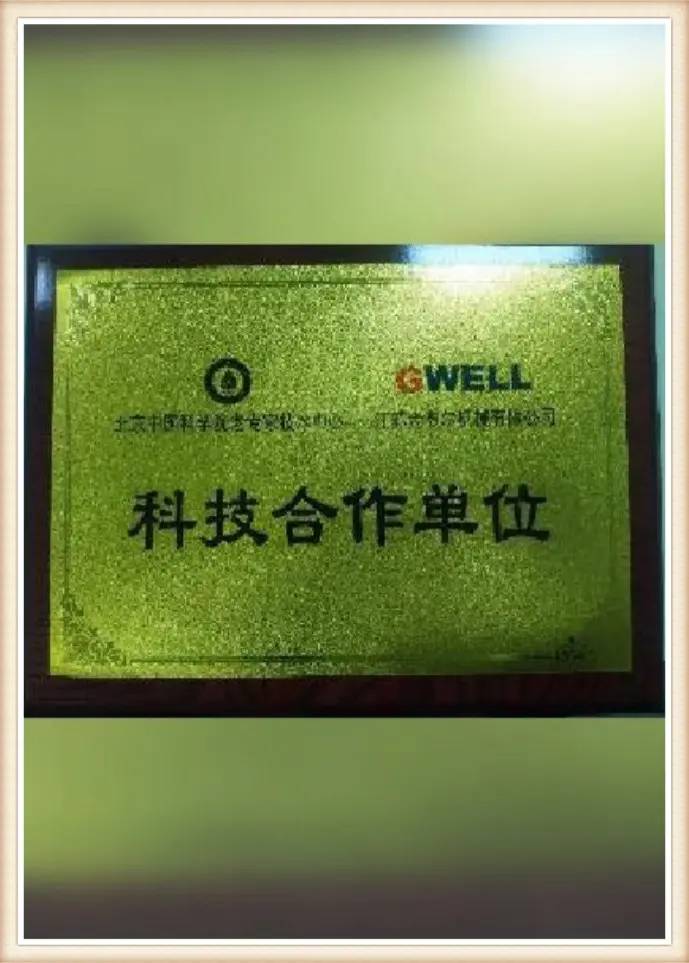
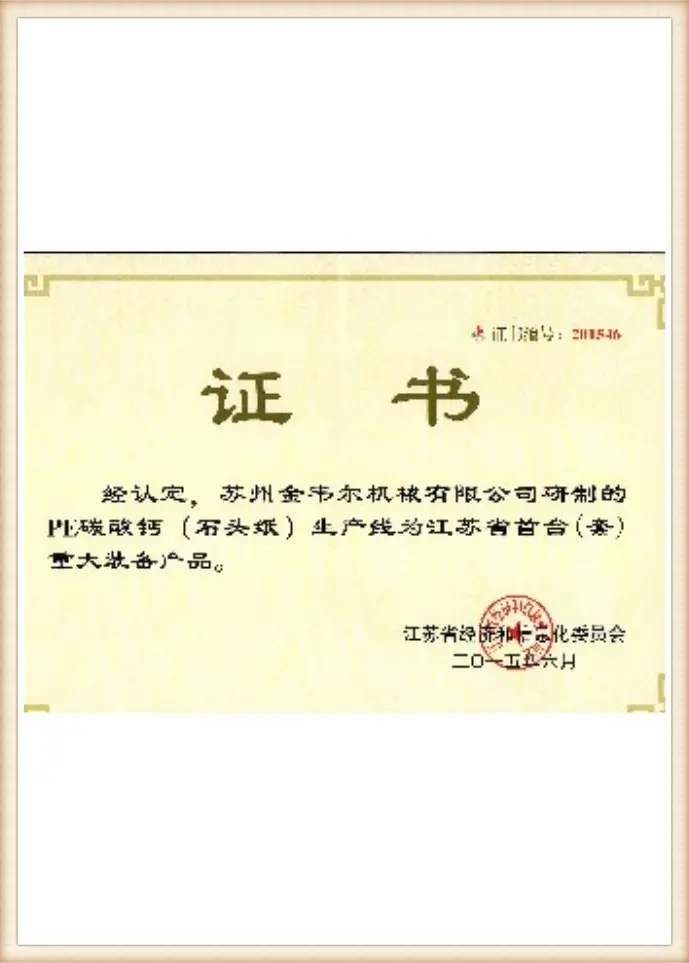
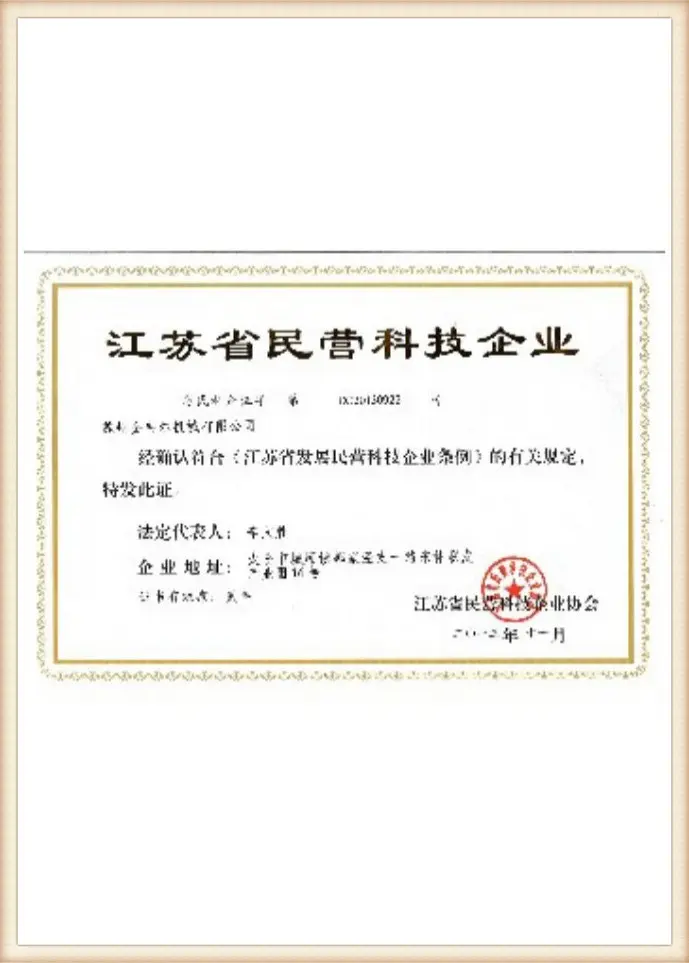

Work with our engineering team to design, configure, and install an EVA extrusion line optimized for your specific residential roofing products and market requirements.
Submit Design & Specification InquiryExplore our highly engineered lines designed to process complex polymers, composite layers, and functional films.