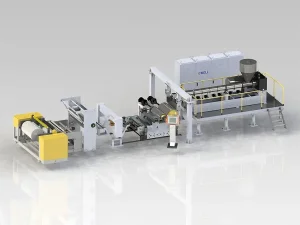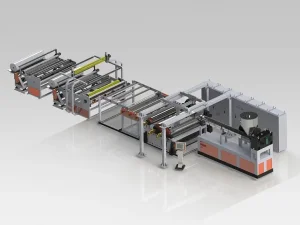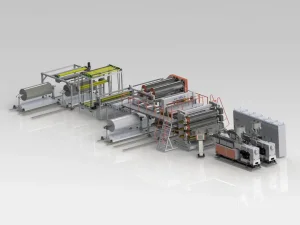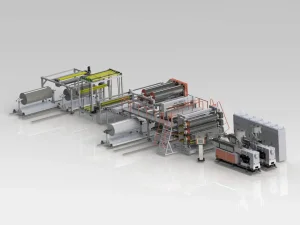
Discover Gwell's premium portfolio of high-efficiency cast film, board, and sheet co-extrusion technology designed for critical industrial applications.
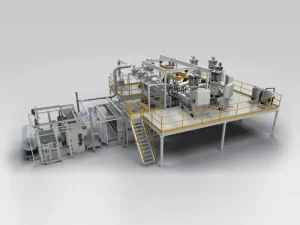
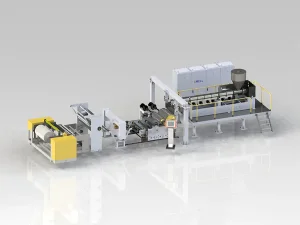
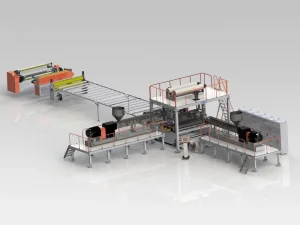
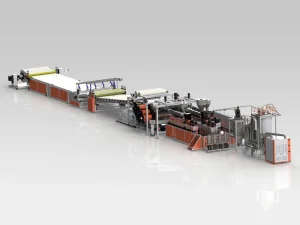

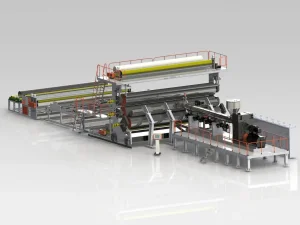
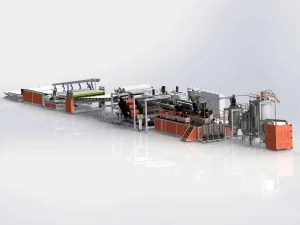
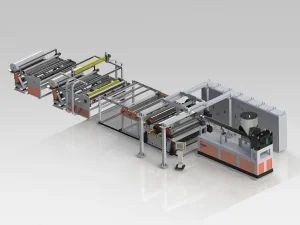
The modern aviation industry operates under rigorous parameters where optical clarity, impact resistance, thermal stability, and weight reduction are paramount. Historically, glass reigned supreme for transparent panels; however, engineering polymers like Polycarbonate (PC) and Polymethyl Methacrylate (PMMA) have revolutionized aircraft canopy and passenger window design. PC PMMA Aircraft Window Sheets represent the zenith of this technological migration.
Polycarbonate offers impact strength up to 250 times greater than traditional silicate glass. It functions as the ultimate shield against high-velocity bird strikes, debris impacts, and cabin pressure differentials, retaining structural integrity across critical temperature spans from -40°C to 120°C.
PMMA (acrylic) exhibits peerless UV radiation resistance, preventing yellowing and degradation under extreme high-altitude solar exposure. Acrylic sheets are easily polished and offer a highly lustrous optical finish, vital for pilot visibility and passenger comfort.
Stretching PMMA sheet multi-axially reorganizes the molecular chains, dramatically increasing resistance to stress-crazing, optimizing crack propagation parameters, and certifying compliance with military and civil specifications such as MIL-PRF-25690.
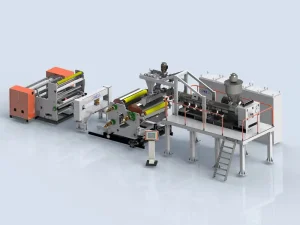
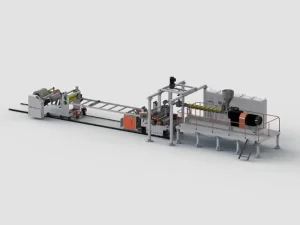
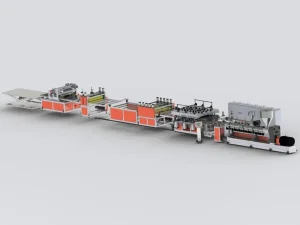
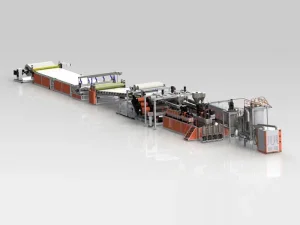
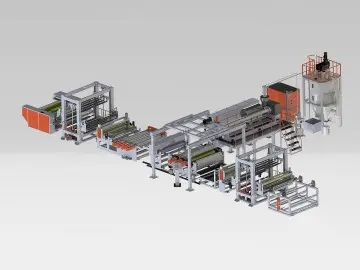
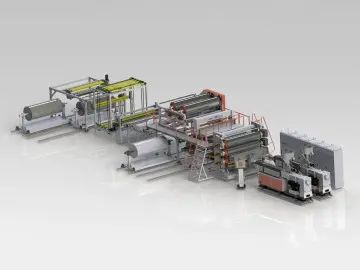
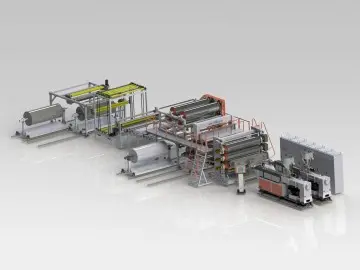
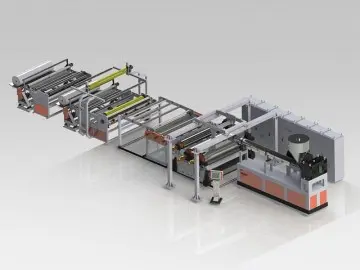
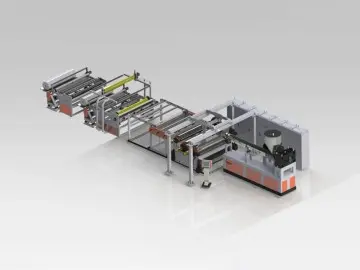
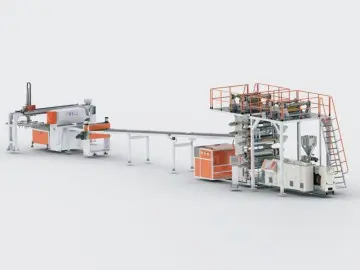
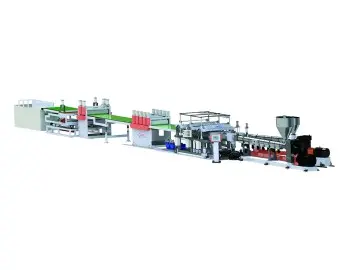
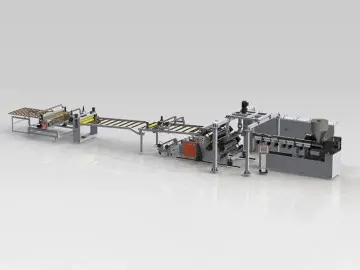
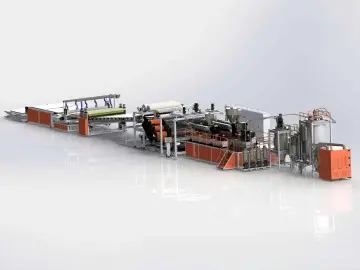
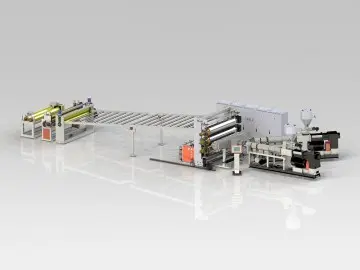
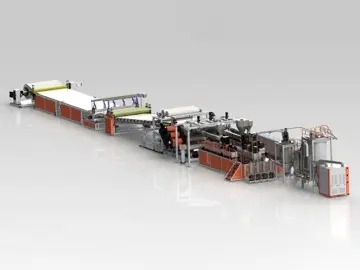
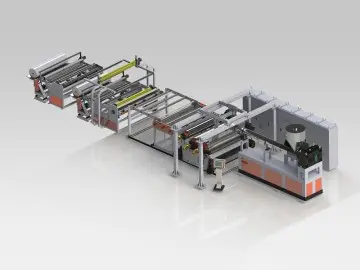
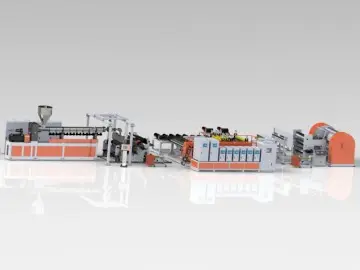
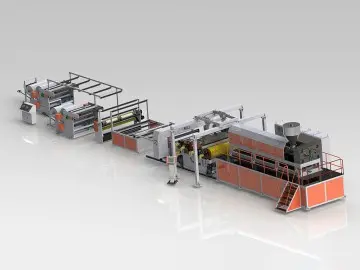
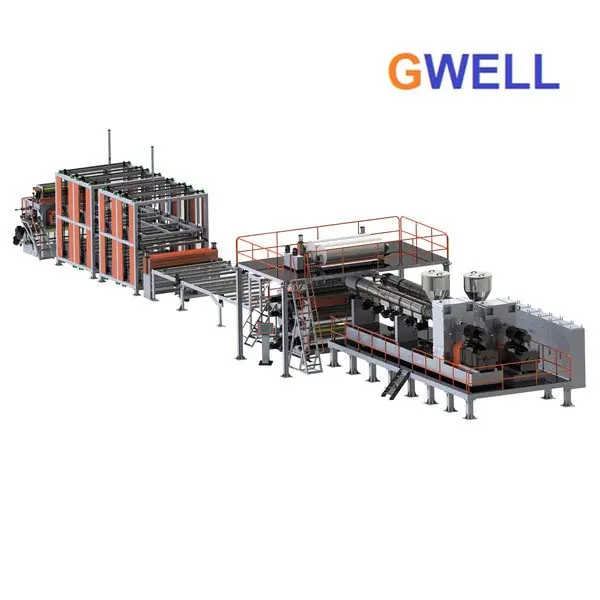
Producing aviation-grade PC and PMMA sheets requires an extrusion line capable of absolute precision. Gwell's engineering design solves the primary challenges of optical extrusion: eliminating shear stress, preventing black spots (carbonization), controlling thickness fluctuations, and avoiding structural birefringence.
The system implements a single-screw extruder optimized for low-shear melting. Because both PC and PMMA are highly hygroscopic, dry-air desiccant systems dry raw resins to moisture content below 0.02%. The barrel configuration incorporates multi-stage venting zones integrated with high-vacuum degassing systems to extract residual volatile monomers and moisture, preventing micro-bubbles inside the extruded core.
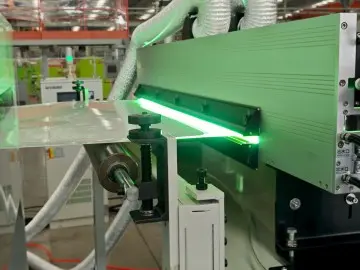
An advanced positive displacement melt pump stabilizes output pressure, removing pressure fluctuations down to ±0.5 bar. This ensures thickness consistency across the sheet width. High-area mesh filters with automatic backflush capability capture carbonized particles down to 5 microns, safeguarding the system from optical contaminants.
Our co-extrusion feedblock technology enables symmetric structures, such as PMMA/PC/PMMA. This integrates the structural durability of Polycarbonate with the scratch and weathering resistance of Acrylic. Automatic coat-hanger dies with thermal expansion bolts interface with a closed-loop thickness gauge system (using beta-ray or laser sensors) to adjust thickness profile automatically.
The three-roll calender stack uses mirror-finished rolls with surface roughness (Ra) below 0.005 microns. Roll temperatures are maintained via multi-zone pressurized water units within ±0.5°C. This prevents thermal stress induction and controls birefringence, allowing compliance with military optical guidelines.
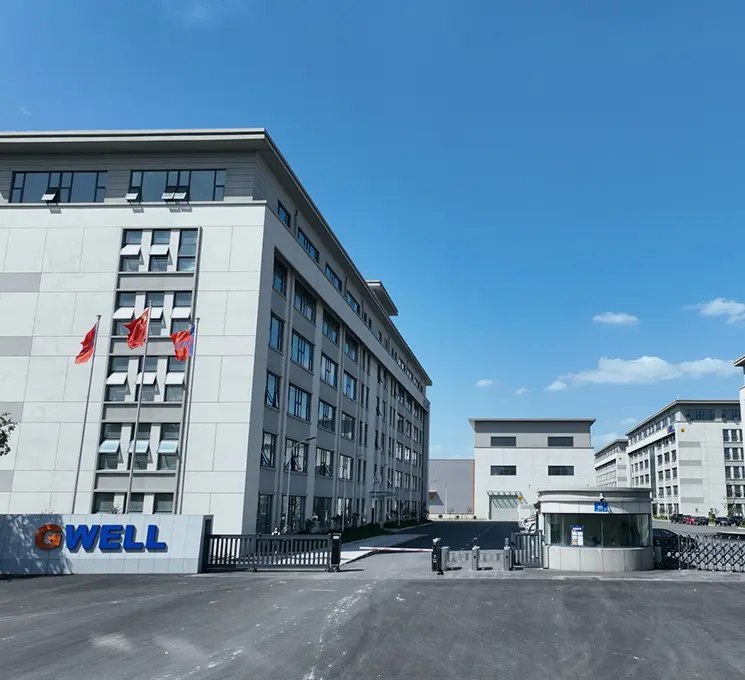
Gwell Machinery is a premier high-tech enterprise dedicated to plastic extrusion lines. Operating from three advanced production bases in China, we offer integrated supply chain resilience that ensures consistent manufacturing parameters and short turnaround times.
Our localized supply ecosystem sources key components (including precision CNC cast steel frames, high-capacity heating components, and complex control interfaces) from certified suppliers, assuring stability during global supply chain challenges.
By integrating manufacturing from foundry stages to electronic integration, Gwell delivers robust system architectures at competitive price-to-performance ratios.
Our extrusion systems are utilized worldwide by aerospace manufacturers, specialized glazing fabricators, and protective barrier suppliers. Key application areas include:
Continuous co-extruded PC PMMA sheets are machined and thermoformed into double-layered passenger cabin windows, minimizing cabin weight while providing acoustic dampening and high pressurization resilience.
Heavy-gauge Polycarbonate sheeting, processed on Gwell's specialty thick-board extrusion systems, serves as the impact core for multi-layered bulletproof windshields and fighter jet canopies.
Optical sheets produced via our lines are integrated as ballistic shields, driver windshields, and protective cabin dividers for high-speed locomotives, requiring fire retardance and optical clarity.
Explore Gwell Machinery's catalog of industrial extrusion systems across film, board, sheet, and clean energy sectors.
To serve global Tier-1 aerospace clients, transparent plastic sheets must comply with national and international standard frameworks. Our extrusion technology is designed to manufacture sheets that meet:
Monitors haze and luminous transmittance profiles across all co-extruded acrylic sheets.
Enables the production of stretched acrylic sheet structures with resistance to cracking.
Maintains process parameters, melt pressures, and temperature curves for trace audit trails.
Incorporates certified components to simplify local factory acceptance tests (FAT).

Collaborative partnerships with research institutes to develop high-tech solutions.

Provides end-to-end integration, commissioning support, and service training.

Three main manufacturing sites with an annual capacity of over 1,000 extrusion lines.

Global presence with machinery operating in markets across Europe, Asia, and the Americas.

500+ specialized technicians, including 100+ design and process engineers.
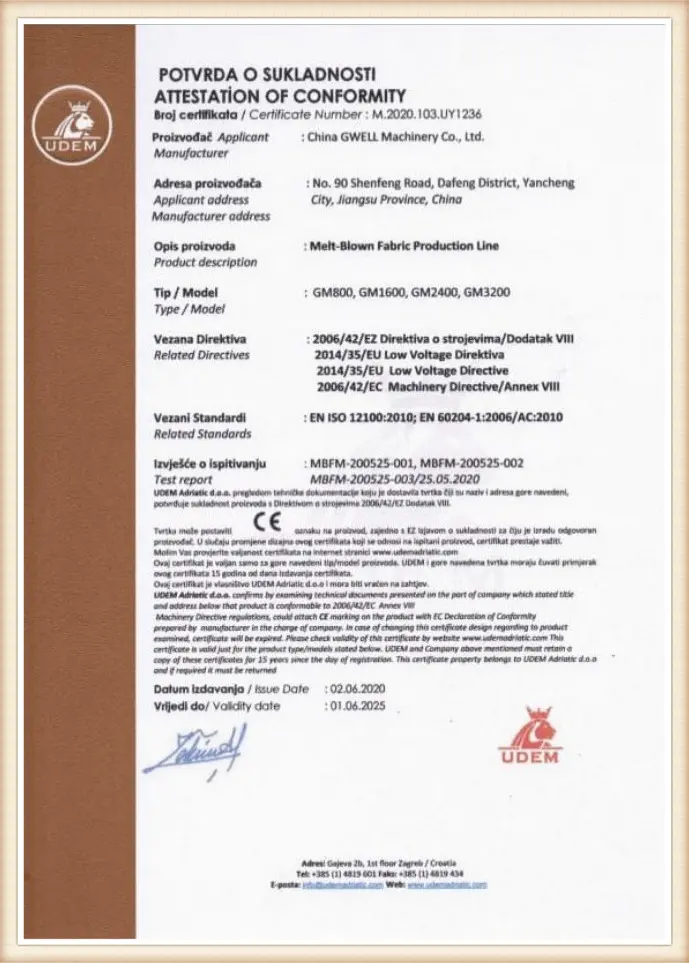
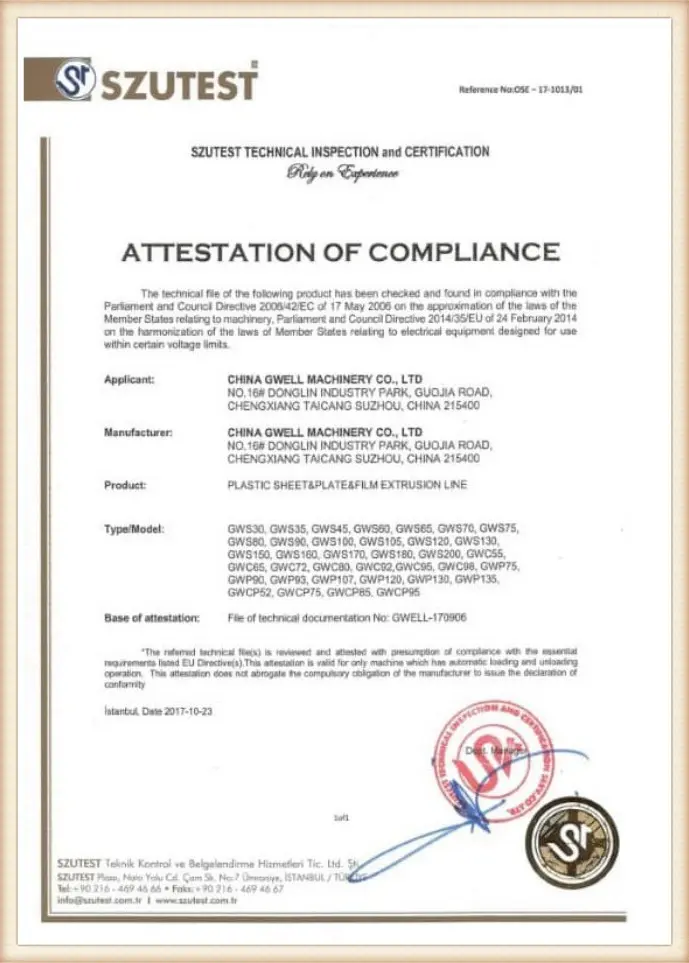
Our production standards conform to international manufacturing frameworks.
Showcasing low-energy extrusion lines and co-extrusion feedblock advances.
Introducing non-solvent POE synthetic leather systems for automotive interiors.
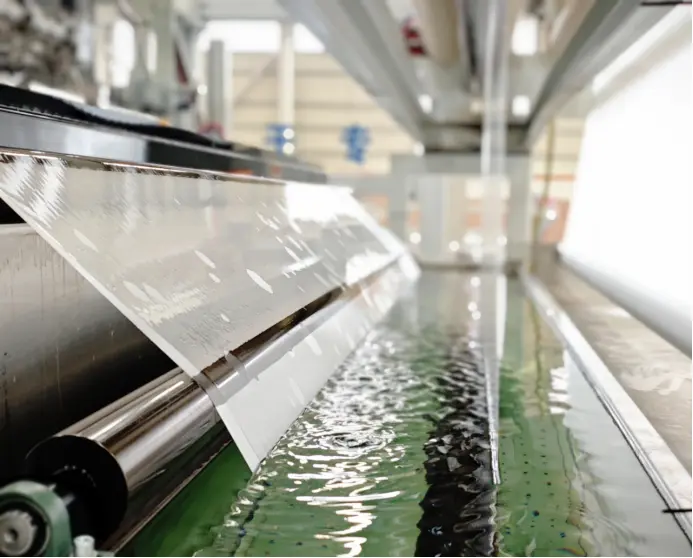
Supplying automotive manufacturers with optical wedge films for HUD integrations.
Aerospace glazing continues to evolve toward smart, interactive window systems. High-capacity electrochromic interfaces allow pilots and passengers to adjust transparency electronically, filtering out infrared and ultraviolet wavelengths. Gwell is developing co-extrusion technology designed for active-layer integration.
Additionally, the industry is transitioning toward sustainability. Gwell's engineering team is working on systems designed for PMMA and bio-based Polycarbonate materials, reducing the carbon footprint of optical sheets while maintaining mechanical performance.

Partner with an industry leader to optimize your factory throughput, sheet quality, and compliance margins.
Submit Technical Inquiry