
Explore high-end polymer and composite sheet processing machinery engineered for global output requirements.
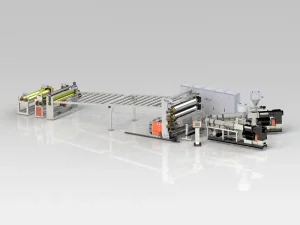
Advanced thermoforming and optical-grade transparency parameters optimized for standard packaging and partition components.
View Details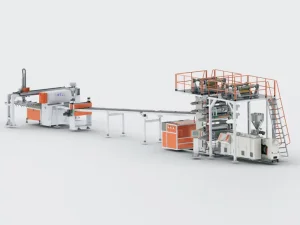
Multi-layered co-extrusion technology designed to produce floorings, wall panels, and high-density composite sheets.
View Details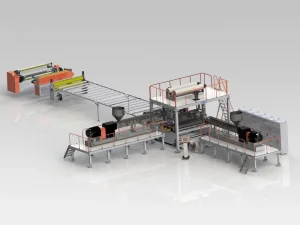
Optimized for structural waterproofing membranes, civil engineering requirements, and high UV-resistant exterior covers.
View Details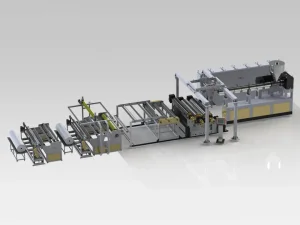
Specialized encapsulation film layout ensuring extreme climatic longevity and adhesion values for photovoltaic modules.
View Details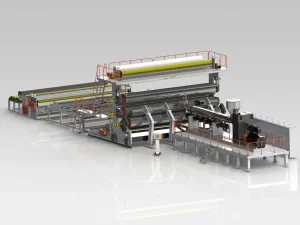
Heavy-duty, wide-format extrusion line built for environmental containment lining and engineering barriers.
View Details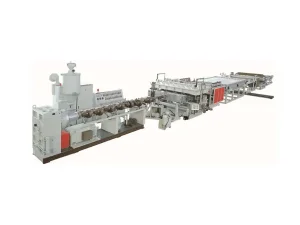
Continuous twin-wall sheet formation systems optimized for lightweight packing solutions and signs.
View Details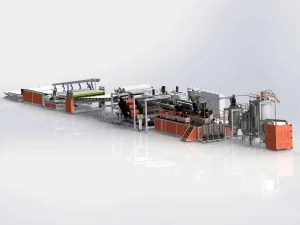
Strict optical surface control configurations suited for producing light diffusion plates used in LED panels.
View Details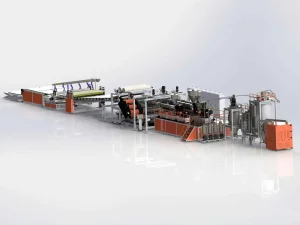
Engineered for high-strength Building Integrated Photovoltaics (BIPV) laminated glass components.
View DetailsPolymethyl Methacrylate (PMMA), widely known as acrylic, represents one of the most vital optical-grade thermoplastics in modern industrial manufacturing. As demand escalates across architectural design, display systems, automotive components, and high-precision electronics, the focus has shifted toward high-performance PMMA sheet extrusion lines. A professional PMMA sheet machine is a massive integration of thermodynamics, high-pressure melt delivery, and precision roll calibration. Designing these systems requires deep domain expertise to guarantee mechanical reliability, thickness uniformity, and absolute optical clarity without internal stress anomalies.
The extrusion of PMMA sheets differs fundamentally from other commodity plastics due to the material's hygroscopic nature, heat sensitivity, and high viscosity. Typical PMMA resins absorb moisture from the surrounding environment. Without proper pre-drying and degassing systems, this moisture vaporizes under shear and heat within the barrel, causing micro-voids, bubbles, and optical haze in the final product. A high-efficiency PMMA sheet machine must integrate automated dehumidifying desiccant dryers alongside multi-stage vacuum degassing ports along the extruder barrel.
Furthermore, because optical applications tolerate zero contamination, the entire melt flow channel—from the screw flight tip, screen changer, melt pump, down to the T-die—must be constructed with mirror-polished, chrome-plated high-alloy steels. Even micro-scratches or dead zones in the melt flow path will cause localized resin degradation, leading to yellowing streaks or carbonized specks that instantly ruin the material's optical properties.
When procurement officers evaluate PMMA sheet machine prices, the substantial range of quotations (from USD 150,000 to over USD 1,500,000) often requires a complex cost-benefit breakdown. The final price tag of a PMMA extrusion setup is determined by several core technological factors:
Global procurement teams must look beyond initial machine pricing. The total cost of ownership (TCO) serves as the primary metric for modern plastics processing factories. When sourcing a high-capacity PMMA extrusion line, key metrics include energy consumption per ton of throughput (kWh/t), start-up waste ratios, maintenance intervals, and wear resistance of critical parts.
Additionally, modern buyers require systems capable of processing both virgin PMMA resins and recycled PMMA regrind. With sustainability regulations tightening in Europe and North America, extruding PMMA sheet lines without losing clarity when utilizing 30% to 50% post-industrial recycled material represents a significant competitive advantage. Achieving this requires high-vacuum systems that effectively exhaust volatile impurities from recycled materials.
Advanced sheet extrusion plants must deploy versatile layouts capable of serving multiple industries. GWELL designs its extrusion systems with flexible configurations that can adapt to changing production needs:
Utilized heavily for liquid crystal displays, guide plates, and high-end instrument panels. The line requires dust-free cleanroom enclosures surrounding the calender section, coupled with anti-static protective film laminators to prevent airborne particles from adhering to the hot sheet surface.
Usually produced via PMMA/ABS co-extrusion. The thick core of tough ABS provides impact strength and lowers raw material costs, while the thin outer layer of PMMA provides scratch resistance, high gloss, and UV stability. This material is widely used for bathtubs, shower stalls, and outdoor wall panels.
Commonly using GPPS or PMMA resins. These machines incorporate specialized dosing systems to inject precise amounts of light-diffusion masterbatch, ensuring uniform luminance without hot spots on LED backlit screens.
CHINA GWELL Machinery stands at the forefront of polymer extrusion engineering, providing high-efficiency extrusion lines that empower customers to lower production costs while raising quality standards. Through continuous technological iterations, our equipment delivers consistent reliability for clients in over 70 countries.
Our engineering team specializes in customized screw design, advanced co-extrusion feedblock development, and automation integration to optimize productivity and minimize energy consumption.
Our core advantages ensure reliable performance and robust return on investment for high-end sheet extrusion projects.
Active R&D partnerships with leading universities and research institutes keep our machinery designs competitive and efficient.
From initial design trials and factory layout planning to overseas installation, testing, and lifecycle maintenance, we support your operations throughout.
Three advanced manufacturing facilities enable high-throughput production, maintaining short delivery times even for complex orders.
Our extrusion systems are field-tested across Europe, North America, Southeast Asia, and South America, complying with international industry standards.
Over 100 dedicated mechanical and software engineers focus on customizing extrusion machinery to meet challenging design specifications.
A comprehensive overview of our standard and specialized extrusion lines designed for diverse industry sectors.
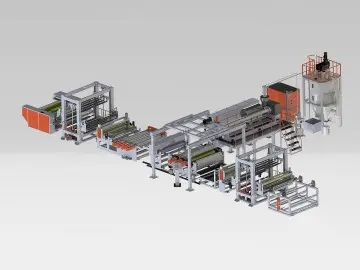
High UV-resistance film for roofing sheet protection.
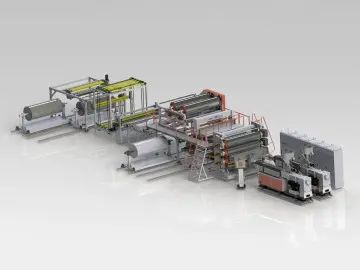
High elastic composite film systems.
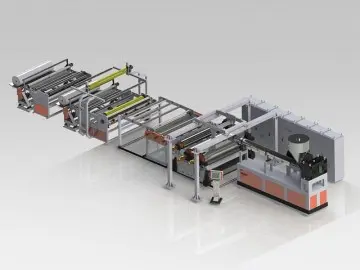
Solar backplane membrane manufacturing systems.
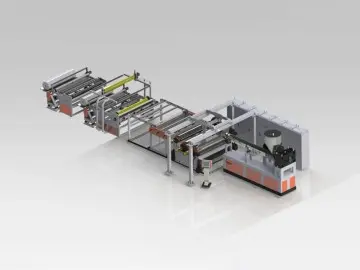
Automotive and architectural laminated safety glass applications.
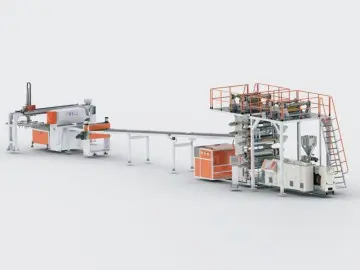
Heavy-duty structures for flooring and structural framing.
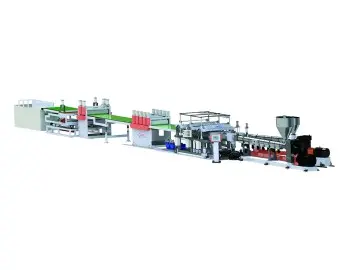
High reuse-cycle concrete formwork board extrusion.
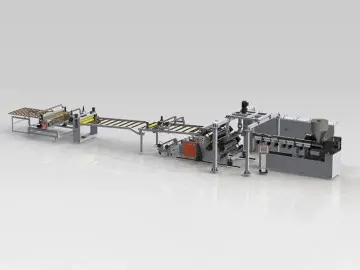
Specialty engineering polymers for chemical environments.
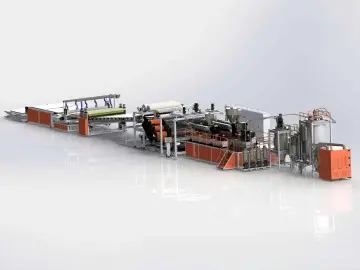
High-optical transparent board production.
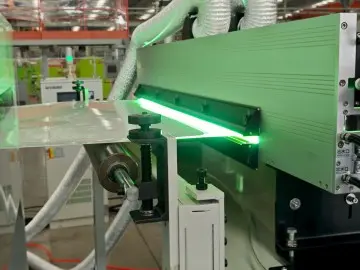
Eco-friendly, tough transparent copolyester sheet system.
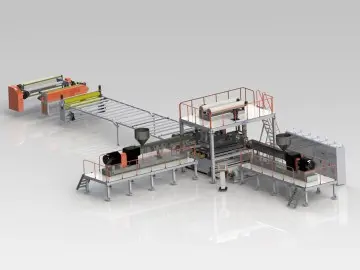
Elastic and wear-resistant automotive sheet applications.
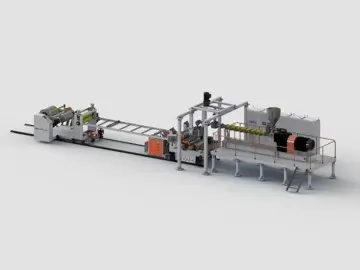
Biodegradable plastic systems for food packaging.
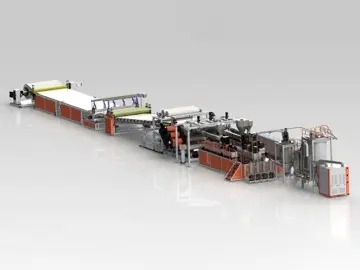
Extremely high thickness-accuracy optical systems.
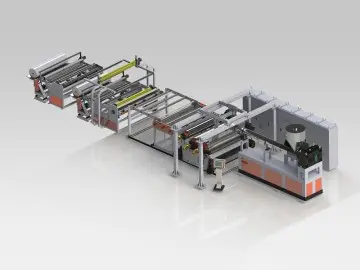
High-security structural safety film extrusion.
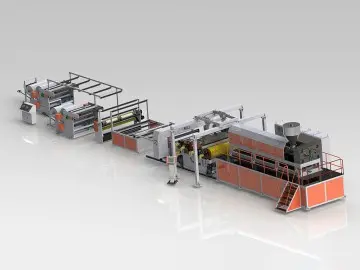
Fast-curing solar cell encapsulation film systems.
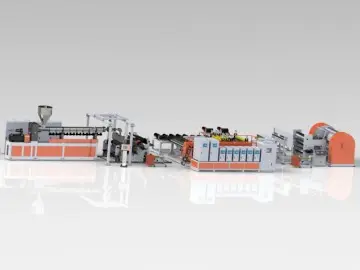
Highly specialized polymer film for modern energy grids.
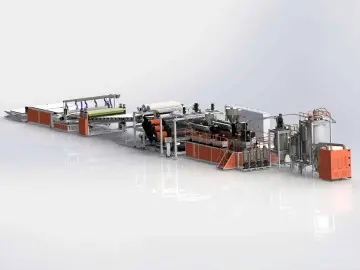
Laminated architectural solar cell film extrusion.
Operating a high-end plastic extrusion line requires long-term technical support. In order to help processors avoid costly downtime, we maintain responsive engineering networks in key markets across North America, Europe, and Asia. When a new extrusion line arrives at a client's facility, field engineers coordinate the installation, configure the PLC networks, and calibrate the calibration rollers to match the targeted polymer melt indices.
Furthermore, all GWELL machinery is built to meet strict certification frameworks, including CE marking, UL electrical standards, and ISO 9001 quality management system requirements. Our electrical cabinets feature logical layout designs with standard color-coding, isolation relays, and emergency shutdowns to protect operators and ensure compliance with factory safety regulations.
The extrusion machinery sector continues to innovate in response to changing production demands. GWELL's design roadmap centers on three key areas of development:
Integrating pressure transducers and vibration sensors throughout the gearbox, main motor, and extruder barrel allows our PLC software to predict component fatigue. This enables operators to schedule maintenance before unexpected failures occur.
Traditional ceramic resistance bands are increasingly being replaced by electromagnetic induction heating systems. Induction systems heat the metal barrel directly, reducing heat loss to the surrounding shop floor and saving up to 30% on startup energy costs.
Advancements in feedblock designs now allow for micro-layer extrusion, producing structures with dozens of alternating micro-layers. This technology enables the manufacturing of light-guiding materials with custom refractive indexes, opening new opportunities in screen design.
Addressing the core technical and commercial questions raised by procurement managers and process engineers.
The total price is mainly driven by three factors: the width and thickness of the sheet, the output capacity (kg/h), and the sophistication of the downstream accessories. Systems configured with automated optical inspection systems, thickness measurement gauges, dynamic melt pumps, and bimetallic screws cost more but deliver higher stability and lower scrap rates.
Optical distortion is usually caused by uneven cooling or internal shear stress. GWELL utilizes independent water/oil circulation control loops in its three-roll calenders, maintaining precise roller temperatures. The roll gap is controlled hydraulically to within ±0.01 mm, preventing surface variations that cause distortion.
Yes, with the appropriate screw geometry. While PMMA and PC have different processing temperatures and melt viscosities, GWELL designs multi-purpose screws with adjustable compression ratios and degassing ports. This allows the system to process GPPS diffuser sheets, PC solid sheets, or PMMA optical sheets after running a proper purge cycle.
Under normal operating conditions, onsite mechanical assembly, electrical integration, and initial trial runs take between 15 to 25 days. Our commissioning engineers remain onsite until the machinery achieves its rated production output and your operators are trained to run the PLC control systems.
Our PMMA lines feature a high-vacuum venting system and screen changers designed to handle recycled materials. The multi-vented barrel extracts moisture and volatile monomers generated by the regrind, while a double-piston screen changer filters out particulate impurities without stopping the production line.
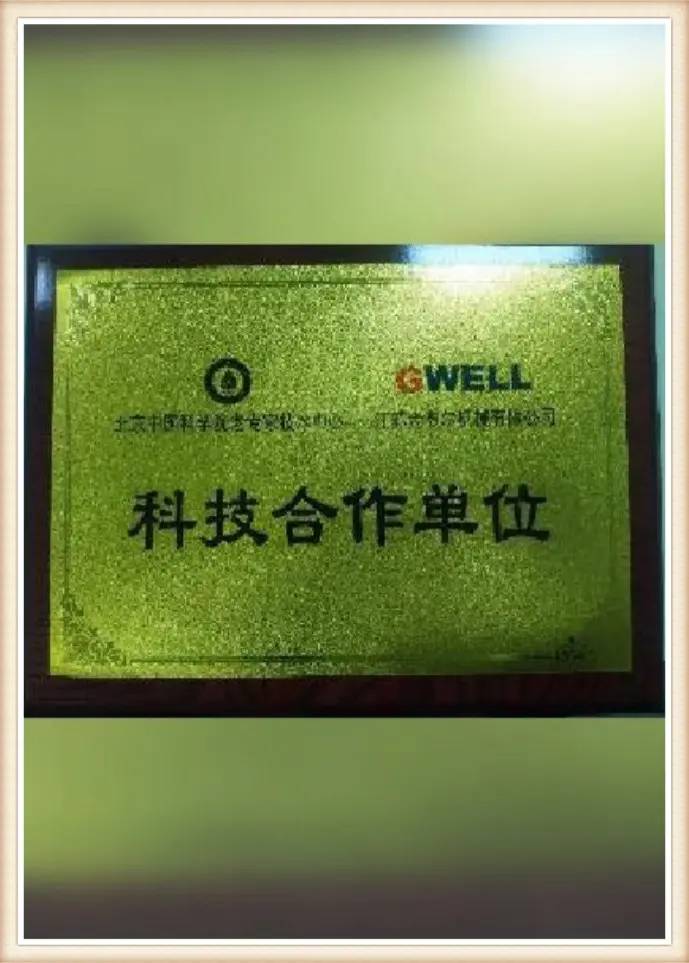
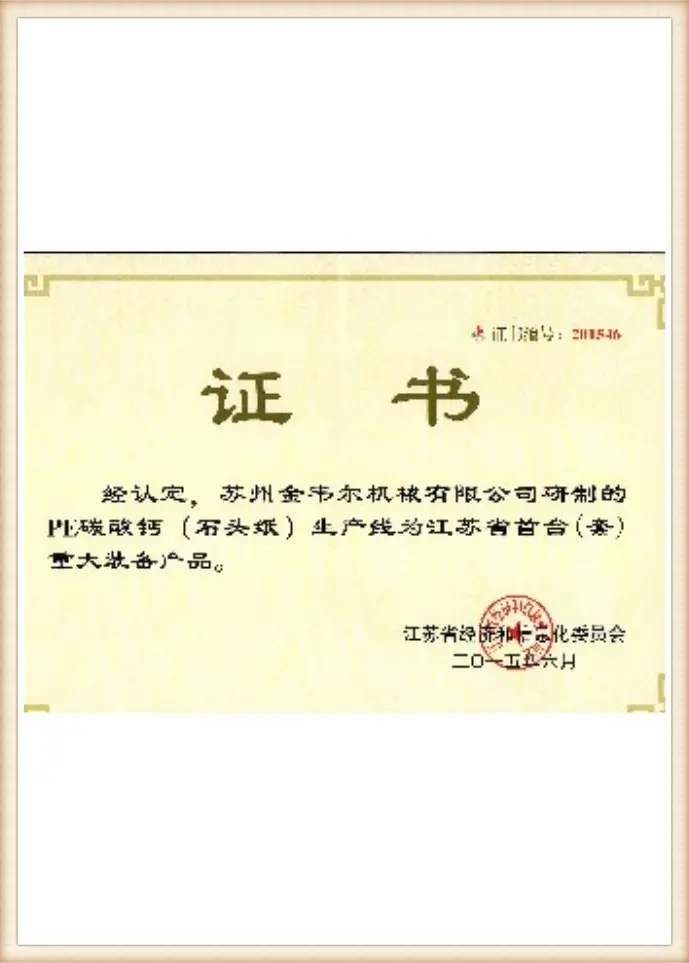
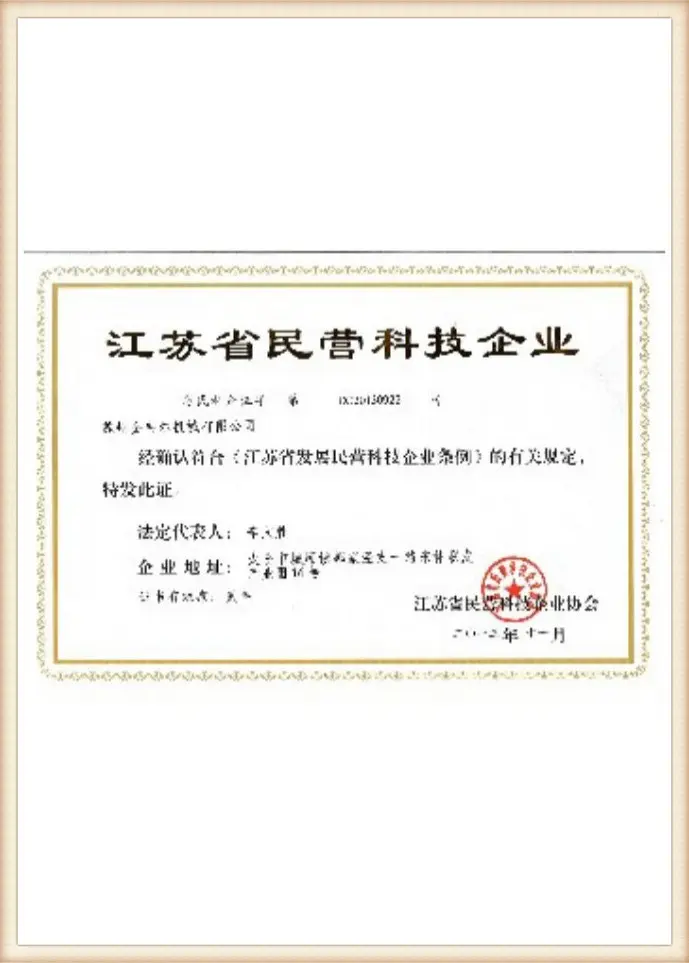
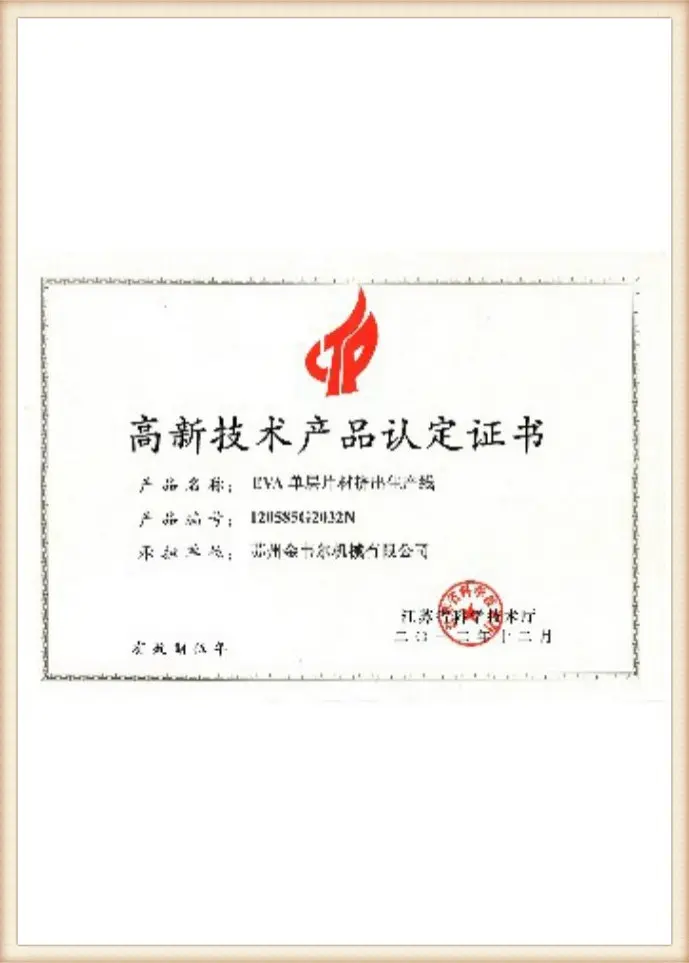
Our equipment meets international manufacturing and engineering certifications, ensuring reliable integration into global factories.

Insights into our ongoing innovations and upcoming exhibitions in the extrusion sector.
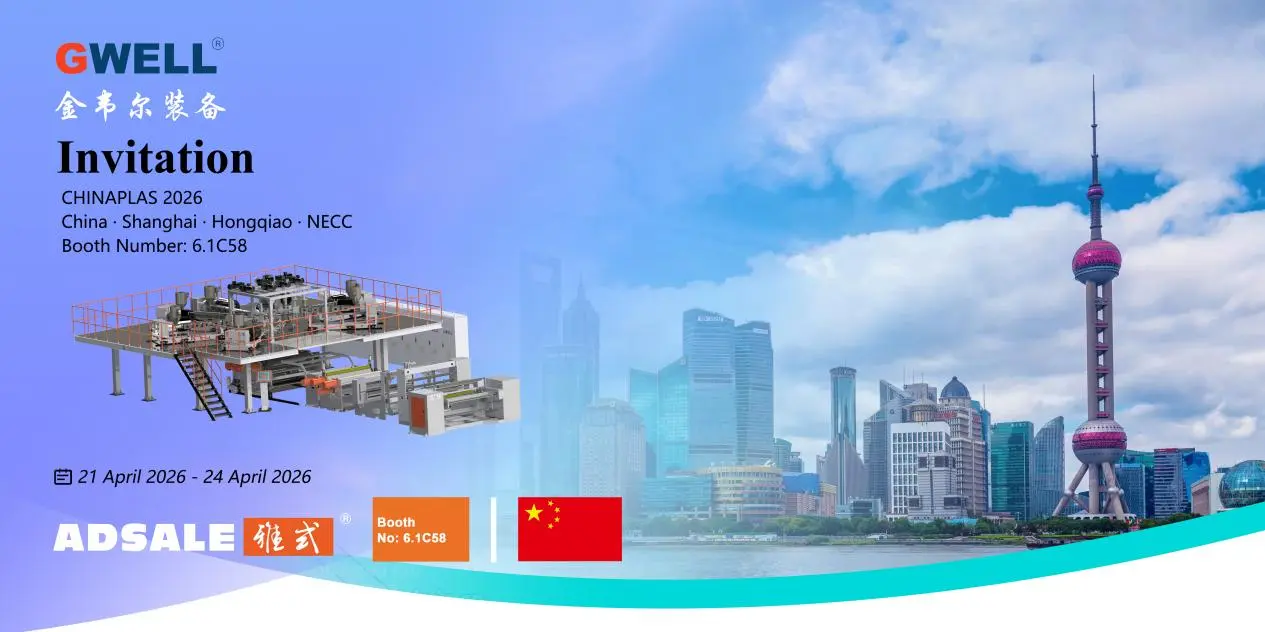
Join our engineers at the upcoming plastics showcase, featuring live trials of our co-extrusion technology.
Read More →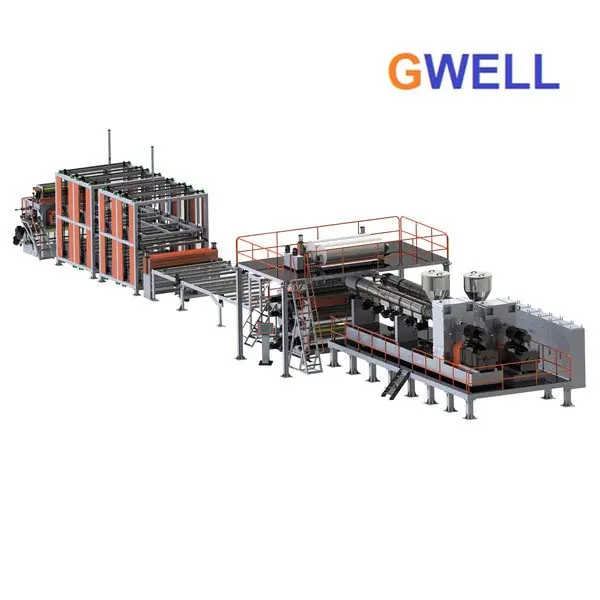
Deploying specialized extrusion technologies to produce eco-friendly POE synthetic leather sheets.
Read More →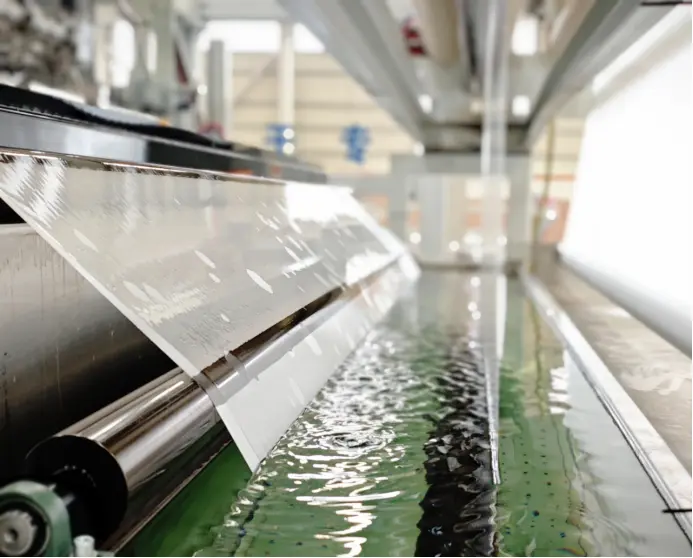
Detailing our high-precision wedge profile control systems, optimized for automotive HUD safety glass.
Read More →We work with global component suppliers to guarantee the long-term reliability of our lines.


Explore our complete product catalog, featuring specialized manufacturing configurations for diverse materials.
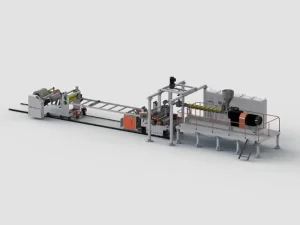
Engineered for bio-based resins, featuring low-shear screw configurations to prevent polymer degradation.
View Details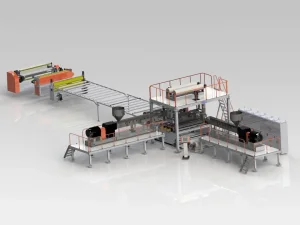
High-efficiency production systems designed to manufacture multi-ply geomembranes and laminated liners.
View Details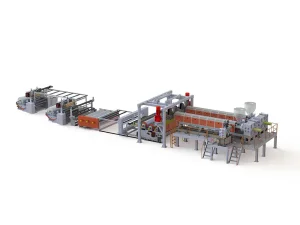
Delivers high structural stability, thickness uniformity, and consistent winding tension control.
View Details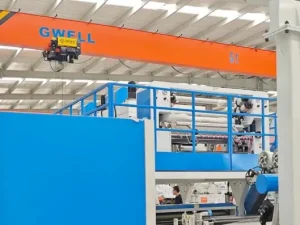
Designed for downstream thermoforming applications, including food containers, cups, and protective packaging.
View Details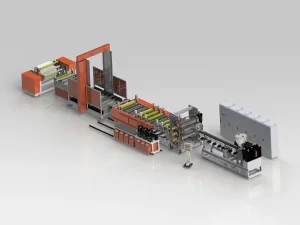
High-speed line built to produce industrial packaging stretch film with consistent optical clarity.
View Details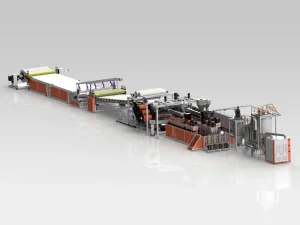
A versatile co-extrusion system engineered for quick tooling changes across structural and optical polymer grades.
View Details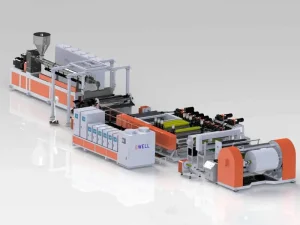
Environmentally friendly production lines using calcium carbonate and polymer blends to manufacture synthetic paper.
View Details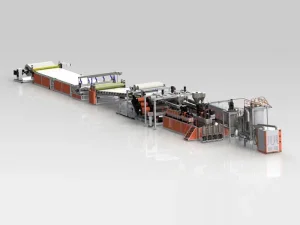
Specialized line configured for heavy-gauge automotive foot pads and wear-resistant interior trim panels.
View DetailsGet in touch with our engineering team for customized configurations, detailed technical specifications, and competitive PMMA sheet machine pricing.
Send Inquiry Now