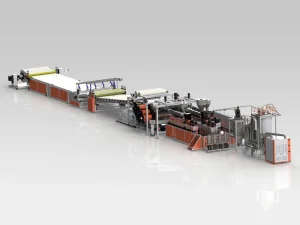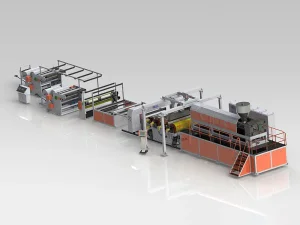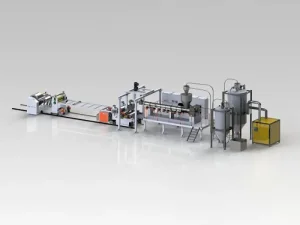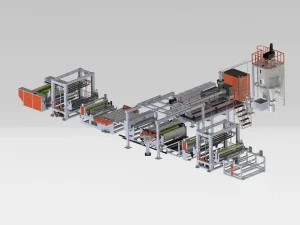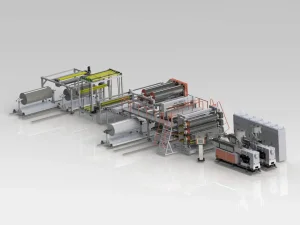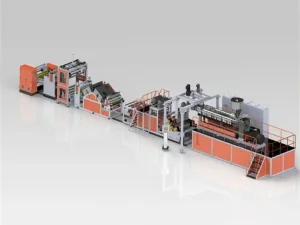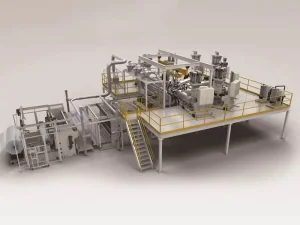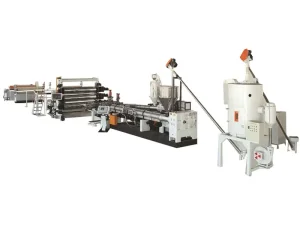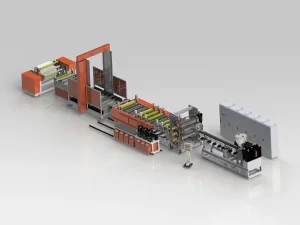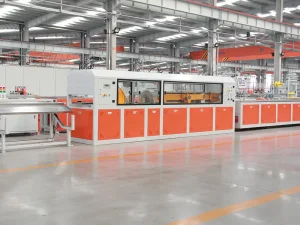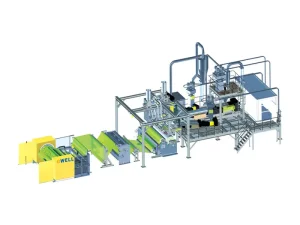
Polymethyl Methacrylate (PMMA), widely recognized for its unparalleled optical clarity, weatherability, and scratch resistance, is an indispensable material across modern industries. From structural glazing and sound barriers to high-end automotive light guides, mobile displays, and solar concentrators, the demand for premium-grade acrylic sheets continues to scale globally. To service this growing demand, manufacturers require advanced PMMA sheet manufacturing extrusion lines that balance physical throughput with strict optical precision.
Historically, PMMA sheet manufacturing relied heavily on cell casting, a process known for producing outstanding optical-grade acrylic but hampered by batch limitations, high operational labor, and inconsistent thickness tolerances. The development of advanced extrusion technology has transformed this paradigm. Modern continuous extrusion lines deliver high-volume, highly consistent output with extremely tight dimensional tolerances. For industrial procurement teams and plant directors, identifying top-tier PMMA sheet manufacturing extrusion line manufacturers is essential for optimizing cost-per-ton metrics and maintaining a competitive edge in product quality.
As standard application profiles evolve toward multi-layered systems, top manufacturers must address core thermal and rheological challenges: minimizing polymer degradation, eliminating optical shear lines, and stabilizing melt temperatures across wide T-dies. The integration of precision control systems, coupled with specialized screw geometries, enables the production of structural and optical sheets that satisfy international quality frameworks.
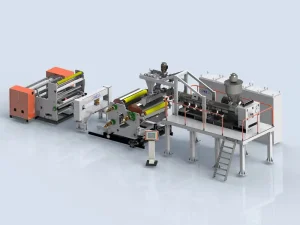
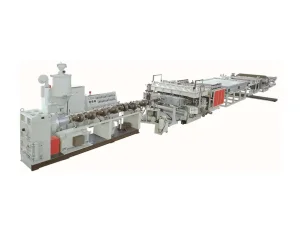
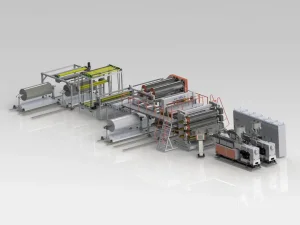
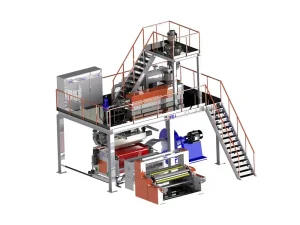
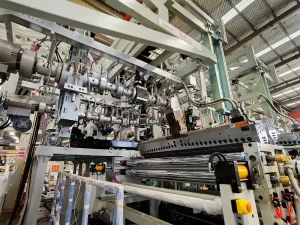
The manufacturing of high-performance PMMA sheets requires a dedicated extrusion design, specifically engineered to handle the rheological properties of acrylic. Below is the technical breakdown of the extrusion line components engineered by elite OEMs.
Features a high L/D ratio (typically 30:1 to 35:1) coupled with custom barrier screw profiles. The design facilitates thorough plasticization while preventing material shearing and localized overheating, which causes optical yellowing or silver streaks in the final acrylic sheet.
Stabilizes output pressure by absorbing potential pressure surges from the extruder. It ensures a consistent, pulseless flow of acrylic melt to the die head, keeping thickness variations under 1% and preventing visual distortion across optical-grade sheets.
Controls surface quality, flatness, and thickness tolerance. Featuring independent servo-drive configurations and internal oil-heating channels, it provides uniform cooling and polishing. Mirror-finished rolls prevent surface defects or micro-scratches.
Procurement profiles for industrial plastic extrusion lines are shifting away from simple cost-oriented bidding. Today’s industrial buyers—ranging from multinational architectural material providers to tier-1 automotive suppliers—evaluate capital machinery acquisitions through a total cost of ownership (TCO) lens. The high energy inputs required to melt PMMA, combined with strict raw material costs, place a premium on energy-efficient extrusion setups.
Furthermore, localized supply chains demand that machinery vendors comply with specific safety and engineering benchmarks. In Europe, machinery must meet CE and Machinery Directive 2006/42/EC requirements. In North America, UL electrical listings and OSHA-compliant safety enclosures are standard procurement prerequisites. Leading OEMs address these demands by supplying turn-key manufacturing systems complete with integrated edge-trim recycling units, closed-loop water systems, and automated thickness scanners that interface directly with plant-wide ERP software via OPC UA protocols.
Explore our categorized range of high-efficiency production lines, engineered for diverse polymers, laminations, and functional panel types.
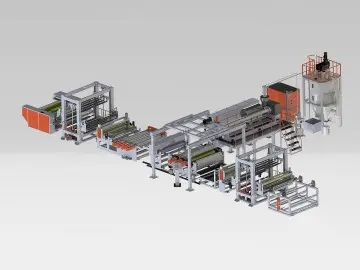
GWELL Machinery Co., Ltd. presents advanced cast lines optimized for weather-resistant ASA architectural films.
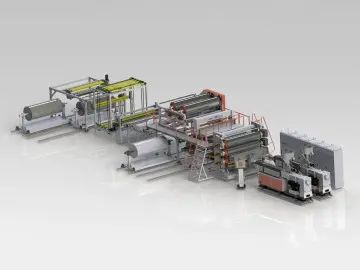
High-performance system for producing versatile thermoplastic polyurethane laminating films.
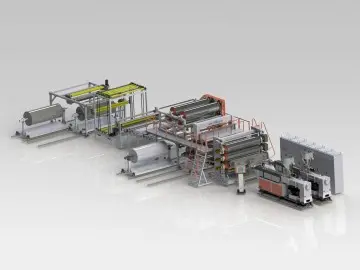
Versatile film output suitable for protective layers and medical applications.
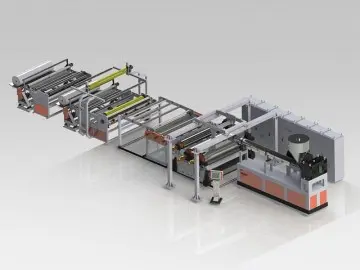
Designed for PVDF solar backplanes and weather-proof PV protective membranes.
Engineering breakthrough in manufacturing PVB wedge-shaped interlayer films for automotive HUD glazing.
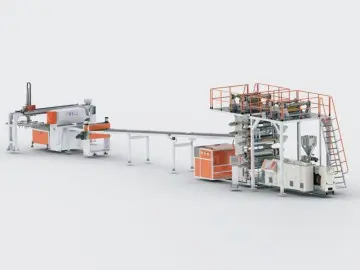
Advanced composite extrusion machinery for heavy-duty structural panels and architectural flooring.
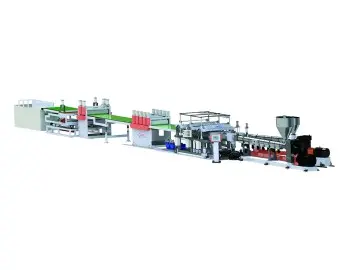
High efficiency structural panels designed for sustainable construction shuttering.
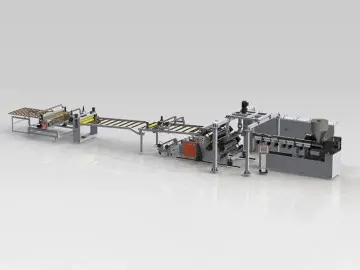
Engineering plastics extrusion systems handling extreme processing temperatures for industrial applications.
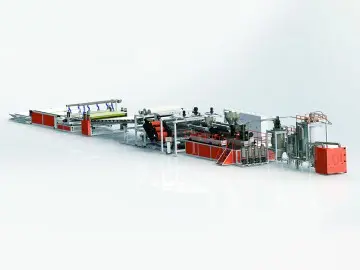
State-of-the-art production line for industrial packaging and chemical container boards.
Rigid and tough copolyester sheets, ideal for protective packaging and signage.
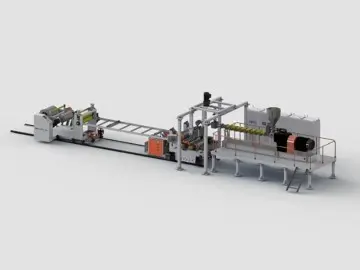
High-speed thermal forming sheet systems optimized for medical and food packaging applications.
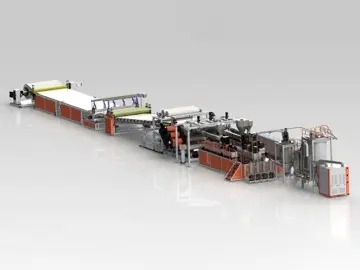
Premium co-extrusion technology for light diffuser plates, electronic displays, and touchscreens.
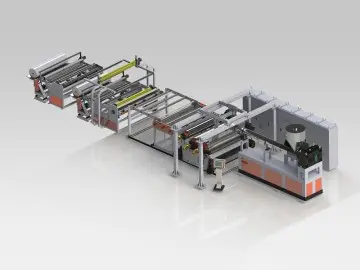
High-strength structural glass laminates offering weather resistance for solar cells.
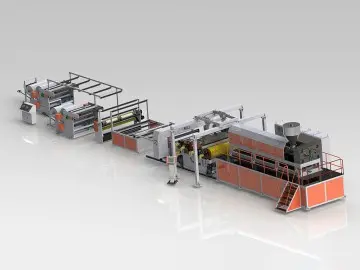
Advanced film encapsulation systems with high light-transmission rates and low shrinkage properties.
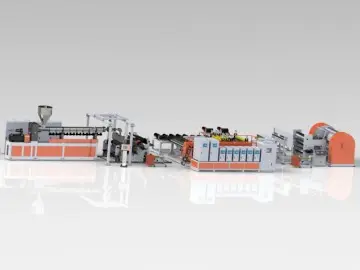
Innovative separator membrane systems supporting green hydrogen electrolysis applications.
China GWELL Machinery is a high-tech enterprise dedicated to the design and manufacture of premium plastic extrusion lines for film, sheet, and profile applications. Relying on advanced industrial design, group-wide engineering resources, and an innovative technical culture, GWELL is focused on high-tech products and global markets. Our guiding operating philosophy remains: "Expertise creates customers' values."
Through close collaboration with top-tier research institutes, universities, and international raw material suppliers, GWELL continuously delivers energy-efficient, robust, and automated manufacturing systems. This dedication guarantees steady operational cycles, minimum down-time, and long-term yield consistency for plastic converters globally.
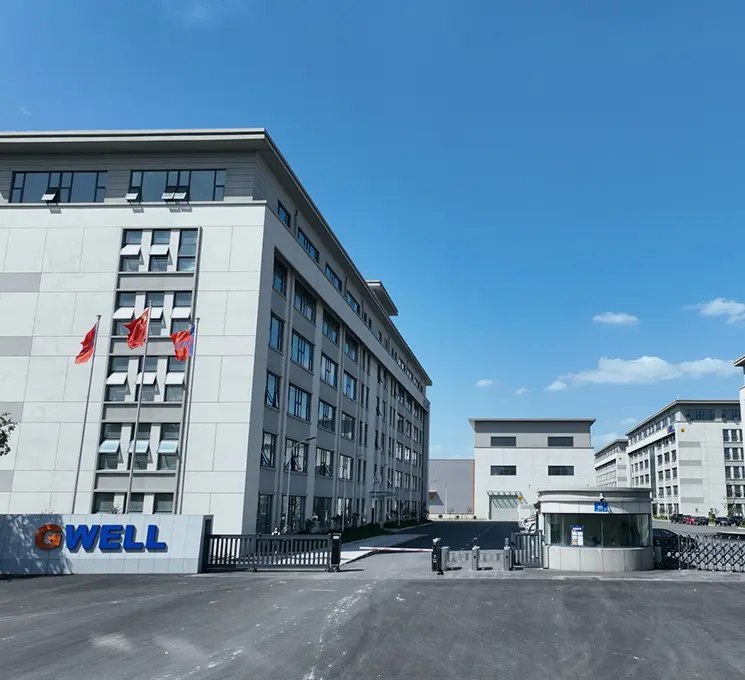
By leveraging regional infrastructure, manufacturing capabilities, and advanced materials engineering, GWELL delivers unmatched performance advantages for global processors.
We collaborate with academic institutions and polymer laboratories to integrate modern techniques into our extrusion components. This ensures our machines process next-generation resins with minimal degradation.
From die flow simulations and manufacturing base configurations to remote diagnostic support and rapid parts delivery, GWELL offers complete support to minimize operational downtime.
With three manufacturing bases spanning over 866,000 square meters, GWELL maintains the capacity to output more than 1,000 advanced extrusion lines annually, meeting fast delivery timelines.
As the polymer industry shifts toward a circular economy, extrusion line designs must adapt to handle recycled and bio-based plastics. The engineering roadmap for next-generation PMMA extrusion lines focuses on two primary vectors: carbon-footprint reduction and advanced manufacturing automation.
For chemical and mechanical recycling, modern extrusion lines incorporate multi-stage vacuum degassing chambers. Recycled PMMA (rPMMA) often contains moisture and volatile organic compounds (VOCs) that can cause voids or structural weakness if not vented during processing. Specialized degassing systems remove these impurities, allowing processors to use high percentages of post-industrial or post-consumer regrind without sacrificing the sheet's optical performance.
At the same time, artificial intelligence is reshaping manufacturing operations. Closed-loop control systems use real-time data from non-contact thickness scanners to make automatic micro-adjustments to the T-die bolts. By integrating these systems with predictive analytics, plants can reduce startup waste, speed up product changeovers, and operate reliably with fewer manual interventions.
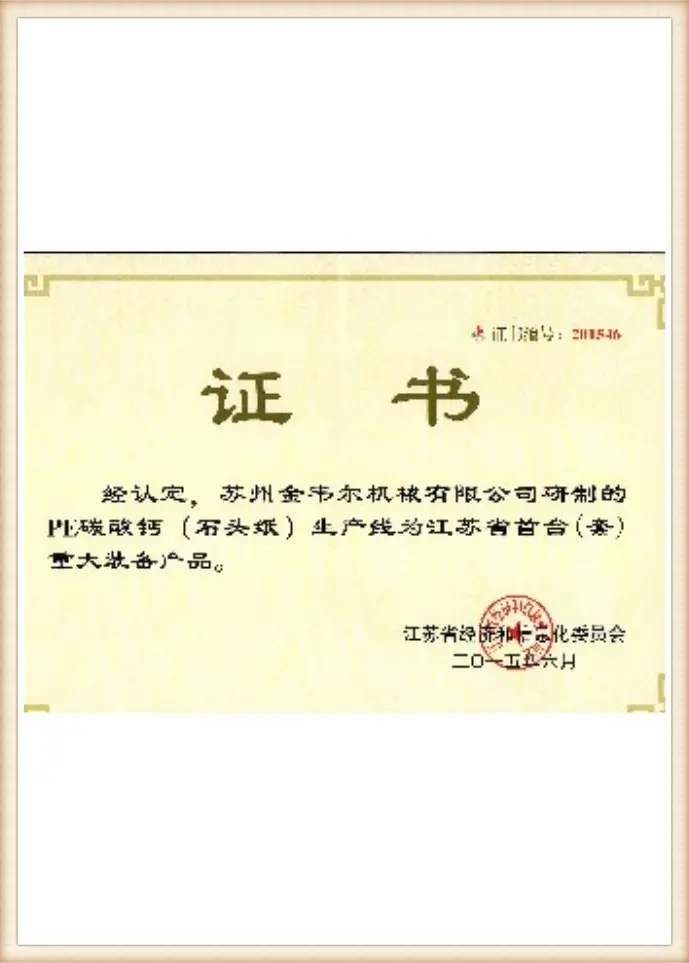
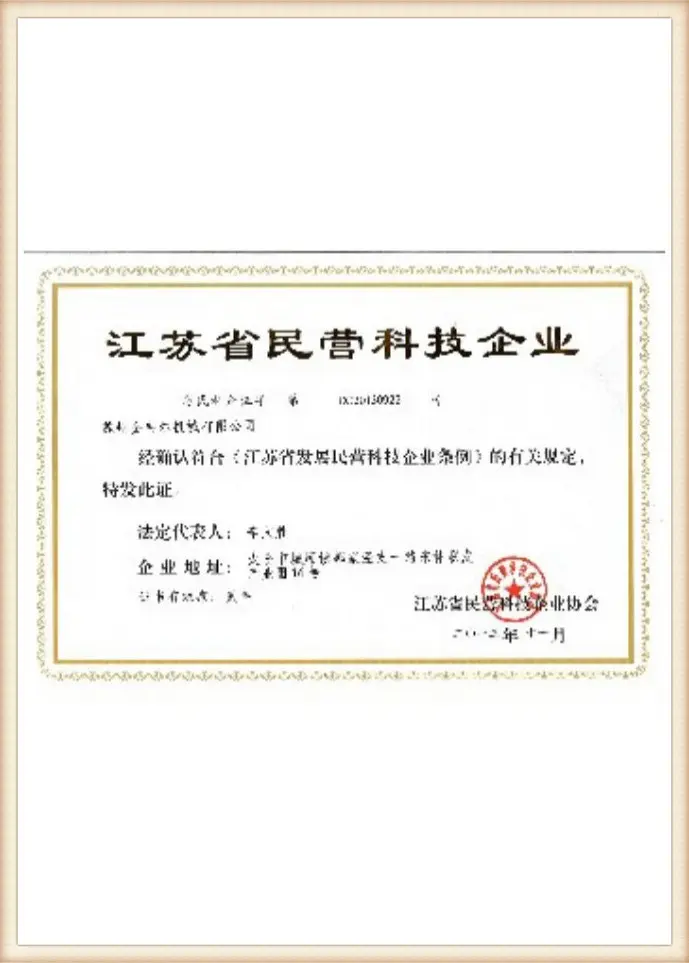
Ensuring compliance with global quality and safety standards.



Keep up with the latest technological developments, exhibition showcases, and updates from GWELL.
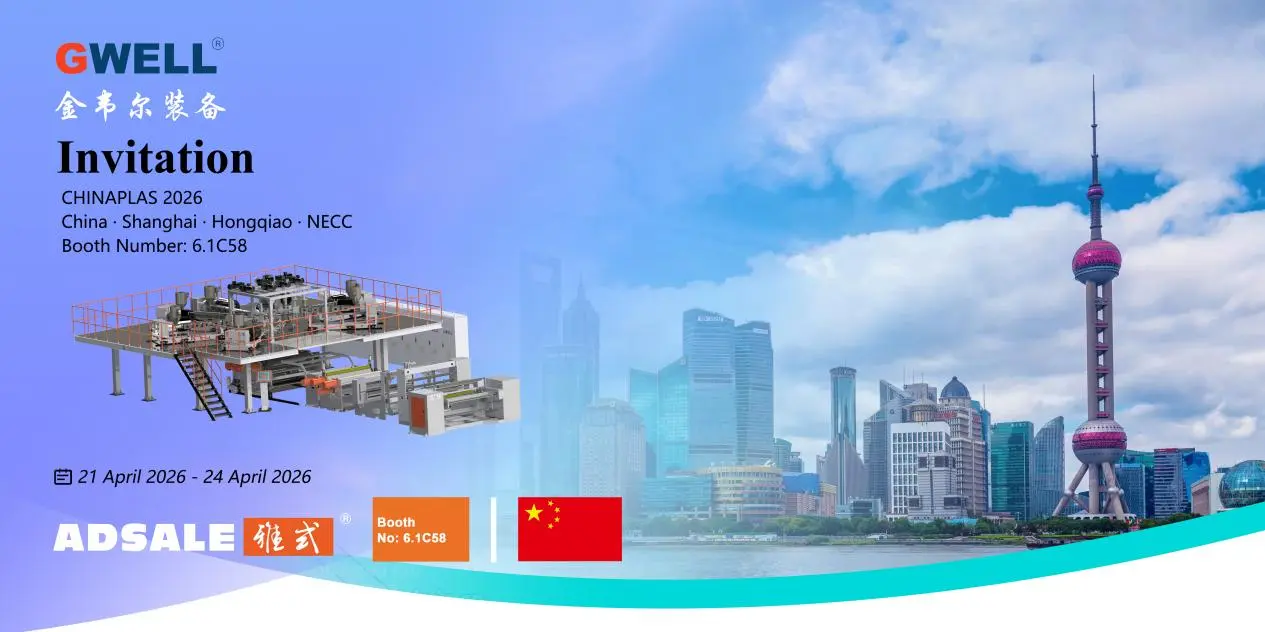
GWELL demonstrates its latest co-extrusion technology at Chinaplas, highlighting high-speed output and energy-saving designs.
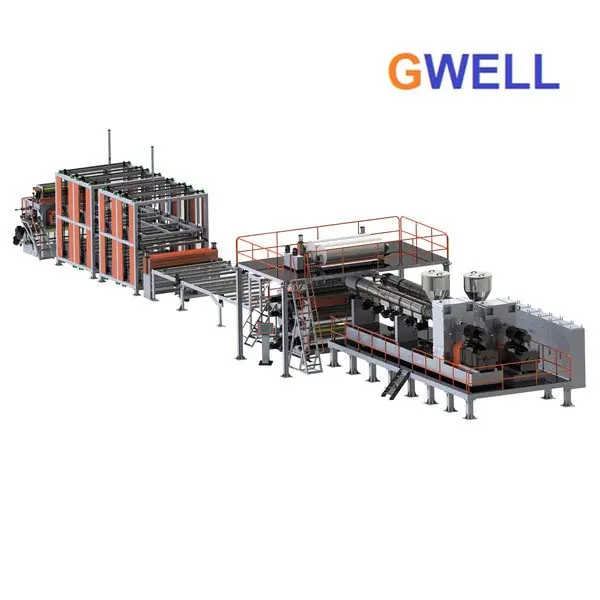
Development of our continuous POE polymer leather production line for premium automotive interiors and soft touch trim panels.
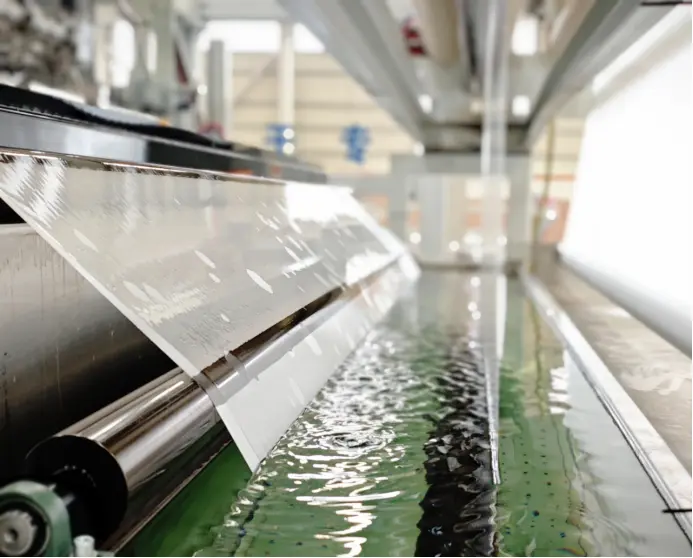
The PVB wedge-shaped interlayer film line achieves precise taper control to meet strict automotive HUD requirements.
Deep technical answers to common queries regarding PMMA processing lines.
GWELL's R&D capability and precision machining technology are recognized worldwide. Contact our team to design your custom extrusion line configuration.
Send Inquiry