
Deploying intelligent technologies to fabricate thin and heavy-duty polymer substrates with strict compliance to global safety benchmarks.
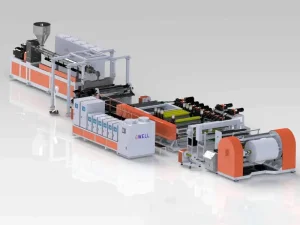
Specialized stretching technology optimizing molecular orientation and mechanical resilience for heavy-duty film structures.
Explore Specifications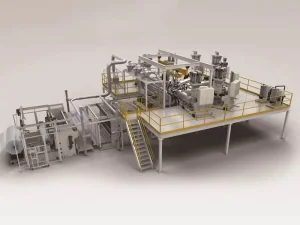
High-barrier film extrusion lines tailored for sensitive packaging and protective barrier architectures.
Explore Specifications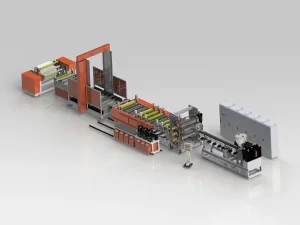
Highly efficient co-extrusion technology designed for high-performance optical and wrapping PET stretching films.
Explore Specifications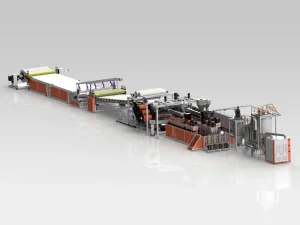
Optimized roll calenders ensuring absolute optical purity and structural homogeneity for rigid plastic sheets.
Explore Specifications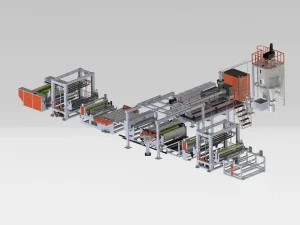
Co-extrusion solutions for weather-resistant protective films used in construction cladding and automotive surfaces.
Explore Specifications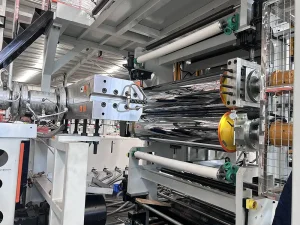
Next-generation production hardware facilitating the green energy transition through precise composite plate extrusion.
Explore Specifications
Engineered for ecological, high-definition cladding films with enhanced scratch resistance and durability profiles.
Explore Specifications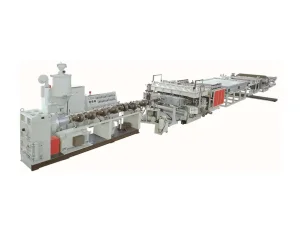
Multi-wall hollow sheet production optimizing insulation and impact performance for architectural applications.
Explore SpecificationsThe global automotive sector is undergoing a monumental paradigm shift. The convergence of electric drivetrains, high-definition Heads-up Displays (HUD), and strict passenger safety legislation is placing unprecedented structural demands on automotive glazing. Today, automotive glass is no longer a passive shield; it is a complex, active electronic component. Key to this transition is the Polyvinyl Butyral (PVB) interlayer film.
1. Safety & Energy Absorption: In the event of a high-velocity impact, laminated glass prevents occupant ejection and holds glass shards intact. This performance is governed entirely by the adhesion profile and thickness consistency of the extruded PVB film.
2. Acoustic Insulation (a-PVB): Electric vehicles require exceptionally quiet cabins due to the lack of internal combustion engine masking noise. Multi-layer co-extruded acoustic PVB films reduce wind and road noise by up to 5dB in targeted frequencies.
3. Advanced HUD Wedge Profiles: Standard windshield designs create secondary reflection (ghosting) for HUD projection systems. Precise wedge-shaped PVB extrusion alters the glass geometry, ensuring crisp, single-image display alignment directly in the driver's line of sight.
Haze index kept below <0.3% to prevent driver fatigue and vision distortion.
Cross-direction thickness tolerance controlled within tight limits of ±0.01mm.
Dynamic automatic die adjustments for producing precise cross-sectional HUD profiles.
The processing of PVB film is highly capital-intensive and demands deep material-science expertise. For decades, the market has been dominated by a few chemical corporations in Europe and North America. However, the rise of tier-1 automotive manufacturing clusters in the Asia-Pacific region, Central Europe, and Latin America has driven a localized demand for internal film production capabilities.
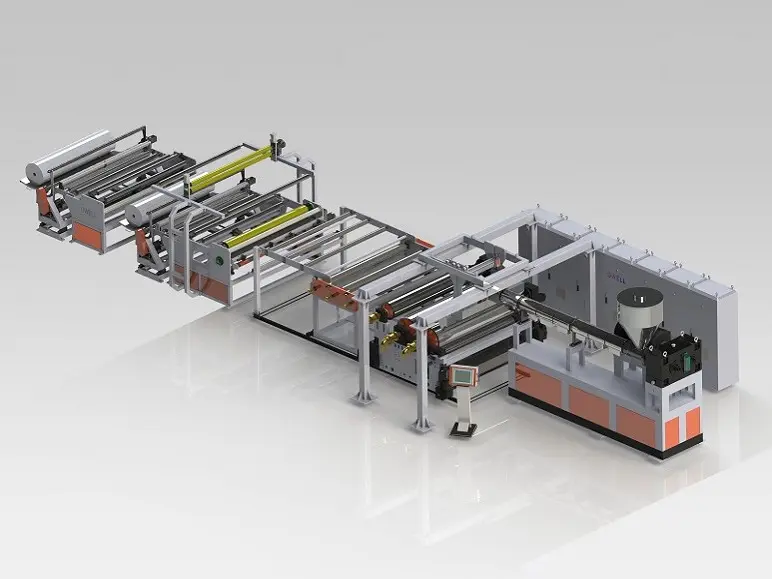
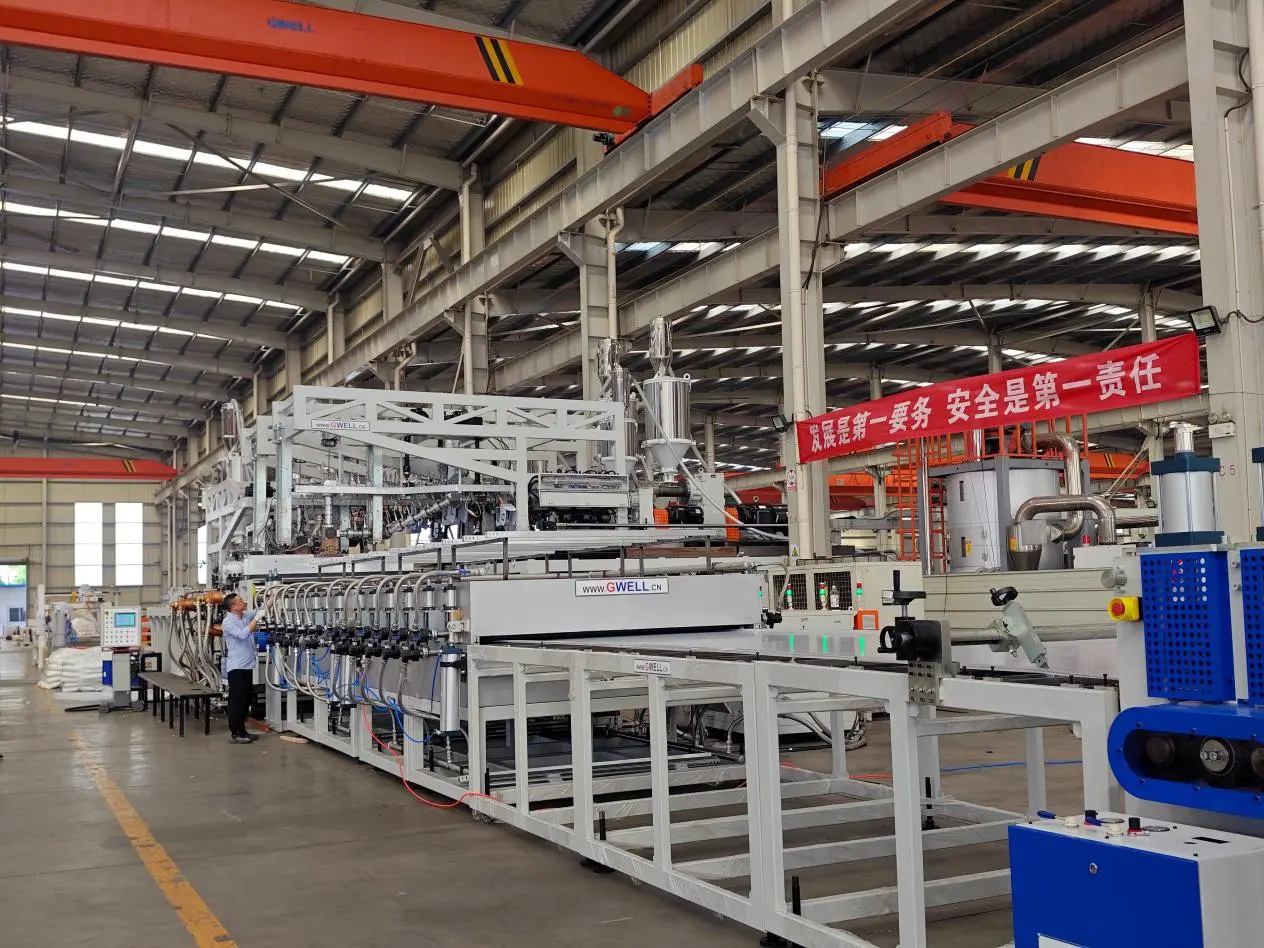
Gwell Machinery bridges this market gap by delivering turnkey PVB Automotive Laminated Glass Film Extrusion Lines to exporters and producers worldwide. This allows regional manufacturers to bypass global logistics delays, minimize raw material waste, and customize the film parameters according to localized requirements.
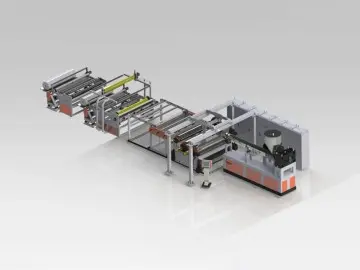
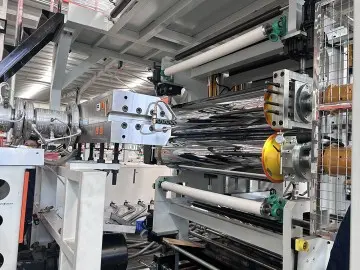
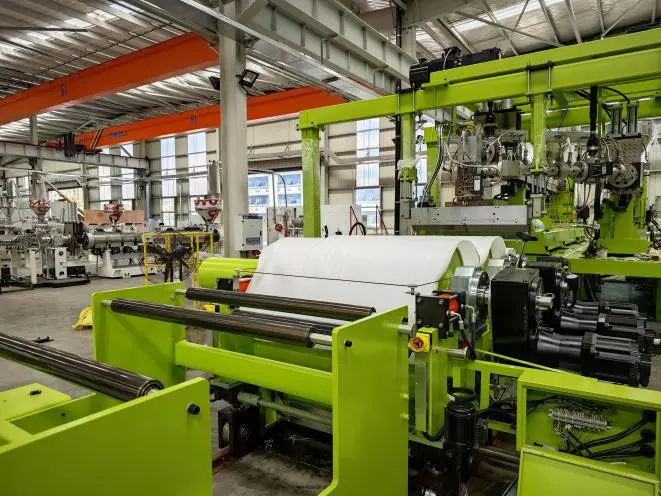
Gwell High-Precision PVB Interlayer Extrusion Roller Assembly
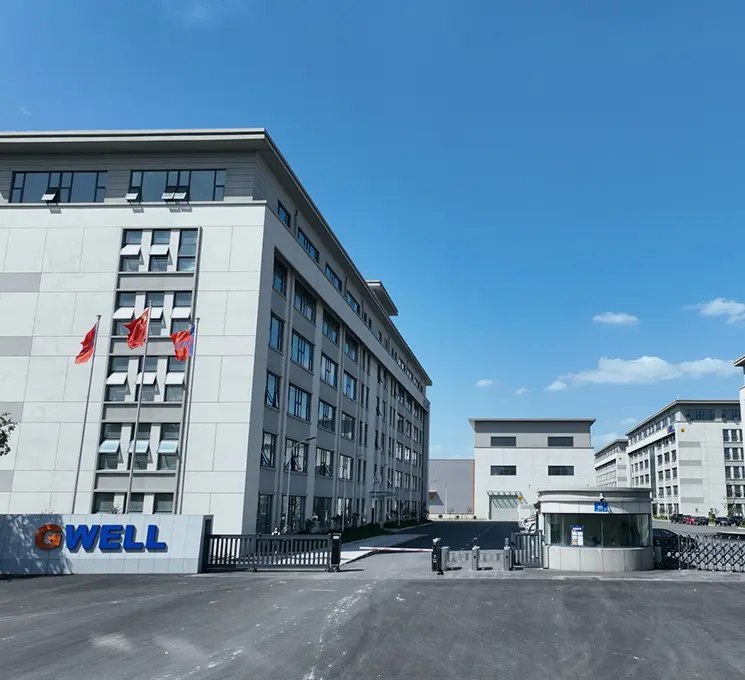
China Gwell Machinery is a high-tech enterprise dedicated to the manufacture of premium plastic extrusion lines for Film, Sheet, and Profiles. Relying on the powerful technology, precision tooling capabilities, and innovative spirit of our group, Gwell commits to the development of high-tech products for international markets.
Our driving philosophy—“Expertise creates customers’ values”—directs all research and production. We maintain rigorous standards across raw material handling, screw machining, and heat treatment to guarantee durability and high throughput on every line we commission.
Our engineered solutions cover standard cast film systems, specialized high-durability sheets, structural building boards, and green energy solar modules.
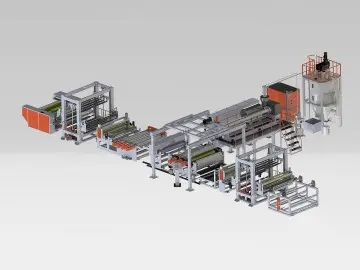
Proudly presented line offering robust exterior surface protection against continuous UV aging.
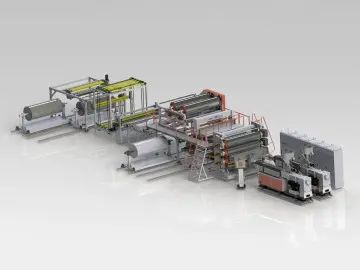
Engineers thin, highly flexible thermoplastic polyurethane films optimized for structural fabric bonding.
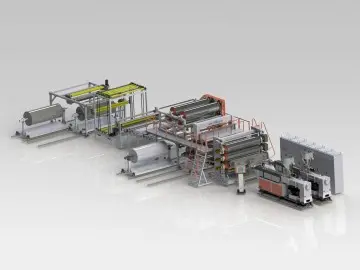
Versatile systems generating high-elasticity films suitable for medical, outdoor, and apparel products.
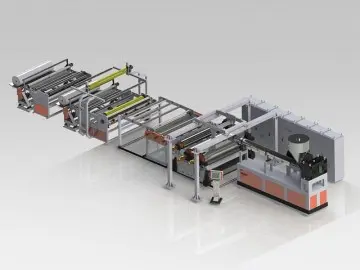
Provides standard replacement membranes for Tedlar backing in solar and environmental shielding panels.
Designed specifically for HUD applications, providing linear tapering control for optical safety alignment.
Integrates cutting-edge processing and robust calender rolls to deliver high-clarity optical films.
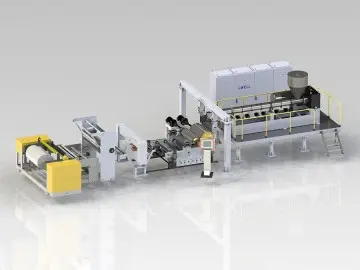
Specialized line tailored for generating environment-friendly and soluble packaging materials.
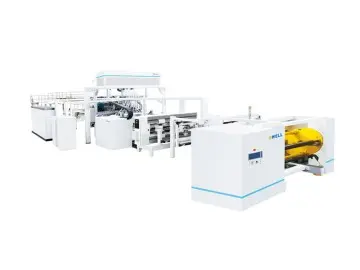
High-temperature system processing polyimide film for microelectronic insulating coatings.
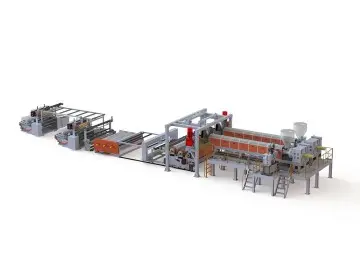
Innovative co-polymer handling technology creating soft, high-tensile environmental barriers.
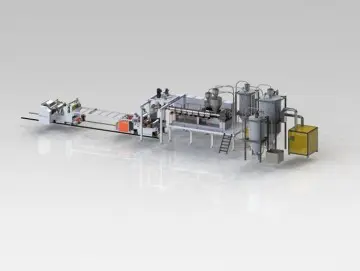
Optimized cooling profiles ensure flat, stress-free architectural interior decoration surfaces.
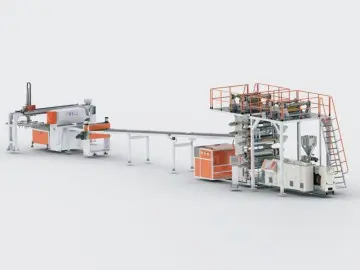
Engineered for mineral-filled structural composites with consistent thickness control.
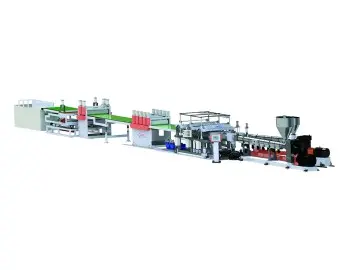
High efficiency line using automated controls and optimized process parameters.
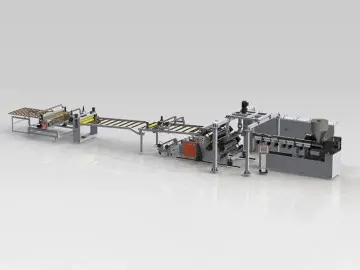
Designed for ultra-high temperature engineering plastics with precise heat distribution.
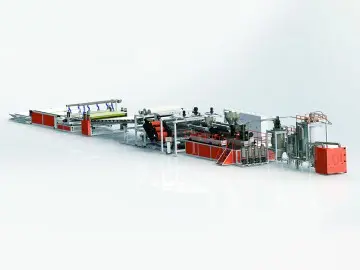
High-torque extrusion setups optimized to process high-density polyethylene boards.
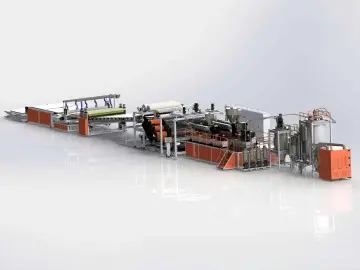
Sophisticated system engineering optical transparency and impact properties for PC and PMMA.
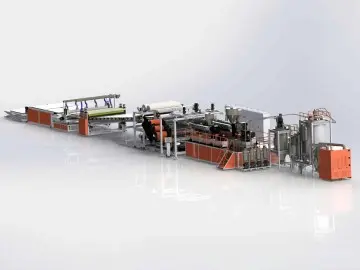
Achieves micro-embossed finishes for optimal light dispersion and screen backlight arrays.
Produces homogeneous graphite plates for energy storage and fuel cells.
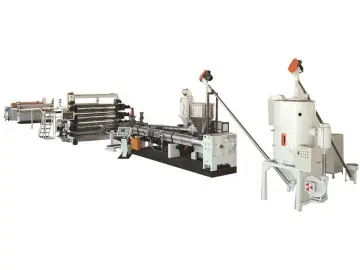
Custom calibration units produce interior liner boards with high chemical stress cracks resistance.
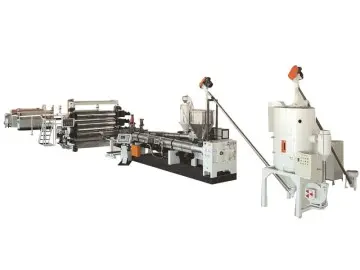
Extends sheet extrusion processes for packaging containers and industrial housing components.
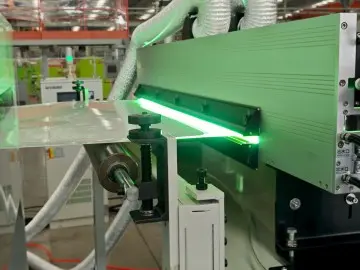
Combines optical clarity with superior impact strength for safety barriers and display materials.
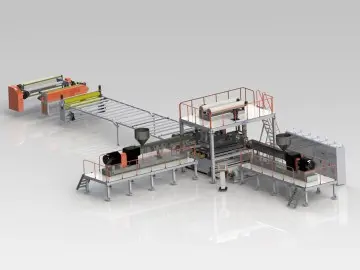
Engineered for elastomer matrices, producing high-performance automotive interiors and mats.
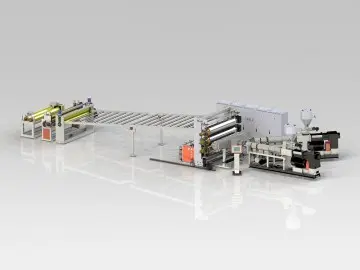
Delivers optimal polymer melting and degassing to produce glass-clear structural sheets.
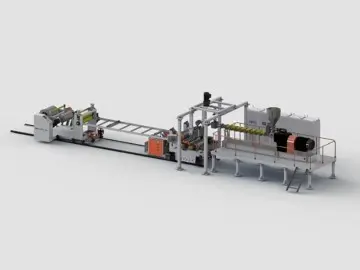
Engineered feedblocks yield sharp boundary definitions in dual-colored polymer designs.
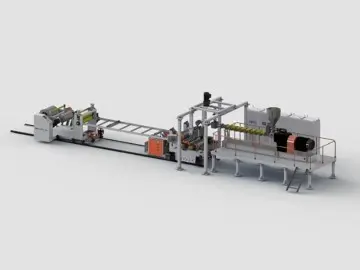
Utilizes advanced calenders to optimize downstream forming properties on high-speed thermoformers.
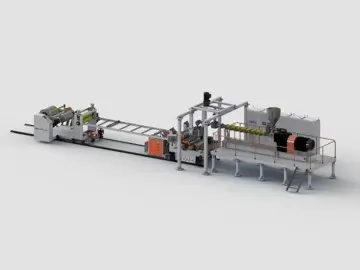
Precision temperature regulation prevents the thermal degradation of bio-polyester matrices.
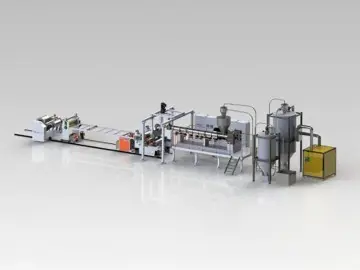
High-throughput extrusion featuring precise moisture control for food-contact compliance.
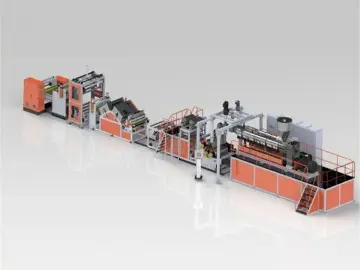
State-of-the-art configuration optimized for polycaprolactone orthopedic splint and bandage manufacturing.
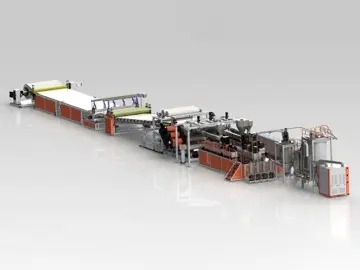
High-cleanliness system designed for optical lenses, display plates, and protective screens.
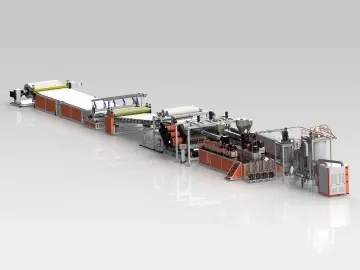
Equipped with precision automation interfaces to ensure uniform dispersion of flame retardants.
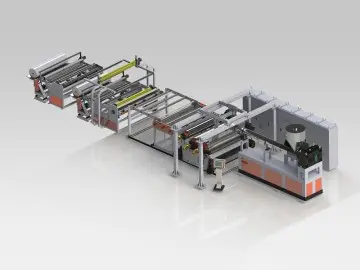
Produces thick, highly structural ionomer interlayers for storm-rated safety glass and structures.
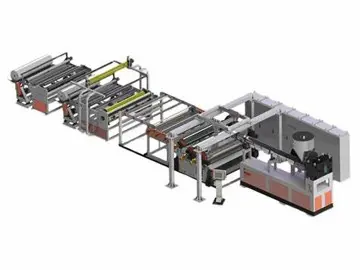
Gwell's high-efficiency system designed specifically for photovoltaics encapsulation.
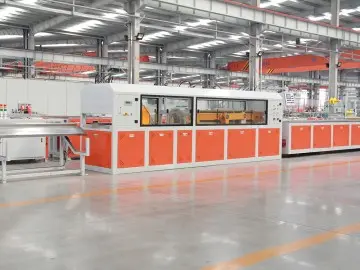
Precision machinery and control systems ensure uniform structures for light outdoor module framing.
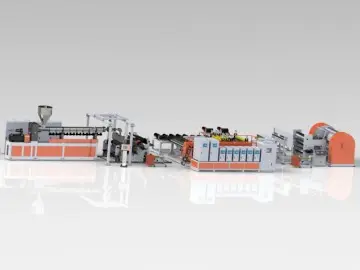
Specialized separator systems designed to meet chemical resistance requirements in green hydrogen stacks.
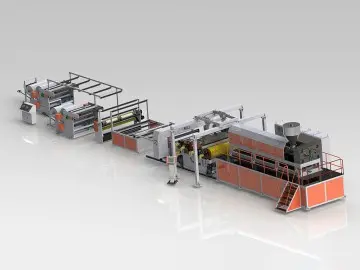
Customized solutions ensuring high transmission and low shrinkage in photovoltaic protection films.
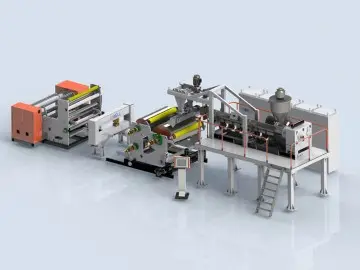
Delivers stress-relieved winding configurations to guarantee bubble-free PV lamination processes.
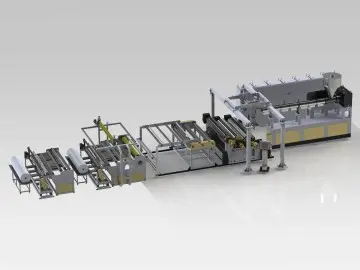
Generates co-extruded multi-layer solar films, optimizing barrier protection and structural integrity.
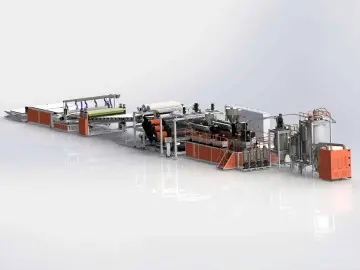
Optimized for integrated building-applied PV, providing high structural safety and durability.
PVB is a highly hydrophilic polymer material. This chemical characteristic requires special processing protocols to prevent moisture absorption during the extrusion cycle. Gwell's engineering team has designed a comprehensive technical workflow that addresses moisture control, plasticizer integration, and cooling drum precision.
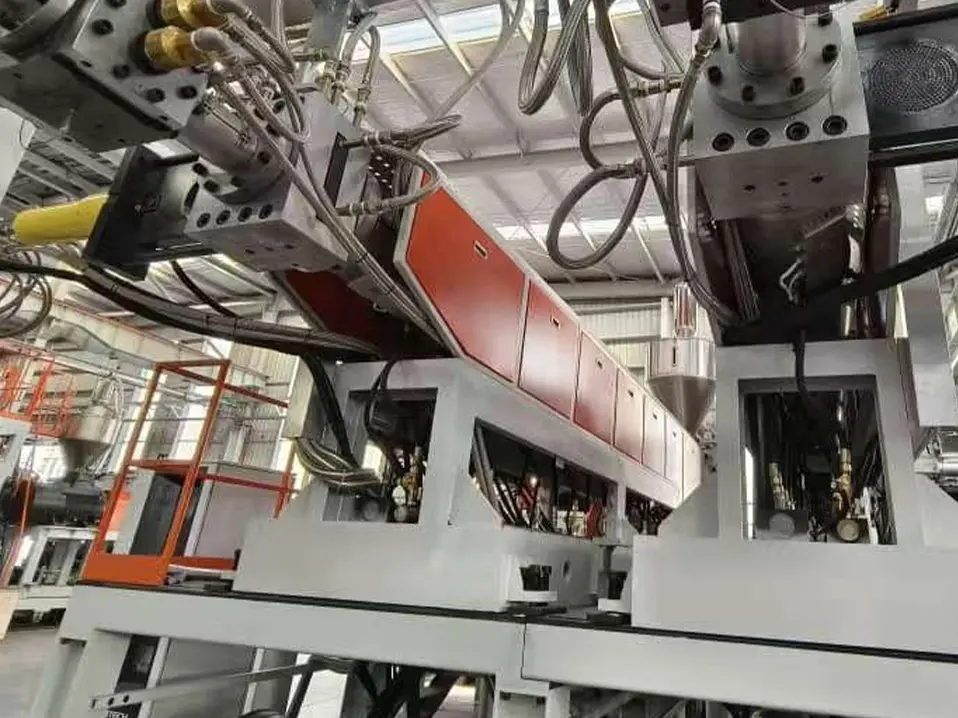
Our customized twin-screw extruders are configured with multiple vacuum venting zones. This configuration extracts volatile compounds and residual moisture directly from the melt, eliminating the risk of micro-voids and bubbles in the final laminated glass sandwich.
The cooling drum utilizes a double-jacketed spiral flow channel design to maintain surface temperature uniformity within ±0.5°C. This prevents internal stress crystallization, ensuring that the optical properties of the film remain consistent over long production campaigns.
Automated die lip systems interface directly with beta-ray or laser thickness scanners. When thickness deviations are detected, thermal expansion bolts adjust the slot gap dynamically, maintaining the film’s cross-sectional uniformity across the entire width of the line.
Gwell’s R&D team is currently developing intelligent extrusion controls to handle bio-based PVB resins and multi-layered co-extrusion setups (A/B/C configurations). These systems will allow producers to combine standard PVB with solar-blocking nanoparticles and high-damping acoustic layers in a single process step, reducing overall manufacturing costs.
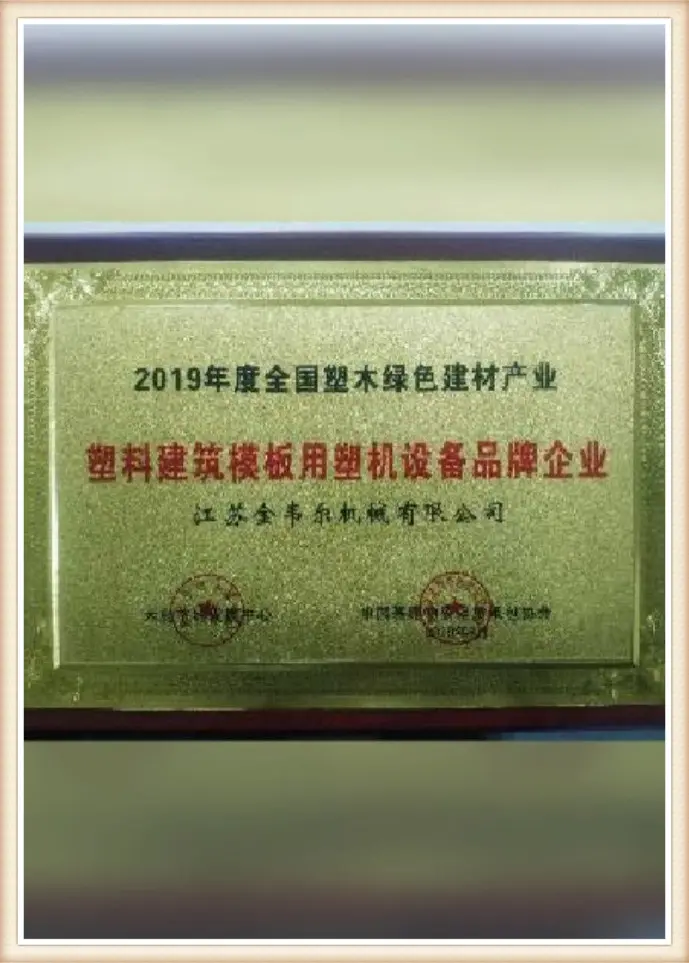
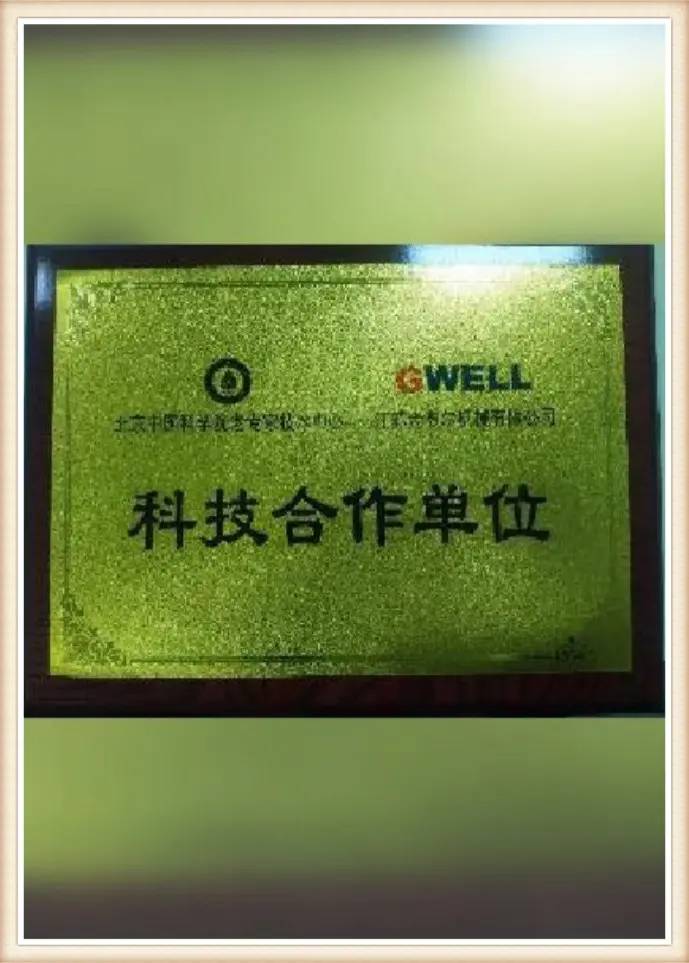
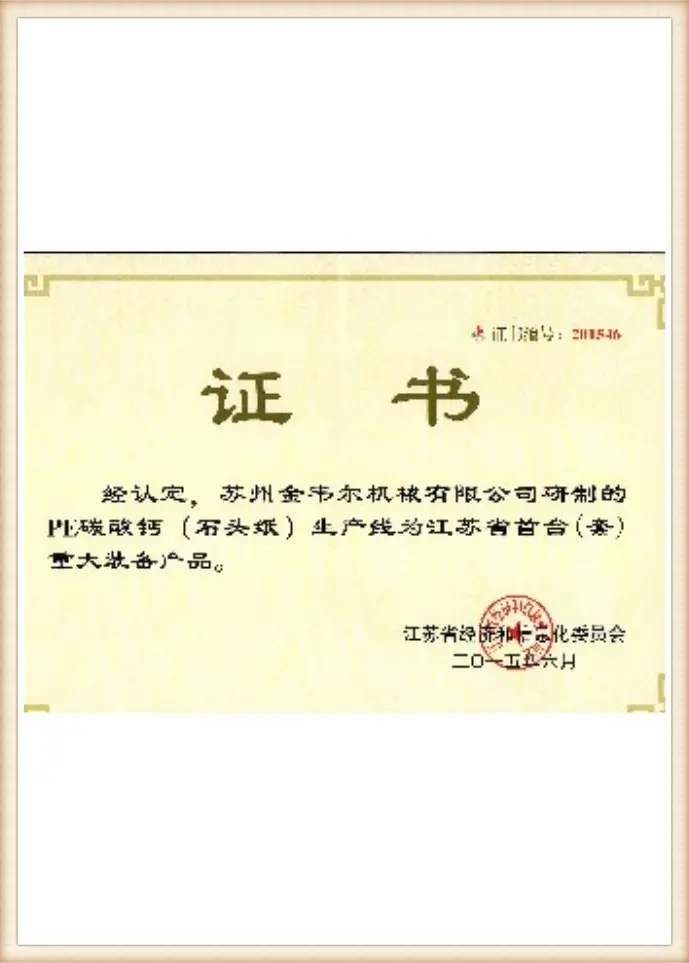
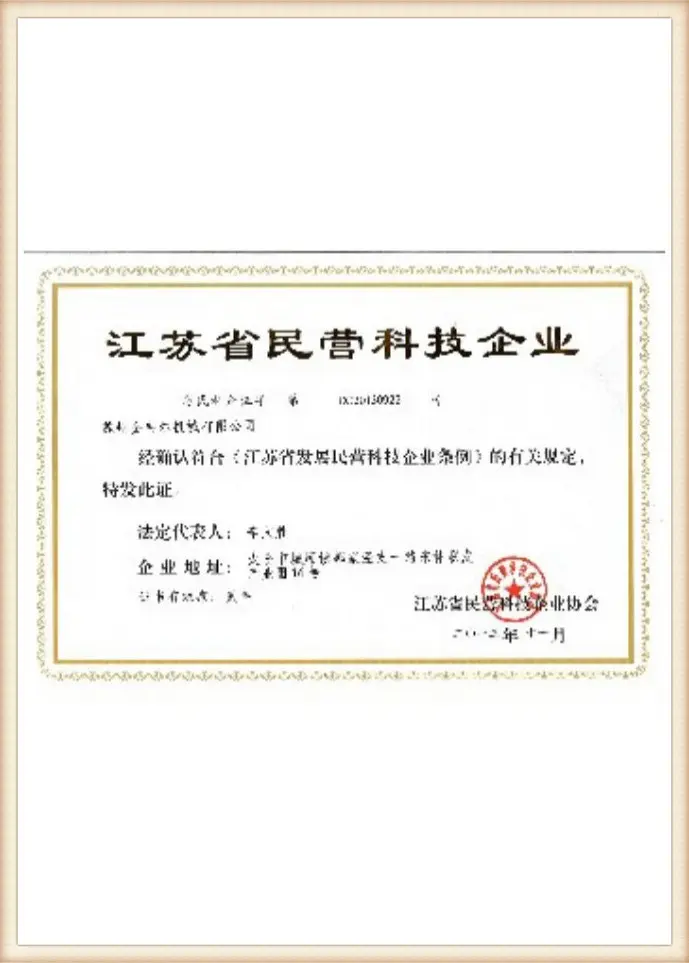
Collaborative partnerships with major universities and polymer research institutes fuel our high-tech equipment development.
Turnkey design, line layout planning, installation support, and commissioning, backed by global service centers.
Three main production bases capable of manufacturing and testing over 1,000 advanced extrusion lines annually.
A dedicated workforce of 500 personnel, including over 100 mechanical and electrical systems engineers.
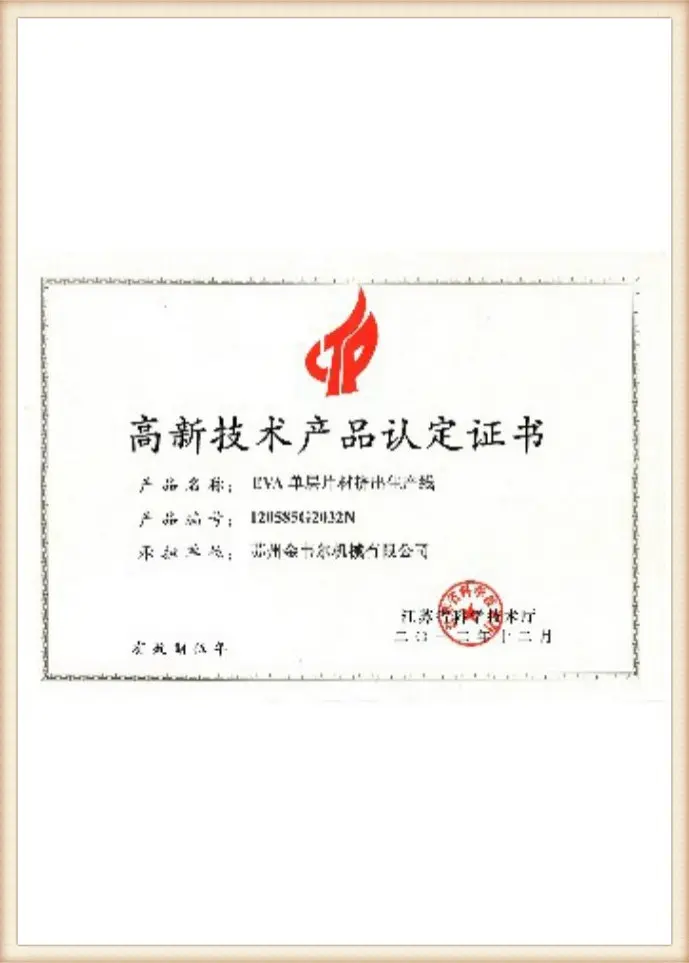
Our manufacturing standards align with international quality control protocols to ensure safety and system reliability.
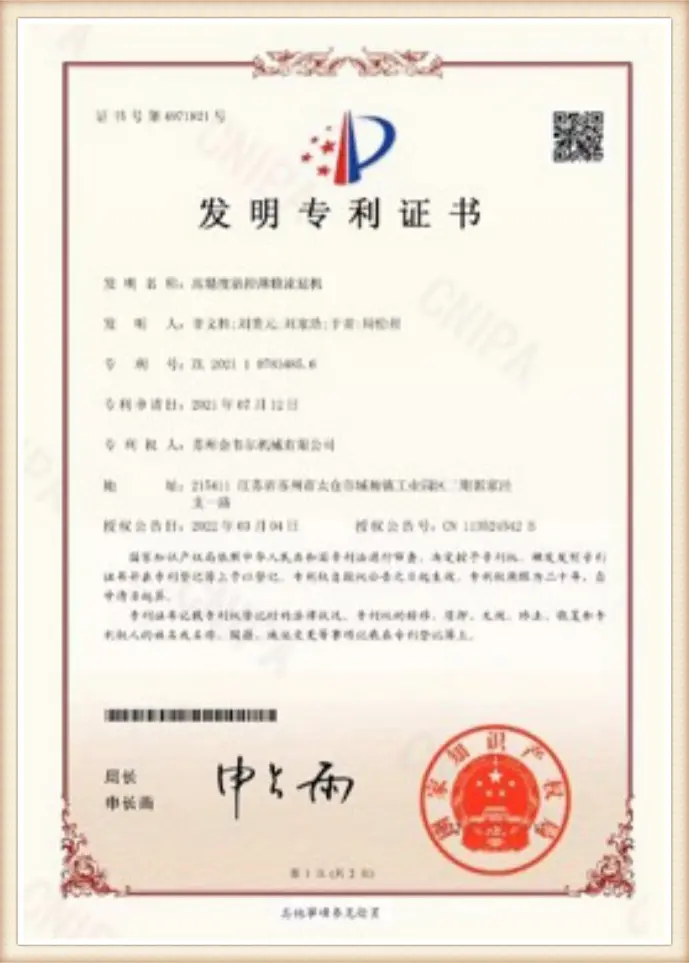
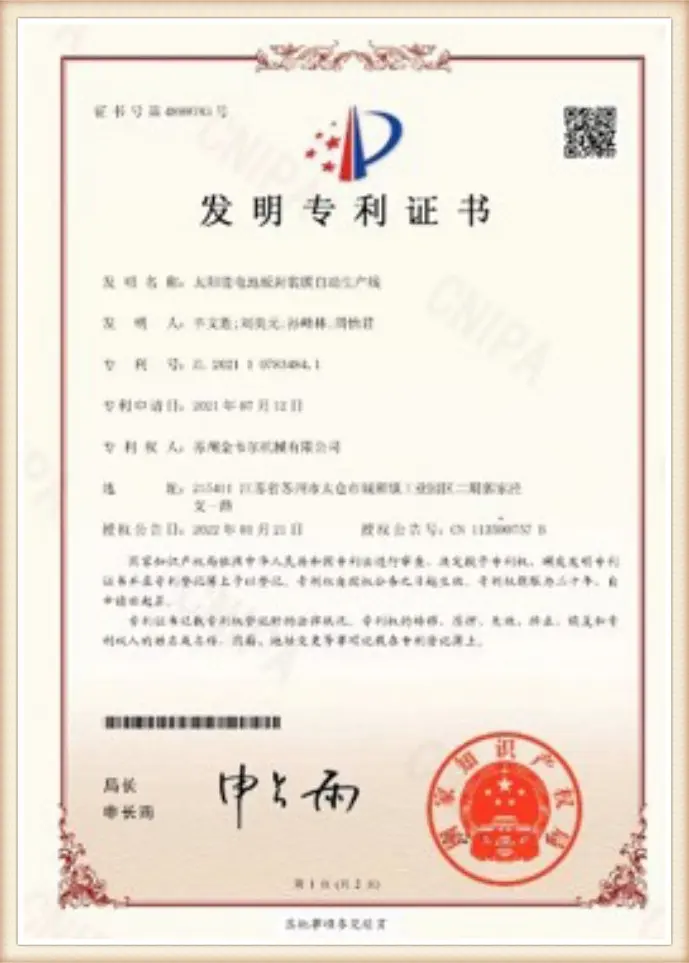
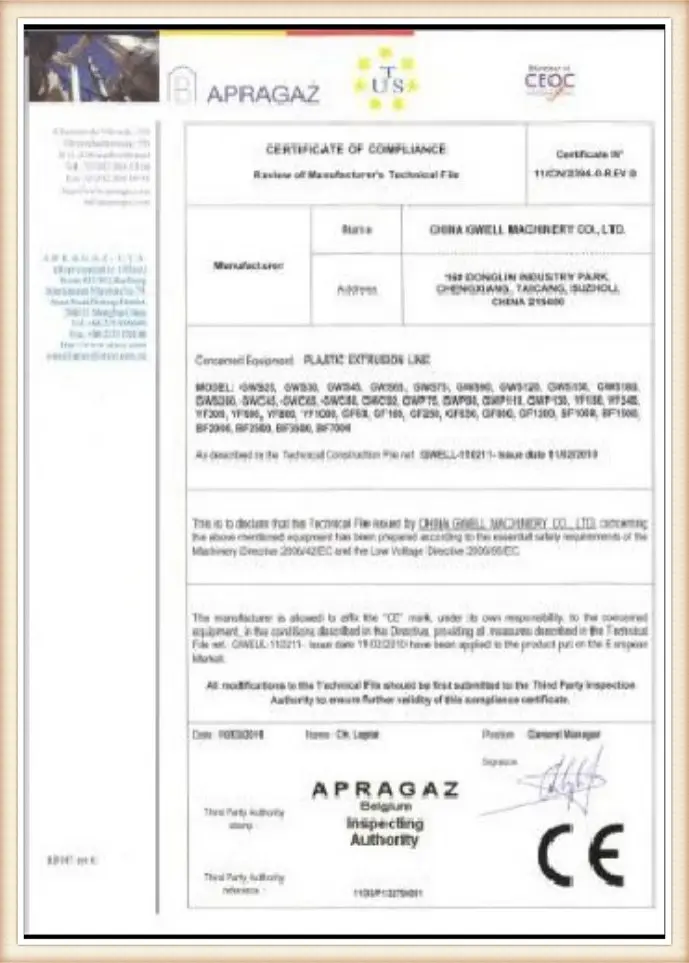
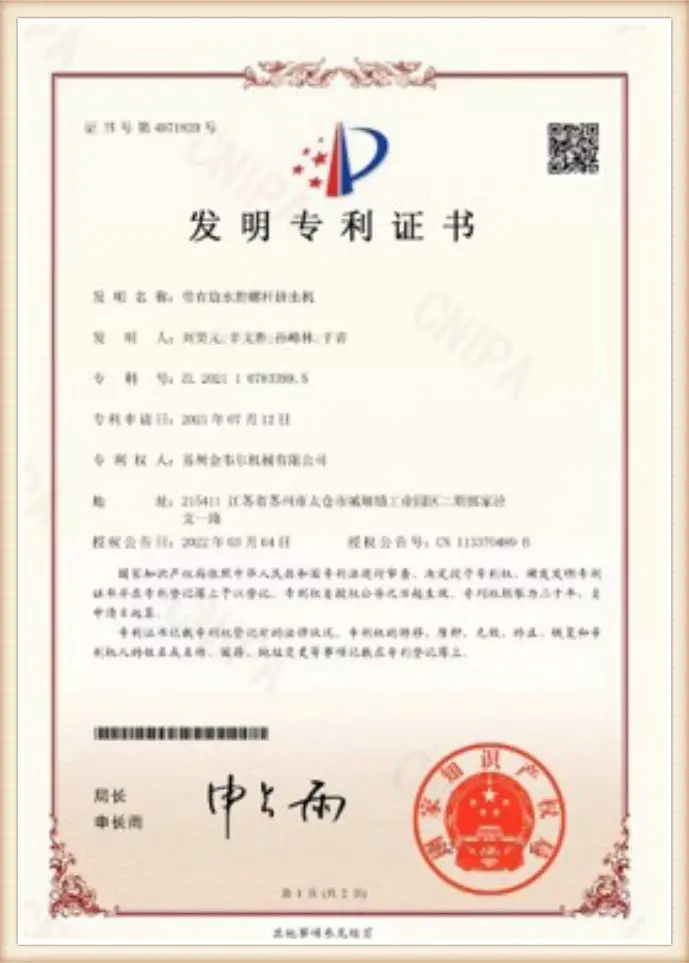
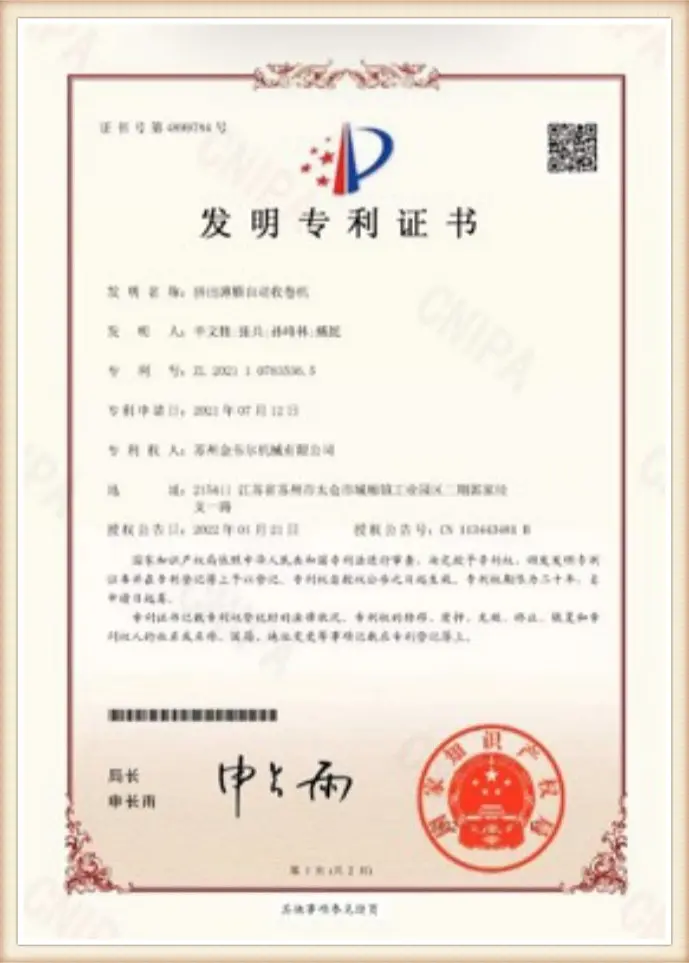
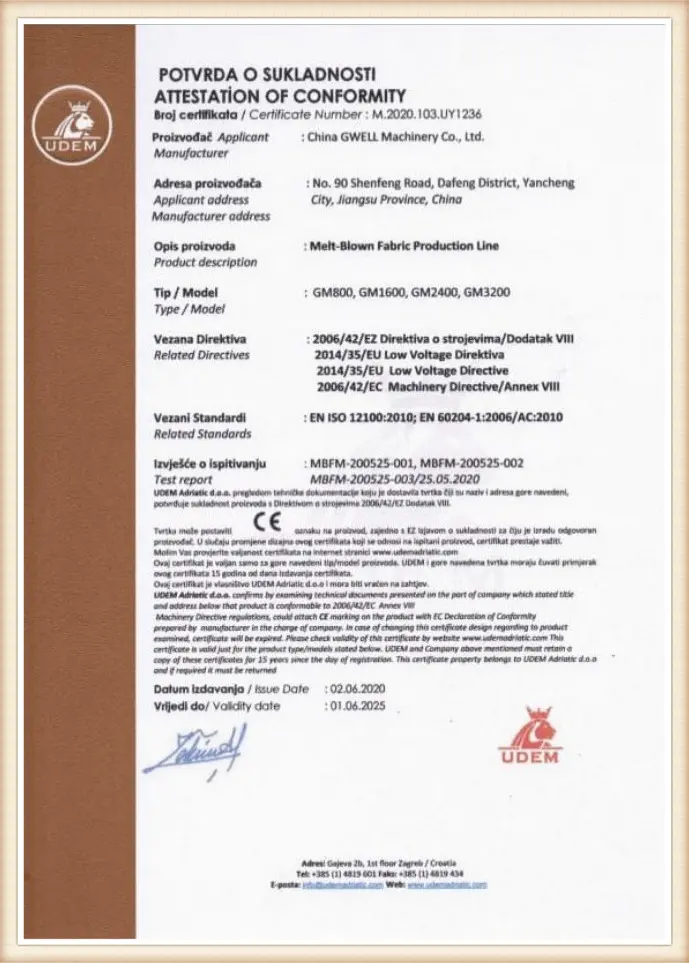
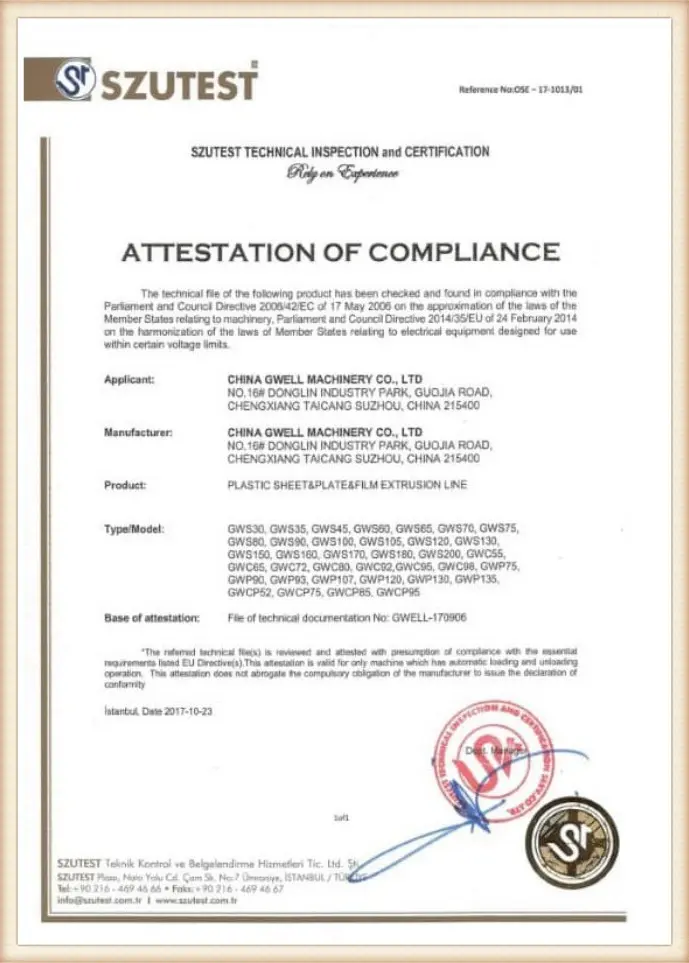
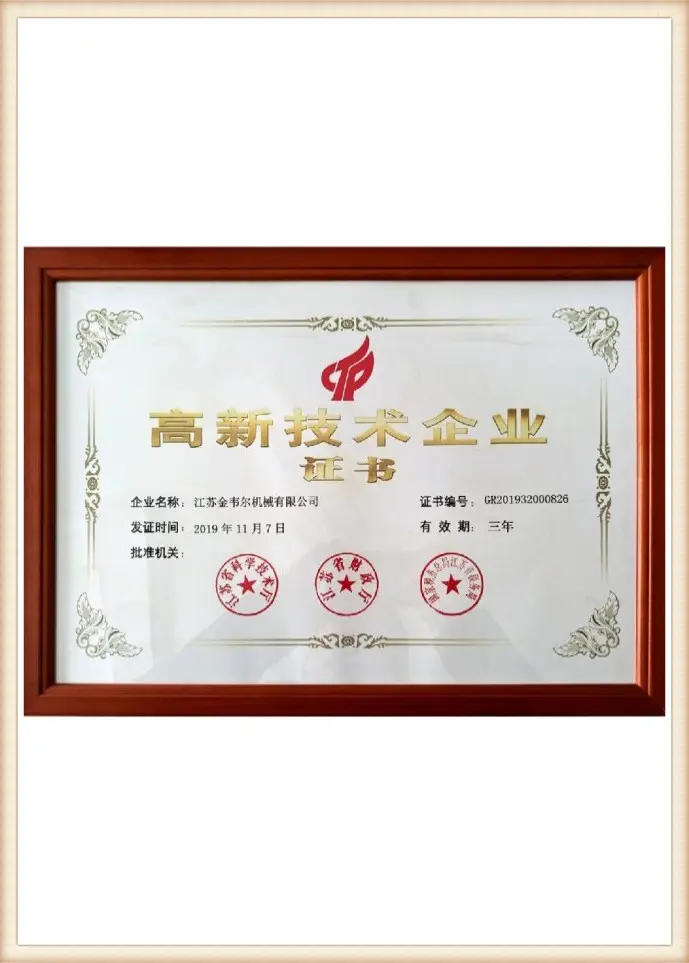

As a major exporter of extrusion equipment, Gwell provides comprehensive localized services to help customers meet regional regulatory requirements.
All lines are built with local voltage and safety standards in mind (such as UL/CSA for North America and CE directives for the European Union).
Our field service engineers provide on-site assembly, wiring integration, program tuning, and training for local operators.
We maintain warehouses stocked with key components, such as heating bands, sensor probes, and screw elements, to minimize production downtime.
Our engineering team addresses key operational questions regarding polymer drying, thickness tolerances, and processing configurations.
PVB resin is highly hydrophilic. Gwell utilizes specialized multi-stage dehumidification drying systems upstream of the extruder to reduce raw material moisture levels below 0.1%. Additionally, the extruder features multiple high-vacuum degassing ports to extract residual volatiles, ensuring the melt remains bubble-free before entering the die.
For automotive Heads-Up Display (HUD) applications, the cross-sectional wedge angle must be strictly controlled to prevent optical ghosting. Our automated die heads, integrated with closed-loop beta-ray thickness gauges, maintain cross-directional thickness deviations within ±0.01 mm, enabling stable production of complex tapered profiles.
We configure our PVB lines with three-roll or four-roll calenders featuring independent heating and cooling circuits. The rollers undergo precision grinding and hard chrome plating to achieve a surface mirror finish, ensuring high optical clarity and uniform surface tension in the extruded film.
Yes. Gwell co-extrusion technology enables multi-layer structures (such as A/B/C) to produce acoustic PVB. This is achieved by combining standard PVB skin layers with a softer, high-damping core layer, which reduces sound transmission through the windshield.
All Gwell extrusion lines come with a comprehensive 12-month structural warranty. We provide factory layout engineering, remote diagnostic support, and on-site training for your production crew during system commission.
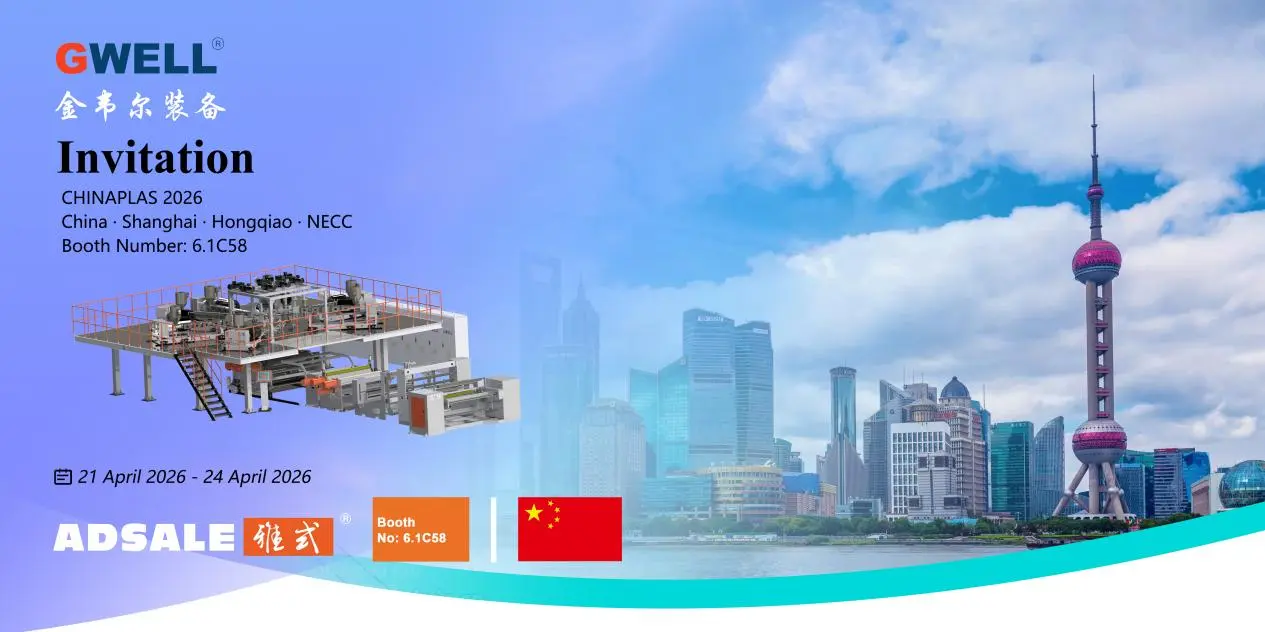
Discover our latest innovations in multi-layer co-extrusion and high-precision polymer film lines.
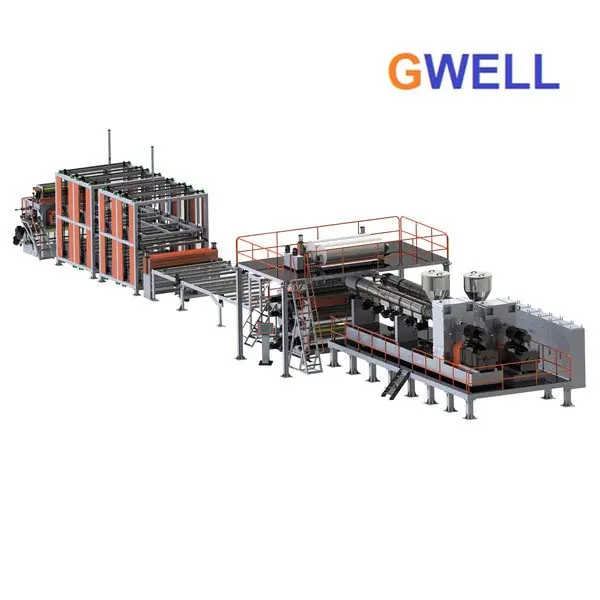
Introducing synthetic leather processing technologies with improved environmental characteristics.
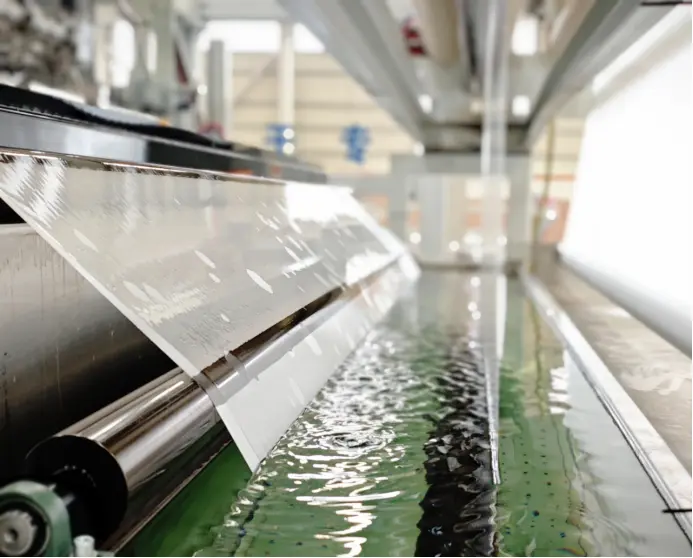
Gwell’s high-precision HUD film lines offer excellent process compatibility for automotive glass manufacturers.
Upgraded calendering technologies for high-gloss, scratch-resistant PETG decorative sheets.
Lightweight honeycomb panels designed for logistics containers and automotive applications.
Strengthening cooperative relationships with eco-packaging manufacturers worldwide.
New commissioning runs for solar cell encapsulation and barrier sealing applications.
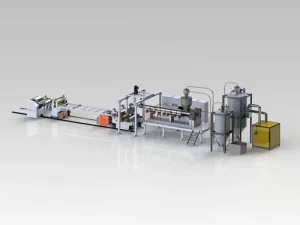
Custom-engineered tooling and die systems designed to yield consistent thickness profiles for high-performance applications.
Generates high-strength co-polyester sheets with excellent clarity for thermoforming and barrier packaging.
Explore Specifications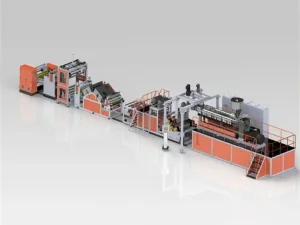
Cleanroom-compatible setups designed for the precision fabrication of medical-grade polycaprolactone sheets.
Explore Specifications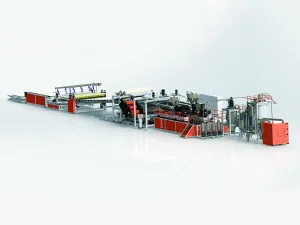
Continuous board extrusion systems built to handle heavy-duty polyolefin materials with high output rates.
Explore Specifications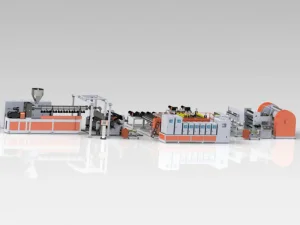
Specialized membrane lines designed to meet strict chemical and heat resistance requirements in fuel cells.
Explore Specifications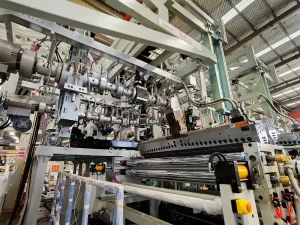
Continuous lamination and structural calibration setups for lightweight composite structures.
Explore Specifications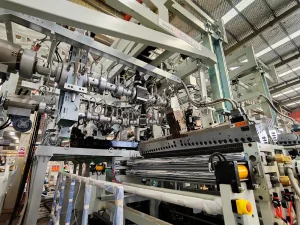
Advanced vacuum forming calibrators designed to yield consistent wall thickness in structural boards.
Explore Specifications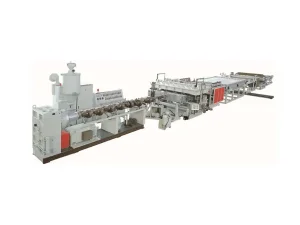
Integrated double-wall panel systems optimized for packaging crate and construction applications.
Explore Specifications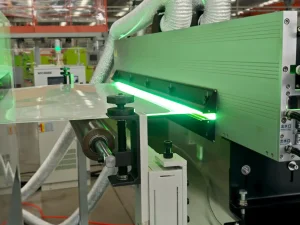
Engineered for ecological, high-definition cladding films with enhanced scratch resistance.
Explore SpecificationsContact our technical team to discuss line speed requirements, automated raw material drying systems, and custom calibrations for your production goals.