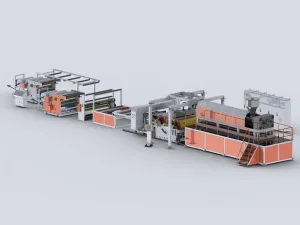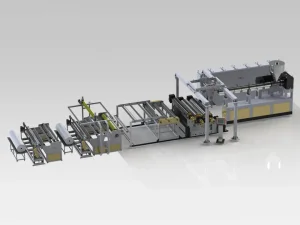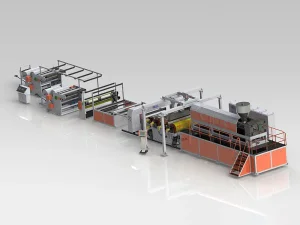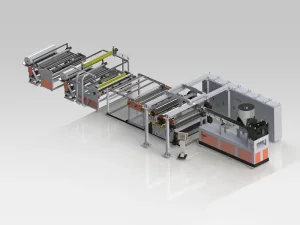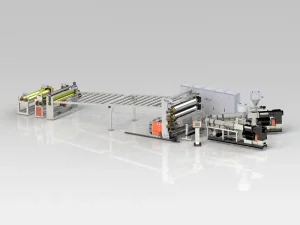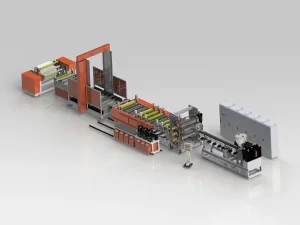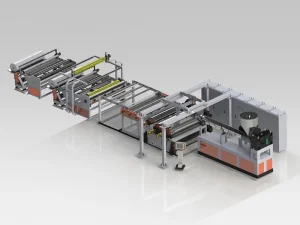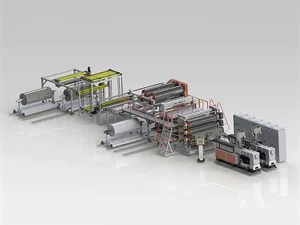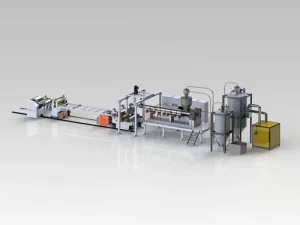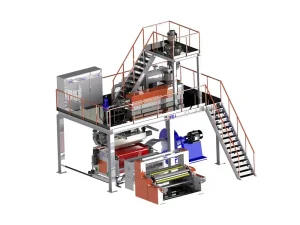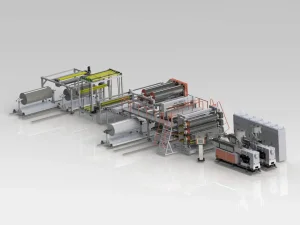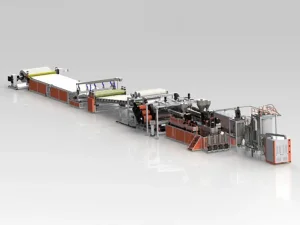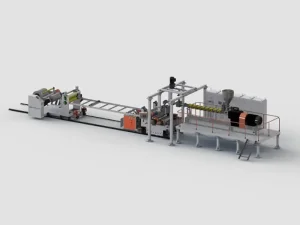
Innovative sheet and film extrusion lines designed for global industrial, optical, and solar-grade applications.
An authoritative industry guide explaining polymethyl methacrylate processing, machine configurations, and global market dynamics.
Polymethyl Methacrylate (PMMA), commonly referred to as acrylic or organic glass, is a synthetic resin derived from the polymerization of methyl methacrylate. Renowned for its exceptional optical clarity, UV stability, high tensile strength, and impact resistance, PMMA has become an indispensable material in high-performance industries. From automotive light guides, HUD displays, architectural glazing, and greenhouse panels to smartphone screen protectors and solar photovoltaic encasings, the demand for precision PMMA sheets is surging globally.
Extruding PMMA sheets, however, presents unique rheological challenges. Unlike general-purpose commodity plastics, PMMA is highly hygroscopic, sensitive to shear degradation, and susceptible to thermal degradation if processing parameters are not rigidly controlled. Consequently, selecting a state-of-the-art China PMMA Sheet Extrusion Line requires a deep understanding of polymer processing physics, screw designs, calender roll configurations, and post-extrusion auxiliary equipment.
PMMA resins absorb up to 0.3% to 0.4% moisture in high-humidity environments. If fed directly into the extruder, this moisture vaporizes under heat and pressure, leaving microscopic air bubbles, silver streaks, and optical defects within the finished acrylic sheet. To eliminate this issue, premium PMMA sheet extrusion lines must incorporate closed-loop desiccant dryer systems. The raw PMMA pellets must be pre-dried at temperatures between 80°C and 90°C for at least 3–4 hours, reducing the moisture content to less than 0.02% by weight.
Additionally, modern Chinese manufacturers utilize specialized multi-stage vented twin-screw extruders or highly specialized single-screw extruders with high L/D (length-to-diameter) ratios (typically 33:1 to 38:1). This allows for efficient volatile venting directly through degassing ports. The screw configuration is strategically segmented into feeding, transition, barrier melting, mixing, venting, and metering zones to minimize material shear while ensuring excellent thermal homogeneity.
High-precision hydraulic screen changers filter contaminants down to 20 microns without causing melt pressure fluctuations, critical for continuous LGP plate extrusion.
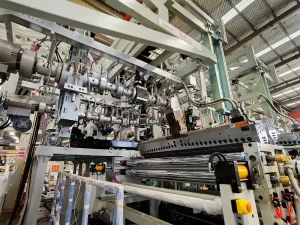
Precise vertical or horizontal three-roll calender systems with independent oil-heating channels ensure sheet flatness tolerances below ±0.01mm.
Multi-manifold feedblocks allow combined PC-PMMA extrusion, forming high-hardness, impact-resistant layers for automotive dashboard structures.
An industrial-grade PMMA sheet production line consists of several synchronized engineered sub-systems:
Explore our segmented machinery setups engineered to manufacture specialized plastic sheets, boards, and films.
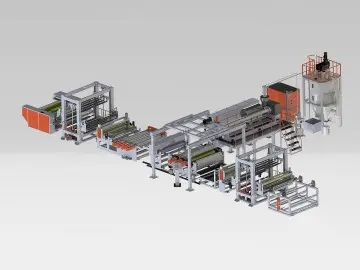
Highly durable, weather-resistant polymer co-extrusion technology designed for outdoor panel coverings and tile protections.
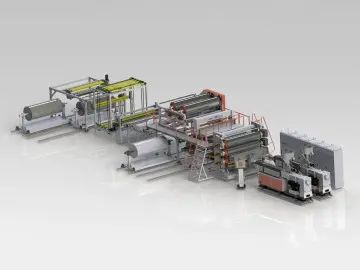
Advanced thin TPU film processing with inline laminating mechanisms for high-adhesion textile applications.
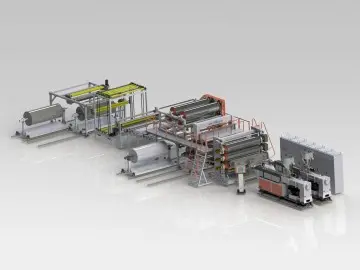
Engineered for high elasticity, tear resistance, and optical clarity, widely deployed in automotive protective coatings.
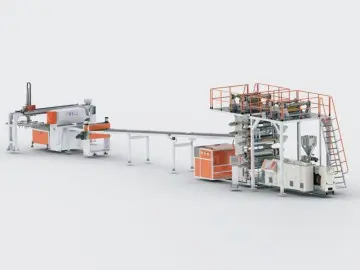
Integrated processing for architectural boards, wood-plastic composites, and high-strength stone-plastic composite flooring.
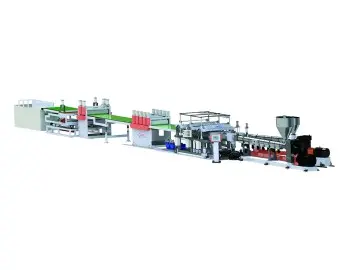
High-capacity machinery for recyclable, lightweight polypropylene concrete shuttering forms and construction panels.
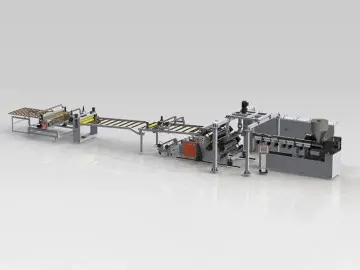
Specialized high-temperature extruder configurations for chemical-resistant fluoropolymer and engineering plastics.
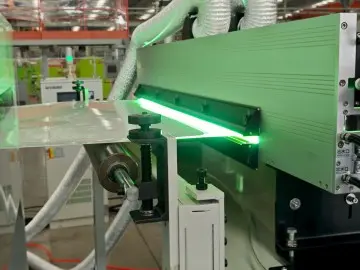
Processing environmentally friendly, impact-resistant copolyester sheet materials with extreme glass-like aesthetics.
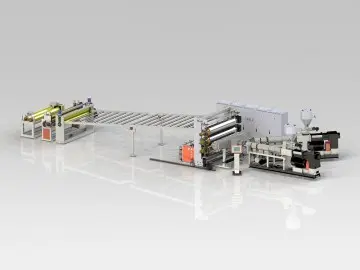
Delivers high-efficiency output of rigid PVC sheets for packaging and industrial safety guards.
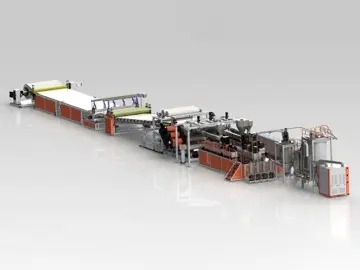
Optical grade co-extrusion technology designed specifically for panels, light guides, and screen applications.
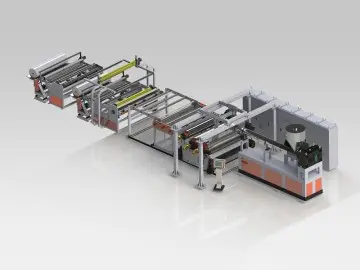
Highly complex ionic interlayer extrusion configuration tailored to solar-grade structural security glass panels.
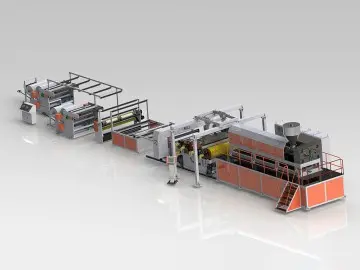
Global baseline standard technology for high-efficiency solar module encapsulation barrier films.
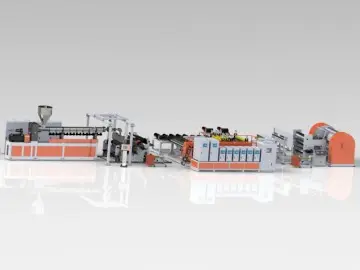
Pioneering design for functional polyphenylene sulfide separator membranes utilized in clean hydrogen cells.
Analyzing what purchasing directors must evaluate when sourcing complex PMMA machinery from China.
From an international purchasing perspective, acquiring a PMMA sheet extrusion line represents a substantial capital expenditure. B2B decision-makers, production directors, and structural engineers must evaluate a multi-layered matrix of criteria before selecting an export partner in China. This involves scrutinizing the manufacturer's technological maturity, component branding, processing flexibility, and local integration capability.
A high-performance extrusion system is only as reliable as its constituent components. Global purchasers heavily favor Chinese factories that collaborate with world-renowned sub-assembly brands. For instance, integration of Siemens PLC control architectures, ABB frequency converters, Dynisco melt pressure transducers, and SKF bearings guarantees stable, cross-compatible spare parts availability worldwide. Moreover, the barrel and screw metallurgy must be treated with high-grade bimetallic coatings (such as cobalt-based or tungsten-carbide alloys) to withstand the abrasive characteristics of filled or highly viscous PMMA formulations.
Industrial energy consumption constitutes a significant percentage of operational expenses (OPEX). Modern extrusion lines address this via electromagnetic barrel induction heating bands, which can save up to 30-50% in electricity compared to traditional ceramic heating components. The inclusion of closed-circuit cooling systems within the calender water temperature controllers also reduces thermal loss, matching strict green manufacturing standards mandated in regions like Western Europe, USA, and Canada.
When requesting quotes, industrial buyers must align their target product parameters with the machine parameters. A typical high-output PMMA line layout from premier exporters features:
Industrial intelligence in polymer extrusion machinery development.
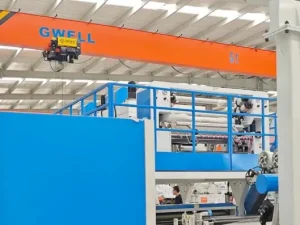
China GWELL Machinery is a premier high-tech manufacturing enterprise dedicating to the design and assembly of high-end plastic extrusion lines for Film, Sheet, and Profile. Relying on advanced polymer engineering technologies, state-of-the-art material testing facilities, and an innovative R&D mindset, GWELL provides customizable industrial solutions designed for the global market.
Embodying the operational philosophy of "Expertise creates customers' values", GWELL supports mechanical engineering optimization, customized screw profiles, local installation commissioning, and comprehensive technical training.
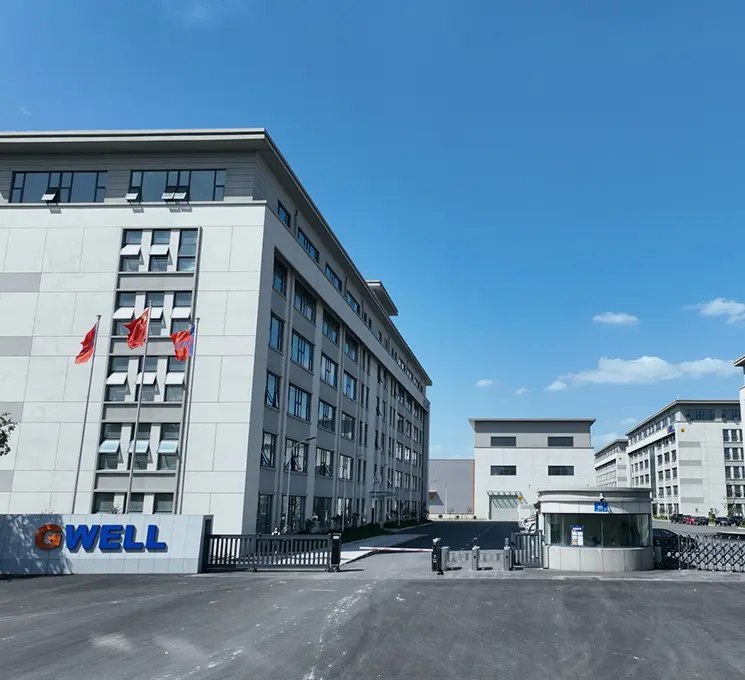
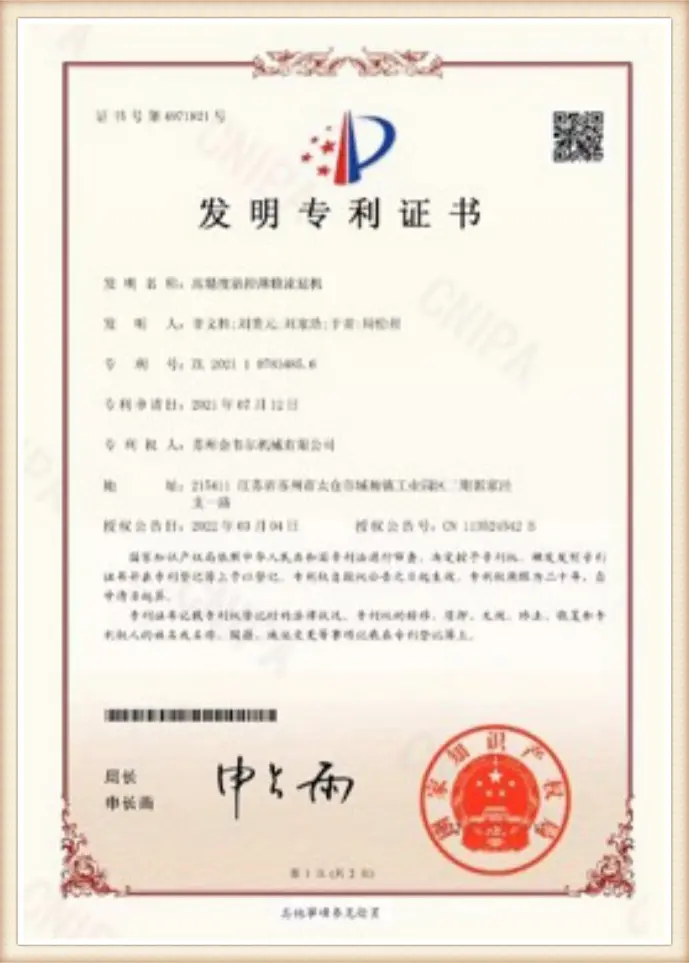
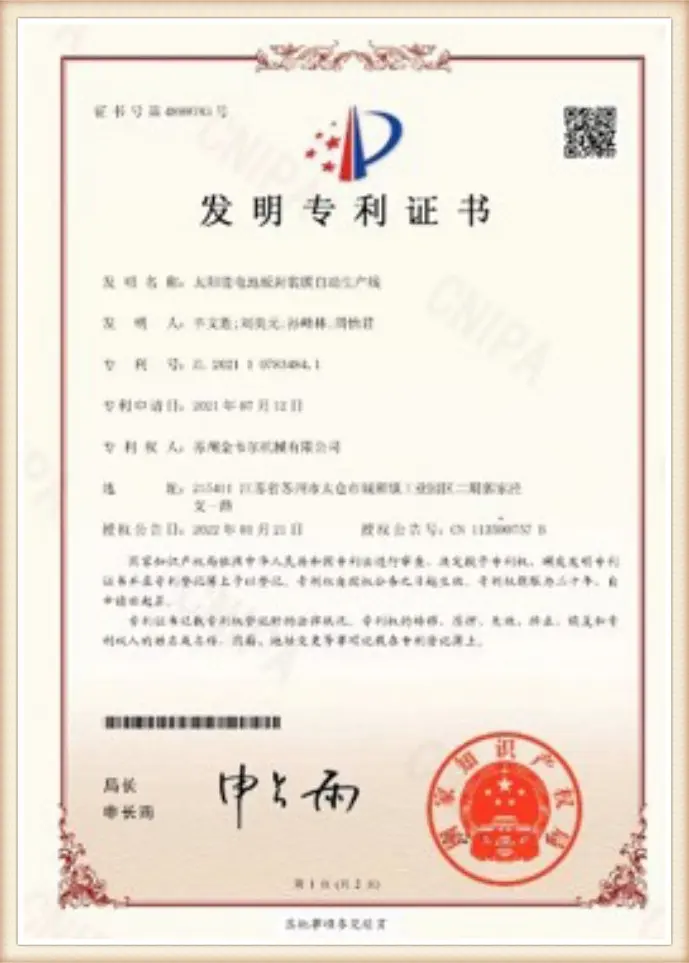
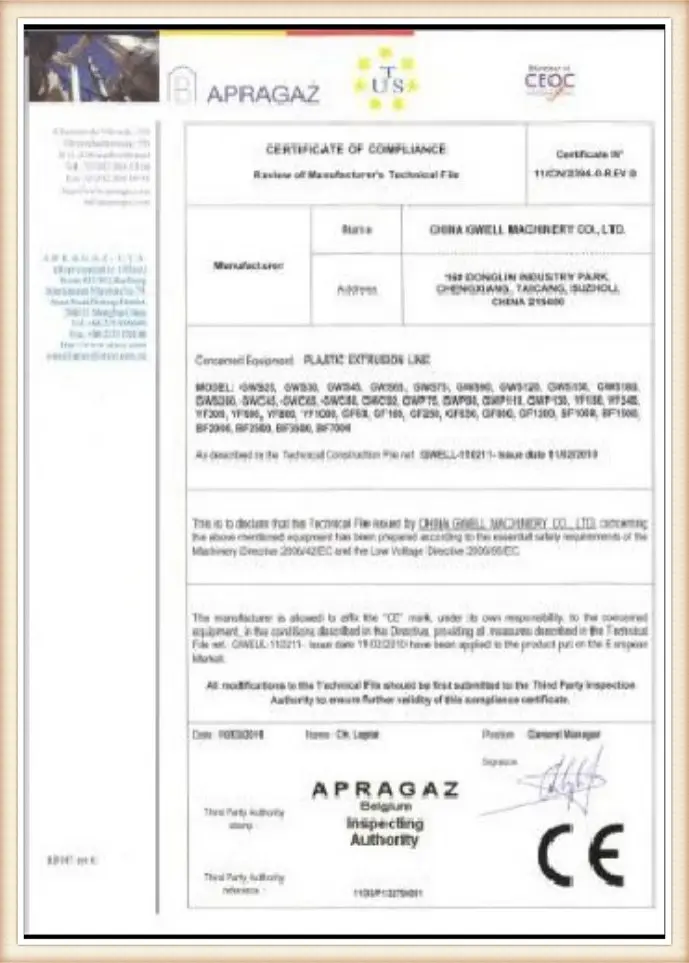
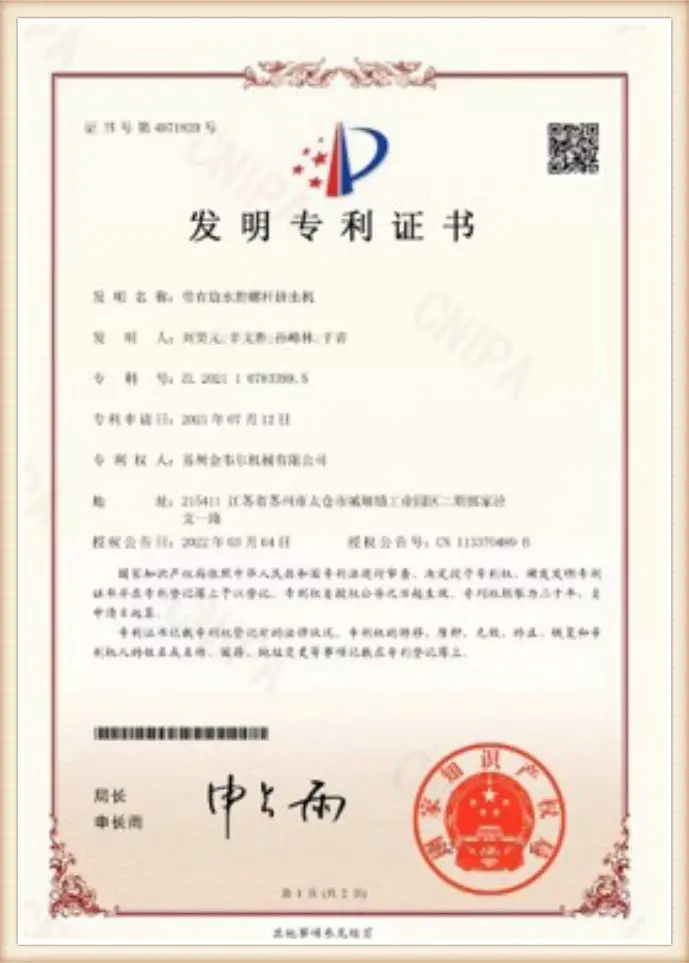
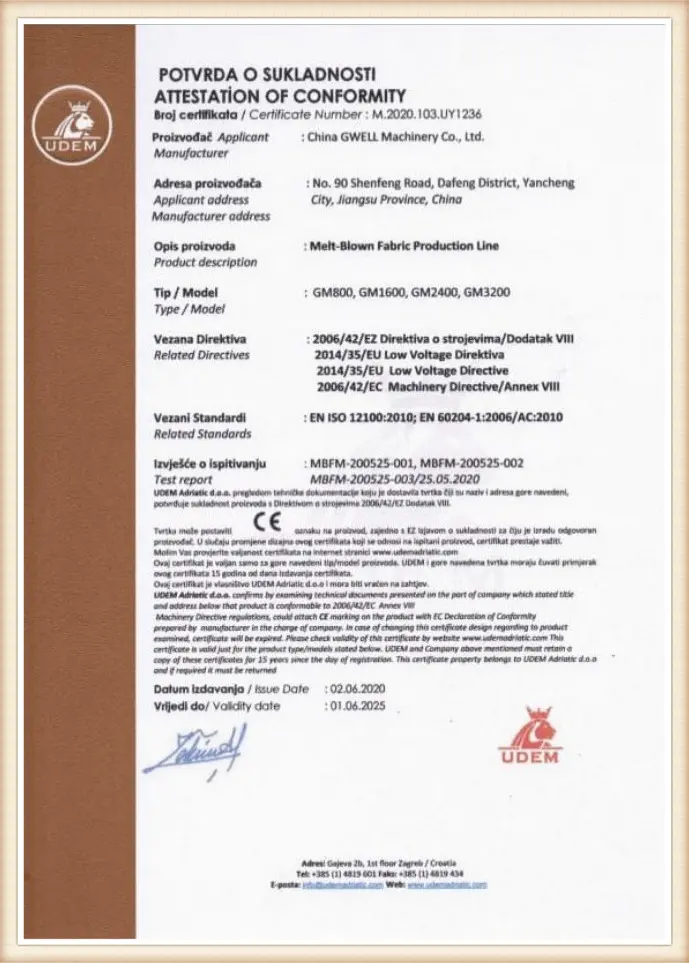
GWELL maintains strict compliance with ISO, CE, and global industrial manufacturing safety frameworks.
The industrial trends driving the next generation of PMMA extrusion machinery.
As polymer engineering enters the digital age, PMMA sheet extrusion lines are evolving past basic thermal controls. Key trends include the integration of AI-driven closed-loop sensor feedback loops, which dynamically adjust die lips based on continuous gauge scanners. By incorporating real-time scanning systems (Beta-ray or X-ray sensors), modern systems can detect sheet thickness deviations and automatically adjust heating elements within the flexible lip die in less than 30 seconds.
Furthermore, sustainability mandates are shifting extrusion technology toward handling higher proportions of Recycled PMMA (R-PMMA). Chemical recycling processes revert acrylic sheets back to PMMA monomers, but mechanical recycling requires machinery capable of handling multi-modal molecular weight distributions. Exporters are designing specialized screw configurations that ensure homogenous mixing of virgin and scrap regrind without compromising optical quality or yellowing indexes.
To meet global carbon reduction goals, GWELL focuses on hybrid drive systems, structural insulation jackets for barrels, and heat recovery circuits. These integrations allow sheet manufacturers to lower energy utilization rates per ton of processed material by up to 22%.
Expert answers addressing PMMA extrusion engineering, logistics, and machine parameters.
Additional advanced polymer processing machinery systems for global exporters.
Integrating global technology brands and scientific research institutions to develop cutting-edge machinery.





Get in touch with GWELL engineers today. Send your detailed thickness, output, and polymer raw material requirements to receive a fast, technical proposal.
Send Inquiry Now