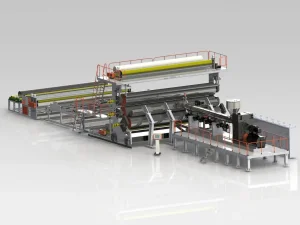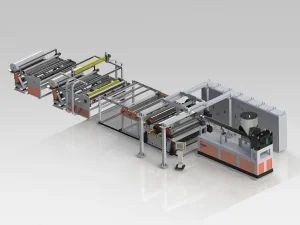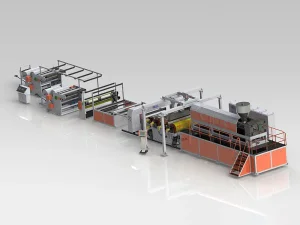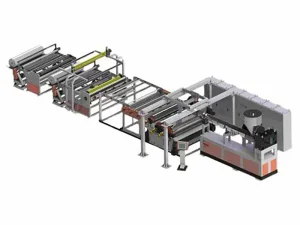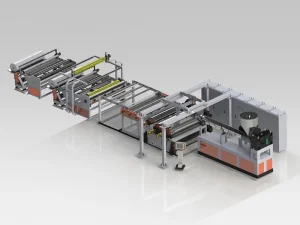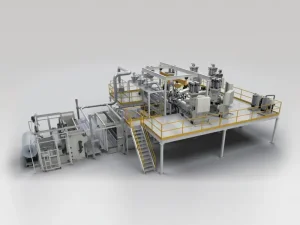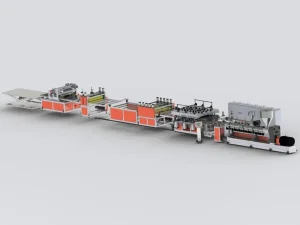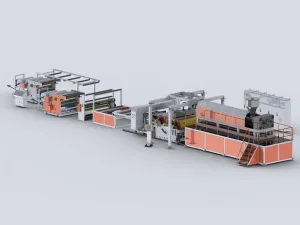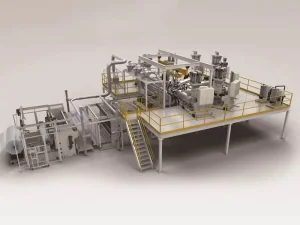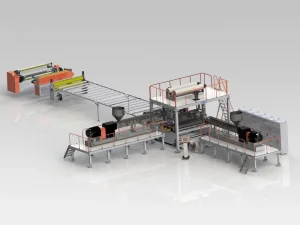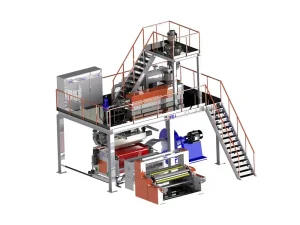
Discover Gwell's premium industrial machinery designed for advanced solar encap, waterproofing membranes, and high-performance casting lines.
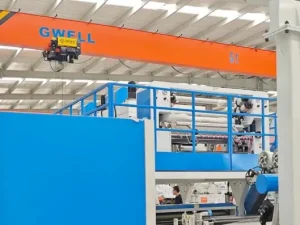
In modern civil engineering, basement waterproofing represents one of the most critical challenges to structural durability. Traditional asphaltic and bitumen-based membranes are increasingly failing to meet the rigorous lifespans demanded by high-profile infrastructure projects, tunnels, and deep-foundation basements. The rise of polymer-based waterproofing solutions—specifically Ethylene Vinyl Acetate (EVA) and modified polyethylene alloys—has revolutionized how factories and waterproofing companies approach moisture barrier design.
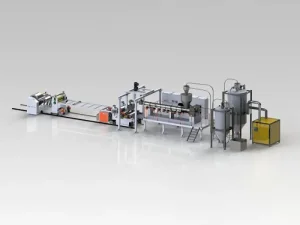
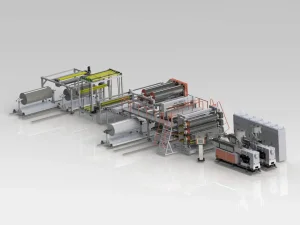
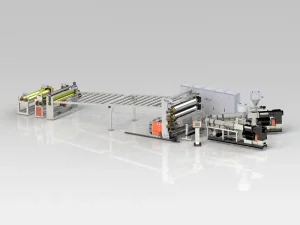
EVA waterproof sheets possess unique morphological properties. By copolymerizing ethylene with vinyl acetate, the material achieves a molecular matrix that combines the mechanical toughness of semi-crystalline polyethylene with the elastomeric flexibility of vinyl acetate. Unlike rigid PVC, EVA does not rely on plasticizers, which inevitably migrate over time, leading to embrittlement, stress cracking, and eventual barrier failure. Gwell's custom EVA waterproof sheet extrusion equipment is meticulously engineered to process these high-viscosity, shear-sensitive copolymers, allowing waterproofing manufacturers to produce sheets with optimized tensile strength, outstanding elongation, and unmatched puncture resistance.
For basement waterproofing factories and infrastructure development companies, investing in custom extrusion equipment is not merely a capital upgrade; it is a strategic maneuver to control raw material quality, customize chemical additives (such as UV stabilizers, flame retardants, and root-barrier agents), and dramatically lower the cost per square meter of finished membrane.
The global demand for high-performance waterproofing systems is experiencing a strong compound annual growth rate (CAGR), driven by rapid urbanization, massive public transit projects, and tightening building regulations. Regions prone to high rainfall, coastal rise, or seismic activity are mandating thick, self-healing polymer membranes for all municipal projects.
Currently, three distinct trends are reshaping the global waterproof sheet market:
Explore Gwell's advanced plastic extrusion machinery categorized by technology type. Our systems are engineered to achieve high throughput and precise thickness tolerance.
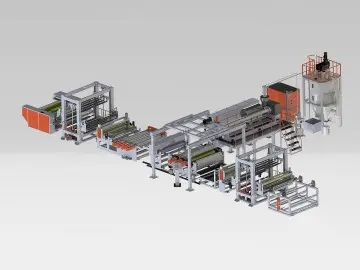
GWELL Machinery Co., Ltd., a leading manufacturer of plastic extrusion lines, proudly presents the ASA Cast Film Extrusion Line with advanced high-weatherability features.
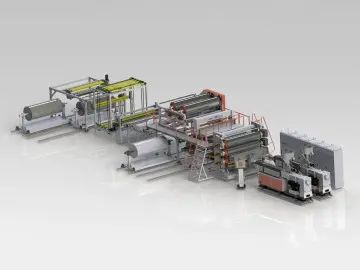
TPU Laminating Film is a type of thin film material made from thermoplastic polyurethane (TPU) offering high adhesion and extreme wear resistance.
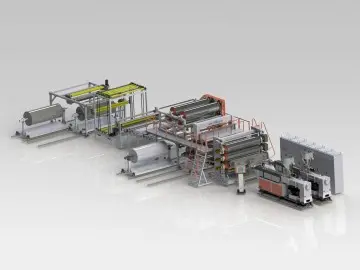
The TPU films produced on GWELL's TPU Film Extrusion Line are versatile and suitable for a wide range of industrial, automotive, and medical fields.
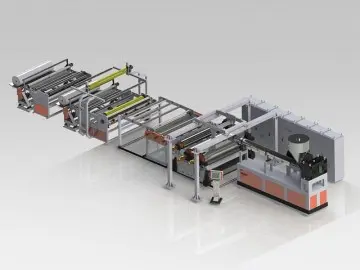
PVDF solar backplane membrane use: PVDF membrane is an alternative to "tedlar" for the production of highly durable solar photovoltaic modules.
GWELL's PVB Wedge Film Extrusion Line represents a significant advancement in the manufacturing of safety and acoustic automotive glass interlayers.
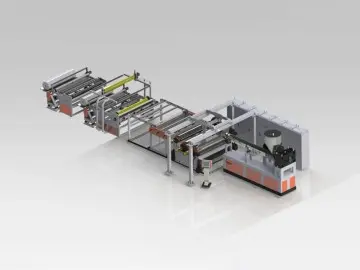
The PVB interlayer film extrusion line from GWELL integrates cutting-edge technology with robust structural integrity for optical film clarity.
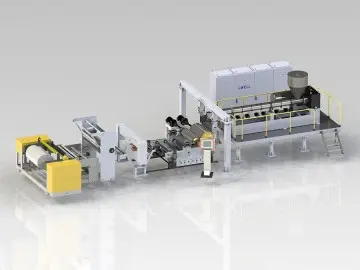
GWELL's PVA Water Soluble Film Extrusion Line is a specialized manufacturing setup tailored for producing biodegradable, water-dissolvable packaging films.
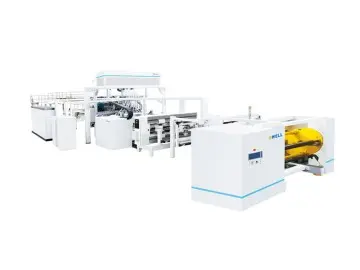
Polyimide (PI) is one of the best performing materials in organic polymer materials, widely utilized in flexible printed circuits and aerospace insulation.
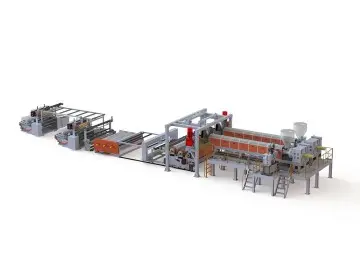
CHINA GWELL, a leading innovator in the field of plastic extrusion technology, proudly presents the high-capacity PEVA Cast Film Extrusion system.
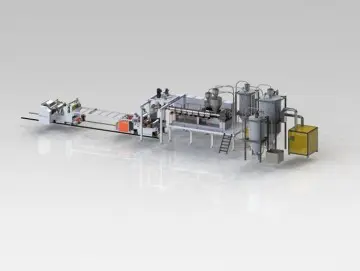
GWELL Machinery, renowned for its expertise in plastic extrusion technology, presents the PETG Decorative Film Extrusion Line with advanced winding controls.
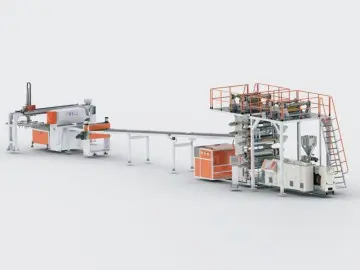
GWELL's WPC and SPC Extrusion Line represents a cutting-edge technological advancement in the production of durable composites.
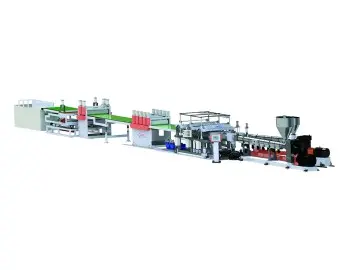
High Production Efficiency: With automated controls and optimized process parameters, the line achieves uniform board density and thickness.
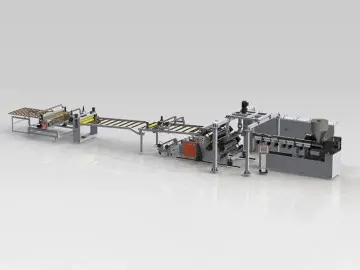
GWELL Machinery Co., Ltd., a renowned manufacturer of intelligent equipment for plastic processing, provides custom fluoroplastic engineering lines.
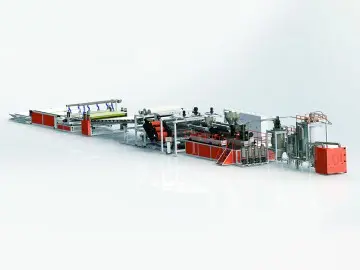
GWELL's PE HDPE Board Extrusion Line is a state-of-the-art production line dedicated to manufacturing heavy-duty industrial plastic sheets.
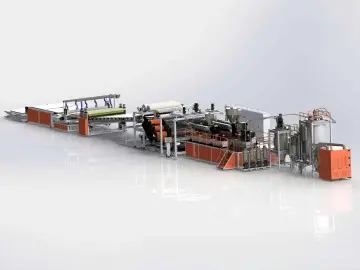
GWELL's PC PMMA Board Extrusion Line is a sophisticated manufacturing system engineered to produce high-clarity sheets for construction.
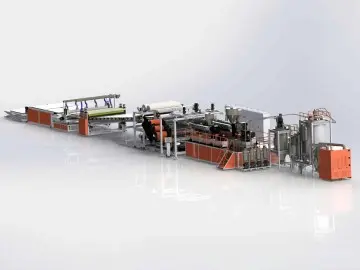
GWELL's GPPS Diffuser Plate Machine is a highly advanced and efficient equipment designed for optical-grade backlighting panels.
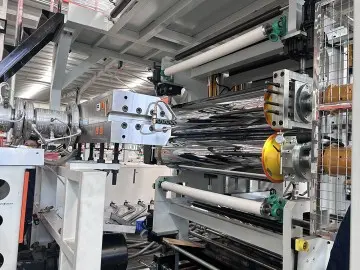
GWELL's advanced composite line designed for specialized engineering applications requiring high-temperature graphite binding.
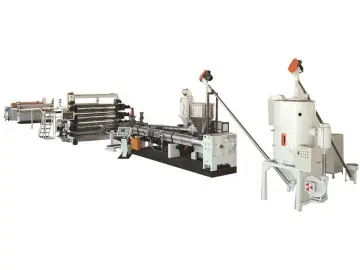
GWELL's ABS Icebox Board Extrusion Line is a specialized production line designed to manufacture thermoformable refrigerator liners.
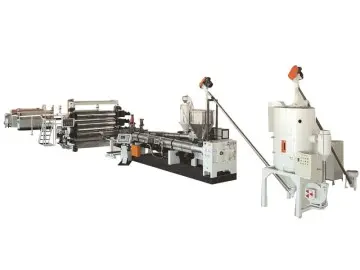
GWELL's ABS, HIPS, and GPPS Sheet Extrusion Line represents a cutting-edge solution in the plastics packaging and forming market.
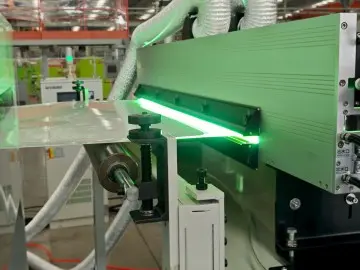
PCT/PCTG sheet is a high-performance transparent copolyester material that combines the rigidity of PC with easy processability.
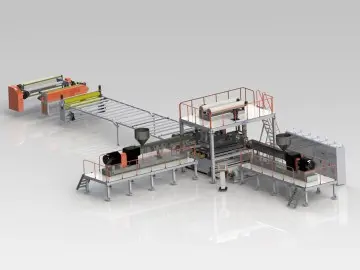
TPO (Thermoplastic Olefin) and TPE (Thermoplastic Elastomer) Sheets are innovative materials with wide application in automotive interiors.
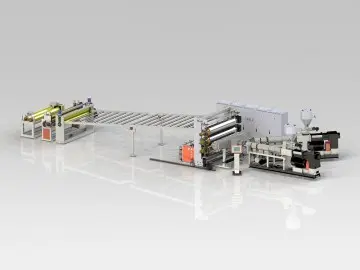
GWELL Machinery Co., Ltd., a leading manufacturer in the field of plastic extrusion lines, proudly presents its optical-grade PVC systems.
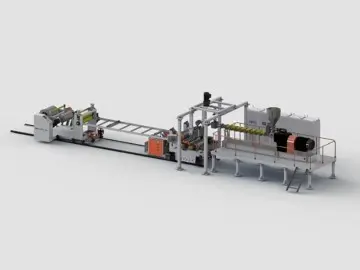
GWELL's PP Two-Tone Sheet Extrusion Line is a state-of-the-art manufacturing system designed specifically for stationery and folder sheets.
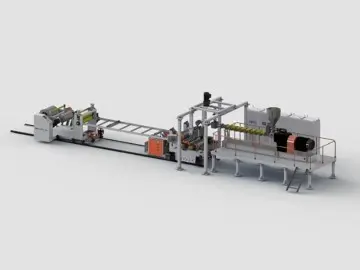
The PP PS Sheet Extrusion Line manufactured by GWELL utilizes advanced extrusion technology to feed thermoforming operations.
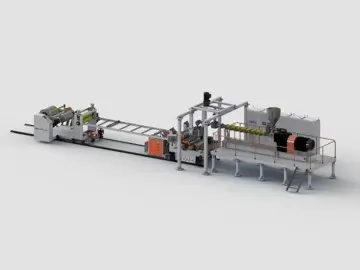
PLA Degradable Sheet, short for Polylactic Acid Degradable Sheet, represents a sustainable, biodegradable plastic alternative.
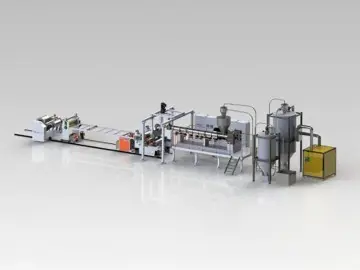
GWELL, a leading manufacturer in the field of plastics processing equipment, proudly presents its high-capacity food-grade sheet lines.
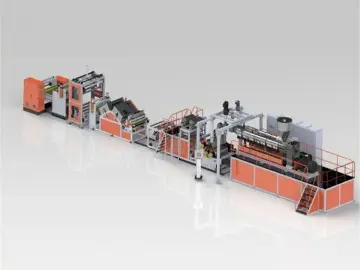
GWELL's PCL Sheet Extrusion Line is a state-of-the-art manufacturing system designed for the efficient production of medical-grade casting sheets.
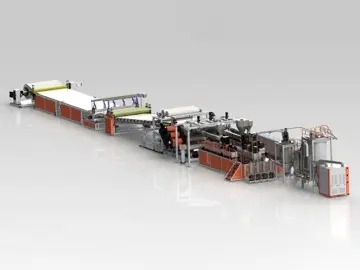
The GWELL PC PMMA Optic Sheet Extrusion Line represents a cutting-edge manufacturing solution developed for cleanroom environments.
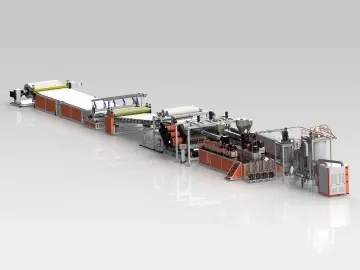
The machine is equipped with precision calibration and flame retardant dosing controls that ensure consistent formulation distribution.
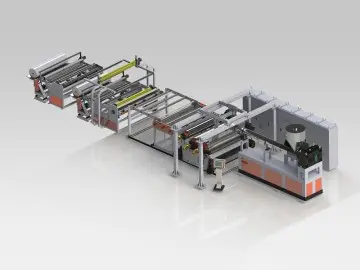
GWELL is proud to present its state-of-the-art SGP Solar Film Extrusion Line, designed to meet the growing demand for laminated safety glass.
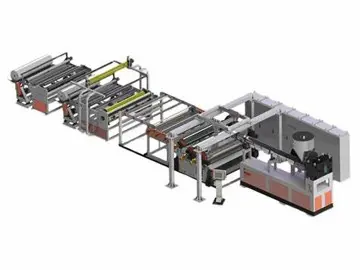
GWELL PVE Film Extrusion Line: A Premier Solution for Solar Encapsulation featuring low thermal shrinkage and high crosslinking efficiency.
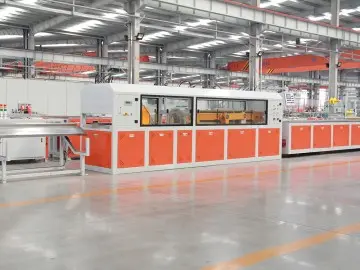
The extrusion line is equipped with precision machinery and advanced control systems to ensure exact profile geometry for solar frames.
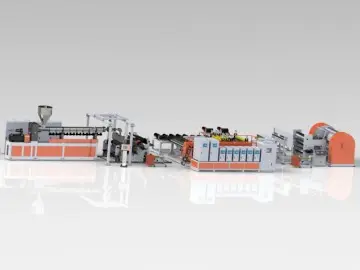
GWELL's Hydrogen Energy PPS (Polyphenylene Sulfide) Separator Extrusion Line is a highly specialized line targeting clean-energy battery systems.
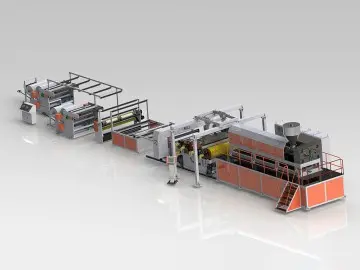
GWELL's EVA/POE Solar Film Extrusion Line is a cutting-edge manufacturing solution tailored for photovoltaic encapsulation films.
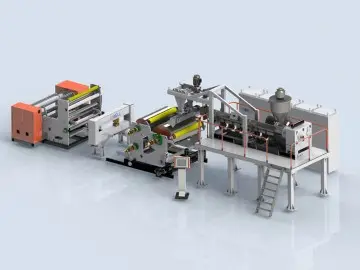
Core Features of GWELL's EVA/POE Encapsulation Film Extrusion Line: High-Efficiency Extrusion screw, anti-shrinkage cooling system, and auto-winder.
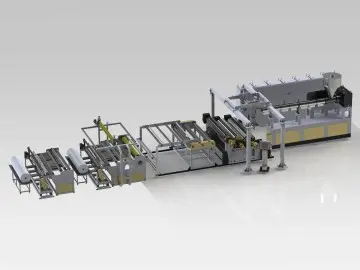
GWELL's EPE (Expanded Polyethylene) Solar Film Extrusion Line is a state-of-the-art manufacturing line targeting high-durability backing panels.
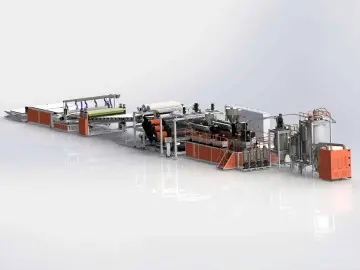
GWELL's BIPV PVB photovoltaic film production line is designed for the production of PVB films used in building-integrated photovoltaics.
The extrusion of Ethylene Vinyl Acetate (EVA) requires absolute control over melt temperature, shear rate, and residence time. If the temperature exceeds critical limits, EVA begins to degrade thermally, releasing acetic acid. This acid is highly corrosive to machine steel and ruins the physical properties of the sheet. Gwell’s engineering team has optimized our custom extrusion machinery with key proprietary technologies:
For factories that manufacture pre-applied waterproofing membranes (which adhere physically and chemically to concrete), our lines feature integrated compounding stations. These feed non-woven fabrics, release liners, or adhesive layers directly into the calender nip, creating a composite membrane in a single pass. This dramatically reduces handling steps and lowers operational overhead.
Waterproofing requirements vary widely depending on regional geology, regulatory codes, and construction methods. A factory exporting membranes to North America faces different requirements than one supplying infrastructure projects in East Asia or Western Europe.
North America (ASTM Standards): Focuses heavily on vapor barriers for crawlspaces and commercial foundations. Specifications call for thick sheets (up to 2.0mm or 80 mil) with extreme puncture resistance (ASTM D1709). Gwell’s custom extrusion lines allow manufacturers to easily adjust raw material blends to incorporate metallocene PE or plastomers, yielding high dart-impact resistance.
Western Europe (EN 13967 / DIN 18533): Demands highly reliable, multi-layer co-extruded membranes with signal layers to identify installation damage. Europe’s green building regulations also require minimum recycled content, which requires extrusion screws capable of processing post-consumer recyclate without sacrificing barrier integrity.
Asia-Pacific (High-Speed Rail & Metro Tunnels): Requires exceptionally wide sheets (typically 3 to 4 meters) to reduce the number of welded joints in tunnel arches. Gwell specializes in manufacturing wide-format T-dies up to 4000mm, with automatic winders and inline slitting units that guarantee consistent roll winding tension.
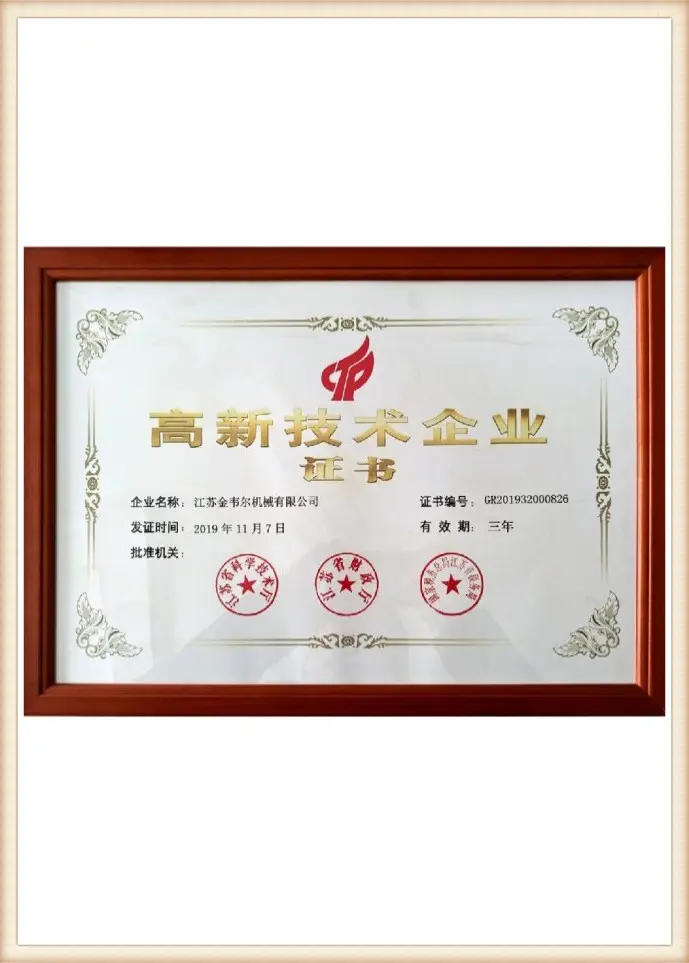
China GWELL Machinery is a high-tech enterprise dedicating to the manufacture of plastic extrusion lines for Film, Sheet and Profile. Relying on the powerful technology and equipment of the group and a spirit of continuous innovation, GWELL commits to the development of high-tech products and the international market. “Expertise creates customers’ values” has always been the company’s core operating philosophy.
Gwell is widely recognized for our research and development capabilities, precision machining, and comprehensive customer support. Our systems are exported to over 30 countries and regions globally, supported by a network of field service engineers and remote diagnostics.
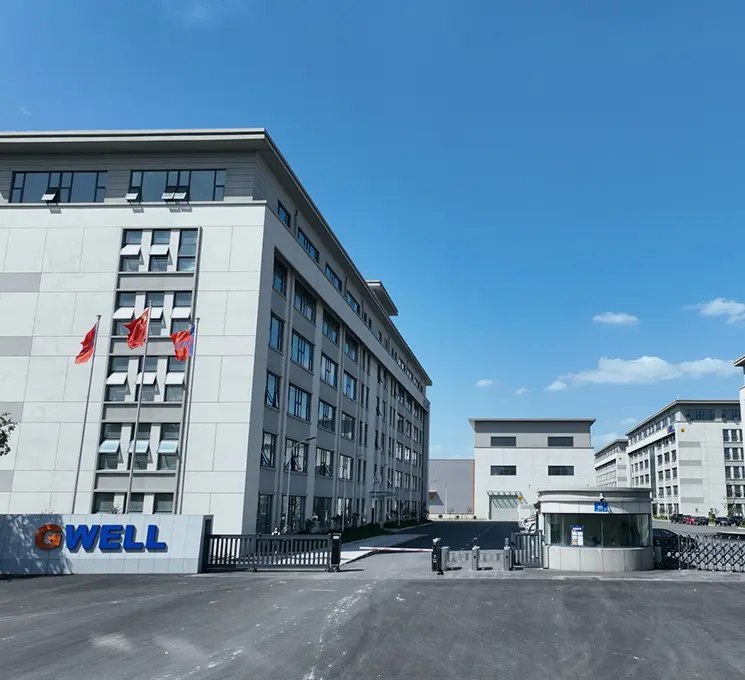

We collaborate with top universities and research institutes to design and build high-tech plastic processing machinery.

We provide end-to-end, high-quality engineering services, from raw material formulation analysis to global on-site commissioning.

With three major manufacturing bases, we maintain an annual production capacity of over 1000 extrusion lines.

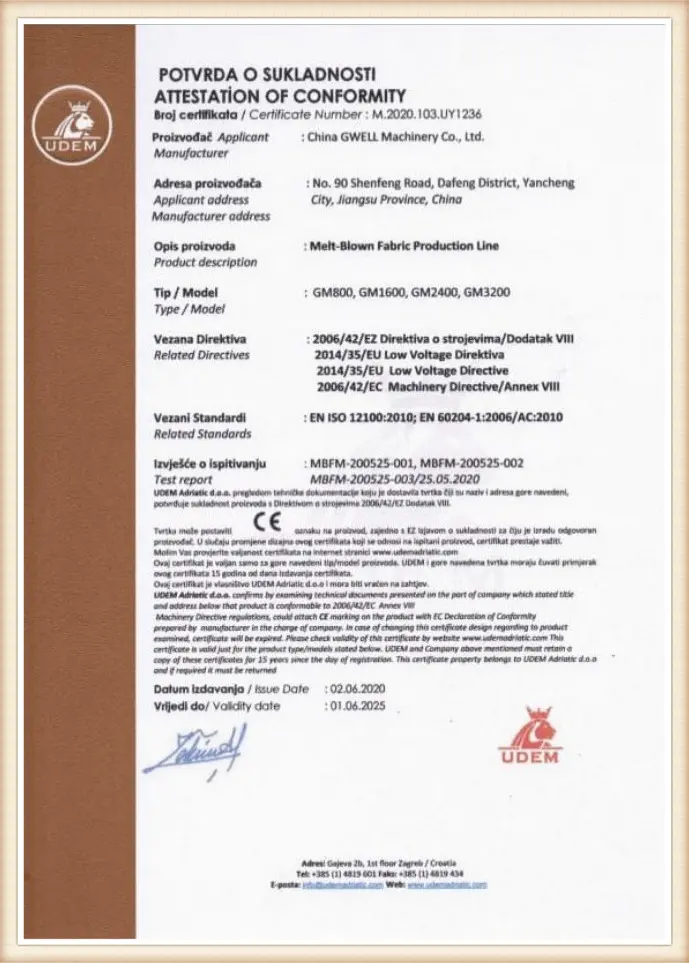
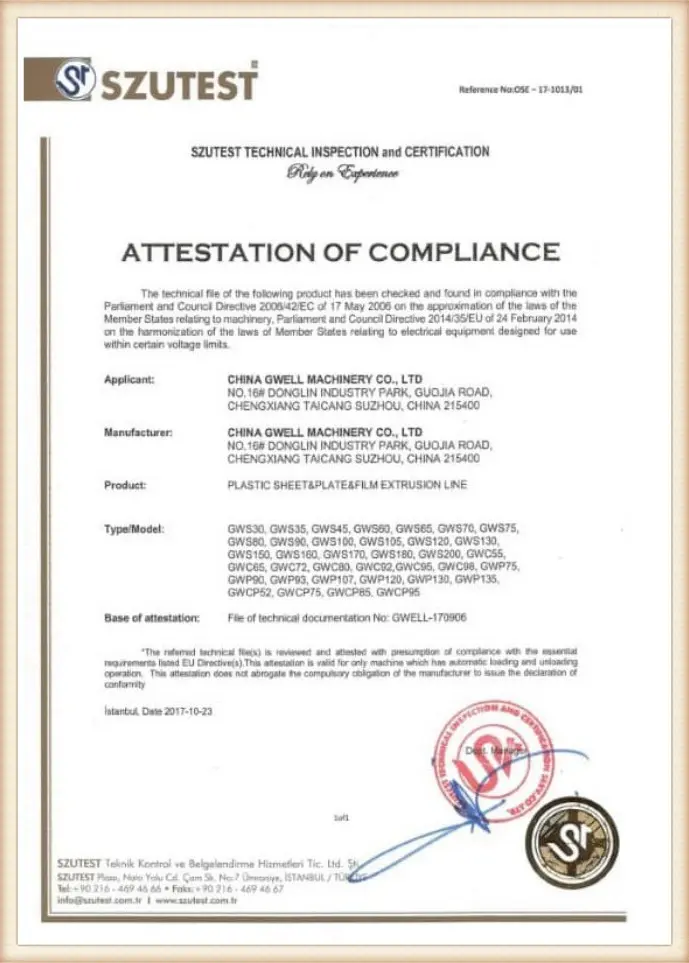
Our machinery is installed and operating reliably in dozens of countries worldwide, meeting diverse regulatory codes.

Our team of 500 employees features over 100 experienced machinery and polymer process engineers.
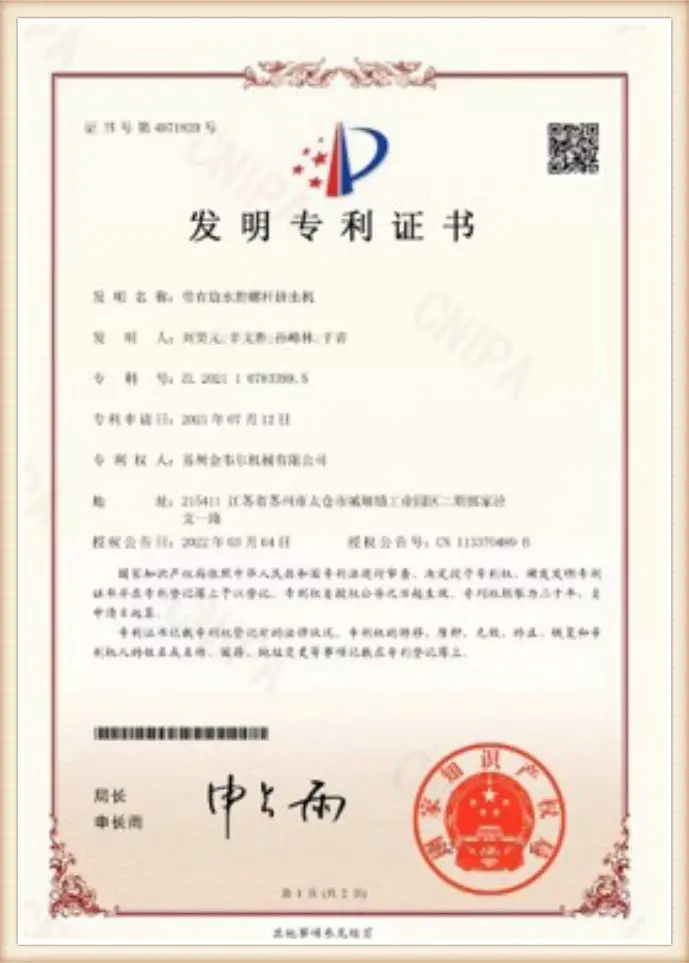
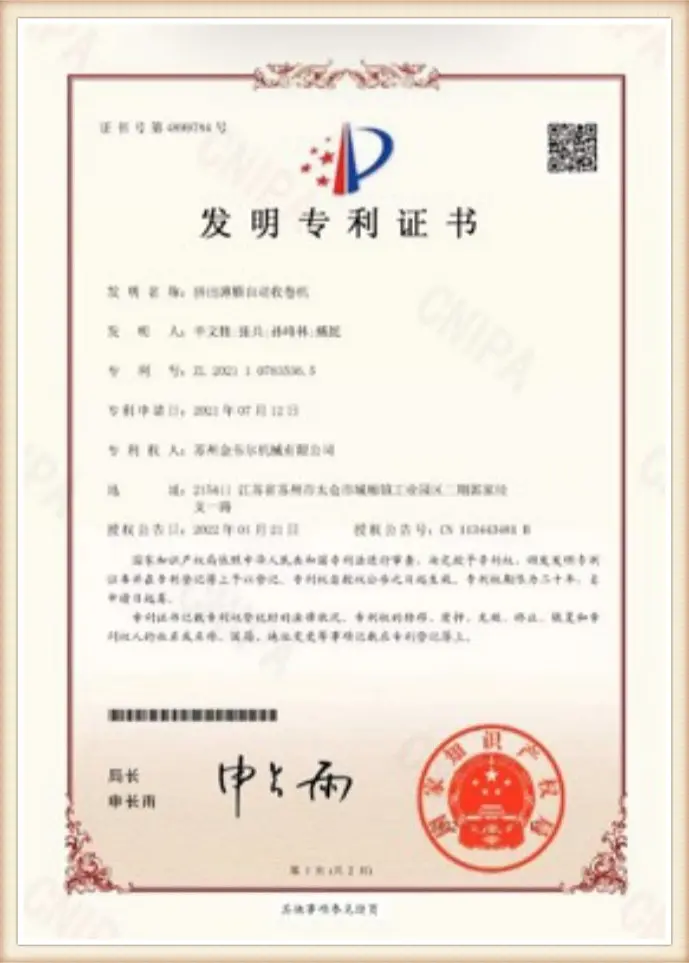
Our machinery is manufactured to meet rigorous international standards for safety and operational quality.
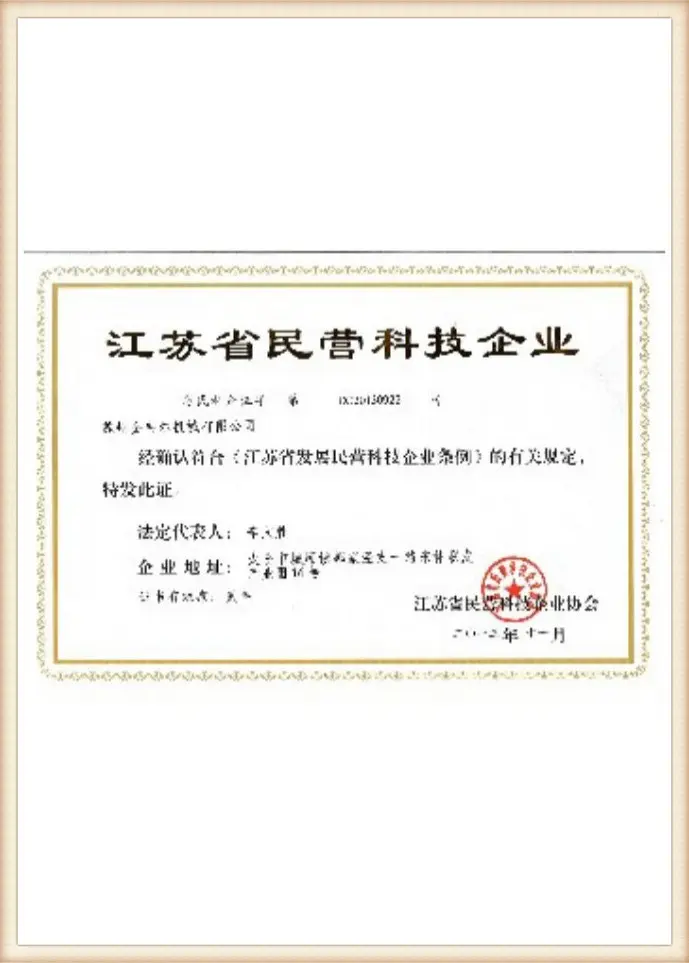

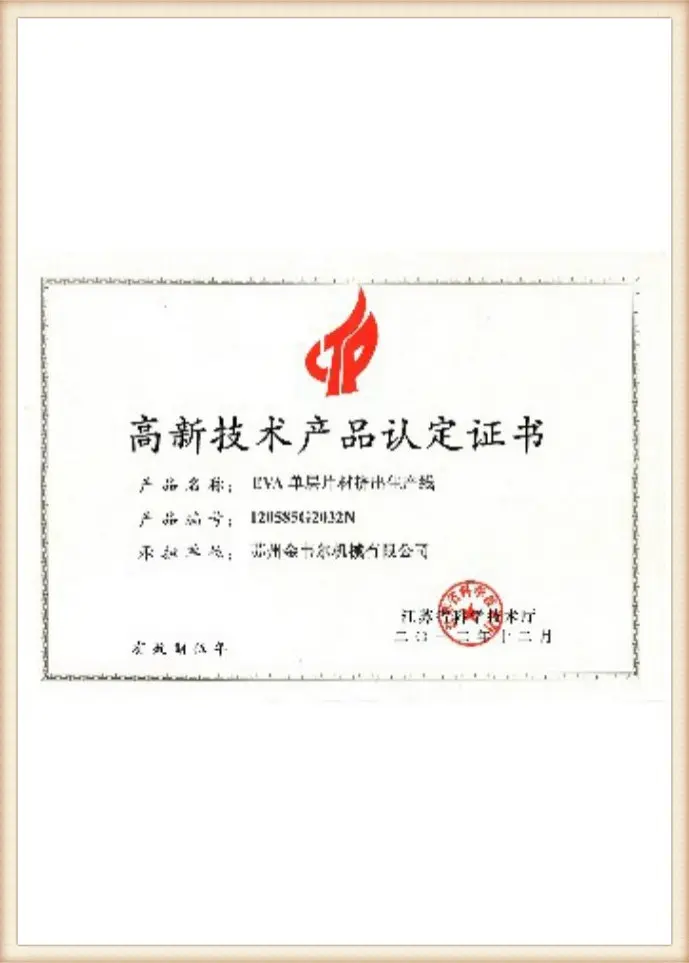
As industrial manufacturing moves toward Industry 4.0, Gwell is leading the development of smart, connected polymer extrusion equipment. The engineering roadmap for our custom EVA waterproofing membrane lines focuses on three core pillars:
By pairing non-contact radiometric or ultrasonic thickness sensors with thermal expansion bolts in the T-die, our systems automatically adjust the local die lip gap. If the sensor detects a thin section, the control computer adjusts the heating power in the corresponding die bolt, expanding or contracting it to regulate plastic flow. This system limits thickness variance to less than 1% across the entire width of the sheet.
To produce high-quality EVA sheets, base polymer resins must be blended with carbon black, antioxidants, UV absorbers, and process stabilizers. Gwell’s lines utilize continuous loss-in-weight gravimetric dosing units to ensure that feed rates remain consistent, even if the bulk density of recycled materials or masterbatches varies during production.
Extruding large quantities of polymer requires significant energy. Gwell utilizes high-efficiency water-cooled AC motors, ceramic heater bands with integrated air cooling, and energy-recovery heat exchangers in the calender tempering loop. These design improvements reduce energy consumption (kWh per ton of product) by up to 20% compared to legacy designs.
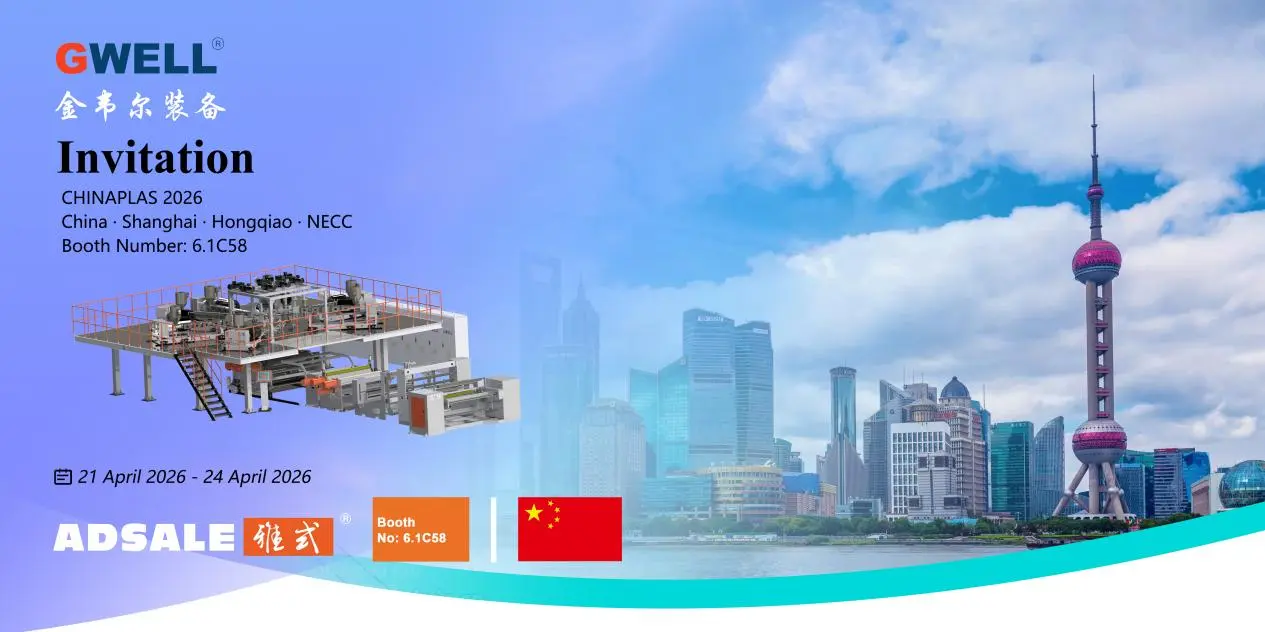
Join Gwell at our upcoming international plastics tradeshow, where we will showcase our latest high-speed casting and sheet extrusion machinery designs.
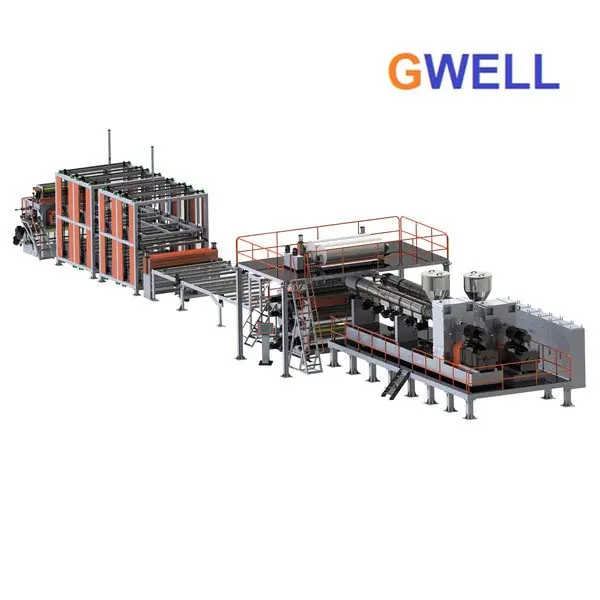
We have launched a new POE-based synthetic leather composite extrusion line, offering an eco-friendly alternative to PVC synthetic leather.
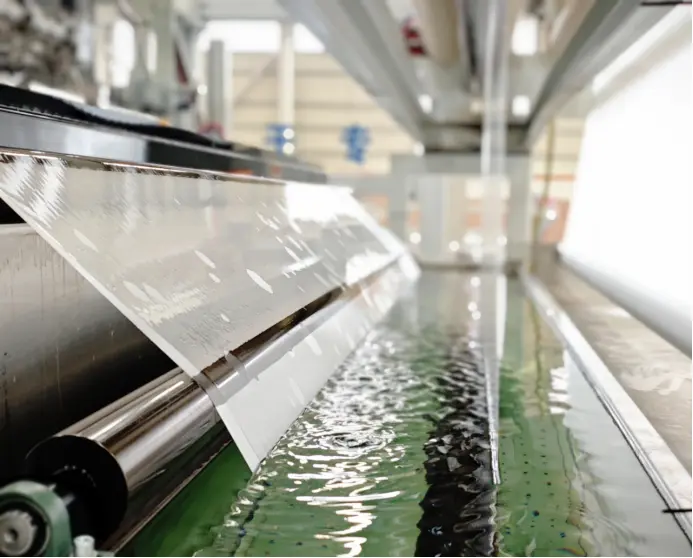
The GWELL PVB wedge-shaped film production line, with "high precision, high efficiency and high compatibility" as its core design, has successfully launched.
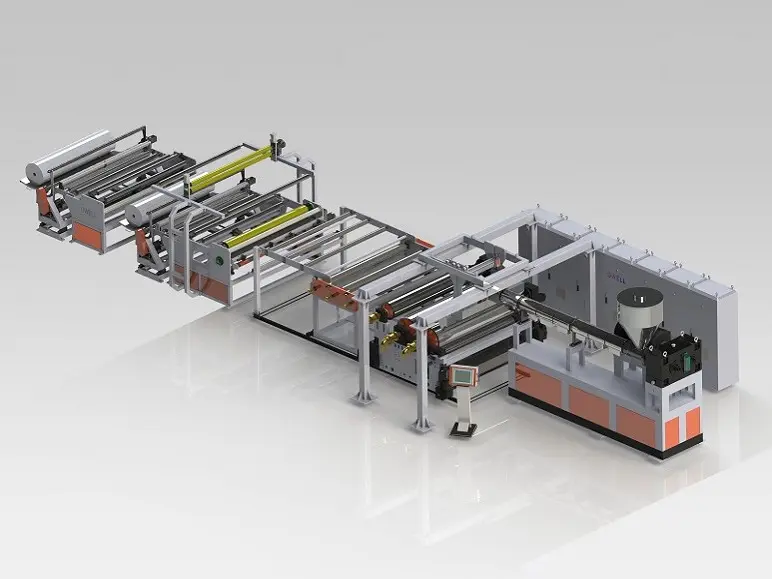
Our newly designed PETG Decorative Film Extrusion Line offers excellent thermoforming properties and chemical resistance for interior design applications.
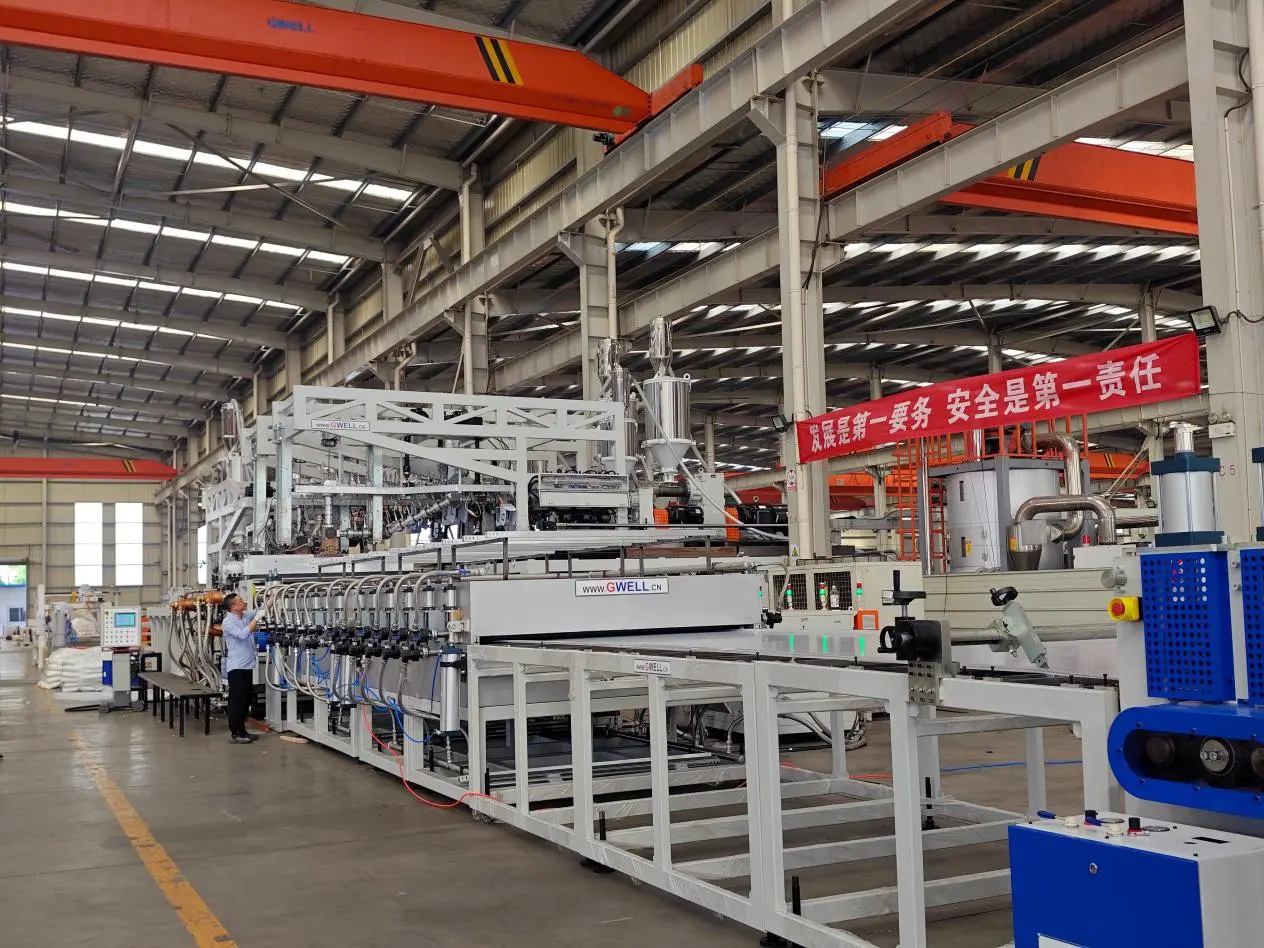
GWELL, a leading innovator in the field of advanced materials, proudly presents its high-efficiency PP Honeycomb Board Extrusion Line.
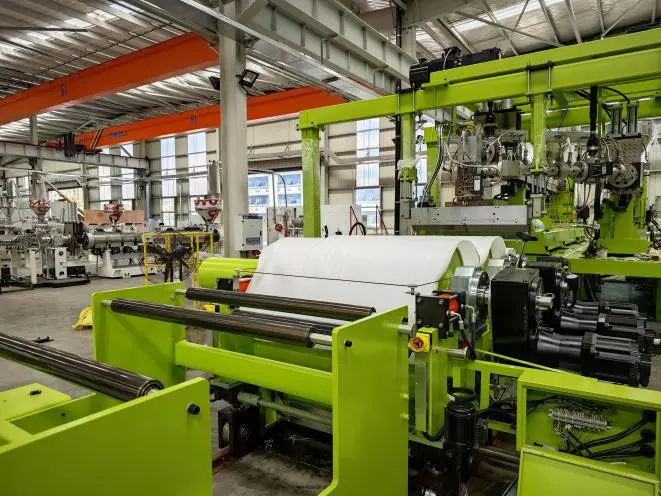
These companies are some of our PET/PLA customers. They have established a long-term friendly cooperative relationship with Gwell.
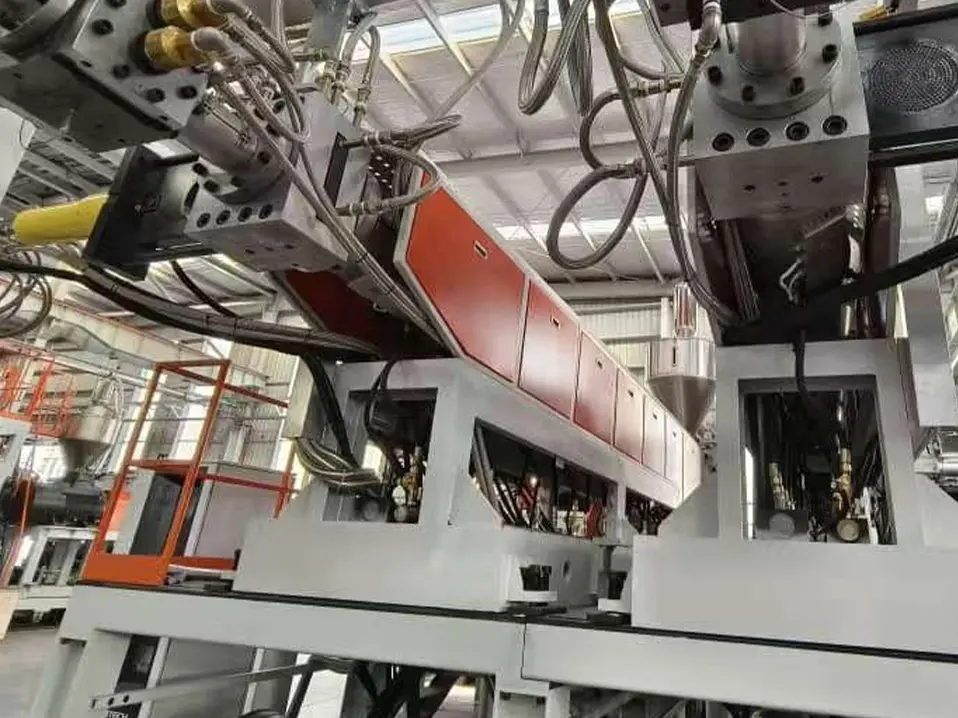
The EVA film, used in solar cell encapsulation, undergoes lamination and curing to ensure long-term adhesion and moisture sealing.

Technical answers regarding custom EVA waterproof sheet extrusion equipment for factory managers and procurement directors.
GWELL's R&D capability, precision machining expertise, and customizable polymer extrusion configurations are recognized worldwide. Reach out to our technical team today to design a line tailored to your specific application requirements.
Discover our heavy-duty industrial systems engineered for packaging, composite structures, solar film, and flame-retardant sheeting.