
Explore our state-of-the-art polymer process systems engineered to meet international precision and output requirements.
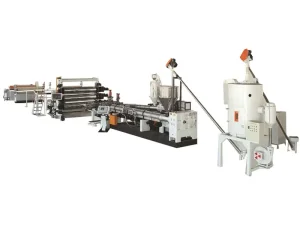
Specialized co-extrusion line designed for refrigerator lining applications, ensuring uniform sheet thickness and optimized thermoforming properties.
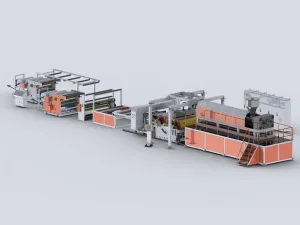
Engineered for ecological synthetic leather, combining TPU/TPE matrices with textile backing substrates in a continuous lamination loop.
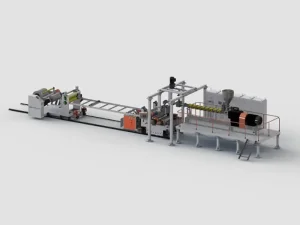
High-speed production systems designed for thermoformable packaging materials with multi-layer barrier co-extrusion capabilities.
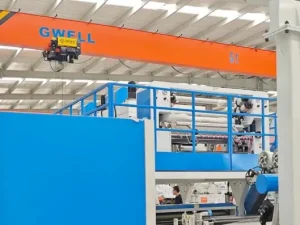
Designed for eco-friendly meal boxes, cups, and bowl covers utilizing dynamic dehumidification crystallization systems.
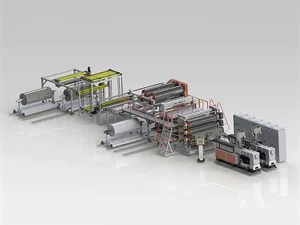
High-precision optical cast film line specialized in aliphatic TPU paint protection films featuring self-healing matrix control.
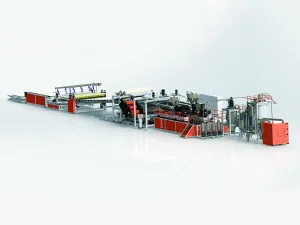
Heavy-duty industrial sheet lines featuring stress-relieving technology for thick PE/HDPE engineered plastic sheets.
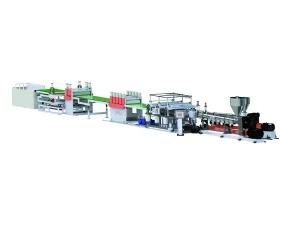
Engineered for lightweight, high-strength structural concrete formwork boards, offering excellent reusable lifecycles.
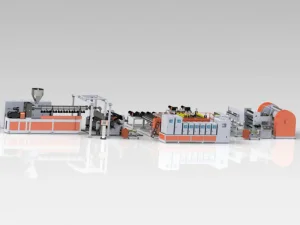
Specialized separator membrane plant tailored for alkaline water electrolysis hydrogen generation projects.
Polyvinyl Butyral (PVB) is the industry standard for safety glass interlayers. However, as modern infrastructure designs pivot toward energy conservation and reduced cooling loads, standard PVB is no longer sufficient. Custom Thermal Insulation PVB Film Extrusion represents the vanguard of functionalized polymer film technology, introducing nanoparticle dispersions that selectively filter out solar heat without compromising optical transparency.
This process demands ultra-high raw material purity, precise shear temperature management, and continuous, tension-free winding. GWELL Machinery is at the forefront of this evolution, designing custom extrusion lines that compound and extrude functional PVB films with industry-leading physical properties.
Standard architectural glazing accounts for up to 30% of building energy losses. By optimizing the PVB interlayer's optical transmittance curve, we block 99% of UV rays and over 85% of infrared (IR) radiation. This is achieved by compounding ATO (Antimony Tin Oxide) or ITO (Indium Tin Oxide) nanoparticles directly into the resin melt prior to cast sheet extrusion.
The formulation and thermal processing window of PVB require a system that maintains exact melt pump delivery. Below are the key engineering metrics Gwell ensures during manufacturing:
Our custom single-screw and co-rotating twin-screw extruders feature a 32:1 to 36:1 L/D ratio. This ensures uniform dispersion of heat-blocking additives and plasticizers (like 3G8) without inducing polymer shear degradation.
Integrated melt pumps and automated slot-die systems maintain a melt pressure fluctuation tolerance of < 0.5 MPa. This maintains cross-directional film thickness deviations within ±0.01 mm.
The extrusion system includes custom-structured metal embossing rolls. These transfer custom micro-patterns (such as diamond or pyramidal layouts) onto the PVB film surface to facilitate air evacuation during glass lamination.
Navigating global supply chain volatility requires equipment suppliers with deep vertical integration. China GWELL Machinery operates three massive production bases covering over 866,000 m². This industrial footprint enables Gwell to maintain full structural control over mechanical fabricating, control system integration, and chemical compounding configurations.
By leveraging local material channels (such as high-grade PVA resin and plasticizer complexes) and combining them with European precision control components, GWELL machinery balances technological superiority with capital expenditure optimization.
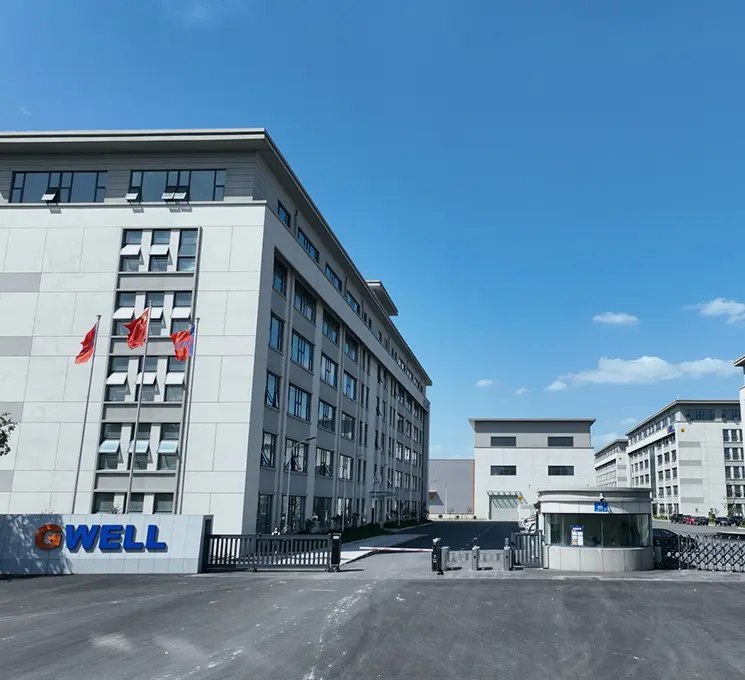
Global Production Bases
Total Square Meters Area
Highly Skilled Engineers & Employees
Annual Extrusion Line Output
For global glass manufacturers, equipment uptime and compliance are critical. Modern processing requires adherence to international safety glass standards, including ECE R43 (European Automotive Glazing), ANSI Z26.1 (US Standard), and EN 14449 (European Architectural Glass). GWELL designs its PVB extrusion machinery to meet and exceed these specifications.
Our electrical cabinetry, heat zones, and dynamic drives can be configured to comply with CE, UL, or CSA standards. This simplifies structural audits and insurance compliance in North American and European territories.
Every custom extrusion system features Siemens PLC automation integrated with dynamic cloud gateways. Gwell's engineering team can perform real-time diagnostic checks, fine-tune temperature profiles, and debug PLC logic remotely.
With field technicians stationed across multiple target markets, we provide local physical support, equipment installation, calibration, and personnel training protocols.
Why Tier-1 architectural and automotive component companies choose GWELL as their extrusion technology partner.

Collaborative development networks alongside prestigious universities and research institutes for customized polymer configurations.

Full lifecycle design support, from material formulation chemistry consulting to global installation and maintenance programs.

Three heavy-manufacturing complexes outputting over 1,000 advanced extrusion systems annually to global partners.

Extrusion plants operating in over 60 countries, satisfying strict architectural and automotive glass standards.

Over 100 dedicated R&D mechanical and electrical design engineers delivering process precision customization.
We test every production line before shipping to verify thermal control, output rate, and product quality parameters.
The demand for PVB interlayers is changing due to architectural innovation and automotive advancements. Understanding these shifts helps ensure that purchasing capital equipment today yields long-term production capability.
Modern smart cockpits require integrated Head-Up Displays. Standard flat PVB film creates a double-image effect when projecting onto windshields. Gwell’s PVB Wedge Film Extrusion Lines utilize dynamic automatic T-die adjustments to create a precise wedge-shaped thickness profile across the cross-section. This resolves image doubling and provides clear optical HUD projection.
To reduce both cabin noise and air conditioning loads, manufacturers are shifting toward multi-layer (3-layer or 5-layer) co-extrusion. This structure features alternating standard PVB outer layers for mechanical strength and adhesion, with highly plasticized damping PVB and IR-blocking inner cores. This combination provides excellent safety performance, thermal resistance, and acoustic insulation.
Maintaining QA standards across all processing systems. Contact GWELL for full verification documents.
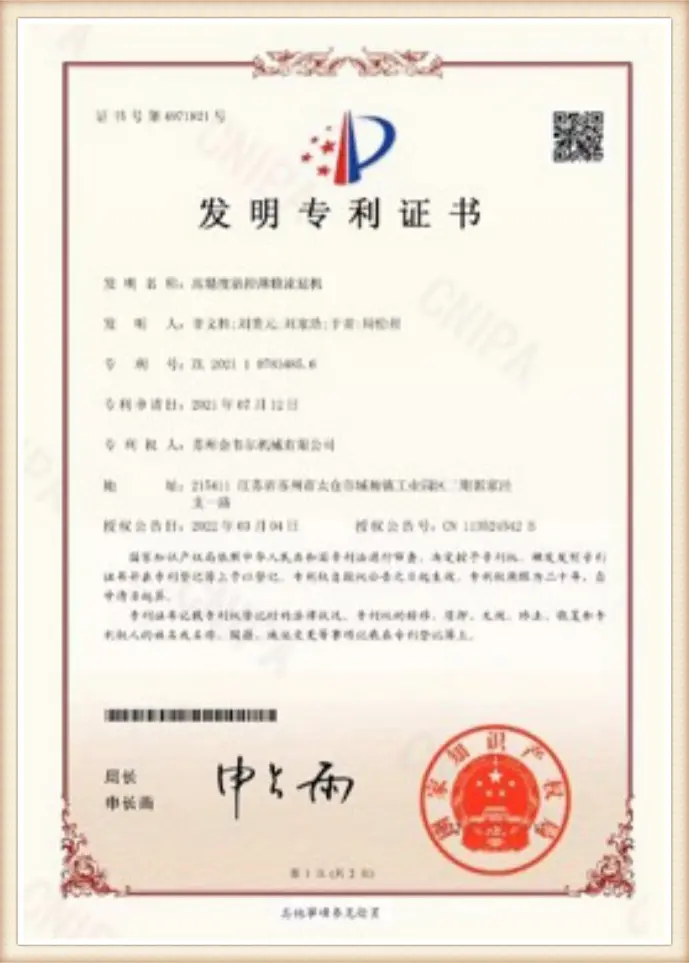
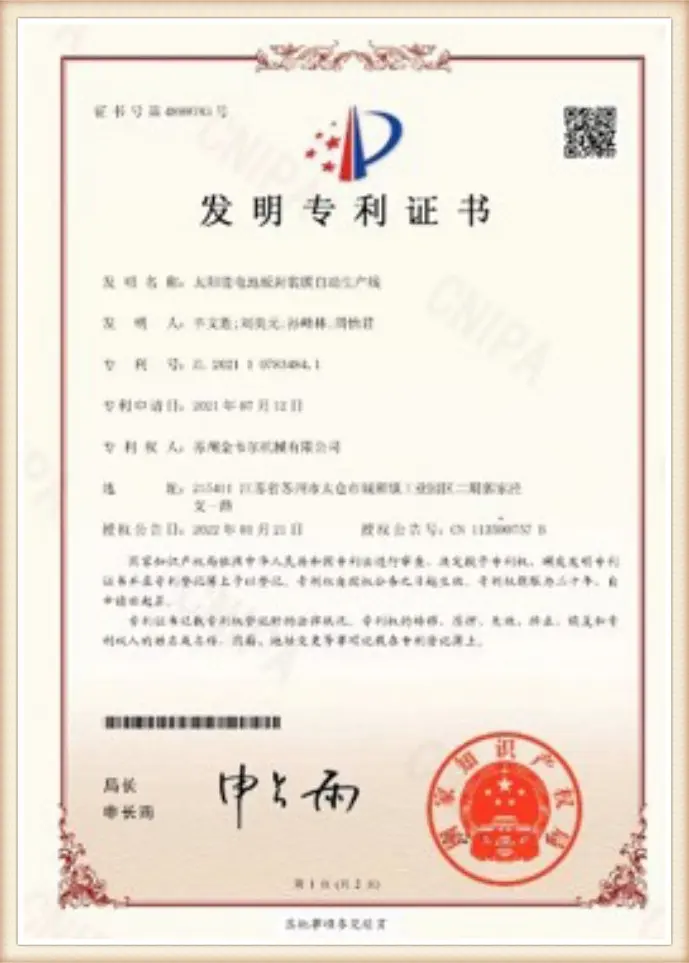
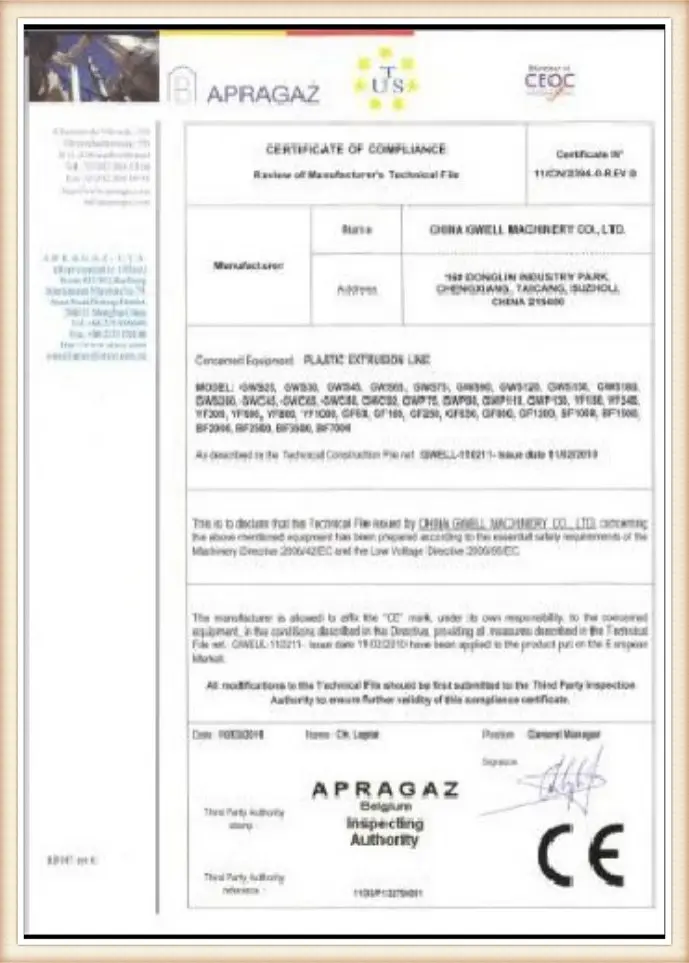
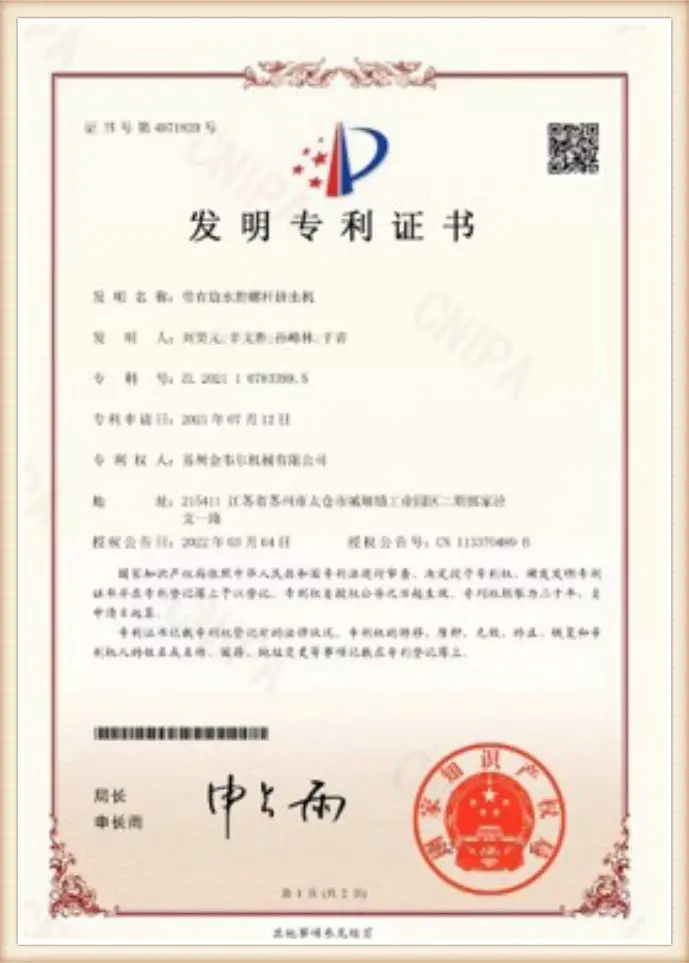
Answers to common technical and operational questions from global procurement and process engineers.
Explore our range of cast film, waterproof sheet, and solar encapsulation extrusion lines built for global supply chains.
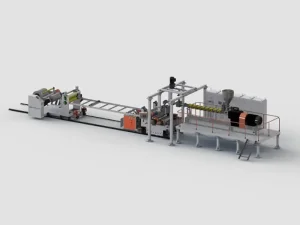
Designed for multi-colored stationary and structural sheets, utilizing dual-flow distributor blocks to ensure distinct layer margins.
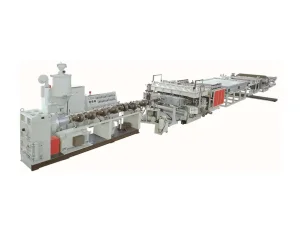
Specialized sheet lines designed for UV-stabilized hollow architectural panels with lightweight, high-insulation profiles.
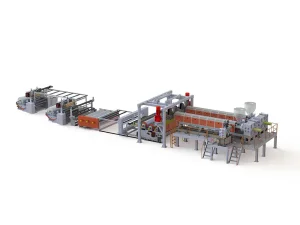
Engineered to produce high-transparency, soft PEVA film matrices for household and medical packaging applications.
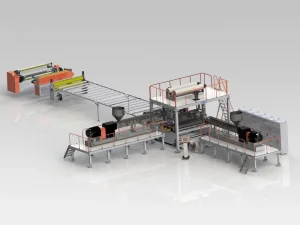
Designed for heavy duty commercial roofing systems, featuring internal reinforcement mesh lamination assemblies.
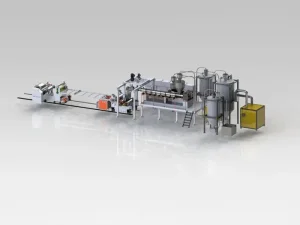
High gloss decorative veneer line producing PETG films with excellent thermoforming and scratch-resistant properties.
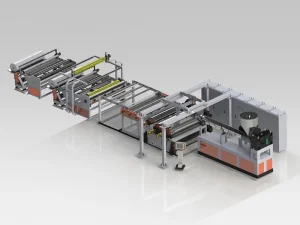
Designed for solar backplane membranes and chemical-resistant structural sheet linings using PVDF fluoropolymer systems.
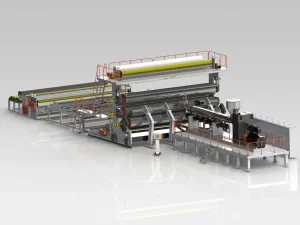
Heavy-gauge geomembrane lines for landfill and civil engineering liners, offering superior puncture resistance.
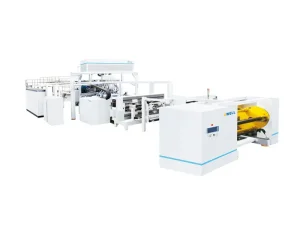
Ultra-high temperature polyimide cast film lines engineered for aerospace and flexible printed circuit board (FPCB) applications.
Let GWELL design a custom extrusion line to meet your capacity, material, and optical performance specifications.
Send Inquiry & Get Technical Proposal