
Direct supply of advanced machinery engineered to meet stringent BS EN standards and green building codes in the UK capital.
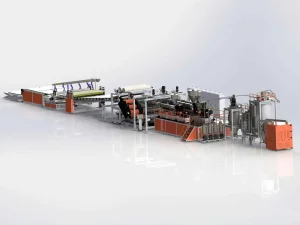
Specially optimized for architectural PV integration in modern commercial high-rises. Delivers high-density acoustic damping and safety protection.
Explore Specifications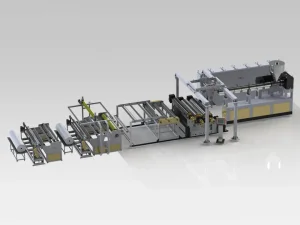
Co-extrusion film technology combining EVA and POE for excellent water-vapor barrier properties and premium cell adhesion.
Explore Specifications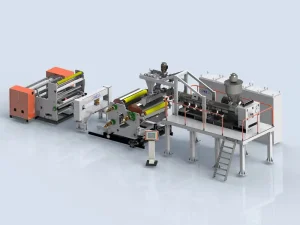
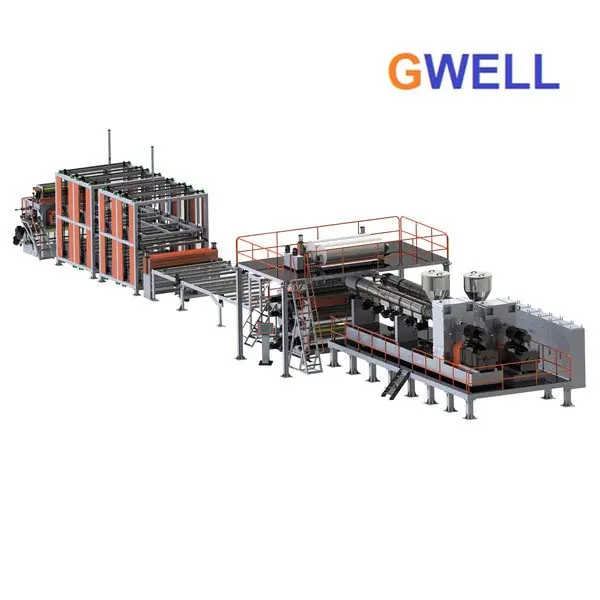
Industrial-scale extrusion line focusing on crosslinking density control and uniform thickness tolerance under ±0.01mm.
Explore Specifications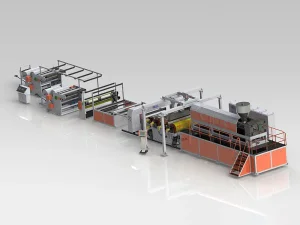
High-speed production lines with state-of-the-art automatic tension control and anti-shrinkage cooling mechanisms.
Explore SpecificationsA comprehensive overview of local industrial transitions, engineering benchmarks, and clean technology deployment in the UK.
The Greater London Authority’s (GLA) London Plan 2021 has codified aggressive decarbonization pathways, aiming for London to be a net-zero carbon city by 2030. Achieving this target requires building-integrated photovoltaics (BIPV) and high-performance commercial solar facades to transform the urban skyline. Unlike rural solar farms, urban solar energy relies heavily on advanced material integration—specifically PVB and SGP architectural photovoltaic films that can withstand dynamic structural loads, high wind shear, and strict fire safety requirements (BS EN 13501-1 Class A/B).
As a result, London-based project developers, facade engineering firms, and regional manufacturers are demanding highly reliable supply chains for polymer solar films. The focus has moved from simple light transmission to long-term encapsulation stability, preventing Delamination and Potential Induced Degradation (PID) over 25 to 30 years of severe maritime exposure.
The global and European solar module market is experiencing a rapid technological evolution. For years, Ethylene Vinyl Acetate (EVA) was the industry standard due to its low processing costs and excellent optical properties. However, the rise of N-type TOPCon and HJT solar cells has highlighted EVA's limitations—specifically its tendency to release acetic acid under thermal and humid conditions, which corrodes silver grids and degrades cells.
Polyolefin Elastomer (POE) films have emerged as the ideal solution, offering outstanding water vapor transmission resistance (WVTR) and zero risk of acid release. However, POE's narrower laminating window can sometimes reduce throughput. GWELL's co-extrusion technology bridges this gap with EPE three-layer co-extrusion film lines. This design integrates the mechanical stability and low cost of EVA on the outer layers with the high resistance of POE in the core, providing London and UK PV modules with premium durability and cost-efficiency.
Structural stability is paramount for skylights, glass railings, and curtain walls in London's commercial districts like the City of London and Canary Wharf. Traditional EVA lacks the tear strength required for structural safety glazing. SentryGlas Plus (SGP) ionoplast interlayers and specialized BIPV PVB films offer up to 100 times the stiffness and 5 times the tear strength of traditional PVB, ensuring that the glass envelope remains structurally sound even in the event of glass breakage. Developing extrusion machinery that handles these high-viscosity resins requires high-torque gearboxes and advanced screw configurations to achieve zero-defect optical clarity.
Our solar extrusion lines are built with smart diagnostics and high-performance components to maximize uptime and thickness accuracy.
Equipped with non-contact beta-ray or laser thickness measurement systems integrated with dynamic die lip thermal expansion bolts, keeping thickness tolerance within ±0.01mm.
Multi-stage temperature-controlled cooling roll groups, combined with online tempering and low-tension friction surface winders, keep shrinkage under 2.5% for hassle-free lamination.
Unique barrier screw design preventing pre-crosslinking (gelation) of the peroxide additives inside the barrel. Allows extrusion processing temperatures to remain stable below 105°C.
China GWELL Machinery is a premier high-tech enterprise specializing in the manufacture of plastic extrusion lines for Film, Sheet, and Profiles. Relying on the advanced technology and robust manufacturing capabilities of our group, combined with a strong spirit of innovation, GWELL commits to the development of high-tech products and global markets.
“Expertise creates customers’ values” has always been our core operating philosophy, driving us to develop reliable and efficient machinery for the renewable energy and packaging sectors globally.
Contact Our Engineering Experts
Explore our wide range of cast film, board, sheet, and solar-specific extrusion lines engineered for high productivity.
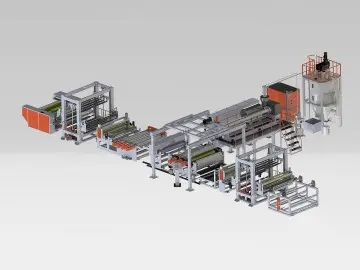
Mainly used for co-extrusion with PVC, ABS or PMMA sheets to provide excellent weathering, UV protection, and chemical resistance.
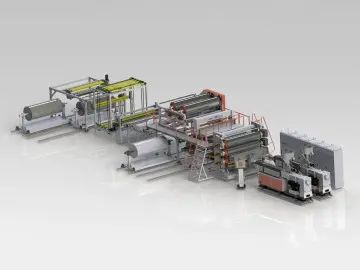
TPU Laminating Film is a thin film material made from thermoplastic polyurethane, offering high elasticity and durability.
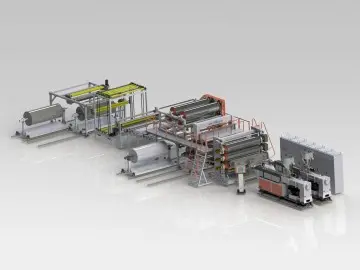
TPU films produced on this line are versatile and suitable for technical applications, sportswear, and automotive protective wrap.
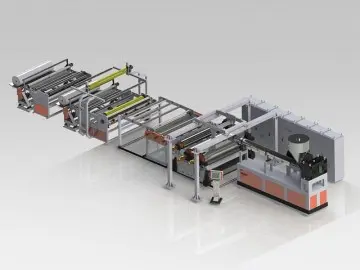
PVDF solar backplane membrane production. Designed as an alternative to Tedlar films for solar PV modules.
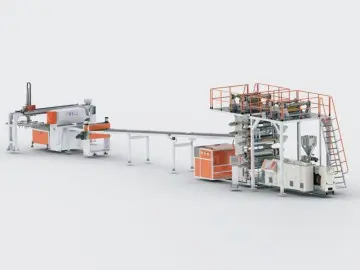
Our WPC and SPC Extrusion Lines represent cutting-edge advancements in composite flooring and structural board production.
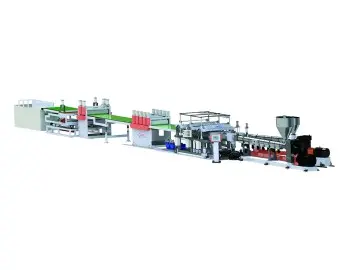
High production efficiency with automated controls, optimizing throughput for concrete formwork panels.
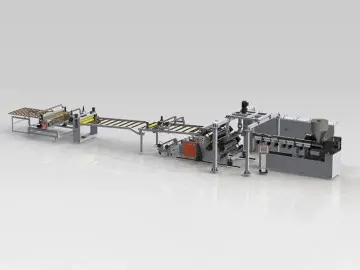
Specialized machinery engineered for high-performance engineering plastics, running at high processing temperatures.
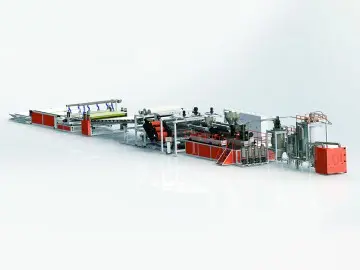
State-of-the-art production system dedicated to manufacturing high-density polyethylene boards for industrial uses.
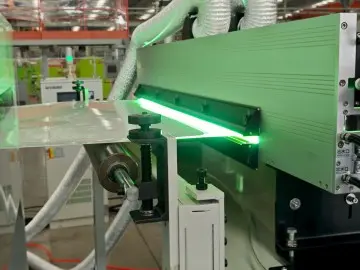
PCT/PCTG sheets combine toughness with clarity, ideal for architectural finishes, medical components, and packaging.
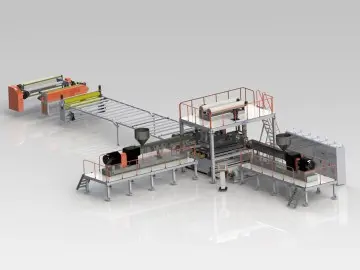
Highly innovative thermoplastic elastomer sheets providing excellent impact resistance, flexibility, and recyclability.
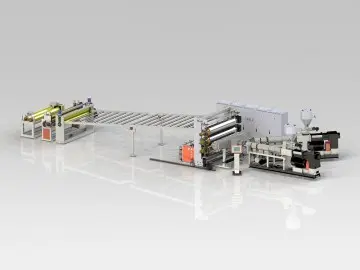
Designed for producing defect-free clear sheets in PMMA/PC, optimized with polishing roll calendars.
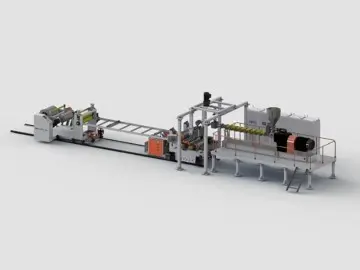
Co-extrusion setup tailored to produce sheets with different colors on each side, widely used in stationery and packaging.
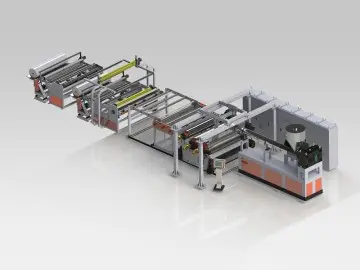
High modulus ionoplast film line delivering premium structural integrity for double-glass PV installations.
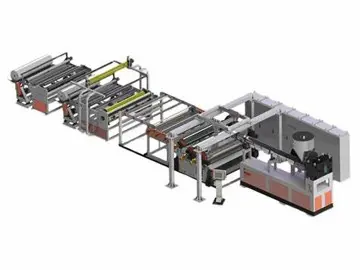
A premier solution for solar encapsulation, facilitating optimal module lamination speeds and thermal stability.
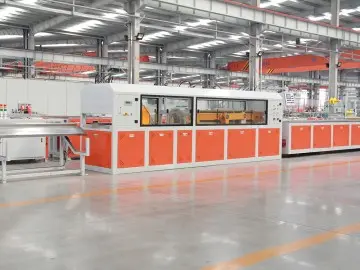
Equipped with precision tooling and high-pressure metering to produce composite solar frames that replace aluminum.
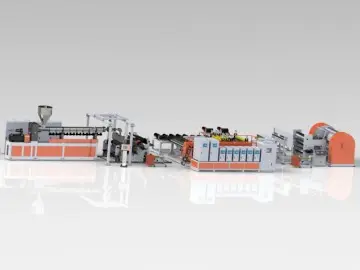
Specialized microporous separator line for alkaline water electrolysis hydrogen production.
Combining local engineering expertise with advanced overseas manufacturing facilities to deliver maximum return on investment.

By leveraging GWELL’s three smart production bases, we run a vertically integrated supply chain that controls every manufacturing step—from precision barrel drilling to structural CAD modeling and test runs before shipment. Our smart factories utilize automated machining centers to ensure the mechanical concentricity of our screws and dies, reducing energy waste and minimizing scrap rates down to 1.5%.
For London and global procurers, this translates into major benefits: a reduction in capital expenditure (CAPEX) of up to 40% compared to Western European competitors, coupled with short lead times and complete compliance with European safety standards. Remote SCADA connection portals allow our engineering team in China to calibrate settings, diagnose PLC errors, and guide local maintenance teams in the UK via high-bandwidth secure VPN.
Collaborations with domestic top-tier universities and polymer research institutes allow us to continuously refine co-rotation extrusion designs and high-precision screw segments.
From layout engineering and electrical commissioning to structural operators' training, we offer a dedicated turnkey service with 24/7 online video response.
Three massive industrial bases in China run state-of-the-art CNC processing tools, providing an annual production capacity of over 1000 lines.
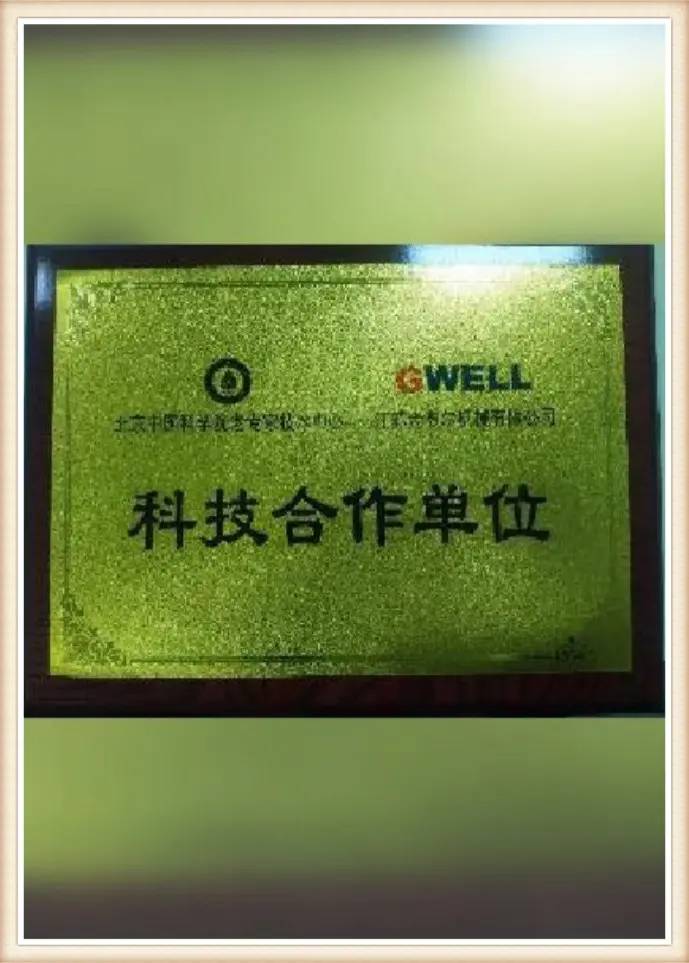
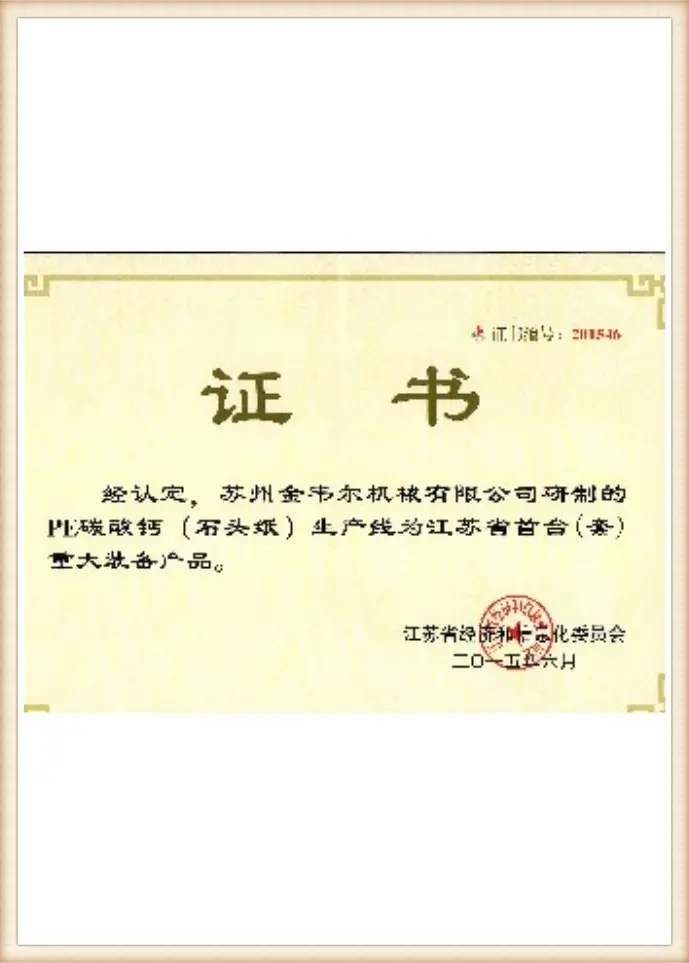
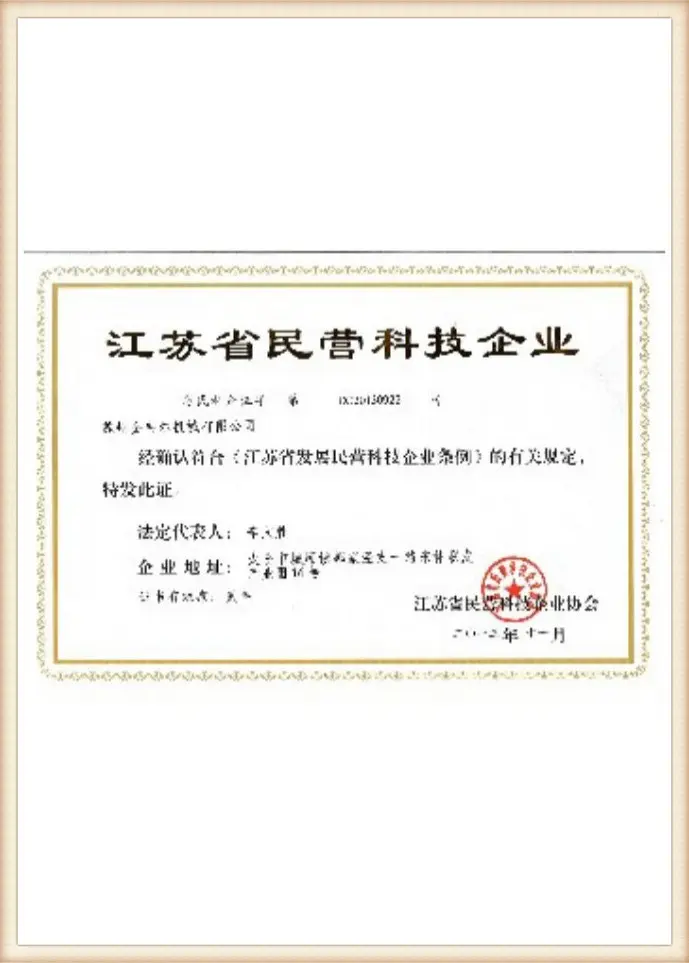
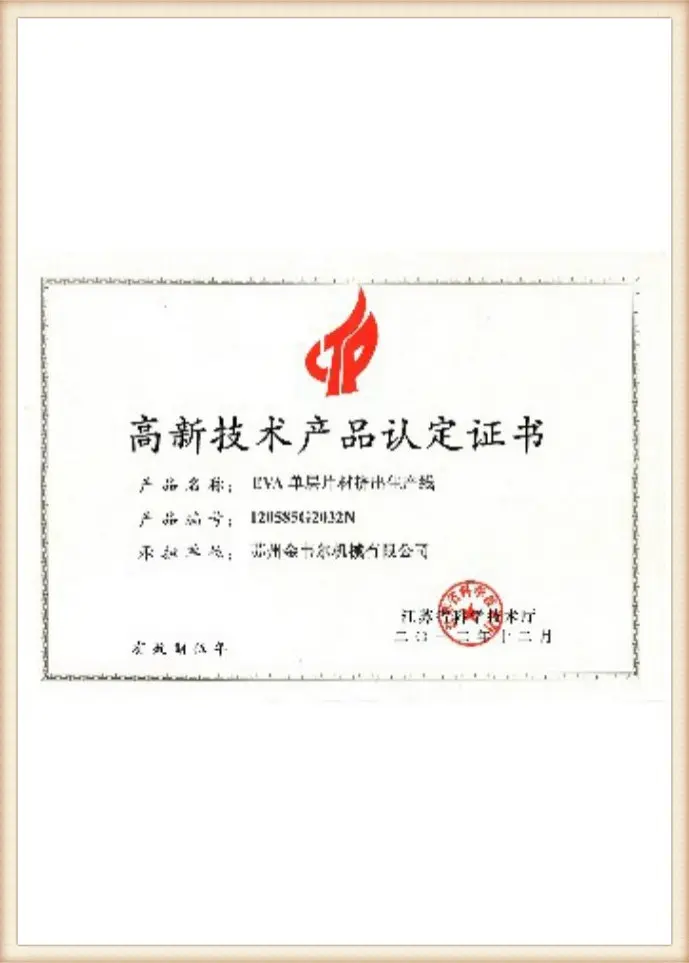
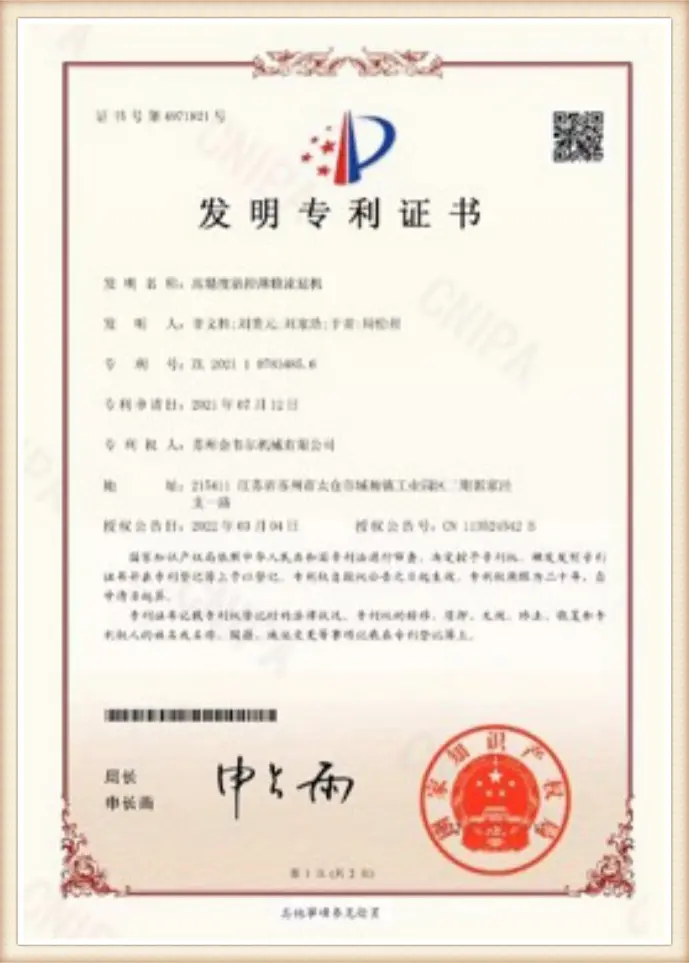
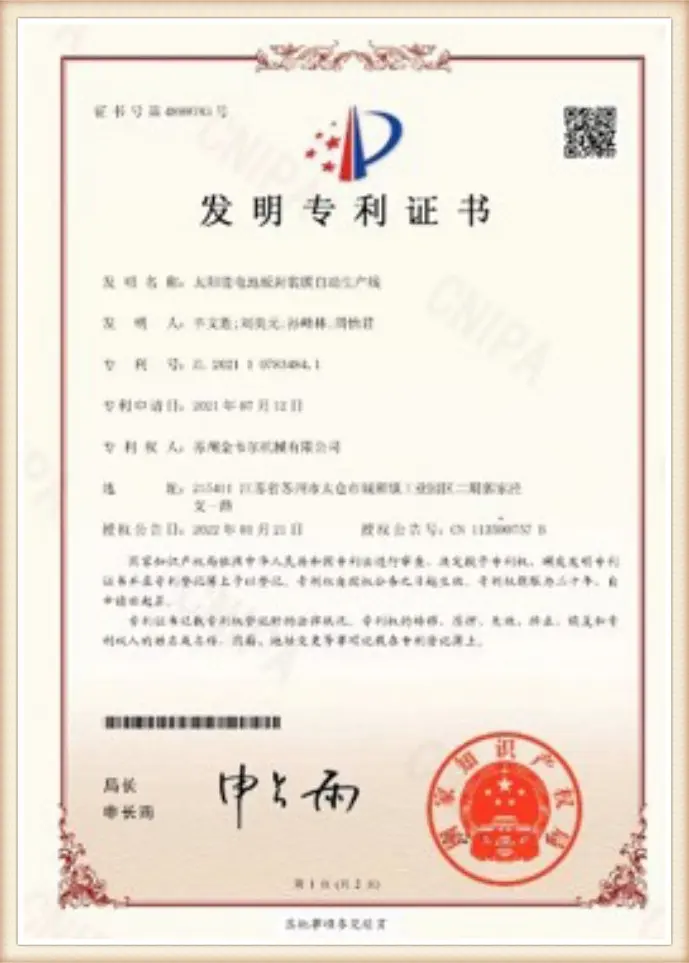
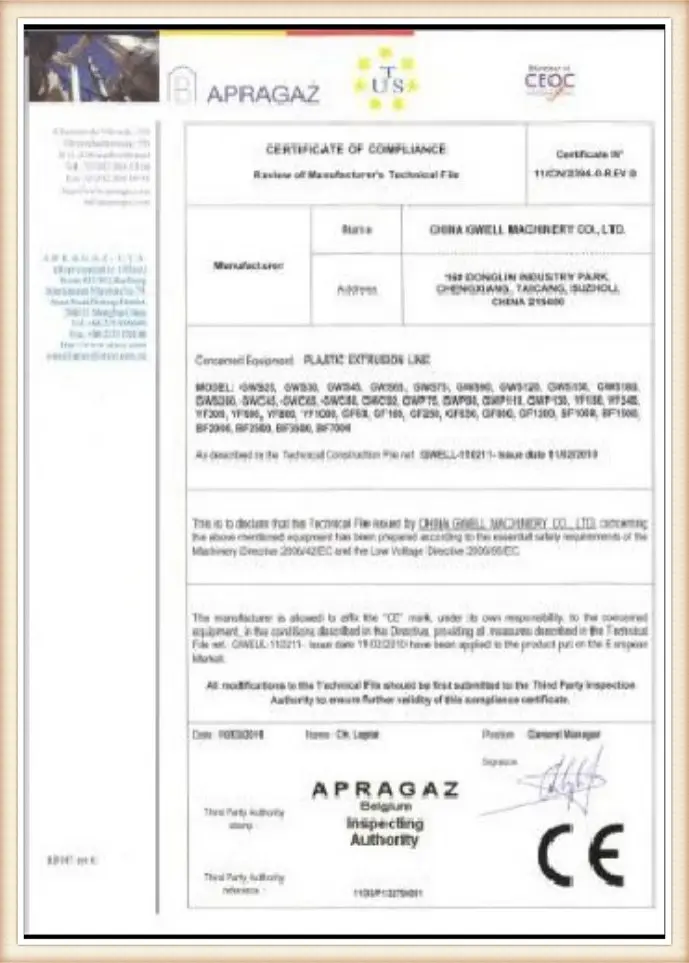
GWELL machinery is certified to match CE, ISO 9001, and domestic manufacturing standards. If you need our digital certificate files, please contact us.

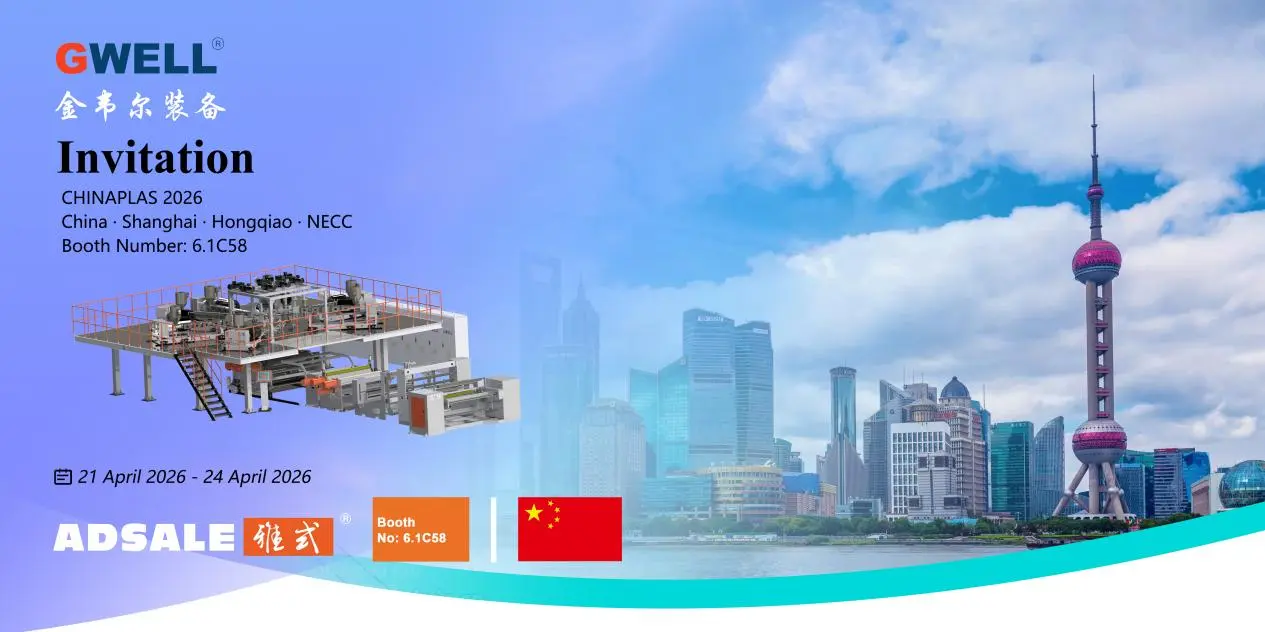
Keep up with the latest technological developments, international fairs, and breakthrough launches from GWELL.
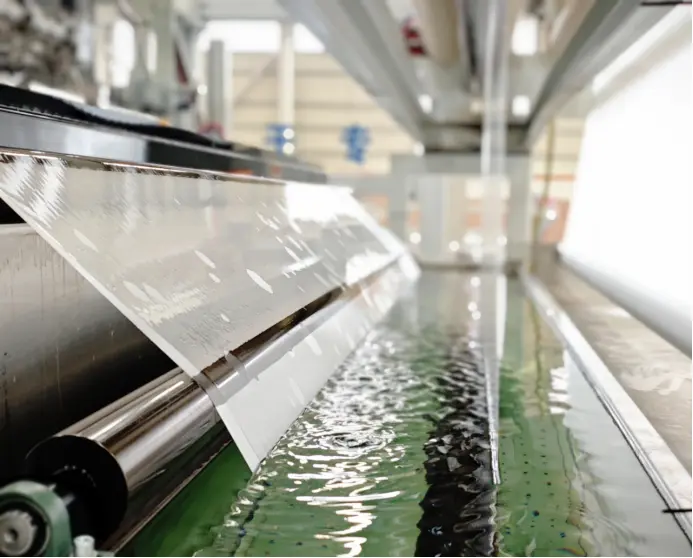
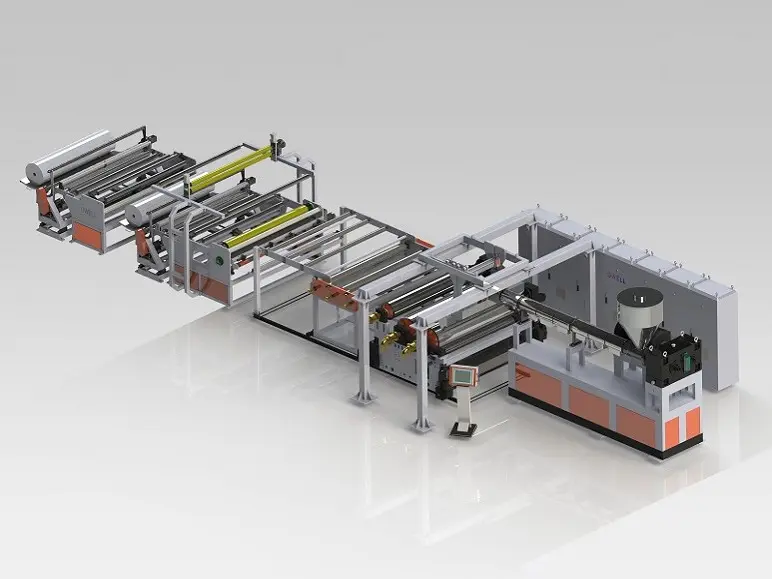
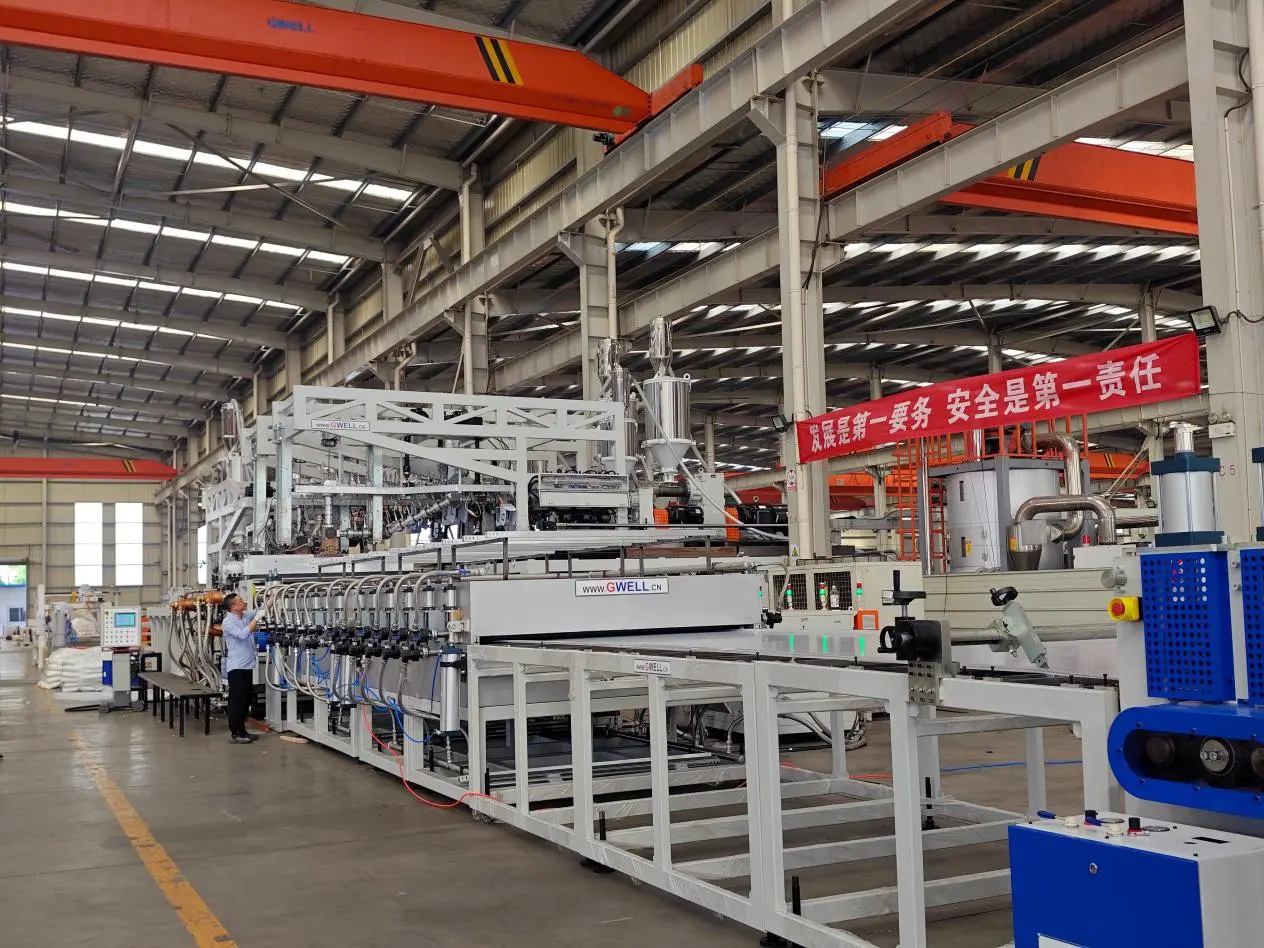
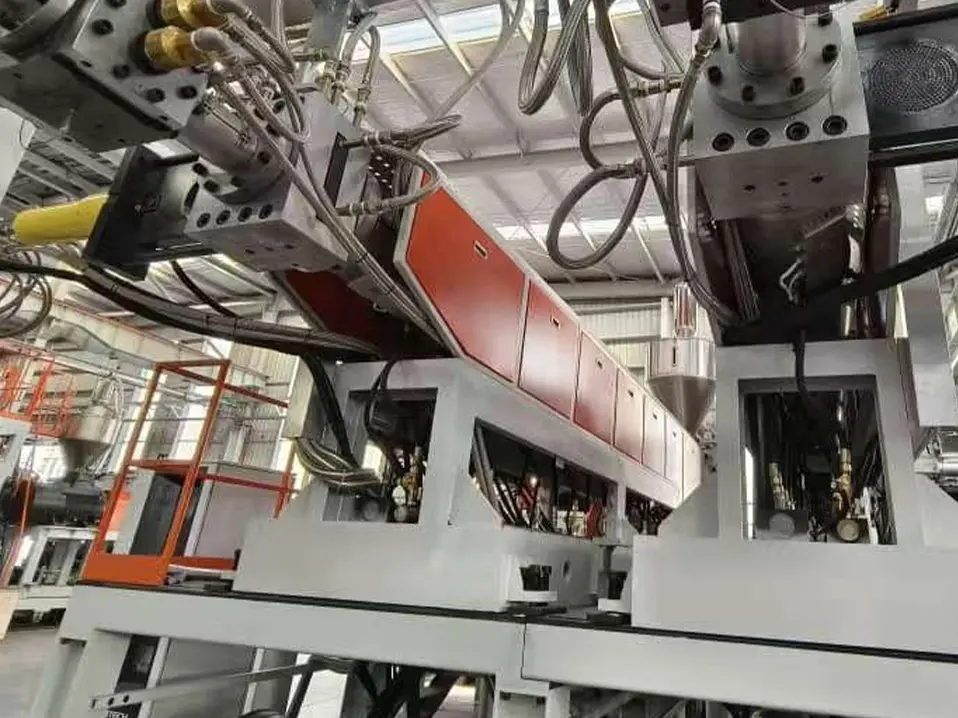
Detailed insights from our head of polymer engineering on the processing and deployment of solar encapsulation film technology.
Pre-crosslinking is prevented by maintaining a low processing temperature (below 105°C) and implementing an optimized screw profile design. We utilize co-rotating screws with special barrier segments that offer efficient melt distribution and low shear heat. Additionally, the liquid peroxide crosslinking agent and silane coupling agent are injected directly into the barrel via high-pressure micro-metering pumps to guarantee uniform compound distribution without thermal hot spots.
POE (Polyolefin Elastomer) has a water vapor transmission rate (WVTR) that is roughly two orders of magnitude lower than EVA. It possesses superior electrical resistivity, preventing Potential Induced Degradation (PID) in high-voltage bifacial N-type modules. Moreover, POE does not undergo hydrolysis to release acetic acid, thereby protecting the silver busbars from corrosion and ensuring a module lifespan exceeding 25 years.
Our SGP and PVB architectural BIPV lines are integrated with automated T-dies containing dynamic thermal-expansion bolts. Working in a closed-loop feedback system with a non-contact beta-ray gauge, the system continuously adjusts the die opening profile. This maintains the web thickness tolerance within a strict ±0.01mm limit across the entire width of the film, which is critical for optical clarity and bubbles-free lamination.
Standard delivery timelines for large-scale lines range between 90 to 120 days. This includes CAD layout alignment, custom manufacturing of the extruder barrel and screw, electrical integration, and dynamic test running with raw material at our production bases. All machinery shipped to the UK complies with UKCA/CE markings and is securely crated for maritime transport.
Explore our highly integrated equipment configurations designed to support global sustainable industrial output.
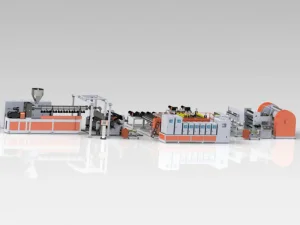
Pioneering separator film lines designed for hydrogen fuel cells and industrial alkaline water electrolysis filtration systems.
Specifications →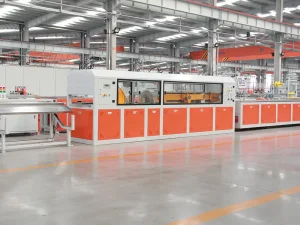
High-tensile polyurethane composite framing. Corrosion-resistant, low-thermal expansion alternative to classic aluminum alloy frames.
Specifications →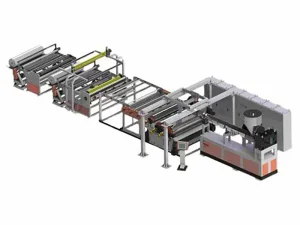
Proprietary cooling technology with matte/embossed finishing rolls to optimize anti-blocking during film winding and post-lamination adhesion.
Specifications →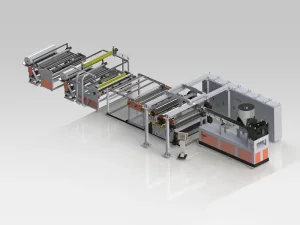
Specifically engineered ionoplastic sheets providing high shear resistance, optical clarity, and dynamic structural safety.
Specifications →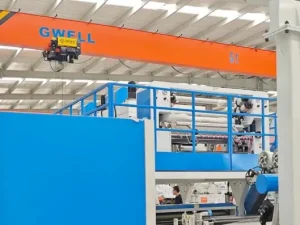
Multi-layered packaging sheet line with online de-humidification, perfect for meal box, cup, and high-clarity bowl cover applications.
Specifications →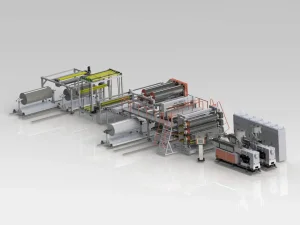
Equipped with single/twin-screw configurations for high elasticity and wear-resistant coatings for performance automotive and medical industries.
Specifications →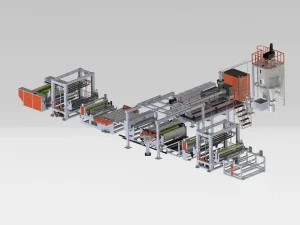
Delivers co-extruded architectural protection with excellent color stability, heat reflection, and outdoor wear properties.
Specifications →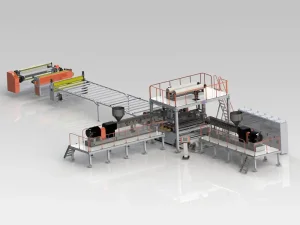
Automobile interior and waterproof construction membrane lines designed for optimal calendering and surface texture control.
Specifications →Expanding processing capabilities to clinical-grade polymers and robust polymer composite systems.
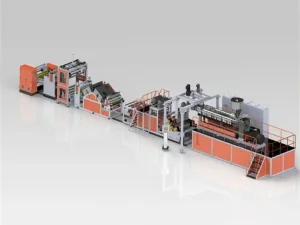
Cleanroom-compatible medical sheet lines optimized for Polycaprolactone (PCL) processing, maintaining high dimensional stability for low-temperature orthopedic radiotherapy splints.
Explore Specifications →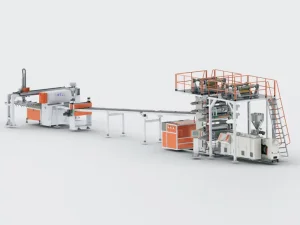
High-torque co-rotating twin screw configurations designed for calcium carbonate/wood powder filling, providing excellent mechanical characteristics for resilient composite boards.
Explore Specifications →Obtain bespoke mechanical schematics, customized screw layout designs, and detailed CAPEX projections configured specifically for your localized manufacturing requirements.
Send Inquiry Now