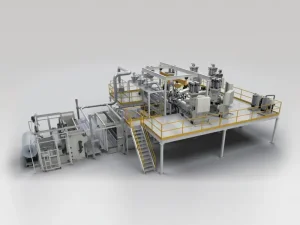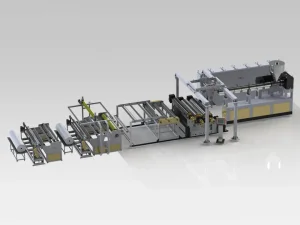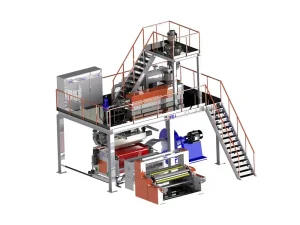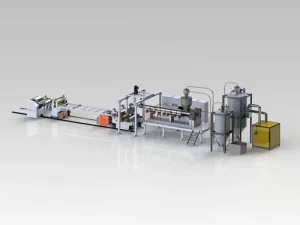
Explore our top-tier polymer processing machinery engineered for maximum output, precision gauge control, and eco-friendly manufacturing.
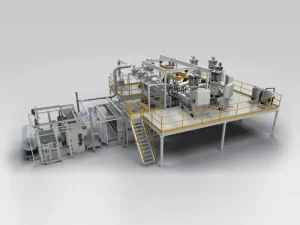
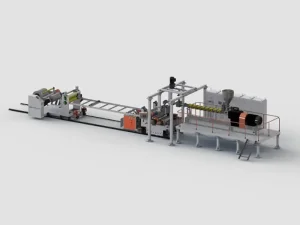
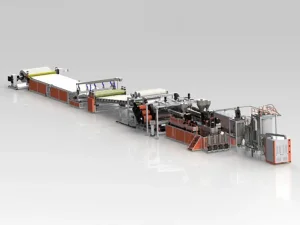
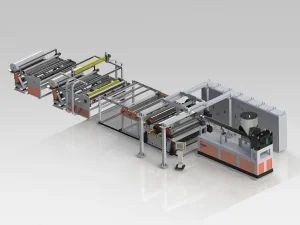
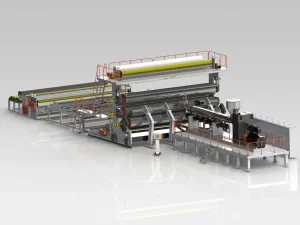
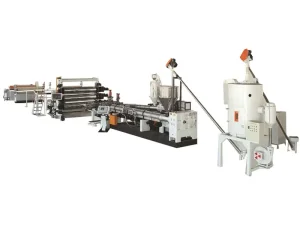
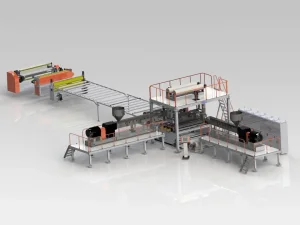
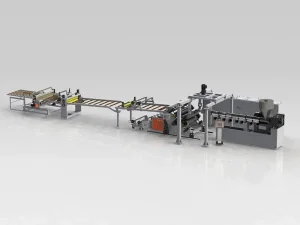
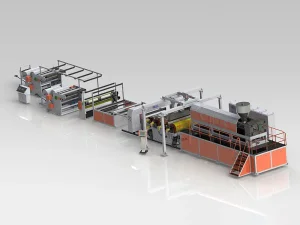
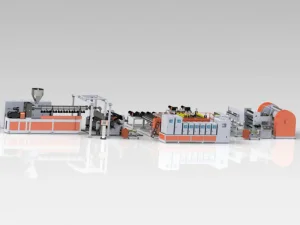
The modern thermoforming and packaging industries demand materials that combine cost-effectiveness, environmental sustainability, and premium physical characteristics. The multilayer PET sheet extrusion line has emerged as the definitive global standard for satisfying these challenging criteria. This whitepaper evaluates the technological innovations driving co-extrusion engineering, analyzes the global market transition toward recycled PET (rPET), and highlights how advanced manufacturing bases in China are delivering top-tier mechanical designs to exporters worldwide.
By leveraging co-extrusion technology, manufacturers can engineer sheet structures featuring distinct layers. In a typical three-layer A/B/A setup, the outer "A" layers are composed of virgin PET or PETG to guarantee direct food contact safety, high surface gloss, and ease of heat-sealing. The middle "B" layer can integrate up to 100% recycled PET (rPET) flakes, skeletal scrap, or regrind material. This composite strategy optimizes material costs without sacrificing the mechanical integrity, clarity, or food-safety compliance of the final container.
For more demanding packaging applications, the A/B/C design permits the introduction of a functional third polymer phase. This structure is often utilized to integrate high-barrier elements (e.g., EVOH or specialized adhesive tie layers) to extend shelf life in fresh food preservation, modified atmosphere packaging (MAP), or medical blister packs.
“Co-extrusion allows polymer processors to bypass the cost penalty of virgin PET resin by sequestering cost-effective recycled flake in the core layer, decreasing raw material expenditure by up to 35%.”
Traditional PET processing relies heavily on energy-intensive desiccant crystallization and drying systems to mitigate hydrolytic degradation of the polymer chain. These drying stages typically consume up to 25% of the total thermal budget of an extrusion plant.
Modern Chinese extrusion line engineering addresses this energy challenge via drying-free twin-screw co-rotating extrusion technology. Equipped with multi-point high-vacuum degassing zones (often pulling vacuums down to <10 mbar), these systems continuously evacuate moisture and volatile organic compounds (VOCs) directly from the molten polymer matrix. This design shortens material residence times, prevents IV (Intrinsic Viscosity) loss, and reduces overall electricity consumption by 0.15–0.22 kWh per kilogram of extruded sheet.
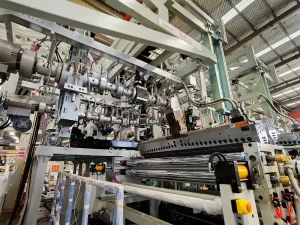
The optical clarity and thickness uniformity of the PET sheet are determined within the polishing calendar. Advanced lines deploy heavy-duty vertical, horizontal, or inclined three-roller configurations featuring internal spiral water channels to optimize cooling consistency. Individual roll drives paired with high-performance servo motors ensure precise linear speeds, eliminating surface ripples.
To meet international quality standards, modern extrusion lines utilize automated closed-loop control systems. These setups employ beta or gamma-ray sensor scanners to continuously monitor the transverse sheet thickness profile, feeding real-time adjustments to automatic T-dies. The die lip adjusts dynamically via thermal expansion bolts, keeping thickness tolerances within ±1% across the entire web width.
Amid strict legislative updates like the European Union's Packaging and Packaging Waste Regulation (PPWR) and US state-level minimum post-consumer recycled (PCR) laws, global buyers face pressure to transition toward circular materials. A reliable multilayer extrusion system allows packaging plants to scale up the use of rPET flake while preserving surface aesthetics and physical properties. Selecting a machine builder with strong raw material sourcing networks and regional technical support helps minimize production downtime and simplifies mechanical integration.
Explore our specialized production lines across film, board, sheet, and clean energy applications.
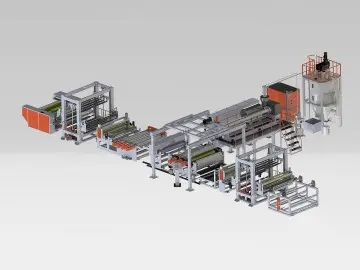
Designed for weather-resistant exterior decoration applications with high uv resistance and long lifetime performance.
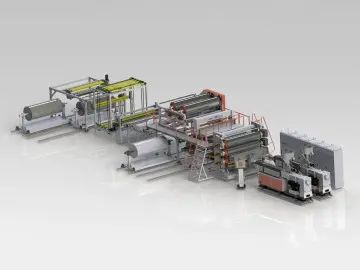
Tailored for high adhesion laminates used in textile, defense and automotive protection materials.
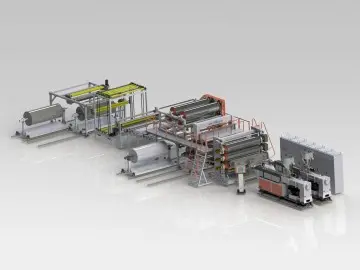
High elastic medical and industrial films with highly controlled thickness tolerance.
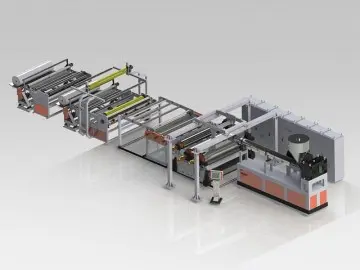
Ideal for weatherproofing solar backplanes, providing structural integrity against harsh outdoor climates.
Specialized line for automotive head-up display HUD safety glass interlayers with strict wedge angle control.
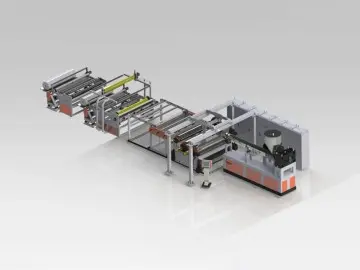
Delivering high safety interlayers for architectural glass laminates, focusing on acoustics and impact absorption.
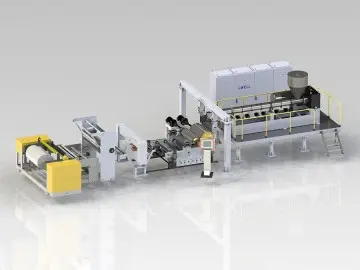
Environmentally friendly packaging films for unit-dose detergent packaging and medical laundry bags.
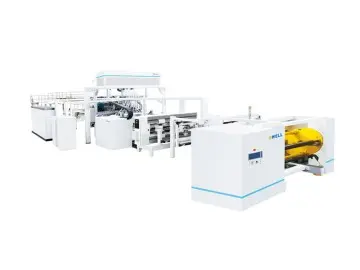
Extreme thermal resistance films used as substrates for flexible printed circuits and aerospace applications.
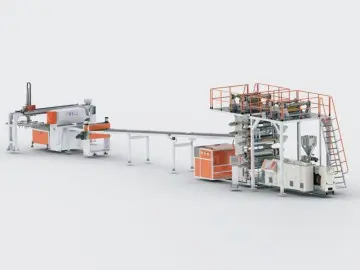
Heavy duty systems for eco-flooring and building construction templates, featuring high mineral filling ratios.
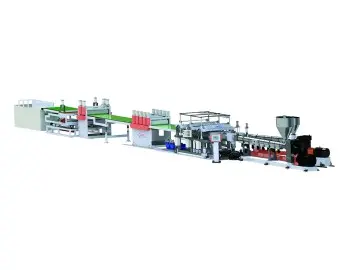
Reusable lightweight hollow panels engineered for modern green concrete formwork structures.
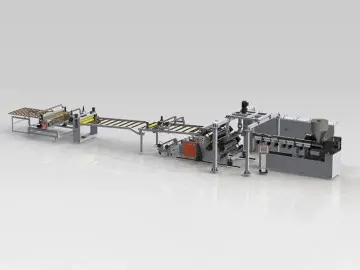
Specialty high-temperature materials engineered for chemical valves, semiconductors, and high-purity linings.
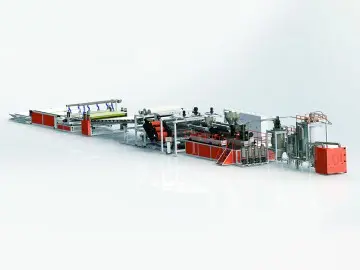
Designed for industrial tank liners, agricultural engineering barriers, and high-impact structural panels.
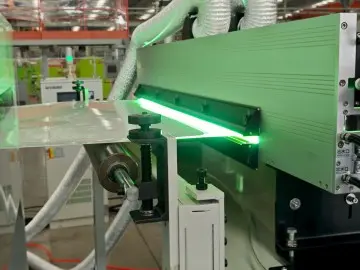
Extruded food-contact grade sheets showcasing premium impact strength, chemical resistance, and optical clarity.
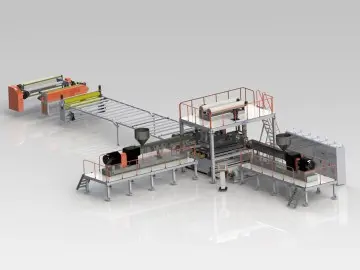
Ideal for automotive interior door panels, soft-touch dashboard sheets, and technical packaging applications.
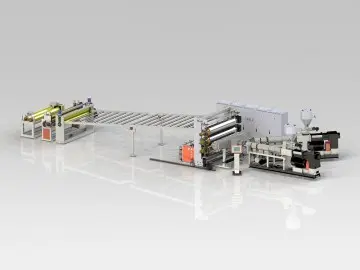
High-transparency plastic sheets for clear packaging, retail face shields, and thermoformed clamshell containers.
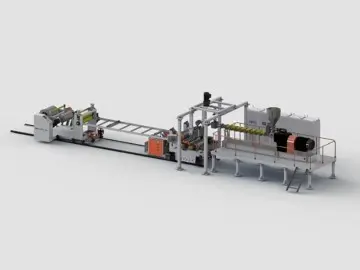
Enables structural contrast patterns for stationery folders, packaging inserts, and cosmetic trays.
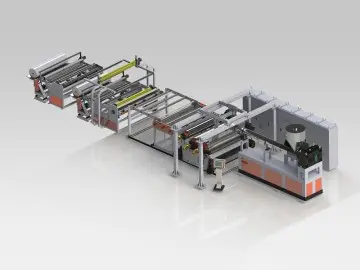
High-modulus interlayer film processing designed for structural architectural safety glazing.
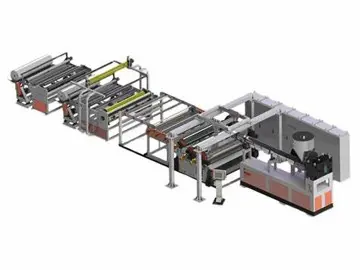
Premium photovoltaic encapsulation materials engineered for maximum UV stability and light transmission.
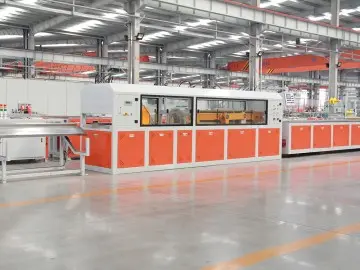
Fiberglass-reinforced polyurethane profiles providing mechanical alternatives to aluminum frames.
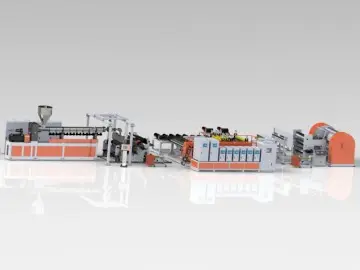
High-precision separators for alkaline water electrolyzers in green hydrogen production plants.
CHINA GWELL MACHINERY CO., LTD. is a high-tech enterprise dedicating to the manufacture of plastic extrusion lines for Film, Sheet and Profile. Relying on the powerful technology and equipment of group and innovative spirit , GWELL commits to the development of high-tech products and international market.
"Expertise creates customers' values" has always been the company's operating philosophy. We partner with research institutes and chemical raw material manufacturers globally to provide integrated turn-key industrial solutions.
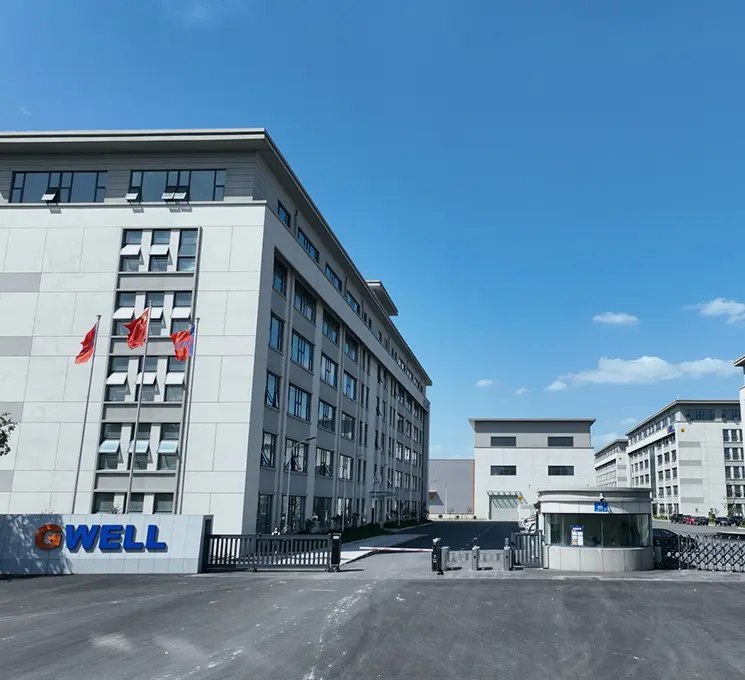
Our facilities utilize high-precision CNC machining centers, automated assembly halls, and material testing labs to ensure consistent quality across all components.
Gwell supports users globally with structural installation, commissioning, on-site diagnostics, and operator training. Our technical staff helps maintain high productivity and machinery runtime.
High-precision mechanics and digital controls designed to support industrial operations.
We collaborate with domestic universities and international polymer research centers to integrate the latest extrusion technologies.
From design planning to plant layout and trial runs, we offer end-to-end support for your extrusion operations.
Three modern manufacturing bases ensure rapid machinery delivery and component availability.
We export extrusion systems across Europe, North America, Southeast Asia, and South America.
Supported by 500+ employees and 100+ dedicated design engineers handling mechanical structures and industrial automation.
Our engineering conforms to strict global manufacturing and safety standards.

Answers to common engineering and operational questions regarding PET sheet co-extrusion.
It uses co-rotating twin screws paired with a high-vacuum degassing system. The screw configuration mixes the melt to expose surface area, enabling the vacuum pump to extract moisture before hydrolysis can break the polymer chains, preserving Intrinsic Viscosity (IV) without pre-drying.
The co-extrusion feedblock supports adjustable layer distributions, ranging from 10% outer skins to 80% core layers. This allows users to adjust core scrap or PCR (rPET) ratios depending on material availability and surface specifications.
We pair automatic T-dies with thickness scanners. If the sensor detects a thickness variation, the system adjusts thermal expansion bolts to alter the die lip gap locally, maintaining tolerances within ±1%.
Yes. By adjusting the screw temperature profile, feedblock configurations, and cooling roll temperatures via PLC, you can run APET, PETG, and GAG combinations on the same line.
Stay informed about our latest tech developments, exhibition schedules, and project case studies.
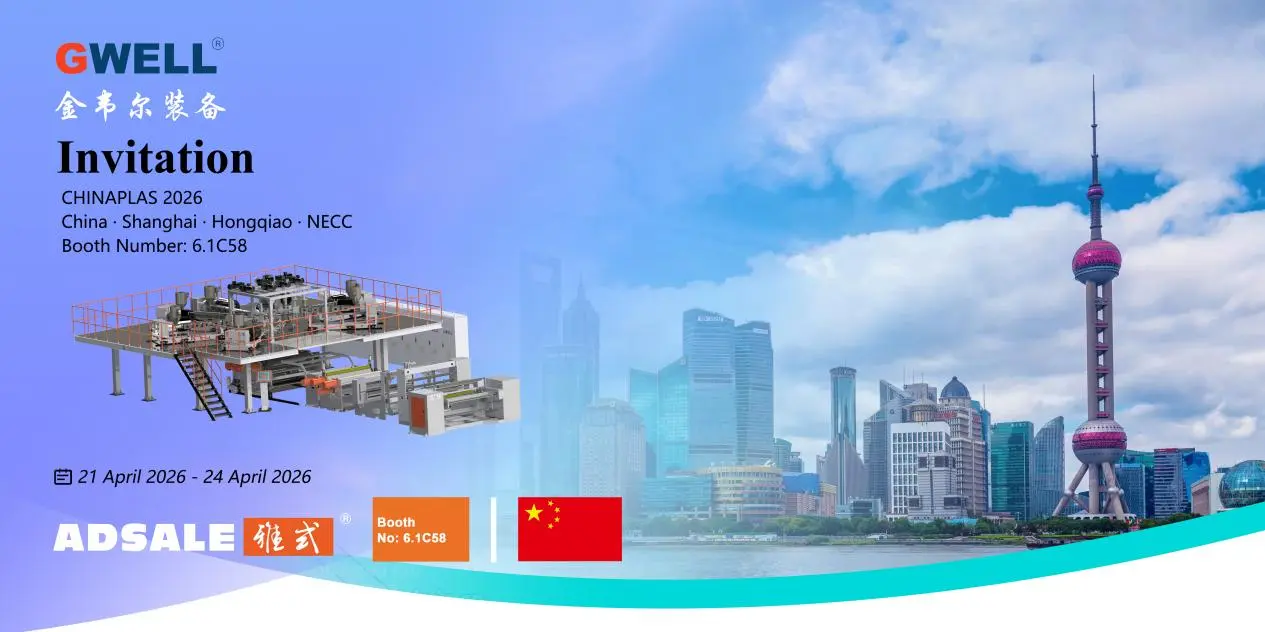
Join us at the upcoming international plastics expo as we present our latest developments in energy-efficient co-extrusion technologies.
View More →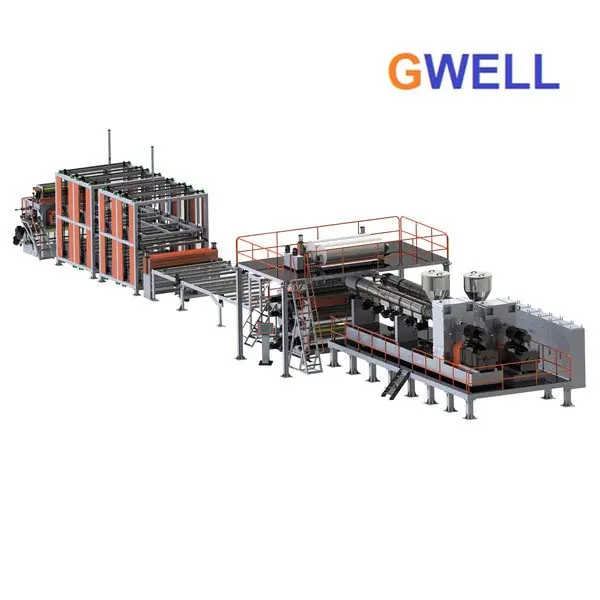
This new line delivers recyclable POE synthetic leather alternatives for automotive seating applications, helping reduce carbon emissions.
View More →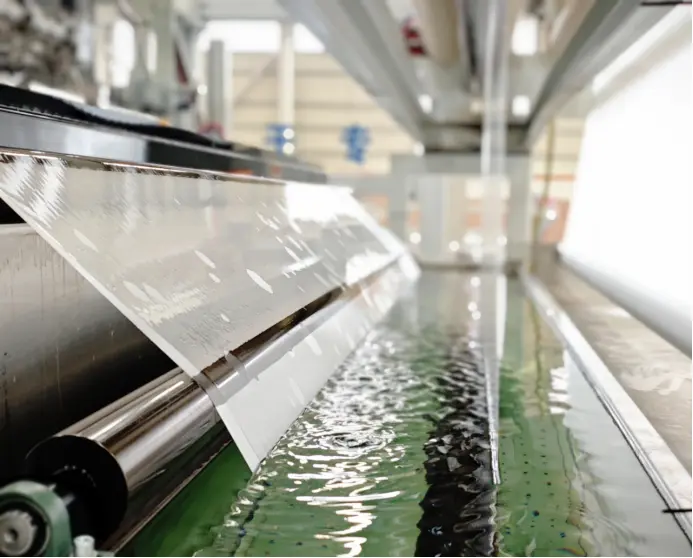
The line delivers high safety optical interlayers with precise wedge angle profiles for automotive HUD wind-shields.
View More →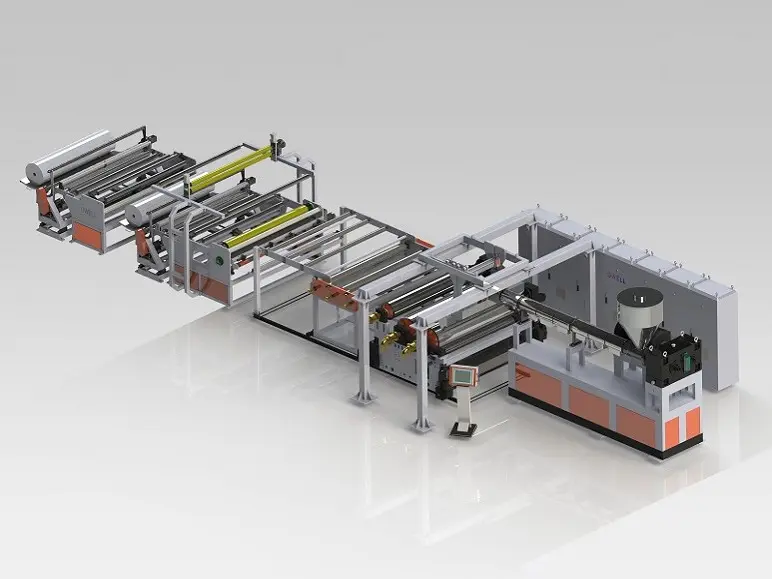
Introducing clean, scratch-resistant PETG decorative film production lines to support eco-friendly interior furniture and board lamination.
View More →We cooperate with global chemical raw material suppliers, downstream processors, and automation engineering partners.


Contact Gwell's engineering team to discuss output requirements, layer ratios, raw materials, and plant layouts.
Send InquiryAdditional polymer processing systems engineered for functional films, photovoltaic layers, and high-performance composites.