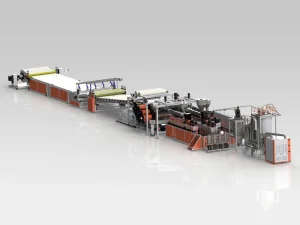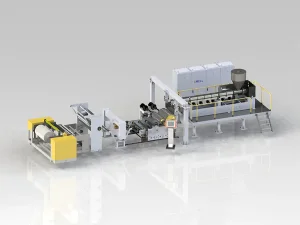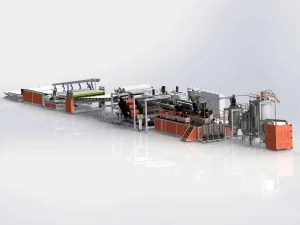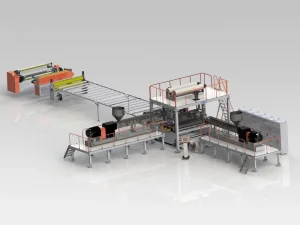
Explore our cutting-edge structural material manufacturing lines engineered for worldwide delivery.
A comprehensive study on compounding dynamics, structural integrity, and automation pathways for international infrastructure projects.
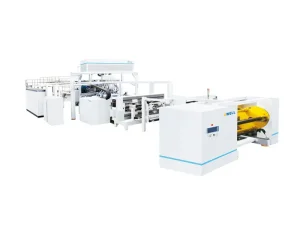
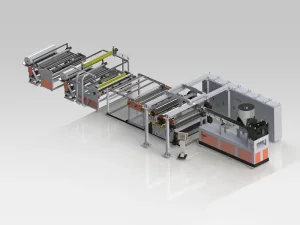
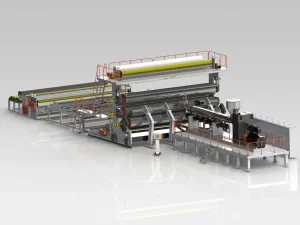
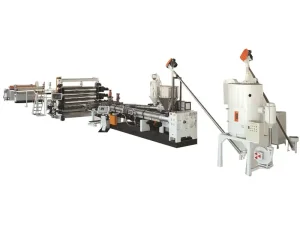
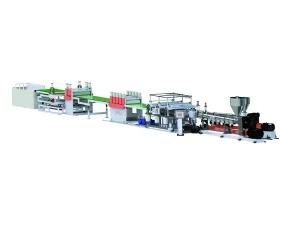
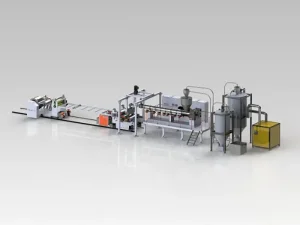
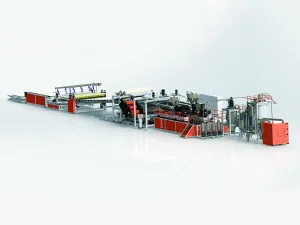
PVC (Polyvinyl Chloride) waterstops are crucial elements in concrete structures, designed to prevent water leakage through expansion and construction joints. Historically, these profiles were manufactured using basic single-screw systems that suffered from inconsistent melting rates, localized thermal degradation, and dimensional variation. Modern high-capacity engineering demands automatic PVC water stop extrusion lines that feature advanced processing capabilities. Today’s systems integrate high-torque parallel twin-screw extruders and specialized dynamic barrier screws, which maintain precise control over polymer shearing. This mechanical optimization guarantees structural stability and waterproofing durability.
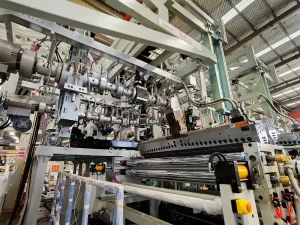
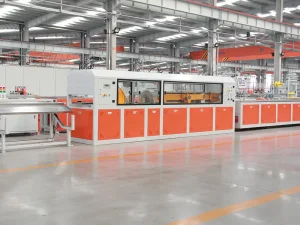
The core innovation of automated systems lies in the calibration and shaping processes. Waterstops feature complex structural profiles with ribs, bulbs, and varying wall thicknesses. Standard cooling methods fail because thicker sections retain heat longer, causing warpage and internal stress. Modern lines utilize closed-loop vacuum calibration tables with custom-molded tooling to solve this problem. These tables apply dynamic vacuum pressures alongside direct spray cooling, ensuring uniform heat dissipation. This process secures precise outer profiles, stabilizes wall dimensions, and maintains tight tolerances.
Utilizes electromagnetic barrel heating and closed-loop liquid cooling to keep temperature deviations within ±1°C, preventing material degradation.
Custom water-flow structures provide targeted cooling to complex sections, ensuring dimensionally accurate profiles without internal stresses.
Direct-drive caterpillars integrate with the extruder output via PLC, maintaining wall thickness accuracy across the entire run.
Procurement teams at international civil engineering firms prioritize uptime, material flexibility, and compliance with ASTM, DIN, and GB standards. High-volume infrastructure projects demand PVC waterstops with superior mechanical properties, including tensile strengths exceeding 15 MPa and elongation at break properties above 300%. These performance standards depend directly on how well the extrusion line processes polymer blends. Poor plasticization leads to air pockets and uneven compound dispersion, resulting in material failures. Because of this, global buyers prefer suppliers who integrate gravimetric dosing systems. These systems feed raw materials at precise ratios, preventing compounding errors.
In addition, global supply chains require equipment configured for easy maintenance and remote diagnostics. In tunnel construction or mega-dam building, unexpected equipment downtime can cost tens of thousands of dollars per hour. Extrusion lines must include cloud-enabled HMI systems, allowing factory engineers to troubleshoot PLC programs remotely. By investing in machinery designed for global compliance, exporters can better serve markets across North America, Europe, and the Middle East.
The waterstop extrusion sector is adapting to meet new environmental requirements and labor constraints. The industry is trending toward using recycled post-consumer PVC compounds alongside non-phthalate plasticizers. Eco-friendly formulations present unique processing challenges due to narrower thermal processing windows. Modern systems address this by featuring high-shear, low-temperature screw designs. These components ensure thorough compounding without overheating the recycled materials.
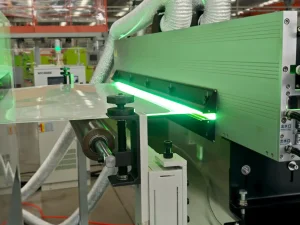
At the same time, extrusion lines are adopting Industry 4.0 standards. Modern systems incorporate laser measurement scanners that monitor profile dimensions in real time. If the system detects deviation, the PLC automatically adjusts the haul-off speed or melt pump pressure. This real-time, closed-loop feedback loop minimizes material waste during startup and prevents out-of-tolerance runs.
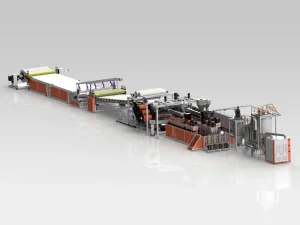
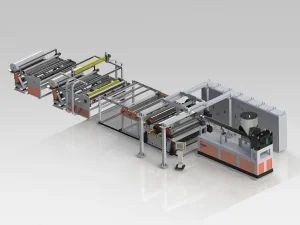
Our engineering path focuses on three main goals: maximizing output, reducing energy usage, and simplifying operations. The process begins with raw material handling, where centralized vacuum loading systems transport PVC dry blend, plasticizers, and stabilizers directly into loss-in-weight feeders. The extrusion unit features a co-rotating twin-screw design with L/D ratios between 28:1 and 36:1, ensuring optimal shear for different formulations.
Downstream, we utilize dynamic vacuum calibration chambers that adjust to complex profile shifts. The caterpillar pullers are driven by variable-frequency AC servo motors, providing steady tractive force to prevent slippage. Finally, the cutting station uses a servo-driven, high-speed rotary cutter to deliver clean, burr-free cuts at preset lengths. This process ensures the waterstops are ready for immediate on-site hot-melt splicing.
| Production Stage | Machine Component | Key Parameters | Performance Outcome |
|---|---|---|---|
| 1. Material Feeding | Gravimetric Dosing System | Accuracy within ±0.2% | Uniform material blend and color consistency |
| 2. Melt Processing | Twin-Screw Extruder (L/D 32:1) | Melt Temp: 165°C - 185°C | No thermal degradation; high output rate |
| 3. Profile Shaping | T-Die & Vacuum Calibrator | Cooling Temp: 12°C - 15°C | Accurate rib configuration and thickness control |
| 4. Haul-off & Cutting | Servo Puller & Rotary Cutter | Haul speed sync: 0.1% tolerance | Exact length profile without deformation |
Partnering with an experienced exporter ensures access to comprehensive localized support and regulatory compliance assistance. Installing and commissioning complex extrusion machinery requires professional oversight. Our field engineers provide on-site services, including foundation preparation, electrical calibration, operator training, and compounding optimization. These startup services ensure that the lines quickly achieve peak operational efficiency.
Compliance is a primary focus of our engineering process. All electrical setups are designed to meet CE (European Conformity) and UL (Underwriters Laboratories) standards, featuring certified Siemens or ABB switchgear. The mechanical assemblies incorporate safety interlocks and emergency shutoffs that align with international standards. In addition, our manufacturing facilities adhere to ISO 9001:2015 quality management systems, guaranteeing consistent production quality across all lines.
Common operational, configuration, and material handling questions answered by our engineering team.
Explore our main product categories, spanning high-precision cast films, structural boards, thermoformed sheets, and solar encapsulation lines.
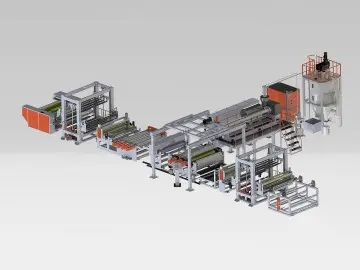
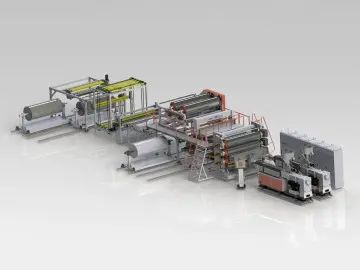
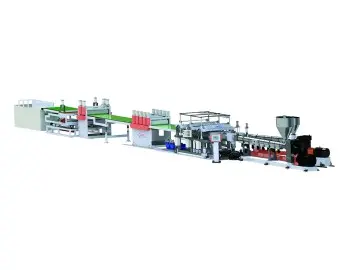
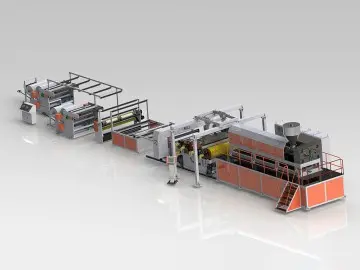
China GWELL Machinery is a high-tech enterprise dedicating to the manufacture of plastic extrusion lines for Film, Sheet and Profile. Relying on the powerful technology and equipment of group and innovative spirit, GWELL commits to the development of high-tech products and international market. "Expertise creates customers' values" has always been the company's operating philosophy.
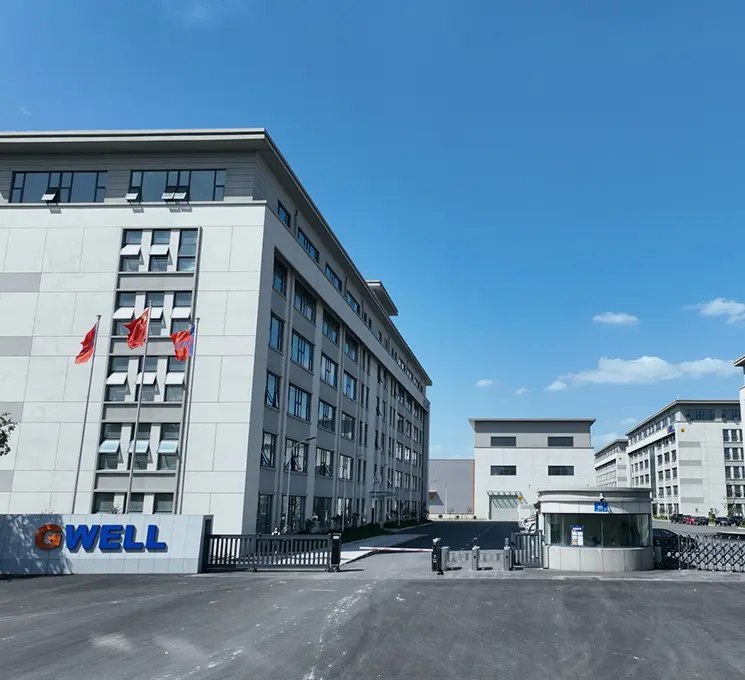
Why leading manufacturing firms choose Gwell for complex sheet, film, and profile extrusion installations.

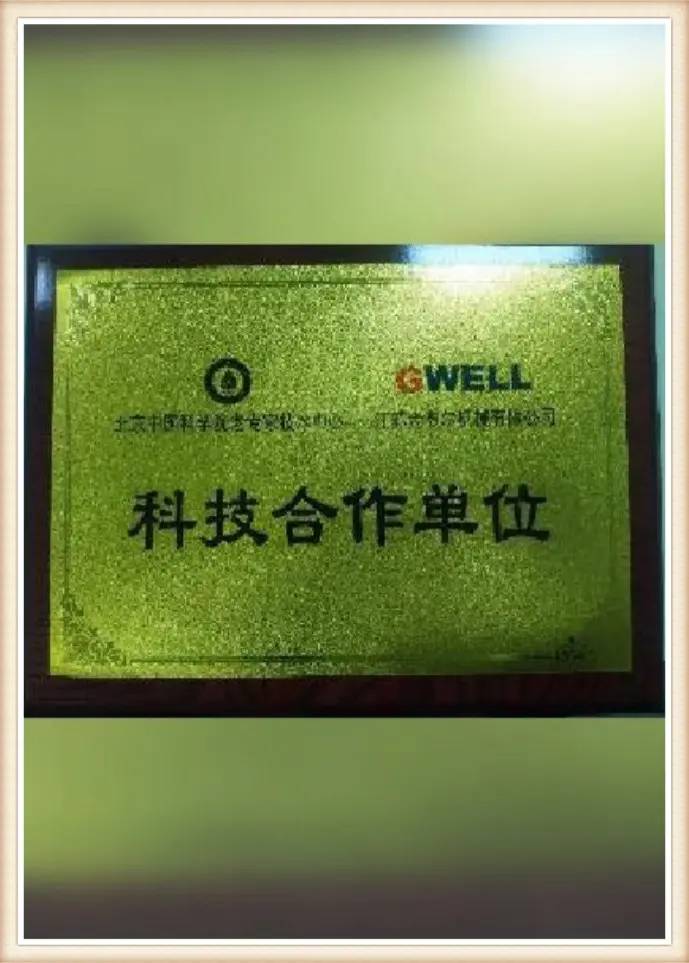
We collaborate with top universities and research institutes to design and build high-tech machinery.

We provide comprehensive, high-efficiency services from initial layout design to long-term parts support.

Three manufacturing bases provide an annual capacity of over 1000 extrusion lines.
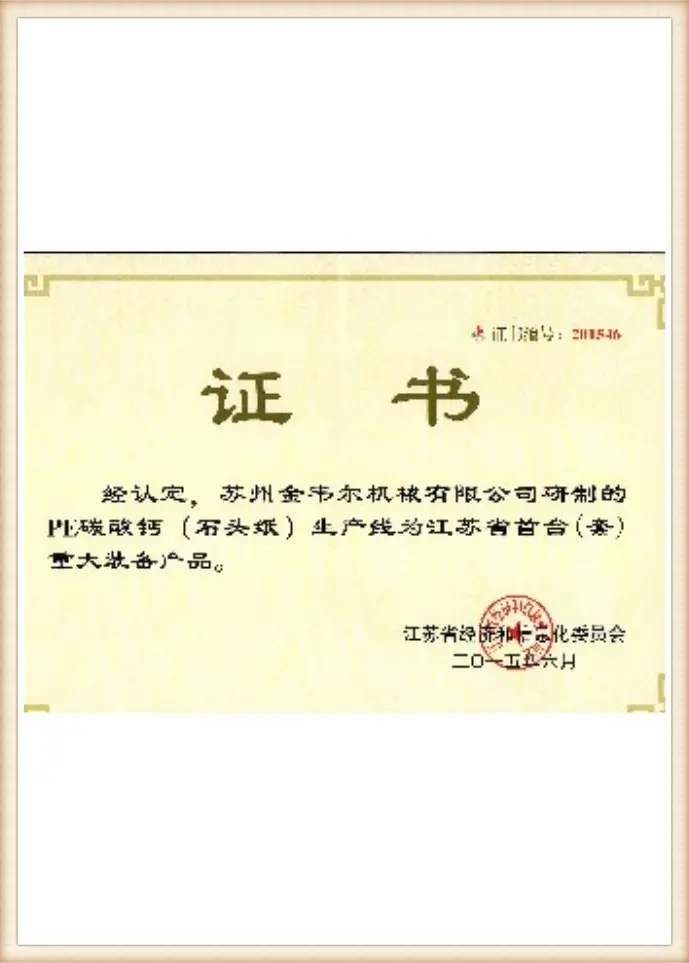
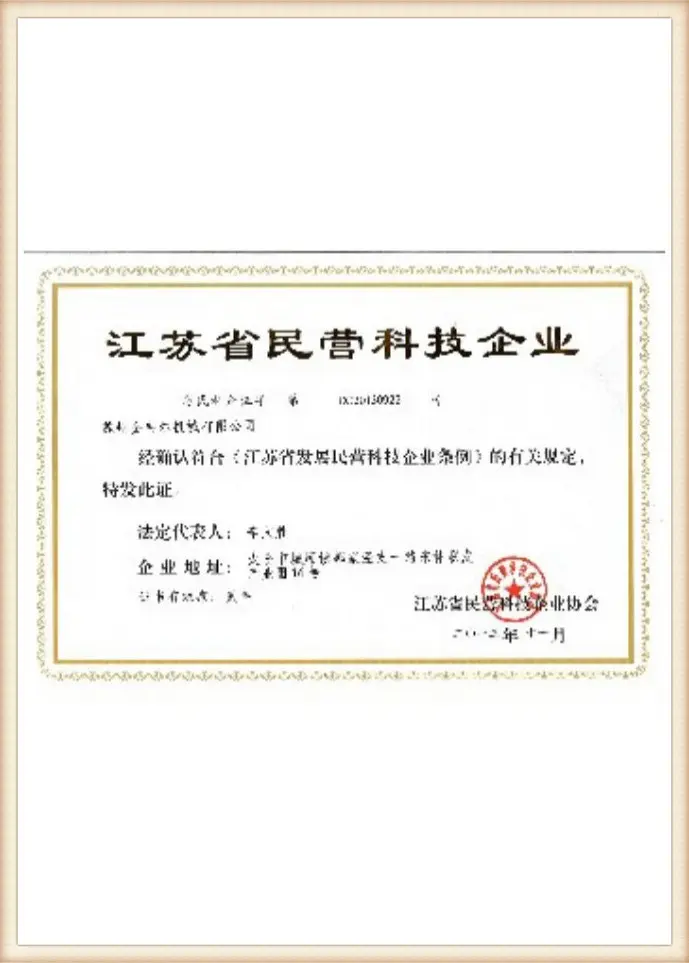
Our quality management systems and electrical configurations are certified to match international engineering standards.
Stay up to date with Gwell's technology launches, exhibition events, and new material developments.
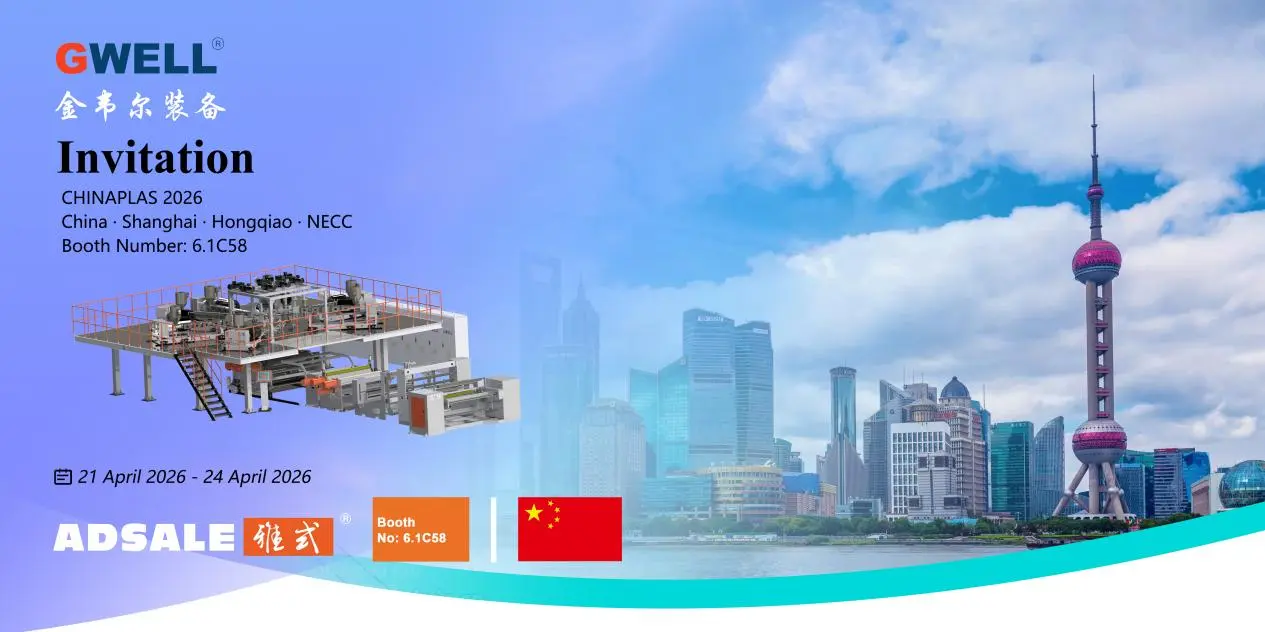
Gwell will present its latest sheet and film extrusion developments at the upcoming international plastics show.
We have launched our new environmentally friendly POE synthetic leather line, featuring excellent thermal stability.
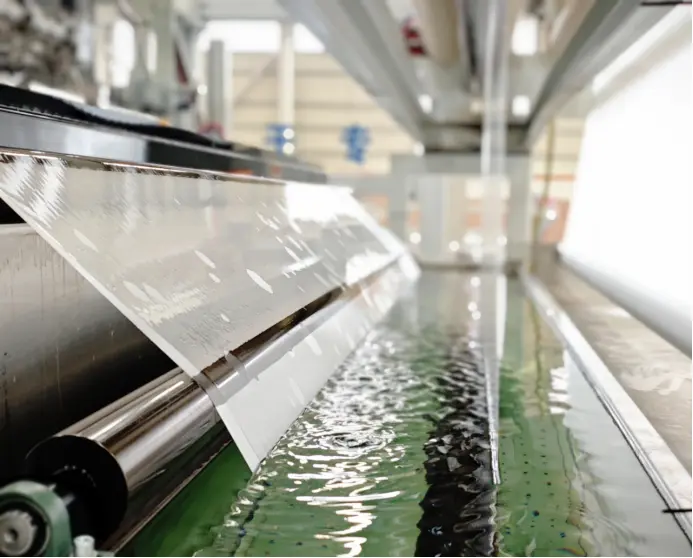
Our PVB wedge-shaped film production line achieves high precision, high efficiency, and wide formulation compatibility.
We collaborate with top international material suppliers and components brands to ensure system reliability.
Contact our technical team today for extrusion configurations, parameter sheets, and price estimates tailored to your production goals.
Send Inquiry NowExplore our extensive manufacturing solutions for films, sheets, and composite boards.