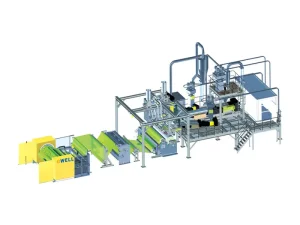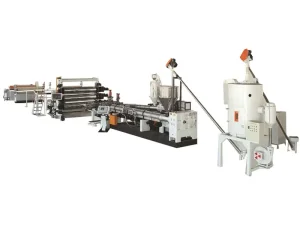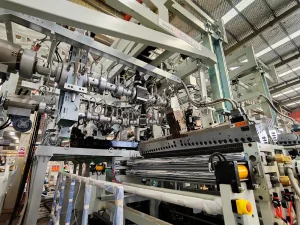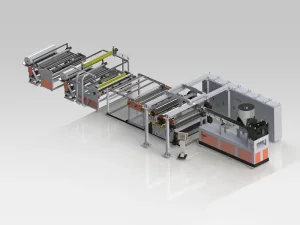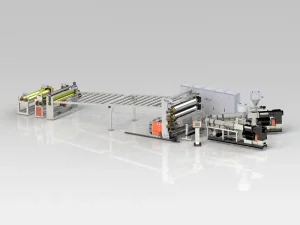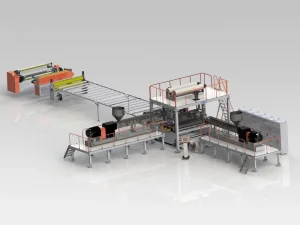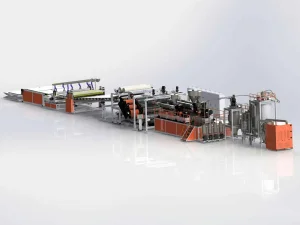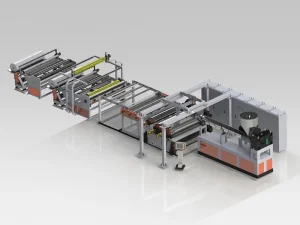
Explore our world-class cast film, board, sheet, and solar encapsulation extrusion lines configured for specialized industrial demands.
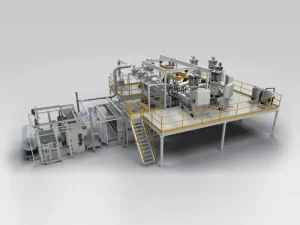
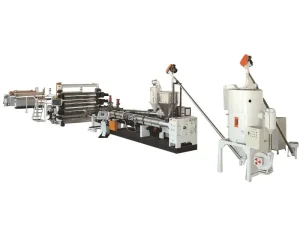
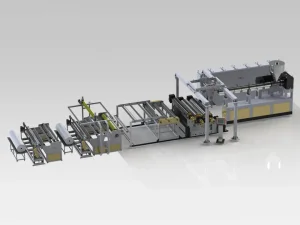
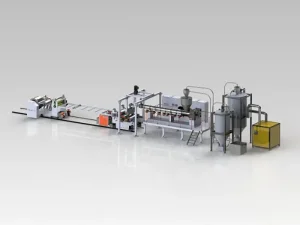
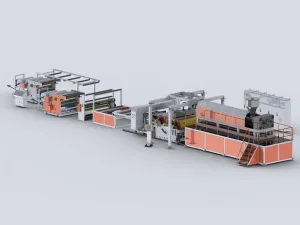

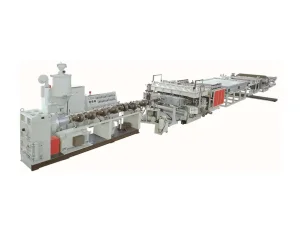
In modern defense aviation and land combat tactical vehicles, Head-Up Display (HUD) systems have evolved from auxiliary flight aids to critical tactical mission controls. The visual feed projected onto the cockpit windshield must be rendered with zero error, zero ghosting, and absolute clarity at extreme angles of incidence. Achieving this optical precision demands a highly specialized, non-parallel polymer layer: the wedge-shaped Polyvinyl Butyral (PVB) film.
Historically, standard laminated glass relied on parallel interlayers. However, when light displays project graphics onto a parallel windshield, the reflections from the outer glass surface and inner glass surface generate two distinct images—known colloquially in aerospace as "ghosting". The solution lies in the extrusion of a tapered, wedge-shaped PVB profile. This precise gradient profile aligns the secondary reflection with the primary projection, merging them into a singular, highly legible visual interface for pilots and tactical operators.
The calculation of the PVB wedge angle (δ) depends on the windshield tilt angle, the curvature radius, and the distance between the display screen and the pilot's visual center. Even a minor variation of ±0.05 mrad in the cross-sectional wedge profile will induce visual degradation, which is unacceptable under military grade standards (such as MIL-DTL-46108 and MIL-G-25880D).
The manufacturing technology for PVB wedge interlayers for military head-up displays is highly concentrated among a small number of global high-end equipment manufacturers. The production demands micro-tolerance precision, specialized rheology management, and cleanroom handling of raw materials. Currently, North American, European, and East Asian defense sectors dominate the demand, but the rise of smart automotive dashboards and autonomous tactical vehicles has triggered a surge in hybrid military-commercial industrialization.
GWELL Machinery stands at the forefront of this industrial shift. By developing proprietary extrusion dies and real-time scanning systems, we have enabled reliable fabrication of PVB wedge interlayers that meet rigid defense standards while offering cost efficiencies for commercial vehicle conversions.
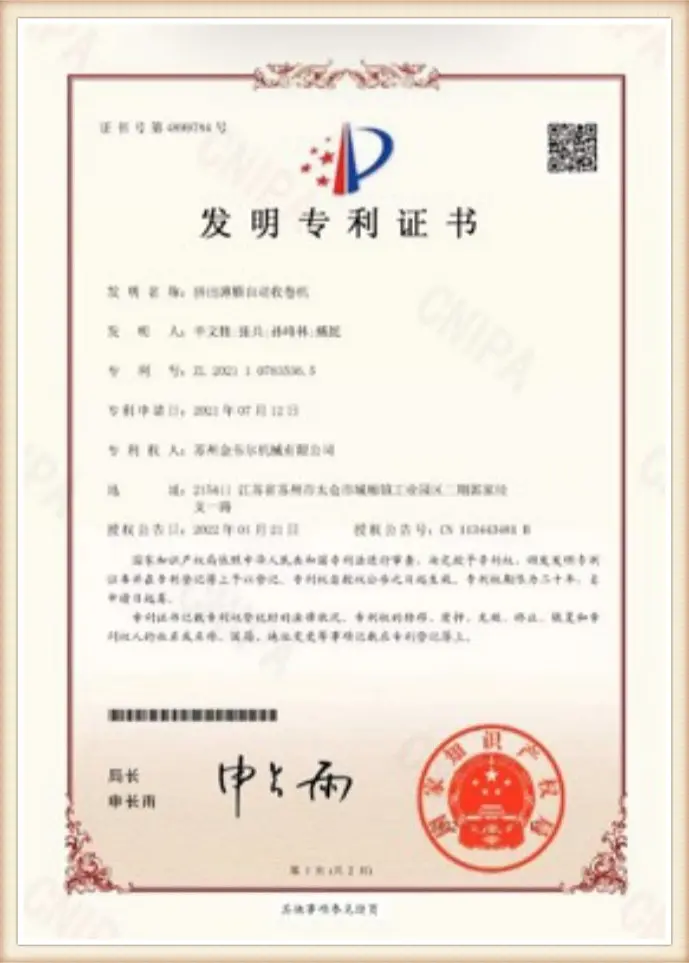
Our engineering superiority is backed by physical assets, high-tech labs, and extensive field performance metrics.
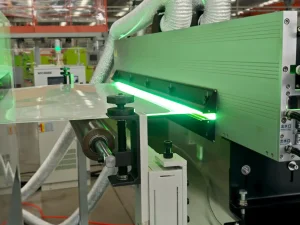
GWELL Machinery combines specialized engineering knowledge with advanced mechanical execution. The production of military-grade PVB HUD wedge film is not merely an extrusion process; it requires precise thermal stability, multi-manifold distribution, and robust downstream web-handling. Our systems integrate real-time thickness feedback control loops that adjust lip dimensions dynamically during production, maintaining the stability of the wedge slope over kilometers of run-length.
To manufacture optical-grade interlayer films, Gwell follows a strict technology development protocol. The roadmap below outlines the key mechanical stages required to transition raw PVB resin into certified military-grade HUD interlayers.
Supercritical plasticizer feeding with dust-free vacuum systems. Direct drying ensures the moisture index is kept below 0.05% to avoid optical micro-voids.
Specially customized parallel twin-screw extruders featuring optimized L/D ratios (36:1 to 40:1) to minimize polymer degradation and maintain uniform shear rates.
Automatic wedge-forming T-die utilizing dynamic expansion bolts and continuous thickness scanning feedback for precise slope and wedge tolerances.
Controlled cooling rolls coupled with precise micro-pattern embossing to give the PVB web its unique surface structure, preventing blocking during winding.
Standard cast films can tolerate minor tension variations. However, wedge PVB film is inherently asymmetrical, with one side thicker than the other. Standard winding would result in uneven roll structure, stretching, and irreversible distortion of the wedge angle. Gwell solves this challenge through a proprietary tension-compensated winding system, which uses tapered contact rollers and dynamic cross-web tension controllers to wind asymmetric webs without introducing internal stresses.
Our engineering portfolio spans across four specialized production categories, designed to meet strict defense and energy sector regulations.
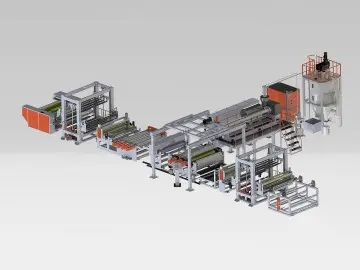
Designed for premium weatherability, high UV-resistance layers, and exterior protective composites.
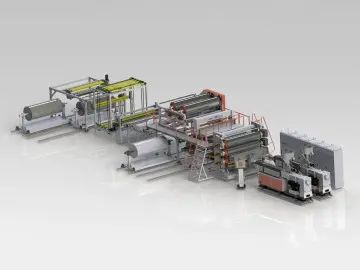
Specialized for medical applications, high-performance textiles, and ballistic laminate structures.
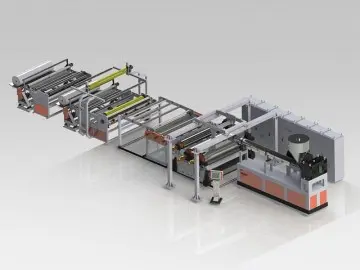
The industry benchmark for producing wedge-angle profiles for automotive HUDs and defense windscreens.
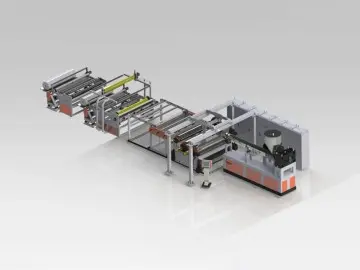
Standard architectural and automotive laminating film setups engineered for maximum optical transparency.
Different regions and operational theaters pose distinct challenges for optical HUD components. Gwell provides tailormade macro-solutions configured to withstand diverse environmental stresses:
For organizations seeking to build domestic PVB interlayer production facilities, Gwell offers a comprehensive, turnkey solution package. This program covers every phase of plant development, including:
Expert answers regarding polymer processing, tolerance limits, and operational considerations.
A1: Commercial automotive HUD films generally target a consistent single-slope wedge profile optimized for typical driver eye heights. Military-grade PVB films often require complex multi-slope geometries to account for steep windshield angles in tactical aircraft or high-thickness armored glass. Additionally, military films must deliver higher visual clarity and low moisture absorption rates, allowing them to remain clear under high-power laser illumination or near-infrared sensor projections.
A2: We use a closed-loop system that links a non-contact thickness scanner (nuclear, beta, or laser-based) directly to the automatic adjustment system on the T-die. The system measures the thickness across the web, calculates deviation against the pre-set wedge profile, and makes micrometric adjustments to the die lip via heated bolts. This keeps the wedge slope deviation within ±0.02 mrad.
A3: Because PVB is highly electrostatic and sticky, the winding, extrusion exit, and cooling areas must be housed in a Class 10,000 or Class 1,000 cleanroom. Ambient relative humidity must be controlled below 25% at 20°C to prevent the PVB from picking up moisture. Moisture absorption will lead to bubbling and haze during the subsequent autoclaving process.
A4: Yes, Gwell designs multi-purpose lines equipped with custom barrier screws. However, because PVB, SGP (ionoplast), and EVA have different melt temperatures, shear sensitivities, and moisture-absorption properties, the line must be configured with specialized screw speed programs and adjustable die gap clearances. SGP requires higher extrusion temperatures and mechanical drive torque compared to standard PVB.
A5: We utilize a specialized, contact-assisted winder equipped with cross-web tension controllers. By calculating the difference in diameter between the thick and thin ends of the roll, the machine adjusts winding torque and roll angle in real-time, preventing telescoping, wrinkling, or stretching during winding.
Stay updated with our latest industrial activities, technical seminars, and international exhibitions.
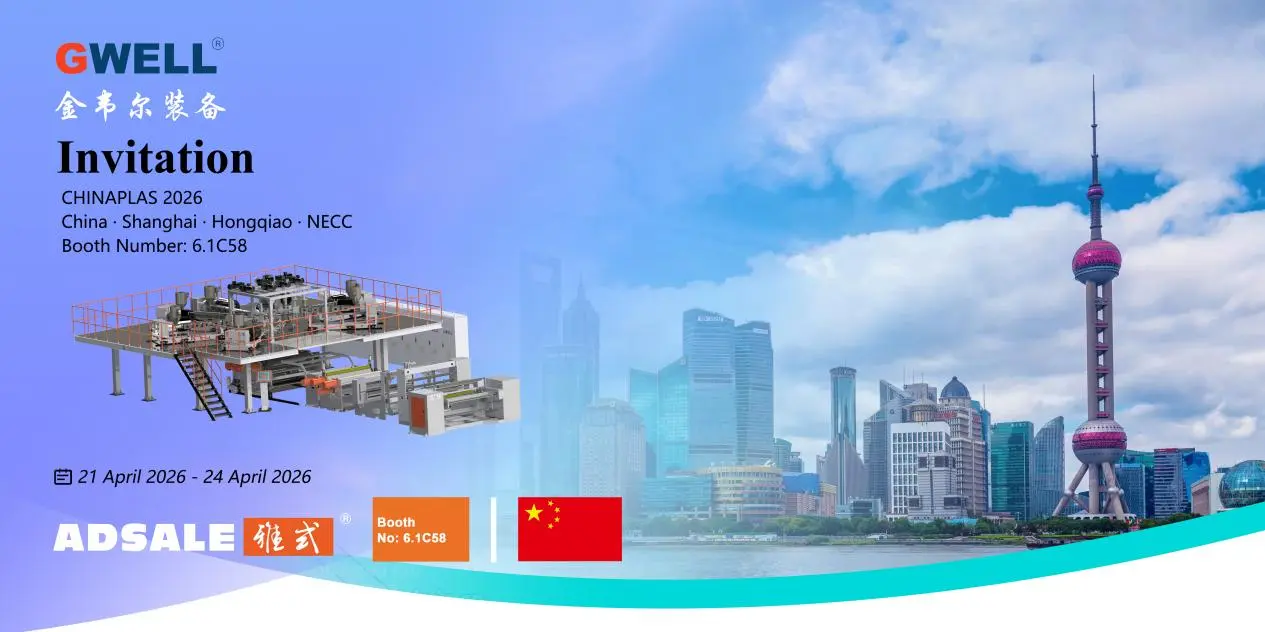
Discover our next-generation polymer extrusion lines designed for high-end optical films, including PVB and PVDF.
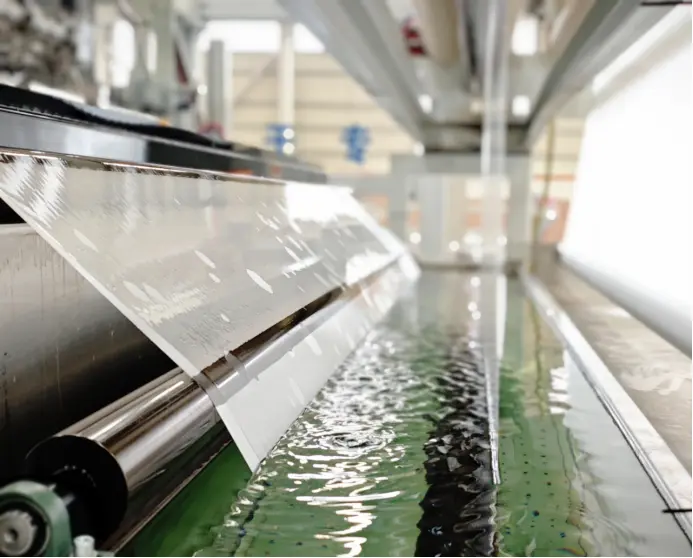
Expanding automotive composite options with high-performance, eco-friendly POE synthetic leather systems.
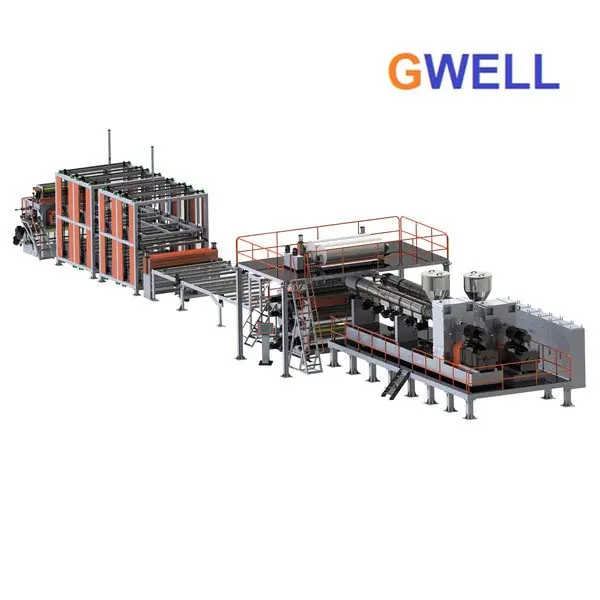
Introducing the GWELL PVB wedge-shaped film production line, featuring high precision, high efficiency, and high compatibility.
Our engineering and manufacturing systems meet strict international quality and defense standards.
Get in touch with our design engineers for detailed drawings, rheological trial protocols, and pricing options for custom PVB extrusion systems.
Contact Our Engineering DivisionHigh-precision systems engineered for solar energy, hydrogen membranes, medical packaging, and specialty transparent barrier products.